Blade Runner 2099 Reviews Settle at 72%, Below Both Films
Blade Runner 2099 holds 72% on Rotten Tomatoes and 65 on Metacritic before its 25 November premiere, with critics praising its craft and faulting its length.

On this page
Key takeaways
- Blade Runner 2099 held 72% on Rotten Tomatoes from 36 reviews and 65 on Metacritic from 20 reviews on 24 November 2026.
- The eight-episode limited series premieres on Prime Video on 25 November, with all episodes released at once.
- It is set 50 years after Blade Runner 2049, in a Los Angeles where replicants rule and a human fugitive, Cora, poses as a blade runner.
- Hunter Schafer and Michelle Yeoh star; Silka Luisa created and showruns the series, and Ridley Scott is an executive producer.
- The scores sit below the 89%, 94% and 88% Rotten Tomatoes marks of Blade Runner, The Final Cut and Blade Runner 2049, but the series is still rated Fresh.
The review embargo on Blade Runner 2099 lifted on the morning of 23 November, and by the next day the first live-action television series in the franchise had settled into a respectable but qualified reception. Rotten Tomatoes showed 72% from 36 reviews on 24 November. Metacritic showed 65 from 20, in its "generally favorable" band, with 60% positive notices, 35% mixed and 5% negative.
Related reading: Nocturne Opens at 100% on Rotten Tomatoes, Then Slips to 83% · The Greatest Opens at 100% on Rotten Tomatoes, With Ali as a Young Man.
The number moved upward during the first day. Forbes recorded 68% from 28 reviews on the evening of 23 November, and Rotten Tomatoes' own account posted 73% from 15 reviews earlier in the day. A score built on a few dozen notices is still settling.
What has not moved is the comparison. Blade Runner holds 89% on Rotten Tomatoes, Blade Runner: The Final Cut holds 94%, and Blade Runner 2049 holds 88%. The series is still Fresh, and a 65 on Metacritic is not a panning. But it sits below every feature version of Blade Runner, and the gap is the story of its release.
The bar the films set
Blade Runner is an unusual franchise to extend. Ridley Scott's 1982 film was a commercial disappointment that became a canonical science-fiction text, and Denis Villeneuve's 2017 sequel was a deliberate, slow, expensive follow-up that critics admired and audiences largely skipped. The property carries a visual grammar, a set of philosophical questions about memory and personhood, and a fan base that treats deviation as a kind of heresy.
That makes a television version a bet on atmosphere as much as plot. The show has to look like Blade Runner, sound like Blade Runner and say something new about the same ideas, across eight hours rather than two. The reviews suggest it succeeds at the first two and struggles with the third.
What the show is
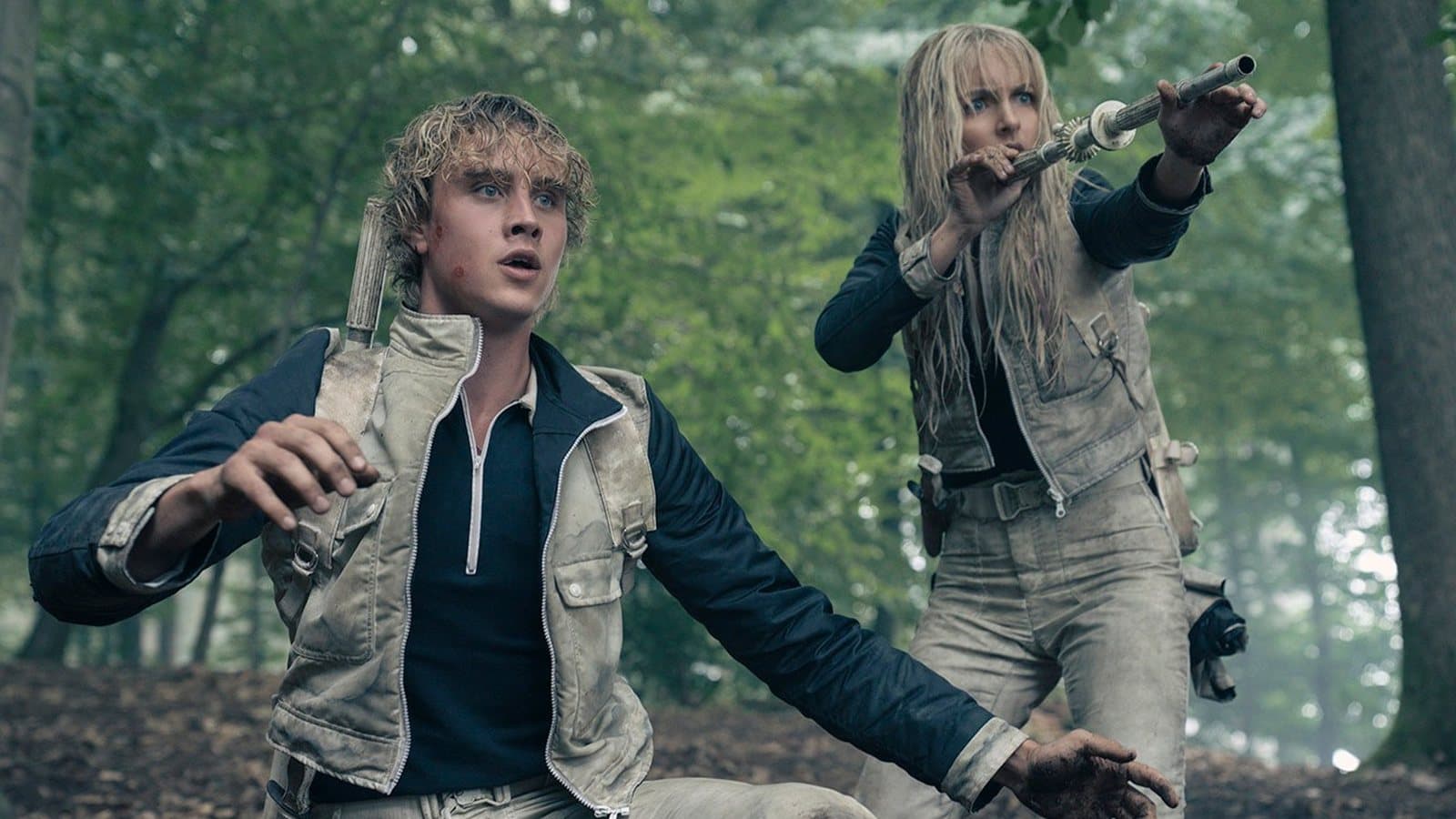
Blade Runner 2099 is set 50 years after Blade Runner 2049 and 80 years after the original. In this version of Los Angeles, replicants have won a war and now run the city. They have also taken the blade runner name. Cora, played by Hunter Schafer, is a human fugitive who assumes a blade runner identity and is paired with Olwen, a dying replicant played by Michelle Yeoh. Their hunt for a runaway leads to a secret that could destabilise the city.
Silka Luisa created the series and is its showrunner. Jonathan van Tulleken is the producing director. Ridley Scott is an executive producer, with Andrew A. Kosove, Broderick Johnson, David W. Zucker and Michael Green among the others. Alcon Entertainment, Amazon MGM Studios, Scott Free Productions and Sony Pictures Television are among the production companies.
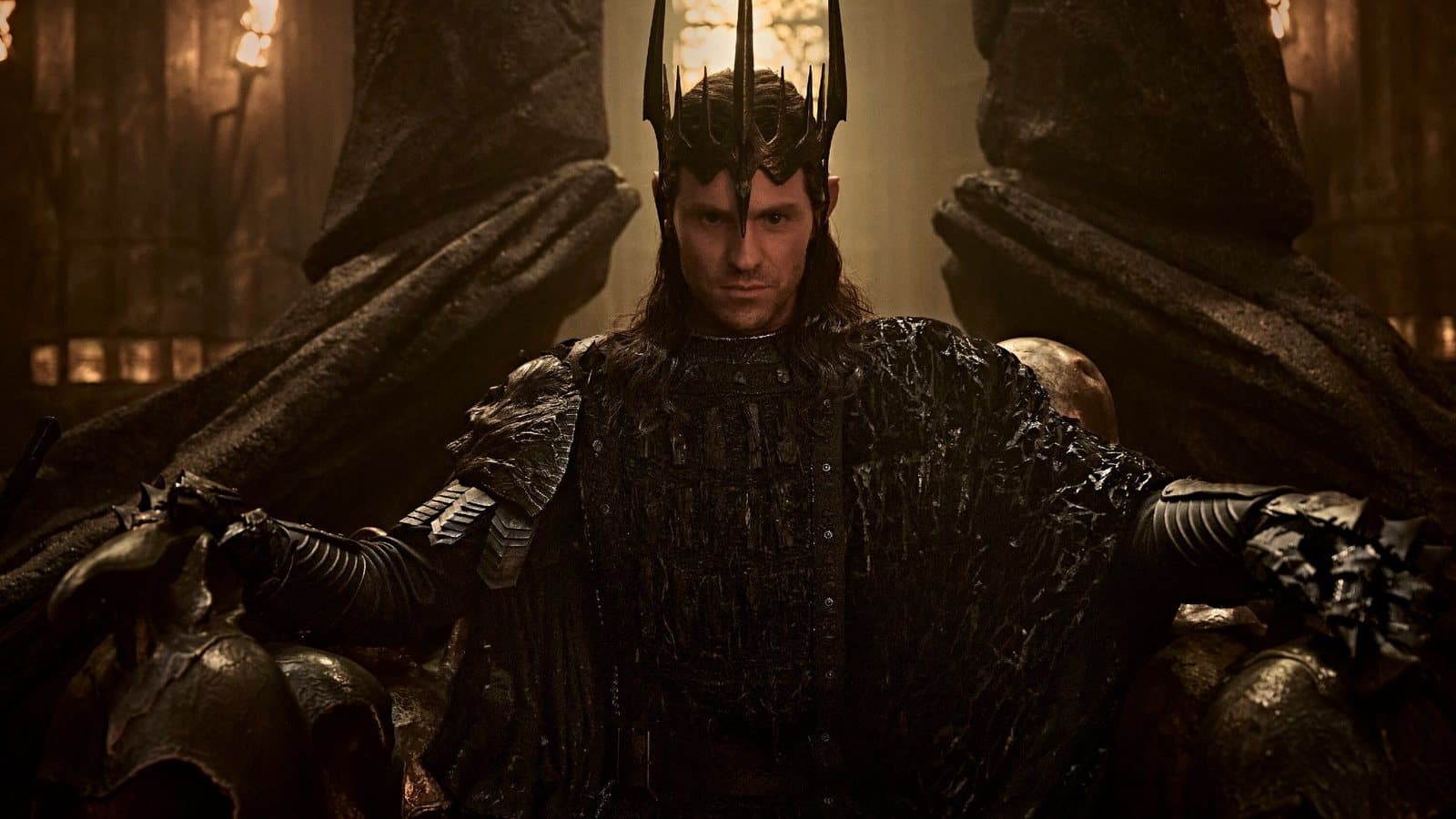
The inverted premise is the most interesting choice in the show. In the films, blade runners hunt replicants. Here, replicants are the enforcers and humans are the ones hiding. Critics who liked the series kept returning to that inversion as the reason it does not feel like a rehash.
The case for it
The strongest notices are enthusiastic. Slashfilm's Bill Bria called it "the best sci-fi IP revival since Ronald D. Moore's 'Battlestar Galactica'", adding that it is "that intriguing, that layered, and that vibrant." The Daily Beast's Nick Schager called it "a worthy eight-part TV follow-up" that "simultaneously upends and hews to convention". Empire's Ian Freer wrote that it "deeply understands its progenitors" and delivers "world-building par excellence".
The craft is the common ground. Critics praised the production design, the costume work and the score by Leopold Ross. The Verge's Andrew Webster wrote that the show "looks incredible, evoking the scuffed-up cyberpunk future of the films through chunky computers and intimidatingly brutalist architecture." Polygon's Samantha Nelson called it "a worthy successor" to both films. Variety's Alison Herman said Schafer, Yeoh "and their backing army of artisans put a fresh and compelling face on some familiar ideas."
That is a meaningful achievement. Television adaptations of film franchises often look like sets with the lights turned up. This one, by most accounts, looks like the films without simply copying them.
The case against
The negative reviews are not gentle. The Hollywood Reporter's Angie Han wrote that the series is "trapped by the effort to emulate what's come before it", and that "without any distinctive identity or purpose to call its own, it's only able to achieve respectful imitation, not exciting evolution." TVLine's Dave Nemetz called it "a humorless slog, squandering the sci-fi classic's legacy on bleak violence and cardboard-thin characters."
Those two objections recur in the mixed notices. The show is slow, which is faithful to the films but harder to sustain over eight episodes. The central investigation is familiar. The middle stretch loses momentum. Looper's Matthew Jackson wrote that the talent involved means it "could never truly be bad", but that it is "so riddled with issues that it can also never truly be great."
The split is about whether the Blade Runner mood is enough on its own. For some critics, the mood is the point, and the show extends it with care. For others, mood without a strong story is a very expensive screensaver.
The length problem
The most consistent criticism concerns the episode count. Several critics argued that the story does not earn its eight hours.
"It's just a little too long for its own good," Webster wrote in The Verge. "It stretches itself too thin at times, particularly during the middle episodes." Decider's Lauren Sarner put it more sharply: "Previous Blade Runner entries were two-hour movies. This incarnation of the story doesn't consistently earn its eight-hour run time." IndieWire's Ben Travers said the central investigation is "too familiar" compared with the side quests, and unfolds too slowly for the villain to establish themselves.
This is the structural risk of prestige television. A film has to justify two hours. A limited series has to justify six to ten, and streamers have spent a decade commissioning long versions of stories that were not built for the format. Blade Runner is especially exposed to that critique because its films are deliberately paced and visually dense. Stretching the mood without adding narrative pressure produces exactly the complaint the reviewers are making.
The counterargument is that the side material is where the show lives. Variety argued that the wider canvas lets the series explore its future, even as its thesis wears thin, and that the former largely wins. That is a case for the show as an anthology of textures rather than a single tight plot. It is also a taste argument that will divide viewers in the same way the films did.
Schafer and Yeoh
The leads are the least contested part of the series. Schafer's Cora is a fugitive pretending to be something she is not, and critics found the performance a strong centre. Variety called the role "the best showcase for all she's able to do." TheWrap's William Goodman wrote that "it's impressive to see how effortless Schafer is throughout." Slashfilm's Bria said she makes Cora "a woman who is also slowly getting more and more in over her head."
Yeoh gets less uniform praise, but the pairing is the show's emotional engine. Critics liked the contrast between an established action star and a younger actor, and the way the two characters measure each other. TIME's Judy Berman wrote that "both excel at layering vulnerability beneath a stolid mask."
Not everyone was convinced. Screen Rant's Grant Hermanns argued that Yeoh finds the balance in her performance but Schafer does not quite. Next Best Picture's Giovanni Lago wrote that the series is strongest when it centres on Cora and Olwen, but that the performances are not strong enough to fully sell the characters. Those are minority notes in a mostly positive reception, but they point at the same problem the length complaints do: the show sometimes mistakes restraint for depth.
Why Amazon needs this to work
Blade Runner 2099 is the kind of project Amazon has been buying: a known intellectual property, a famous producer in Ridley Scott, an Oscar-winning lead in Michelle Yeoh, and a story that can be marketed as an event. The films' cult status gives it a built-in audience. The television format gives it more hours to justify a subscription.
The early numbers are good enough to support that strategy. A 72% Fresh score and a 65 Metacritic are not the kind of reception that kills a franchise. They are the kind that produces a second season if viewing holds up, or a quiet retirement if it does not. The show is billed as a limited series, but reviews note that the ending leaves the door open.
The more interesting signal is what the split says about IP television. Critics are willing to praise craft and still complain that a story is stretched. That is a harder audience to satisfy than one that simply wants more of a familiar world. It also suggests that the next Blade Runner project, if there is one, may face pressure to be a film again.
What to watch
The audience score will matter more than the critics' number. Rotten Tomatoes had no Popcornmeter on 24 November, before release. Television does not get CinemaScore, so the first useful signal will be streaming completion and social reaction after 25 November.
For now, the critical record is clear enough. Blade Runner 2099 is a well-made, well-acted extension of a franchise that critics still hold to the standard of its films. It clears the Fresh threshold. It does not clear the bar set by 1982 or 2017, and the reviewers who dislike it are mostly complaining about the same thing: eight hours where two would have done.
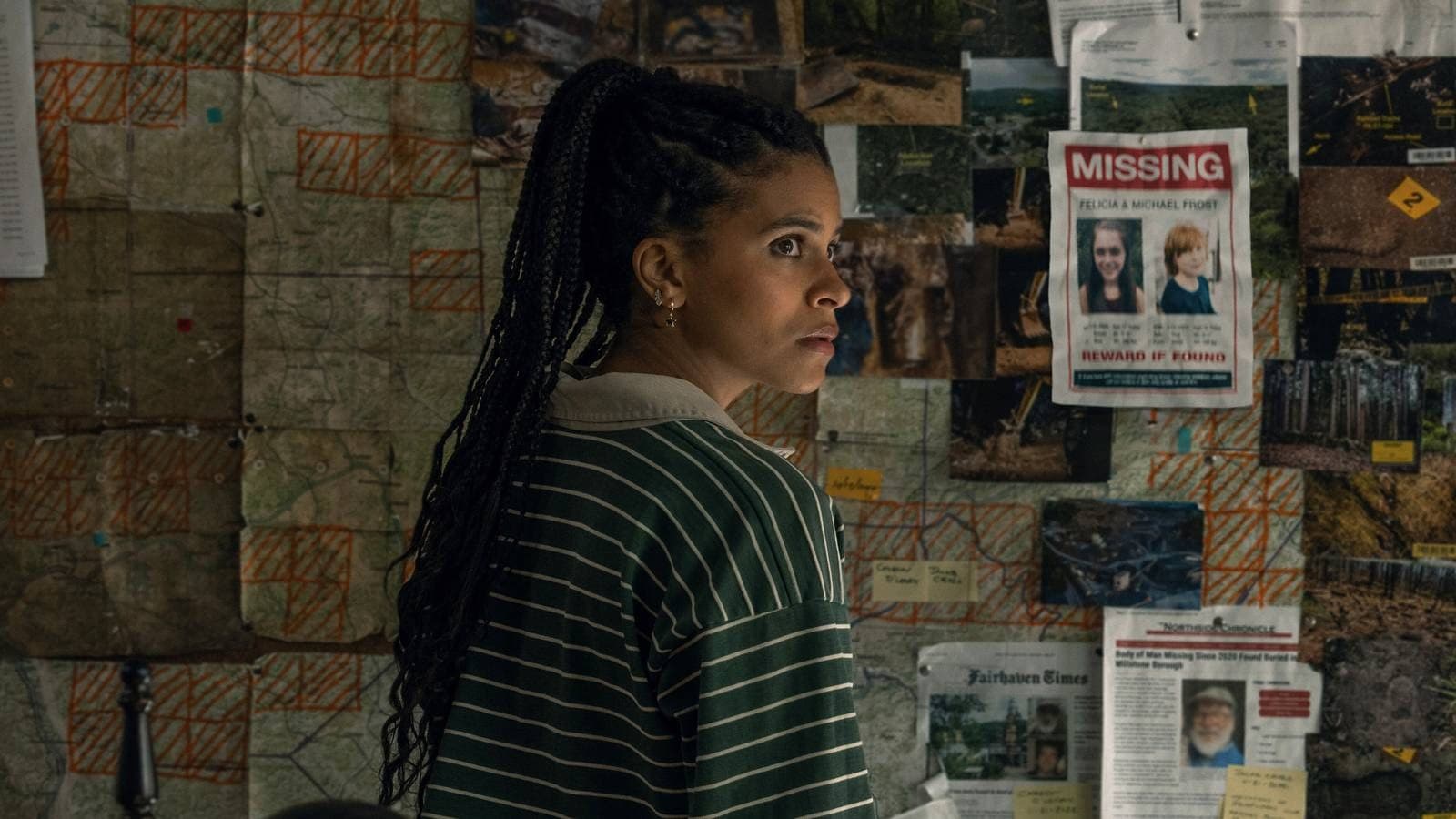
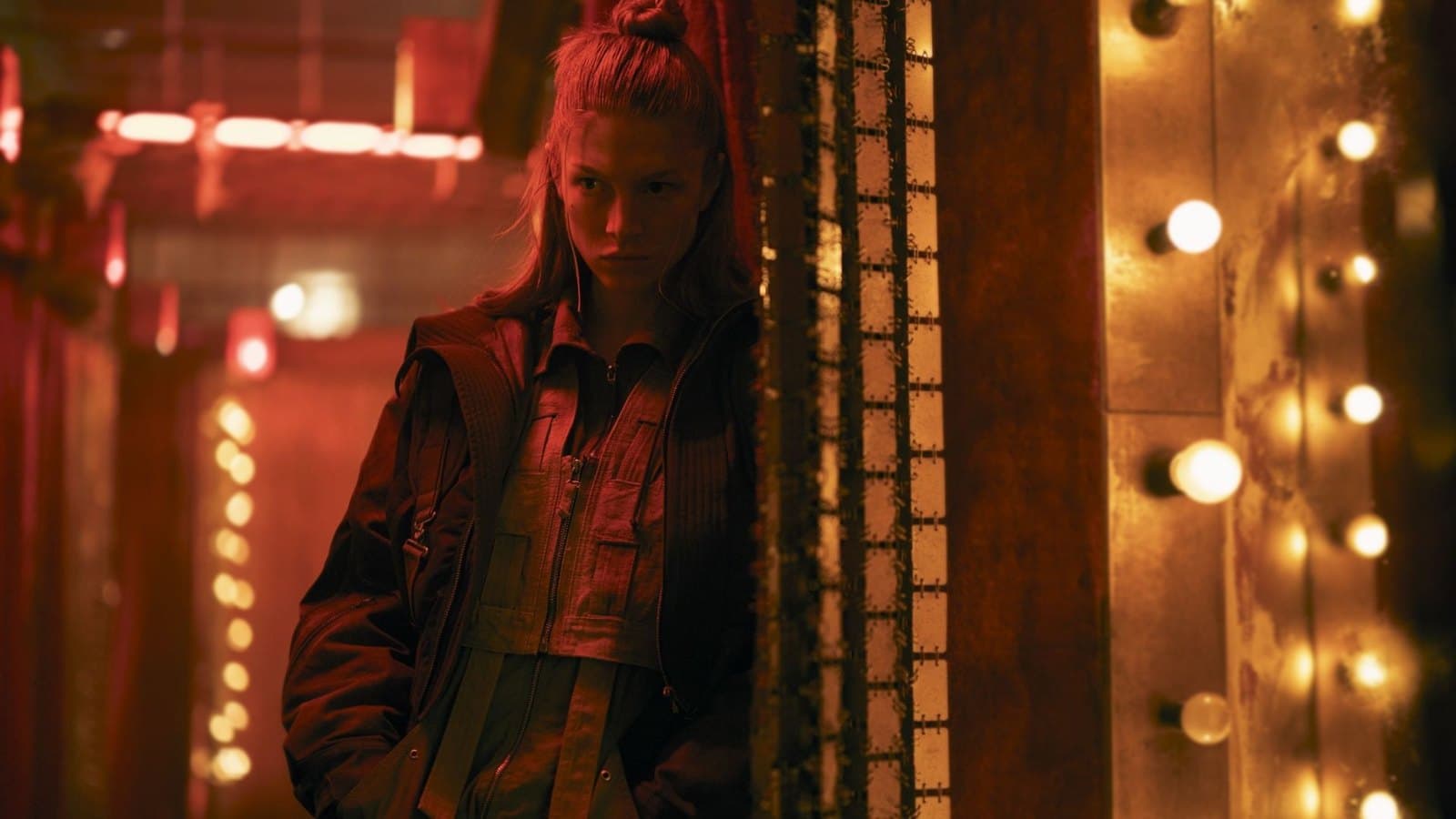
Cover credit: Hunter Schafer as Cora in an official still from Blade Runner 2099, courtesy of Prime Video and Amazon MGM Studios.
Tags
Frequently asked questions
- When does Blade Runner 2099 come out?
- All eight episodes premiere on Prime Video on 25 November 2026. It is billed as a limited series, though reviews note that the ending leaves room for more.
- What is Blade Runner 2099's Rotten Tomatoes score?
- Rotten Tomatoes showed 72% from 36 reviews on 24 November 2026, after the review embargo lifted on 23 November. The score moved during the first day as reviews arrived, so it may change again.
- Do I need to watch the Blade Runner films first?
- No. Critics say newcomers can follow the story, though the series rewards familiarity with the films and Philip K. Dick's novel. It is set 50 years after Blade Runner 2049.
- Who is in the cast of Blade Runner 2099?
- Hunter Schafer plays Cora and Michelle Yeoh plays Olwen. Dimitri Abold, Lewis Gribben, Tom Burke, Johnny Harris, Matthew Needham, Sheila Atim and Daniel Rigby are among the supporting cast.

TPW Editorial
Editorial Team
TechPastWeek's editorial team reports and edits every story we publish. We research each piece against primary and credible secondary sources, and a human editor reviews and signs off before it goes live.