
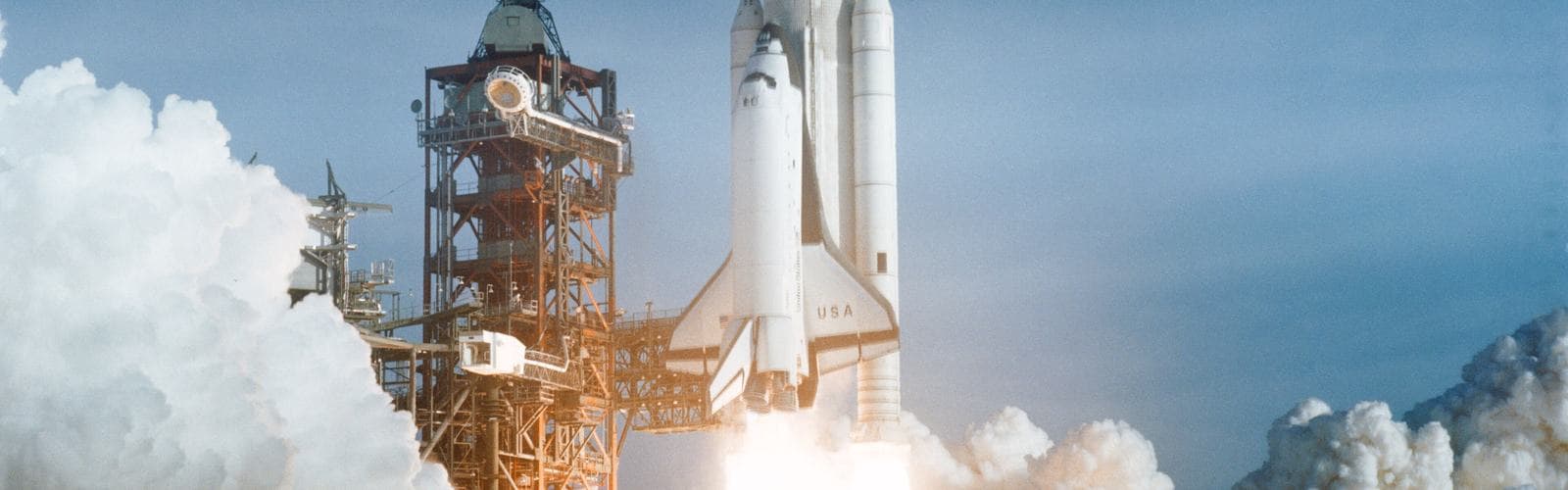

Japan Launches MMX to Bring Back a Piece of Phobos
JAXA launched MMX on 20 October 2026 on a mission to orbit Phobos, land a rover and bring at least 10 grams of the Martian moon back to Australia in 2031.
By TPW Editorial8 min read

Spaceflight, satellites, and research breakthroughs with a tech angle.
27 storiesLatest: Nov 2, 2026
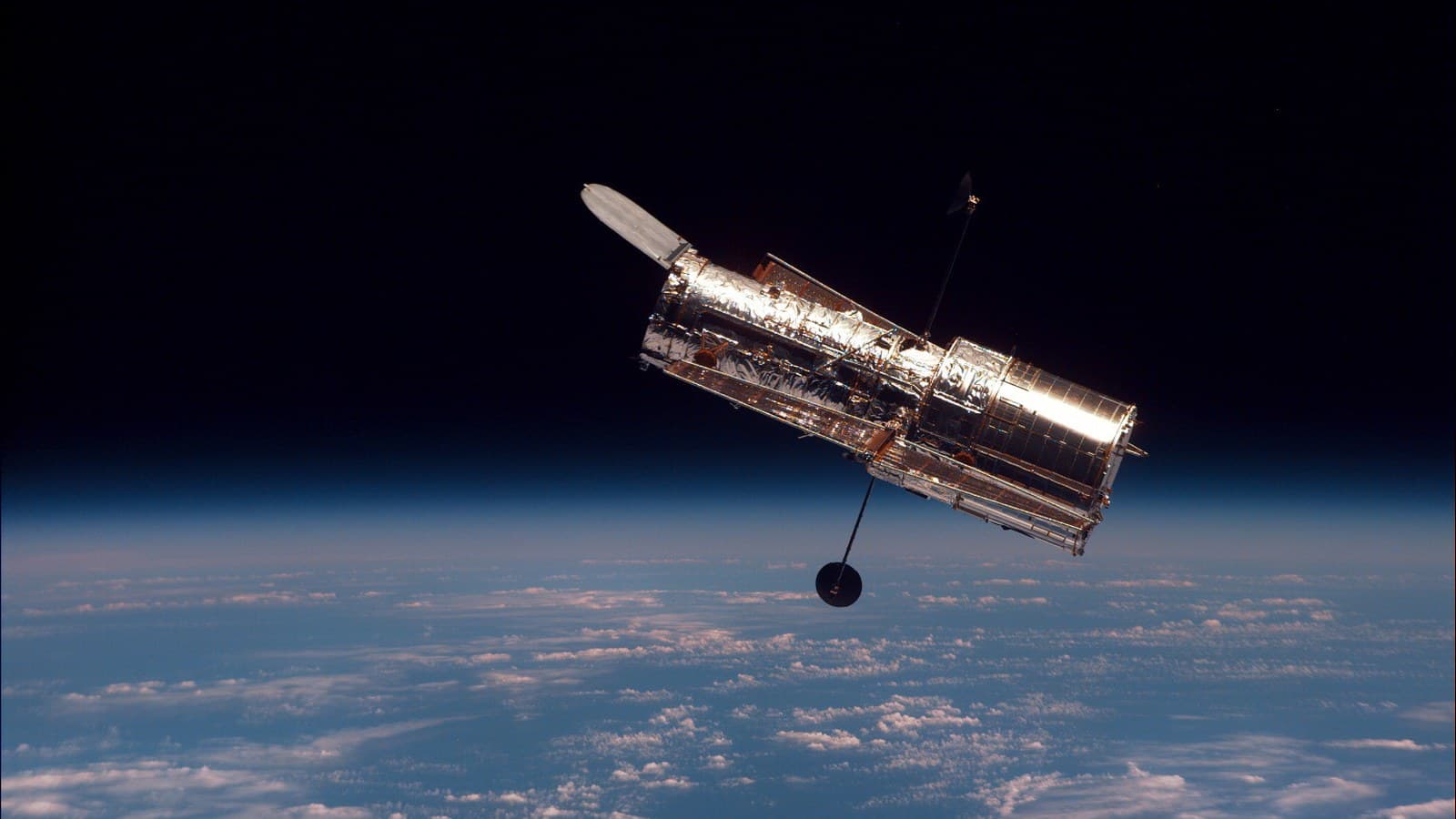
NASA's 29 October 2026 request for information asks industry about boosting Hubble, servicing it, or bringing it down safely. Nothing is funded or scheduled.
 TPW Editorial9 min read
JAXA launched MMX on 20 October 2026 on a mission to orbit Phobos, land a rover and bring at least 10 grams of the Martian moon back to Australia in 2031.
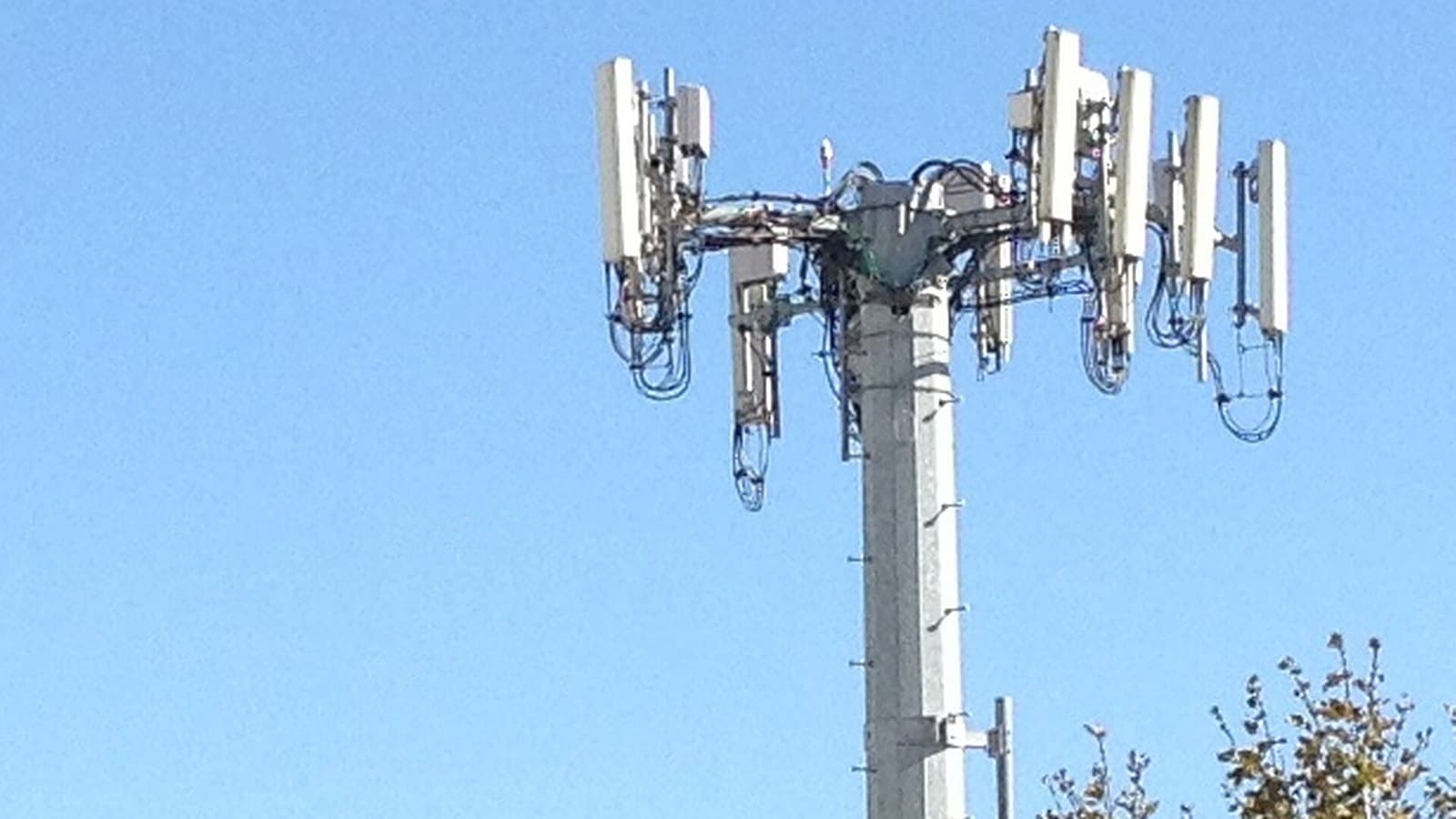
SpaceX is in talks to lease access to at least 80,000 US cell sites, about half the country's towers, as it builds the ground layer of a fourth carrier.
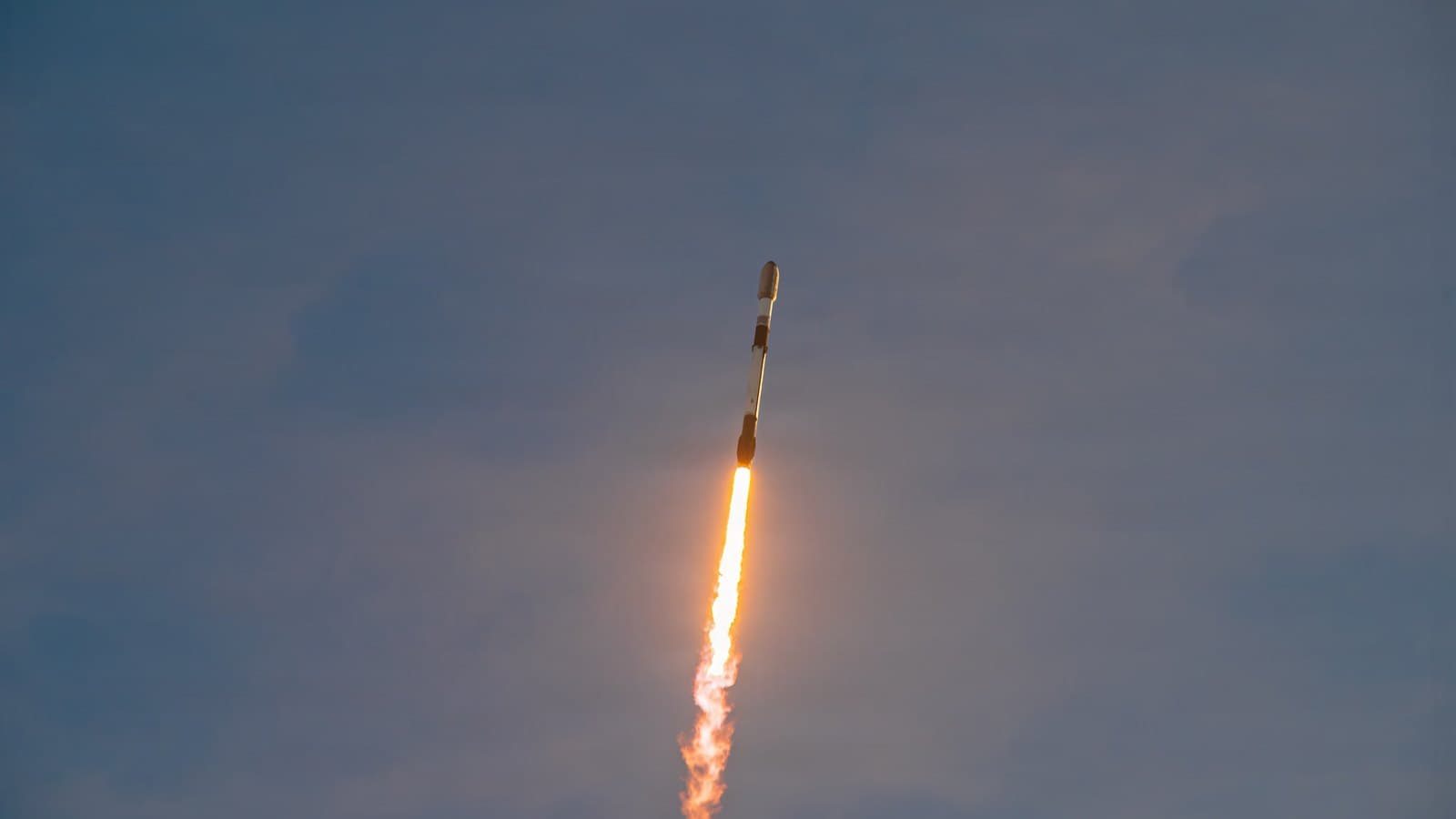
SpaceX launched its Starfall return capsule for the second time on 20 October, on a Falcon 9 rideshare with 31 customer payloads. The outcome is unconfirmed.
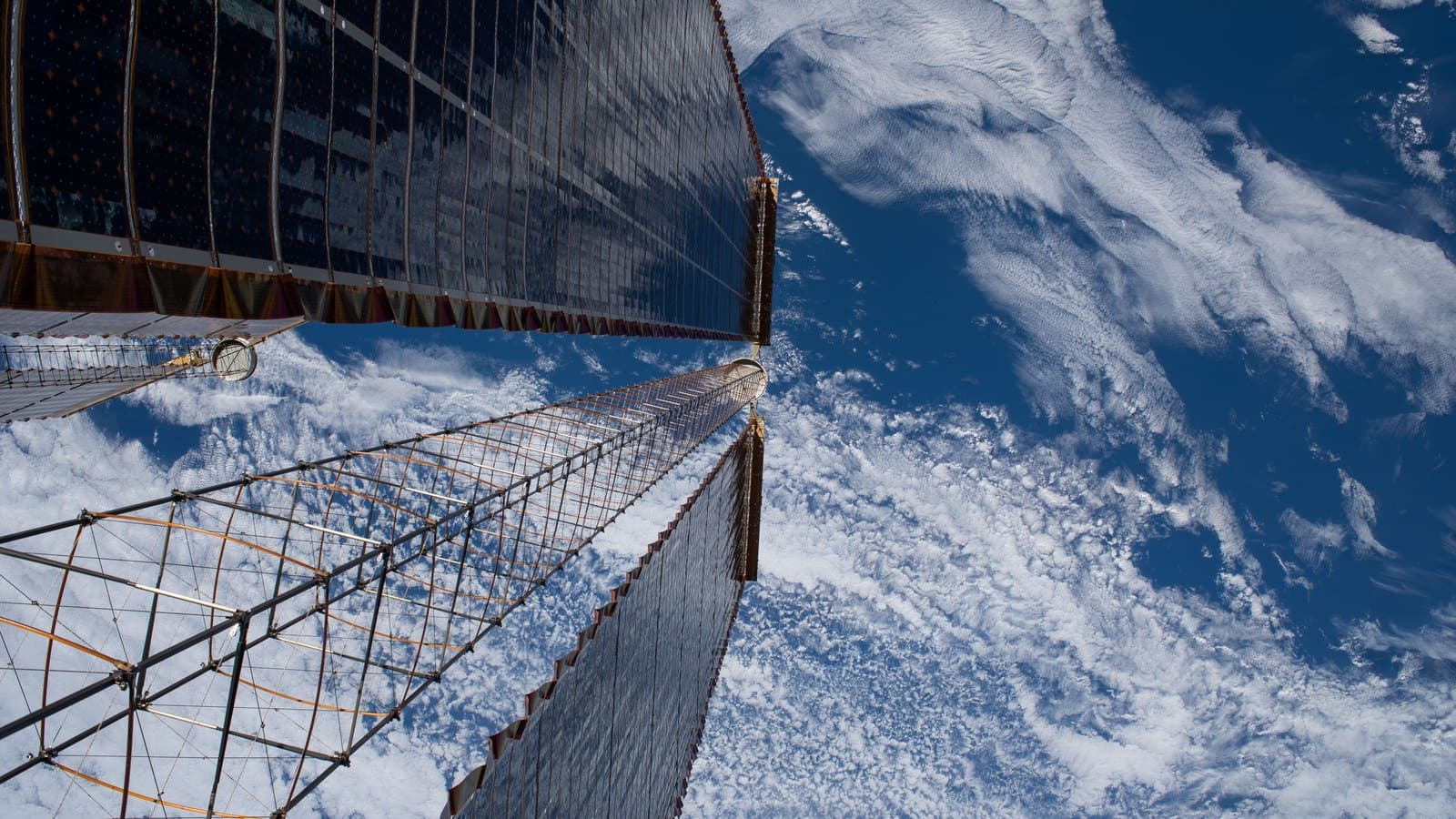
SpaceX launched NASA's CRS-35 cargo mission on October 13, 2026, carrying the fourth and final pair of ISS roll-out solar arrays and 6,300 pounds of supplies.

SpaceX's Starship reached orbit for the first time on Flight 14 on September 28, 2026, deployed 26 Starlink V3 satellites, then splashed down in the Pacific.
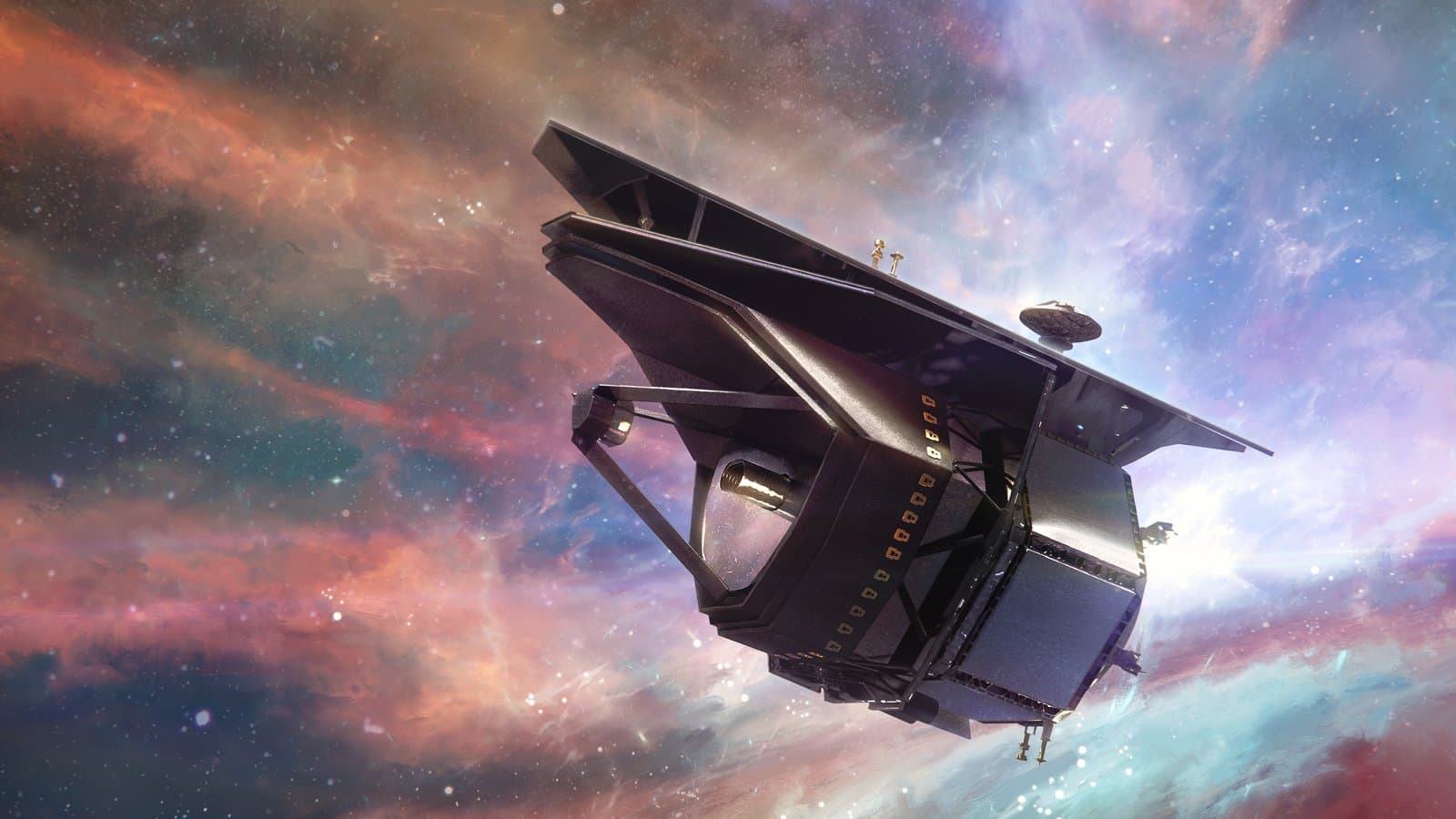
NASA selected PRIMA, a $1.2 billion far-infrared space telescope, as the first Probe Explorers mission in its Explorers Program, targeting a 2033 launch.
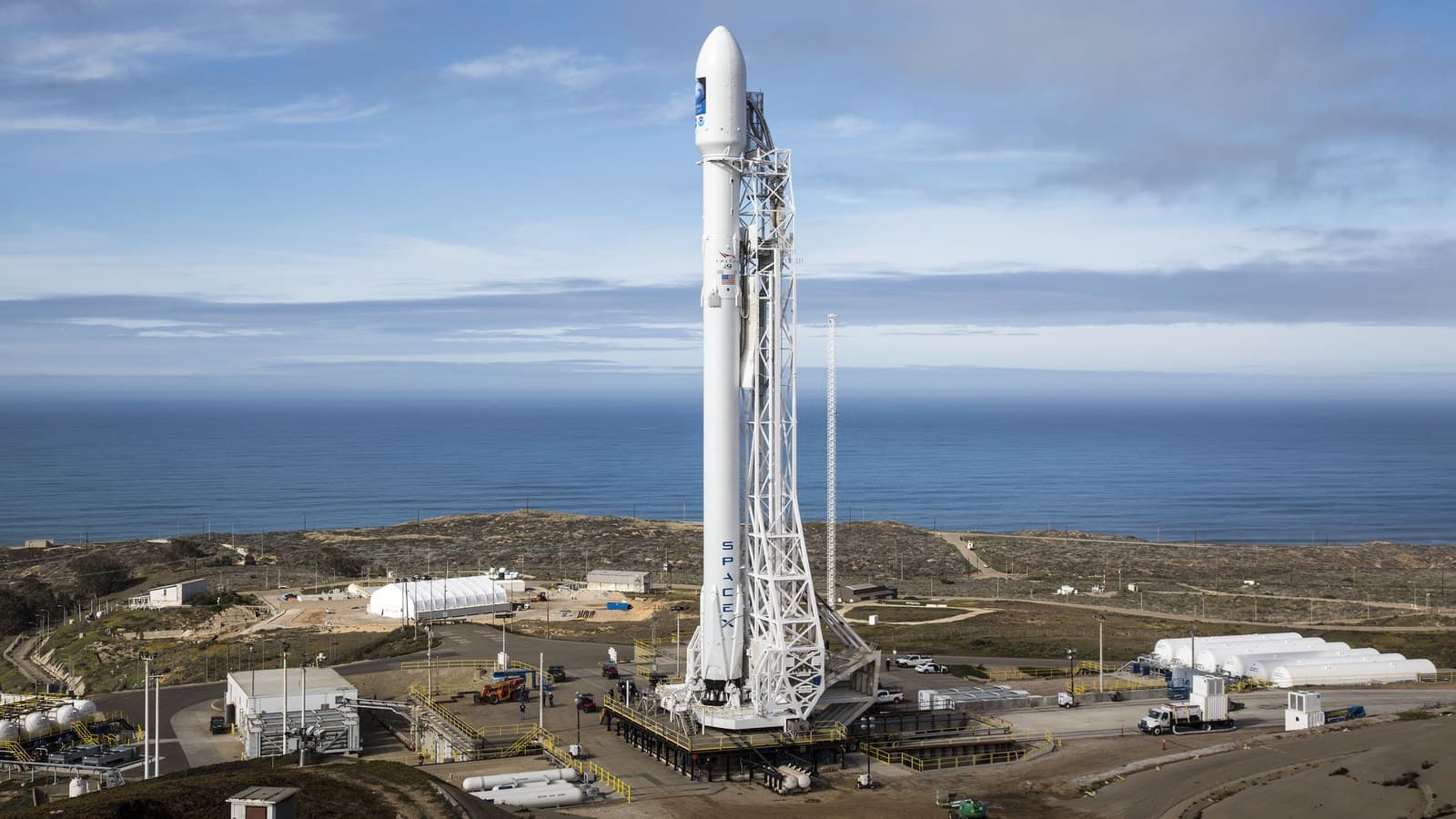
Google's Project Suncatcher will launch the MVP satellite on October 1, carrying four TPUs to test whether AI compute can survive and work in Earth orbit.
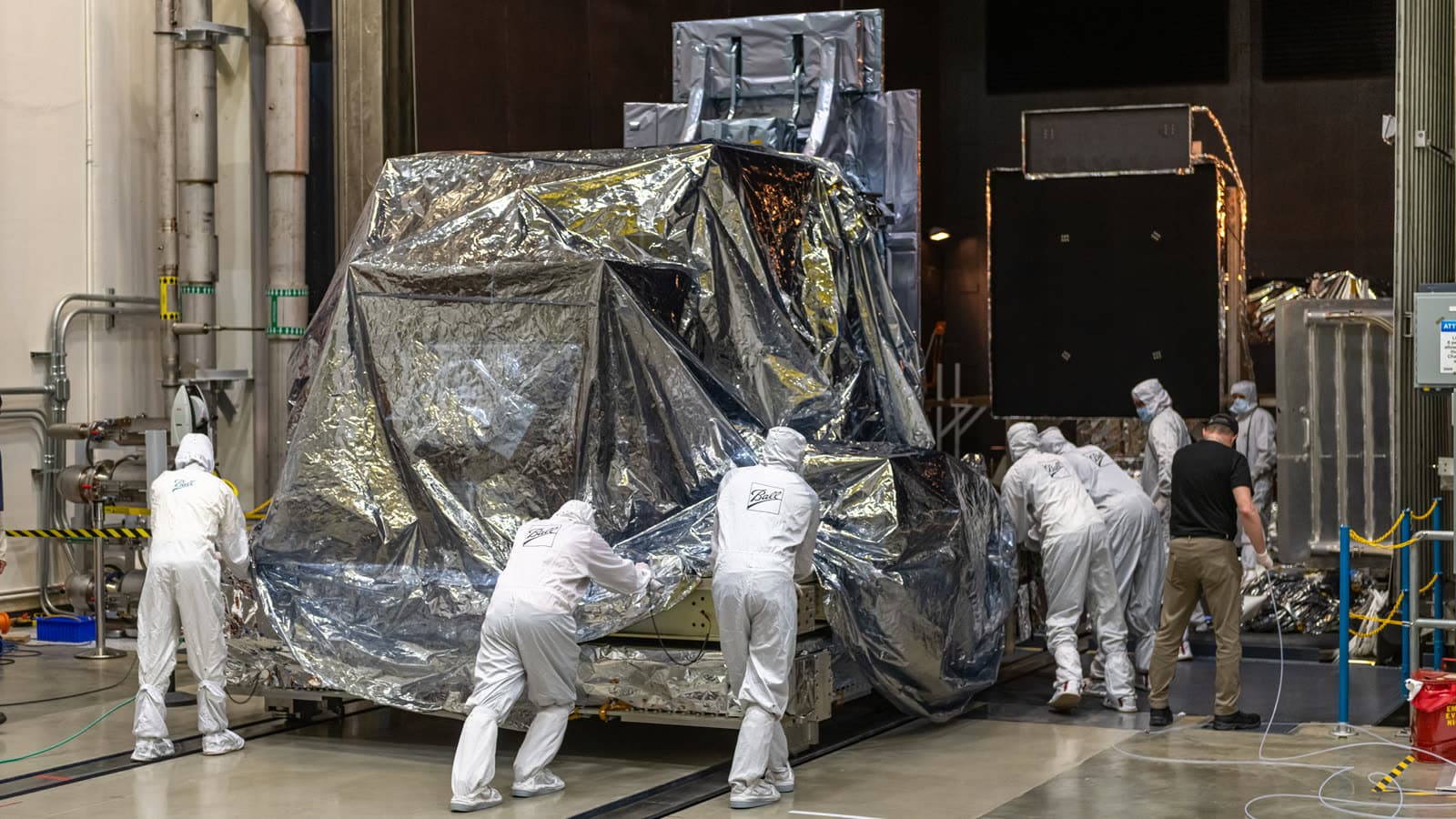
NASA powered up the Roman Space Telescope's 300-megapixel Wide Field Instrument in September 2026 and ran early checks on its planet-imaging coronagraph.
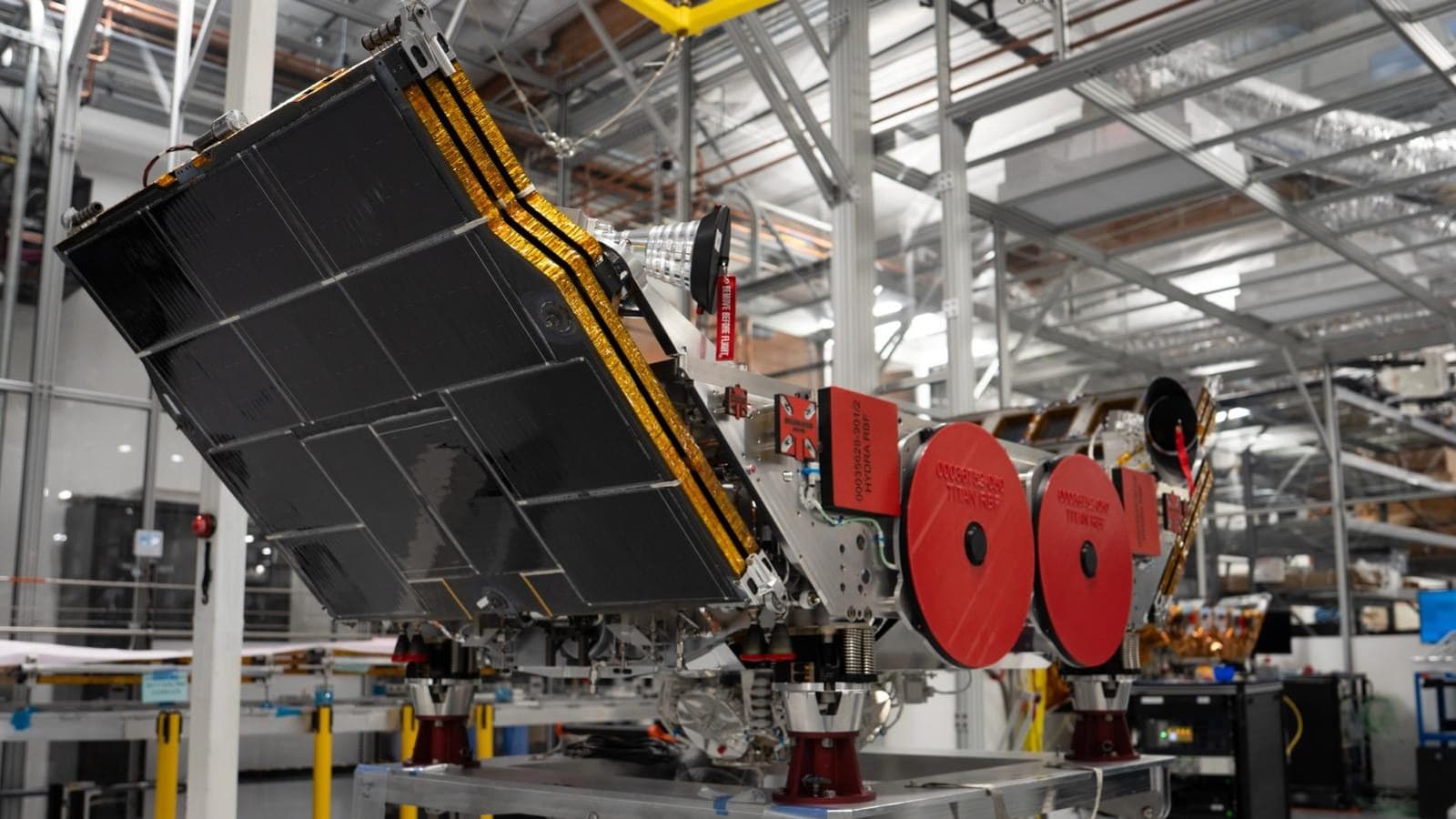
Impulse Space raised a $308 million Series D extension on 16 September 2026, taking the round to $808 million at a reported valuation of $5.6 billion.
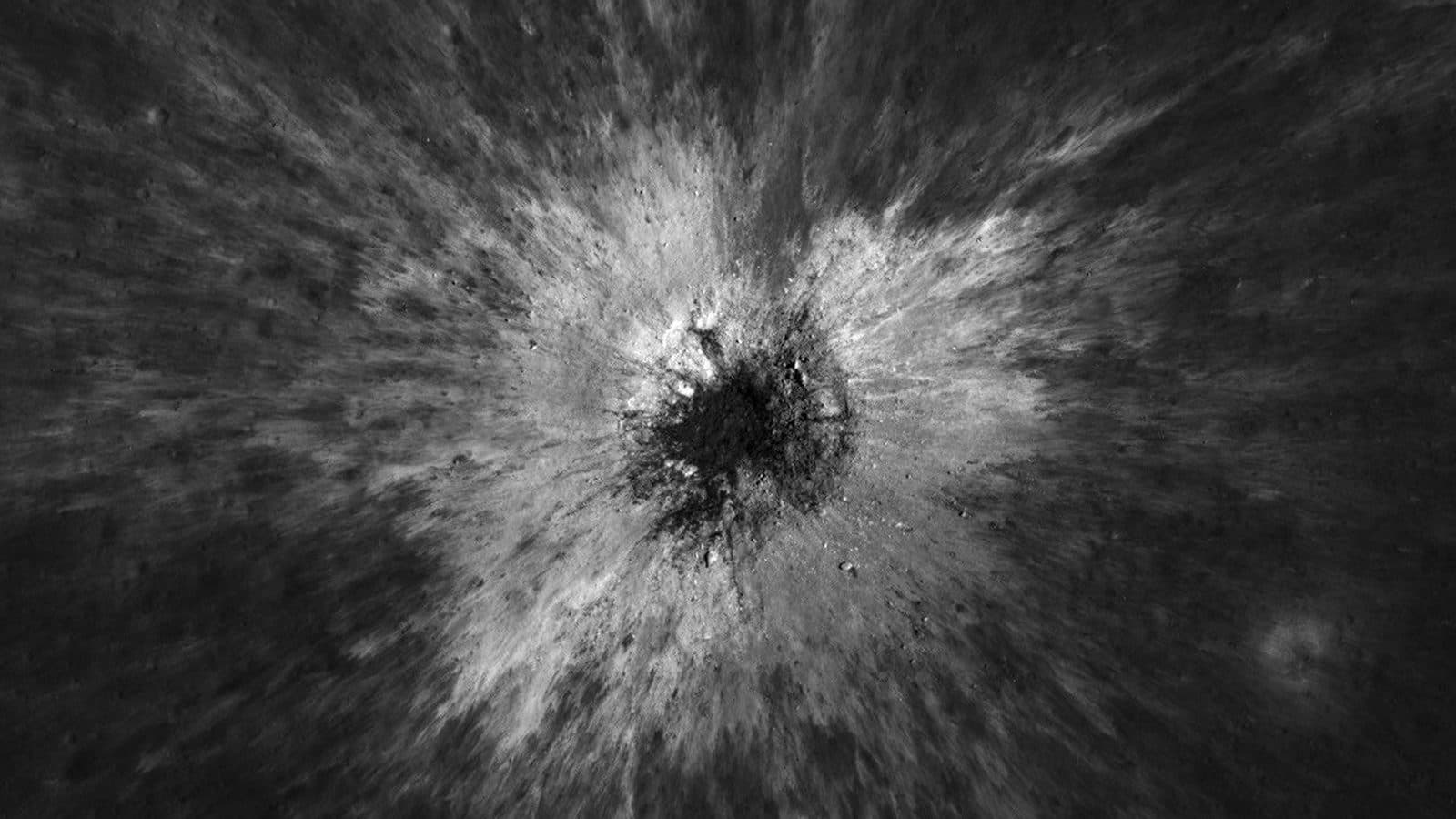
NASA's Lunar Reconnaissance Orbiter found a 222-metre crater on the Moon that formed in 2024, the largest newly formed crater identified in the solar system.
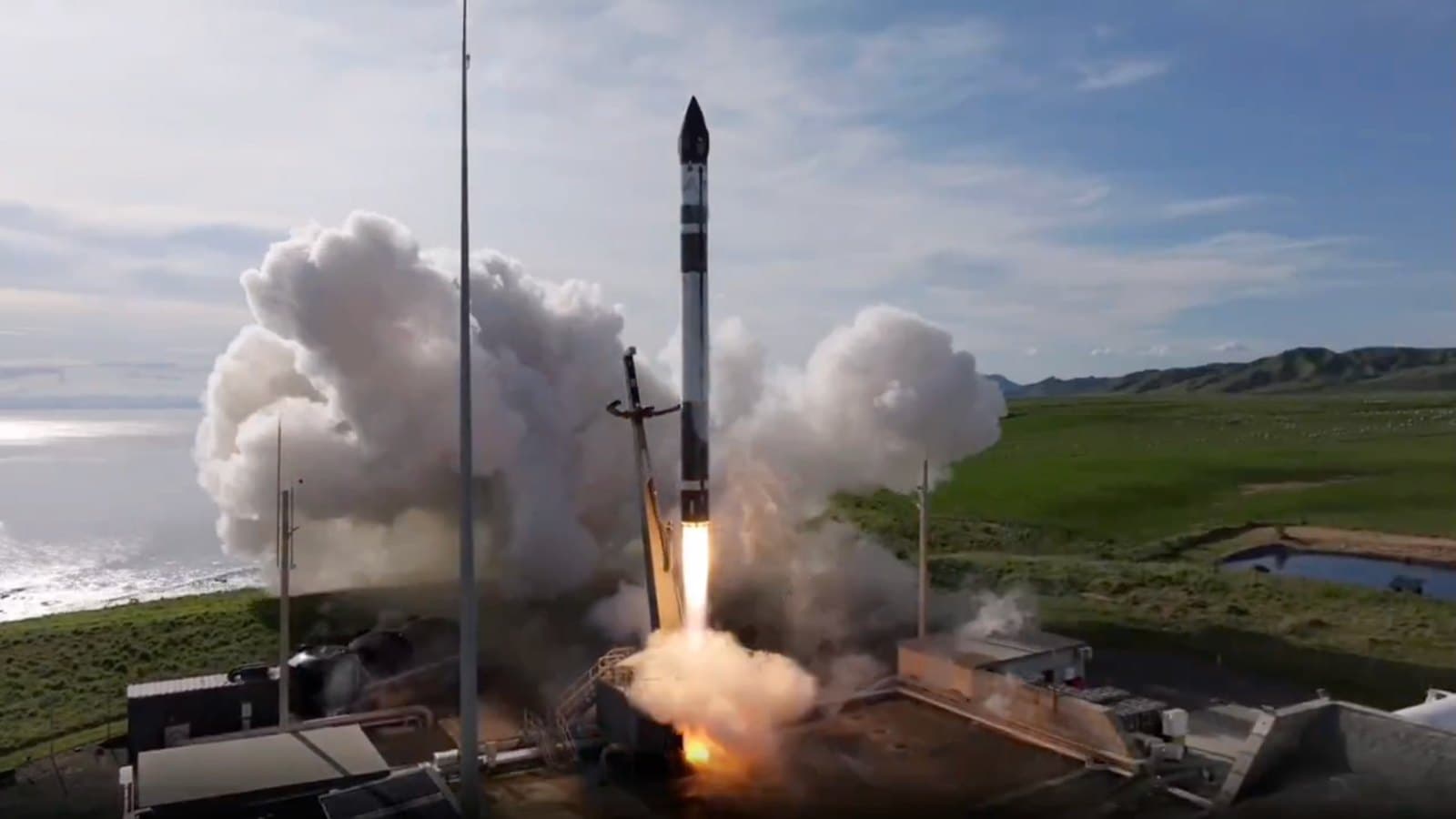
Rocket Lab launched its 96th Electron on September 19, 2026, carrying a 12th StriX radar satellite for Synspective and extending a 100% success record.
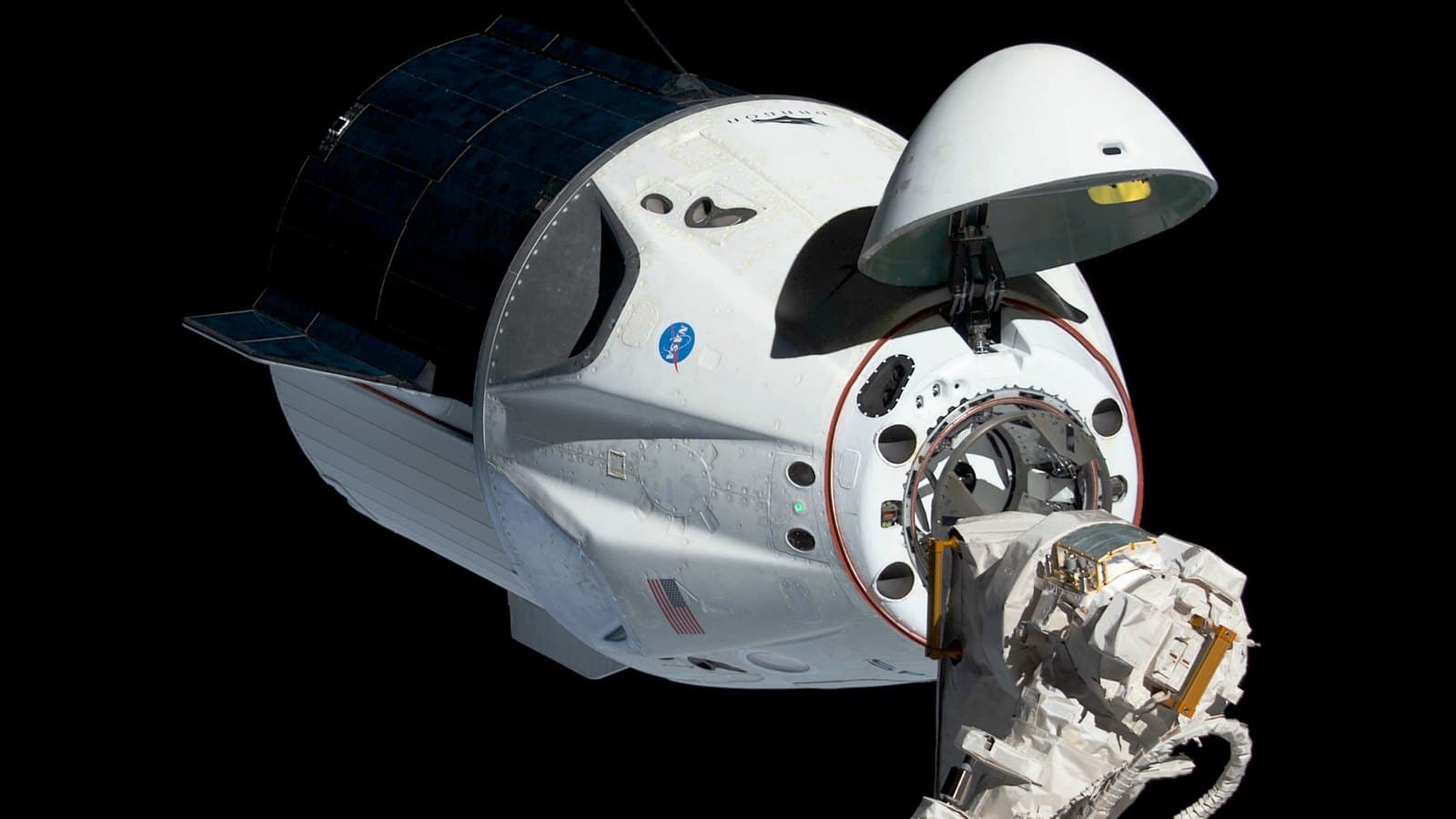
NASA awarded SpaceX $946 million on September 18, 2026 to add Crew-15, Crew-16 and Crew-17 to its CCtCap contract, lifting the total value to $5.92 billion.
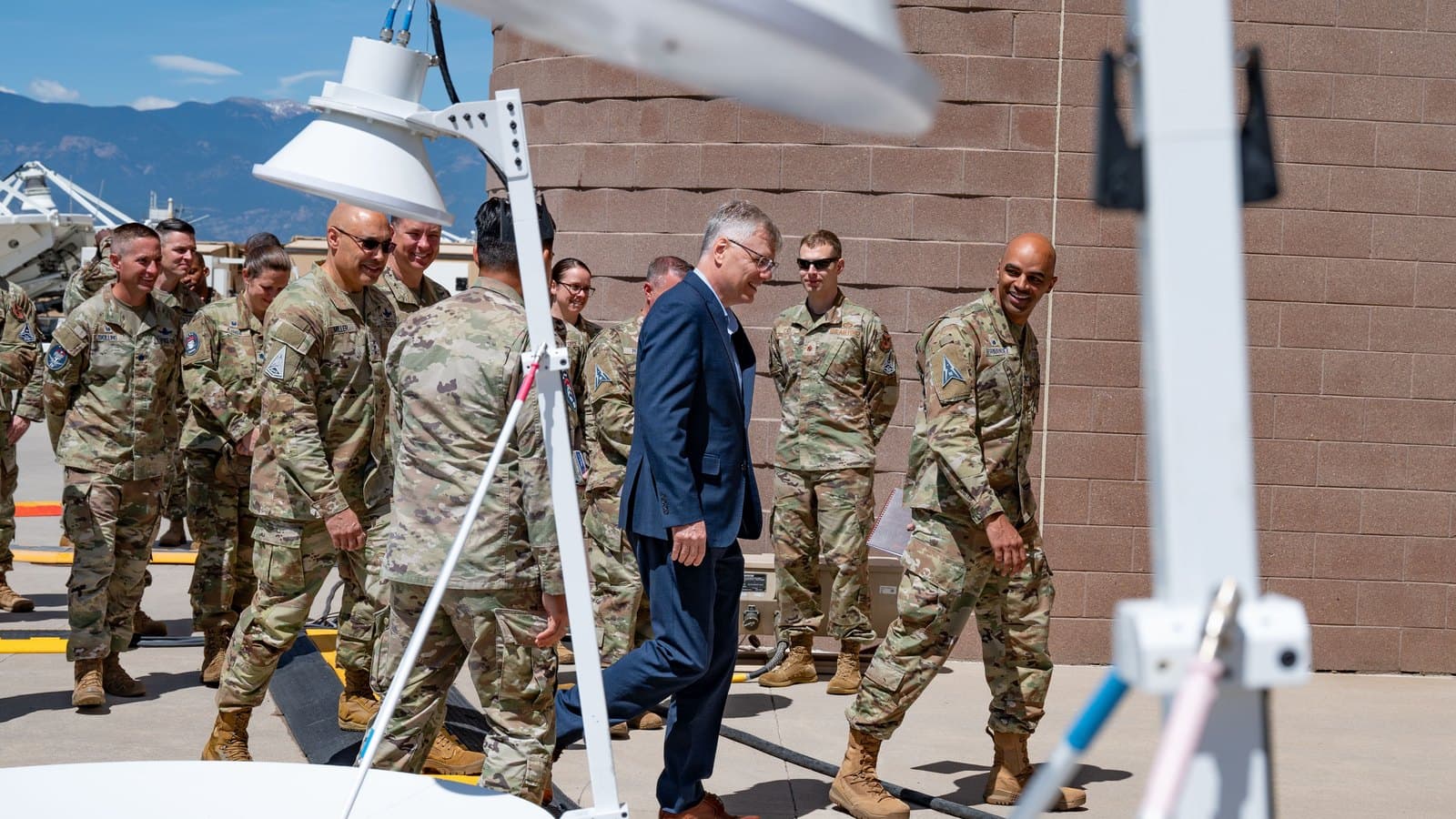
Air Force Secretary Troy Meink confirmed the US has on-orbit space control weapons, the first public admission of deployed space weapons. Here's what it means.
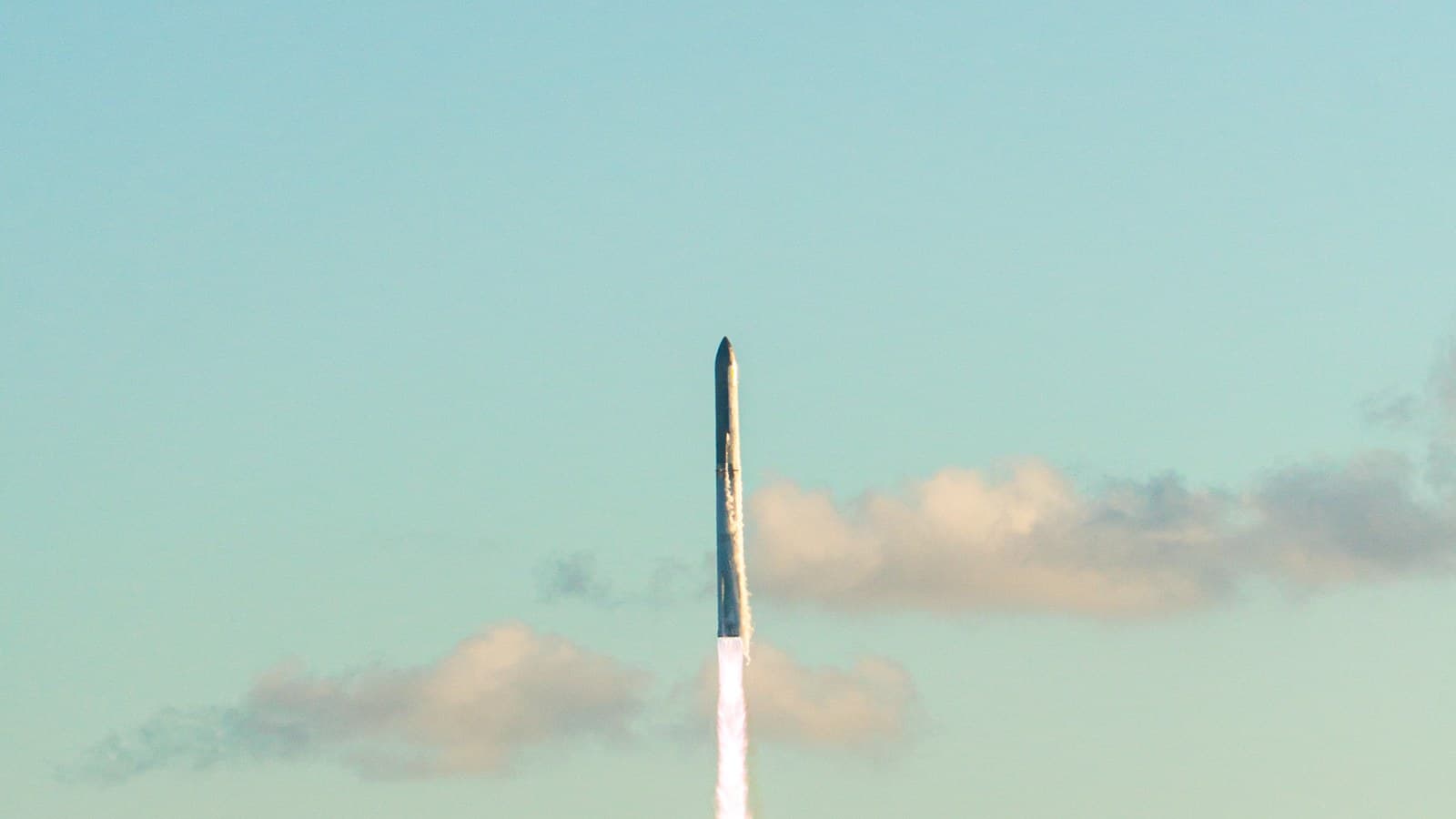
SpaceX is targeting September 22 for Starship's first orbital flight, a roughly ten-hour mission that would deploy 26 Starlink V3 satellites for the first time.
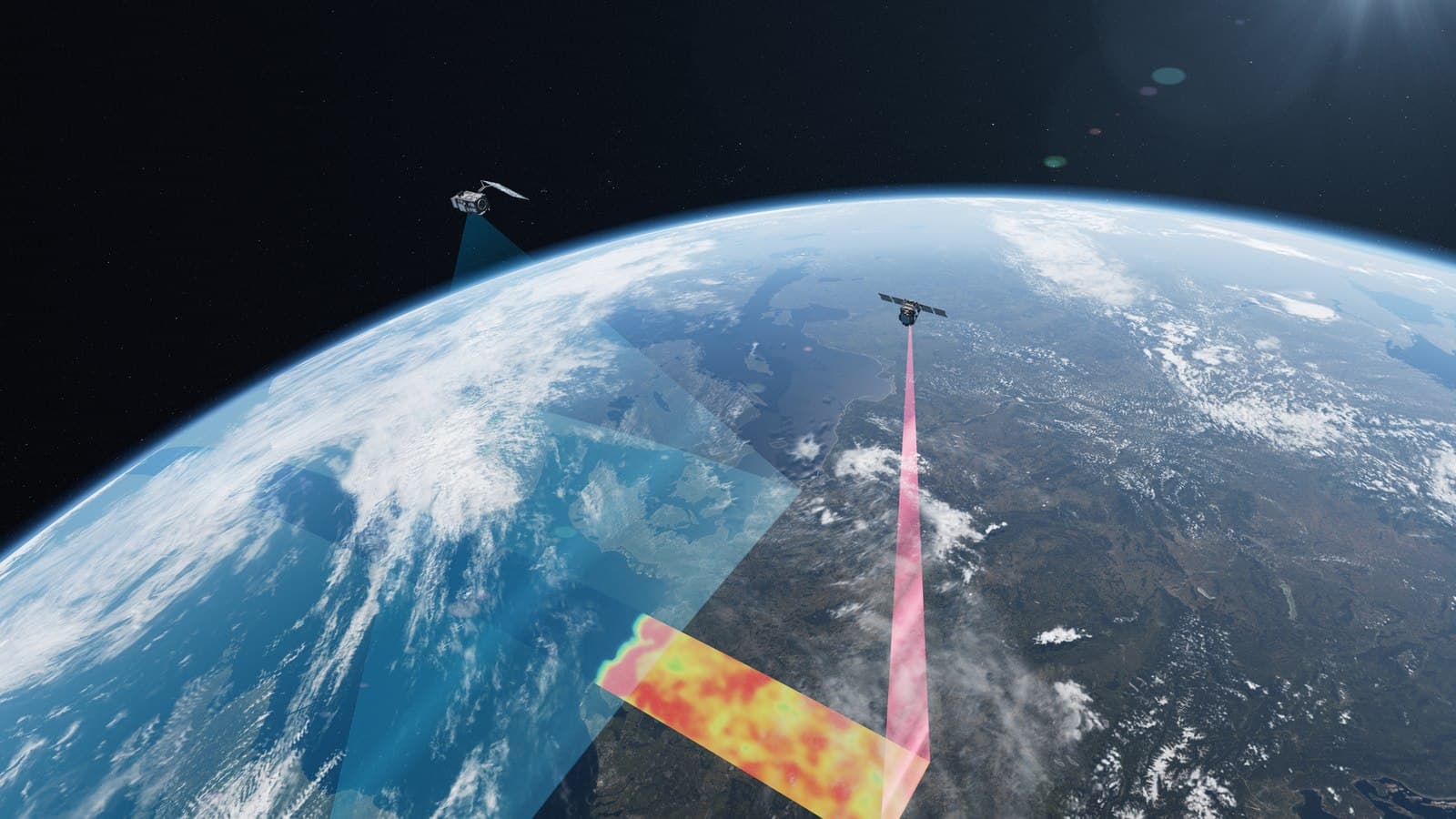
A single Vega-C launch has put two European Earth-observation satellites in orbit, one to track ocean and climate change, the other to measure plant health.
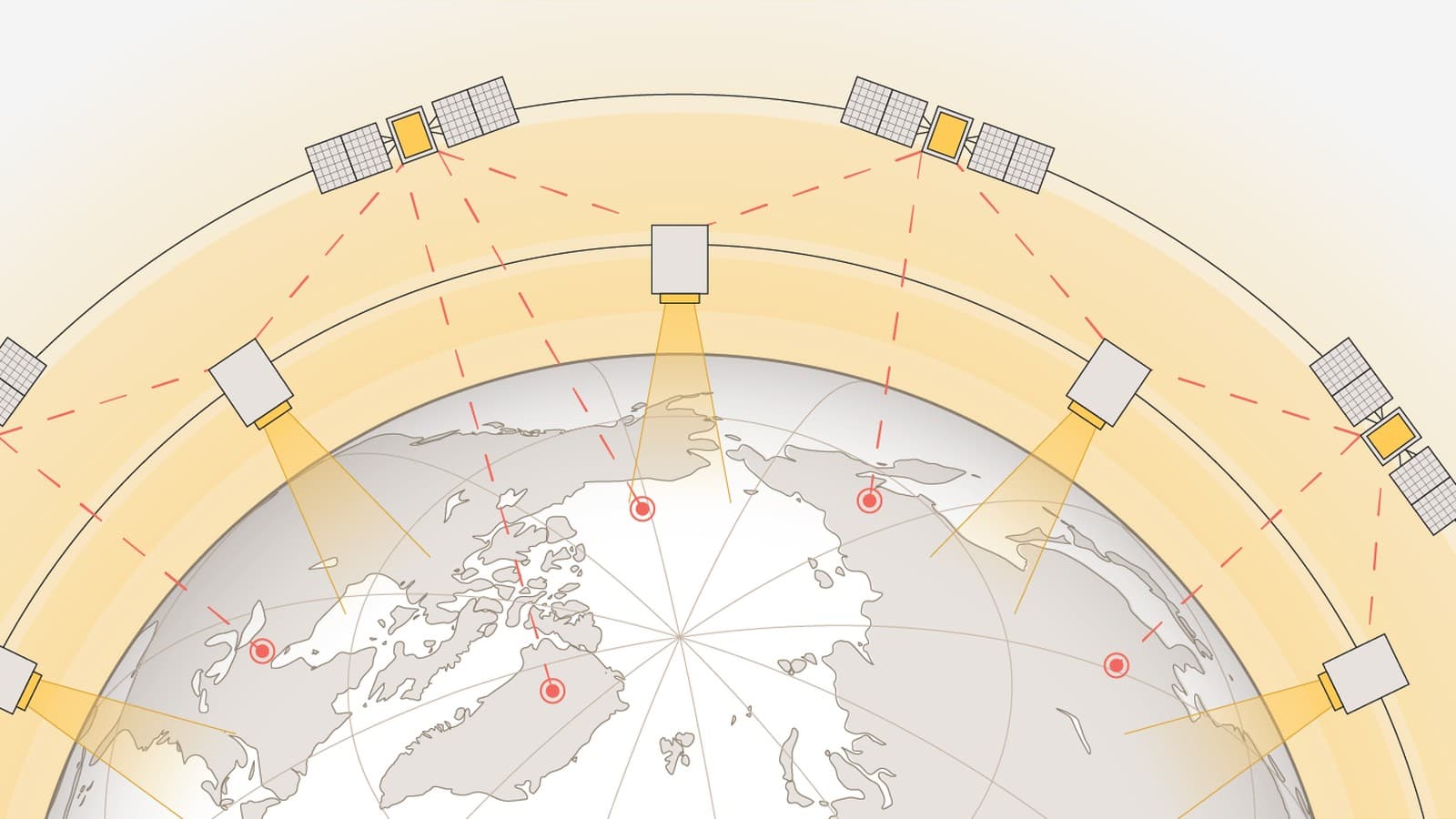
Open Cosmos raised €300 million on 14 September to expand satellite manufacturing and sovereign connectivity, the latest round in a European space funding wave.
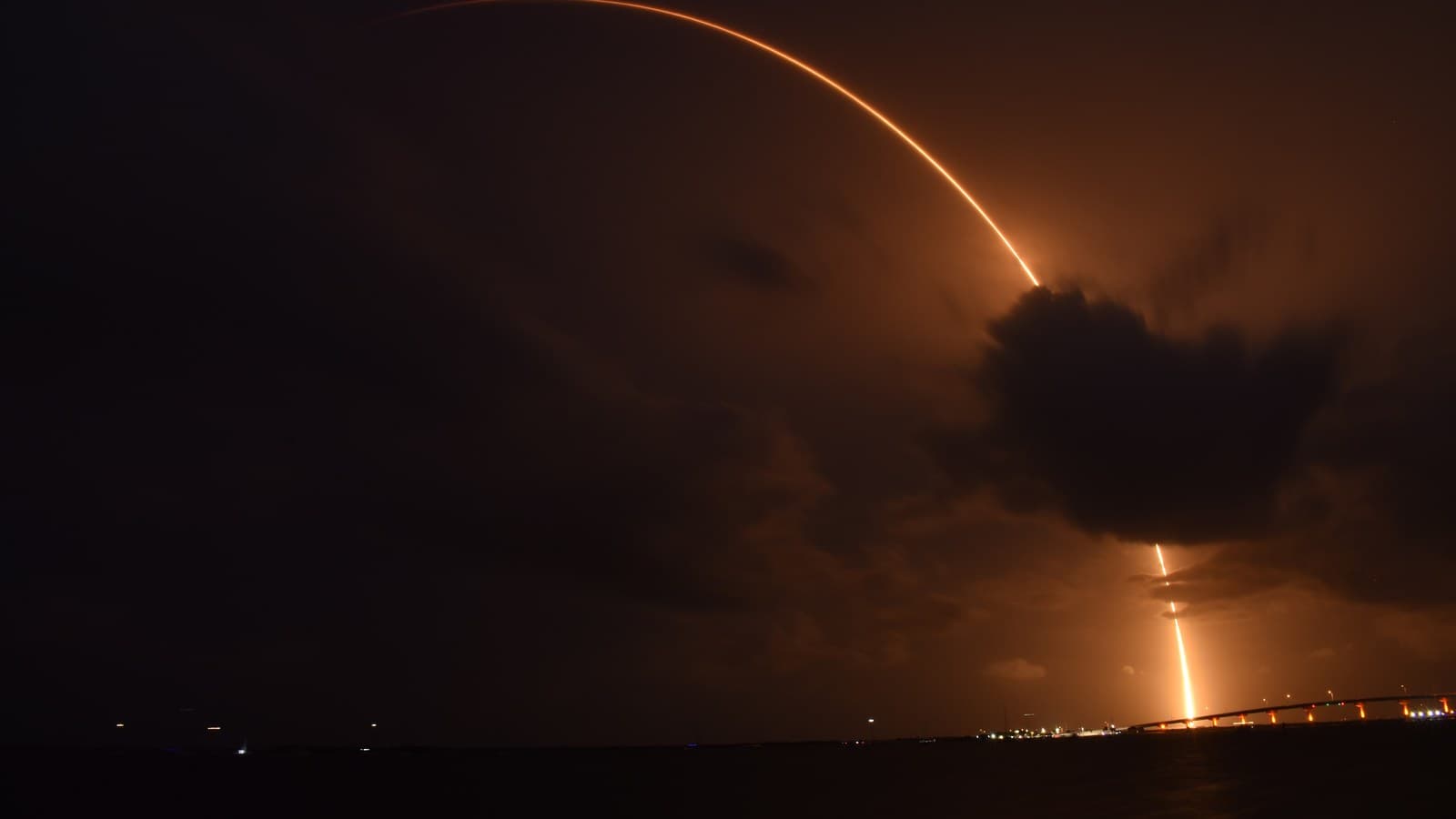
SpaceX launched the final three SES O3b mPOWER satellites on Sept. 13, the 700th flight of its Falcon rocket family and its 107th orbital mission of 2026.
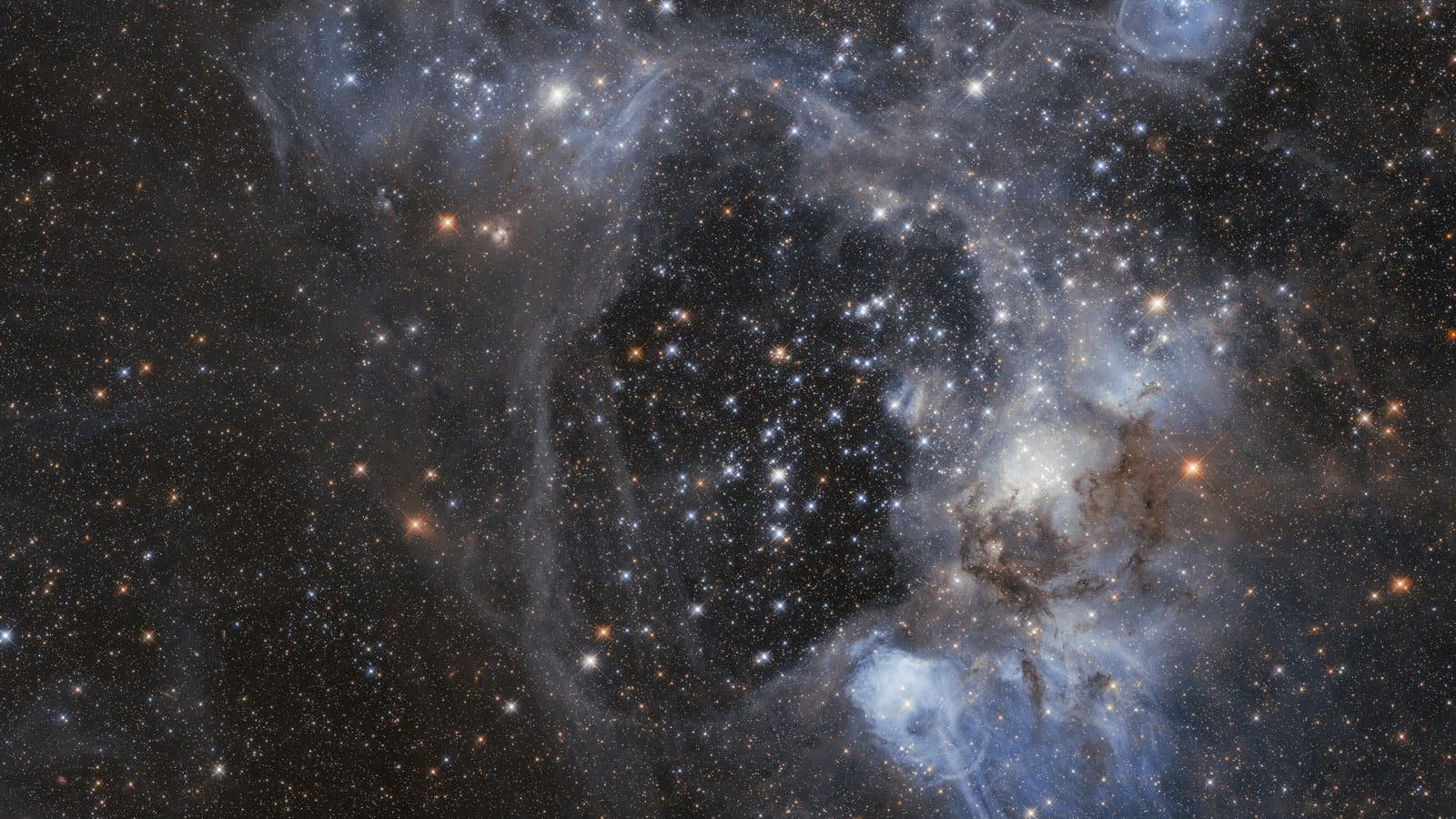
A new Hubble image of the nebula N44 in the Large Magellanic Cloud pairs a 210-light-year superbubble with a census of nearly half a million stars.
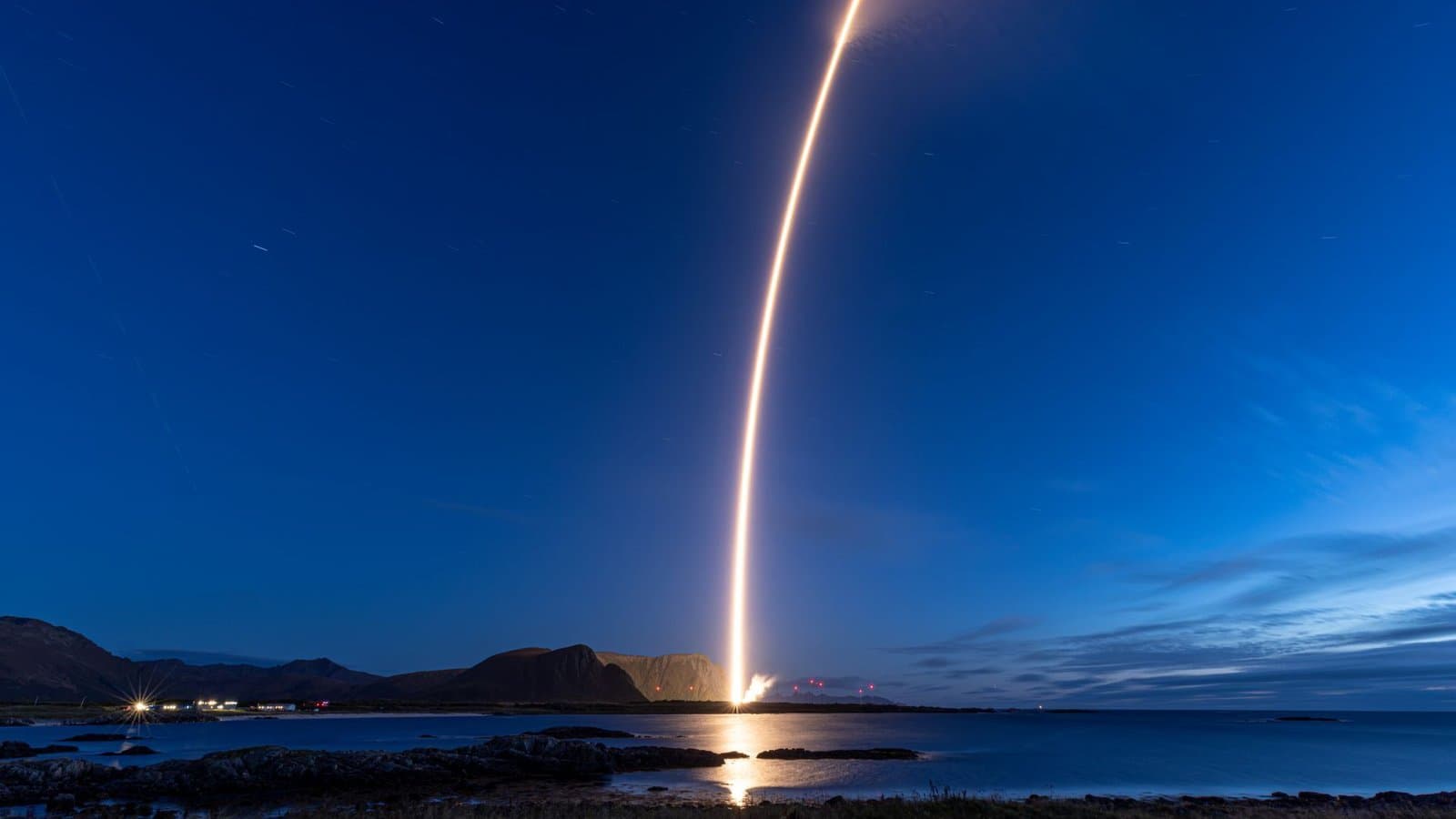
On only its second flight, Germany's Isar Aerospace reached orbit from Norway, the first commercial European company to launch satellites itself.
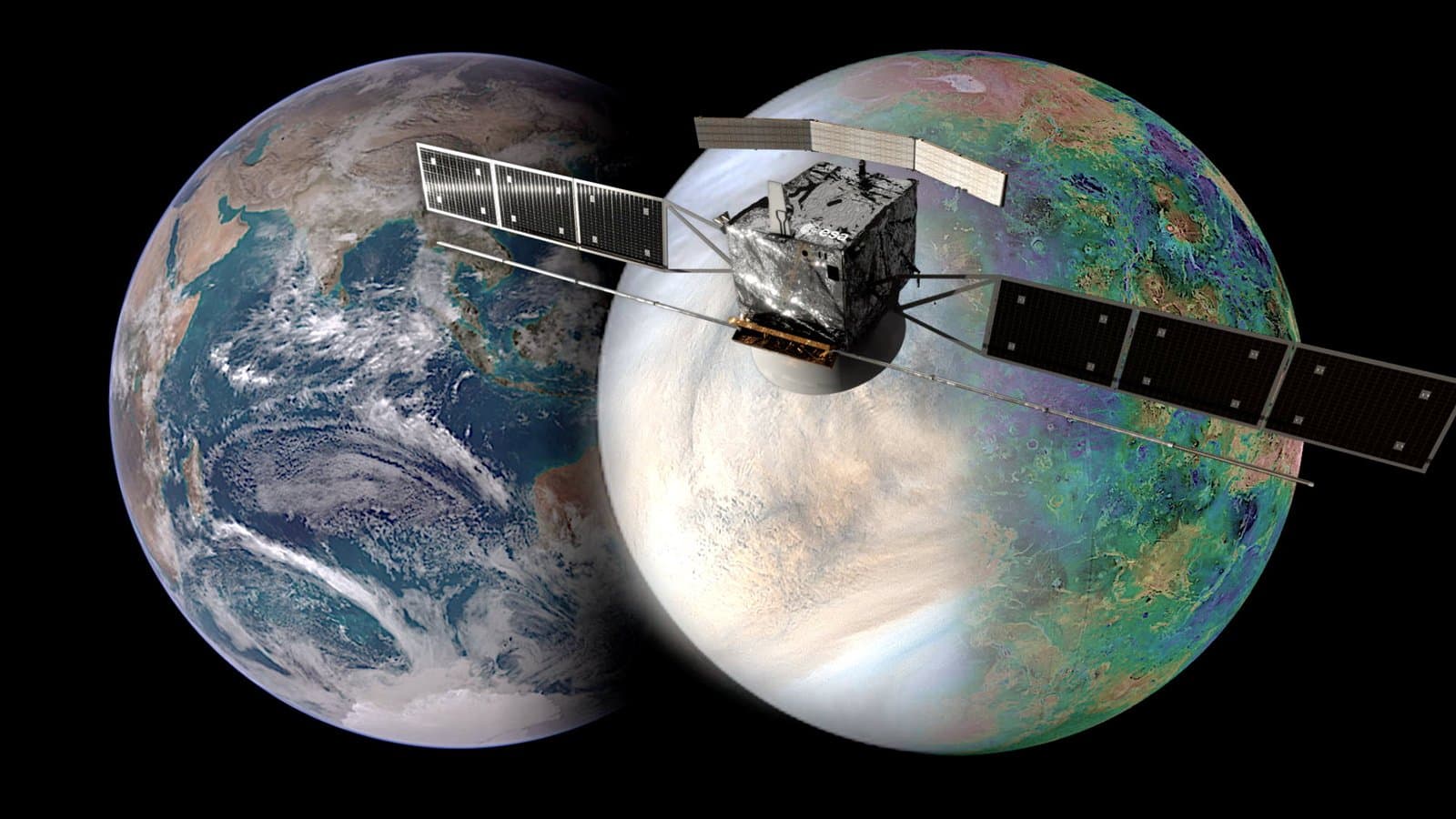
ESA is pressing ahead with a European radar for its EnVision Venus orbiter after NASA signalled it is unlikely to deliver the US-built VenSAR instrument.
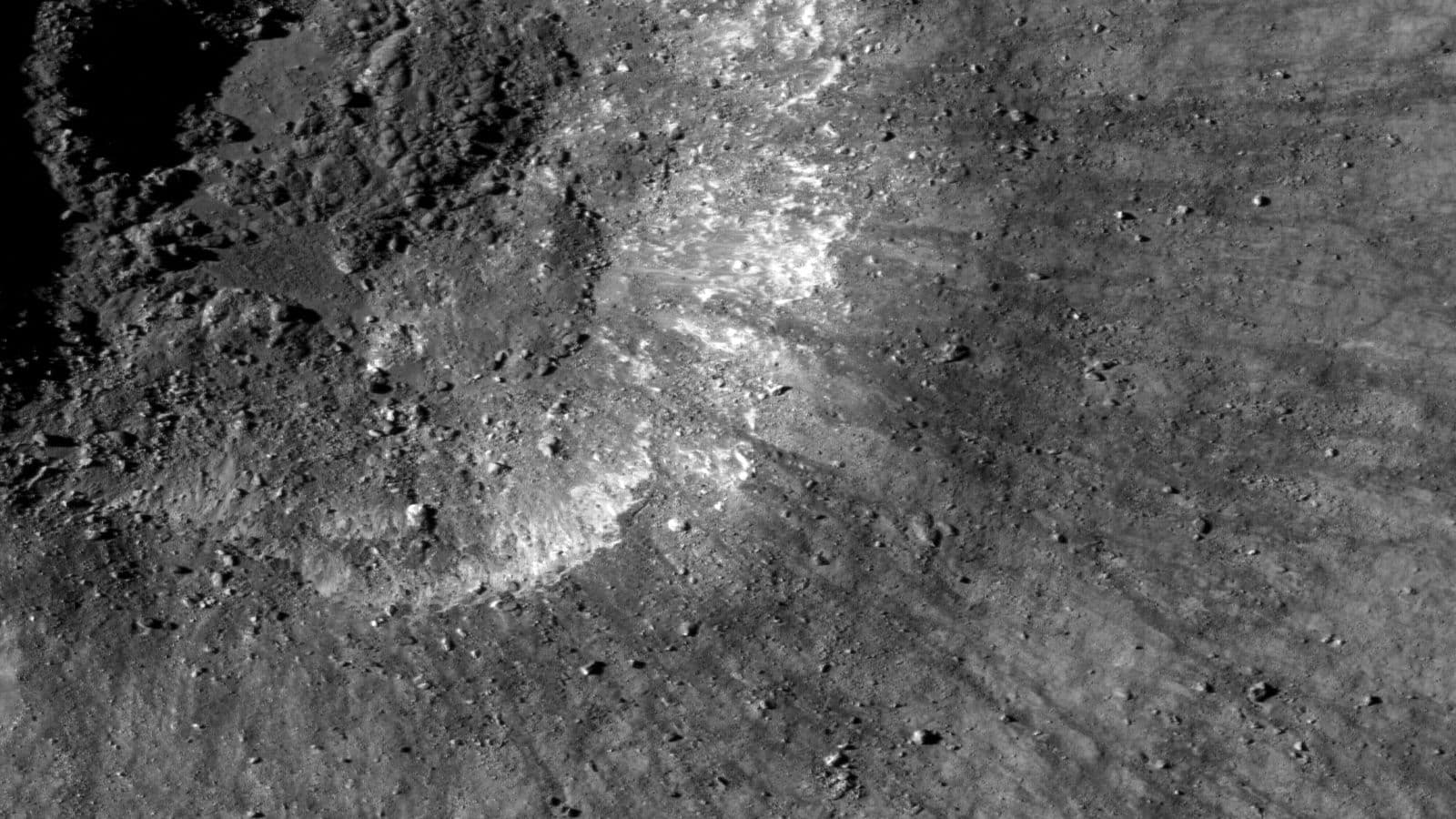
The NASA-IBM Lunar Foundation Model turns decades of lunar observations into an open model and dataset, beating prior methods on key surface features by up to 23%.
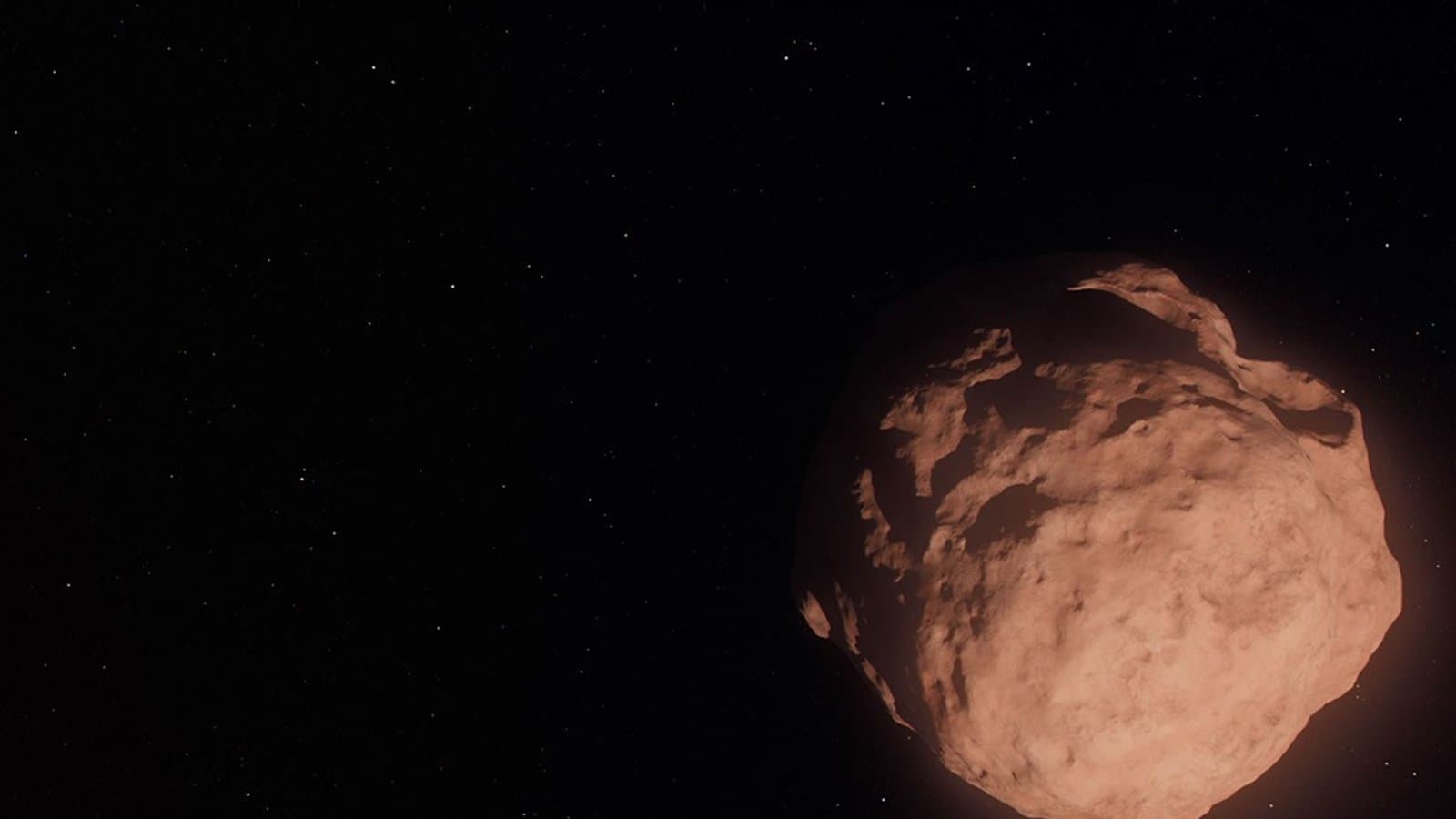
Hubble and Webb joined forces for the deepest survey of trans-Neptunian objects, finding 27 tiny icy worlds that preserve the early solar system's history.
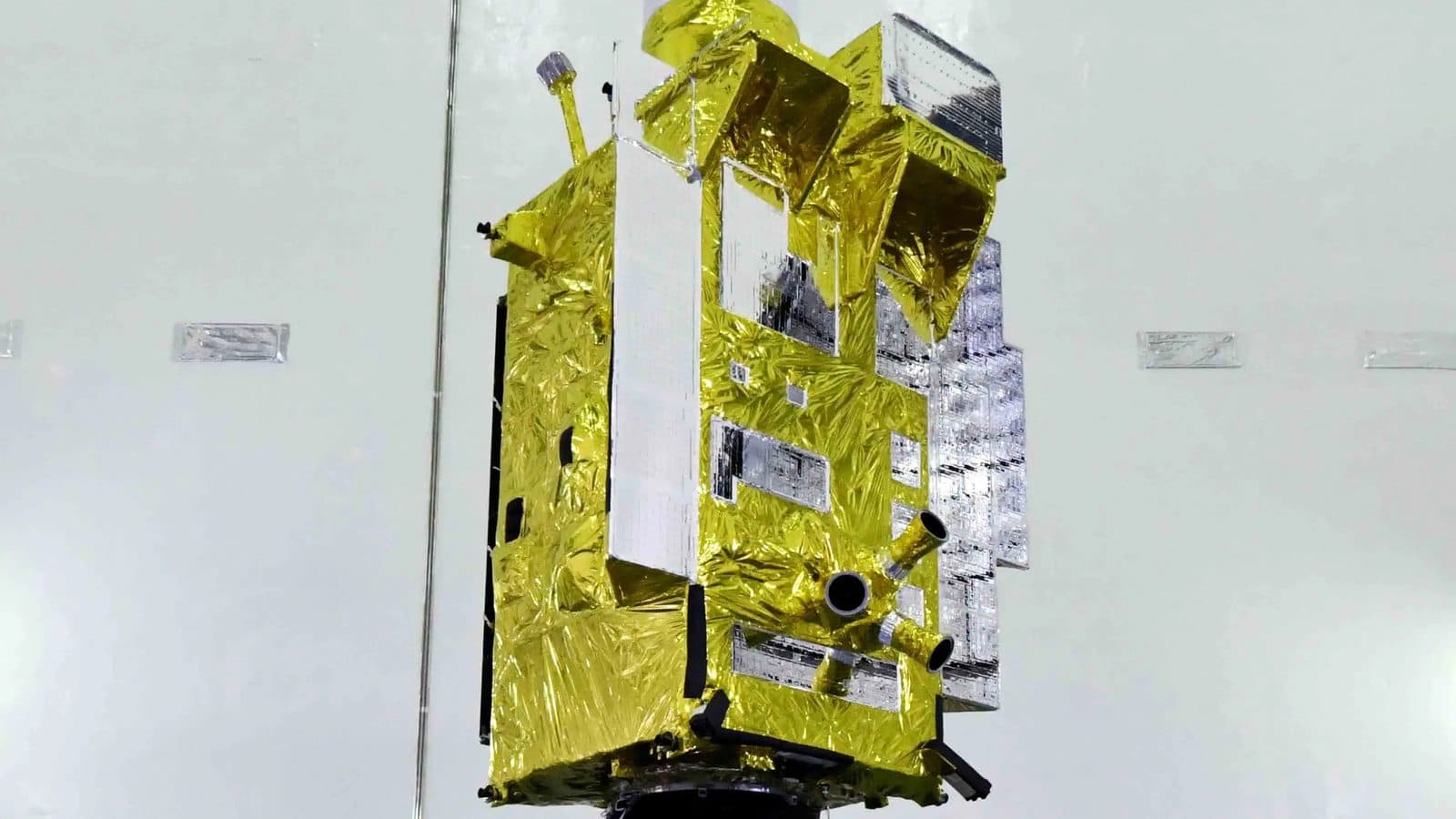
ISRO's GSLV-F17 placed the 2,367-kilogram EOS-05 into a transfer orbit on September 4, ending an eight-month launch drought and giving India a persistent eye in the sky.
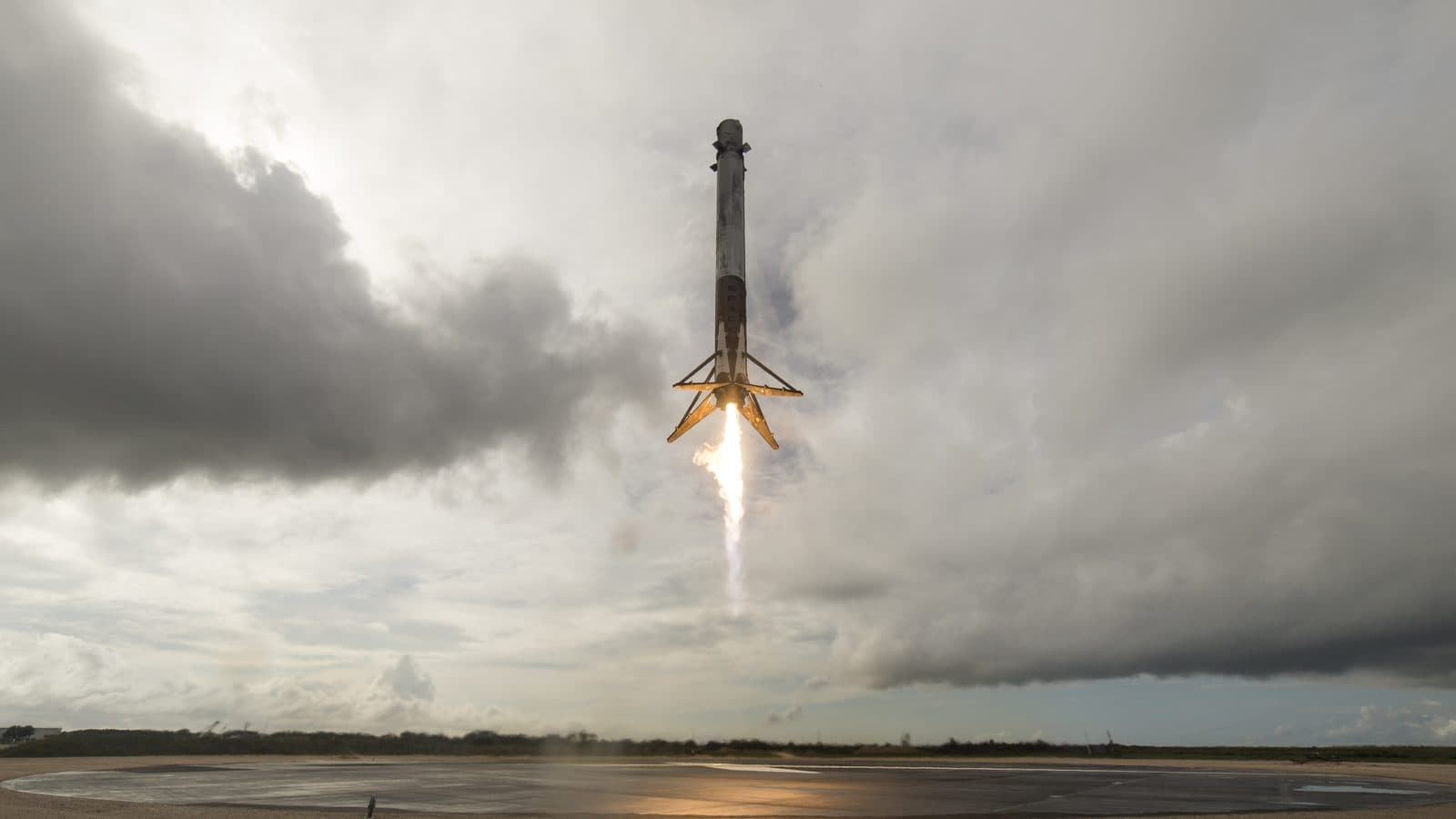
Staging throws away a rocket's most expensive part. Here is how Falcon 9 boosters land themselves, and why propulsive reuse changed launch economics forever.
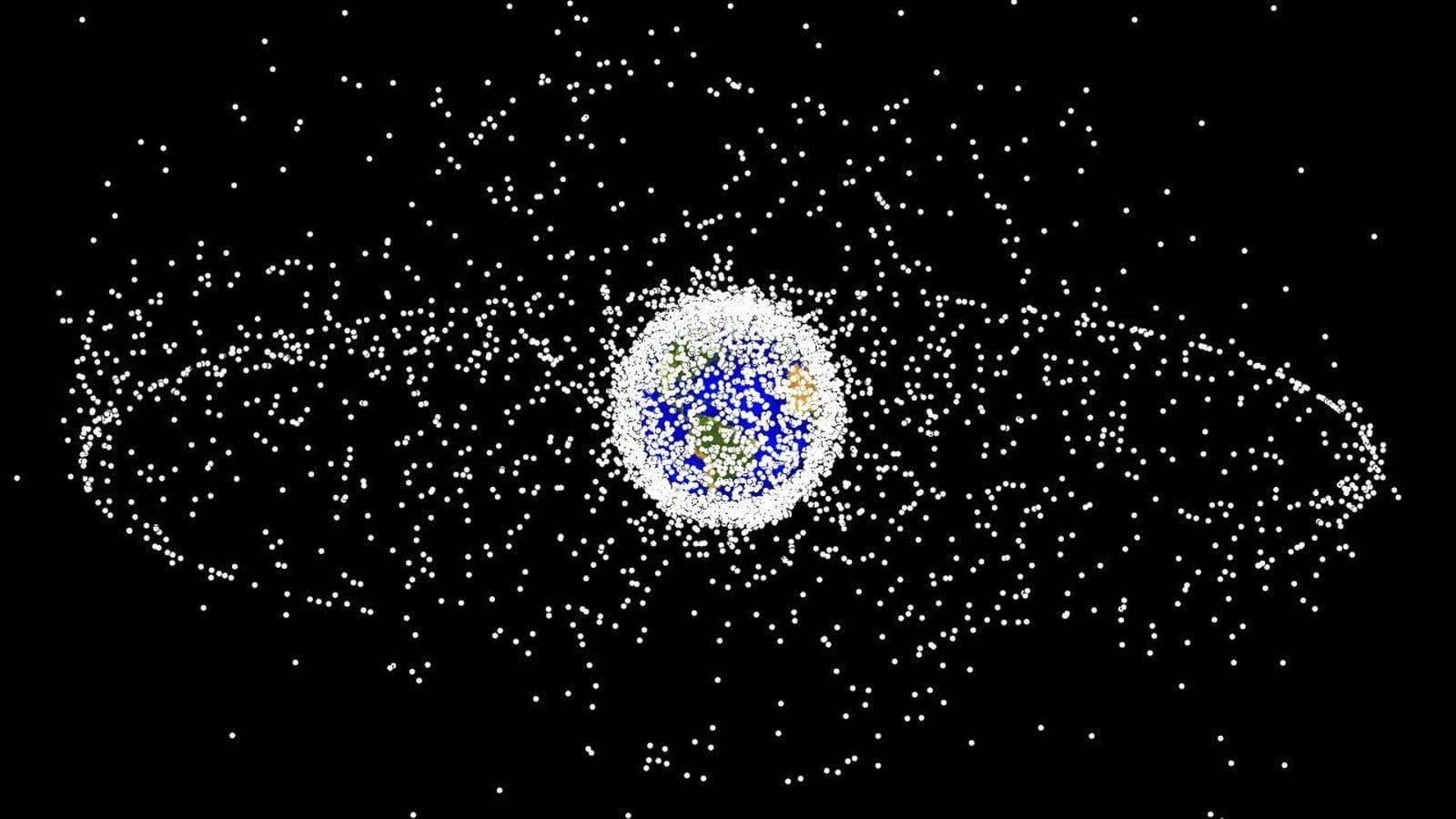
Orbital debris is a long-lived by-product of spaceflight. Here's how it forms, how satellites steer clear of it, and why cleanup and governance remain hard.
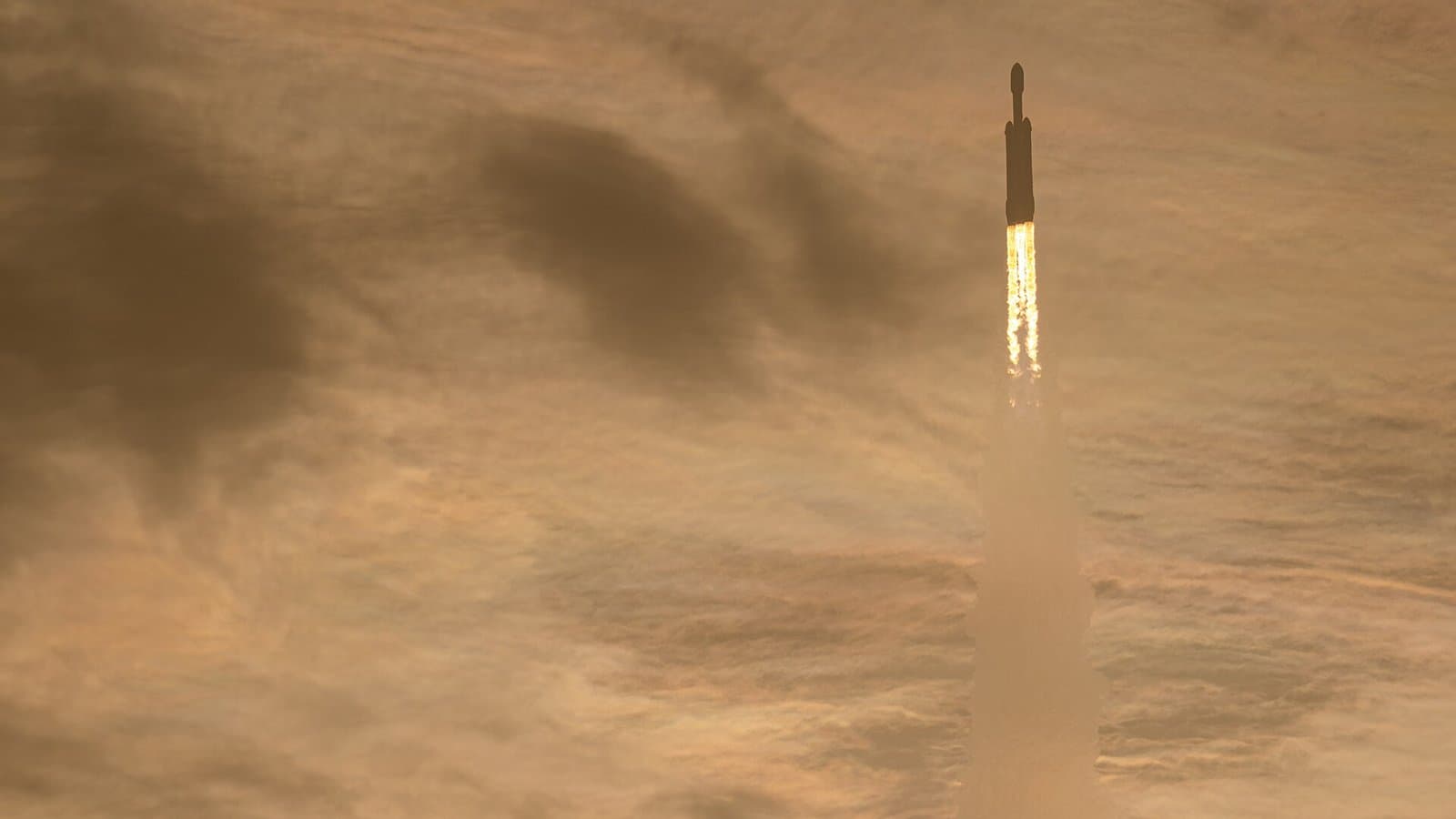
NASA's Nancy Grace Roman Space Telescope launched Aug. 30 on a Falcon Heavy, beginning a five-year survey with a field of view more than 100 times Hubble's.