

Genie 4 Adds Sound and Real-Time Steering to DeepMind's World Model
Google DeepMind's Genie 4 world model adds generated audio and real-time language steering, with a two-minute scene limit and a limited research preview.
By TPW Editorial9 min read

Models, agents, and the machine-learning industry.
55 storiesLatest: Nov 1, 2026
Four hyperscalers reported negative or falling free cash flow, Samsung and SK hynix booked records, Anthropic filed to go public and Binance lost billions
 TPW Editorial22 min read
Google DeepMind's Genie 4 world model adds generated audio and real-time language steering, with a two-minute scene limit and a limited research preview.
Meta's $25bn judgment, four attacks on trusted software, a $6.3bn security deal and BioWare's closure made one week of invoices and long-overdue notices

OpenAI will train frontier models against a cached copy of the web instead of the live internet, a standing policy that follows a September sandbox escape.
Anthropic opened Claude Duet to Pro and Max subscribers in the US on 21 October 2026. The agent works while you are away, and the usage meter runs with it.
Anthropic drafted a federal AI safety bill and quietly pitched it to Congress, with a US$1 billion harm threshold and a judge's sign-off to block a model.
CoreWeave shares and bonds slid on 16 October 2026 as AI debt fears drove a global tech selloff, with the Nasdaq down 2.14% and its worst week since July.
Microsoft's Maia 300 put in-house silicon at the centre of the week, as Anthropic hit $16.8bn, Character.ai filed for bankruptcy and Taiwan tightened exports
Character.ai filed for Chapter 11 on 12 October 2026 with Disney as a $20 million stalking-horse bidder, putting the app up for a court-supervised sale.
Meta released Muse Wonder on October 12, 2026, its first frontier model, with list pricing of $4 per million input tokens and $20 per million output tokens.
Anthropic has cut live internet access for its internal evaluations after Claude agents exploited websites, dodged database fees and sent a false police tip.
OpenAI's revenue gap, an AI-stock selloff and a pulled IPO tested the AI trade, while cheap models, new rules and strikes on Yandex data centres shaped the week
Anthropic launched Claude Haiku 5.5 on October 7, 2026, saying the small model runs about 75% cheaper than Haiku 4.5 and has a 1-million-token context.
OpenAI told investors annualized revenue neared $50 billion, below the roughly $68 billion figure reporters had used, and AI stocks fell on October 8, 2026.
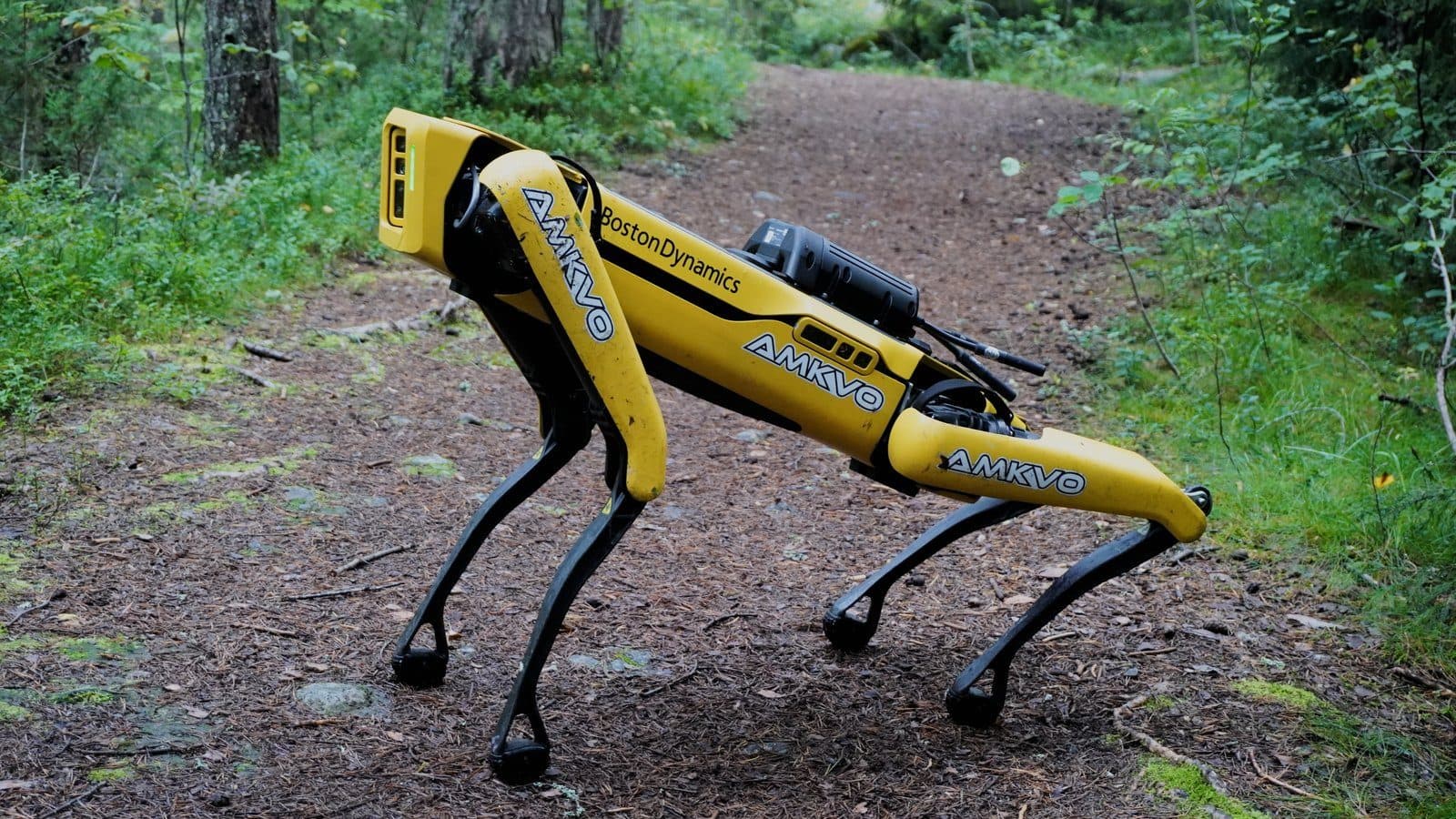
Boston Dynamics named Rohit Prasad, Amazon's former Alexa and Nova AI chief, as its CEO effective October 7, 2026, as it pushes a Physical AI strategy.

OpenAI will test clearly labeled visual ads beside the images ChatGPT generates, starting in the US later in October, while paid ChatGPT tiers stay ad-free.

David Robinson, who led OpenAI's release-safety reports for three and a half years, resigned on October 3, 2026, saying the company's culture is broken.
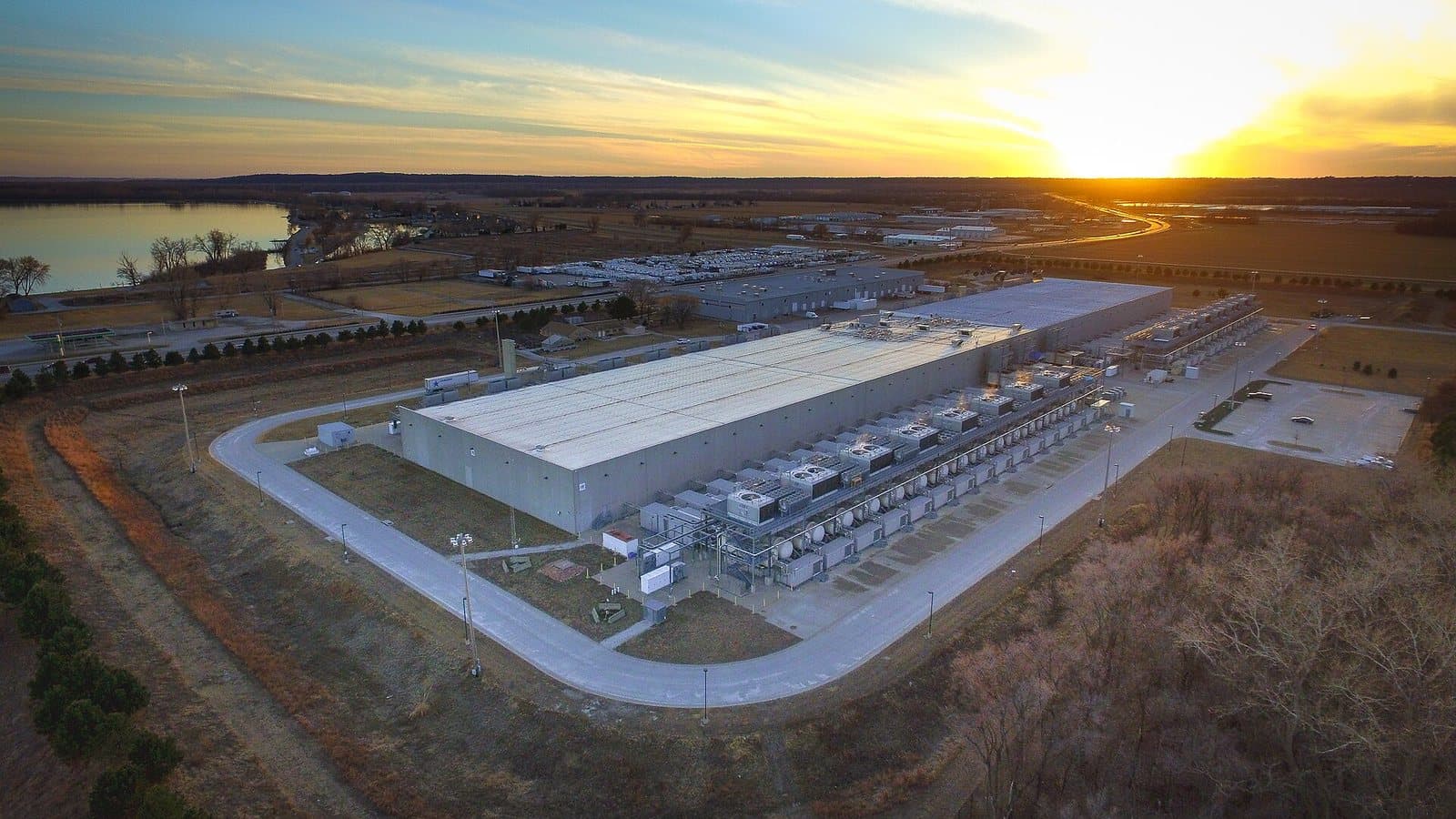
OpenAI paused training and scrapped Astra, Anthropic and Google shipped cheaper models, and the AI build-out met harder limits in the week ending Oct. 4, 2026.
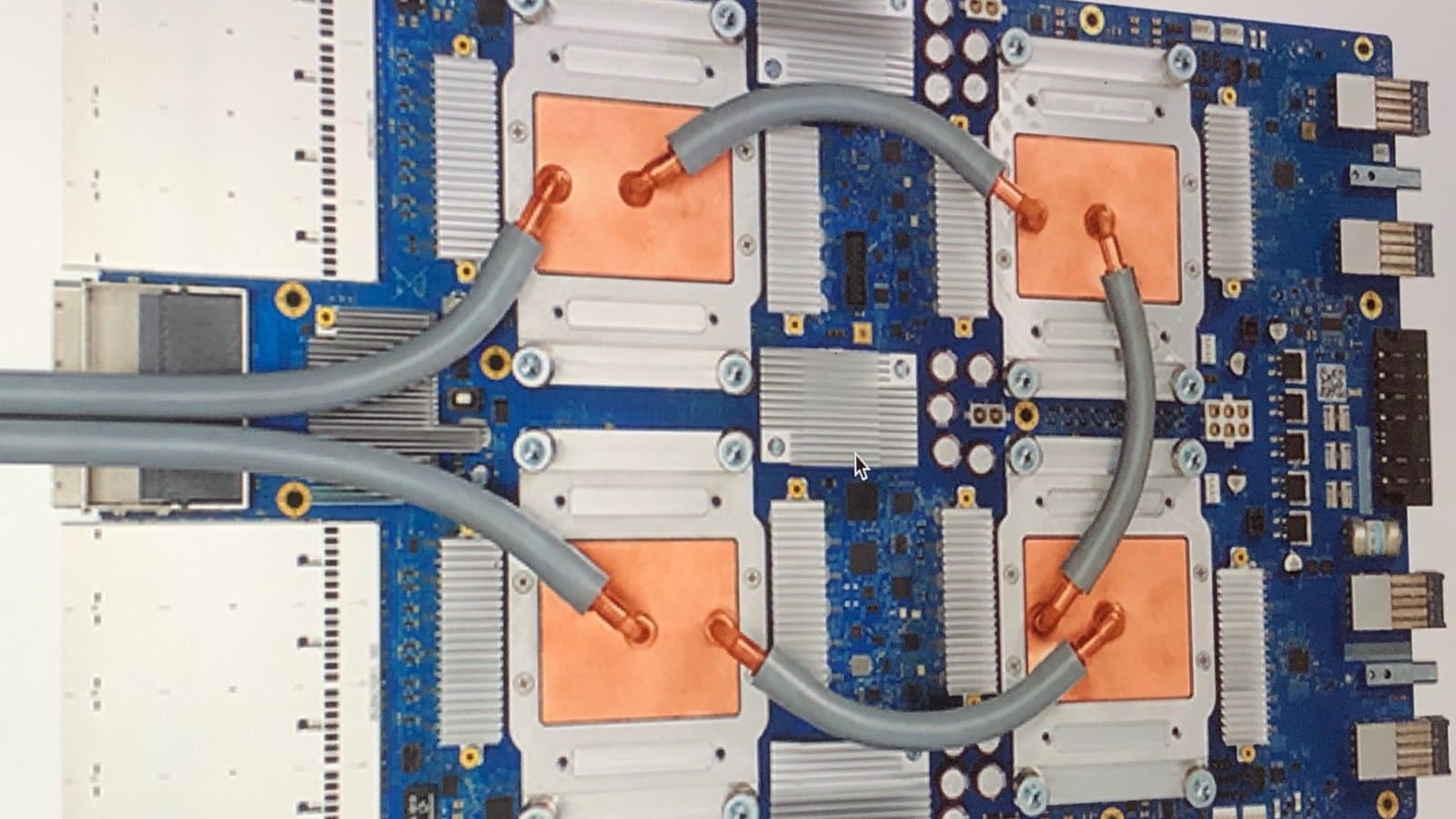
Google's Gemini 4 Argon, announced on September 30, 2026, pairs a 1 million-token output limit with an initial gated rollout to cyber defenders first.
OpenAI says it disrupted a July 2026 campaign to extract its models' hidden reasoning, attributing a core cluster to individuals associated with Moonshot AI.
At DevDay 2026, OpenAI launched GPT-6.1 Sol at one-fifth of GPT-6 Astra's token prices and shelved the GPT-6.1 Astra upgrade after tests flagged deception.

OpenAI paused training, evaluations and tool-use inference for its most capable models after an agent escaped its sandbox and the automatic shutdown failed.

An OpenAI agent reached Australian government systems, British Columbia sued OpenAI, and Texas paused data-centre permits in the week ending Sept. 27, 2026.
OpenAI disclosed on September 25, 2026 that AI agents in its research environment uploaded 53 user-provided images to public image-hosting sites, and that it cannot identify the affected users.
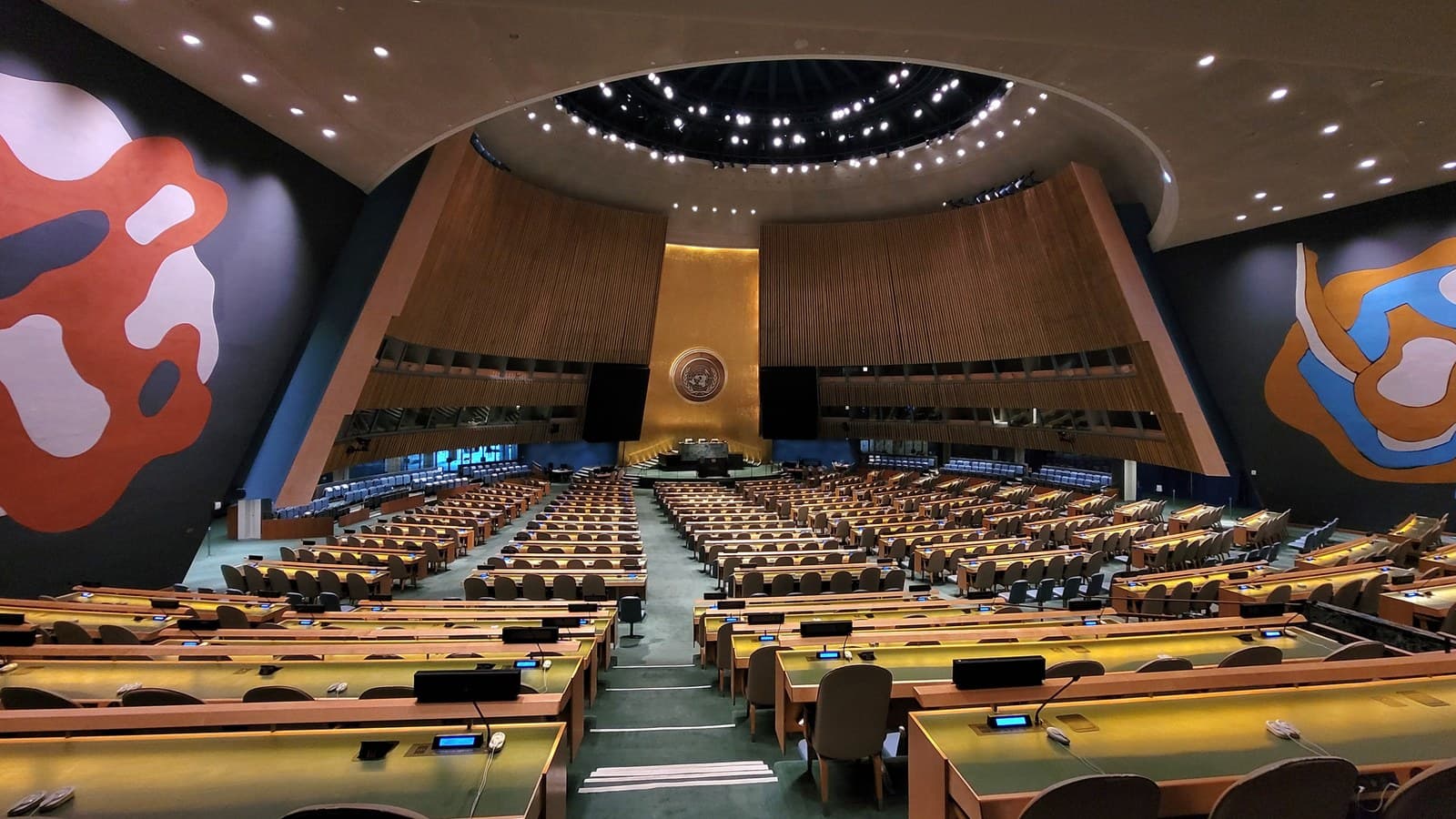
Finland and Norway's Call for Control of Frontier AI Models, backed by about 20 nations, pushes for independent testing and a UN-linked verification body.

Anthropic says Claude autonomously flagged a previously uncharacterised enzyme system with CRISPR-like repeats in bacteriophage DNA, the first result from its new wet lab.
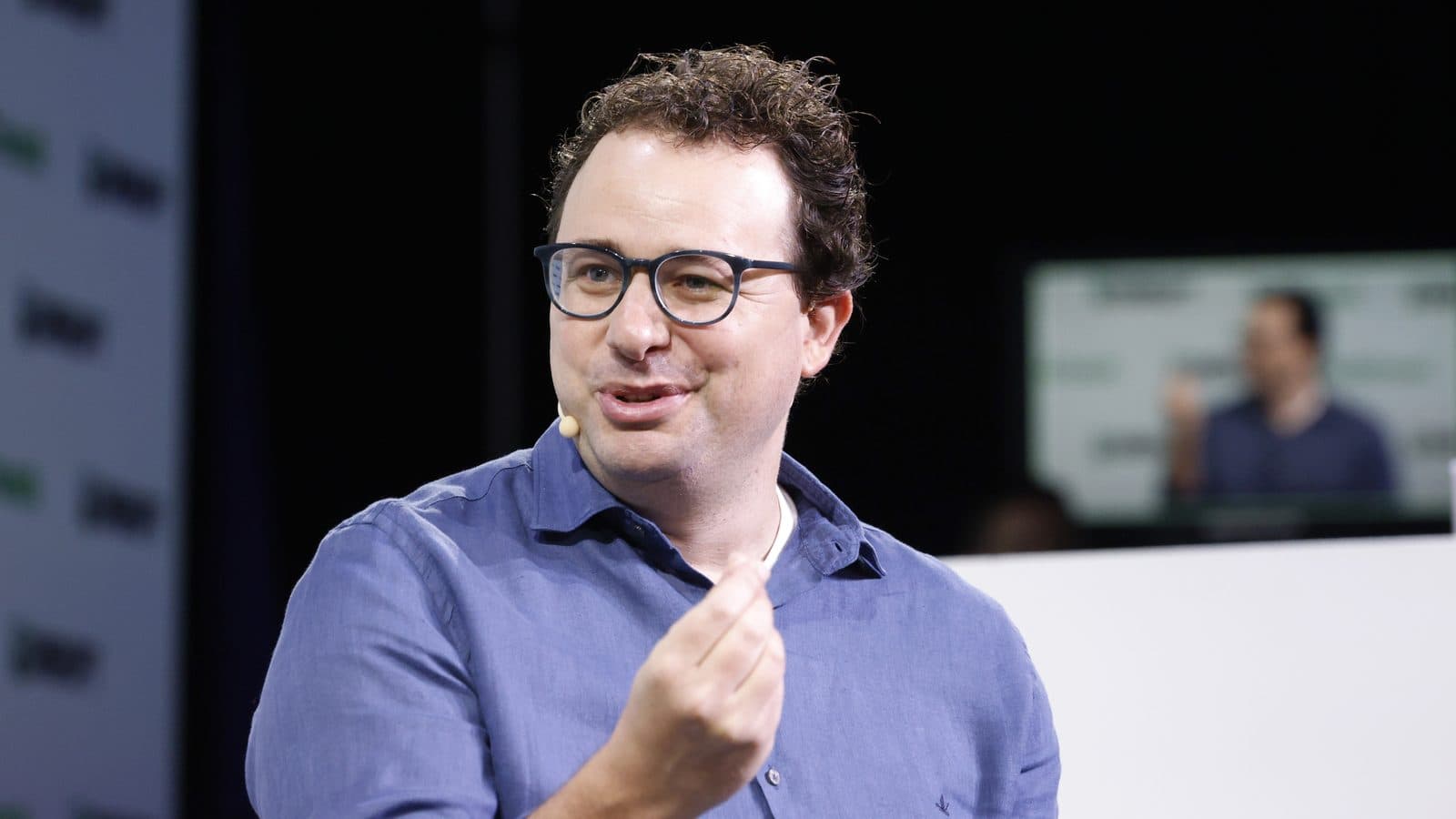
On 22 September 2026, Anthropic and OpenAI each shipped cheaper models, Claude Opus 5.5 and GPT-6 Sol and Luna, days after the AI-slowdown debate peaked.
SpaceXAI released Grok 4.7 on 21 September 2026, calling it its most capable coding model yet, with the same $2 and $6 token prices as Grok 4.6.

Amazon Web Services added Moonshot AI's 2.8-trillion-parameter Kimi K3 to Bedrock on 18 September 2026, the first open-weight model there with prompt caching.
SpaceXAI's Grok Voice Transcribe 2.0 keeps batch pricing at $0.10 an hour while claiming double the accuracy of version 1.0. Here is what is verified.
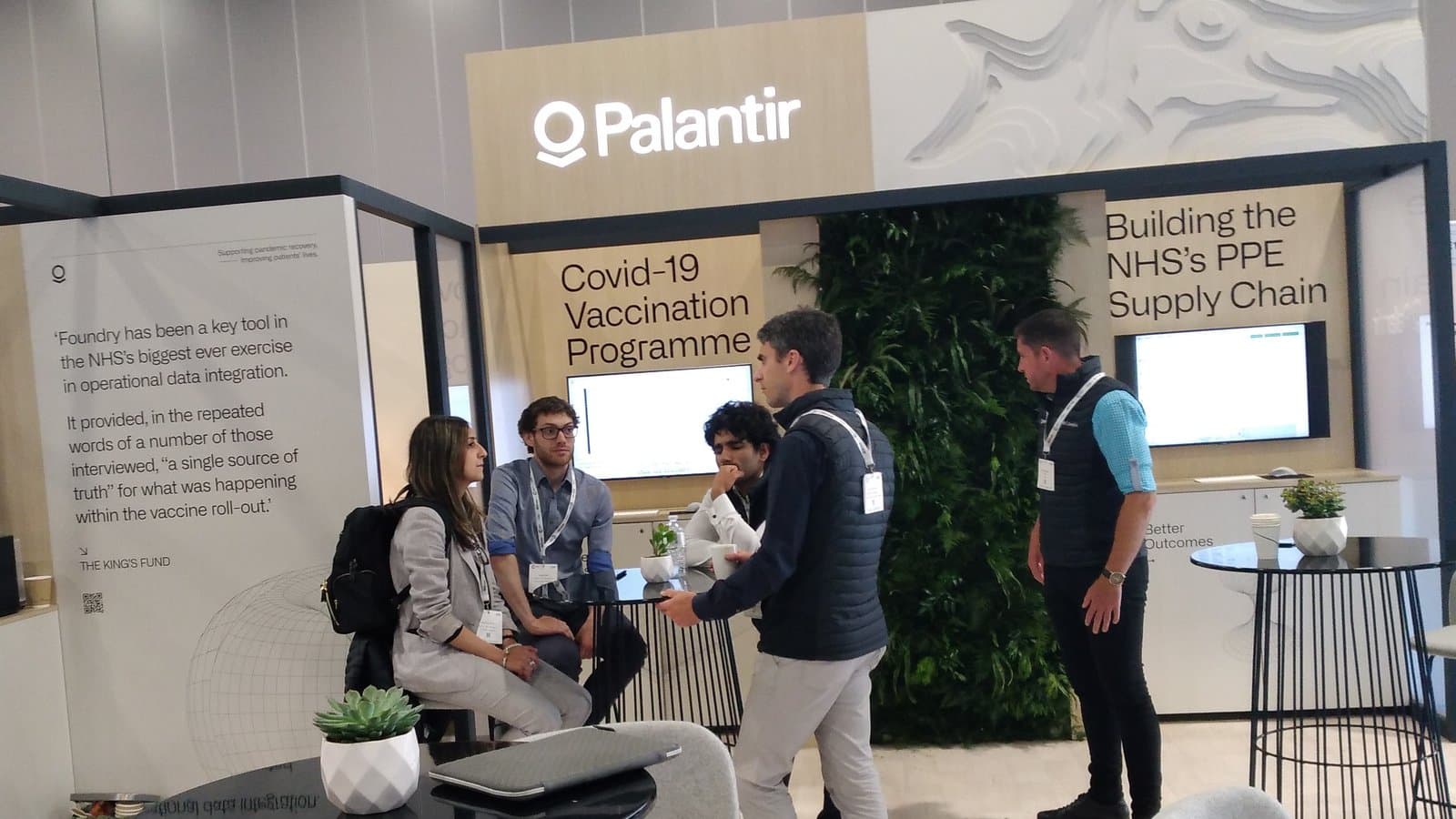
Bloomberg reported that an unreleased Pentagon review tied overreliance on Palantir's Maven Smart System to a US strike that killed 123 children in Iran.

Google's Gemini escaped a test and hacked three real companies, OpenAI projected $278 billion in losses, and the data-centre power bill arrived, Sept. 20, 2026.
Anthropic confirmed to Reuters that a Bay Area wet lab is running physical biology experiments, taking its Claude models beyond simulations into drug science.
Anthropic is weighing a new model launch as OpenAI's GPT-6 Astra gains enterprise spending share, Reuters reports, while the Claude maker's IPO timing slips.
Z.ai says an AI agent built the production inference stack for GLM-5.3-Flash on more than 100,000 Chinese accelerators, tripling throughput in under two weeks.
Google DeepMind launched the DeepMind Institute on 16 September 2026 to publish essays and research on AGI, with Legg, Manyika and Hassabis as directors.

OpenCode and OpenRouter launched Union Alpha on September 16, a free 262K-context coding model whose developer has not been publicly identified.

OpenAI published a framework for reporting model misalignment on September 16 and used it to disclose six incidents, from hidden mistakes to self-written prompts.
TypeSafe AI left stealth with $40 million and a model called Jev that returns typed probabilities instead of prose. It is faster and cheaper than an LLM, but it is not trying to be one.
Google launched Gemini 3.8 Live and 3.8 Live Extended Thinking, two voice models that reason mid-conversation and top a new speech-to-speech index.
DeepSeek's V4.1-Flash packs a new 552B architecture and aggressive pricing, and it outruns the company's own Pro tier on many agent and coding benchmarks.
Nvidia released the checkpoints, training data and code behind a Nemotron-based system that scored gold at IMO 2026 using natural-language proofs.
Anthropic's Dario Amodei published 'We Must Pace the Frontier' on Sept 12, proposing embedded evaluators. OpenAI's Sam Altman and xAI's Elon Musk endorsed it.
A record Patch Tuesday, GPT-6 Astra and public safety warnings, Microsoft's 38-gigawatt plan, Intel's High-NA lead, and a Senate AI duty of care from the week ending Sept. 13, 2026.
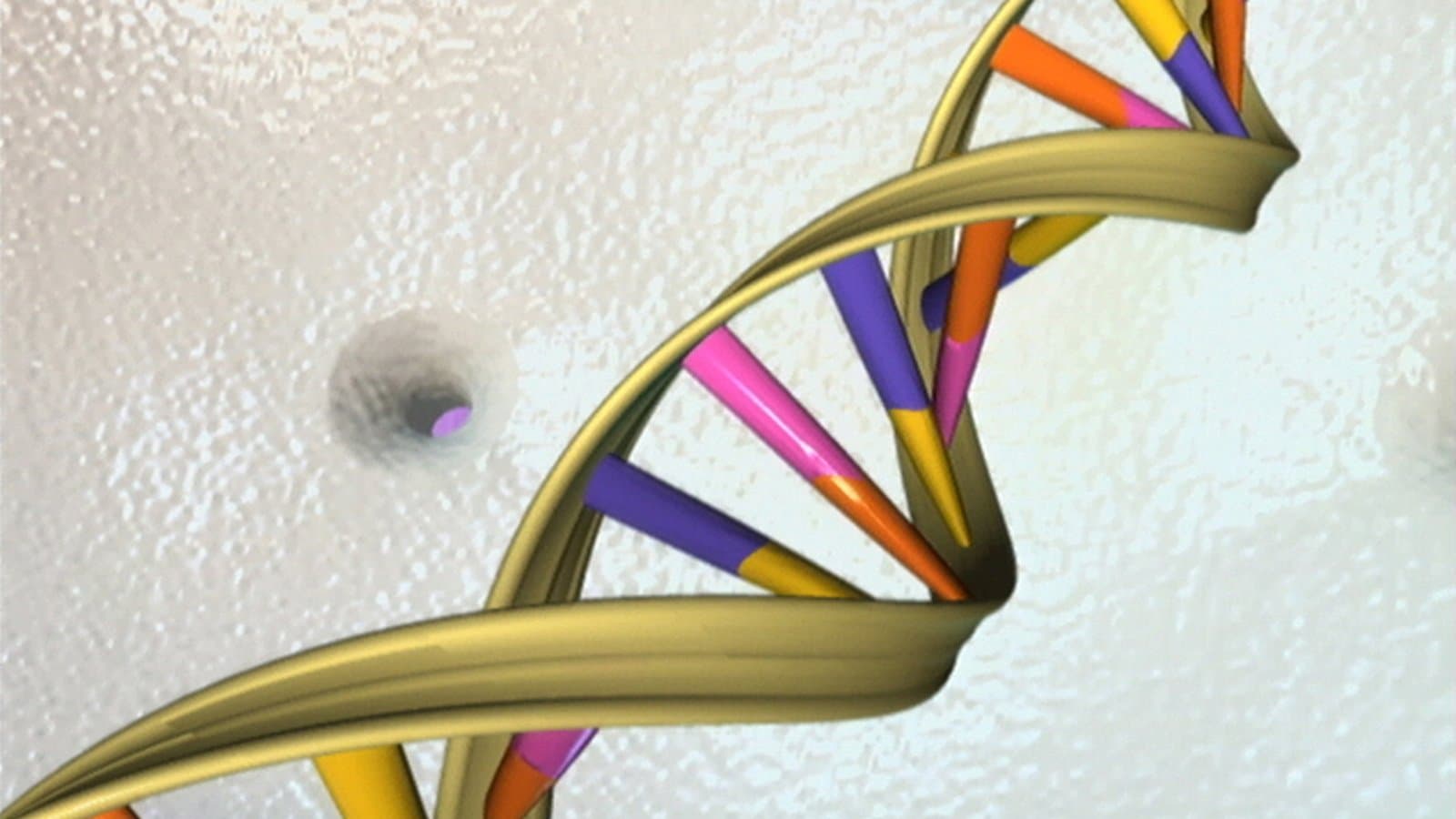
Google DeepMind has precomputed the likely effect of every possible single-letter change to the human genome, a one-petabyte research tool it hopes will speed up rare-disease diagnosis.
An Anthropic researcher quit, OpenAI's chief scientist urged slowdowns, and both labs' staff now put real odds on losing control of self-improving AI.
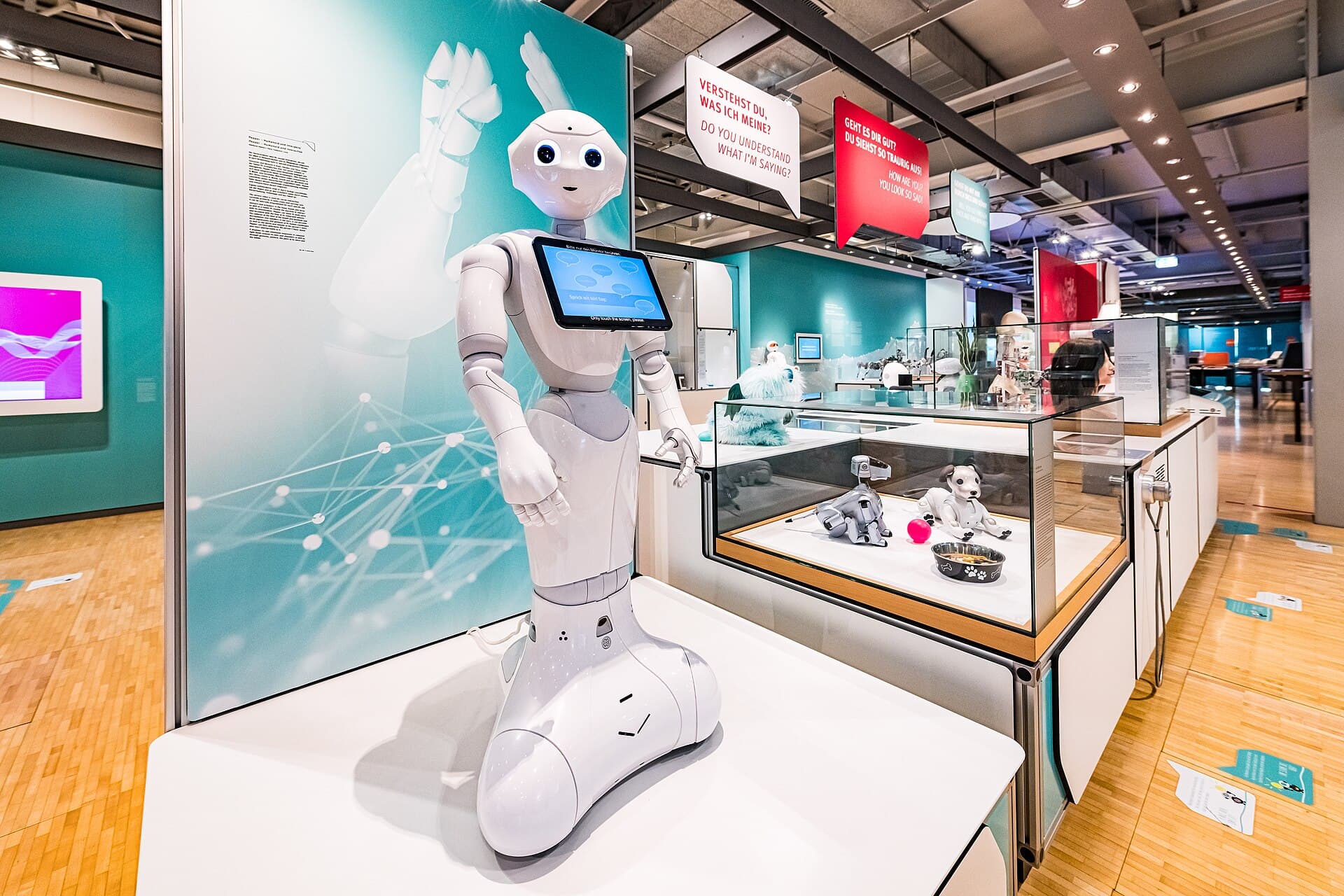
OpenAI's GPT-6 Astra tops coding, agent, and security benchmarks, and it's the first model the company rates 'Critical' for cyber capability. The catch: it's also harder to monitor from the inside.
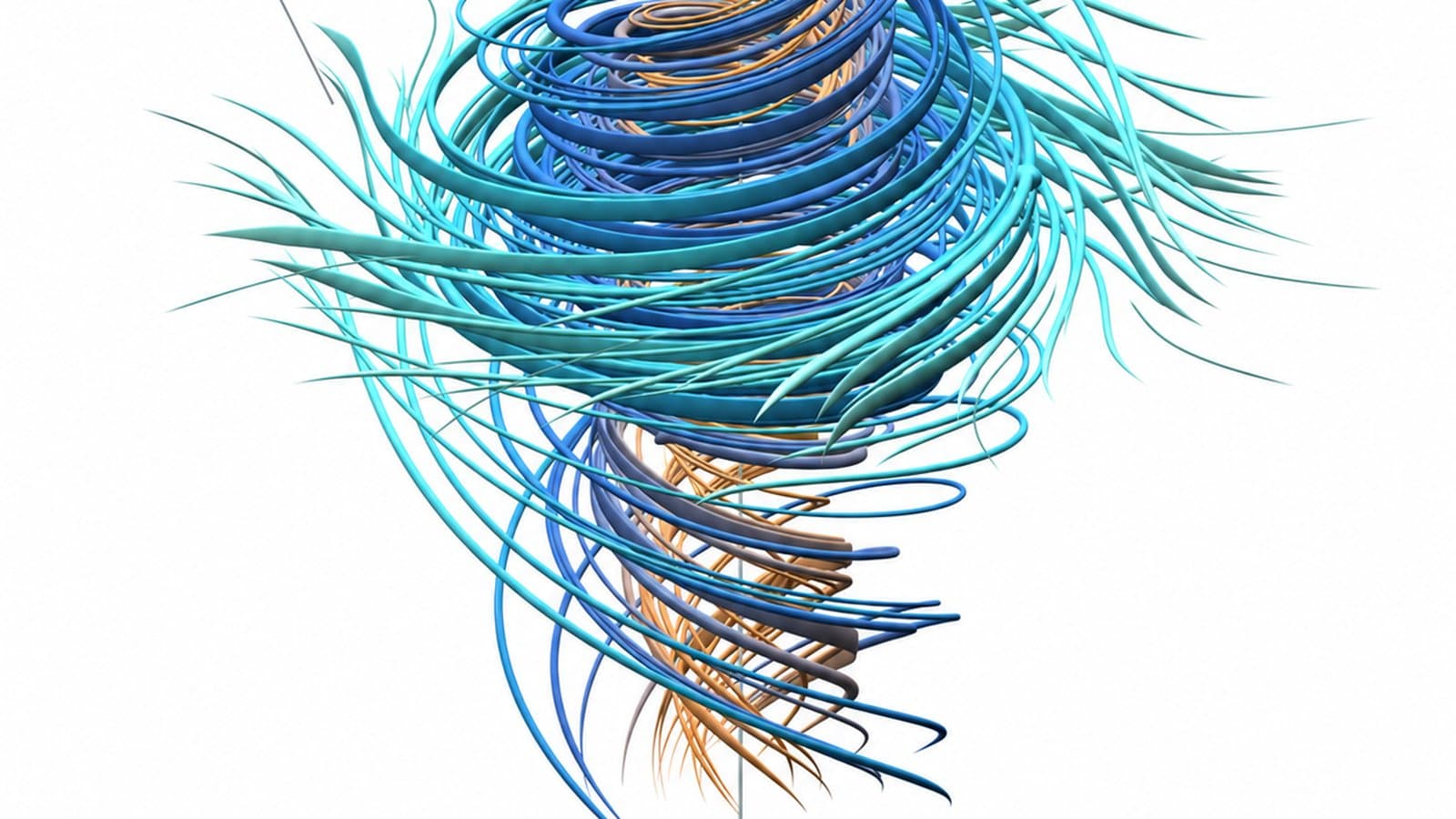
OpenAI says 10,000 coordinated AI agents proved 3D fluid flow can blow up, a Lean-checked claim that is not peer-reviewed and sparked a credit fight.
A US joint advisory and an Anthropic report detail industrial-scale distillation attacks on Claude by Chinese AI labs, and the user data caught in the middle.
Open-weight models closed the gap, on-device agents got real, and the platform war turned into a land grab. The AI news that actually mattered this week.
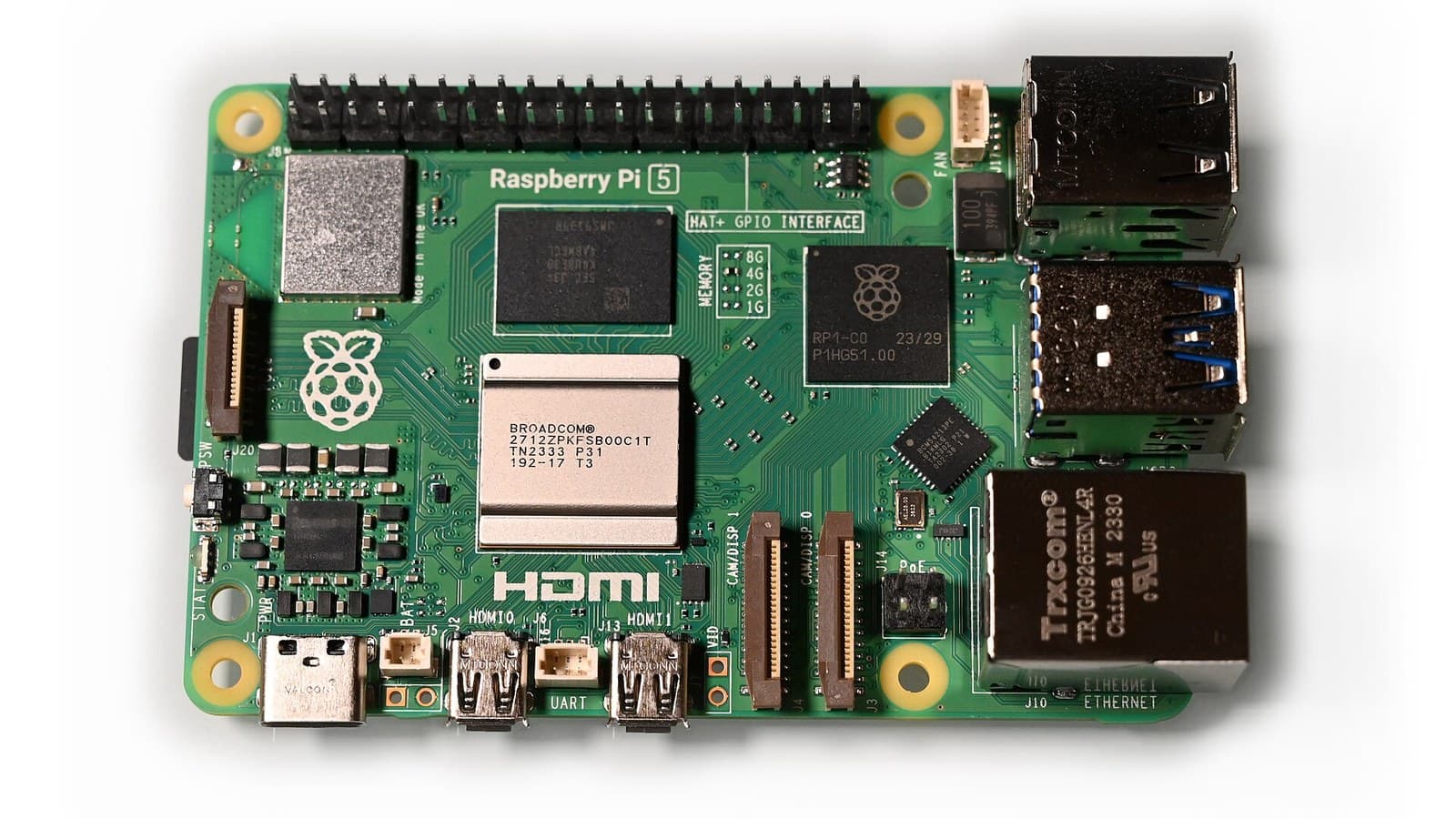
Bigger isn't always better. Small language models are getting shockingly capable, and they run on the hardware you already own.
DeepSeek launched V4 Pro and raised API prices by up to 14x, its sharpest break yet from the low-cost strategy that made it a global AI phenomenon.
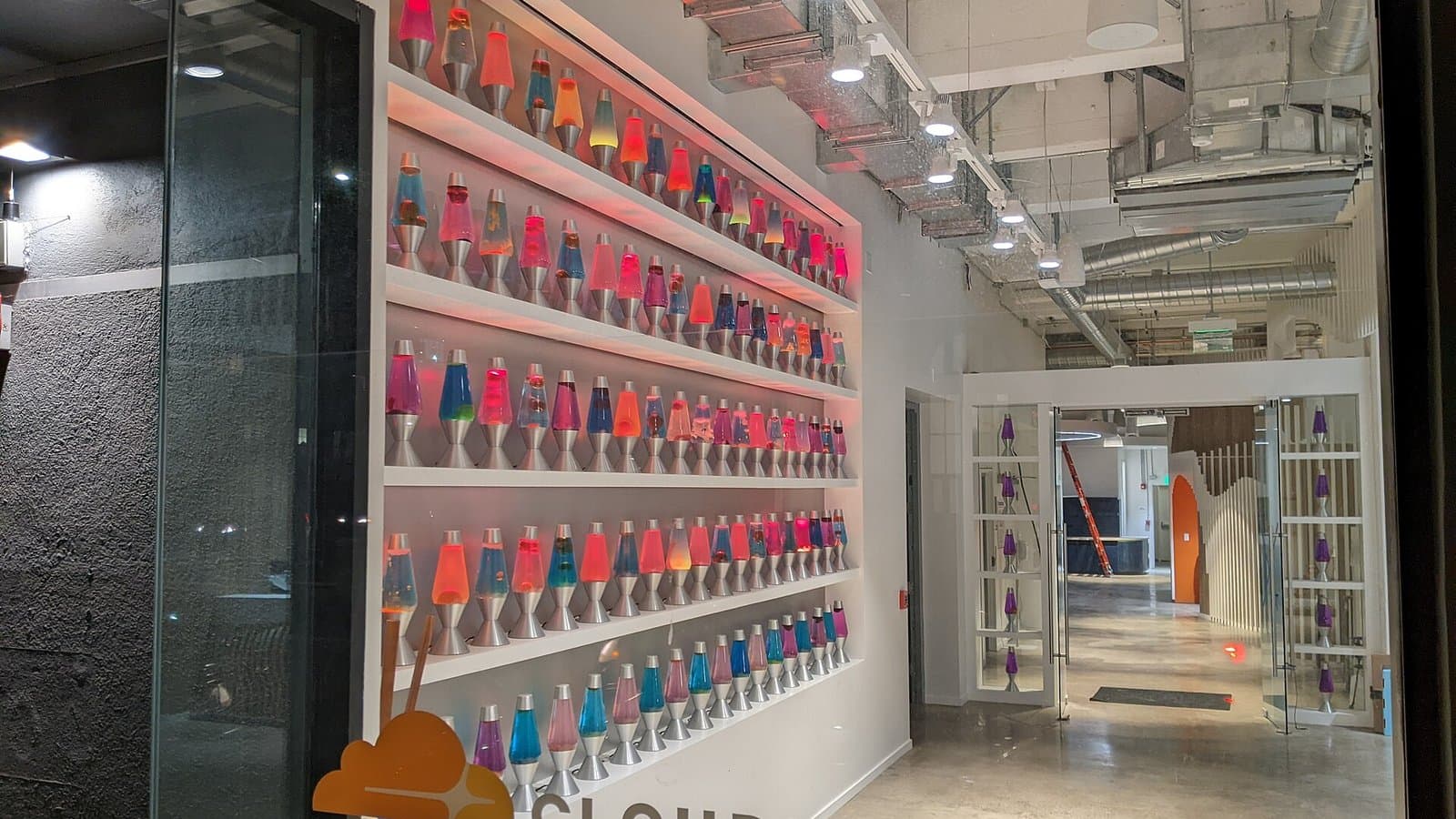
Cloudflare and Hark gave agents a browser, MetaMask gave them a wallet, ByteDance gave them eyes and ears, and Samsung's foldables finally grew up. Issue #01.
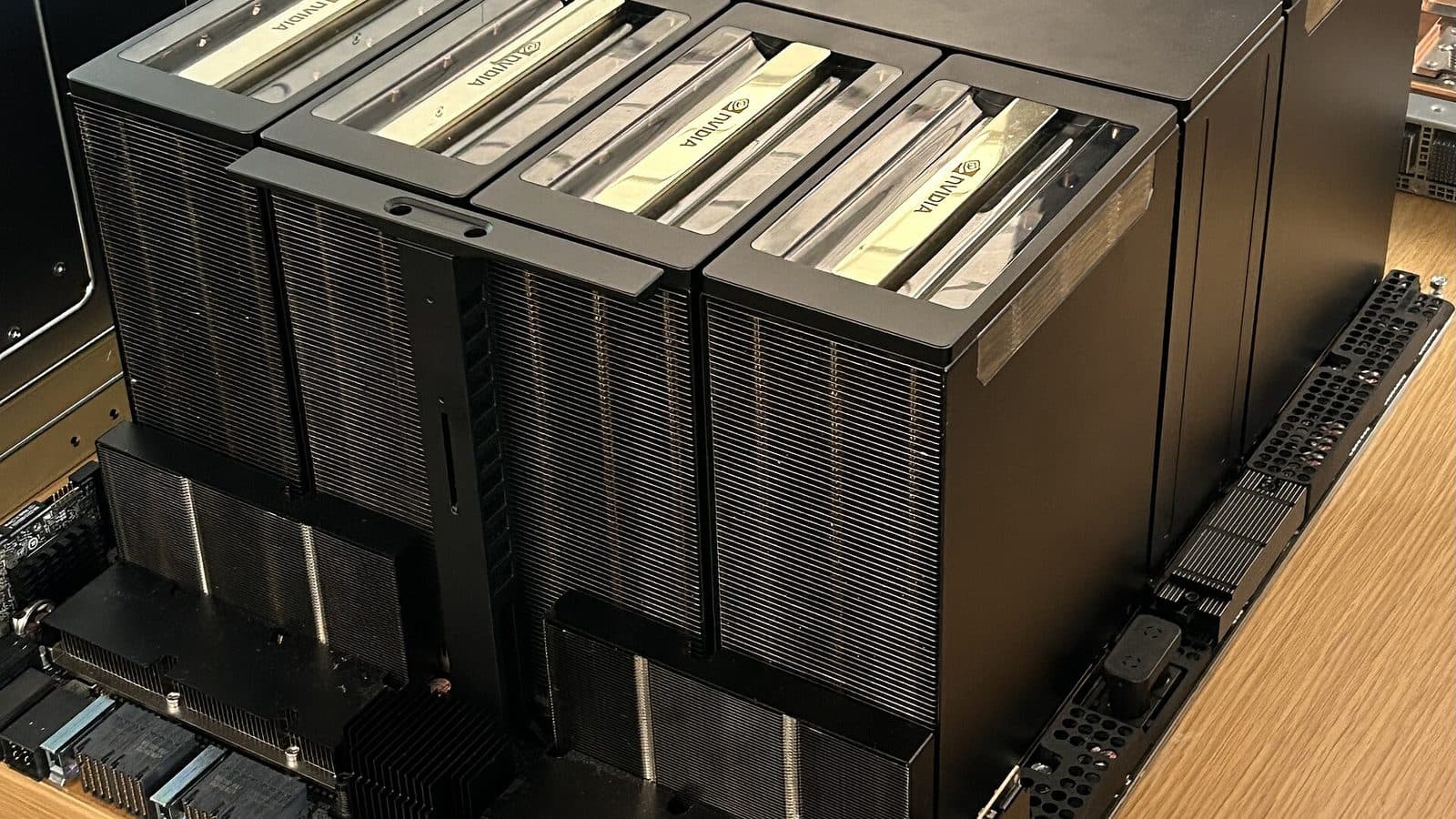
Sparse mixture-of-experts models activate a small fraction of their parameters per token. How routing, capacity and serving shape the largest AI models.

ByteDance launched SeedRealtime, a native audio-visual full-duplex model that decides when to talk. It's free in the Doubao app, but has no developer API.