Meta Releases Its First Frontier Model, Muse Wonder, to Chase OpenAI and Anthropic
Meta released Muse Wonder on October 12, 2026, its first frontier model, with list pricing of $4 per million input tokens and $20 per million output tokens.


On this page
Key takeaways
- Meta's Superintelligence Lab released Muse Wonder and Muse Wonder Full on Monday, October 12, 2026, and Meta calls them its first frontier models and its most capable yet.
- Meta shares rose about 4% in afternoon trading on launch day, according to Reuters.
- Muse Wonder is available through the Meta Model API and Muse Code; Muse Wonder Full is limited to Muse Code subscribers and is not served through the API.
- Meta lists Muse Wonder at $4 per million input tokens and $20 per million output tokens, roughly on par with GPT-6 Sol and Claude Opus 5.5.
- Meta says Wonder beats Fable, Opus and Astra on its own MemoryBench test and scores comparably to Fable 5.1 and GPT-6 Astra, all vendor numbers with independent evaluation still limited at launch.
Meta released Muse Wonder and Muse Wonder Full on Monday, October 12, 2026, the first frontier models to come out of its Superintelligence Lab and the company's most direct attempt yet to compete with OpenAI, Anthropic and Google at the top of the market. Meta calls the pair its most capable AI models so far. Meta shares rose about 4% in afternoon trading on launch day, Reuters reported, and the company described the release as the next step on its "scaling ladder" toward what it calls personal superintelligence (Meta AI Research; Reuters).
Related reading: OpenAI Moves Frontier Training Off the Live Internet and Onto a Cached Copy of the Web · The Week in Tech: The Brakes and the Build-Out.
The launch matters more for where it places Meta in the field than for any single benchmark result. For two years the company watched rivals set the pace at the frontier while it shipped smaller models to its own apps. Muse Wonder is the first time Meta has pointed a model at the top of the market and asked outsiders to use it directly.
Two models, two doors
The pair is not sold the same way. Muse Wonder is available through the Meta Model API, the company's developer interface, and inside Muse Code, its coding product. Muse Wonder Full is the restricted one: available only to Muse Code subscribers and not served through the API at all. Meta says both models will also power its consumer Muse personal AI agent, initially for subscribers (Meta AI Research; TechCrunch).
The split is a distribution decision as much as a product one. An open API lets outside developers build on Meta's models and spreads the brand beyond Meta's own apps. Keeping the strongest version behind a subscription ties the best capability to a product Meta controls, which is the same playbook the company has used with Muse from the start.
Meta has used this structure before. Muse, the consumer agent it launched in September 2026, arrived with free and paid tiers, so the company already knows how to meter capability by price. Muse Wonder extends the same idea to developers, who have more choices than consumers and less patience for a model that is only close to the leaders. The subscription gate on Muse Wonder Full tests whether the strongest version is worth paying to reach, while the API exposes the rest to the open market.
Active memory is the pitch
Meta's central claim for the models is "active memory": the ability to retain and synthesise information a user gives them over days, weeks and months rather than only within a single session. Meta points to a benchmark it calls MemoryBench and says Muse Wonder scores higher on it than Fable, Opus or Astra. Those are Meta's own tests, run by the company that built the models.
Research scientist Kavya Kopparapu, in the launch video, described the effort that claim rests on: "We put a tremendous amount of effort into making sure your model can remember what's important to you over days, weeks, months and beyond."
"We put a tremendous amount of effort into making sure your model can remember what's important to you over days, weeks, months and beyond." — Kavya Kopparapu, research scientist, Meta
Memory is the feature that fits Meta's consumer ambitions. A model that remembers a user's preferences over months is the raw material for the personal agent the company is selling, and it is also the capability that is hardest to check from the outside. A benchmark can show that a model recalls a fact inserted into a long conversation; it cannot show what the model does with everything a user has ever typed, because that data stays inside Meta's systems.
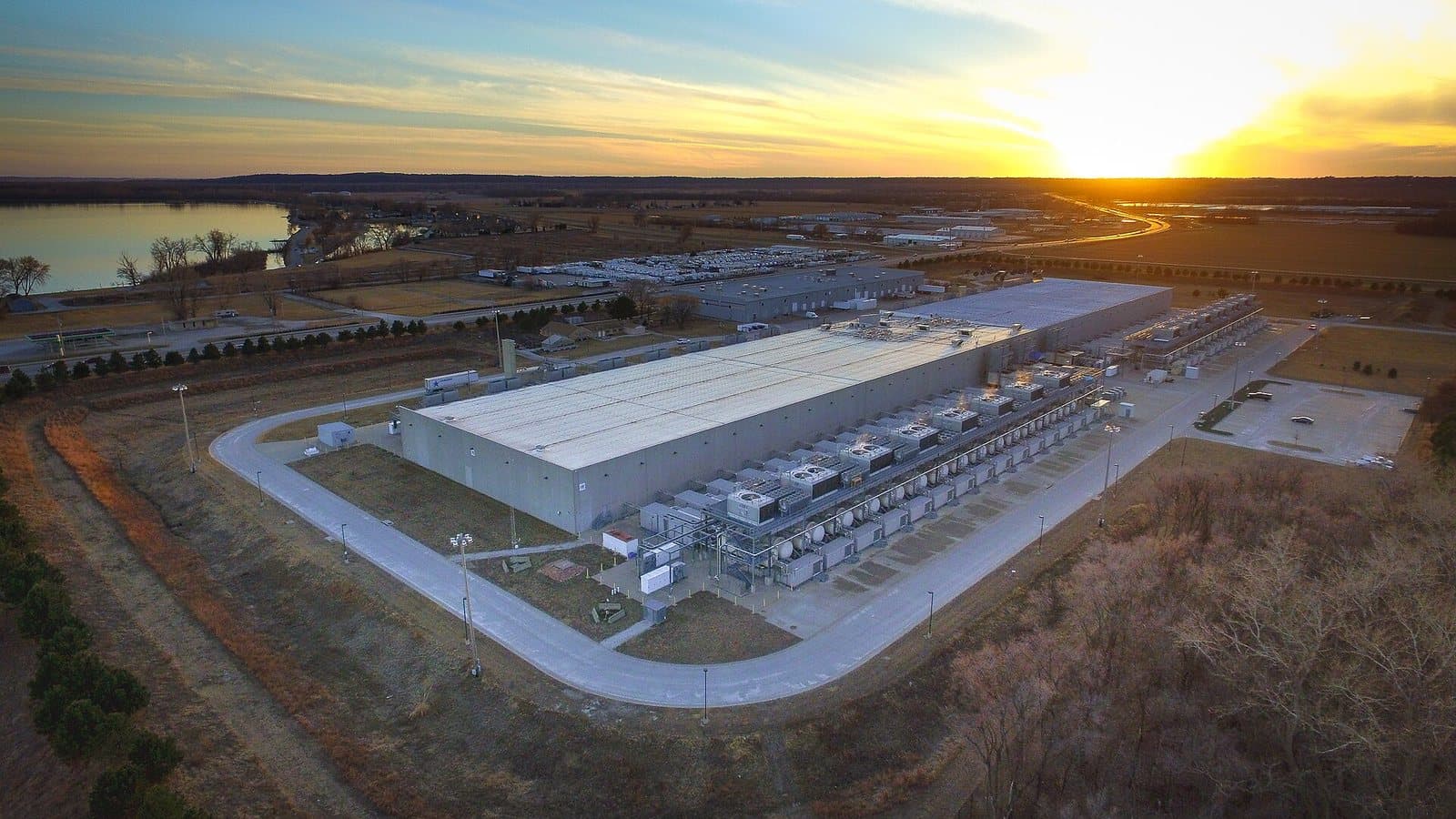
Meta says the models were trained at its Prometheus data center in central Ohio, which came online earlier in 2026. The location is a reminder that the frontier race runs through power contracts and construction schedules as much as through software.
The benchmarks are Meta's own
According to Meta's own testing, Muse Wonder and Muse Wonder Full achieve benchmark scores comparable to Fable 5.1 and GPT-6 Astra. The model card is the primary source for those figures, and Meta ran every comparison it published.
Vendor numbers, not an outside audit
Every benchmark and capability figure in Meta's launch material is the company's own, including the MemoryBench results and the comparisons to Fable 5.1 and GPT-6 Astra. Independent evaluation was still limited at launch. Treat the scores as vendor claims until third-party evaluations publish.
Mashable, citing independent benchmarks, reported that the early results place Meta at the frontier "for the first time", while noting that those results were still settling at launch. That is the honest state of the evidence: Meta says it is at parity, outside indexes partly agree, and the picture is not yet settled. MediaPost framed the release as Meta playing catch-up with its rivals, which is the other reading of the same numbers (Mashable; MediaPost).
A benchmark score and a model's usefulness in a product are different things. Meta's comparison set names the strongest models from each rival, so a claim of parity is a claim about the frontier tier, not about the whole market. Whether Muse Wonder holds up on real tasks, at the latency and price teams care about, is what the coming month of developer testing will show.
What Muse Wonder costs
Meta's list price for Muse Wonder through the Meta Model API is $4 per million input tokens and $20 per million output tokens, roughly on par with OpenAI's GPT-6 Sol and Anthropic's Claude Opus 5.5. Muse Wonder Full has no API price, because it is not sold that way; its cost is bundled into a Muse Code subscription. The figures are list rates from the API and should be checked against the current model card, since vendors adjust both prices and model versions.
The pricing tells you who Meta expects to buy. At roughly the same rate as the top models from OpenAI and Anthropic, Muse Wonder is not competing on cost. It is competing on the assumption that buyers already paying for a frontier model will consider a third one, which is a harder sell than undercutting on price.
The road back to the frontier
The release is Meta's first frontier-model launch since Scale AI founder Alexandr Wang restructured the company's AI efforts in August 2025. Meta bought Scale AI for $14.3 billion and named Wang its chief AI officer, and in the year that followed it shipped only the lightweight Muse Spark family and the Muse agent, which arrived in September 2026 and passed 5 million app downloads, according to Mashable. Muse Spark 1.3 shipped about six weeks before Muse Wonder (Reuters).
A frontier model takes months to train, so the work behind Muse Wonder began well before this week. The decision to release it as a frontier model, rather than as another inward-facing Spark update, is the part Wang's reorganisation changed. The company had the distribution to reach users for years; what it lacked was a model it was willing to put next to OpenAI's and Anthropic's best.
Wang's brief has been to turn a research organisation into a product pipeline, and Muse Wonder is the first frontier output of that effort. The Muse Spark line, by contrast, was aimed at Meta's own apps and never sold at the top of the market. Shipping a frontier model under a public API puts Meta's work in front of the same developers its rivals court, which is a different kind of exposure than a model that only powers Meta's own products.
Why Meta is calling it personal superintelligence
Meta's blog post says the two models "mark the next step on our scaling ladder and a major leap toward personal superintelligence" (Meta AI Research). That phrase is Meta's marketing framing, not a technical measure. It describes a future in which an agent runs across a person's digital life, and it is the strategy the Muse agent already points at.
The commercial logic runs through distribution. Meta reaches billions of people through its apps, and if an agent becomes the interface they use to shop, book and organise, the company that supplies that agent captures the relationship. A frontier model is the entry ticket. Muse Wonder is Meta's bid to be in that conversation when the ticket is checked, even if it is not yet ahead.
Whether the phrase means anything depends on Muse. If the agent becomes the way hundreds of millions of people handle routine tasks, the model underneath it will matter to far more people than a developer API reaches, and Meta's distribution advantage will do the rest. If it does not, Muse Wonder is one more capable model among several.
The models behind the agent
Meta says both Muse Wonder models will power its consumer Muse personal AI agent, initially for subscribers. Muse, launched in September 2026, is the product Meta has been building toward; Muse Wonder is the model layer under it. The two releases are one strategy split across two launches.
Caveats
All of the performance claims in this story come from Meta. The benchmark scores, the MemoryBench results and the comparisons to Fable 5.1, GPT-6 Astra, GPT-6 Sol and Claude Opus 5.5 are the company's own, measured on tests it chose. Independent evaluation was still limited at launch, and the independent benchmarks Mashable cited were still settling. "Personal superintelligence" is Meta's framing rather than a defined capability. The pricing figures are list rates from the Meta Model API as reported, not the final bill a production team would pay once caching, retries and model version changes are counted. What is missing is sustained third-party evaluation on real workloads, which is the test a frontier claim ultimately has to pass.
What to watch
- Third-party evaluations. The next set of independent benchmark results will show whether Meta's parity claim holds or fades, which is the single most important open question from the launch.
- Whether Muse Wonder Full reaches the API. Keeping the strongest model inside Muse Code is a deliberate limit. If it later opens to developers, that would signal a change in how Meta wants the frontier model to spread.
- The consumer Muse rollout. Meta says the models will power the Muse agent initially for subscribers. Watch how widely that expands, and what users report about memory in daily use.
- Pricing. At $4 and $20 per million tokens, Muse Wonder is priced at the top tier. A cut would be the clearest sign Meta is willing to buy market share rather than compete on capability.
For now the release resets one fact that had held for two years: Meta sells a model aimed at the frontier, at frontier prices, with benchmark claims that only its own lab has run. Until outside results arrive, the frontier claim rests on Meta's own numbers.
Cover image: "Meta Platforms Headquarters Menlo Park California.jpg" by LPS.1, CC0, via Wikimedia Commons.
Tags
Frequently asked questions
- What is Meta Muse Wonder?
- Muse Wonder and Muse Wonder Full are the first frontier AI models from Meta's Superintelligence Lab, released on October 12, 2026. Meta calls them its most capable models yet and says they will also power its consumer Muse personal AI agent, initially for subscribers.
- How much does Meta Muse Wonder cost?
- Meta's list price for Muse Wonder through the Meta Model API is $4 per million input tokens and $20 per million output tokens, roughly on par with OpenAI's GPT-6 Sol and Anthropic's Claude Opus 5.5. Muse Wonder Full is not sold through the API and is bundled into a Muse Code subscription.
- Are Meta's Muse Wonder benchmarks independent?
- No. The benchmark and capability figures are Meta's own, including its MemoryBench results and its comparisons to Fable 5.1 and GPT-6 Astra. Independent benchmarks were still settling at launch, so the numbers should be read as vendor claims.
- What is the difference between Muse Wonder and Muse Wonder Full?
- Muse Wonder is available through the Meta Model API and inside Muse Code. Muse Wonder Full is available only to Muse Code subscribers and is not served through the API at all. Meta says both models power the consumer Muse agent initially for subscribers.

TPW Editorial
Editorial Team
TechPastWeek's editorial team reports and edits every story we publish. We research each piece against primary and credible secondary sources, and a human editor reviews and signs off before it goes live.