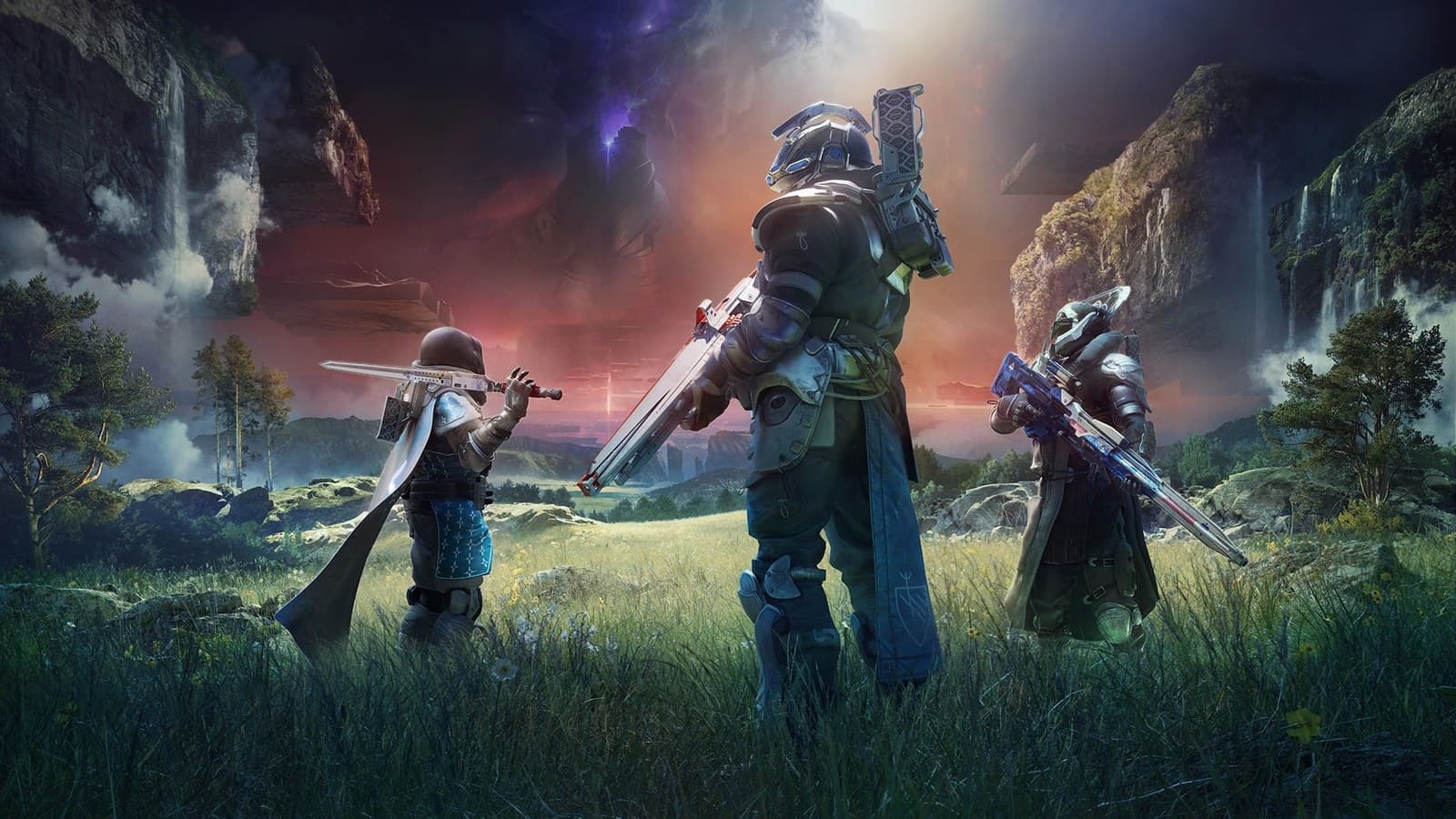
EA Shuts Down BioWare and Cancels the Next Mass Effect
Electronic Arts is closing BioWare after 31 years and ending early work on the next Mass Effect, cutting about 400 jobs as it narrows its big-budget slate.

On this page
Key takeaways
- Electronic Arts announced on 21 October 2026 that it is shutting down BioWare, the studio behind Mass Effect, Dragon Age and Baldur's Gate, and closing its Edmonton workspace.
- EA is also ending early development on the next Mass Effect game, which had not been given a release date.
- About 400 jobs are being cut across EA, roughly 3 percent of its workforce, including around 50 at BioWare, according to Bloomberg.
- BioWare was founded in 1995, so the closure ends a 31-year run; Mass Effect: Andromeda (2017) and Anthem (2019) preceded Dragon Age: The Veilguard missing EA's sales expectations.
- EA was taken private in a $55 billion deal by a group led by Saudi Arabia's Public Investment Fund, Silver Lake and Affinity Partners, completed in August 2026.
Electronic Arts announced on 21 October 2026 that it is shutting down BioWare, the studio behind Mass Effect, Dragon Age, Baldur's Gate, Neverwinter Nights, Star Wars: Knights of the Old Republic and Anthem. The same announcement ends early development on the next Mass Effect game and closes BioWare's Edmonton workspace. Bloomberg puts the cut at about 400 jobs across EA, roughly 3 percent of its workforce, including around 50 at BioWare.
Related reading: 'Xbox is not for sale,' CEO Asha Sharma says as the division sheds studios and staff · Xbox Cuts 268 Roles, Gives the Next Halo Game to Activision and Proposes Closing Ninja Theory.
The studio confirmed the decision in its own statement, and the language is unusually direct for a corporate farewell. “Now, after more than three decades of shared adventures, BioWare is closing and early development on the next Mass Effect project is ending,” it read. “There is nothing easy about writing those words.” EA's company-wide note, signed by president and chief studios officer Cam Weber and president and COO David Tinson, called BioWare “a legendary studio that helped define the role-playing genre” and said the company does “not take this decision lightly.”
BioWare was founded in 1995. It spent 31 years building the template for the modern Western role-playing game. It closes as its owner narrows the number of large games it will fund at once.
A studio that taught the industry how to write a party
BioWare's importance is easier to state than to measure. The Edmonton studio built role-playing games around companions who talked back, choices that carried across installments and dialogue systems that made conversation the main verb. Baldur's Gate and Neverwinter Nights adapted tabletop rules for a PC audience. Star Wars: Knights of the Old Republic applied the same machinery to a licensed universe. Mass Effect and Dragon Age turned those ideas into original properties with their own cosmology and fan bases.
That history matters for commercial reasons. BioWare's games were single-player, story-heavy and expensive, and for two decades the sequels kept coming. The studio's name on a box was a promise of a certain kind of game. EA is now telling staff that this kind of game no longer fits the shape of its portfolio.
EA's note does not mention the craft problem. A studio like BioWare accumulates something that is hard to buy: writers, designers and technical artists who have spent years learning how to make a branching conversation feel like a scene rather than a menu. That knowledge lives in teams, not in documents. When the team disperses, the next game that wants that texture has to rebuild it, and the rebuild is slow.
Who reported the 400 figure
The roughly 400 job cuts and the 3 percent workforce share come from Bloomberg, not from EA's staff note. EA confirmed the closure and the Mass Effect cancellation; it did not publish a job-cut total itself. The same applies to the split of about 50 roles at BioWare.
How three releases narrowed the odds
Nothing in the public record describes a sudden collapse. The pattern is a decade of narrowing odds.
Mass Effect: Andromeda arrived in 2017 and was widely seen as a misstep. Anthem followed in 2019, a live-service bet that did not pan out. Dragon Age: The Veilguard then missed EA's sales expectations, and EA laid off some BioWare staff in 2025. Each is a separate data point, but they point the same way: a studio built to ship long, authored single-player campaigns kept being asked to compete in formats where its strengths did not transfer.
Anthem is the clearest case. A live-service game needs years of post-launch content and a studio organized around seasonal production. BioWare was organized around narrative teams finishing a boxed story. Moving from one model to the other is a multi-year rebuild. The Veilguard result then removed the argument that the old model could still pay for itself at the scale EA now expects.
The ownership question sits underneath all of this. EA was taken private in a $55 billion deal by an investor group led by Saudi Arabia's Public Investment Fund, Silver Lake and Affinity Partners. The transaction closed in August 2026, two months before the BioWare announcement. An owner that has just paid $55 billion has a different tolerance for a studio that missed its last sales target than a public company answering quarterly questions. EA does not present the closure that way, and the reporting does not tie the decision directly to the buyout. The timing is part of the story all the same.
“BioWare is a legendary studio that helped define the role-playing genre, and we do not take this decision lightly.” — Cam Weber, president and chief studios officer, and David Tinson, president and COO, Electronic Arts
What EA is funding instead
The staff note is unusually specific about the replacement portfolio, which makes it a useful document about where large-budget game money is going.
In shooters, EA called Battlefield 6 “a great success” and said Respawn and DICE will collaborate on a future project. Bloomberg describes that project as “likely” a new Star Wars: Battlefront game, which is the reporter's characterization rather than an EA announcement. Apex Legends continues with new multiplayer modes. In action-adventure, EA said it will keep investing in Marvel's Iron Man and the next Star Wars Jedi game while concentrating on fewer simultaneous large projects. EA Sports has two new projects, including “Project Gridiron,” a social-first open-world American football experience, and pre-production on a new Fight Night boxing title. In the lifestyle group, development on The Sims' “Project Lotus” is paused in favor of “Project Evergreen,” and Skate will run with a smaller team and a clearer roadmap.
Read together, those lines describe a publisher that wants fewer projects, each with a clearer commercial shape: shooters with established audiences, licensed superhero and Star Wars properties, annual sports titles, and a Sims business that can be run as a live service. A 31-year-old RPG studio with a history of ambitious single-player games fits none of those categories neatly. EA described itself as “the number one publisher in Western HD gaming” and said “our industry is changing quickly.”
One absence stands out. The list contains no role-playing game. Iron Man and Star Wars Jedi are action titles with narrative ambitions, and Battlefield, Apex, the sports slate and The Sims cover the rest. EA has not said it will never fund another role-playing game. It has said where the money goes now.
The Mass Effect cancellation is where that logic becomes concrete. A new Mass Effect would have been a multi-year project, and EA has just said it wants fewer large projects running at once. Ending it at an early stage is cheaper than ending it later, and cheaper still than shipping a game into the wake of Andromeda, Anthem and The Veilguard.
The television series is a separate question
Mass Effect has a life outside games. A television adaptation was in the works at Amazon MGM Studios, and the closure raised an obvious question about its future.
The answer on 21 October was unclear. Amazon MGM Studios declined to comment when asked about the show. EA spokesperson Justin Higgs said he had “Nothing to share on that at this point.” Later that day, IGN reported that the series is still in development. That is the most specific public status available, and it is a report rather than a studio confirmation.
A TV production does not need BioWare to exist. It needs the license, a showrunner and a budget, and those sit with Amazon and EA rather than with the Edmonton workspace. What the closure removes is the studio that could have acted as a creative reference point, and the informal marketing a new game would have provided. Whether Amazon treats either as essential is not public.
What the record does and does not say
Two limits matter here. EA did not publish a sales figure for Dragon Age: The Veilguard. It said the game missed expectations, and that is the extent of the official position. The Star Wars: Battlefront project is Bloomberg's description, marked as likely, not a confirmed title.
The closure itself is not in doubt. Both EA and BioWare confirmed it on 21 October, and both named the Mass Effect cancellation in the same breath.
What to watch
The immediate signal is what happens to the people. Around 50 BioWare roles are affected, according to Bloomberg, within a wider cut of about 400. The studios that hire them next will inherit that experience.
The second signal is the Mass Effect license. A television series in development, a cancelled game and a closed studio can coexist for a while. If Amazon moves the show forward, the property survives its creator. If the show stalls quietly, the cancellation becomes the end of the franchise rather than a pause.
The third is the shape of EA under private ownership. The company has now told staff, in one document, which genres it will fund and which it will not. BioWare's closure is the first large test of that list. It probably will not be the last: the industry has already cut deeply in 2026, with Xbox's “reset” involving 3,200 cuts, “significant” layoffs at Bungie and more than 1,000 roles gone at Epic Games, according to The Verge.
The record itself is short. A studio founded in 1995 shipped Mass Effect, Dragon Age, Baldur's Gate, Neverwinter Nights, Knights of the Old Republic and Anthem. On 21 October 2026 its owner closed it, cancelled the game it was building and moved the money to shooters, sports and licensed action titles.
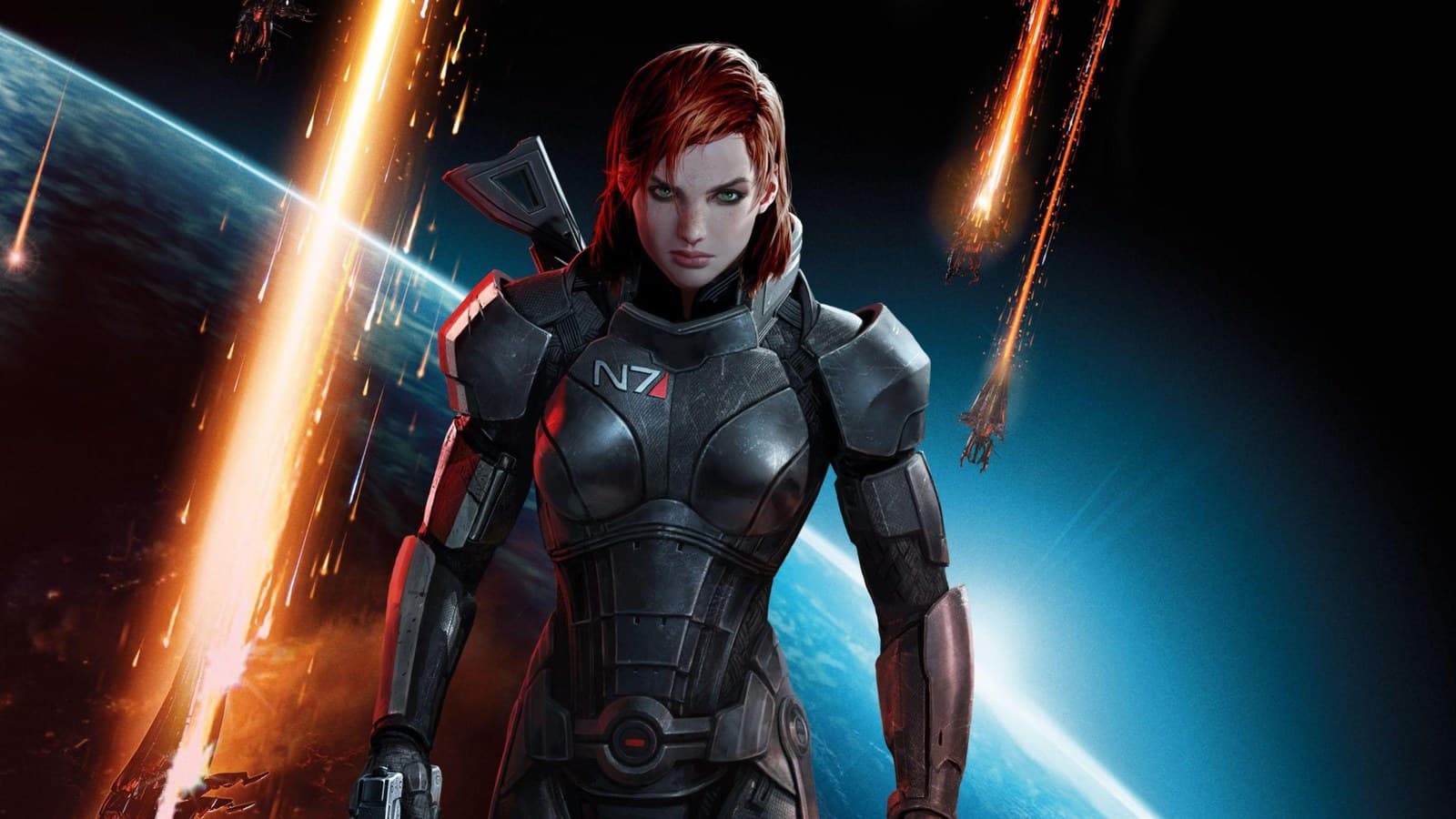
Cover image: Mass Effect key art, courtesy of EA and BioWare (company-distributed press asset).
Tags
Frequently asked questions
- Is BioWare shutting down?
- Yes. Electronic Arts announced on 21 October 2026 that BioWare is closing, and the studio itself confirmed the closure in a statement. EA is also closing BioWare's Edmonton workspace.
- Was the next Mass Effect game cancelled?
- Yes. EA said early development on the next Mass Effect project is ending, and BioWare's statement confirmed it. The game had not been given a release date.
- How many jobs are being cut in the BioWare closure?
- About 400 across Electronic Arts, roughly 3 percent of its workforce, according to Bloomberg. Around 50 of those are at BioWare. EA did not publish the 400 figure in its own staff note.
- Is the Mass Effect TV series still happening?
- IGN reported on 21 October 2026 that the planned Amazon MGM Studios series is still in development. Amazon declined to comment, and EA spokesperson Justin Higgs said he had nothing to share at that point.

TPW Editorial
Editorial Team
TechPastWeek's editorial team reports and edits every story we publish. We research each piece against primary and credible secondary sources, and a human editor reviews and signs off before it goes live.