Liquid Swords Is Up for Sale, and Samson's Sales Explain Why
Liquid Swords was declared bankrupt on 12 October 2026. Its 27 staff, Samson's 151,900 sales and the 21 October asset deadline show what happens next.

On this page
Key takeaways
- The Stockholm District Court declared Liquid Swords bankrupt on 12 October 2026, with Cirio attorney Karl Björlin serving as receiver.
- The receiver's preliminary report of 15 October lists 27 remaining employees, all of whom are being dismissed through the bankruptcy.
- Samson: A Tyndalston Story had sold about 151,900 copies and generated roughly SEK 24.1 million, about US$2.4 million, in net revenue as of 14 October.
- Bids for the whole company or selected assets close at 12:00 CEST on 21 October 2026, and no buyer had been named publicly as of 20 October.
- Founder Christofer Sundberg confirmed the closure and said market conditions and some bad business decisions brought the studio to this point.
Liquid Swords, the Swedish studio behind Samson: A Tyndalston Story, was declared bankrupt by the Stockholm District Court on 12 October 2026. The receiver's preliminary report, dated 15 October, puts the remaining staff at 27, all of whom are being dismissed through the bankruptcy. Bids for the whole company or selected assets close at 12:00 CEST on 21 October. No buyer had been named publicly as of 20 October.
Related reading: Valve's Cancelled Portal Prequel F-Stop Surfaces as a Playable Build · GTA 6 Will Need 210GB on PS5, the Largest Single-Player Install Yet.
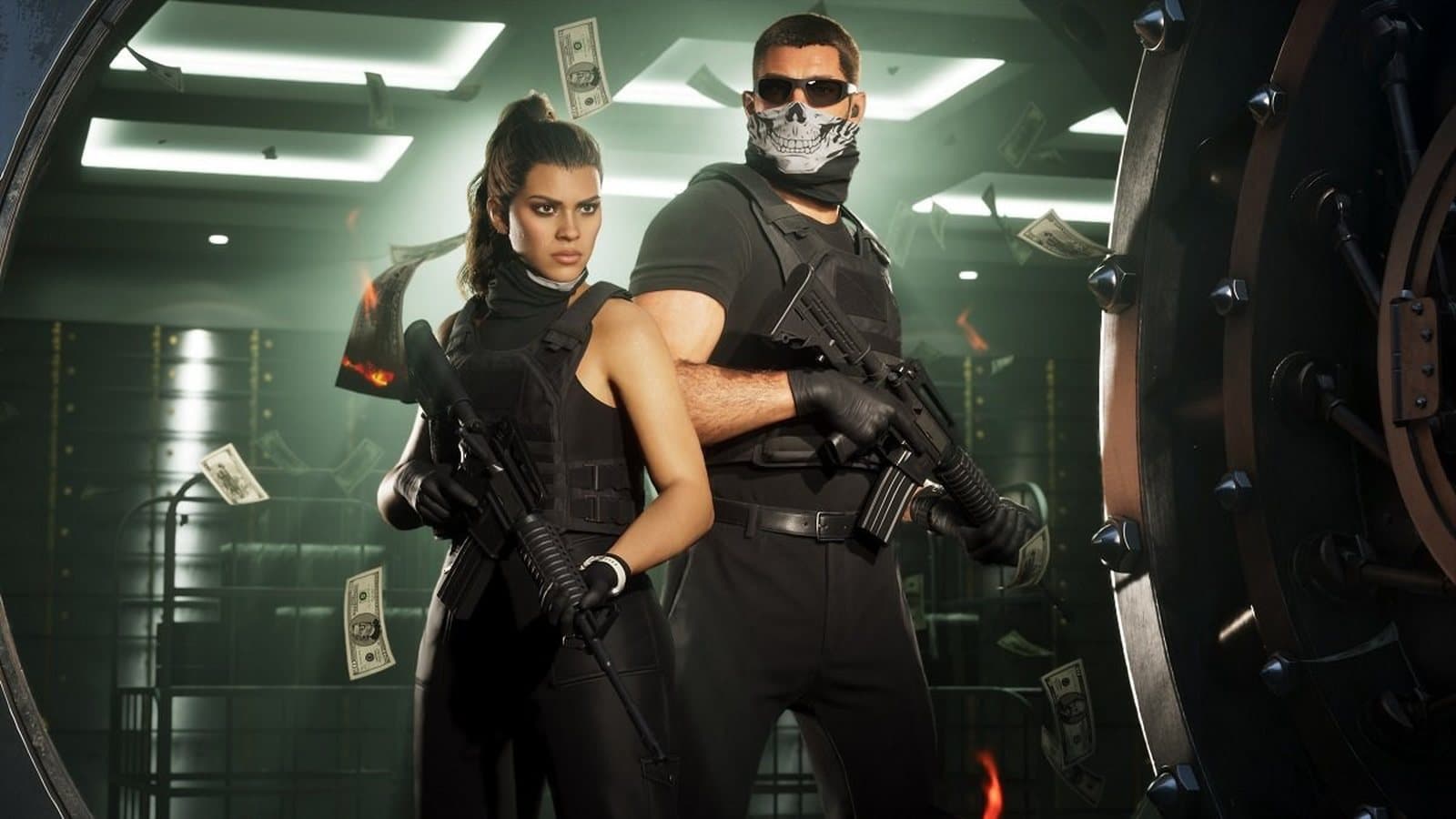
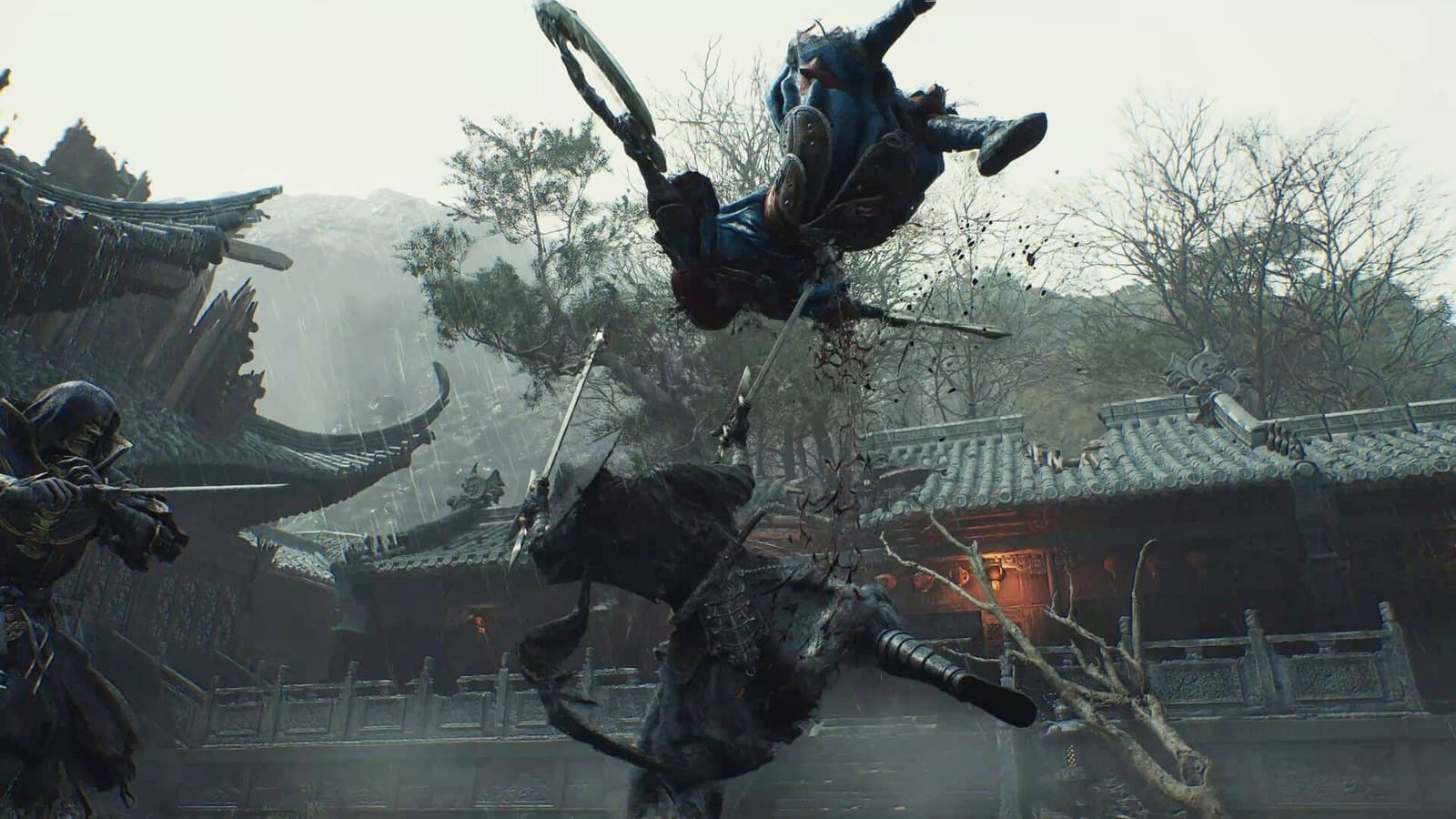
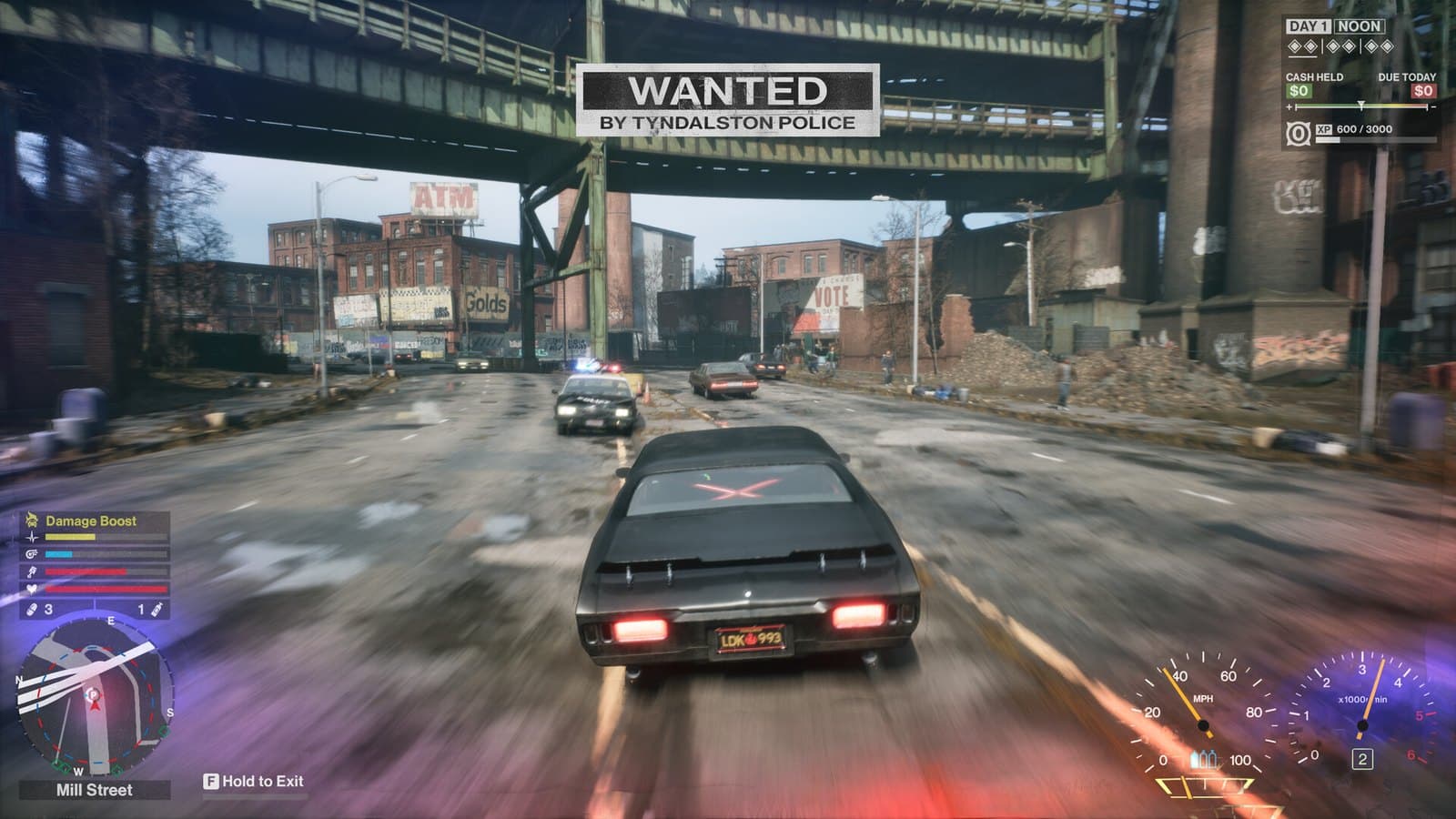
The studio is based in Nacka, outside Stockholm. Christofer Sundberg, who co-founded Avalanche Studios and worked on the Just Cause series, started it in 2020. NetEase took an undisclosed minority stake in 2022, and in February 2026 the company cut staff for what it called the studio's long-term sustainability, without saying how many roles went. Samson, a 1990s-set open-world game with brawler combat and cars as weapons, arrived on PC on 8 April 2026 and on PlayStation 5 and Xbox Series X/S on 21 September. Liquid Swords published the PC version itself.
The public confirmation came later than the legal event. Sundberg addressed the closure in a LinkedIn post reported on 19 October, and the studio's statement followed. By then the court had acted, the receiver had taken over and a sale document was circulating. Much of the coverage has blended two dates: the 12 October declaration and the 17 to 19 October confirmation.
A court order, not a closure announcement
Swedish bankruptcy does not begin with a company deciding to stop. A creditor or the company itself petitions the court, the court examines the finances, and if it finds the company insolvent it issues a bankruptcy order. Liquid Swords reached that point after its staff went roughly two months without wages and petitioned the court themselves, according to Swedish business reporting cited by GamesIndustry.biz.
The court appointed Cirio, a Swedish law firm, to administer the estate, with attorney Karl Björlin as receiver. Cirio's job is to take control of the company's assets, establish what they are worth and sell them for as much as possible. It published a preliminary bidding document for potential buyers, dated 15 October, and that document is the source for most of the figures here.
The document describes what is for sale in narrow terms. The assets "consist of intellectual property rights attributable to Samson ... and the Company's other intellectual property, together with related development assets, equipment and inventory used in the Company's operations," as GamesIndustry.biz quotes it. That is a game, a set of tools and some hardware. It is not a team.
Under Swedish rules, employment contracts do not move to a buyer by default. A purchaser that wants to keep developing Samson would have to negotiate new terms with each employee individually or through a collective process. Some might be hired back. Some might not. The bidding document does not say what a buyer intends, because until 21 October there is no buyer.
The concrete harm is the payroll gap. The state guarantee covers the unpaid salaries, but not the wait, the paperwork or the sudden need to look for work.
Sweden has a relatively orderly insolvency system. Wages are guaranteed, the receiver's documents are public, and the sale has a deadline. None of that makes a closure pleasant. It does mean the staff are not left negotiating with a company that no longer has money.
The wage guarantee is doing real work here
Sweden's state wage guarantee covers unpaid salaries when an employer goes bankrupt. For the Liquid Swords staff, it means the missing wages are recovered from the state rather than claimed from an estate with no money in it.
The arithmetic of 151,900 copies
The bidding document gives a snapshot as of 14 October: approximately 151,900 copies of Samson sold, generating about SEK 24.1 million in net revenue, or roughly US$2.4 million at the rate used in coverage. This Week in Video Games, citing the document, reports the platform split as 50.6 percent Steam, 39.4 percent PlayStation and 10 percent Xbox.
Two cautions apply. Net revenue is not profit, and the cost of making the game has not been made public, so the size of the shortfall is not public. What can be said is that SEK 24.1 million spread across 151,900 copies works out to about SEK 159 per copy, or roughly US$16, as a straight average. It is arithmetic, not a per-unit margin, since the mix of full-price, discounted and bundled sales is unknown.
SEK 24.1 million was not enough for a company that had been running since 2020, and February's staff cut shows the warning signs were already there before the game shipped.
Then there is the console question. Sundberg said Samson "did far better on consoles" than on PC, and the revenue split seems to point the other way, with Steam at just over half of net revenue. Both statements can be true because they measure different things. The console release was 21 September, about three weeks before the 14 October snapshot, while the PC version had been on sale since 8 April with six months of sales and visibility behind it. A platform can lead on lifetime revenue and still be the weaker performer at the moment of measurement. The founder is describing momentum; the document is describing a cumulative total.
Samson launched in April. Reviews were mixed, and players complained about technical and performance issues, as Eurogamer notes. A patch can fix a frame rate. It cannot easily fix a first impression.
A studio gets one first release to establish what it is, and the audience decides quickly. By the standards of independent games, 151,900 copies is not a flop.
What is not known
The bidding document does not name a buyer, a price or a timetable beyond the 21 October deadline. It also does not say whether any purchaser would retain staff or keep supporting Samson. Any report that fills those gaps before the estate announces a result is speculation.
What Sundberg said
Sundberg's public statements have been short and direct. "Liquid Swords is closing. Samson did far better on consoles, but it wasn't enough to save the studio. I'm proud of our team and what we built," he wrote, as Push Square reported.
He also assigned cause without hiding behind the market. "Market conditions and some bad business decisions brought us here," he said, accepting his share of responsibility and thanking staff, partners and players. A statement that blames only the market asks the reader to believe the studio did everything right and still failed. Sundberg's version admits a hand in the outcome.
"Market conditions and some bad business decisions brought us here." — Christofer Sundberg, founder, Liquid Swords
On the game's future he was careful. Asked about continued support, he said: "There's nothing to announce on that yet, but it's something we're working to resolve." He also said he intends to get back to work soon and to build a new studio with the current market in mind. No name, team, timeline, funding or publishing partner has been announced. In Inven Global, he put it simply: "I still love making games."
A bad year, without a grand theory
The bankruptcy sits inside a run of 2026 cuts. Eurogamer places it alongside 268 more layoffs confirmed by Xbox on 22 September, the move of Rare and World's Edge under Activision, a proposed closure of Ninja Theory and more than 70 staff apparently lost at Supermassive Games in early October.
Those are different events with different causes. Xbox's cuts are a platform holder restructuring its studios. Ninja Theory's proposed closure is a first-party decision. Supermassive's reported staff losses point to a mid-sized independent cutting costs. Liquid Swords is a self-published debut that did not earn enough, and the decision was taken out of its hands by a court. What they share is timing. The mechanisms differ.
What happens to Samson now
The estate plans to "maintain continuity of the Company's operations relating to Samson" until the bid deadline, including patches, player support and sales, according to God is a Geek. The commitment lasts days, not years. Beyond the sale, support depends on a new owner, and a new owner would need separate licensing and publisher status with PlayStation, Xbox, Steam and the Epic Games Store before it could keep selling the game on those platforms.
So the game stays on sale for now. It is not accurate to say Samson is going offline, and nobody involved has said it will. The honest description is that its future is an asset in a sale, and the terms of that sale are not public.
Steam's store page for Samson still lists the game, and the console versions remain available. Players who bought it can keep playing. What they cannot count on is the thing any supported game depends on: someone with a reason to keep patching it.
Twenty-seven people and a deadline
The next administrative step lands on 21 October, when the bid window closes. A buyer may take the whole company, or the IP alone, or no buyer may emerge. Cirio will then set out what happened, and the estate will pay creditors in whatever order Swedish law requires. The 27 employees, meanwhile, face the wage guarantee and the search for new work.
Sundberg's next studio, if it happens, will be watched by people who remember this one. He has said he wants to build it for the market as it is now. That market produced a 2026 in which a debut with a clear identity could still fail, a platform holder could cut 268 jobs in a day, and a studio could go from a February restructuring to an October bankruptcy in eight months.
Samson itself will probably outlive the company that made it. Games tend to. The people who built it are the part that does not transfer with the IP.
Cover image: official Samson: A Tyndalston Story in-game screenshot, courtesy of Liquid Swords (Steam store asset).
Tags
Frequently asked questions
- Why did Liquid Swords go bankrupt?
- The studio's debut game, Samson: A Tyndalston Story, sold about 151,900 copies and brought in roughly SEK 24.1 million in net revenue, which was not enough to sustain a company that had been running since 2020. Founder Christofer Sundberg said market conditions and some bad business decisions were responsible.
- What happens to Liquid Swords employees?
- All 27 remaining staff are being dismissed through the bankruptcy. Their employment contracts do not transfer to a buyer automatically, so any purchaser would have to negotiate new agreements with each worker. Sweden's state wage guarantee covers salaries the company owed.
- Is Samson: A Tyndalston Story still available to buy?
- Yes, for now. The estate has said it intends to maintain continuity of Samson's operations, including sales and player support, through the bidding window that closes on 21 October. What happens after a sale depends on the new owner.
- When is the deadline to buy Liquid Swords' assets?
- Bids for the whole company or selected assets were due by 12:00 CEST on 21 October 2026. The sale covers the Samson intellectual property, other company IP, development assets, equipment and inventory.

TPW Editorial
Editorial Team
TechPastWeek's editorial team reports and edits every story we publish. We research each piece against primary and credible secondary sources, and a human editor reviews and signs off before it goes live.