World of Warcraft: Forever Had the Biggest Beta in Blizzard's History
Satya Nadella told investors World of Warcraft: Forever had the largest beta in franchise history. He gave no figure, and the launch is 4 November 2026.

On this page
Key takeaways
- Satya Nadella said on Microsoft's 28 October 2026 earnings call that World of Warcraft: Forever had "the largest beta in franchise history," without giving a figure.
- The beta ran from 17 September to 23 October 2026, with access from $60 pre-purchase bundles or free sign-ups that Blizzard capped.
- The unofficial tracker ClassicPlus.io puts character creation above one million during the beta, but characters are not accounts or buyers.
- Forever launches on 4 November 2026 included with an existing World of Warcraft subscription; the Skyborne race and its starting zone need the $30 Heroic Pack.
- Nine dungeons arrive at launch, and two raids, Barrow Deeps and Hyjal Summit, unlock on 9 December 2026.
World of Warcraft: Forever had "the largest beta in franchise history," Satya Nadella said on Microsoft's first-quarter fiscal 2027 earnings call on 28 October 2026. The sentence came on an earnings call, not in a Blizzard press release, and it arrived without a participant count, an account count or a revenue figure attached. The game launches on 4 November, twelve days after the beta closed on 23 October. No other official size claim about the test has been published.
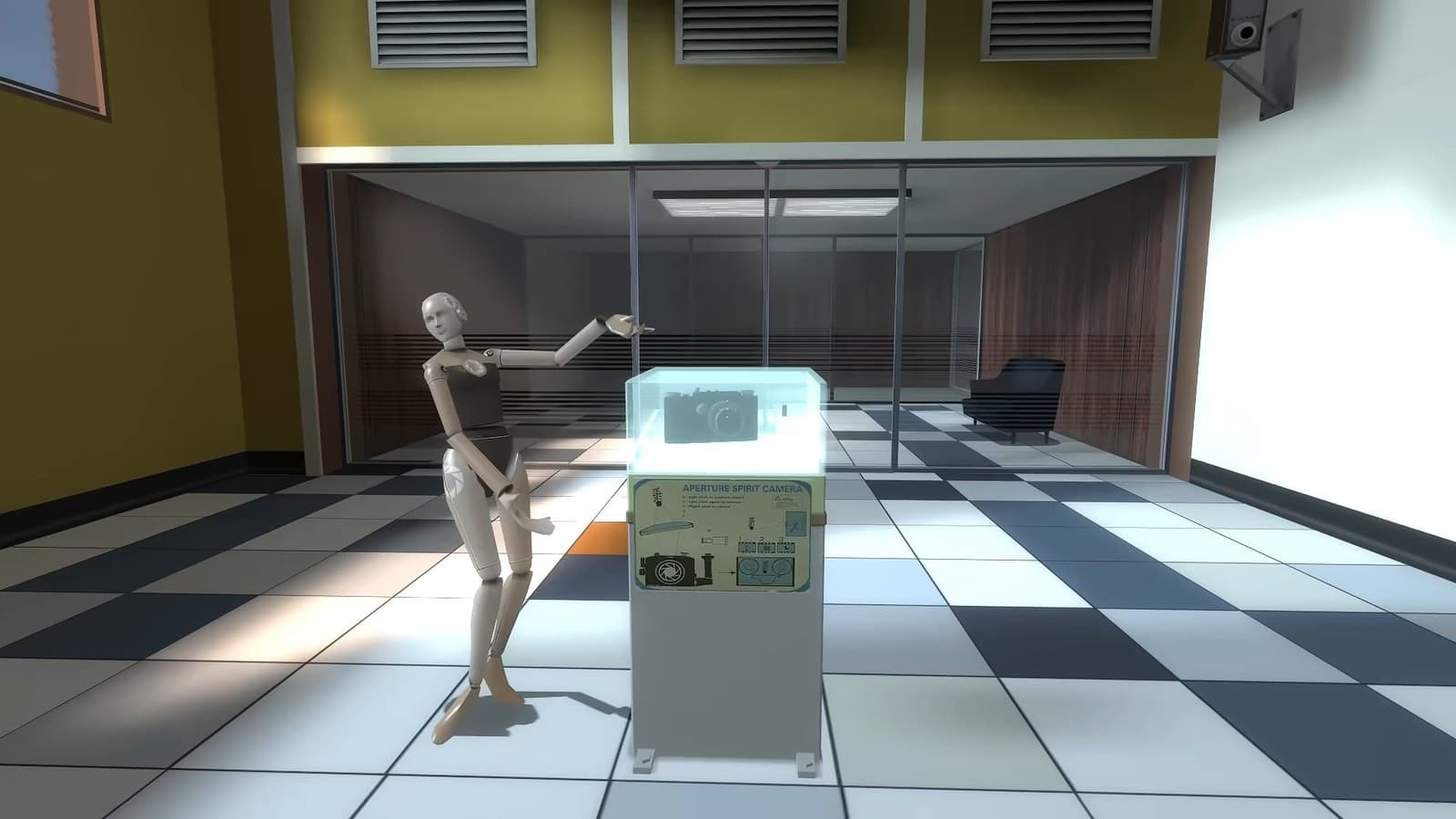
Related reading: Blizzard Shadow-Drops the First New Warcraft III Campaign in 23 Years · Valve's Cancelled Portal Prequel F-Stop Surfaces as a Playable Build.
A record announced to shareholders
Microsoft does not break out World of Warcraft numbers. Activision Blizzard stopped reporting subscribers in 2015, and the company's most recent public audience figure, 34 million Game Pass subscribers in February 2024, measures a different product entirely. That leaves the superlative with nothing to check it against. There is no prior beta count for Forever, no comparison to an earlier World of Warcraft beta in the call, and no definition of what "largest" measures: sign-ups, peak concurrent users, hours played or accounts created.
An earnings call is built for sentences like this one. It tells analysts that the game still draws a crowd before a launch, and it does so without exposing a metric that would have to be repeated next quarter. Kotaku's report carries the line and notes the absence of figures.
What the beta actually was
The test ran from 17 September to 23 October 2026, five weeks. Entry came through two routes. Players who pre-purchased a premium bundle starting at $60 were in, and players who signed up free could also be invited, with Blizzard controlling how many free invitations it issued. There was at least one free stress-test day, when the servers were opened wider to see what broke.
The game being tested is not a remaster. Forever is an alternate-universe version of World of Warcraft, announced at BlizzCon earlier in 2026 after months of rumours. It keeps the same world and the original-era setting, and changes the plot, the mechanics and the content. That distinction explains why the beta drew a crowd beyond the people who wanted the original game again: the audience was asked to test a version of Azeroth it had not seen.
That mixture of paid and free entry is why the claim resists arithmetic. If Nadella counted only paid bundle holders, the number measures pre-orders. If he counted free sign-ups and the stress test, it measures interest. If he counted characters, it measures neither, because one player can roll several. It is unclear which of these the claim includes, and no one at Microsoft or Blizzard has clarified it since.
A superlative without a denominator
"Largest beta in franchise history" can be true under every definition above, because no definition was offered. The verifiable parts are the dates, 17 September to 23 October 2026, and the access routes: $60 bundles, capped free invitations and a free stress-test day. The size is not verifiable. The sentence is a statement of confidence from the publisher, not a participation figure.
One million characters, not one million players
The number that circulated after the call did not come from Blizzard. ClassicPlus.io, an unofficial tracking site for the beta, suggests that more than one million characters were created during the test. That is a character count, and the distinction matters in a game where the character-creation screen is a hobby of its own. Characters per account vary, so a million characters could sit behind a much smaller number of players, and accounts include people who signed up free and never bought anything.
The tracker is not a census, either. It reports only what it can see, and Blizzard has not confirmed its figure. Used carefully, it supports a weaker claim than the one on the earnings call: a lot of people made a character in a five-week test of a game that will not cost subscribers anything at launch.
"The craziest numbers I've seen in 17 years working at Blizzard and almost 8 years on classic." — Josh Greenfield, World of Warcraft developer, 18 September 2026
Greenfield's post on X went up a day after the beta opened and is the closest thing to a number from inside the studio. It is not a number. He added: "We've got something really special here." A developer saying that on day one of a five-week test is a sentiment, not a metric, but it does establish that the early traffic surprised people who have worked on the game for a long time. Seventeen years at Blizzard and nearly eight on the classic project is a long baseline to be surprised against.
Why beta access became a pre-order perk
Blizzard has bundled beta access with paid editions since The War Within and Midnight. Before that, beta entry was opt-in and invite-only, which meant the company chose the testers and could describe the resulting population as a sample. Selling entry changes what a beta is. Part of the audience is now the pre-order book, and the test doubles as a marketing channel with a credit card attached.
That does not make the record meaningless. A paid beta that draws a large crowd is evidence of demand in a way a free invite-only test is not, because someone chose to spend $60 on an unfinished game. It does mean the comparison to earlier betas is uneven. The rules of entry changed, so the record measures this beta's reach under the new rules.
The practice also gives Blizzard a way to size a launch before it happens. Pre-orders are the one audience number the company can see in advance, and beta access is a cheap addition to a bundle. Whether the beta record reflects the size of that pre-order book is the question the earnings call did not answer.
The launch asks subscribers for nothing
Forever goes live on 4 November. Anyone with an active World of Warcraft subscription can play it without buying anything, which is a different commercial shape from the beta. The people who paid $60 to get into the test will find that the game itself is now included in the subscription they may already have.
The paid exception is the Skyborne race. The new race and its starting zone sit behind the $30 Skyborne Heroic Pack, and more expensive bundles add extras across Forever and other World of Warcraft games. That is a deliberate split: the return to the old world is free to subscribers, and the new race carries the price.
It is also a bet that the audience is already inside the subscription. A launch that required a box purchase would have to sell the game to lapsed players. A launch included with the subscription only has to keep the current ones and give them a reason to log in on launch day. The $30 pack then sells to the most engaged part of that group, the people who want the new race on day one, without putting a wall in front of everyone else.
Nine dungeons and a second opening night
The launch slate is built around levelling. Nine dungeons arrive on day one, spread across the original level range:
- Hall of Thanes at levels 13 to 18
- Ruins of Lordaeron at 16 to 22
- Excavation Site at 26 to 32
- City of Dalaran at 28 to 34
- The Drowned City at 35 to 40
- Krol'Dok Stronghold at 40 to 45
- Alcaz Island Prison at 48 to 53
- Blackmaw Hold at 55 to 60
- Shaper's Terrace at 58 to 60
The level bands are the design statement. A dungeon at 13 and a dungeon at 58 means group content follows the levelling curve instead of waiting at the cap. Players who never reach the endgame still have instanced content at every stage.
Two raids follow on 9 December: Barrow Deeps for 10 players and Hyjal Summit for 20. Onyxia's Lair returns the same day. The gap gives players five weeks to level before the first raid tier opens, which matches the pace of the original game's dungeon-and-raid ladder more than the compressed schedule of a modern expansion.
The rest of the content list points the same way. The Riverglades questing zone sits at level 35, Mount Hyjal is an endgame zone, and Shen'Dralas is another new area. A campfire buff system and Legacy Points, which replace modern achievements, rebuild the old social furniture. Players can toggle between old and new character models, and switch transmogrification appearances on or off, so the look of the game is adjustable. Realms come in Normal, PvP, RP and RP-PvP flavours, with a Hardcore realm later. Name reservation opened on 27 October.
Caveats
- The headline number has no denominator. Nadella's "largest beta" line on 28 October 2026 came with no participant, account, pre-order or revenue figure. It cannot be checked against a prior beta.
- Beta participation is not sales. Free sign-ups and a stress-test day were part of the test, and one player can create many characters.
- The million-character figure is unofficial. ClassicPlus.io is a fan-run tracker, not Blizzard, and characters are not accounts or buyers.
- Launch is unproven. Server stability on 4 November, review scores and sales were all unknown when this article was published.
- The Skyborne pack is optional but not cosmetic. The $30 purchase gates a playable race and its starting zone, which is content, not a mount skin.
Blizzard's read on nostalgia is now visible in the price list. The old world is free to subscribers, the new race costs $30, and the beta cost $60 for people who wanted in early. Each tier sells a different relationship to the same game.
Whether that works is a question for the servers on 4 November and the raid population on 9 December. The beta record says a crowd showed up for a five-week test. It does not say how many will stay for a subscription, and neither company has said it will publish a number that would answer it.
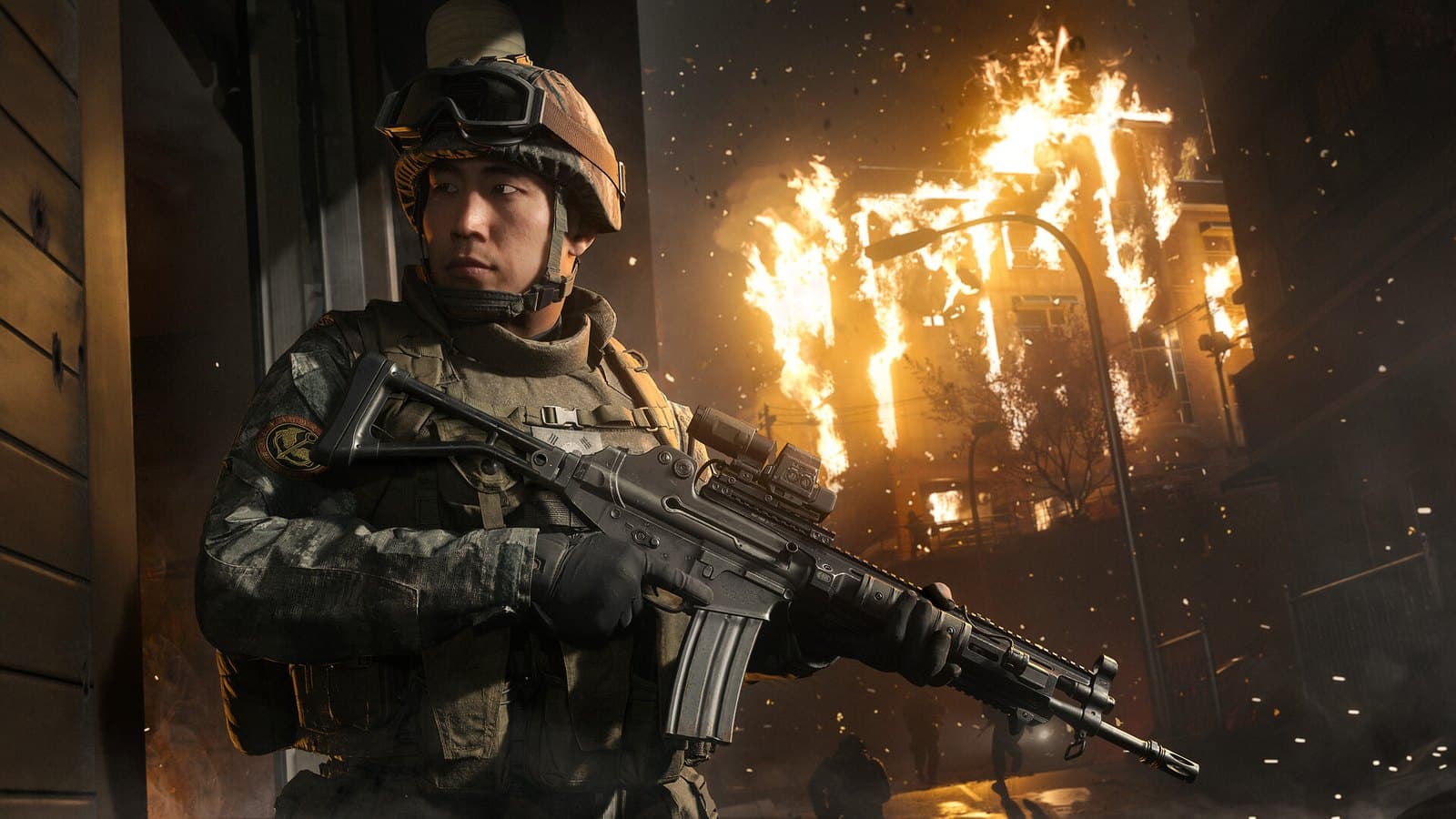
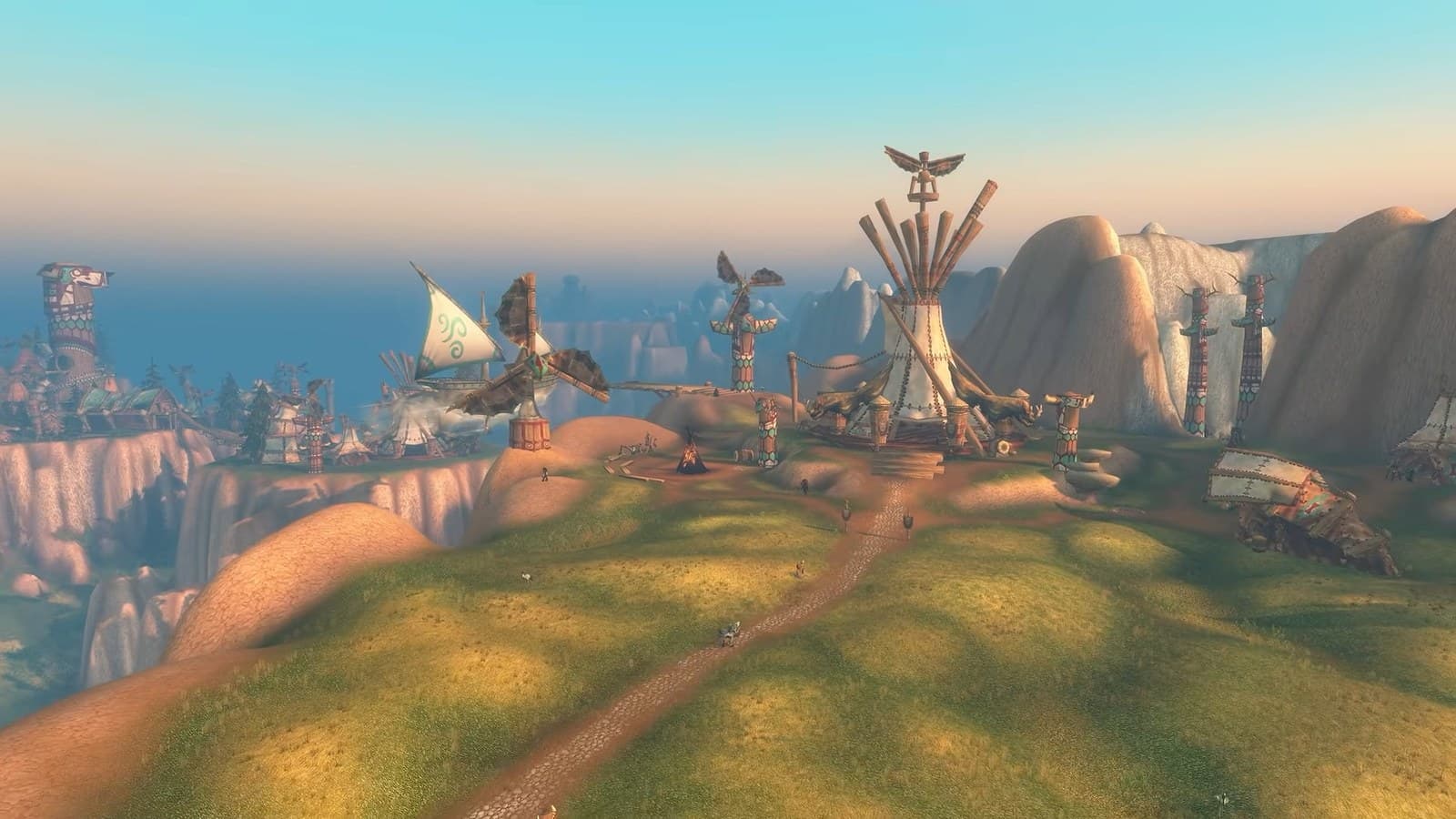
Cover image: World of Warcraft: Forever screenshot courtesy of Blizzard Entertainment.
Tags
Frequently asked questions
- When does World of Warcraft: Forever launch?
- It launches on 4 November 2026. The game is included with an existing World of Warcraft subscription and needs no extra purchase to play.
- Do you have to buy the $30 Skyborne pack to play Forever?
- No. The base game is covered by a subscription. The new Skyborne race and its starting zone are gated behind the $30 Skyborne Heroic Pack, and more expensive bundles add extras across Forever and other World of Warcraft games.
- How many people played the Forever beta?
- Blizzard and Microsoft have not published a number. Nadella's 'largest beta in franchise history' line came without figures, and the one-million figure circulating comes from ClassicPlus.io, an unofficial tracker counting characters rather than accounts.
- Is Forever a Classic re-release?
- No. It is an alternate-universe version of World of Warcraft announced at BlizzCon earlier in 2026, using the same world and original-era setting with a different plot, different mechanics and different content.

TPW Editorial
Editorial Team
TechPastWeek's editorial team reports and edits every story we publish. We research each piece against primary and credible secondary sources, and a human editor reviews and signs off before it goes live.