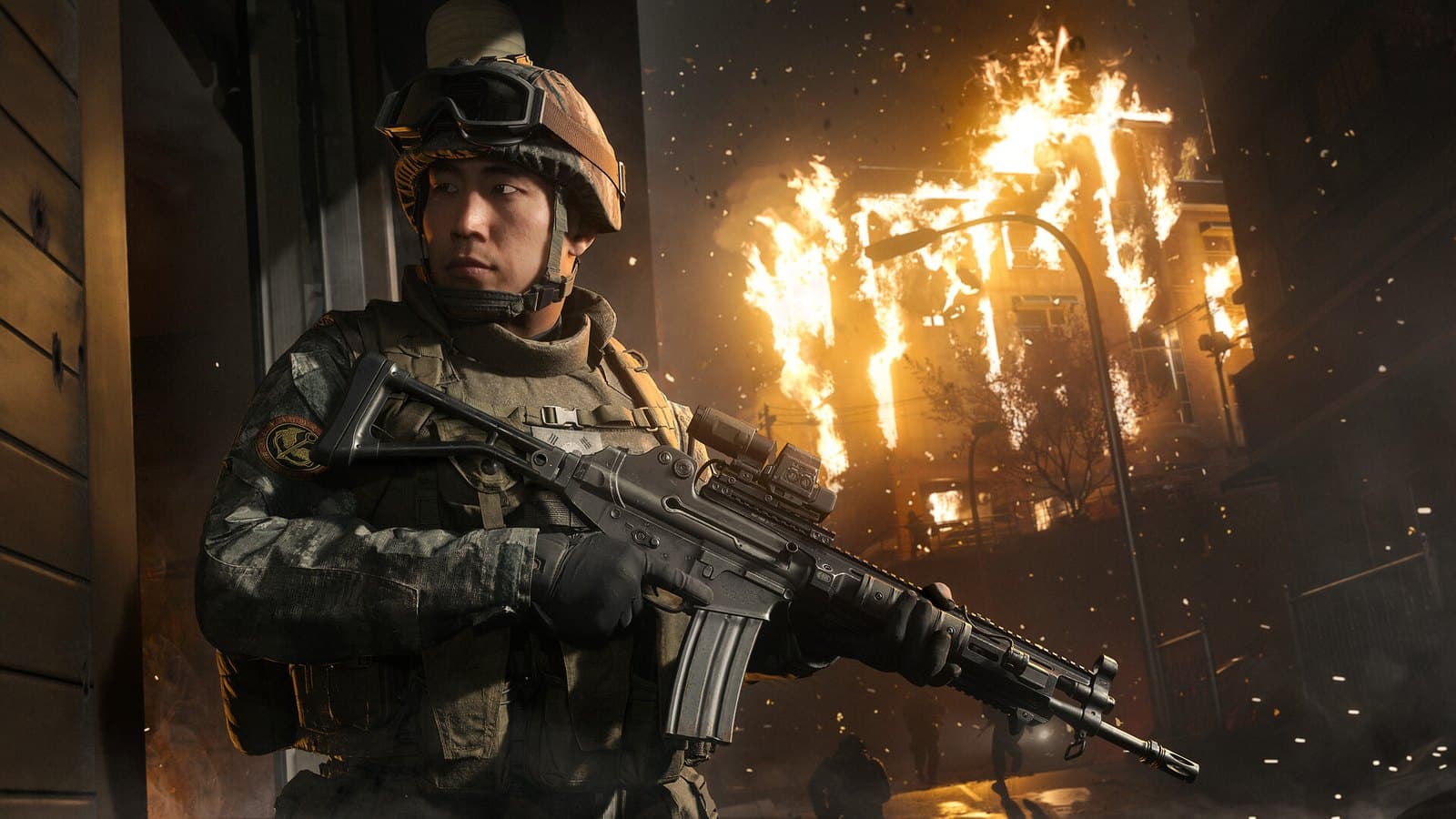
Control Resonant Is Out: Remedy Bets Its Biggest Game on a Genre Swap
Remedy launched Control Resonant on September 24, a melee-driven action RPG starring Dylan Faden that stands as the studio's most expensive bet on one game.

On this page
Key takeaways
- Remedy released Control Resonant digitally on September 24, 2026, for PlayStation 5, Windows and Xbox Series X/S, with a physical edition due October 15 and a macOS version later in 2026.
- The sequel to 2019's Control shifts its lead from Jesse Faden to her brother Dylan and swaps third-person shooting for melee combat built around a shapeshifting weapon called the Aberrant.
- It is Remedy's most expansive and one of its most expensive games, with a reported EUR 50 million development budget and a break-even target of three to four million lifetime copies.
- Early reviews are broadly positive: Metacritic sits at 84 for PC and PS5 and 81 for Xbox, while OpenCritic records about 86 percent of critics recommending it.
- The launch lands in an unusually crowded September, alongside Silent Hill: Townfall and Onimusha: Way of the Sword, which Remedy has called a challenging window.
Remedy Entertainment released Control Resonant on September 24, 2026, putting its biggest and most expensive project into the hands of players after a run-up that stretched back to 2021. The game is a direct narrative sequel to 2019's Control, but almost everything else about it has changed: a new protagonist, a new combat system, and a shift from third-person shooter to full action role-playing game.
Related reading: Valve's Cancelled Portal Prequel F-Stop Surfaces as a Playable Build · Bungie Maps the Destiny 2 Unvaulting, With 2028 as an Estimate and No Release Date.
The digital release covers PlayStation 5, Windows through Steam and the Epic Games Store, and Xbox Series X/S. Remedy has delayed the physical edition to October 15 and says the macOS version, sold through Steam and the App Store, will follow later in 2026. The game also supports Nvidia's GeForce NOW streaming service at launch.
The move matters beyond one studio. Remedy is one of the few independent European developers still making large, auteur-driven action games, and Control Resonant is the clearest test yet of whether its genre-bending approach can carry a project at this scale.
From Jesse to Dylan, and from guns to a shapeshifting sword
Where Control followed Jesse Faden through the brutalist corridors of the Federal Bureau of Control's Oldest House, Resonant hands the lead to her estranged brother Dylan, a "parautilitarian" first seen as a supporting character in the original. The story has him fighting an invasion of hostile entities while searching for Jesse, who is missing after a new form of resonance warps Manhattan.
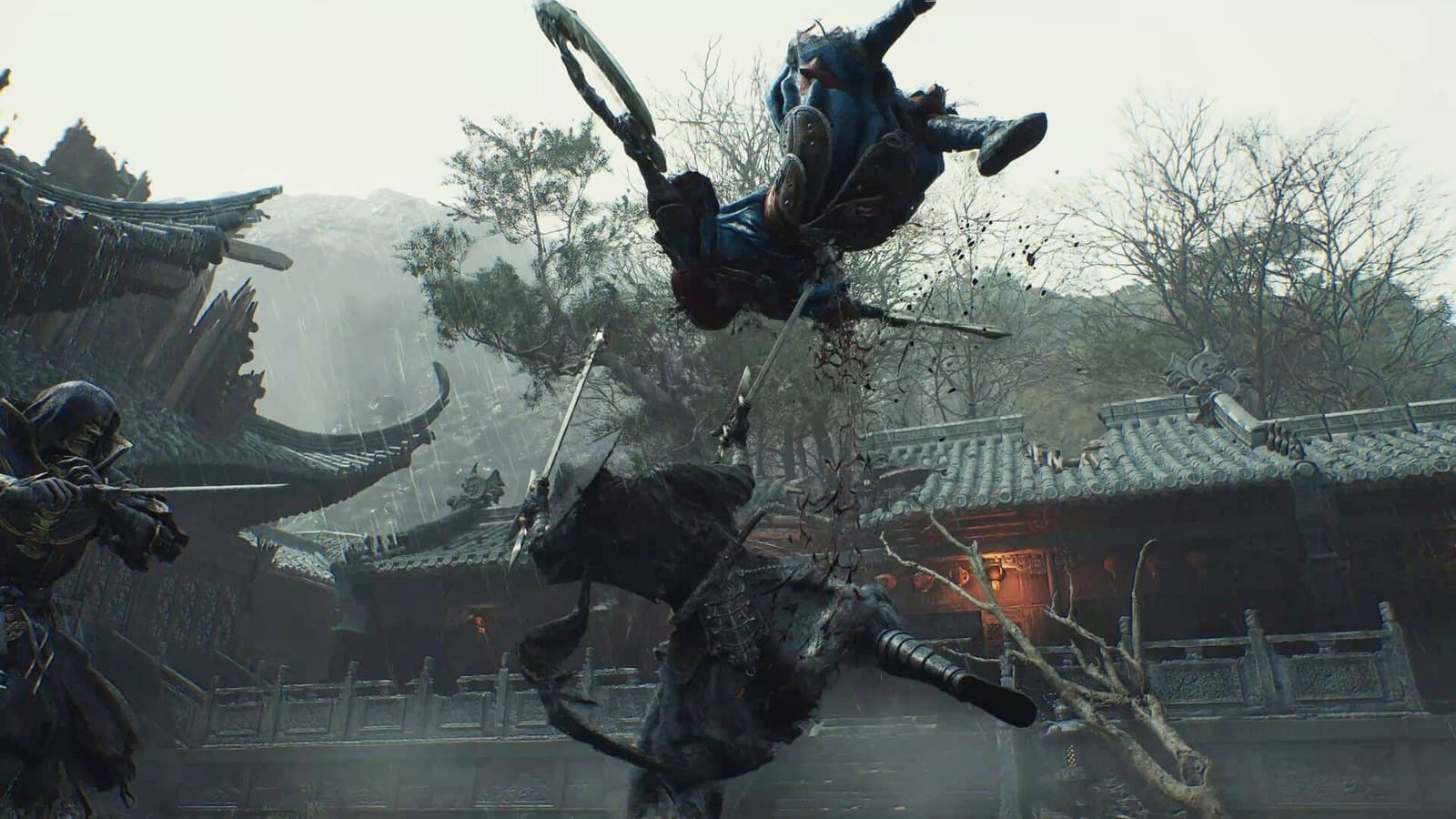
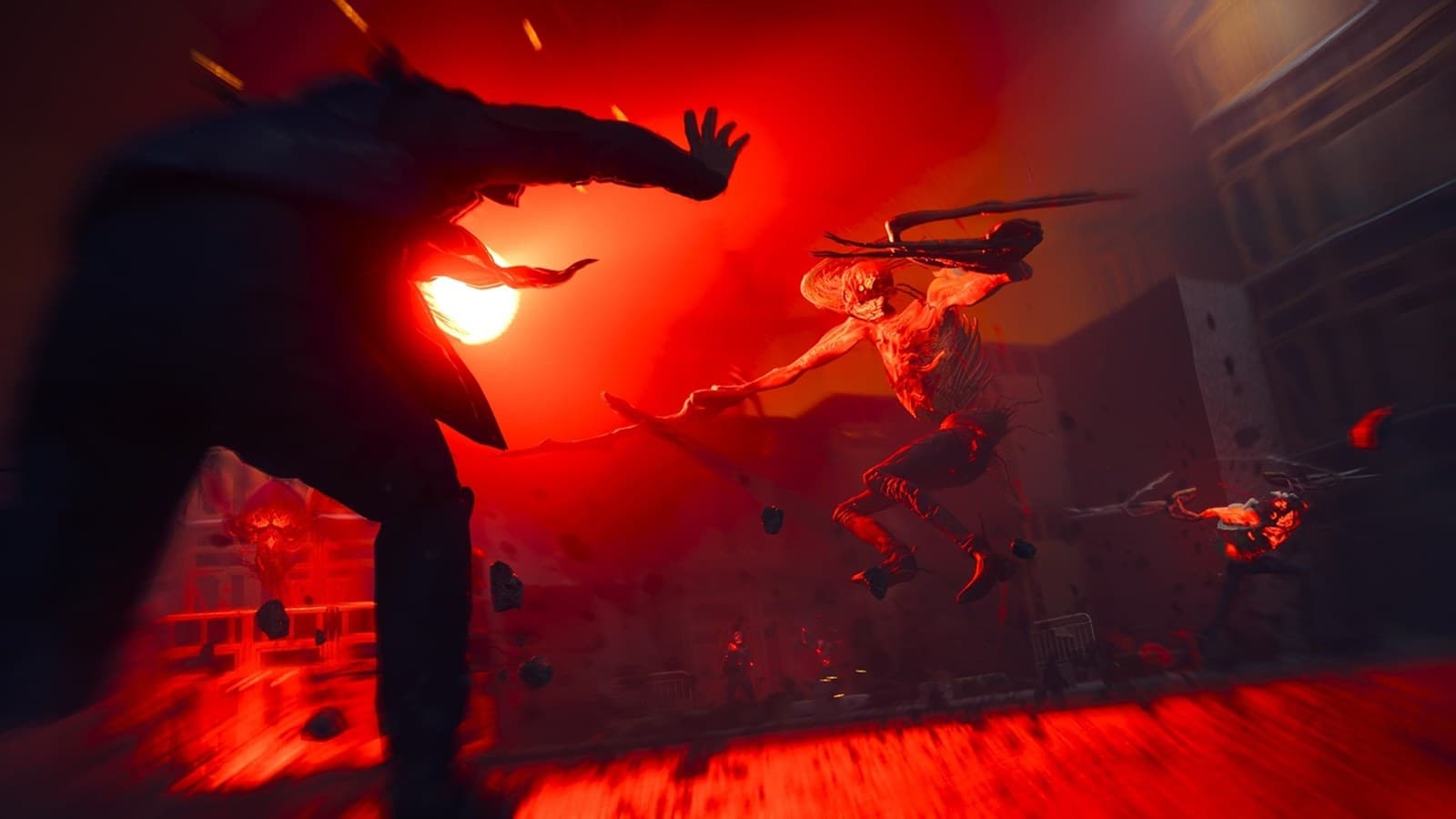
The combat deliberately parts ways with the first game. Remedy's communications director Thomas Puha has described the increased role-playing emphasis as "a natural progression" for the studio, and the game commits to character statistics, multiple talent trees and customizable weapons. Dylan wields a melee weapon called the Aberrant that shifts between three usable forms. Game director Mikael Kasurinen has framed the two games as separate expressions of the two siblings: Control and Control Resonant "stand on their own feet, and they are like expressions of the two different siblings," he told GamesRadar.
Remedy says the result is not an open world but a set of "large, distinct, and expansive zones filled with side activities, hidden encounters, and optional discoveries." Kasurinen has also said the tone was "deeply" inspired by Attack on Titan and Neon Genesis Evangelion, which fits a series that has never been shy about borrowing from anime and surrealist fiction.
Control Resonant is a Remedy self-published project. The studio bought full ownership of the Control franchise back from 505 Games in February 2024 for EUR 17 million, and later partnered with Annapurna Pictures to finance about half of the sequel's development, a deal that also opened the door to film and television adaptations.
Reviews land in generally favorable territory
Critics have been largely positive, though not ecstatic. On Metacritic the game holds an 84 for PC and PlayStation 5 and an 81 for Xbox Series X/S. OpenCritic records about 86 percent of critics recommending it. The scores put it close to the original Control, which built a reputation over time rather than through a single defining review.
The spread of opinions is wide. Destructoid, GameSpot, PCGamesN and Video Games Chronicle were among the outlets that rated it highly, with VGC calling it "one of its most impressive games ever." Eurogamer and GamesRadar were cooler, with the latter praising the "wondrous supernatural vistas" while finding the combat "bafflingly dull." That split is a fair summary of the risk Remedy took: the new melee-focused, stats-driven approach is the part most likely to divide players who loved the first game's gunplay.
Remedy has been open about the commercial stakes. The sequel's initial development budget is about EUR 50 million, and the studio has estimated it needs to sell three to four million copies over its lifetime to earn a full return on investment. That is a meaningful bar for a single-player game with no live-service revenue attached.
A universe that is getting harder to follow
Control Resonant also has to manage continuity. Remedy has spent years weaving its games into a loose connected universe, with Alan Wake 2 tying its supernatural fiction to the Federal Bureau of Control and the studio teasing the sequel inside that game's Lake House expansion. Resonant arrives after FBC: Firebreak, a co-operative spin-off set in the same world that split critics and reminded the studio that not every experiment in the franchise lands the same way.
The new game is written to be a starting point as much as a sequel, a balance Remedy has described as intentional so that players who never finished the 2019 original can follow Dylan's story. Kasurinen has said the series is a set of lenses into one world, each seen through a different protagonist, which is why the studio was willing to set its most expensive project behind a character who spent most of the first game off screen. The risk is that the change in tone and cast alienates part of the audience that made Control a slow-burning success.
A difficult September, by Remedy's own admission
Timing is the other obvious pressure. September 2026 has been one of the busiest release months in years, and Resonant shares its launch day with Konami's Silent Hill: Townfall, a first-person entry co-published by Annapurna Interactive. Capcom's Onimusha: Way of the Sword arrived earlier in the month. Puha has publicly acknowledged that the crowded window "is challenging."
Remedy's answer is scale. The studio says it mounted "by far" its biggest marketing campaign to support the game, a notable step for a company whose previous releases relied more on word of mouth and long-tail sales. It has also leaned on its technical reputation: Control Resonant runs on Remedy's in-house Northlight engine and supports path tracing developed with Nvidia, along with RTX Mega Geometry, which the studio first added to Alan Wake 2 in early 2025. The feature set is aimed squarely at the PC audience that turned the original into a showcase for ray tracing.
The Digital Deluxe Edition included 48 hours of early access, but only on PlayStation 5, where it opened on September 22. Physical editions for PS5 and Xbox Series X/S were pushed from launch to October 15.
Why a genre shift made sense for Remedy
Remedy has been circling role-playing mechanics for years. The first Control already included side quests and dialogue choices, but the studio held back from core systems such as skill trees and character builds. Kasurinen has said the franchise was "destined" to become an RPG, describing that as how Control was born rather than a late pivot. Resonant is where that ambition is finally allowed to lead.
The bet also fits Remedy's broader business. After separating from 505 Games and bringing Annapurna in as a creative and financial partner, the studio is trying to build a connected universe that spans games, film and television, in the same way Alan Wake 2 tied its worlds together. A successful Resonant would give that plan its biggest commercial anchor; a soft launch would raise hard questions about how far the model can stretch.
What the role-playing shift changes in practice
The genre change is not cosmetic. Moving to action RPG systems means combat now depends on build choices, equipment and progression rather than on a single weapon that upgrades along a fixed path. Remedy says the Aberrant can be equipped in three melee forms with distinct uses, and that character statistics and multiple talent trees shape how Dylan fights. The design team behind it is the largest gameplay group in the studio's history.
That structure cuts both ways. Role-playing systems can give players more ownership of a character and a reason to keep playing beyond the main story, which suits a game expected to sell three to four million copies over a long tail. They can also dilute the tight, directed combat that defined the first game. The early reviews suggest that is exactly where opinions divide, with some critics praising the freedom of the new zones and others finding the melee loop less satisfying than Jesse's telekinetic gunplay.
What to watch next
Three numbers will define whether the gamble pays off: launch-week sales, the game's tail over the coming quarters, and how quickly Remedy greenlights its next project on the strength of the result. The macOS release later in 2026 and the physical edition in October extend the launch window rather than close it.
For now, Control Resonant is a rare thing in a risk-averse industry: a mid-budget, single-player sequel that changes its lead character, its genre and its combat system all at once, from a studio that financed the bet largely on its own terms. Whether that reads as ambition or overreach will depend on a sales chart no reviewer can see.
Cover image: an in-game scene from Control Resonant, courtesy of Remedy Entertainment (company-distributed press asset).
Tags
Frequently asked questions
- Is Control Resonant a sequel to Control?
- Yes. Control Resonant is a narrative sequel to Remedy's 2019 game Control and takes place after its events, but it stars Dylan Faden rather than his sister Jesse and is written to be playable without the first game.
- What platforms is Control Resonant on?
- It launched digitally on September 24, 2026, for PlayStation 5, Windows (Steam and Epic Games Store) and Xbox Series X/S. A physical edition follows on October 15, and the macOS version is due later in 2026.
- How does Control Resonant play differently from Control?
- The sequel commits to action RPG systems such as character statistics, talent trees and customizable weapons, and it replaces Jesse's firearms with melee combat built around three forms of Dylan's weapon, the Aberrant.
- How much did Control Resonant cost to make?
- Remedy has disclosed an initial development budget of about EUR 50 million, with Annapurna Pictures financing roughly half. Remedy has said the game needs three to four million lifetime sales to reach a full return on investment.

TPW Editorial
Editorial Team
TechPastWeek's editorial team reports and edits every story we publish. We research each piece against primary and credible secondary sources, and a human editor reviews and signs off before it goes live.