Blizzard Shadow-Drops the First New Warcraft III Campaign in 23 Years
At BlizzCon 2026, Blizzard surprise-launched Warcraft III Reforged: Forsaken Kingdom and announced World of Warcraft: Forever, a Classic-flavoured reimagining of Azeroth.

On this page
Blizzard used the opening ceremony of BlizzCon 2026 to do something it had not done since 2003: release a new Warcraft III campaign. Warcraft III Reforged: Forsaken Kingdom went live on Battle.net for PC the moment it was announced on September 12, a surprise launch that filled in the four-year story gap between the end of Warcraft III and the beginning of World of Warcraft.
Related reading: World of Warcraft: Forever Had the Biggest Beta in Blizzard's History · Valve's Cancelled Portal Prequel F-Stop Surfaces as a Playable Build.
The expansion is the first new official campaign for the 2002 real-time strategy classic since The Frozen Throne, the 2003 add-on that ended the game's original story. Polygon described it as a two-part, roughly 30-hour campaign that takes players into the founding of the Undercity, reintroduces the Scarlet Crusade, and follows Sylvanas Windrunner and the newly risen Forsaken as they break free of the Scourge and eventually join the Horde.
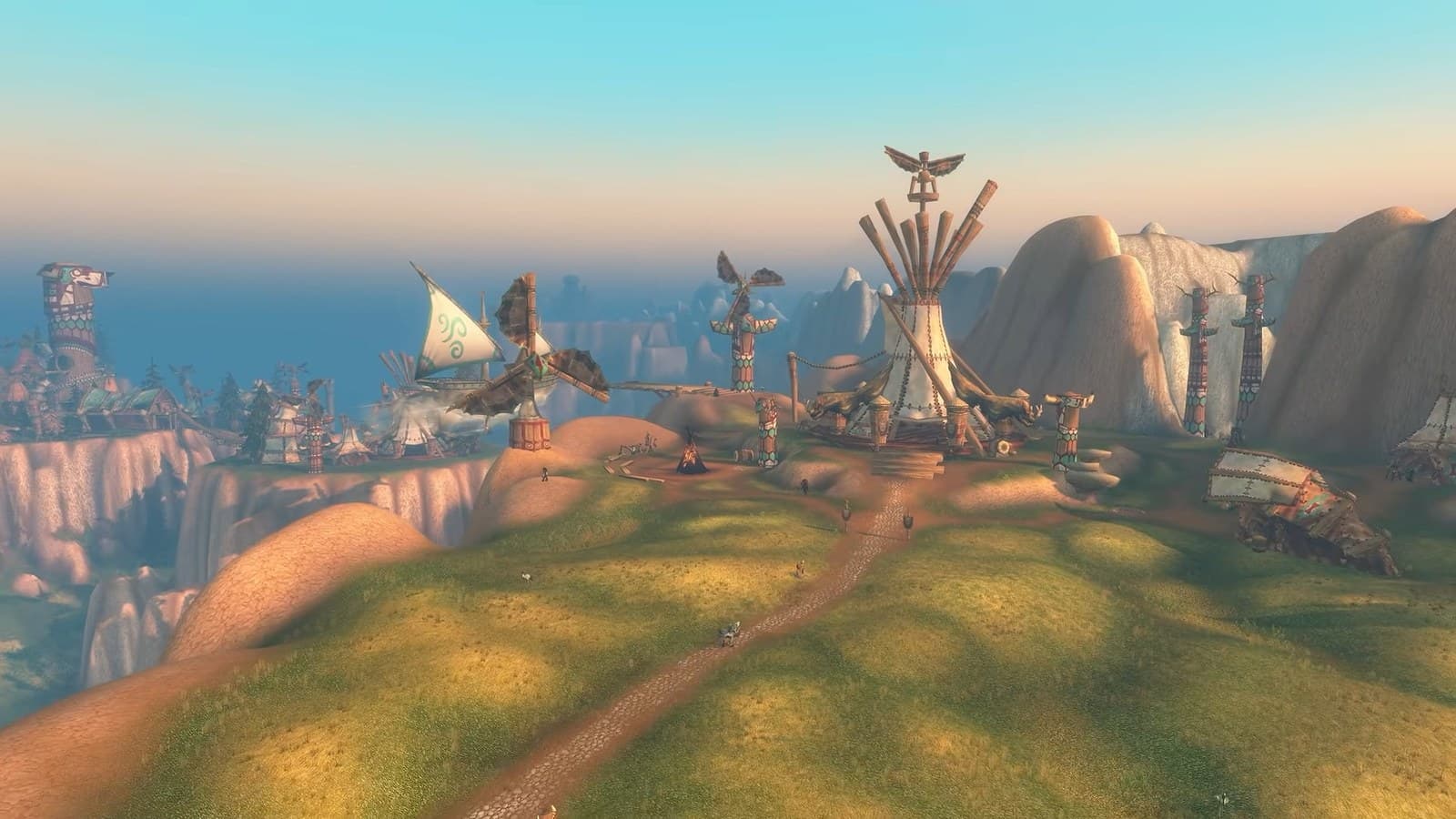
Blizzard's own announcement frames Forsaken Kingdom as a bridge: it begins "in the ruins of Lordaeron" and leads "into the first days of World of Warcraft," with a prologue covering the Last Days of Lordaeron and a main campaign about the Forsaken's fight beneath their former kingdom. It also adds a new neutral hero unit, the Forsaken Paladin, whose story threads carry into Blizzard's next Warcraft release.
The launch came with a substantial free update, Patch 3.0, for anyone who already owns Warcraft III: Reforged. Blizzard calls it a "Definitive Edition" update: bug fixes for long-standing issues, a reworked map editor, a new graphics mode, and a quality-of-life change players have requested for years, the ability to select up to 24 units at once, up from the original cap.
A 2020 misfire, revisited
Reforged is the key to why this release matters more than a nostalgia cash-in. When it launched in January 2020, the remaster was widely criticised: it restricted what players could do with creations made in the map editor, shipped with persistent bugs, and (most damagingly) did not include the promised new narrative content. The game that was supposed to be a loving reimagining of one of Blizzard's defining titles became a cautionary tale about remastering a classic without improving it.
Forsaken Kingdom is, in effect, an attempt to settle that debt. Blizzard has attached real new story to the remaster, patched the parts players complained about, and priced the campaign as an optional add-on rather than forcing a full repurchase. Existing owners of Reforged can add the campaign for $29.99; new players can buy a combo with the base game for $49.99; and a limited-time Warcraft Forever Collection at $79.99 bundles the campaign with World of Warcraft rewards.
The release calendar mattered as much as the game
Blizzard did not only announce Forsaken Kingdom. It launched it the same day. A shadow-drop sidesteps the long marketing cycle that lets expectations inflate, and it puts the expansion in players' hands before reviews and forum consensus can form. It is the same playbook other publishers have used for surprise expansions to older games in 2026.
World of Warcraft: Forever is the bigger bet
The campaign is also the setup for what Blizzard announced next. World of Warcraft: Forever will launch globally on November 4, 2026, with a beta beginning September 17, and it is a different kind of Warcraft product: a permanent new home that mixes the structure of Classic WoW with modern Retail systems, rather than another seasonal re-release of an old expansion.
Blizzard's reveal places Forever after the events of Forsaken Kingdom and before Molten Core (the game's first raid) on a reimagined original Azeroth. Players return to the original continents, level to 60, and progress through new content. It adds a new playable race called the Skyborne and a new starting experience on Zephras Isle, along with new race-and-class combinations, redesigned skill and talent trees, three new zones, more than 1,000 new quests, new dungeons and both 10-player and 20-player raids.
The design choices are pointed. Forever has no flying mounts and no level scaling, and Blizzard says it will not raise the level cap in a way that invalidates players' progress, all deliberate contrasts with the modern game and with the way Classic progression servers have worked so far. Access is included with a World of Warcraft subscription or Game Time; optional digital packs unlock the Skyborne race, Zephras Isle, beta access, early name reservation and cosmetics.
For years, Warcraft's most persistent rumour was a "Classic Plus", a version of the original game with new content rather than a replay of the old patches. Forever is Blizzard's answer, and it is a significant one: instead of treating Classic as an archive, the company is treating it as an ongoing product line that runs alongside modern WoW. That raises an obvious question about how Blizzard manages two overlapping subscriptions and two live-service roadmaps, and whether Forever's players will feel like first-class customers when modern expansions arrive. Blizzard has not yet answered those questions in detail. What it has done is commit, publicly and with a date, to sustaining both.
A quiet revival for real-time strategy
Forsaken Kingdom also lands in the middle of an unexpected revival for real-time strategy, a genre many in the industry had written off as too demanding for modern audiences. Warcraft III's original run helped define the genre, and its map editor incubated entire categories, the tower-defence and multiplayer-online-battle-arena formats both grew out of custom maps made in that tool. The 2020 remaster's restrictions on the editor were among the loudest complaints, because they cut off exactly the ecosystem that had made the game endure. Restoring the editor is therefore not a minor patch note; it is an attempt to revive the pipeline that once produced Dota and its descendants.
Blizzard is not alone in revisiting the genre. Age of Empires, Company of Heroes and a cluster of indie RTS titles have found audiences again, and the success of games that let players remix content has made map-making tooling a selling point rather than an afterthought. If Forsaken Kingdom's campaign draws back lapsed players, the editor may matter more to the game's long-term health than the campaign itself, because it is what keeps a 2002 title producing new content in 2026.
The monetisation question
The pricing is worth reading closely. Blizzard has split the Warcraft III experience into a base game, an optional campaign and a collection that bundles a modern WoW cosmetic pack, and it is selling a $79.99 limited-time bundle that spans two different games. That bundling is a signal about where Blizzard wants players to spend: not only $29.99 on a nostalgia campaign, but into the subscription ecosystem of World of Warcraft. The campaign is, in that sense, a customer-acquisition tool for Forever as much as a product in its own right.
Whether players accept that framing is an open question. The audience for a 23-year-old RTS and the audience for a modern MMO overlap, but they are not the same people, and the bundle assumes a willingness to pay for both. If Forever lands well in November, the crossover will look prescient; if it struggles, the campaign may end up remembered as a good Warcraft III expansion attached to a marketing push for something else.
What the double release says about Blizzard's strategy
Seen together, the two announcements describe a company leaning on its oldest, most reliable intellectual property while it resets expectations for how that property is monetised. The Warcraft universe now carries a remastered RTS with a new campaign, a Classic-flavoured MMO launching in November, and the modern WoW expansion cycle running in parallel. That is a lot of Warcraft for one franchise to absorb at once, and it risks cannibalising its own audience: a player deciding where to spend a monthly subscription has to choose between Forever and modern WoW, and the answer is unlikely to be both.
The upside for Blizzard is that it owns the demand. Warcraft's audience is large, ageing and loyal, and it has shown it will return for content that treats the original games seriously. The relaunch of Reforged is a test of whether the company can repair a damaged product by investing in it rather than abandoning it, and the shadow-drop suggests confidence that the campaign is good enough to sell itself.
There is also a broader industry rhythm here that extends past Blizzard. 2026 has become an unusually busy year for surprise expansions to older games, with new content appearing for long-dormant titles including a Thief remaster, Quake and The Witcher 3. The economics are straightforward: back catalogs are cheap to revisit, the audience already exists, and a well-received update can sell for years. What is less clear is whether this is sustainable creativity or a tactical retreat from expensive new franchises. For Warcraft fans, the more immediate question is simpler. After 23 years, there is finally a new Warcraft III campaign to play, and for the first time in a long while, the old stories and the new ones are being told as one continuous arc. Whether that arc is worth the subscription depends on how much of Forever's promise survives contact with its November launch.
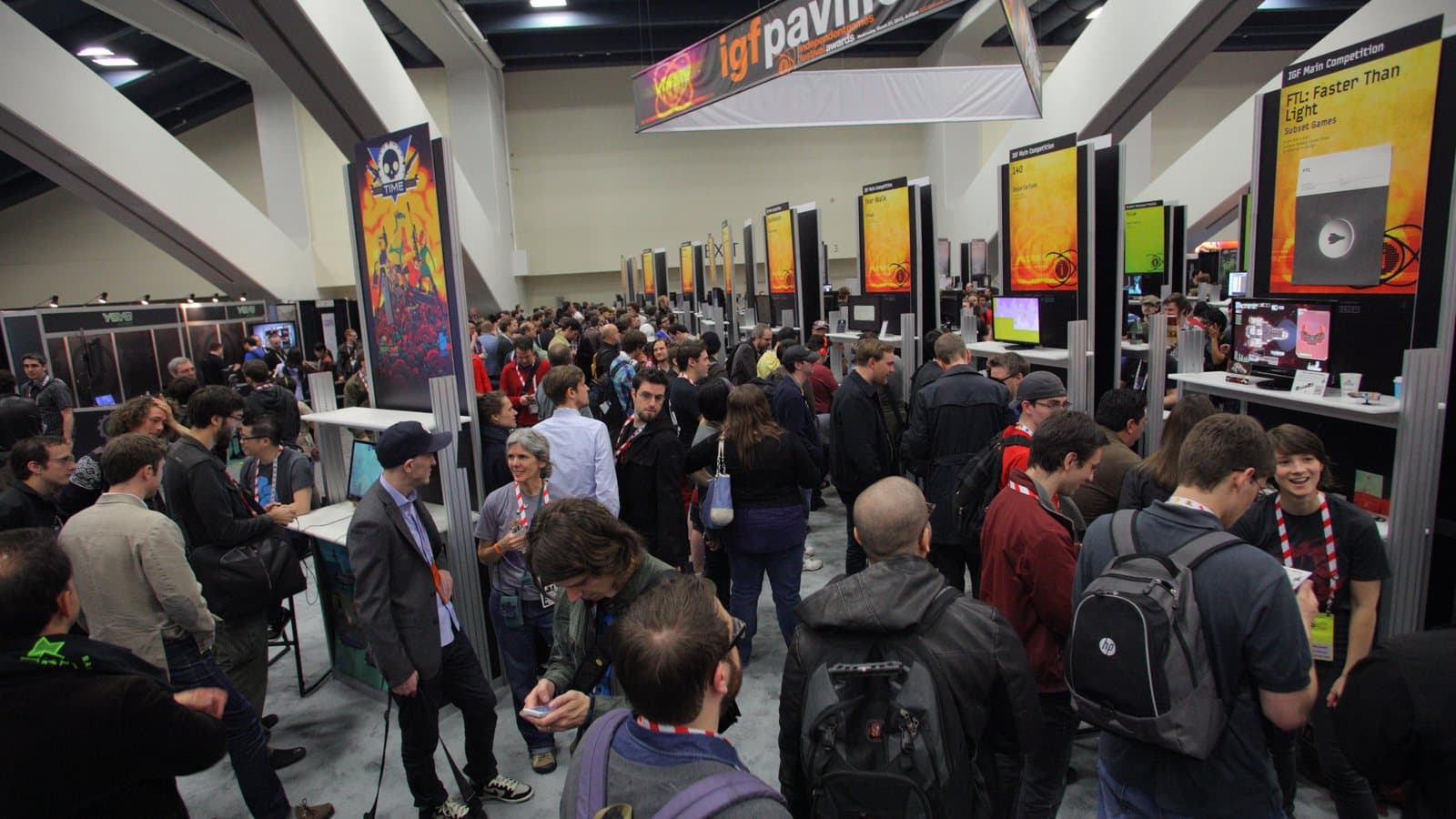
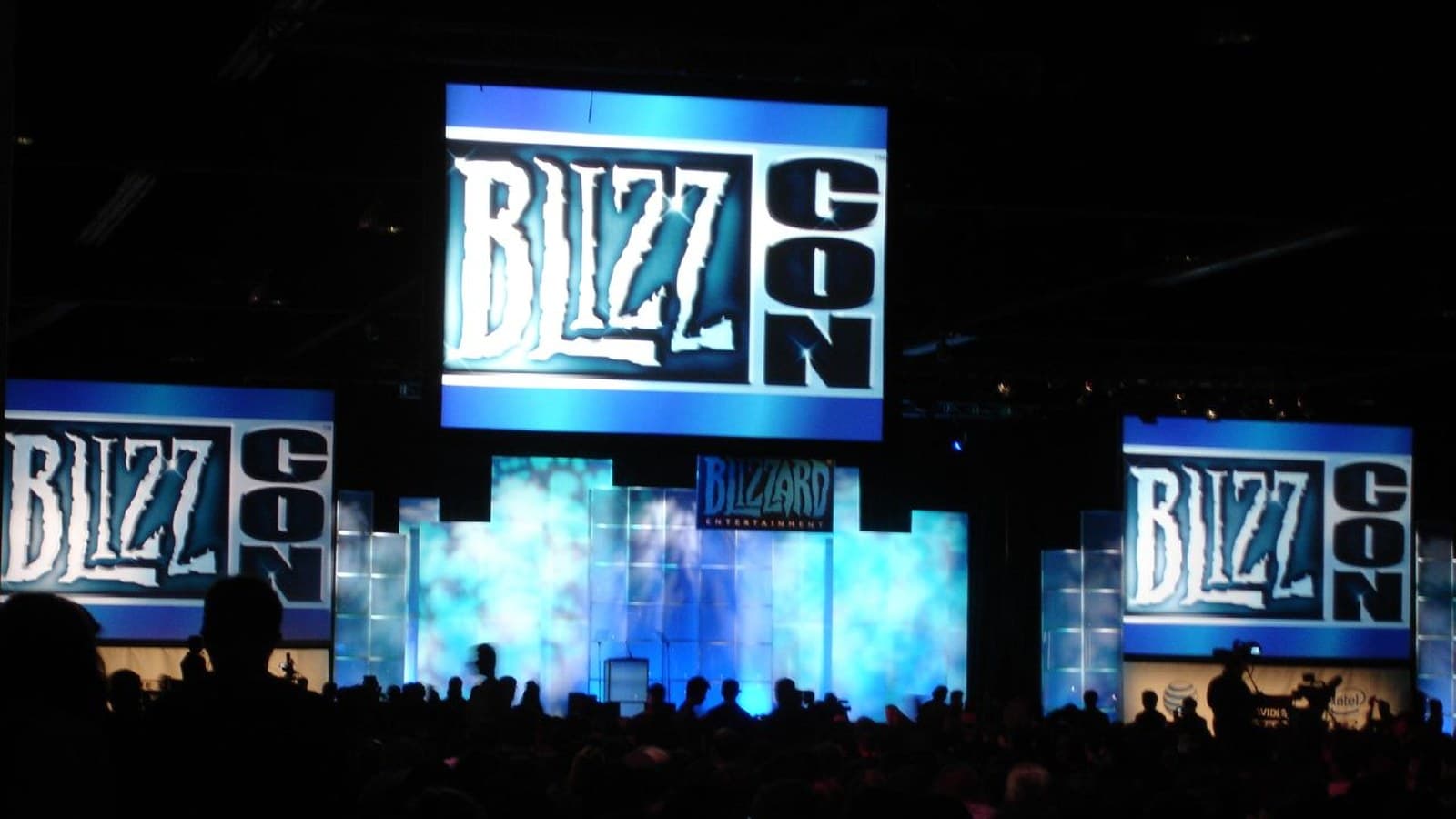
Feature image: a BlizzCon opening ceremony by tinyfroglet, via Wikimedia Commons, CC BY 2.0.
Tags

TPW Editorial
Editorial Team
TechPastWeek's editorial team reports and edits every story we publish. We research each piece against primary and credible secondary sources, and a human editor reviews and signs off before it goes live.