Heart Machine Lays Off Nearly Everyone After a Publisher Walks Away
The Hyper Light Drifter studio laid off almost its entire team on September 16 after the publisher funding its unannounced next game ended the deal.

On this page
Key takeaways
- Heart Machine, the Los Angeles studio behind Hyper Light Drifter, laid off nearly all of its staff on September 16, 2026.
- Founder Alx Preston said an unnamed publisher ended funding for the studio's unannounced next game, leaving no other income.
- It is the studio's third major round of cuts in under two years, after layoffs in November 2024 and October 2025.
- Preston said he is unsure whether Heart Machine can survive, and asked other studios to hire the developers affected.
- The closure continues a brutal stretch for independent studios in 2026, following cuts at Double Fine and the shutdown of Moss developer Polyarc.
Heart Machine, the Los Angeles studio that made Hyper Light Drifter, laid off nearly all of its staff this week after a publisher pulled out of funding its next game. Founder Alx Preston broke the news in a post on LinkedIn on September 16, according to 80 Level and everythingedinburgh.
Related reading: EA Shuts Down BioWare and Cancels the Next Mass Effect · Triple-i Initiative Packs 40 Indie Announcements Into 45 Minutes.
"We had been working on an unannounced title, funded by a publisher," Preston wrote. "This week, they decided to no longer move forward with it. Without this key income for the studio, any other immediate prospects or other funds, nearly everyone at the studio had to be laid off. It's devastating."
The publisher was not named, and neither was the canceled project. What is clear is that Heart Machine was operating on a single external source of money, which is common for independent studios and also the reason a single decision by a partner can end a team in a week.
Twelve years, four releases, three rounds of cuts
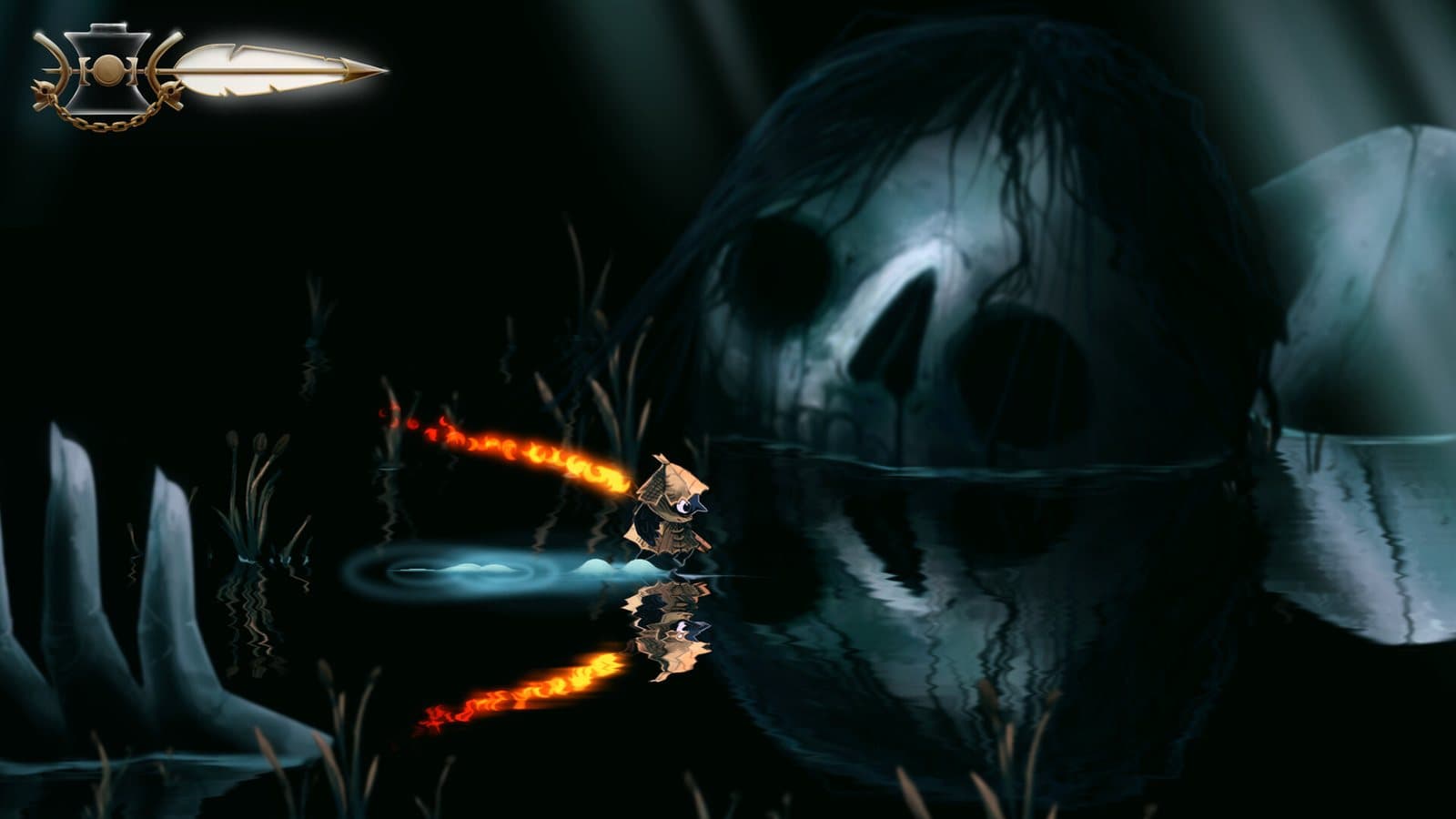
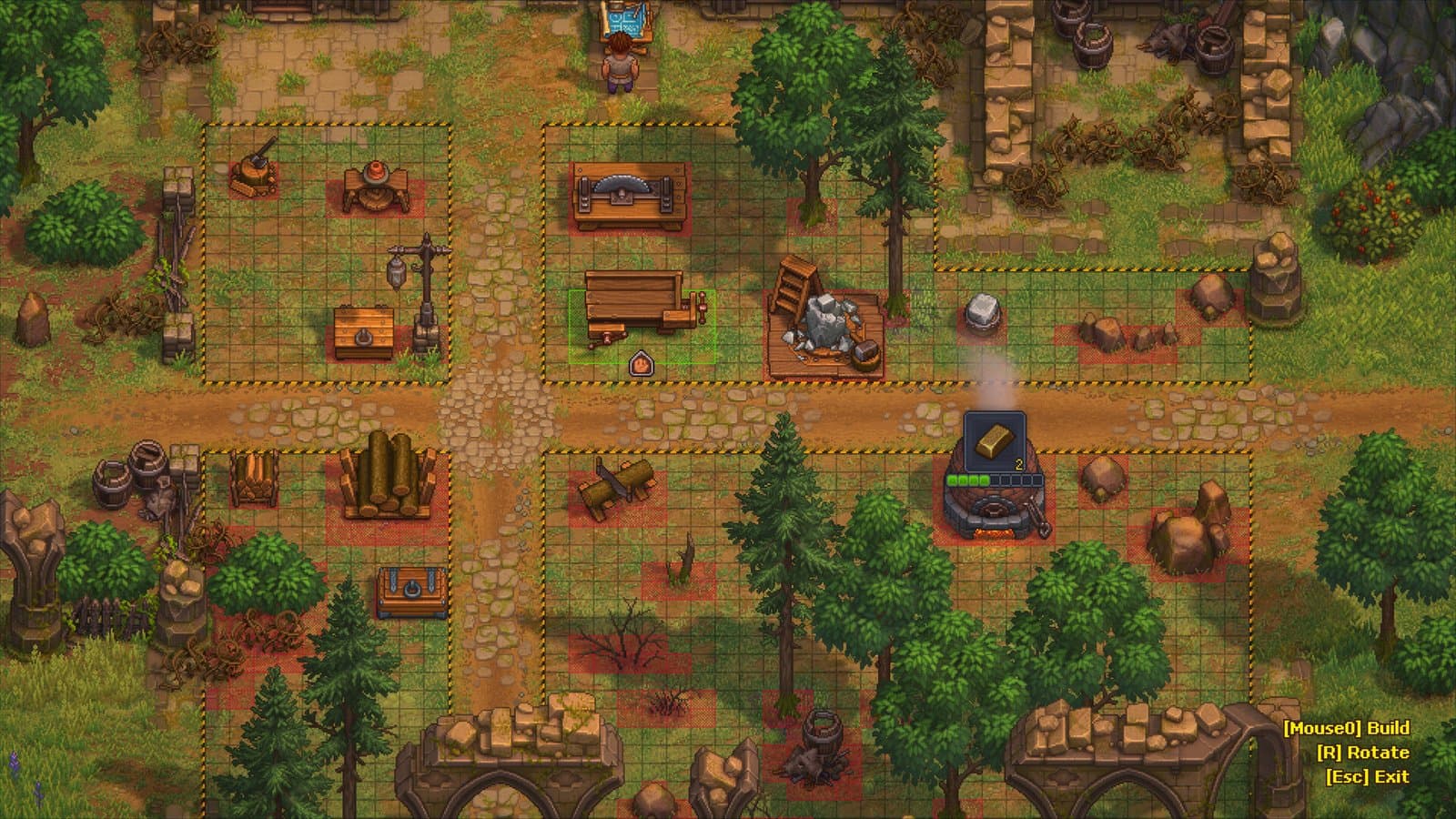
Heart Machine was founded in 2013 to build Hyper Light Drifter, which was crowdfunded, shipped in 2016 and became one of the defining indie games of its era. Solar Ash followed in 2021, set in the same universe but with a different visual language. Hyper Light Breaker entered early access in January 2025 and struggled; the studio ended development on it in October 2025. Possessor(s), a 2D side-scrolling action game, shipped in 2025.
The cuts this week are the third major round in under two years, not a sudden reversal for a healthy studio. Heart Machine laid off a significant number of staff in November 2024 as Hyper Light Breaker neared its early access launch. More workers left in October 2025 when development on that game ended. In March 2026, some of the employees who remained unionized, citing the volatility of the industry and the strain of repeated layoffs.
Preston said he would try to help the affected developers find new work, and asked other studios to hire them. "Navigating an increasingly challenging industry has been extremely difficult, and I'm not sure yet what's next for Heart Machine to survive," he wrote. "However, we'll keep pushing to build a path while we are still here." He described the departures as affecting nearly everyone at the studio, which leaves little capacity to finish or pitch anything on its own.
A funding model that keeps breaking
The mechanics of the failure are familiar. A small studio signs a deal to develop an unannounced game on a publisher's dime, which covers payroll while the project is in production. When the publisher walks away, the studio loses both the income and, in many cases, the ability to shop the same project elsewhere. There is no diversified revenue to fall back on, because the studio's older games are no longer selling enough to carry a full team.
That structure has been under pressure for several years. Publishers have grown more selective about signing new projects, consolidation has reduced the number of potential partners, and the cost of making a competitive game keeps climbing. The result is a market where the most vulnerable studios are often the ones with the most distinctive creative identities, because a single high-profile flop can close the gap between funding rounds.
Heart Machine's situation also reflects the specific risk of live-service ambitions. Hyper Light Breaker was an attempt to turn a beloved single-player franchise into an ongoing multiplayer game, a pivot that consumed resources and did not find its audience. By the time the studio returned to smaller, more focused projects, the runway was already short.
The wider 2026 picture
Heart Machine is not an isolated case. Moss developer Polyarc announced its closure on September 11 after twelve years. Double Fine laid off roughly a quarter of its staff in July 2026. Build a Rocket Boy, the studio behind MindsEye, has been hit by repeated cuts and faces questions about its survival. Earlier in the year, Microsoft spun off or sold four Xbox studios and cut thousands of roles, and Netflix closed its Night School and Moonloot studios.
Taken together, the pattern suggests an industry that is consolidating around a smaller number of large, well-capitalized projects while the middle of the market shrinks. Indie developers are not immune, and neither are the mid-sized studios that once provided a stable alternative to both AAA and solo development. Each closure narrows the field of employers and the range of games that get made.
There is a counterargument that the independent scene remains healthy in aggregate, with more games shipping than ever and digital storefronts lowering the barrier to release. That may be true for developers who can self-fund or reach players directly. It is cold comfort for teams whose model depends on a publisher writing checks, which remains the path for most studios that want to pay a full-time staff.
What to watch
The immediate question is whether Heart Machine formally closes or finds a way to continue with a much smaller team. Preston's note leaves both doors open. The studio's intellectual property, particularly the Hyper Light franchise, remains valuable, and a smaller independent version of Heart Machine could still make games with it if the right funding appears.
The larger question is whether the publisher-funded model recovers. Deals are still being signed, but the tolerance for a project that misses its window has fallen. For the developers who lost their jobs this week, the more urgent issue is the job market itself, which is crowded with experienced people from a wave of closures and not enough open roles to absorb them. Heart Machine's leaders asked other studios to step up. In this market, that may be the best outcome available.
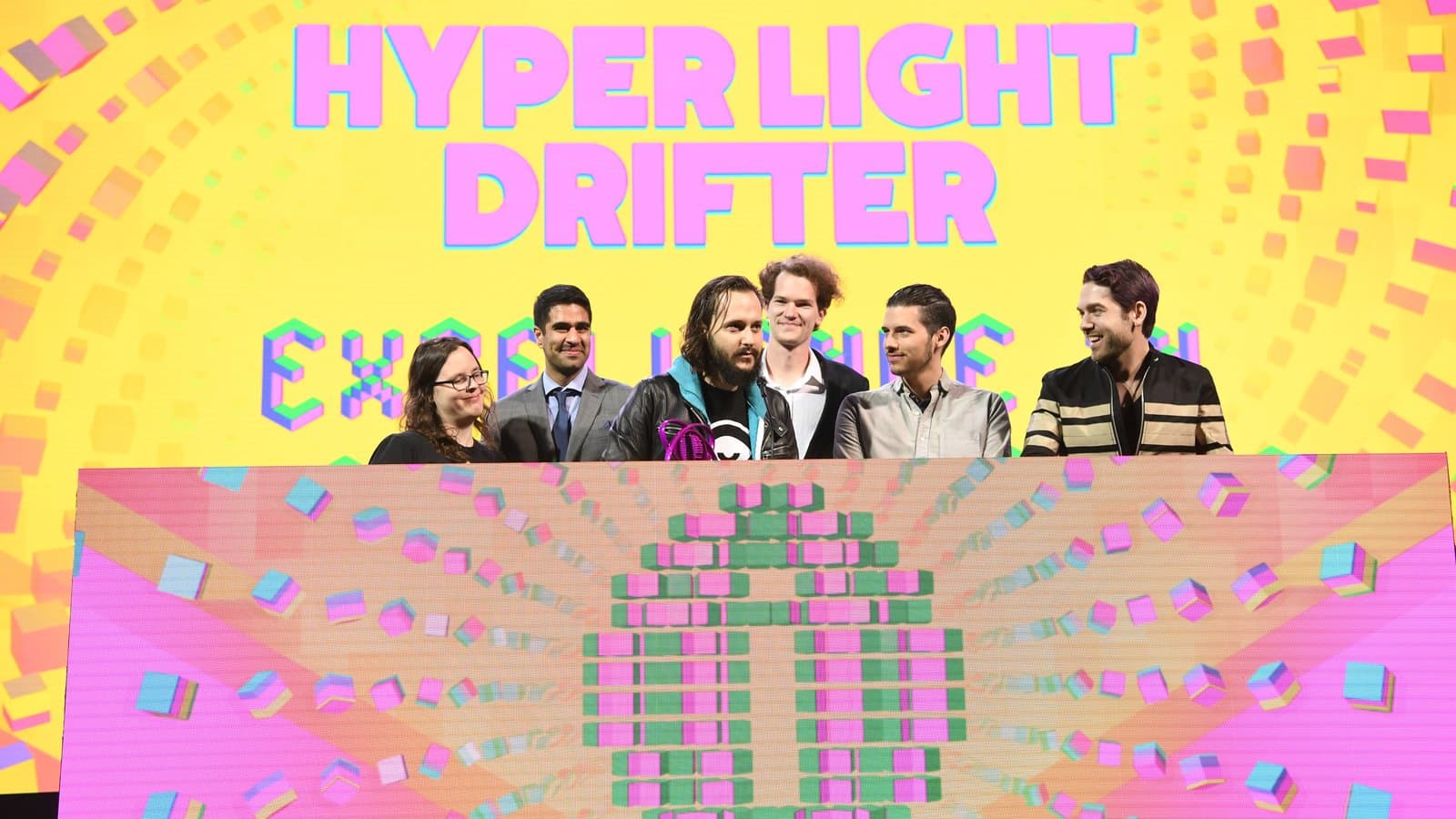
Cover image: the Heart Machine team accepting an award at the 2017 Game Developers Conference. Photo by Official GDC via Wikimedia Commons, CC BY 2.0.
Tags
Frequently asked questions
- What happened at Heart Machine?
- On September 16, 2026, founder Alx Preston said an unnamed publisher had ended funding for the studio's unannounced next title. With no other income secured, Heart Machine laid off nearly its entire team.
- Which games has Heart Machine made?
- The studio was founded in 2013 to build Hyper Light Drifter, released in 2016. It later made Solar Ash (2021), Hyper Light Breaker (early access in 2025), and the 2D action game Possessor(s) (2025).
- Is Heart Machine closing?
- The studio has not announced a formal closure. Preston said he is not sure what comes next, and that the remaining team would keep trying to find a path forward while it still exists.
- Why are so many game studios struggling in 2026?
- Studios that depend on a single publisher-funded project are exposed the moment that funding disappears. Rising costs, consolidation and cautious publishers have made those deals harder to secure across the industry.

TPW Editorial
Editorial Team
TechPastWeek's editorial team reports and edits every story we publish. We research each piece against primary and credible secondary sources, and a human editor reviews and signs off before it goes live.