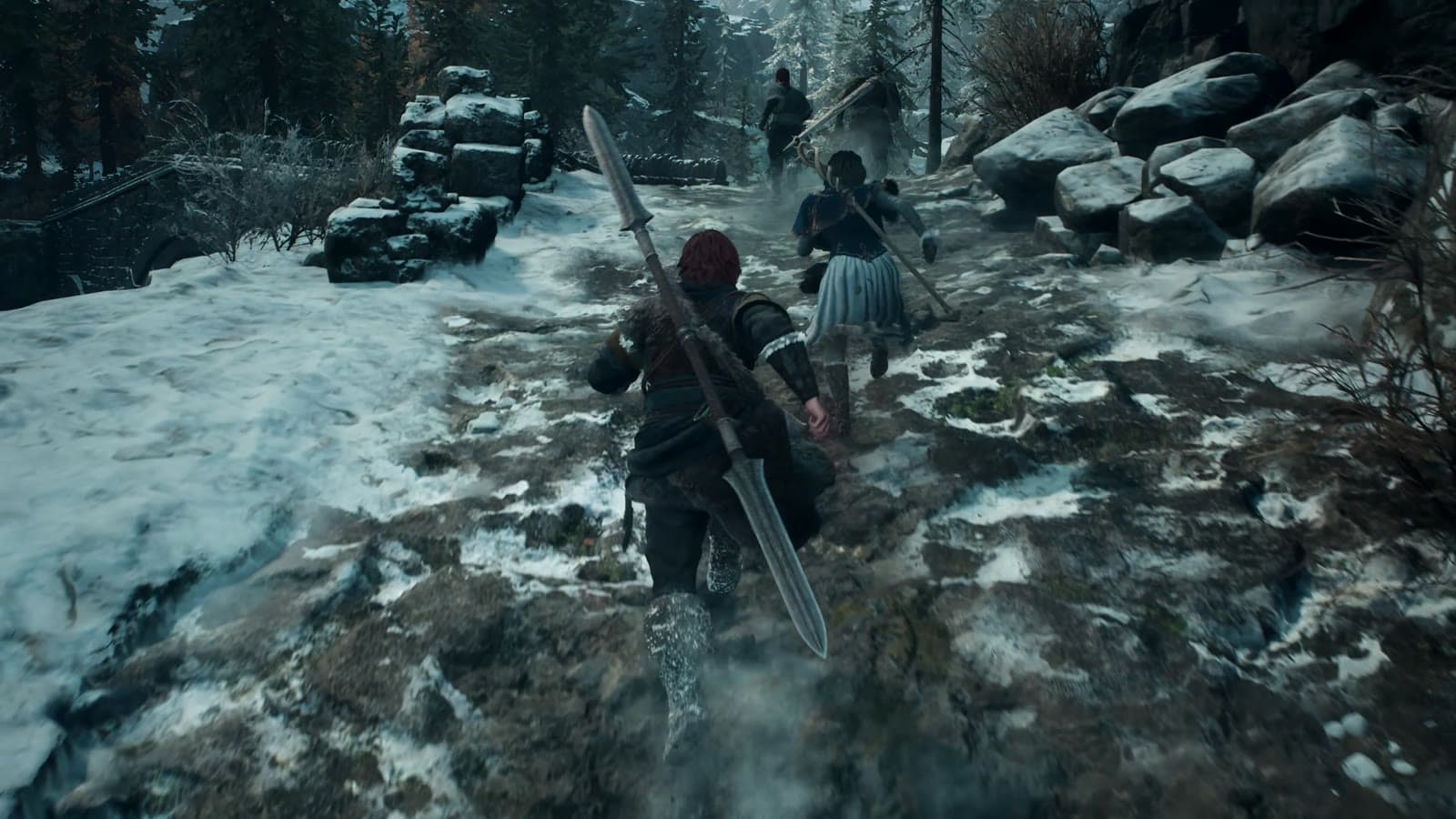
Fire Emblem: Fortune's Weave Is the Switch 2's First Big First-Party Exclusive
Nintendo launched Fire Emblem: Fortune's Weave worldwide on September 17, the eighteenth mainline entry and the Switch 2's first built-for-the-console system seller.

On this page
Key takeaways
- Nintendo released Fire Emblem: Fortune's Weave worldwide on September 17, 2026, exclusively for the Nintendo Switch 2.
- It is the eighteenth mainline Fire Emblem game, developed by Intelligent Systems and priced at $69.99 digitally and $79.99 physically.
- The game offers four playable protagonists whose campaigns can be tackled in any order.
- A Dagdan Collection special edition at $119.99 bundles a SteelBook, a 200-page artbook, art cards and a map.
- News of the launch landed a week before Tokyo Game Show 2026, where Nintendo's partner line-up was in the spotlight.
Nintendo released Fire Emblem: Fortune's Weave on September 17, 2026, simultaneously worldwide and exclusively for the Nintendo Switch 2. The eighteenth mainline entry in the tactical role-playing series arrives as the console's first major first-party exclusive built from the ground up for the new hardware, which makes it a test of more than the game itself.
Related reading: Nintendo Wins a $4.5 Million Default Judgment Against a Switch Piracy Moderator · Nintendo's September Direct: Metroid Ravenous, Kirby's Open World, and Zelda at 40.
The game is developed by Intelligent Systems and published by Nintendo. It is priced at $69.99 digitally and $79.99 physically, with a $119.99 Dagdan Collection special edition that adds a SteelBook case, a 200-page art book, character art cards and a cloth map. The install size is roughly 29.5 GB, large enough that a microSD card is worth considering for players who keep several big titles installed.
A standalone story with four leads
Fortune's Weave is set in the Dagdan Empire, in the capital city of Dagsion, where fighters gather for a competition called the Heroic Games and the winner is granted a single wish. Four protagonists, the so-called Flame Lords, are tied to the fate of the world: Cai, Dietrich, Theodora and Leda. Their campaigns can be played in any order, a structure the series has flirted with before but rarely committed to this fully.
The plot sets them against an apocalypse. A demon god named Balor is threatening the world, and each hero's path weaves into the larger effort to stop it. Nintendo has been explicit that the game is a fresh start. The studio asked players to close their lore wikis, and it means it: this is a new cast and a new setting rather than a continuation.
The development leads carry weight for series veterans. Toshiyuki Kusakihara, who directed Fire Emblem: Three Houses, leads this project. Character designs are by Chinatsu Kurahana, and the score is by Takeru Kanazaki, with a flamenco-inflected soundtrack that stands out from earlier entries. Unlike Three Houses, which was co-developed with Koei Tecmo, Fortune's Weave was handled internally by Intelligent Systems alongside Nintendo.
Where to start: because the four routes are order-independent, a common approach is to pick the hero whose class you would play in any tactics game, finish that campaign, then use the chapter-select and single-save structure to carry progress into the others. Newcomers do not need prior Fire Emblem knowledge.
What the combat adds
The core of a Fire Emblem game is the grid, and Fortune's Weave keeps it. Battles are turn-based and emphasize positioning, unit classes, weapon triangles, magic and special attacks. The addition this time is a risk-and-reward layer built around Blaze Arts and a Blaze Gauge, which let players spend a limited resource for a burst of power and accept the consequences when it runs dry. It is the kind of mechanic that gives a familiar formula a new decision to make every few turns.
Between battles the game opens up. Players recruit allies, strengthen Blessings, train characters, build relationships, explore a world map, complete side quests, gather resources and take on dungeons. That is a lot of systems, and the balance between tactical depth and management overhead is the thing early players will argue about most.
Early reviews have been broadly favorable, with several outlets calling it a high point for the series. Treat release-window praise with the usual caution: launch reviews are written fast, and a tactics game's reputation often settles after players have finished multiple routes and stress-tested the systems.
Why this launch matters for the Switch 2
Nintendo's new console has sold well since launch, but the software slate has leaned on cross-generation titles and remasters rather than a flagship built only for the new machine. Nintendo reported 23.68 million cumulative Switch 2 units sold as of June 30, 2026, per its quarterly filing as reported by secondary outlets, a large base that still needs reasons to buy. Fortune's Weave is the first clear answer of its kind, and its performance will be read as a signal about whether Switch 2 owners will pay full price for a single-player, single-player-only game. The question is not academic, because first-party software is where console margins concentrate and a premium strategy title has to sell in volume to justify the shelf space and the marketing spend behind it.
That matters because exclusives are how console makers convert an install base into a durable library. A tactics series is a deliberate vehicle for that. Fire Emblem has historically been a niche seller by the standards of Mario or Zelda, but since Fire Emblem: Awakening rescued the franchise from near-cancellation in the early 2010s, it has punched above its weight, and a new mainline entry carries more strategic weight than a spin-off.
The timing is also notable. The launch lands days before Tokyo Game Show 2026, where Nintendo's partner ecosystem and third-party Switch 2 projects will dominate the conversation. Fire Emblem gives Nintendo a first-party talking point going into that show, and it arrives in a crowded September that includes Remedy's Control Resonant on September 24 and the start of a busy fall release window.
There is a subtler signal in the pricing too. A $69.99 first-party game and a $79.99 physical edition put Nintendo squarely in the premium tier it has moved toward. Console players have grumbled about the shift, but a strong exclusive is the strongest argument a platform holder can make for it.
A series that learned how to survive
Fire Emblem is one of Nintendo's oldest role-playing properties, and one of the few that was nearly extinguished. By the late 2000s the series was a modest seller, and the company told the team behind Fire Emblem: Awakening that the 2012 title would be its last if it did not find an audience. Awakening did, by adding relationship systems, adjustable difficulty and a structure that rewarded replaying, and it reset the franchise's commercial expectations.
Three Houses, released in 2019, pushed the formula further with multiple story routes, a school setting and a calendar of activities between battles. Co-developed with Koei Tecmo, it became one of the best-selling entries in the series and introduced a large new audience that had never played a tactics game. Its success is the reason Nintendo can position a new mainline entry as a flagship exclusive rather than a niche release.
Fortune's Weave inherits both lessons. The four-route structure and the between-battle systems are clearly descendants of Three Houses, while the single save file and the risk-management mechanics around Blaze Arts read as an attempt to keep the game approachable without stripping out the tactical depth that veterans expect. Whether it strikes that balance is the thing reviewers and players will debate long after launch week.
There is a broader market argument too. Tactics games have had a quiet resurgence as a genre, helped by strong indie releases and by the way turn-based combat suits handheld play. The Switch 2, with its larger screen and improved performance, is a natural home for the genre, and Nintendo is betting that a system seller does not have to be an action game or a party game. If Fortune's Weave sells well, it opens the door for more single-player strategy exclusives on the platform, which would broaden the console's identity beyond its established franchises.
That is the strategic value of getting this launch right. A first-party exclusive does not only sell copies. It tells third parties what kind of audience the hardware has, and it tells players what the platform is for. Nintendo has spent the Switch 2's first year building that case. This is the clearest statement of it yet.
What to watch
Three things will indicate how this one lands. First, whether the four-route structure holds up without the single save file turning replays into a chore. Second, whether Nintendo reports a hardware bump in the quarter that covers the launch, the clearest sign a game is selling systems. Third, how third-party support for the Switch 2 develops after the show, because one exclusive does not make a library.
For now, Nintendo has done the thing it needed to do with the Switch 2's first real exclusive: it shipped a finished, substantial game from a respected internal studio on a date it announced months in advance. Whether it becomes a system seller is the next question, and one that sales data and the fall release calendar will answer soon enough.
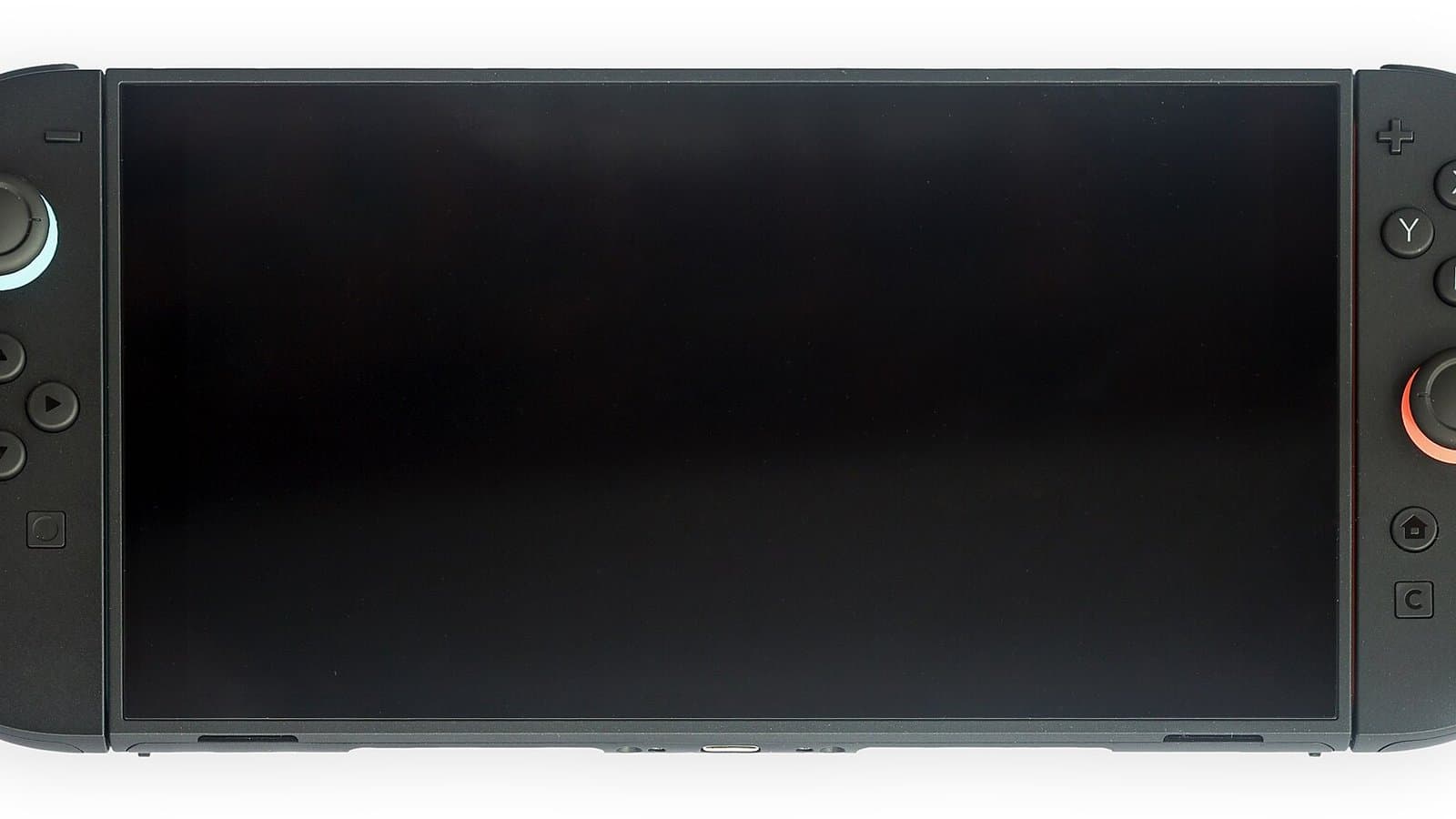
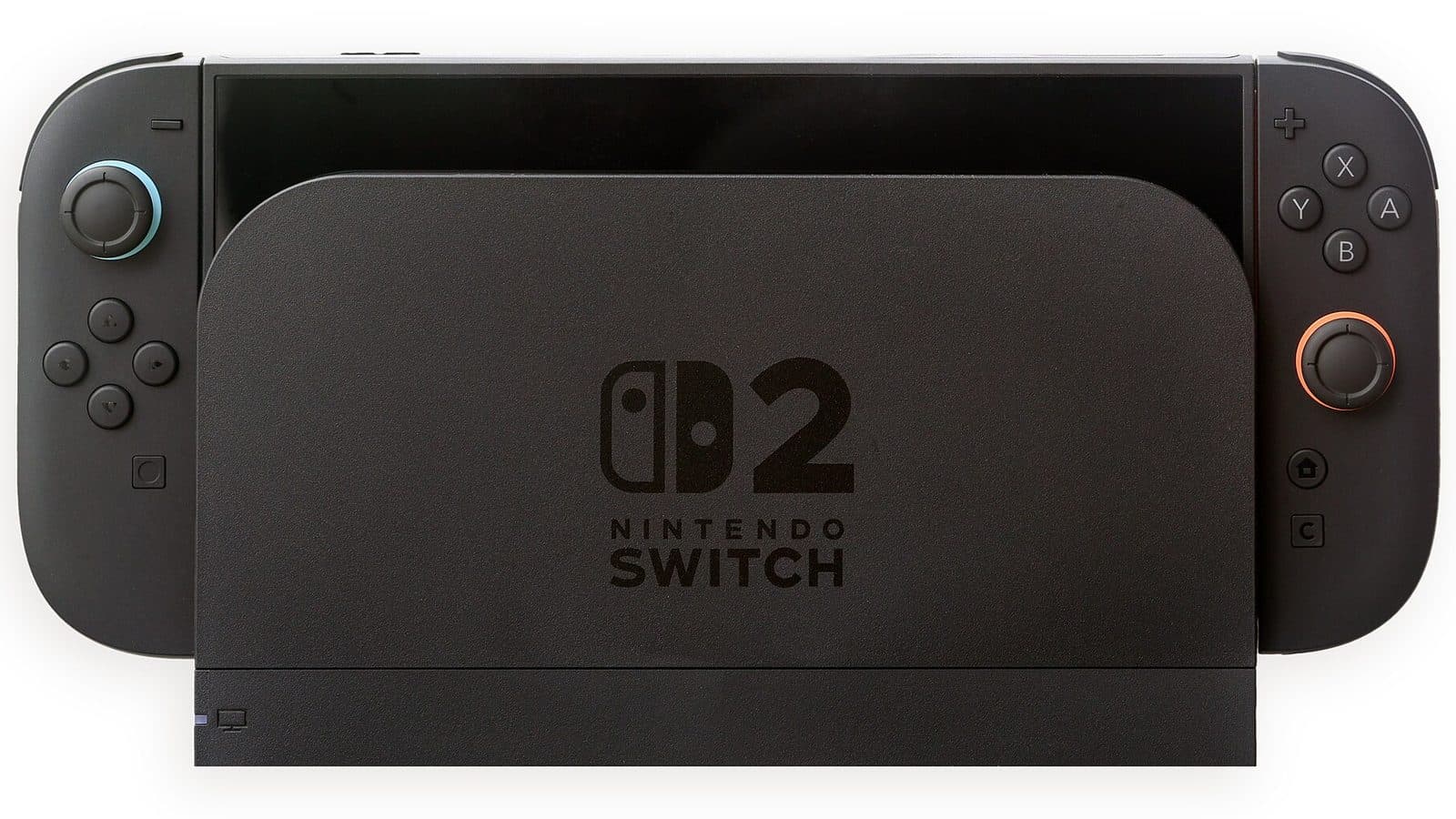
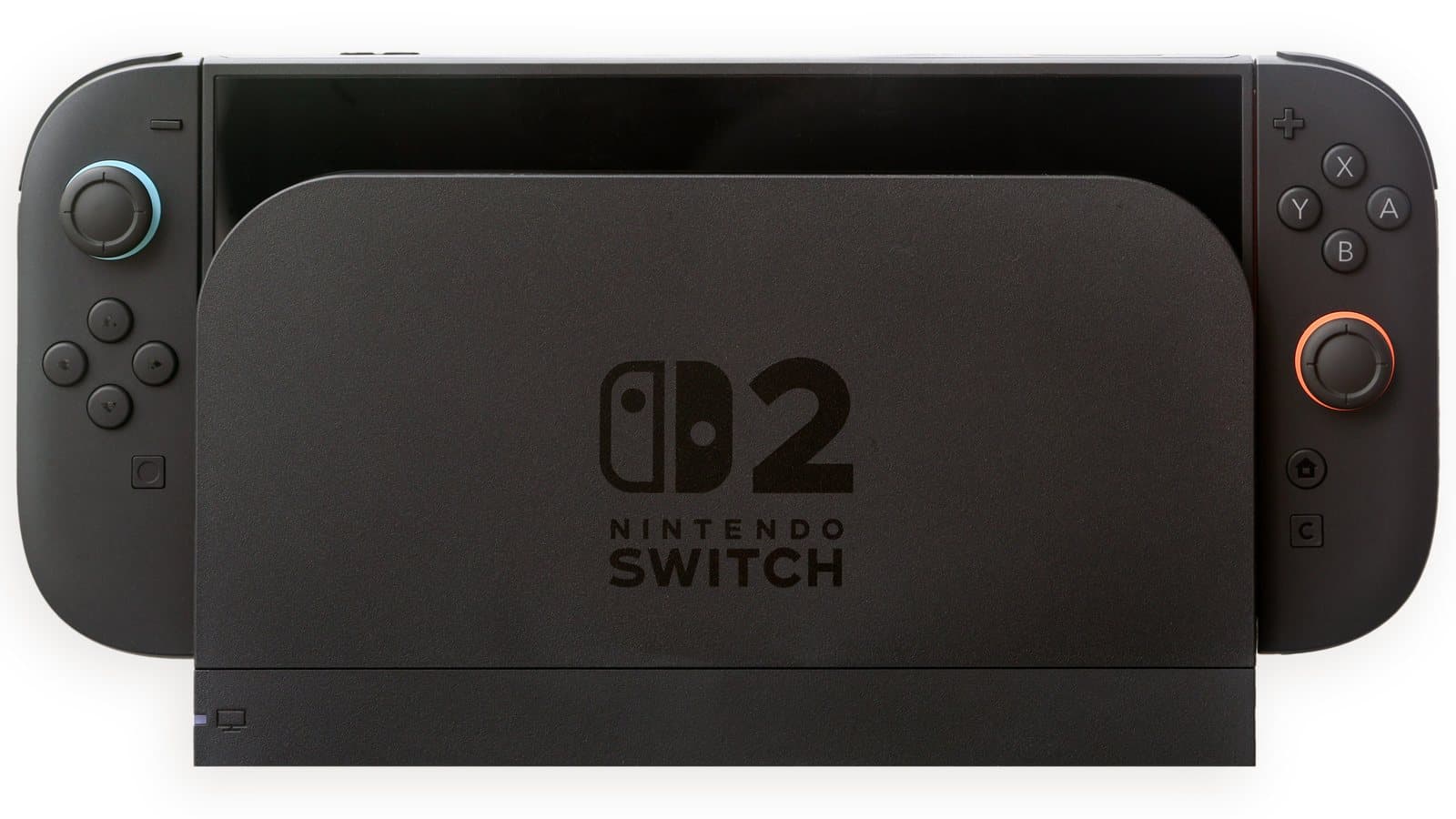
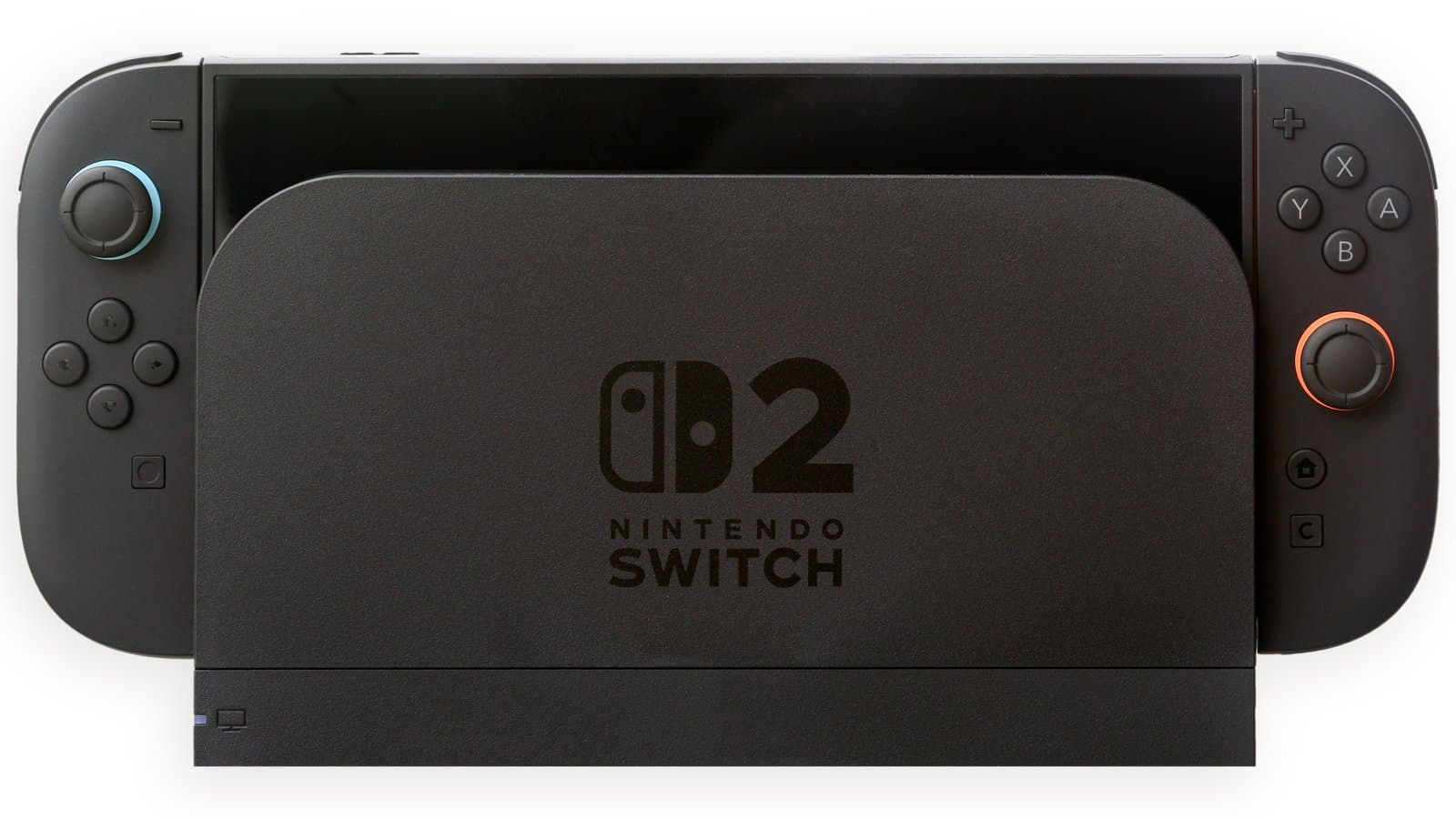
Cover: A Nintendo Switch 2 in its dock, by Crisco 1492 (CC BY-SA 4.0) via Wikimedia Commons, cropped 16:9.
Tags
Frequently asked questions
- When did Fire Emblem: Fortune's Weave come out?
- Nintendo released Fire Emblem: Fortune's Weave on September 17, 2026, simultaneously worldwide. It is exclusive to the Nintendo Switch 2 and did not launch on the original Switch, PC or other consoles.
- How much does Fire Emblem: Fortune's Weave cost?
- The digital edition is $69.99 and the physical edition is $79.99. A Dagdan Collection special edition costs $119.99 and includes a SteelBook case, a 200-page art book, character art cards and a cloth map of the Dagdan Empire.
- Do you need to have played earlier Fire Emblem games?
- No. Nintendo describes Fortune's Weave as a standalone, all-new adventure intended for both newcomers and longtime fans. It is set in the Dagdan Empire with a new cast rather than continuing an existing story.

TPW Editorial
Editorial Team
TechPastWeek's editorial team reports and edits every story we publish. We research each piece against primary and credible secondary sources, and a human editor reviews and signs off before it goes live.