Zelda: Ocarina of Time Remake Opens Pre-Orders Ahead of Its 5 November Switch 2 Launch
Nintendo's Switch 2 remake of Ocarina of Time is up for pre-order after a 14 October start, with a new trailer and eShop page ahead of its 5 November launch.

On this page
Key takeaways
- Nintendo's Ocarina of Time remake is exclusive to the Nintendo Switch 2 and launches on 5 November 2026.
- Pre-orders went live around 14 October 2026 at US$59.99 for the standard edition and US$69.99 for the deluxe, with UK prices of £49.99 and £59.99, EU prices of €59.99 and €69.99, and Japan prices of ¥7,980 and ¥8,980.
- Nintendo released a new overview trailer on 15 October and opened the game's eShop product page on 16 October, closing out the run-up to release.
- A 40th-anniversary Zelda-themed Switch 2 console, sold with a matching Pro Controller and carrying case, is planned for 29 October 2026, a week before the game.
- Amiibo figures based on Young Link and Young Zelda are planned for 2027 and will unlock special masks in the game.
Pre-orders for The Legend of Zelda: Ocarina of Time on Nintendo Switch 2 went live around 14 October 2026, Forbes reported, and the days since added the last pieces: a new overview trailer on 15 October and an open eShop product page on 16 October. The remake is exclusive to the Switch 2 and releases on 5 November 2026.
Related reading: Nintendo's September Direct: Metroid Ravenous, Kirby's Open World, and Zelda at 40 · FromSoftware Delays The Duskbloods to 2027 to Rebalance Its Rules.
Nintendo announced the game during a Nintendo Direct on 9 June 2026 with a teaser and a 2026 window, then showed gameplay and confirmed the 5 November date at The Legend of Zelda 40th Anniversary Direct on 8 September 2026. The announcement trailer sits on Nintendo of America's YouTube channel, and the release is catalogued on Wikipedia.
What the last week added
The three dates arrived in a tight sequence. Pre-orders opened around 14 October, roughly three weeks out from launch. The overview trailer landed a day later, on 15 October, and Nintendo opened the eShop product page on 16 October. Both the trailer and the store listing appear in Nintendo's news and eShop updates for that week (Nintendo eShop weekly update, 16 October; Nintendo's Ocarina of Time news page).
For a game that has been public since June, this is the point where marketing turns into a countdown. Pre-orders, a trailer that shows the product, and a store page with a price on it are the standard signals that a release is close and fixed. Nintendo has now supplied all three, which leaves little standing between the announcement and the shelves except the reviews, and those are still under embargo.
An open eShop page also does something a trailer cannot. It puts a date and a price in front of anyone with a Switch 2, and it lets Nintendo take pre-orders through its own store rather than only through retailers. The trailer is aimed at people who have not yet decided: it is the last chance to show gameplay before reviews take over that job.
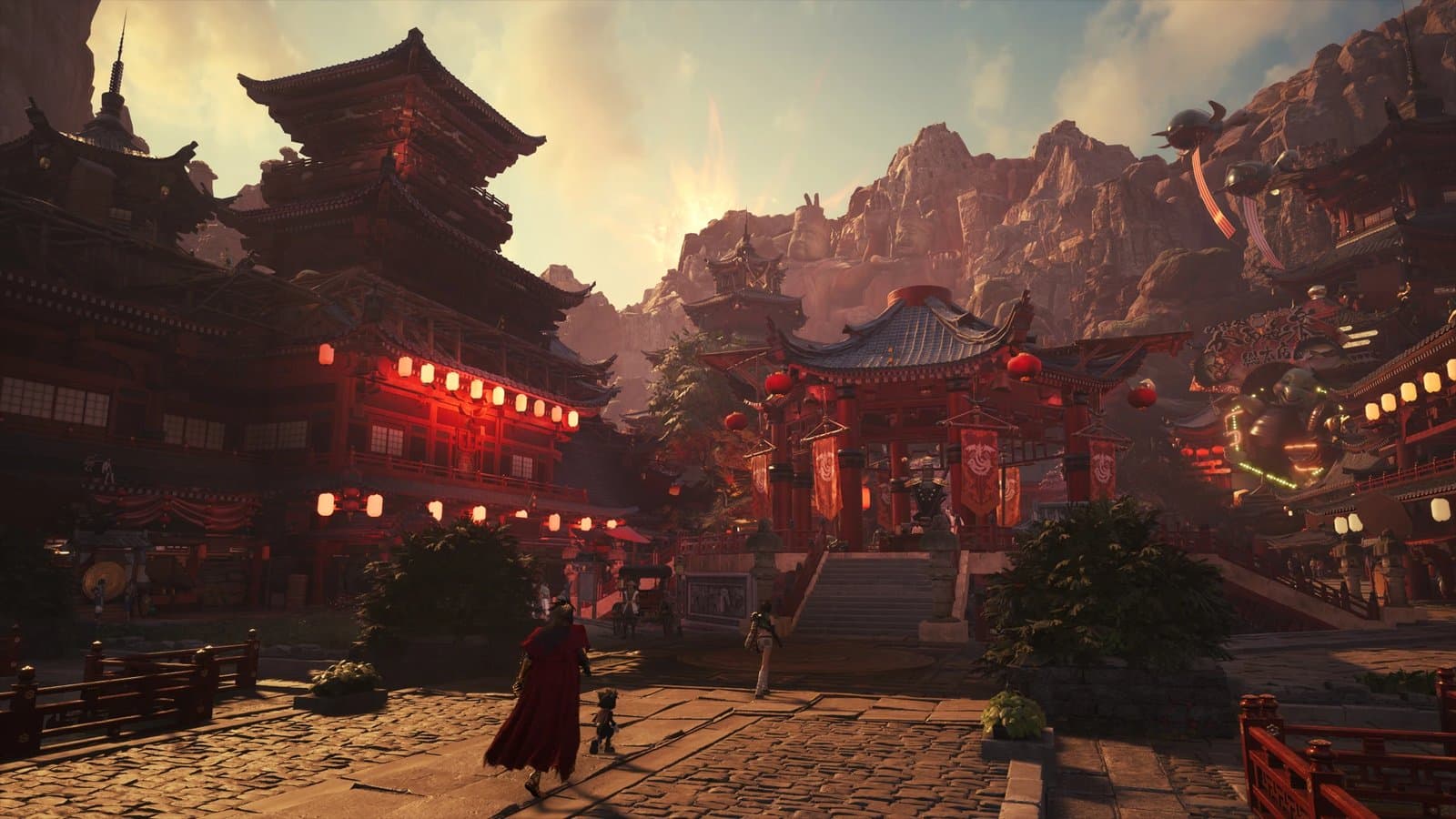
That leaves the trailer as the main piece of new information. Kotaku reviewed it on 14 October and found that it "shows a lot of old, but some surprising new" content. For a remake of a game most of its audience has already finished, that mix is the thing being sold: enough of the original to look familiar, and enough rebuilt to justify a second purchase.
Editions, prices and the physical run
Nintendo is selling the remake in two digital tiers. The standard edition is US$59.99 and a deluxe edition is US$69.99, with the same split in other regions: £49.99 and £59.99 in the UK, €59.99 and €69.99 in the European Union, and ¥7,980 and ¥8,980 in Japan, according to Forbes' pre-order report. The gap between standard and deluxe is US$10 in each market.
A physical version will also be sold at launch in special textured foil packaging, Nintendo says, while supplies last. That detail matters more to collectors than to anyone buying digitally, but it keeps the remake on retail shelves at a moment when a growing share of Switch 2 software sells as a download alone.
The pricing is notable mainly for its narrowness. Two tiers ten dollars apart, with the same gap in sterling, euros and yen, leave little room for a collector's edition in the usual sense. The physical run is the closer equivalent, since the foil packaging is limited and will not be reprinted on the same terms once the launch stock is gone.
Nintendo has not said what the deluxe edition contains beyond the higher price, so buyers cannot yet weigh the upgrade. The eShop listing may fill that in closer to launch. Until then, the practical choice is between the base game and a version whose extras are unspecified.
Why the anniversary hardware lands a week early
Nintendo is hanging the release on the series' 40th anniversary. A themed Nintendo Switch 2 console is planned for 29 October 2026, a week before the game, and it goes on sale with a matching Pro Controller and carrying case. The order is the part worth watching: the hardware reaches buyers before the game that matches it does.
An anniversary console gives Nintendo a reason to sell hardware in late October and a second reason to sell the game a week later, and the two purchases reinforce each other for anyone who wants the set to match. It also explains why Nintendo is treating a remake of a 1998 game as a holiday tentpole rather than a quiet catalogue re-release. The holiday quarter is when Switch 2 sales matter most, and a Zelda remake with a themed console beside it is a stronger pitch than either part alone.
The staggered dates have a second use. Releasing the console a week early gives buyers time to set the hardware up before the game reaches them, and it lets retailers build a display around the two products at once, an arrangement that is harder to stage when hardware and software launch on the same day.
The risk runs the other way. A themed console tied to a remake has to persuade people to buy hardware for a game they may already own in some older form. The 40th anniversary is the argument, and it only works if the remake feels like an event rather than a port. Nintendo has not announced a price for the themed console or how many units it will make.
The microphone, the Amiibo and a faithful remake
Two smaller announcements round out the package. The remake uses the Switch 2's built-in microphone, a feature GameSpot called the "coolest use" of the hardware in its 8 September coverage. The game has not shipped, so that judgment rests on the trailer and the demonstration footage rather than a finished build.
The microphone is one of the few features Nintendo has tied specifically to the Switch 2 hardware. That makes it the most concrete example so far of the remake using the new console for something the original could not do, even if GameSpot's praise is a judgment about a demo rather than a finished game.
Amiibo figures based on Young Link and Young Zelda are planned for 2027, and Nintendo says they unlock special masks in the game. The 2027 window puts them well past launch, which makes them a longer-term collectible rather than a day-one add-on. Nintendo has not narrowed that window to a specific date. The plan also suggests Nintendo intends to keep the remake in its release schedule after the November rush ends.
Ocarina of Time was the first 3D game in the Zelda series, released on the Nintendo 64 in 1998, and it ranks among the most acclaimed games ever made. That reputation raises the stakes on a remake. A faithful version has to decide how far to modernise controls, camera and presentation without losing what made the original work, and Nintendo has shown gameplay without promising that the structure is untouched. The overview trailer answers part of that question, though not all of it.
The release, in one line
The Legend of Zelda: Ocarina of Time launches on 5 November 2026, exclusive to the Nintendo Switch 2. Pre-orders opened around 14 October, and a themed 40th-anniversary Switch 2 console arrives on 29 October.
Caveats and what to watch
Everything above rests on announcements, not on a shipped game. Nintendo has set the date, the prices, the hardware and the Amiibo plan, but none of it has been tested by players yet. There are no review scores and no sales figures, and there will not be any until after 5 November. The physical run and the 2027 Amiibo window could still move.
The narrower uncertainty is what the remake changes. Nintendo has not published a full feature list, and a faithful rebuild and a full reimagining would be two different products. Fans who want the original intact and fans who want it modernised are both watching the same trailer for opposite reasons.
Nothing is scored yet
The game has not shipped. The dates, prices, editions and hardware plans come from Nintendo and from Forbes' 14 October report, and there are no reviews or sales figures to cite. The plans may still change.
The holiday timing is the part that carries the most weight. Nintendo has put an anniversary console, a remake of one of its most acclaimed games and a new Amiibo line into a single quarter, which makes the remake a load-bearing part of the season rather than a small release. A tentpole aimed at the launch window gives the Switch 2 a marquee title for buyers who have held off, and it gives the holiday lineup a familiar name at its centre. Whether that bet pays off depends on the game, and the game is still a month away.
What to watch is straightforward. The reviews are due before 5 November, the anniversary console goes on sale on 29 October, and the game follows a week later.
"shows a lot of old, but some surprising new" — Kotaku, trailer review, 14 October 2026
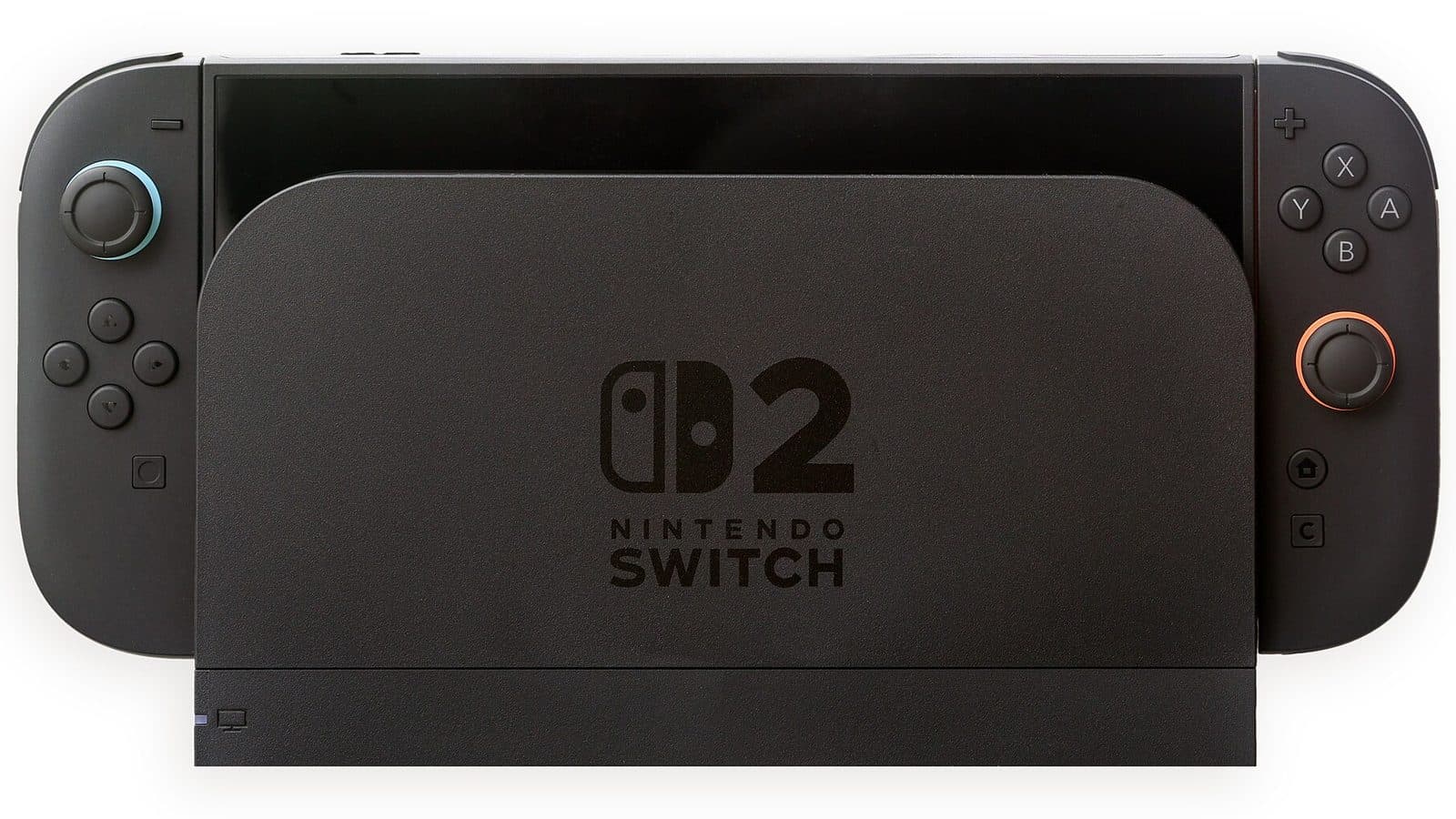
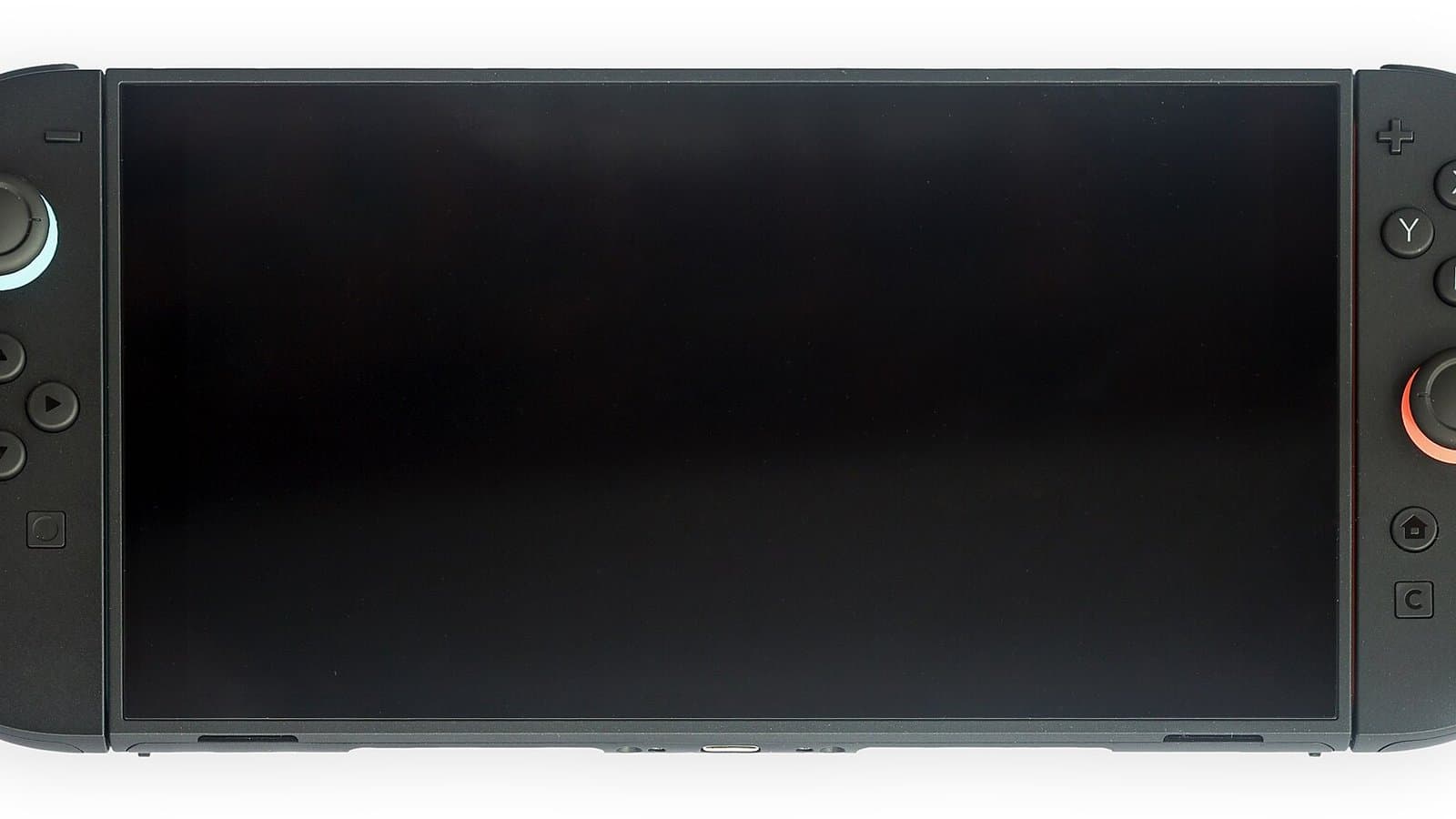
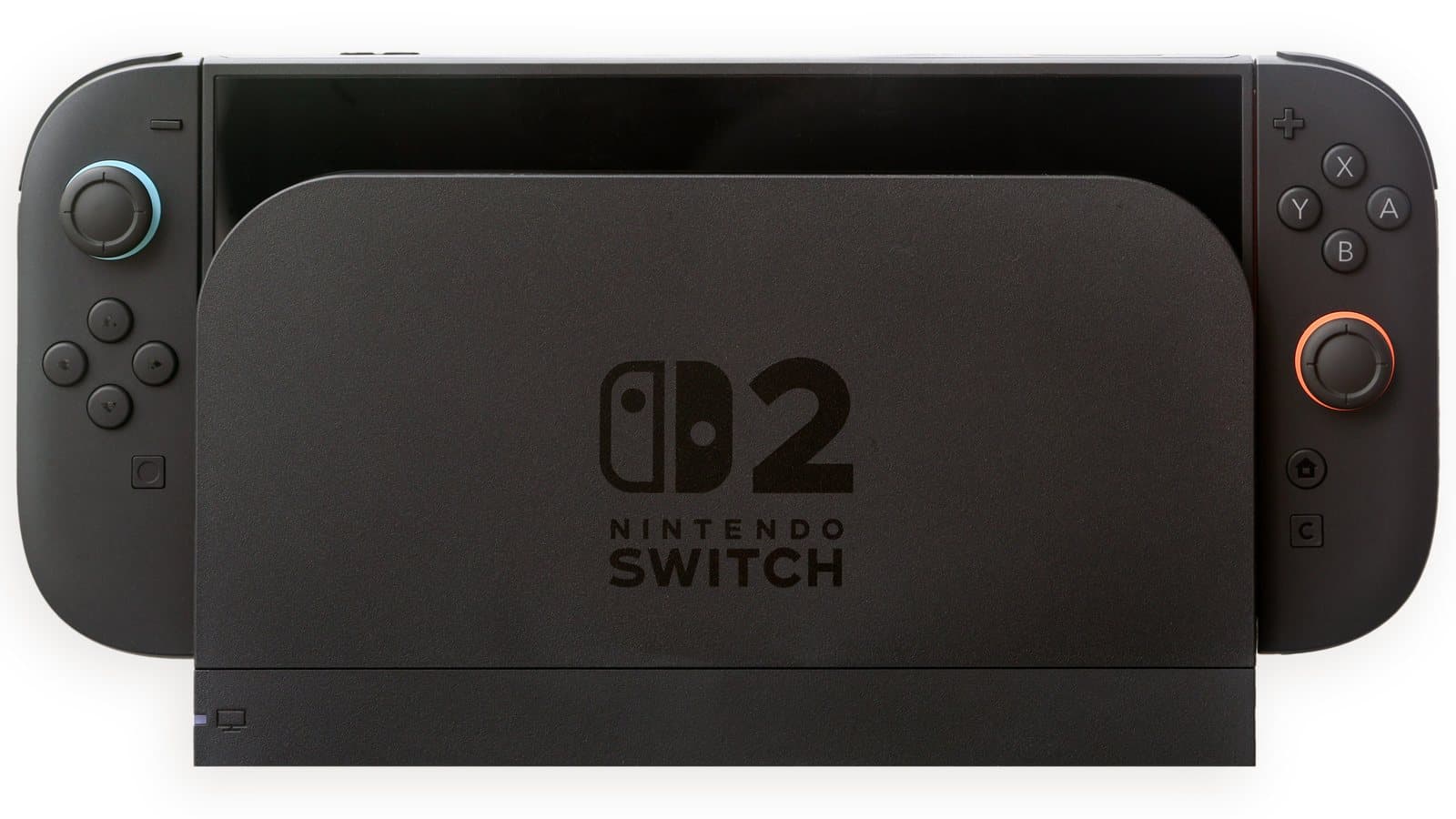
Cover image: Wikimedia Commons "Nintendo Switch 2 in Docking Console.jpg" by Crisco 1492, CC BY-SA 4.0.
Tags
Frequently asked questions
- When does the Ocarina of Time remake come out?
- The Legend of Zelda: Ocarina of Time remake launches on 5 November 2026, exclusive to the Nintendo Switch 2. Nintendo confirmed the date at The Legend of Zelda 40th Anniversary Direct on 8 September 2026, after announcing the game in June.
- How much does the Ocarina of Time remake cost?
- The standard edition is US$59.99 and the deluxe edition is US$69.99. UK prices are £49.99 and £59.99, EU prices are €59.99 and €69.99, and Japan prices are ¥7,980 and ¥8,980, according to Forbes' 14 October pre-order report.
- Is the Ocarina of Time remake a Switch 2 exclusive?
- Yes. Nintendo is developing and publishing the remake as a Nintendo Switch 2 exclusive, and it has not been announced for the original Switch or any other platform.
- What is the Zelda 40th-anniversary Switch 2 console?
- It is a Zelda-themed Nintendo Switch 2 console sold with a matching Pro Controller and carrying case, planned for 29 October 2026, a week before the game releases.

TPW Editorial
Editorial Team
TechPastWeek's editorial team reports and edits every story we publish. We research each piece against primary and credible secondary sources, and a human editor reviews and signs off before it goes live.