Nintendo Wins a $4.5 Million Default Judgment Against a Switch Piracy Moderator
A US federal judge has awarded Nintendo a $4.5 million default judgment against James Williams, the r/SwitchPirates lead moderator known online as Archbox.

On this page
Key takeaways
- A US District Judge granted Nintendo a $4.5 million default judgment against James Williams, the r/SwitchPirates moderator known online as Archbox; the outcome was reported between 24 and 26 September 2026.
- Williams was the lead moderator of r/SwitchPirates, a subreddit with roughly 190,000 members.
- The award is a default judgment, which means Williams did not respond to the lawsuit Nintendo filed in 2024.
- Nintendo alleged that Williams ran and promoted Pirate Shops selling pirated Switch games, steered subreddit members toward them, and supplied tools and support for jailbroken consoles.
- The judgment is a civil award, not a criminal conviction, and the $4.5 million is what the court granted rather than a proven measure of Nintendo's lost sales.
Nintendo has won a $4.5 million judgment against James Williams, the man the company identified as the lead moderator of one of the largest Switch piracy communities on Reddit and the operator of sites that sold pirated Switch games. The award, reported between 24 and 26 September 2026, closes a lawsuit Nintendo filed in 2024 and leaves the company holding a sizable civil judgment against a defendant who never answered the case.
Related reading: Fire Emblem: Fortune's Weave Is the Switch 2's First Big First-Party Exclusive · Nintendo's September Direct: Metroid Ravenous, Kirby's Open World, and Zelda at 40.
The sum is the headline, but the shape of the ruling is the more useful thing to understand. A default judgment carries a specific meaning in civil procedure, and that meaning changes how the $4.5 million should be read. The case also sits inside a longer campaign in which Nintendo has used courts rather than takedown notices alone to pursue emulator developers, mod-chip sellers, and the people who distribute its games.
A default judgment, and why that label matters
A default judgment is what a court issues when a defendant does not respond to a lawsuit. Williams did not answer Nintendo's 2024 complaint, so the judge ruled for the company on the record Nintendo presented. That is different from a verdict reached after a contested trial, and it shapes how the award should be interpreted.
In a default case, the allegations in the complaint are taken as established for the purposes of the ruling, and the damages figure reflects what the court granted rather than a number tested by adversarial argument. PCMag's report describes the award as the outcome of the default, and Nintendo Everything notes that the amount had been sought previously and was confirmed in the judgment.
The distinction is not a technicality. Because this is a civil matter, it is not a criminal conviction. No jury weighed evidence, and Williams has not been found guilty of a crime in this case. The court's action is a monetary judgment, not a prison sentence, which places it in a different category from the jail term handed to an earlier Nintendo target.
What Nintendo alleged Williams ran
Nintendo's allegations describe a moderator who did more than discuss piracy. According to the company, Williams operated and promoted "Pirate Shops" that sold pirated Nintendo Switch games, and used the subreddit to funnel its roughly 190,000 members toward those storefronts. The shops were not a simple file dump: Nintendo claimed some offered paid tiers that unlocked higher download speeds and access reserved for paying users.
Nintendo further alleged that Williams helped organize crowdfunding to buy and "dump" unreleased Switch titles, the process of extracting a game's files so they can be copied and distributed around release. The company also said he supplied technical support and circumvention tools for jailbroken consoles, the software layer that lets modified hardware run pirated games. The Verge frames these as the core of the complaint, while Eurogamer and Polygon cover the judgment and its place in Nintendo's wider litigation.
The picture is of a role that sits between community management and commercial distribution. A moderator controls where attention goes; a shop converts that attention into downloads or subscriptions. Nintendo's theory treats the two as connected, which is why the case targeted the person running the community rather than only the sites themselves.
The paid-tier detail is where the case moves from fan activity toward a business. A shop that charges for faster downloads and exclusive titles is selling a service built around someone else's copyrighted work, and the subscription framing is what turns scattered file links into something a court can describe as an operation. That is the part Nintendo's complaint emphasized, and it is the part that separates a moderator's posts from the storefronts those posts pointed to.
That theory also explains the scope of the allegations. Crowdfunding a dump, providing circumvention tools, and running paid storefronts are separate activities, but Nintendo presented them as one operation with a common organizer. If the court accepted that framing by default, the case becomes a template for how the company can describe a piracy ecosystem in a single complaint.
How Nintendo said it traced a moderator to a name
Identifying an anonymous moderator is the hard part of a case like this, and Nintendo described a chain that connected a public persona to a real person. The company said it linked the piracy sites to Williams's Reddit account and then linked that account to his real identity. According to court filings, he was a self-described Nintendo pirate who had already received cease-and-desist letters.
That detail is the part other moderators and site operators tend to notice. A pseudonym is only as strong as the accounts, payment methods, and devices behind it, and past legal warnings can become evidence of knowledge if a case is later filed. Nintendo Everything reports that the company traced the case through Reddit, where Williams was a member of the SwitchPirates subreddit.
Nintendo's account of the identification comes from its filings and was not tested at trial, because Williams did not respond. That leaves the company's version of events as the only narrative in the record, which is one reason the default posture matters as much as the money.
A default judgment is not a finding reached after both sides argue. Treat the $4.5 million as the court's award on Nintendo's allegations, not as an independently proven measure of the company's losses.
The case fits a longer anti-piracy campaign
The Williams judgment lands inside a years-long push by Nintendo against piracy in several forms. The company previously pursued Gary Bowser, a figure in the Team Xecuter mod-chip group, who was jailed. It sued the developers of Yuzu, a Switch emulator, in a case that ended the project. It also won a $2 million judgment against a Switch modder who represented himself in court without a lawyer.
Those cases span different targets: hardware circumvention, software emulation, and the distribution of game files. What they share is Nintendo's willingness to litigate rather than rely on takedown notices alone. The Verge groups the Williams outcome with that series, and Polygon covers it as another entry in the same pattern.
For a company whose business depends on selling hardware and first-party software, the campaign is a form of product protection. Piracy on a modded console can bypass the eShop entirely, which removes both the sale and the platform fee. Emulation extends the same risk to future hardware, which is one reason Nintendo has been quick to act on Switch 2-era circumvention as the new console builds an installed base.
The strategy has limits. Court orders address named defendants, and piracy communities are designed to survive the loss of any one operator. Still, the sequence shows Nintendo is willing to fund cases that produce judgments it may never fully collect, which suggests the deterrence value is part of the calculation.
The use of litigation also has an economic logic. A single well-publicized judgment can be cheaper than policing downloads one at a time, and it can shift the calculus for the businesses that host, index, or monetize pirated files. Nintendo's targets have ranged from a mod-chip seller to an emulator team to a community organizer, which suggests the company is testing which links in the chain are most vulnerable to a court order.
The $4.5 million is a court award, not a proven loss figure
The $4.5 million is the number readers will remember, but its practical value is uncertain. A judgment is only as useful as the defendant's ability to pay it, and nothing in the reporting describes Williams as a wealthy operator. The award also reflects statutory damages logic, where the amount is set by law per infringing work rather than calculated from actual lost sales.
That gap matters for how the case should be understood. Copyright damages in the United States can be set high enough to deter, and a large award against one moderator can ripple through a community even if it is never fully collected. The message is aimed at the people who run shops, seed downloads, and organize dumps, and at the users who treat those services as routine.
There is also a question of scale. A subreddit of about 190,000 members is not enormous by Reddit standards, but it is large enough to sustain a market for pirated games and the tools that run them. Removing a lead moderator and naming him in a judgment disrupts that market's most visible organizing point, even if the underlying demand does not go away.
Nintendo's damages figure is what the court granted on its allegations. It is not the same as a finding that the company lost $4.5 million in sales to Williams's activity, and readers should keep the two ideas separate.
Statutory damages exist precisely to make awards predictable in cases where actual losses are hard to quantify, and they can run well beyond what a defendant could pay. That design is meant to deter, not to compensate precisely, which is why the award should be read alongside the conduct alleged rather than as a bill for the games Williams is said to have moved.
What the ruling could change, and what it will not
Three things will determine whether the Williams judgment changes behavior or simply adds a line to Nintendo's litigation record.
The first is enforcement. A judgment that is not collected is a deterrent in name only, and how aggressively Nintendo pursues the award will signal how much it values the precedent over the recovery.
The second is the next target. Nintendo's recent cases have moved across hardware, emulation, and distribution, and each console generation creates fresh circumvention methods. A Switch 2-focused case would show the campaign has followed the platform.
The third is the community response. Piracy forums tend to fragment and rename after a high-profile action, and shops and tools often reappear under new operators. The judgment names one moderator; it does not name the demand that made his role viable.
It also makes sense to separate the legal outcome from the public one. A judgment of this size travels as a headline and as a warning, and the warning may outlast any collection effort. For a platform holder preparing for the next console cycle, the more valuable result may be the precedent that a community organizer can be named and held liable, not the chance of recovering the full amount.
For now, the record is straightforward. A federal judge awarded Nintendo $4.5 million against James Williams by default, after he did not respond to a lawsuit the company filed in 2024. The allegations describe a moderator turned distributor, the court accepted them in a default posture, and Nintendo added another judgment to a campaign it has run for years.
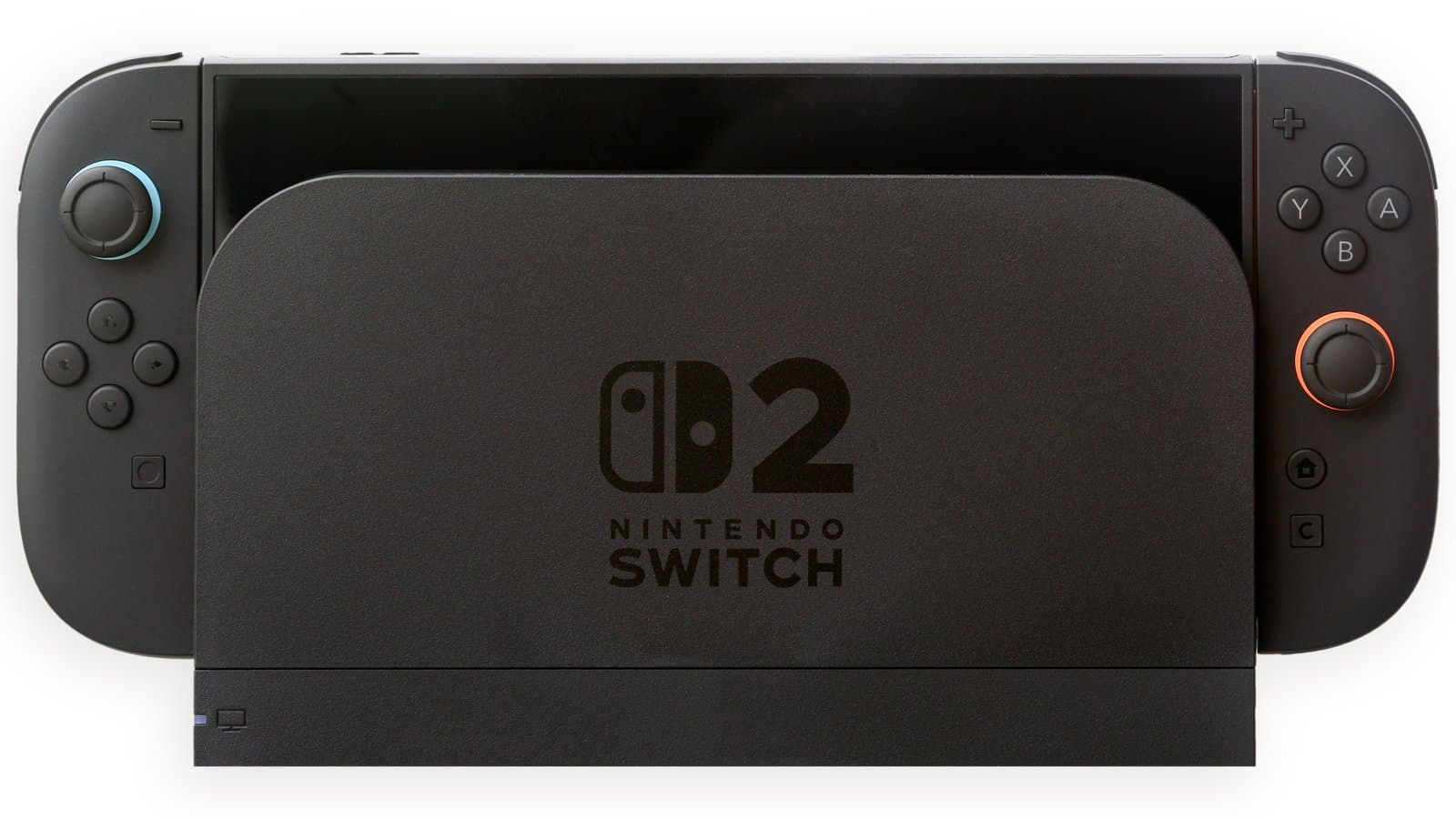
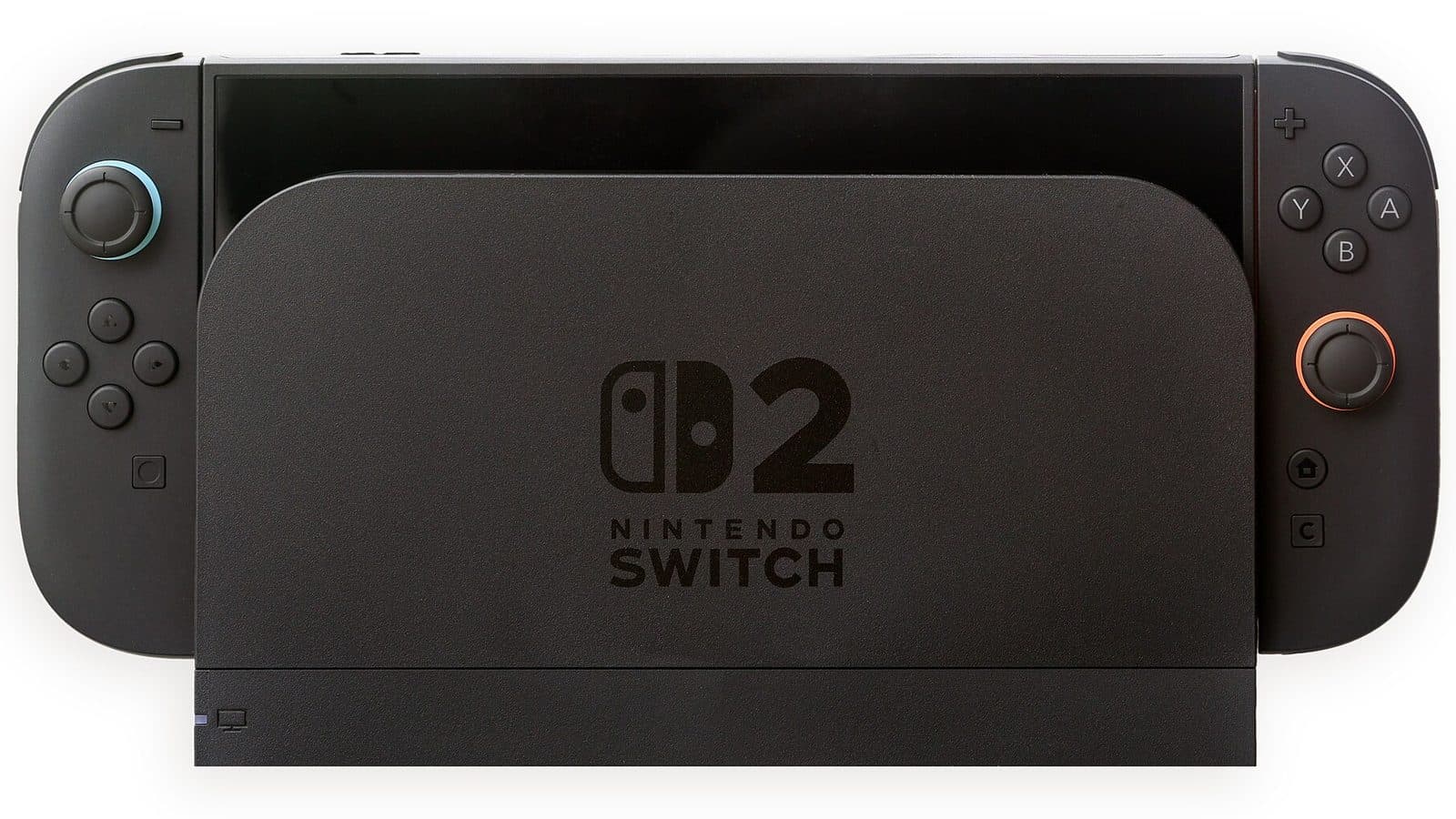
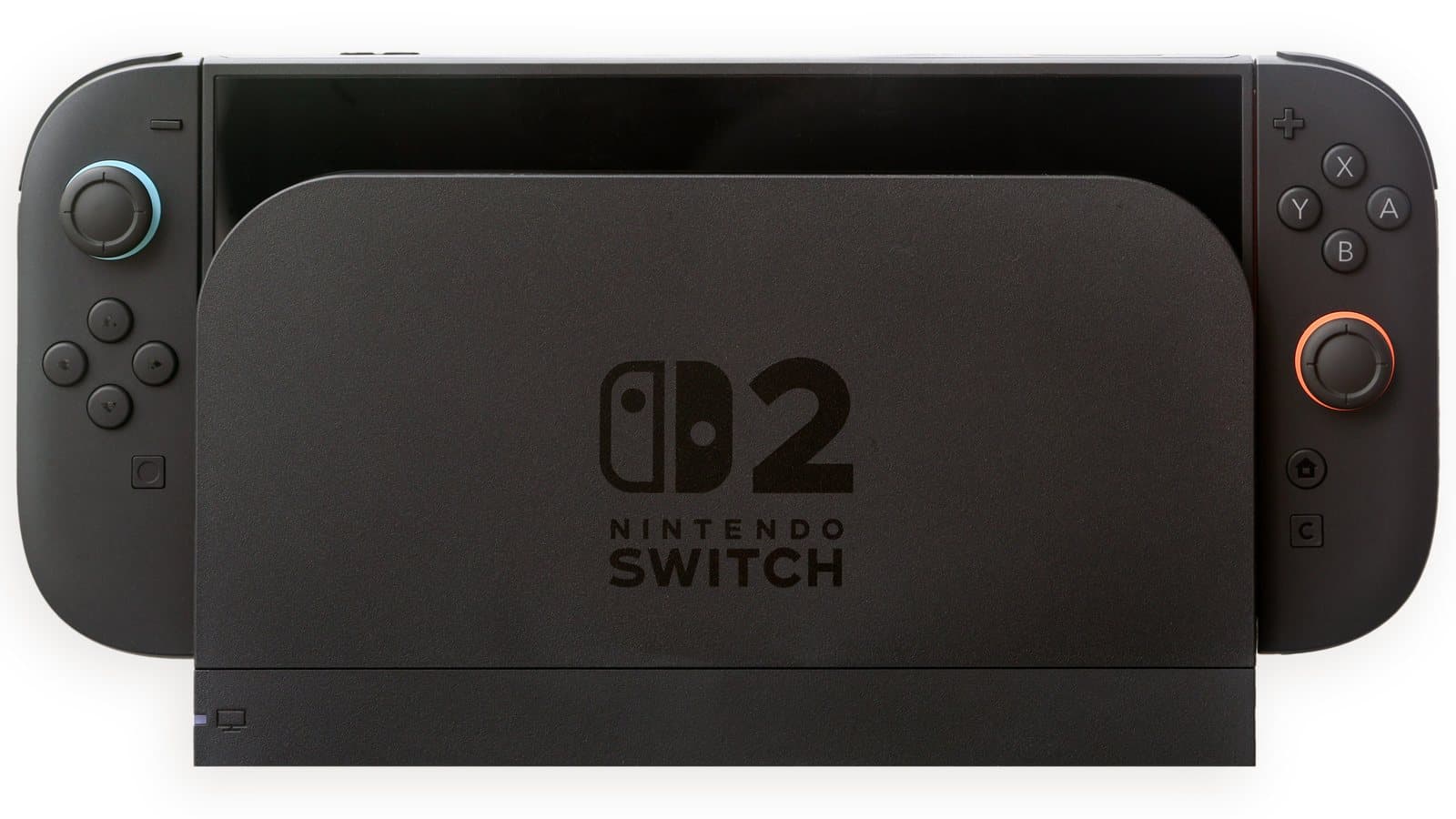
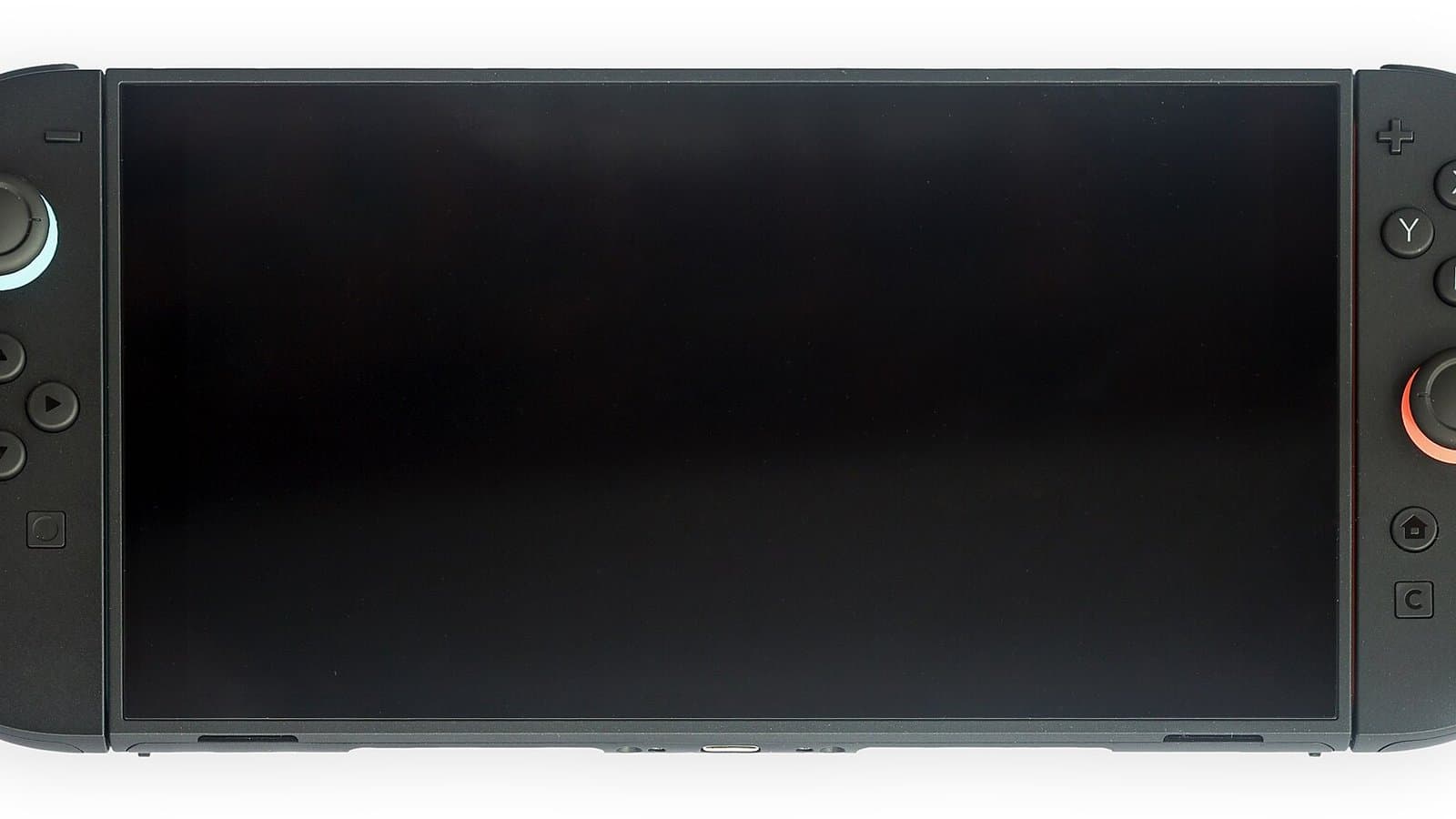
Cover: A Nintendo Switch 2 in handheld mode. Photo by Crisco 1492 via Wikimedia Commons, CC BY-SA 4.0.
Tags
Frequently asked questions
- What is the Nintendo lawsuit against James Williams?
- Nintendo sued James Williams, known online as Archbox, in 2024, accusing him of operating and promoting pirate shops that distributed copies of Switch games. In September 2026 a US District Judge granted Nintendo a $4.5 million default judgment against him.
- What does a default judgment mean in this case?
- It means Williams did not respond to the lawsuit, so the court ruled for Nintendo on the record the company presented rather than after a contested trial. It is a civil outcome, not a criminal conviction.
- How did Nintendo identify the r/SwitchPirates moderator?
- Nintendo said it linked the piracy sites to Williams's Reddit account and then linked that account to his real identity. Court filings described him as a self-described Nintendo pirate who had received cease-and-desist letters.
- Has Nintendo taken other anti-piracy action?
- Yes. Nintendo previously pursued Gary Bowser, who was jailed, sued the Yuzu Switch emulator, and won a $2 million judgment against a Switch modder who represented himself in court.

TPW Editorial
Editorial Team
TechPastWeek's editorial team reports and edits every story we publish. We research each piece against primary and credible secondary sources, and a human editor reviews and signs off before it goes live.