StarLadder's $500,000 Barcelona CS2 Event Opens a Packed Esports Autumn
Counter-Strike's StarLadder StarSeries Fall ran in Barcelona from September 17 to 20, the start of a dense two-month stretch of Dota 2 and Valorant tournaments.

On this page
Key takeaways
- StarLadder StarSeries Fall 2026 ran in Barcelona from September 17 to 20, with eight Counter-Strike 2 teams competing for a $500,000 prize pool.
- PGL Wallachia Season 9, a 16-team Dota 2 event with a $1,000,000 prize pool, opened in Bucharest on September 19 and runs to September 27.
- Riot Games' VALORANT Champions 2026 begins in Shanghai on September 24 with a $2,250,000 prize pool and a $1,000,000 first prize.
- The iBUYPOWER Masters FML 2026 is set for the HyperX Arena in Las Vegas from September 25 to 27 with eight CS2 teams and a $30,000 pool.
- Many of the autumn events carry Valve Regional Standings points that feed directly into Counter-Strike Major qualification.
StarLadder's StarSeries Fall brought eight Counter-Strike 2 teams to Barcelona from September 17 to 20 for a $500,000 prize pool, opening a stretch of roughly six weeks in which professional gaming's biggest competitions overlap almost without a break. Between Counter-Strike's regional circuit, a million-dollar Dota 2 tournament in Bucharest and Riot Games' season-ending VALORANT championship in Shanghai, the autumn calendar is the densest it has been all year.
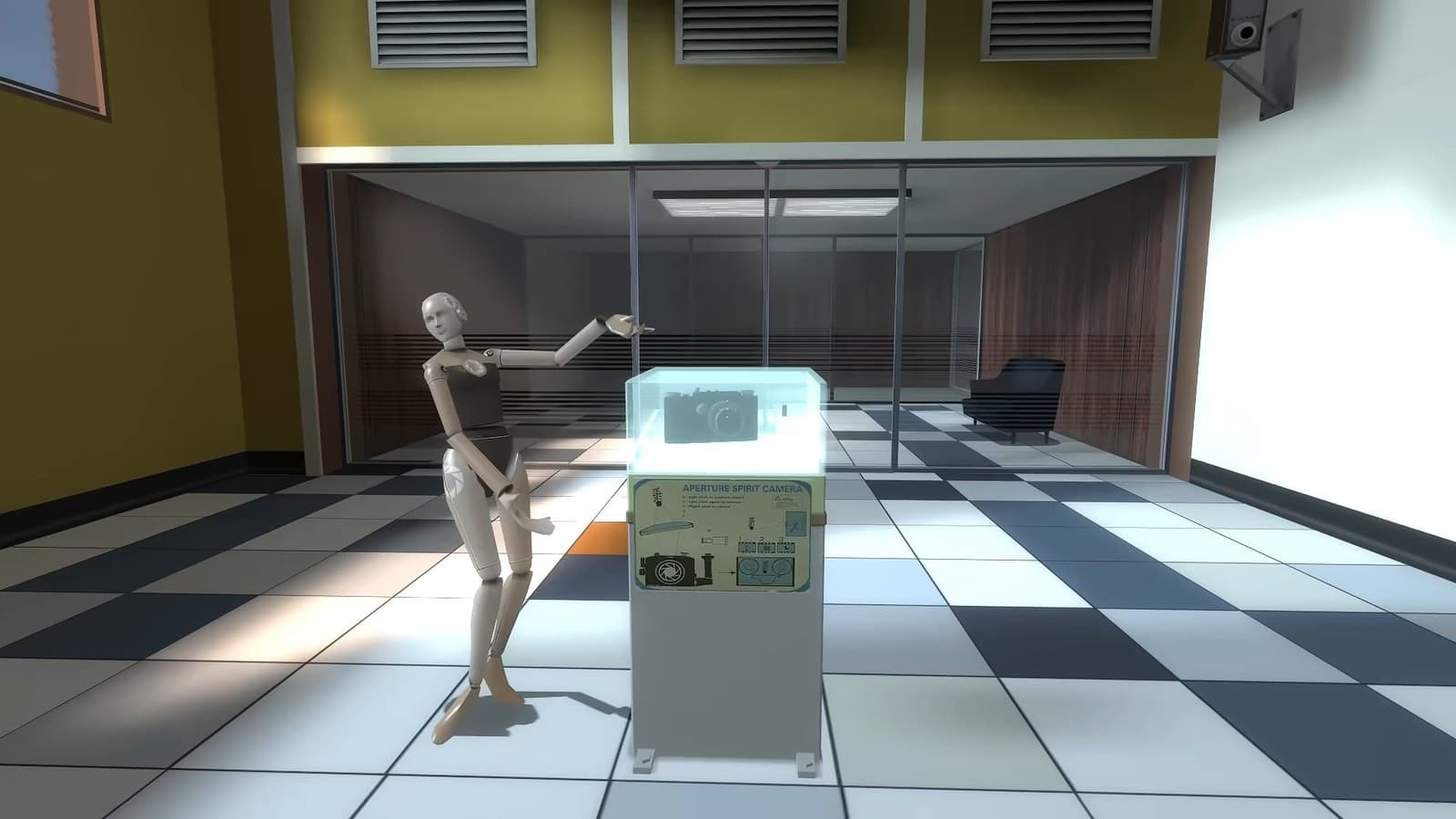
Related reading: Valve's Cancelled Portal Prequel F-Stop Surfaces as a Playable Build · GTA 6 Will Need 210GB on PS5, the Largest Single-Player Install Yet.
The Barcelona event is a StarSeries competition, the long-running brand that StarLadder has used for offline events across Europe. Eight invited and qualified teams played a LAN format with a $500,000 pool. Prize distribution was split evenly between the players and the organisations: the winner takes $100,000 for the roster and $100,000 for the club, the runner-up $65,000 in each category, and the remaining places pay progressively less, down to $5,000 for each side at seventh and eighth. The event ran September 17 to 20.
The autumn calendar in full
The Barcelona LAN is only the first piece. PGL Wallachia Season 9, a 16-team Dota 2 tournament, opened at the PGL Studios in Bucharest on September 19 and runs through September 27. It carries a $1,000,000 prize pool, played on game patch 7.41f, with a Swiss group stage feeding a double-elimination bracket and a best-of-five grand final. The champion earns $300,000, the runner-up $175,000, third place $120,000, and every team that qualifies leaves with at least $10,000.
VALORANT's calendar peaks on September 24, when Riot Games opens VALORANT Champions 2026 in Shanghai. The season-ending event runs to October 18 and distributes $2,250,000, with $1,000,000 to the winner, $400,000 to the runner-up and $250,000 for third. It is the largest single prize pool in the autumn window, and for Riot it is the culmination of a year-long international circuit that runs from regional leagues to Masters events.
Counter-Strike returns to North America at the end of the month. The iBUYPOWER Masters FML 2026 is scheduled for the HyperX Arena in Las Vegas from September 25 to 27, with eight CS2 teams competing for $30,000 and, more importantly, Valve Regional Standings points. The winner takes $12,500, and the event is weighted for VRS, the ranking system Valve uses to invite teams to its Majors.
Why the schedule bunches up: tournament organisers avoid clashing with each other where they can, but the autumn is squeezed by two fixed points, the Counter-Strike Major cycle and Riot's VALORANT Champions, which has to finish before the year-end break. Publishers also time reveals and patches to the same window, which is why September and October carry both the biggest events and the biggest announcements.
Why VRS points matter more than the cash
For Counter-Strike teams, the prize money at an event like the Barcelona LAN is welcome but secondary. The real currency is the Valve Regional Standings, the ranking system Valve introduced to decide Major invitations. Points are awarded based on the quality of the field and how far a team progresses, so a $30,000 event in Las Vegas can matter more to a team's year than a larger payday at a show match.
That structure explains why so many tier-two and tier-three organisations are willing to fly to smaller LANs during a crowded month. A strong run at a VRS-weighted event can lift a roster into contention for a Major slot, and a Major slot changes a team's sponsorship value, player salaries and long-term stability. The cash is a bonus; the ranking is the asset.
It also explains the recent push by StarLadder, PGL and other organisers to keep their events ranked and legible to Valve's system. A tournament that is not part of the VRS ecosystem can still draw a crowd, but it cannot offer teams the thing they most need.
The economics of a $500,000 event
A half-million-dollar pool for eight teams is a healthy number by the standards of the tier-one circuit outside the Majors, but the per-team economics are tighter than the headline suggests. Splitting the pool between players and clubs is standard in Counter-Strike, and it means a middle-of-the-table finish at the Barcelona event paid each side a few thousand dollars, less than the cost of travel, accommodation and practice time for a full roster and coaching staff.
That gap is the quiet tension in professional Counter-Strike. The best teams are profitable through salaries, sponsorship and streaming, while the middle of the field often runs at a loss and depends on the occasional deep run to stay solvent. Events that offer both a decent pool and VRS points are the ones that keep the middle tier alive, which is why organisers work to keep a VRS weight attached to their tournaments.
The Dota 2 and VALORANT events sit in a different financial tier. VALORANT Champions is publisher-funded and functions as a marketing and ecosystem investment as much as a competition, while PGL Wallachia's million-dollar pool reflects a game with a concentrated, global audience and a deep sponsor base. The contrast between a $500,000 Counter-Strike LAN and a $2,250,000 VALORANT final is not a comment on the sports' popularity so much as on who pays the bills: third-party organisers in one case, the publisher in the other.
What this autumn says about the state of esports
The crowded calendar is a useful stress test for the industry's post-pandemic model. After the venture-funded years of 2019 to 2022, when many leagues promised franchise fees and rich revenue shares that never fully materialised, the surviving circuit is leaner and more publisher-led. Riot's controlled ecosystem and Valve's ranked-open model represent two different answers to the same question of how to fund a global sport without a single owner paying for everything.
The Barcelona event also underlines how regional Counter-Strike has become. StarLadder, a Ukrainian organiser, ran a European LAN in Spain; VALORANT's championship is in Shanghai; the Dota 2 season is anchored in Romania. That geographic spread is a sign of maturity, but it also raises costs for teams that have to travel between continents on short notice, and it is one reason the tier below the top struggles.
For viewers, the upside is straightforward. Between now and mid-October there is a top-tier event running almost every week, and the stakes compound as the Major cycle approaches. For the teams, the autumn is a grind of travel, practice and ranked points that will define which rosters are still together in the spring.
A full calendar is not free
Packing events this tightly has a cost that the prize pools do not capture. Players on the top teams will travel between three continents in six weeks, practice on new patches, and compete in formats that range from a weekend LAN to a month-long league. Sports science has become a routine part of Counter-Strike and Dota 2 organisation budgets for exactly this reason, with coaches, analysts and in some cases psychologists employed to manage the load.
The evidence that this matters is not only anecdotal. Roster changes cluster around the end of long competitive stretches, and player burnout has been a recurring theme in interviews and retirement announcements. When a team plays four events back to back, the marginal tournament adds fatigue more reliably than it adds preparation. Organisers know this, and the better ones build in rest days and shorter formats. The market, however, rewards visibility, and a team that skips an event can lose its ranking weight and its sponsorship exposure.
For the tier below the elite, the calculus is different. Those teams need the events more than they fear the schedule, because every ranking point is a step toward the Majors and the money that follows. The result is a calendar that is technically optional and practically compulsory, and a sport whose middle class survives on the promise of a breakout run. That tension will not be resolved by the autumn schedule; the calendar will simply make it more visible.
What to watch
The next four weeks will answer a few concrete questions. Whether the Barcelona and Las Vegas events produce a clear new contender for the next Major, or confirm the existing hierarchy. Whether VALORANT Champions delivers a breakout performance that reshapes the game's regional balance. And whether the organisers of the smaller events can keep them on the calendar as publisher-owned leagues expand their share of the year.
There is also a structural question that the autumn makes hard to ignore. Counter-Strike's third-party circuit is thriving in terms of events, but its prize pools are still modest next to publisher-funded competitions. If the Middle Eastern and Asian investment that has entered the space continues, that balance could shift. For now, the sport's calendar is fuller than it has been in years, and the players carrying the load are the ones who will decide how long that can last.
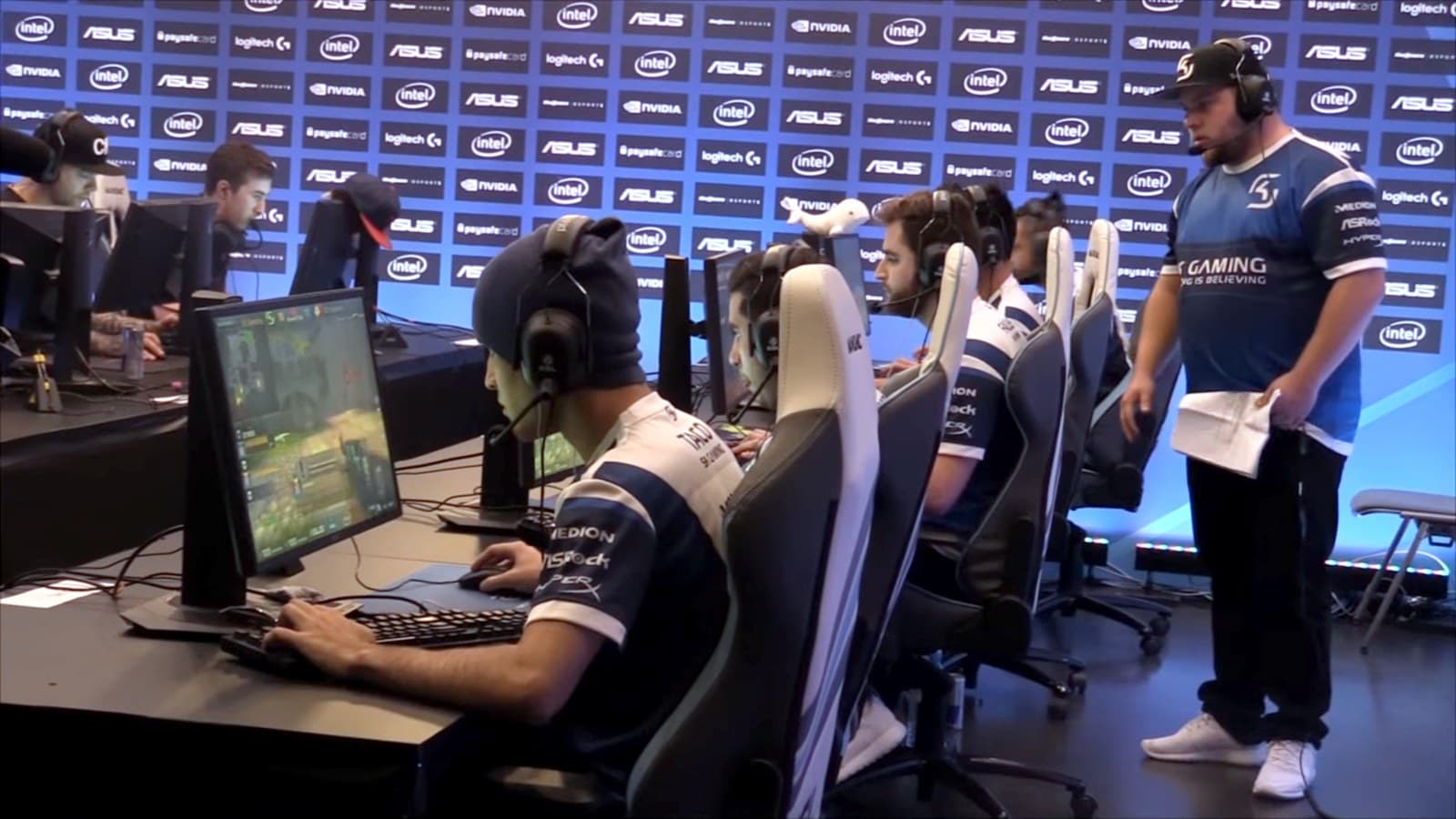
Cover: a Counter-Strike group-stage match at ESL One Cologne 2016, by VaKarM (CC BY 3.0) via Wikimedia Commons, cropped 16:9.
Tags
Frequently asked questions
- What is StarLadder StarSeries Fall 2026?
- It is an eight-team Counter-Strike 2 LAN event held in Barcelona from September 17 to 20, 2026, with a $500,000 prize pool split equally between player payouts and club shares. It is part of StarLadder's long-running StarSeries tournament series.
- How much does the winner of PGL Wallachia Season 9 get?
- The Dota 2 event offers a $1,000,000 total prize pool. The champion receives $300,000, the runner-up $175,000 and the third-place team $120,000, with even the last-placed teams receiving $10,000.
- Why do Counter-Strike teams care about Valve Regional Standings points?
- Valve uses the Regional Standings (VRS) to decide invitations to its Majors, the sport's biggest tournaments. Events such as StarLadder StarSeries Fall and the iBUYPOWER Masters award VRS points, so a deep run can change a team's Major prospects for months.
- When does VALORANT Champions 2026 start?
- Riot Games' season-ending VALORANT Champions 2026 runs from September 24 to October 18, 2026, in Shanghai, with a $2,250,000 prize pool.

TPW Editorial
Editorial Team
TechPastWeek's editorial team reports and edits every story we publish. We research each piece against primary and credible secondary sources, and a human editor reviews and signs off before it goes live.