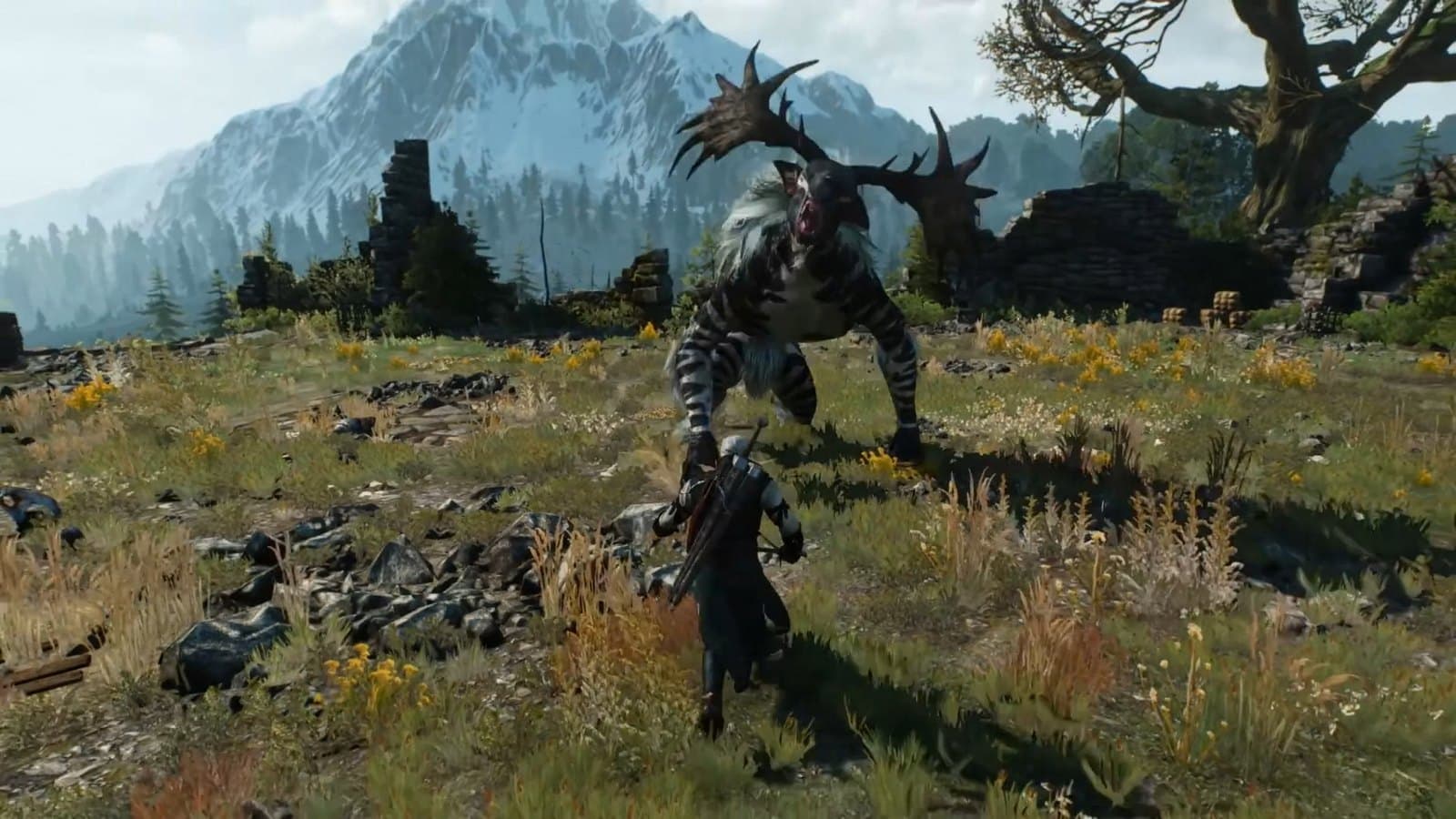
Graveyard Keeper 2 Digs Up a Bigger Town, an Undead Army and a Zombie Problem
Lazy Bear Games and tinyBuild launched Graveyard Keeper 2 on 22 September 2026 for PC and consoles, eight years after the original cult management sim.

On this page
Key takeaways
- Lazy Bear Games and publisher tinyBuild released Graveyard Keeper 2 on 22 September 2026 for PC, PlayStation 4 and 5, Xbox One and Series X|S, Nintendo Switch and Switch 2.
- The sequel costs $24.99, with a launch pre-order discount to $19.99 and in-game bonuses of a character outfit and a sauna.
- It arrives eight years after the original Graveyard Keeper, which launched in 2018 and built a following for its dark humour and pixel art.
- A demo has been live since 14 September 2026, and tinyBuild says its save carries into the full game.
- The sequel expands the loop with a rebuildable town, automated production and an undead army that fights off a zombie apocalypse.
On 22 September 2026, developer Lazy Bear Games and publisher tinyBuild released Graveyard Keeper 2, the sequel to a management sim that turned a 2018 cult hit into a small franchise built on dark humour and a pixel-art graveyard you are meant to profit from. The follow-up lands on PC and every current console, including both Nintendo Switch models, roughly eight years after the original.
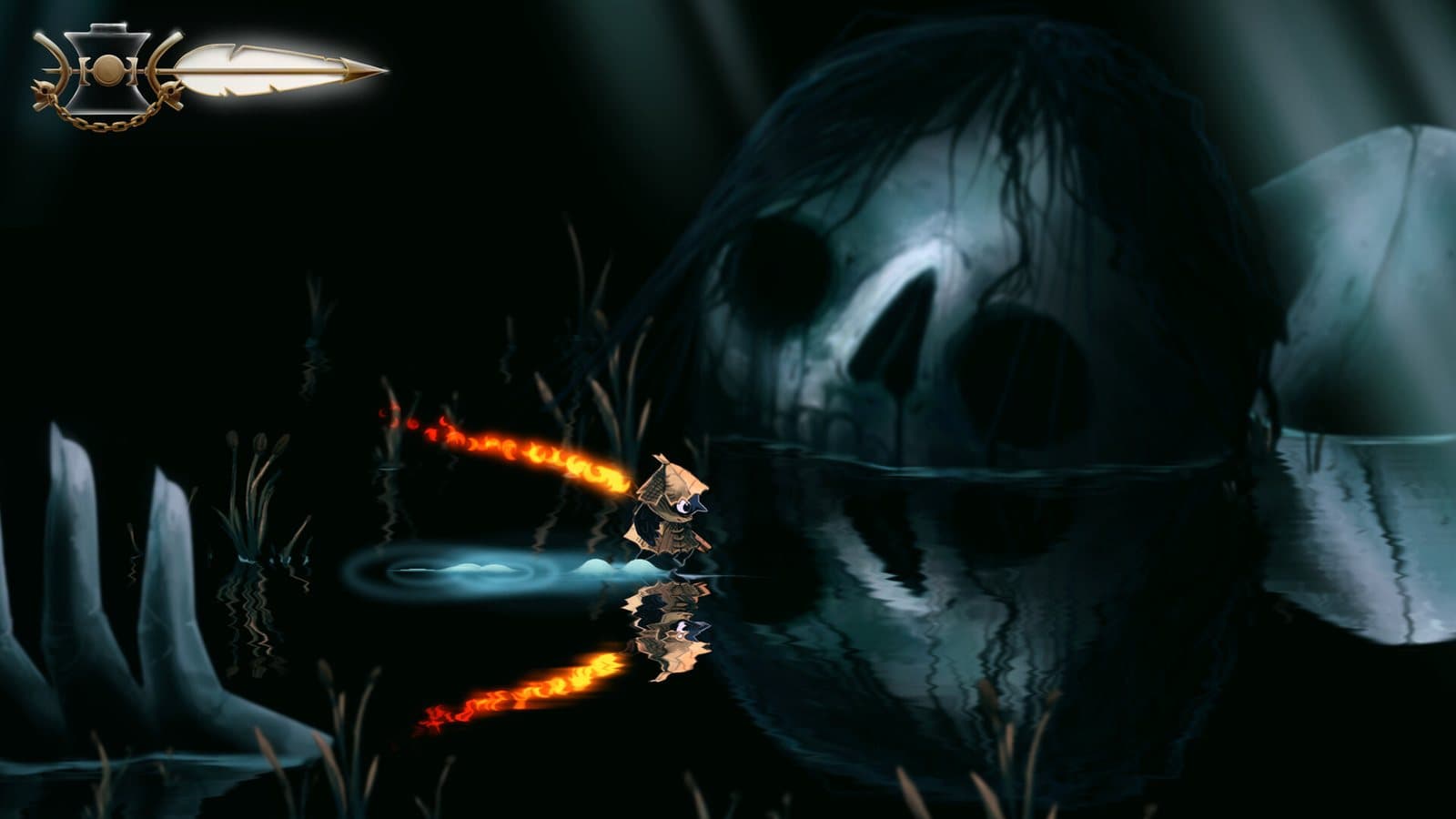
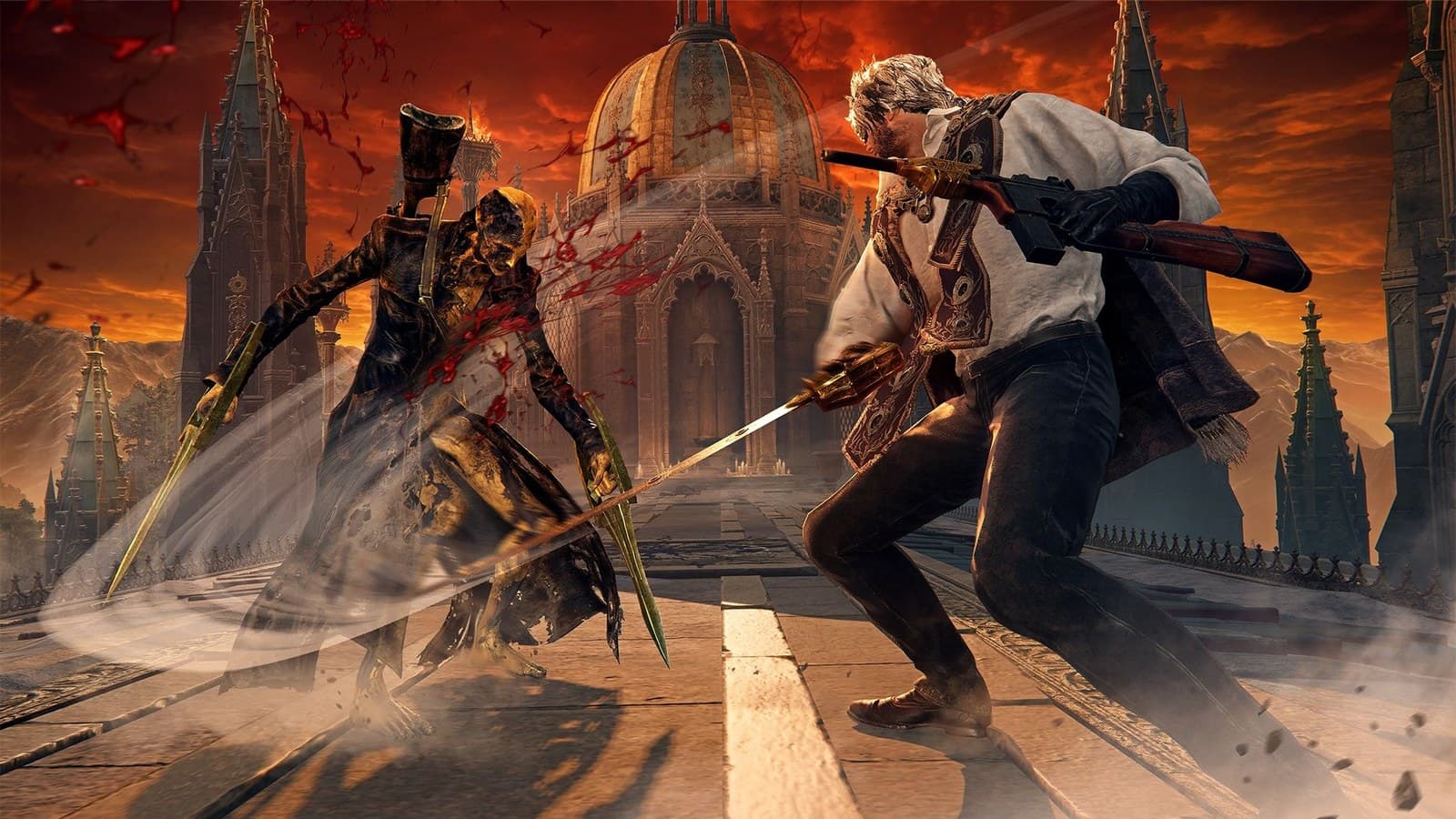
Related reading: Well Dweller Turns a Tiny Bird With a Matchstick Into a Dark Fairy-Tale Hero · FromSoftware Delays The Duskbloods to 2027 to Rebalance Its Rules.
The pitch has grown with the audience. The first game asked players to run a medieval cemetery and make peace with the questionable economics of selling burial plots. The sequel adds a town to rebuild, production lines to automate and, most visibly, an undead army to raise against a zombie apocalypse. tinyBuild announced the release date at the Future Games Show during gamescom 2026 on 26 August.
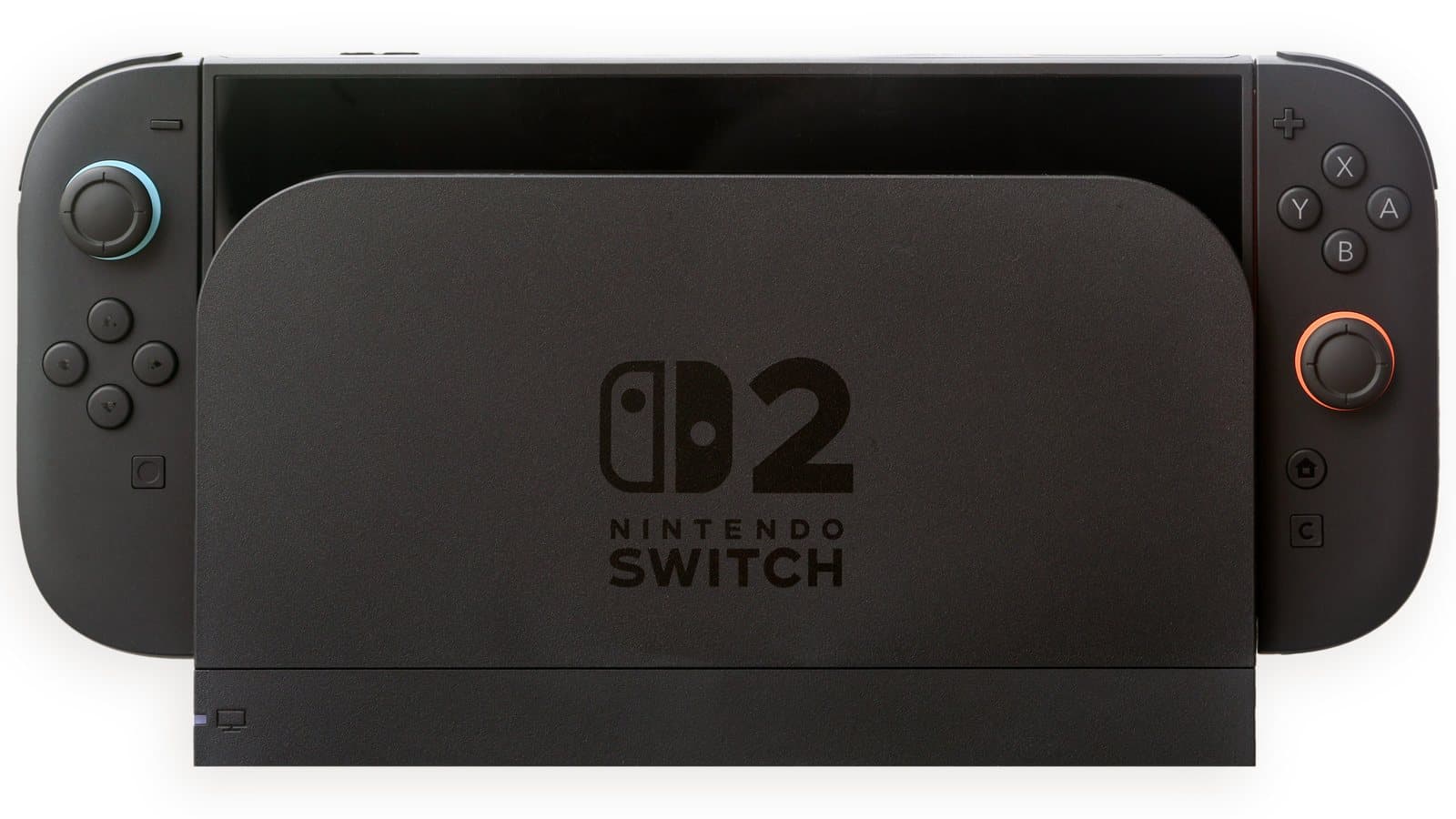
The release is straightforward in commercial terms. The standard edition costs $24.99, with a 20 percent pre-order discount to $19.99 that ran up to launch, and pre-order buyers receive an exclusive character outfit and a sauna for their home. The game shipped on Steam, the Epic Games Store and GOG, and on PlayStation 4 and 5, Xbox One and Xbox Series X|S, Nintendo Switch and Nintendo Switch 2.
From a 2018 sleeper to a sequel with ambition
Lazy Bear Games is an independent studio from Lithuania with a recognisable line in systems-heavy games. Before Graveyard Keeper the studio made Punch Club, a boxing management game, and it later worked on Swag and Sorcery and Bandle Tale: A League of Legends Story. The original Graveyard Keeper built a following by pairing a gentle farming-and-crafting loop with a morbid sense of humour and a world that rewarded players for asking uncomfortable questions about where the bodies came from.
A sequel eight years later is a bet that the appetite for that formula has held. The genre has changed in the meantime. Farming and life sims have become one of the most reliable categories on Steam and Switch, and the audience that once discovered Graveyard Keeper by word of mouth now has far more options. Lazy Bear's answer is scale: a larger world, a new story and more systems layered on top of the old ones.
The studio has been careful to keep the sequel recognisable. The pixel art, the top-down perspective and the dry tone are intact. What changes is the amount of machinery around them.
A town, a production line and an army of the dead
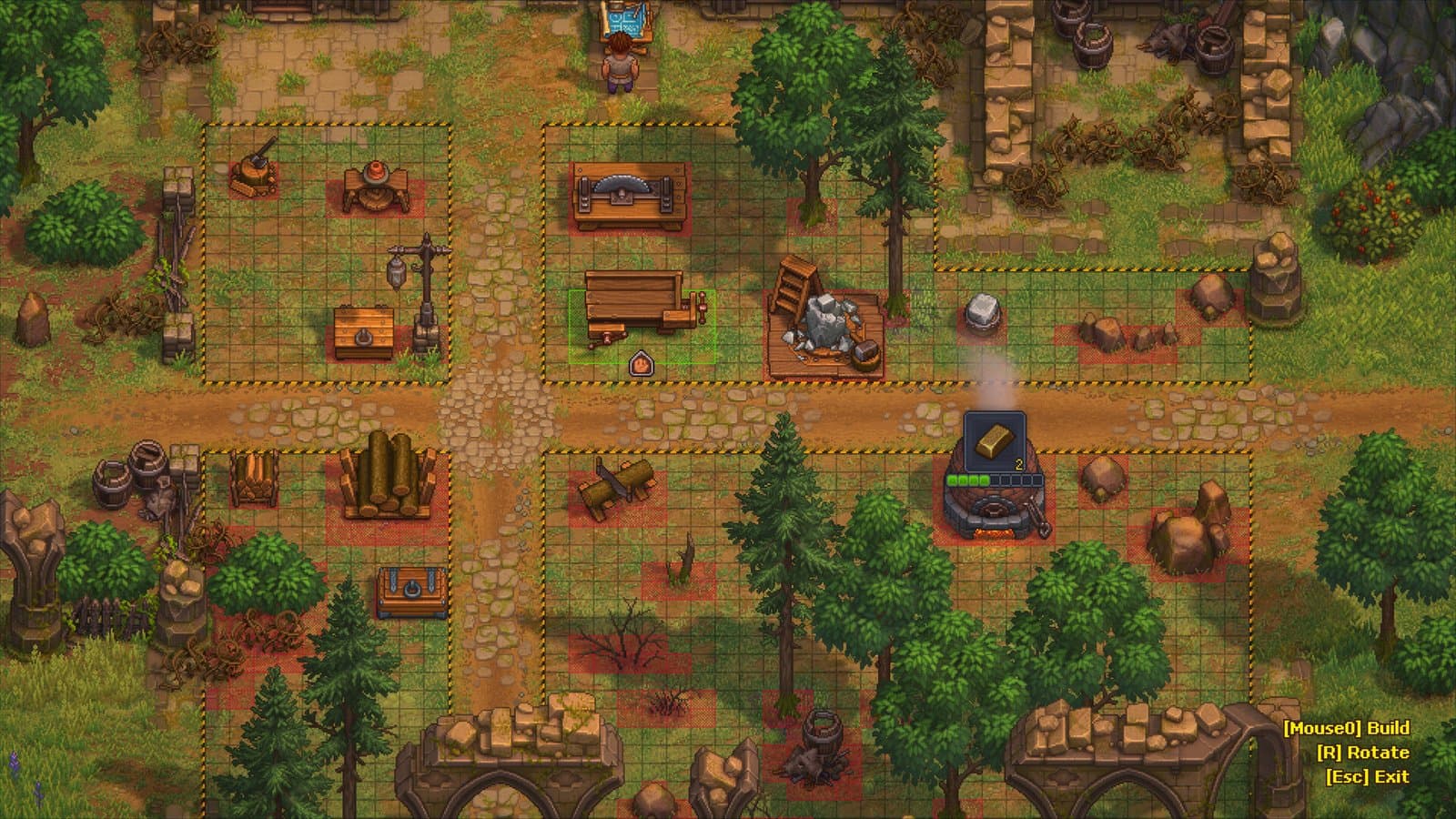
The original loop ran on a single plot. Players managed graves, harvested resources, crafted goods and slowly expanded a graveyard business while dealing with a cast of strange characters. The sequel widens that frame to an entire town, called simply The Town, which players restore after it is wrecked by a zombie horde.
Restoring The Town is the sequel's organising idea. Instead of one graveyard, players rebuild a settlement, which gives the new systems somewhere to live. Automation is the second addition: production can be set up to run with less hands-on input, which matters in a management game whose first entry could become a grind as the operation grew.
The third addition is the most unusual. Players can raise and command an undead army and use it in battle against the zombies pressing on the town. Combat has not traditionally been the centre of Graveyard Keeper, and the game's draw has always been the management layer rather than its fights. Whether the army becomes a genuine second pillar or a side activity will shape how different the sequel feels.
The shape of the sequel: restore The Town, manage the graveyard, automate production, and lead an undead army against the zombie apocalypse. The world is larger and the story is new, while the pixel-art style and dark humour carry over from 2018.
The combination points to a design that wants to keep veteran players busy without losing the loop that brought them in. A management sim can add breadth, but it risks diluting the focus that made the original feel tight. Lazy Bear's decision to keep the graveyard at the centre while adding a town and an army around it reads as an attempt to have both.
Why the timing matters
The launch window is crowded, and the reasoning behind it is worth unpacking. The week of 22 September 2026 also brings Dune: Awakening to consoles and Well Dweller to Game Pass, alongside early access for Control Resonant. A smaller studio could have chosen a quieter date. Lazy Bear and tinyBuild instead put the game into a busy period where storefront front pages are contested on merit rather than inertia.
That is a bet on the game's store page doing the work. A sequel with a known name and a strong wishlist base can launch into a crowded window because the audience is already looking for it. A demo since 14 September, with a save that carries into the full game, is part of the same strategy: it lets curious players test the loop before release and removes the friction of starting over afterward.
A demo, not a preview: the demo that went live on 14 September 2026 carries its save into the full game, so players can start building before launch without losing progress.
Pricing is the other lever. At $24.99 with a launch discount to $19.99, the sequel sits below the $49.99 to $89.99 tiers that big-budget releases now occupy, and in the same band as most successful indie management games. That position protects it from direct comparison with the AAA titles in its release window and matches the price of the first game's later content.
A genre that changed around it
The eight years between the two games span a boom in the kind of game Graveyard Keeper helped popularise. Farming and life sims moved from a niche to one of the most dependable categories on PC and Nintendo hardware, and the audience for calm, systems-heavy games grew well beyond the players who first found the original. That larger audience is the opportunity a sequel is meant to capture.
It is also the challenge. A genre with more entrants has more ways to lose attention, and a game that leans on dark humour has to keep the joke from wearing thin across a longer campaign. Lazy Bear's answer is to widen the scope rather than repeat the original beat for beat, adding a town, an army and automation to a template that worked. The risk is that breadth dilutes the focus that made the first game feel deliberate.
The platform mix reflects that reading of the market. Shipping on both the Switch and the Switch 2, alongside PlayStation, Xbox and PC, puts the sequel in front of handheld players who are a natural fit for a management game built around short sessions. A player who checks on a graveyard during a commute is a different customer from one at a desk, and the sequel's pricing and demo suggest Lazy Bear wants both.
What to watch
The first question is how the new systems wear over time. Automation is welcome in a genre that can turn into repetitive labour, but it also removes some of the hands-on satisfaction. An army adds action to a game that never needed it, and combat is expensive to design well. If either element feels bolted on, the sequel risks the coherence the original had.
The second is platform reach. The original appeared on PC and consoles, but the Switch and Switch 2 versions of the sequel matter because management games suit handheld play. A version that runs cleanly on the smaller screens would open the game to an audience that plays in short sessions, which is the natural rhythm for this kind of title.
There is also a longer pattern to note. A 2018 indie hit that returns in 2026 with a bigger world is following the well-worn path of successful small games: prove the idea, grow the team, then scale the sequel. The risk is that the second game inherits the ambition of the first without its constraints. Graveyard Keeper 2 will be remembered less for how much it added than for whether the additions made the act of building a graveyard better.
For readers tracking release strategy, the launch compresses a familiar set of decisions into one date: whether to meet a crowded window head on, whether a demo can substitute for a marketing budget, and how far a sequel should push beyond the idea that earned it a following in the first place.
Cover: official Graveyard Keeper 2 screenshot, courtesy of Lazy Bear Games and tinyBuild via the game's Steam store page.
Tags
Frequently asked questions
- When did Graveyard Keeper 2 come out?
- Graveyard Keeper 2 launched on 22 September 2026. The release went live at 5pm UTC, which is 1pm US Eastern and 7pm Central European time, according to publisher release timing distributed with the launch.
- What platforms is Graveyard Keeper 2 on?
- It launched on PC through Steam, the Epic Games Store and GOG, plus PlayStation 4, PlayStation 5, Xbox One, Xbox Series X|S, Nintendo Switch and Nintendo Switch 2.
- Does the Graveyard Keeper 2 demo save carry over?
- Yes. A demo has been available since 14 September 2026, and tinyBuild says progress from it carries into the full game on the same account.
- Is Graveyard Keeper 2 on Game Pass?
- No day-one Game Pass release has been announced. The game is sold for $24.99 across PC and consoles, with a limited pre-order price of $19.99.

TPW Editorial
Editorial Team
TechPastWeek's editorial team reports and edits every story we publish. We research each piece against primary and credible secondary sources, and a human editor reviews and signs off before it goes live.