WARDOGS Sells Two Million Copies in Five Days, and Its Studio Says the Quiet Part Out Loud
Bulkhead's 100-player shooter WARDOGS sold two million copies in under five days on Steam, a hit delivered with an unusually blunt stance on crunch.

On this page
WARDOGS, the 100-player tactical shooter from Derby studio Bulkhead and publisher Team17, sold two million copies in less than five days after entering Steam Early Access on September 10, the companies announced on September 15. The game hit an all-time peak of 428,666 concurrent players on September 13, according to SteamDB, making it one of the most-played titles on Valve's platform over the weekend.
Related reading: Modern Warfare 4 Campaign Draws 90% Positive Steam Reviews in Early Access · Triple-i Initiative Packs 40 Indie Announcements Into 45 Minutes.
The trajectory was steep from the start. Bulkhead sold roughly 1.25 million copies in the first 24 hours, per games.gg, with another 750,000 following over the next four days. IGN reported one million copies on day one and 1.25 million by day two, a slightly different split of the same surge. Pre-launch interest had been building for months: the game passed 100,000 wishlists three days after its reveal, 500,000 by May and one million by August.
"Two million in less than five days is completely ridiculous," Bulkhead chief executive Joe Brammer said in the announcement. "We knew there was a huge amount of excitement around WARDOGS going into launch, but nothing really prepares you for seeing this many people actually jump into the game."
To put the number in context, Bulkhead needed to sell 400,000 copies to keep operating. Brammer told The Game Business that 600,000 would have been comfortable and 900,000 would have counted as a runaway success. The game cleared all three before launch, off pre-orders alone.
From near-closure to a Steam hit
The success lands against a bleak year for game studios. On the same day Bulkhead's milestone circulated, Kotaku reported that Heart Machine, the studio behind Hyper Light Drifter, had laid off nearly everyone after a publisher cancelled an unannounced project, and that Build a Rocket Boy was winding down permanently after the failure of MindsEye. WARDOGS is the rare counterexample this month.
Bulkhead's own path is a reminder of how close it came to the other outcome. The studio made Battalion 1944, then spent years inside Square Enix and later Splash Damage and Tencent on a Transformers project that collapsed. Tencent divested last year, leaving the Derby team facing closure before investment from SMG, Hero Capital and Everplay, Team17's parent company, kept it alive. Brammer told staff in December that everyone was at risk of redundancy and that anyone with another offer should take it. He has since said the team stayed.
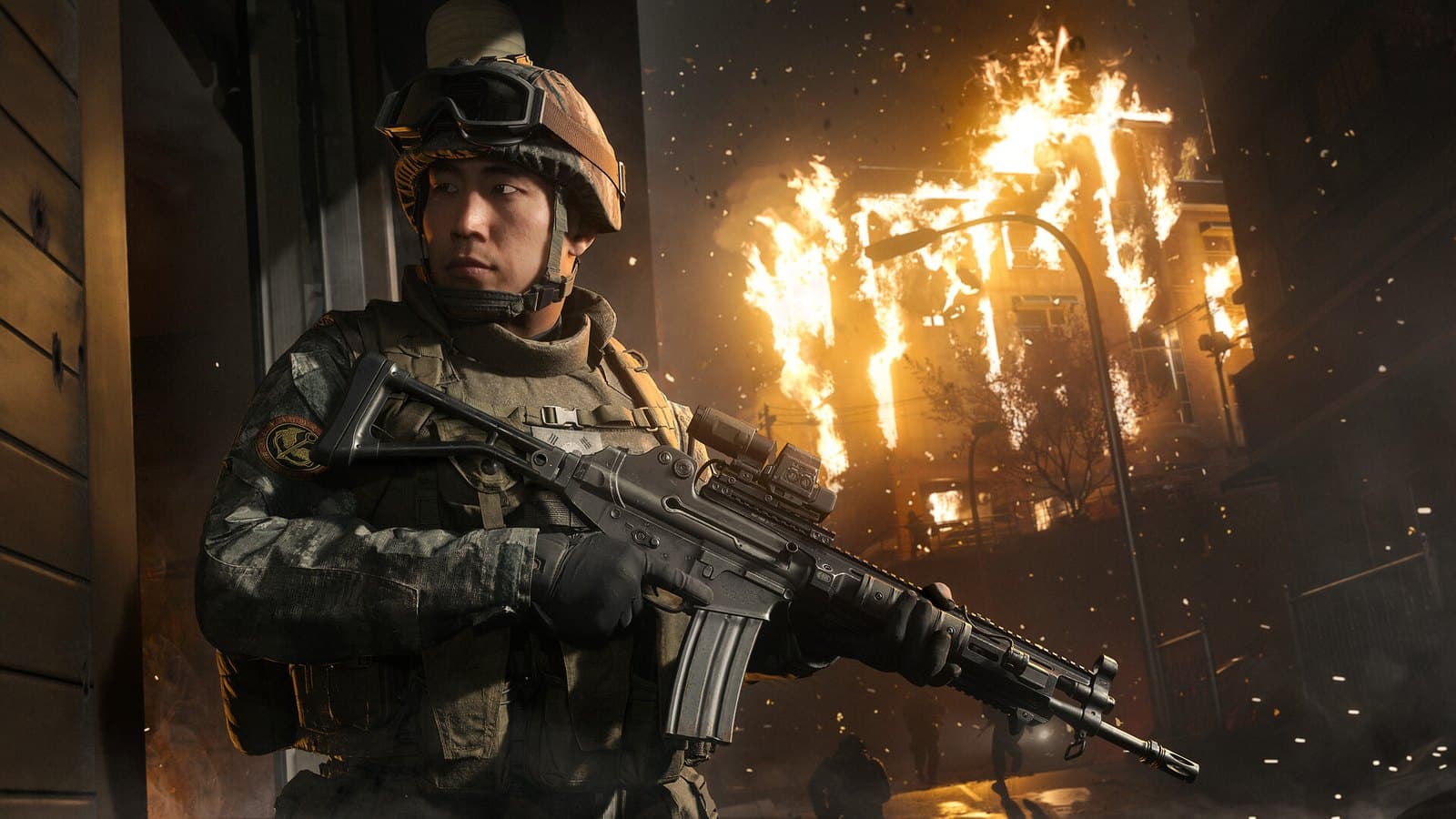
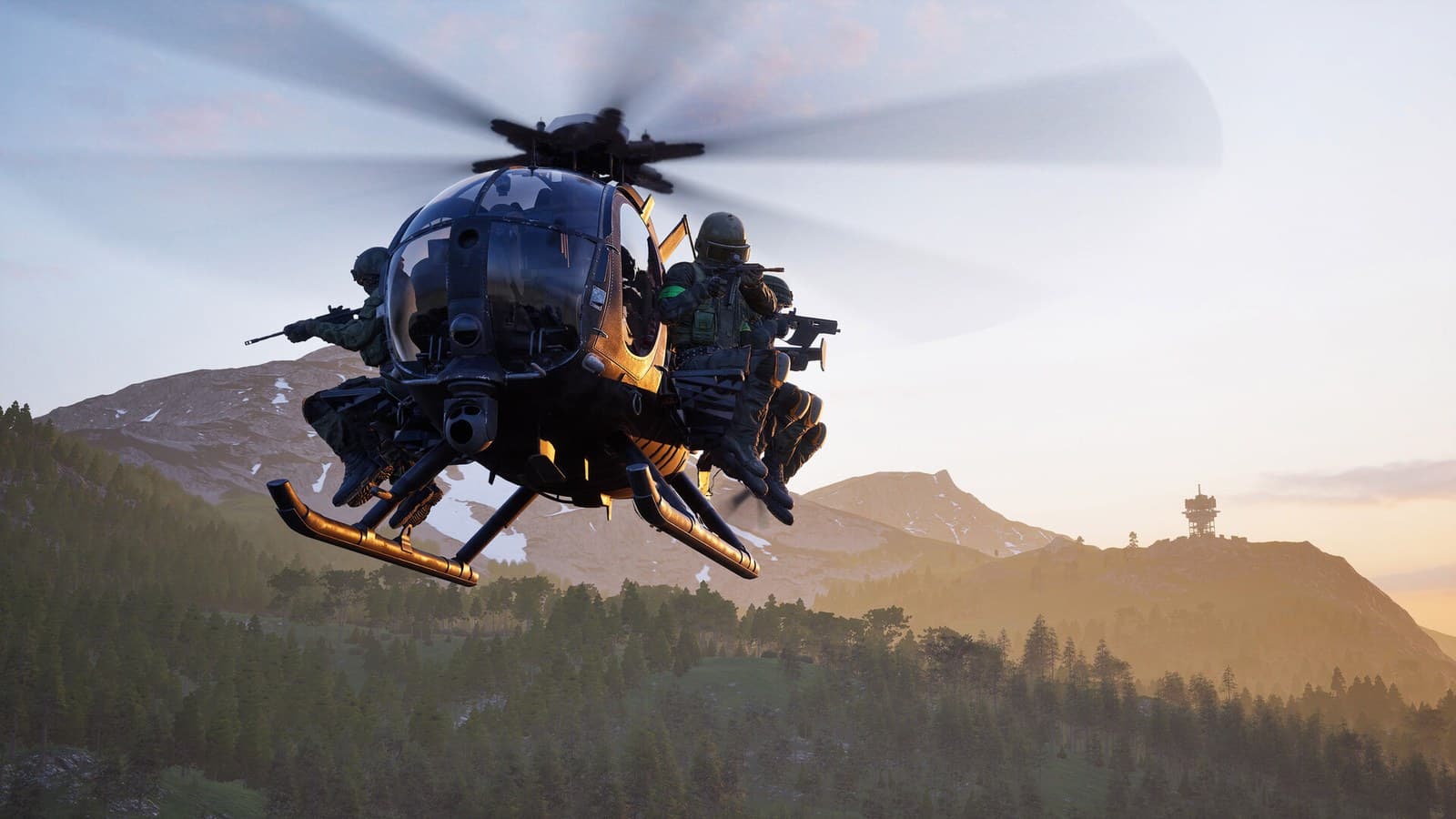
The game itself is a 100-player, three-team fight over a randomised control zone on a 256-square-kilometre map, with destruction and building mechanics. It is the kind of large-scale sandbox that usually demands a big-budget studio, and the opening weekend statistics reflect the chaos: between the evening of September 10 and the early hours of September 14, players recorded 122 million kills, 86.1 million headshots, 60.7 million revives and 188.9 billion experience points, according to the studio.
The crunch comments
The commercial story comes with an uncomfortable one. In the same interview, Brammer said he does not believe in remote work for game development, expects staff to crunch, and screens applicants' social media to filter out people who consistently post anti-crunch views, telling them they will not be happy at the studio. He also said that for the past three months, WARDOGS had been more important than a lot of his team's family lives, and that the balance now needs to swing back, which is why the console version will not ship before 2028.
That candour is unusual, and so is the studio's approach to saying it out loud. Brammer's argument is that clarity and transparency are different things, and that employees should know what a leader stands for. Critics see a studio normalising the conditions that the industry's layoff wave has made more dangerous, where the threat of closure becomes a reason to accept unsustainable hours.
The transparency record
Bulkhead has a reputation for unusual openness. It published a "10 Reasons NOT to Buy WARDOGS" video before launch, encouraged refunds during launch server problems, and has committed not to monetise the game while it is in Early Access. The studio is also running a $100,000 clip contest, with submissions due October 8 and winners announced October 15. The best clip takes $100,000 in cash, and the rest of the top 100 receive in-game currency.
An Early Access hit that still has to prove itself
The sales number is a launch story, not a finished product. WARDOGS is one to two years from a full release by Bulkhead's own estimate, with consoles dated to 2028 and a price increase expected when Early Access ends. The public roadmap promises more maps, vehicles, weapons, deeper progression and a seasonal meta. Its first weekend is now a marketing asset; the next twelve months are the actual test.
The comparison that matters is not to the first five days but to the months after. Live-service shooters that spike and fade are common, and the difference between a hit and a habit is retention. SteamDB's 428,666 concurrent peak is roughly the size of the game's launch window; the number to watch is where it settles after the curiosity and the streamer traffic move on. The opening weekend also exposed the studio's operational limits, as a small team absorbed a player base far beyond anything Battalion 1944 prepared it for.
There is a commercial argument that Bulkhead's unusual positioning, the criticism of cover shooters, the refund encouragement, the no-monetisation pledge, is itself part of the product's appeal to a PC audience tired of aggressive monetisation. The crunch comments complicate that pitch, because the same audience that rewards candour about pricing is often the one that punishes candour about labour.
Why this particular shooter landed
WARDOGS is not a modest indie project that overperformed by a few multiples. It is a 100-player, three-team shooter with building and destruction mechanics, set on a 256-square-kilometre map where a randomised control zone decides where each match is fought. That combination usually belongs to studios with far more resources, and Bulkhead's ability to ship it at a $39.99 price point in Early Access is a large part of the appeal.
The wishlist curve shows how the audience formed. The game passed 100,000 wishlists three days after its reveal, 500,000 by May and one million by August, and a closed beta drew nearly half a million players. The final pre-launch test peaked at 245,118 concurrent players on Steam, which gave the studio a rehearsal for the launch-week load. Steam's discovery system rewards that kind of momentum, and a wishlist base that size converts on day one in a way that paid marketing rarely matches.
Third-party estimates put the Steam version ahead of Arc Raiders and Helldivers 2 at the equivalent point in their early windows, with revenue in the tens of millions, though those figures come from outside the studio and should be treated as estimates rather than disclosures. Bulkhead's own number is the two million copies it has announced.
Early Access as a business model
The launch also illustrates what Early Access has become for studios without a large publisher bankrolling them. It provides revenue during development, a large testing population, and a marketing engine that runs on streamers and community clips rather than advertising spend. The trade-off is a public development process where a bad patch or a broken server weekend is visible to hundreds of thousands of players at once. Bulkhead encouraged refunds during the launch server problems, which is an unusual move and a signal that it would rather absorb short-term revenue loss than earn a reputation for selling a broken product.
The studio has also committed not to monetise the game during Early Access, which limits near-term income at the moment it is most able to generate it. Bulkhead's plan is to sell the finished version at a higher price once the game leaves Early Access, which means the current two million buyers are effectively funding a roadmap they will eventually receive for free. The $100,000 clip contest, with a $100,000 cash prize for the best community clip, is a marketing cost aimed at keeping that community producing material through the slower months that follow a launch.
The risk in that model is duration. Early Access has no deadline it must meet, and a game can linger indefinitely if the roadmap slips. Bulkhead says it expects the game to leave Early Access within one to two years and insists it does not want a long stay, but the console version is already dated to 2028, and the two-year window is the studio's own target rather than a commitment. The pressure to keep shipping content is what turns a successful launch into a live-service business, and it is also what makes the crunch comments uncomfortable. Bulkhead has said publicly that the pace it just ran for three months is the thing it now needs to reduce.
What to watch
Three things will define whether WARDOGS becomes a durable franchise. The first is player retention through the next few months, and whether the roadmap arrives on anything close to schedule. The second is how Bulkhead handles the labour conversation it has invited. A studio that tells applicants it expects crunch has made a choice it cannot later deny. The third is the console launch in 2028, which will test whether the game's scale and destruction translate to closed platforms and a much larger audience.
For now, the most striking fact is simpler. A Derby studio that nearly closed last year sold two million copies of an unfinished game in under a week, while two other well-known teams announced their end on the same day. Both things are true of the industry at the moment, and WARDOGS is not a rebuttal to the layoffs so much as a reminder of how thin the margin is between them.
Tags

TPW Editorial
Editorial Team
TechPastWeek's editorial team reports and edits every story we publish. We research each piece against primary and credible secondary sources, and a human editor reviews and signs off before it goes live.