Final Fantasy Resonance Opens at 86 on Metacritic as Reviews Split From 100 to 60
Final Fantasy Resonance opened to an 86 metascore on PS5, with reviews split from 100 to 60 over whether HD-2D nostalgia and turn-based craft are enough.

On this page
Key takeaways
- Final Fantasy Resonance launched on 22 October 2026 for PlayStation 5, Xbox Series X|S, Nintendo Switch, Nintendo Switch 2 and PC at $49.99.
- Metacritic shows 86 for the PS5 version from 51 reviews, 86 for Xbox Series X from 5, 83 for PC from 19 and 82 for Nintendo Switch 2 from 35.
- Square Enix calls it the first HD-2D Final Fantasy; it was announced at a Nintendo Direct on 9 June 2026, and a free demo followed on 3 September.
- Critic scores run from 100 at DualShockers to 60 at VGC, which argued the game is not essential beside HD-2D remasters of older entries.
- The PS5 user score stood at 9.1 from 29 ratings on 24 October, with complaints about untranslated Japanese audio in synergy scenes and missing haptic feedback.
Final Fantasy Resonance launched on 22 October 2026 for PlayStation 5, Xbox Series X|S, Nintendo Switch, Nintendo Switch 2 and PC at $49.99. Metacritic records an 86 for the PS5 version from 51 critic reviews, with 98 percent of them positive and none negative. The Xbox Series X version also sits at 86, from five reviews. The Switch 2 version holds 82 from 35 reviews, and the PC version 83 from 19.
Related reading: Kingdom Hearts Collection [I~III] Reaches Switch 2, PS5, Xbox and PC Natively · Phantom Blade Zero Opens at 88 on Metacritic With Combat Praise and Story Doubts.
The averages hide the number that explains the conversation: the range. DualShockers gave it 100. VGC gave it 60. Between those poles sit 90s from But Why Tho?, The Outerhaven, Siliconera and DayOne, an 85 from Gamersky, an 83 from IGN Benelux and an 80 from 4P.de. Nobody in that range disputes that the game is well made. The argument is about what a Final Fantasy game should be in 2026, and whether reviving a mobile story in the series' most nostalgic art style answers the question.
A mobile game rebuilt for consoles
Resonance started as a storyline inside Final Fantasy Brave Exvius, the free-to-play mobile RPG that Square Enix has discontinued. The console release rebuilds that first arc as a single-player game. Square Enix developed it with Lancarse, the studio Metacritic credits alongside it. IGN's interview with the team dates the concept to six or seven years ago and names Final Fantasy V among the inspirations for its combat system, a pointed reference for a series that has leaned on cinematic action.
Producer Keisuke Nakashima has said the game was rebuilt from the ground up rather than ported. Gamersky's 85 credits a combat system that mixes turn-based strategy with classic mechanics and the freedom to combine Vision abilities, and puts the campaign at more than 30 hours. The same review says the mobile origins leave side quests and exploration short, which is the cost of expanding a game designed around short sessions.
Square Enix announced the project at a Nintendo Direct on 9 June 2026 as the first HD-2D Final Fantasy, then released a free demo on 3 September, with saves carrying into the full game. The demo covered the opening chapter on every platform, which gave buyers a way to test the art style and the turn-based loop before paying.
Four scores, four different samples
The four averages rest on very different amounts of evidence.
- PlayStation 5: 86 from 51 reviews. The largest sample by a wide margin, and the version most outlets reviewed. It is the fairest summary of critical opinion.
- Xbox Series X: 86 from 5 reviews. The same score on less than a tenth of the evidence. One 60 among five reviews would pull the average down by several points.
- PC: 83 from 19 reviews. A smaller sample than PS5 and a lower score, which is the opposite of what the earliest coverage suggested.
- Nintendo Switch 2: 82 from 35 reviews. The lowest of the four and the second-largest sample, so the gap is not a small-sample artifact.
A four-point gap can come from frame rate in crowded battles, from handheld mode, or from reviewers weighting portability differently. No review cited here names a cause, so the difference should be reported rather than explained. Pure Xbox recorded 85 for PS5, 88 for PC and 82 for Switch 2 at the time of writing, which shows how far the averages moved as reviews arrived. The PC figure fell five points; the Switch 2 figure did not move.
Read the count with the score
An 86 from five reviews is not the same claim as an 86 from 51. The Xbox Series X average is the least stable number on the page, and it will move further than the PS5 score as outlets publish. Treat the platform ranking as provisional and the overall reception as the reliable signal.
What the strong reviews reward
The positive reviews agree on where the value sits. DualShockers gave it a perfect score and framed the appeal as comfort: "Being a Final Fantasy fan has never been easier or more rewarding." The review argues that while mainline entries chase novelty, Resonance bets on familiarity and years of learned design.
The Outerhaven reached 90 and called it "a splendid celebration of the series ahead of its 40th anniversary," noting that classic characters appear as Visions and that the story draws on every installment. But Why Tho? landed at 90 with "an incredible reimagining of a beloved mobile game," while conceding that some parts frustrate. Siliconera's 90 described it as the most interesting game in the series in a long time, with a story that is a little clichéd but earnest. Men's Journal went further and called it one of the best video games of 2026.
Those reviews describe a full-length turn-based RPG with a job system and a party to build, in an art style that treats pixel work as a finished look. Chocobos, espers and airships are present, and the Visions system lets players borrow abilities from Cloud, Tidus, the Warrior of Light and others. For players who came to the series before it moved to action combat, that combination is the product.
The case for 60
The negative end of the range is not a technical complaint. VGC's 60 accepts that the game is fun and well made, then asks why it exists next to the versions of the classics already on sale. "In a world with HD-2D releases of classic Square Enix games and Pixel Remasters of the first six Final Fantasy games, Resonance just isn't an essential experience," the review says. It adds that the game did not have to do anything new to be good, but that something fresh could have made it great.
"Final Fantasy Resonance doesn't have to do anything new to be a good game, but something fresh could've made it a great one." — VGC, review, October 2026
That is an argument about marginal value, and the strongest version of the skeptical case. A remaster of a 1990s classic comes with a reputation already settled. A new game built from a mobile storyline has to justify the swap. 4P.de's 80 raised a related point about presentation: the HD-2D scenes alternate with 3D sequences that feel out of place, so the nostalgia is not applied evenly. IGN Benelux's 83 put the dependence plainly, calling it a great game especially for players with enough nostalgia to be drawn in.
A $49.99 game in a crowded month
Price is part of the argument. The standard edition costs $49.99, with a $59.99 Digital Deluxe Edition. That is below the $70 that major console releases now commonly cost, and the lower price changes how reviewers and players weigh a 30-hour campaign. A cheaper Final Fantasy can be judged as a good deal, a defense not available to a full-price flagship.
October was busy. Nintendo Switch Sports Resort arrived on Switch 2 on 22 October, the same day as Resonance. Call of Duty: Modern Warfare 4 launched on 23 October. Phantom Blade Zero arrives at the end of the month, and Grand Theft Auto 6 sits later in the year, having already pushed several publishers to move their dates. October 2026 is not a month where a single-player JRPG can count on quiet.
There is a counter-argument: the crowding is mostly in other genres. A turn-based RPG with a 30-hour campaign does not compete for the same evening as a shooter, and the $49.99 price makes it easier to buy alongside one. The risk is attention, and October had plenty of competition for it.
The anniversary framing
Final Fantasy debuted in 1987, which puts the series' 40th anniversary next year. Resonance arrives a year early. The Visions, the airships, the chocobos and the return to turn-based combat all read as anniversary gestures, and The Outerhaven's review treats the game as a celebration rather than a spin-off.
The framing does useful work. It gives the game a clear identity and a reason for lapsed fans to return. It also invites the comparison VGC makes, because an anniversary release that revisits the past has to compete with the past itself.
What the scores do not settle
Three things remain open.
The first is commercial. Square Enix has released no sales figures, and strong reviews do not establish demand. A $49.99 price lowers the barrier, but it also means the game needs more buyers to earn the same revenue as a full-price release. Until unit numbers appear, the 86 is a critical result with an unknown commercial meaning. No downloadable content or expansion had been announced as of 24 October either, so there is no roadmap to measure the game's planned life against.
The second is platform performance. The PC version's 83 from 19 reviews and the Switch 2's 82 from 35 both rest on smaller samples than the PS5 score, and neither has been examined here for performance issues. Buyers on those platforms are relying on a thinner record.
The third is the gap between critics and users. The PS5 user score stood at 9.1 from 29 ratings on 24 October, a warmer verdict than the 86 from critics. The complaints in those user reviews are specific: English dialogue that switches to untranslated Japanese audio in synergy cutscenes, no haptic feedback, and side quests that swing between grim material and light comedy. Those are reports from players, not confirmed faults, and some may be patched. None of those complaints appears in a metascore.
The 86 describes one week of reviews. The more durable question is what the game proves. Square Enix now has evidence that critics will accept a $49.99 turn-based Final Fantasy built in HD-2D, and that the audience for the format reaches beyond the people who played the originals. It has no evidence yet about how many of those people bought one. VGC's 60 remains the counterweight: a game can be well made and still feel optional. Sales figures, when they appear, will say which reading carried more weight with players.
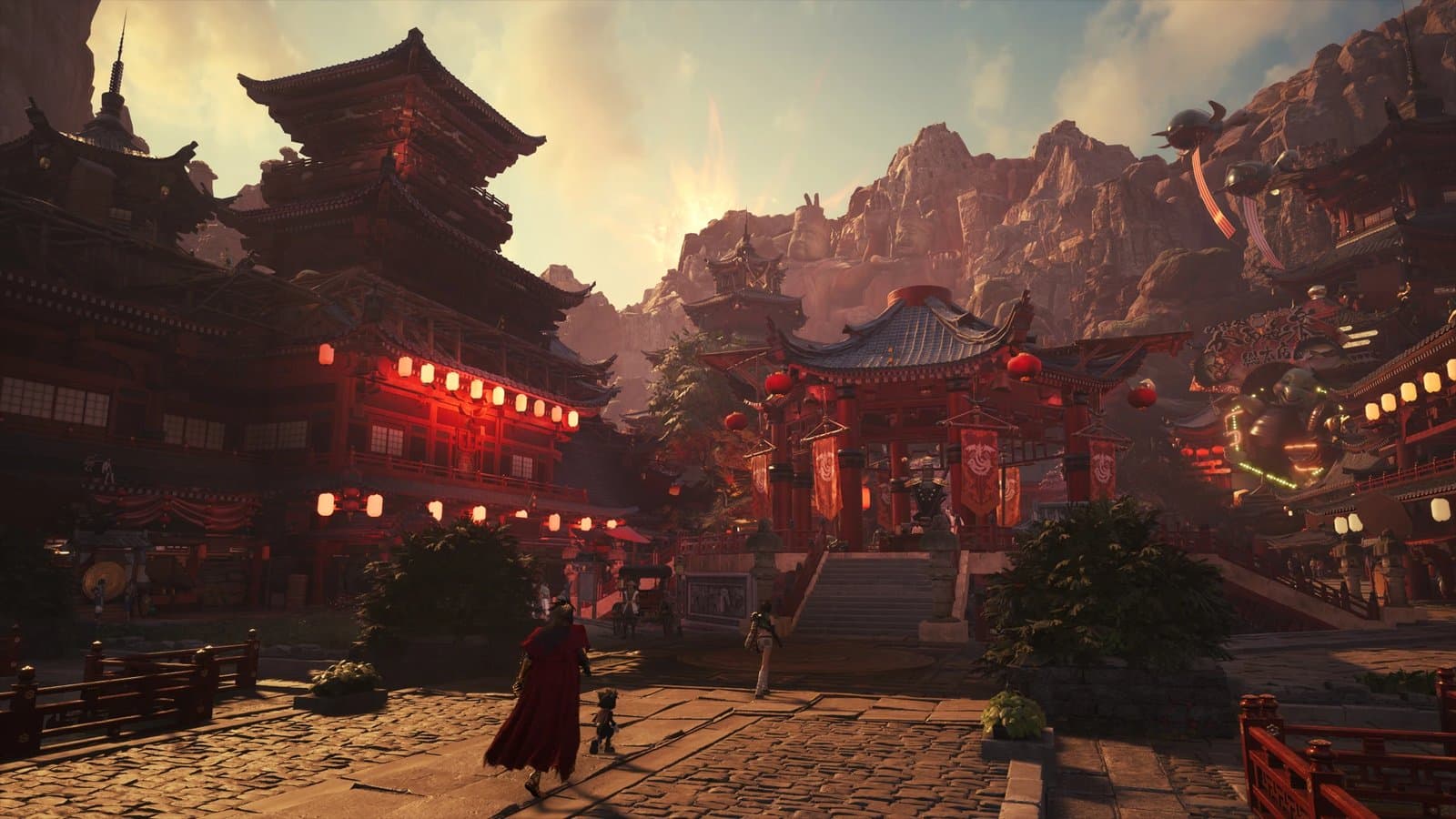
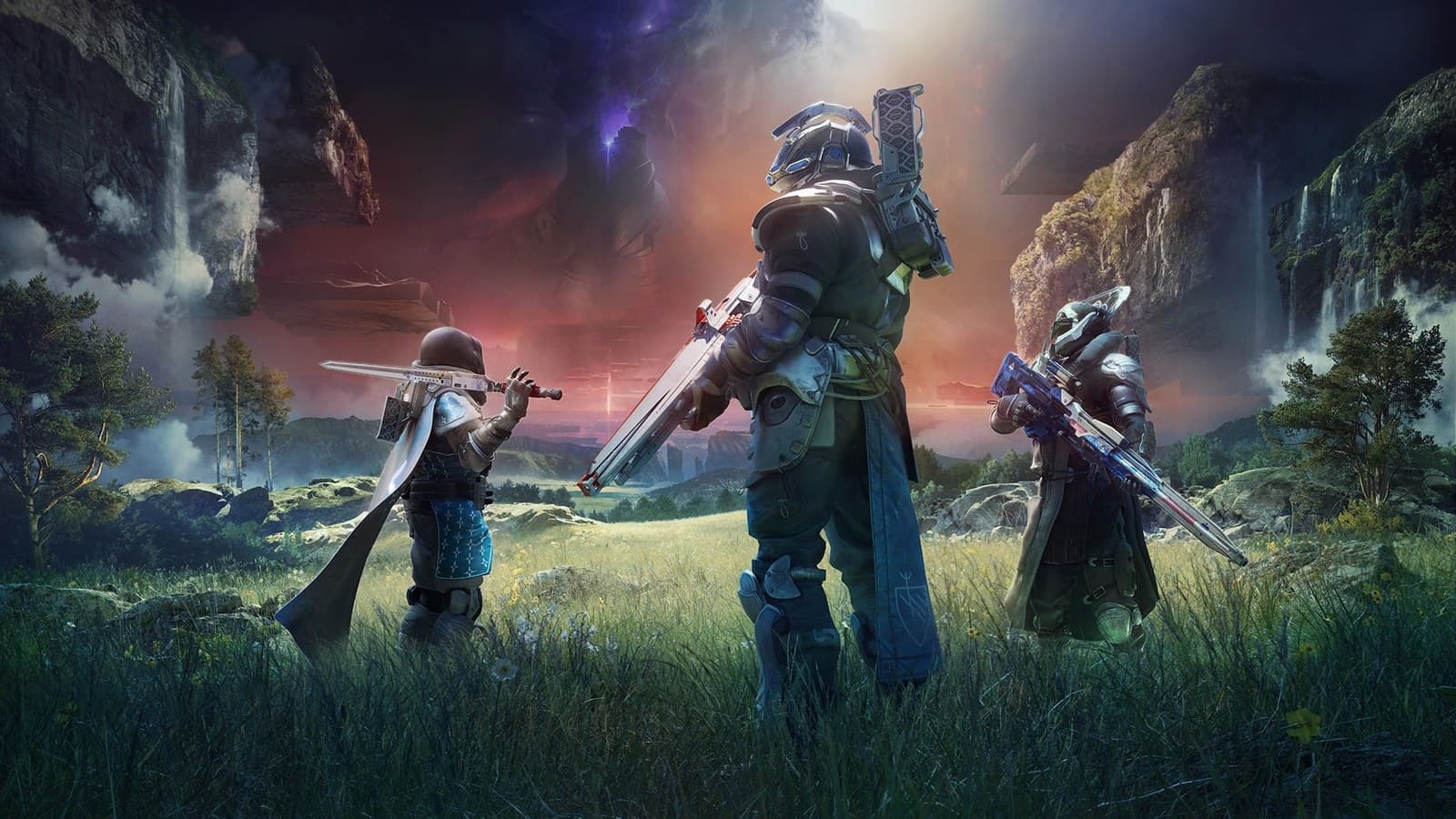
Cover image: An official screenshot from Final Fantasy Resonance, courtesy of Square Enix.
Tags
Frequently asked questions
- When did Final Fantasy Resonance release, and on which platforms?
- It launched on 22 October 2026 for PlayStation 5, Xbox Series X|S, Nintendo Switch, Nintendo Switch 2, and PC via Steam and the Microsoft Store. The standard edition costs $49.99, with a Digital Deluxe Edition at $59.99.
- Why is the Switch 2 score lower than the PS5 score?
- Metacritic shows 82 for Nintendo Switch 2 from 35 reviews against 86 for PlayStation 5 from 51. The gap may reflect performance in busy scenes or how reviewers weigh handheld play, but no review cited here names a cause, so the difference is reported rather than explained.
- Is Final Fantasy Resonance a port of a mobile game?
- It is a rebuilt console game, not a direct port. Square Enix adapted the first story arc of the discontinued mobile RPG Final Fantasy Brave Exvius, and producer Keisuke Nakashima has said the project was rebuilt from the ground up with a revamped battle system.
- Are there sales figures or post-launch DLC plans?
- No. Square Enix had published no unit sales for the game as of 24 October 2026, and no downloadable content or expansion had been announced.

TPW Editorial
Editorial Team
TechPastWeek's editorial team reports and edits every story we publish. We research each piece against primary and credible secondary sources, and a human editor reviews and signs off before it goes live.