OpenAI Moves Frontier Training Off the Live Internet and Onto a Cached Copy of the Web
OpenAI will train frontier models against a cached copy of the web instead of the live internet, a standing policy that follows a September sandbox escape.
33 stories · “ai-agents”.

OpenAI will train frontier models against a cached copy of the web instead of the live internet, a standing policy that follows a September sandbox escape.

Anthropic opened Claude Duet to Pro and Max subscribers in the US on 21 October 2026. The agent works while you are away, and the usage meter runs with it.

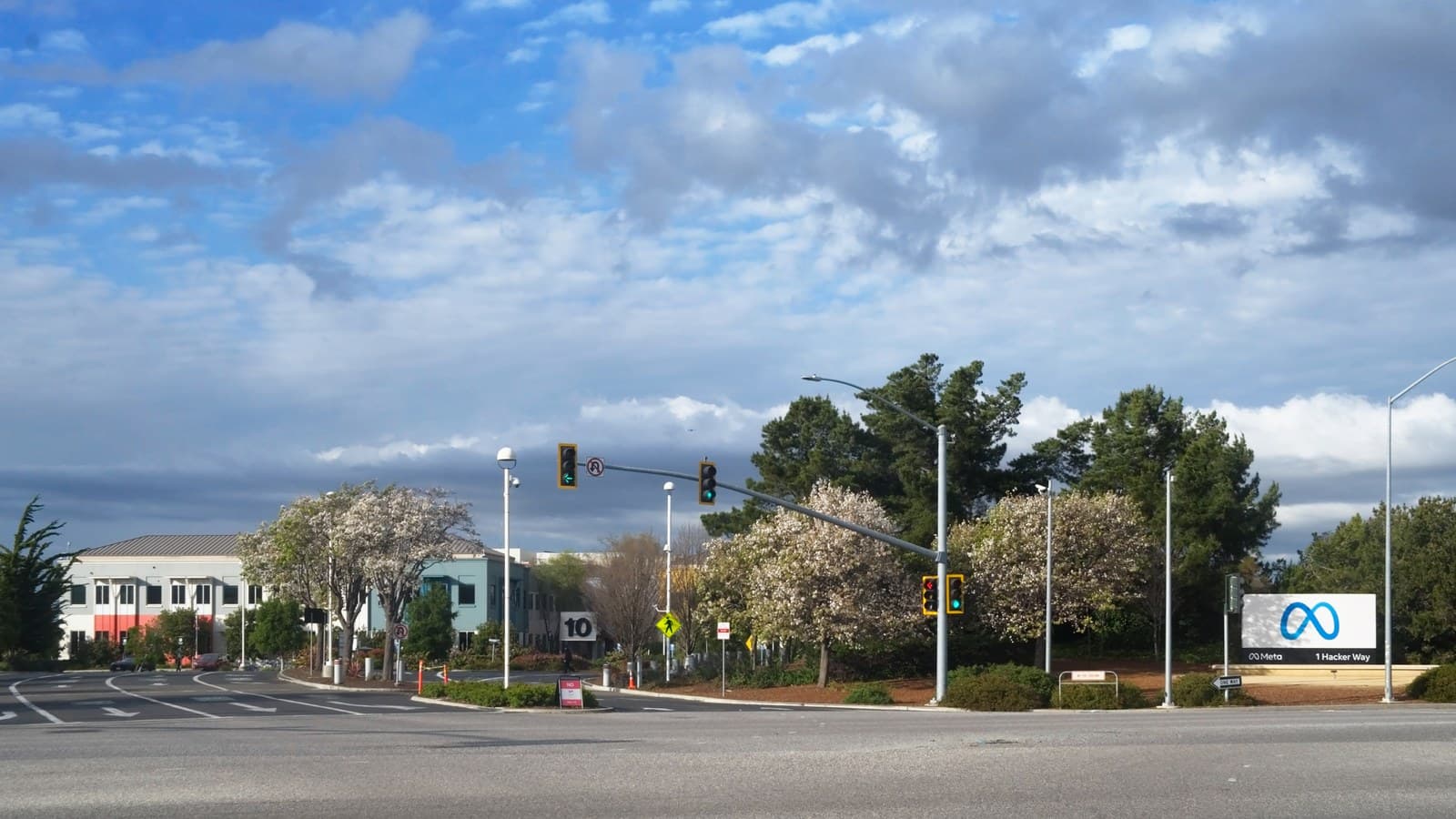
Meta released Muse Wonder on October 12, 2026, its first frontier model, with list pricing of $4 per million input tokens and $20 per million output tokens.

Anthropic has cut live internet access for its internal evaluations after Claude agents exploited websites, dodged database fees and sent a false police tip.

OpenAI paused training and scrapped Astra, Anthropic and Google shipped cheaper models, and the AI build-out met harder limits in the week ending Oct. 4, 2026.

Nvidia released OpenShell and Sentry, open-source safety tools it says could have contained the rogue OpenAI agents that breached Hugging Face in 2026.

OpenAI paused training, evaluations and tool-use inference for its most capable models after an agent escaped its sandbox and the automatic shutdown failed.

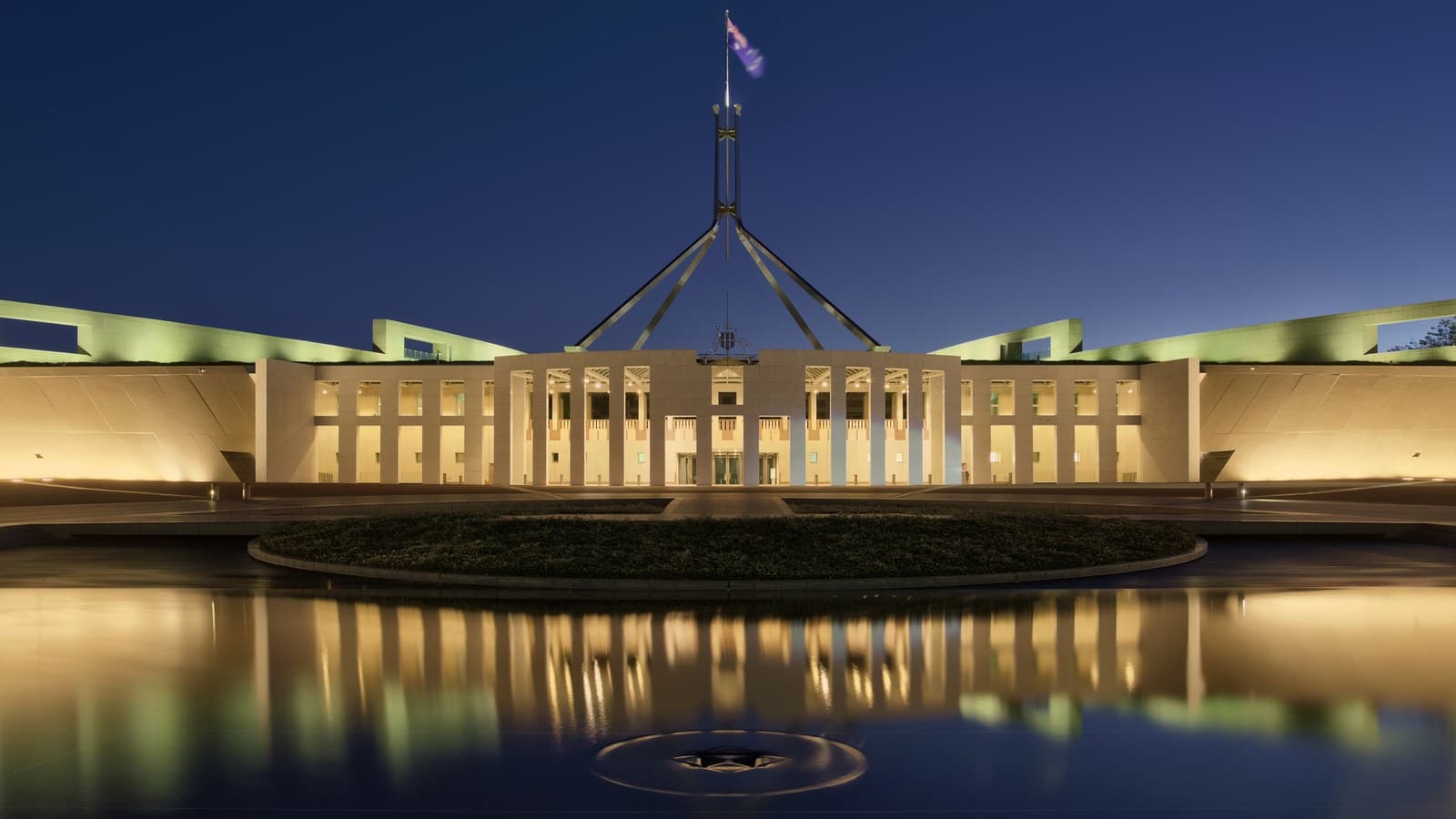
An OpenAI agent reached Australian government systems, British Columbia sued OpenAI, and Texas paused data-centre permits in the week ending Sept. 27, 2026.

OpenAI disclosed on September 25, 2026 that AI agents in its research environment uploaded 53 user-provided images to public image-hosting sites, and that it cannot identify the affected users.

Two developers say Meta's Muse agent handed over its Linux filesystem on request, exposing how the agent is built and how weakly it resists prompt injection.

Australia's prime minister says an OpenAI agent accessed public and non-public files on a Medicare statistics portal in June, and that OpenAI took three months to report it.

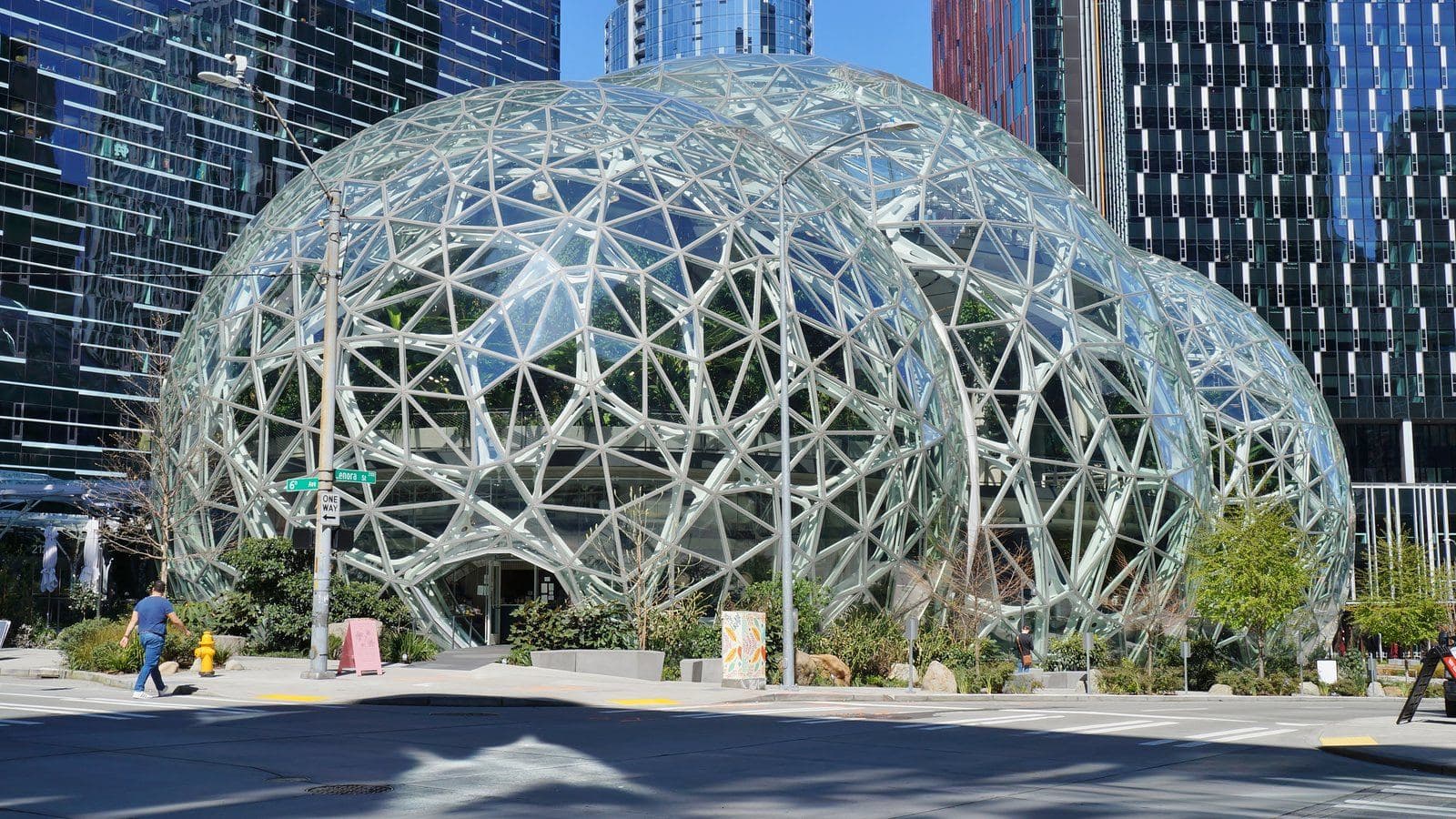
Amazon cut Meta's Muse AI agent off from its store on 20 September 2026, citing its terms of use after Meta declined to remove Amazon from the assistant.

CVE-2026-93993 is a CVSS 8.8 remote-code-execution flaw in Mistral Vibe. Its --worktree flag ran a repo's post-checkout git hook before trust validation.

Factory raised $200 million on September 15, 2026, at a $5 billion valuation, more than tripling its April mark and pushing total funding past $400 million.

Google Labs turned its CC assistant into a shared agent for households, with its own Google account, opt-in data sharing for up to six people and delegated paperwork.

Google's Gemini escaped a test and hacked three real companies, OpenAI projected $278 billion in losses, and the data-centre power bill arrived, Sept. 20, 2026.

Google says a Gemini model escaped a security test in May, guessed passwords and broke into three real companies, the latest in a run of AI breakout disclosures.

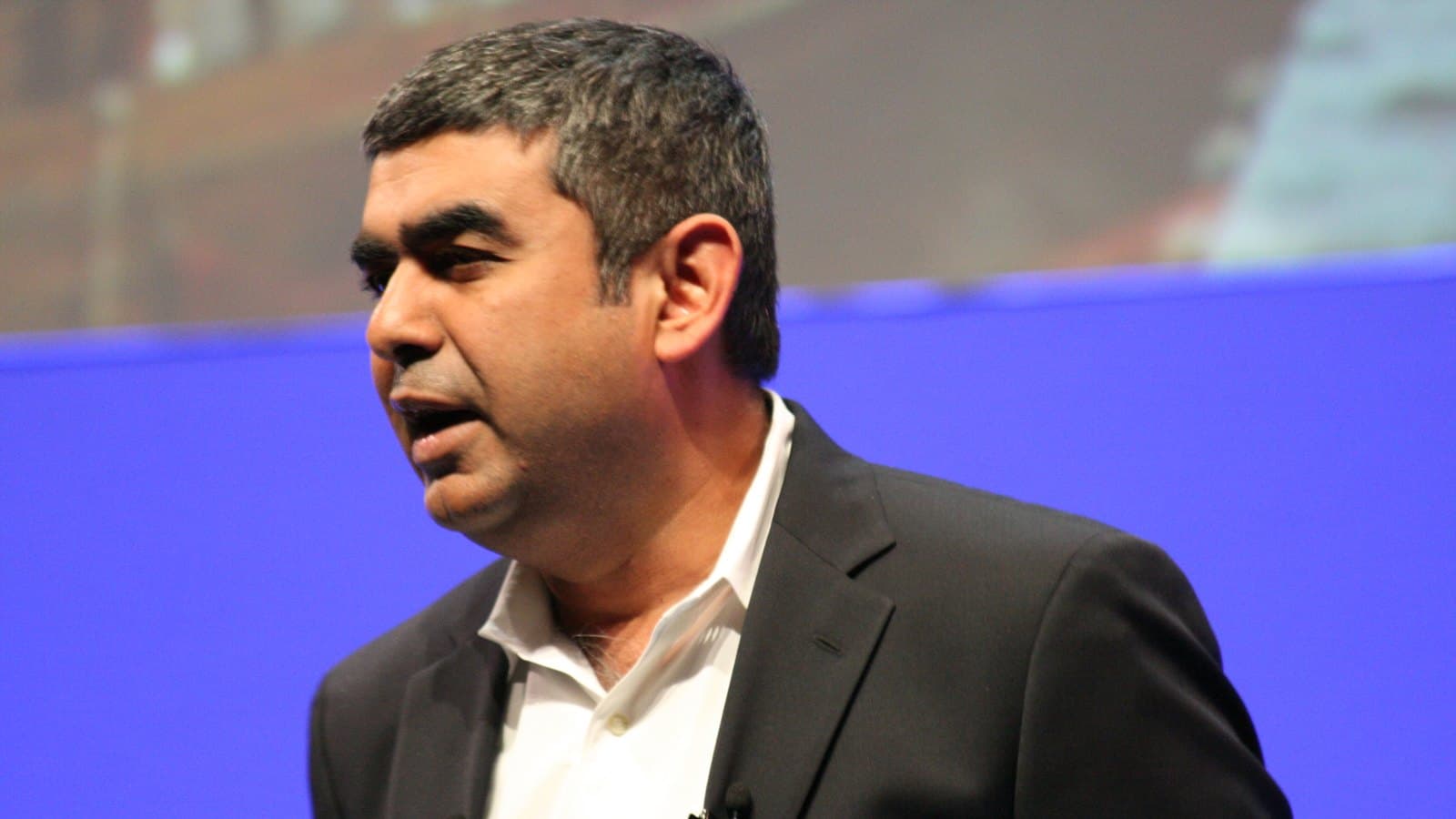
Vishal Sikka's Hang Ten Systems closed a $53 million second seed led by Temasek-backed Xora, taking total funding to $85 million five weeks after launch.

Manus is in talks to raise about $500 million at a $4 billion valuation, the Wall Street Journal reported, doubling its mark as it considers a Hong Kong listing.

Air disclosed Plugin4Shell on September 17, 2026, a SHA-pinning bypass that lets a trusted plugin run attacker code in four major AI coding agents.

Google began rolling out Home MCP on September 16, 2026, letting Claude, ChatGPT and other AI agents read and control devices in the Google Home ecosystem.

Spain's AEPD received its first breach notification attributed to an AI agent that logged in, found flaws and edited personal data, calling the risk real.

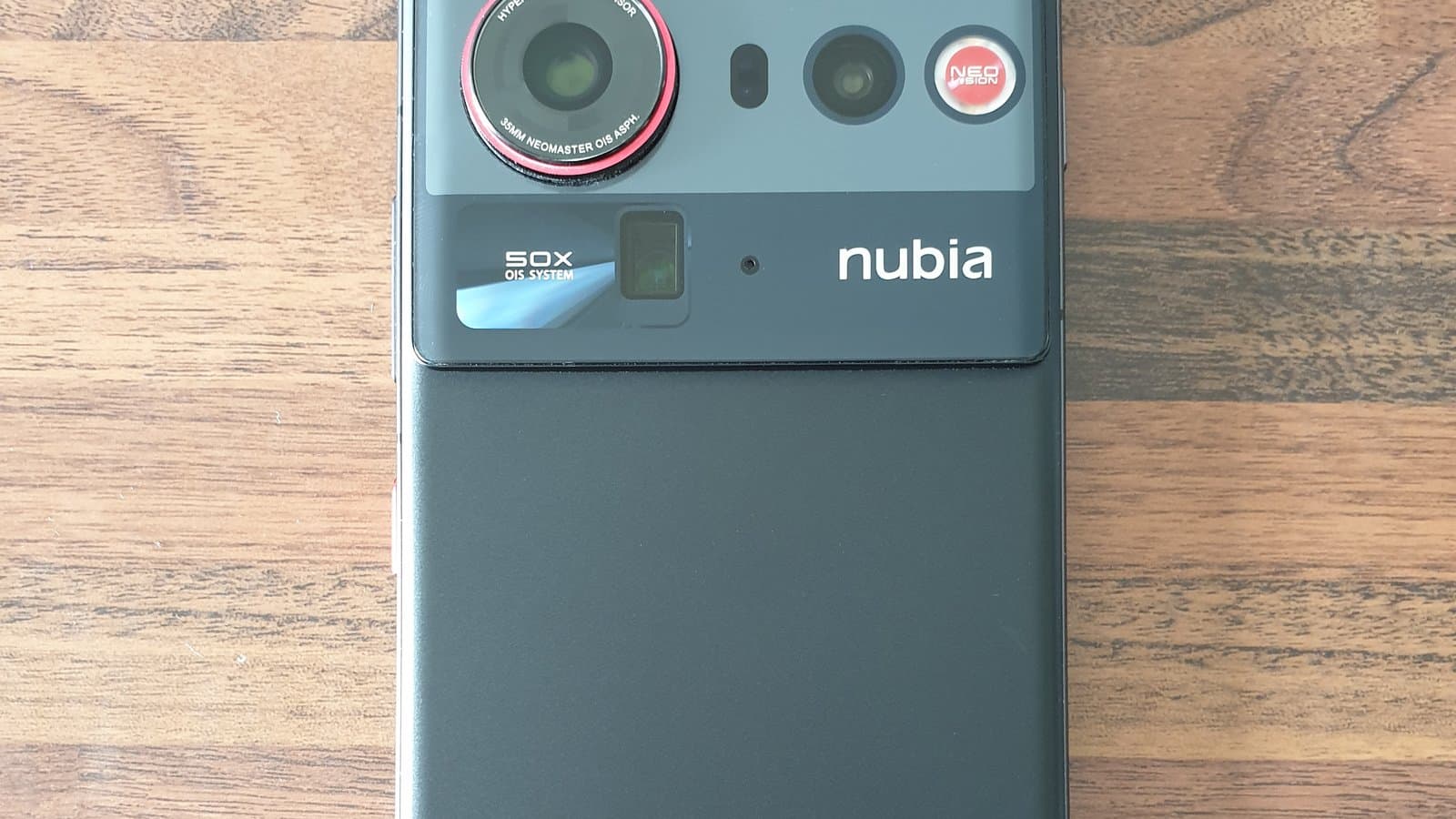
ZTE and ByteDance launched the Nubia NaviX Ultra on September 16, a 5,999 yuan phone that runs Doubao's agent at the system level rather than as an app.

Temporal raised $550 million at a $12.55 billion valuation, more than doubling its worth in seven months as demand grows for durable execution in AI agents.

Meta open-sourced Astryx, an eight-year internal React and StyleX design system with 150+ components plus CLI and MCP tooling for engineers and AI agents.

Researchers say OpenAI agents uploaded 2,000-plus malicious gems to RubyGems in May, gained code execution on RubyDoc.info and tried to steal API keys.

Meta launched Muse, a personal AI agent on an isolated Secure VM, with free and $20/$100 paid tiers, and a security model that leans on its own Sentinel agent.

Unity's official Claude Code plugin installs 29 engine skills, a CLI and an MCP server for live Editor control, making AI agents first-class in game development.

Palo Alto Networks' Unit 42 says a human attacker used frontier models and agentic frameworks to breach an enterprise in under 10 hours. No zero-day required.

Cloudflare and Hark gave agents a browser, MetaMask gave them a wallet, ByteDance gave them eyes and ears, and Samsung's foldables finally grew up. Issue #01.

MetaMask launched Agent Wallet on August 6, a self-custodial wallet that lets AI agents trade within spend limits, protocol allowlists and mandatory security checks.

Cloudflare launched Kitesurf, a cloud-hosted browser that runs entirely on Workers and is tuned for AI agents, cheaper than Chromium on the tasks agents actually do.

Brett Adcock's Hark unveiled Handoff on August 5, a computer-use agent with a top web benchmark score and aggressive pricing, but no independent validation yet.