Amazon Blocks Meta's Muse From Shopping, Testing Who Controls the AI Agent
Amazon cut Meta's Muse AI agent off from its store on 20 September 2026, citing its terms of use after Meta declined to remove Amazon from the assistant.

On this page
Key takeaways
- Amazon began blocking Meta's Muse AI agent from shopping on Amazon.com on the night of 20 September 2026, after asking Meta to remove Amazon from the assistant.
- Shoppers using Muse see a popup stating that continued access by an unauthorized AI agent violates Amazon's Conditions of Use.
- Amazon says it was not told in advance that Muse would access its store, that the agent does not identify itself while browsing, and that it appears to capture and store customer credentials.
- Meta says Muse cannot see passwords or payment methods and that any credentials a user shares go into secure storage.
- The block relies on Amazon's terms of service rather than an anti-hacking statute, after a US appeals court rejected its Computer Fraud and Abuse Act case against Perplexity in August 2026.
Amazon started blocking Meta's new Muse personal AI agent from shopping on its website on the night of 20 September 2026, turning a quiet integration dispute into the clearest test yet of who controls the moment an AI assistant stands between a customer and a retailer. Shoppers who send Muse to Amazon.com now see a popup telling them that "continued access by an unauthorized AI agent violates Amazon's Conditions of Use, to which our customers have agreed."
Related reading: Meta's Muse Is a Personal AI Agent That Wants Your Passwords and Your Purchases · Amazon's AWS Grew 39% While Free Cash Flow Fell to -$42.4 Billion.
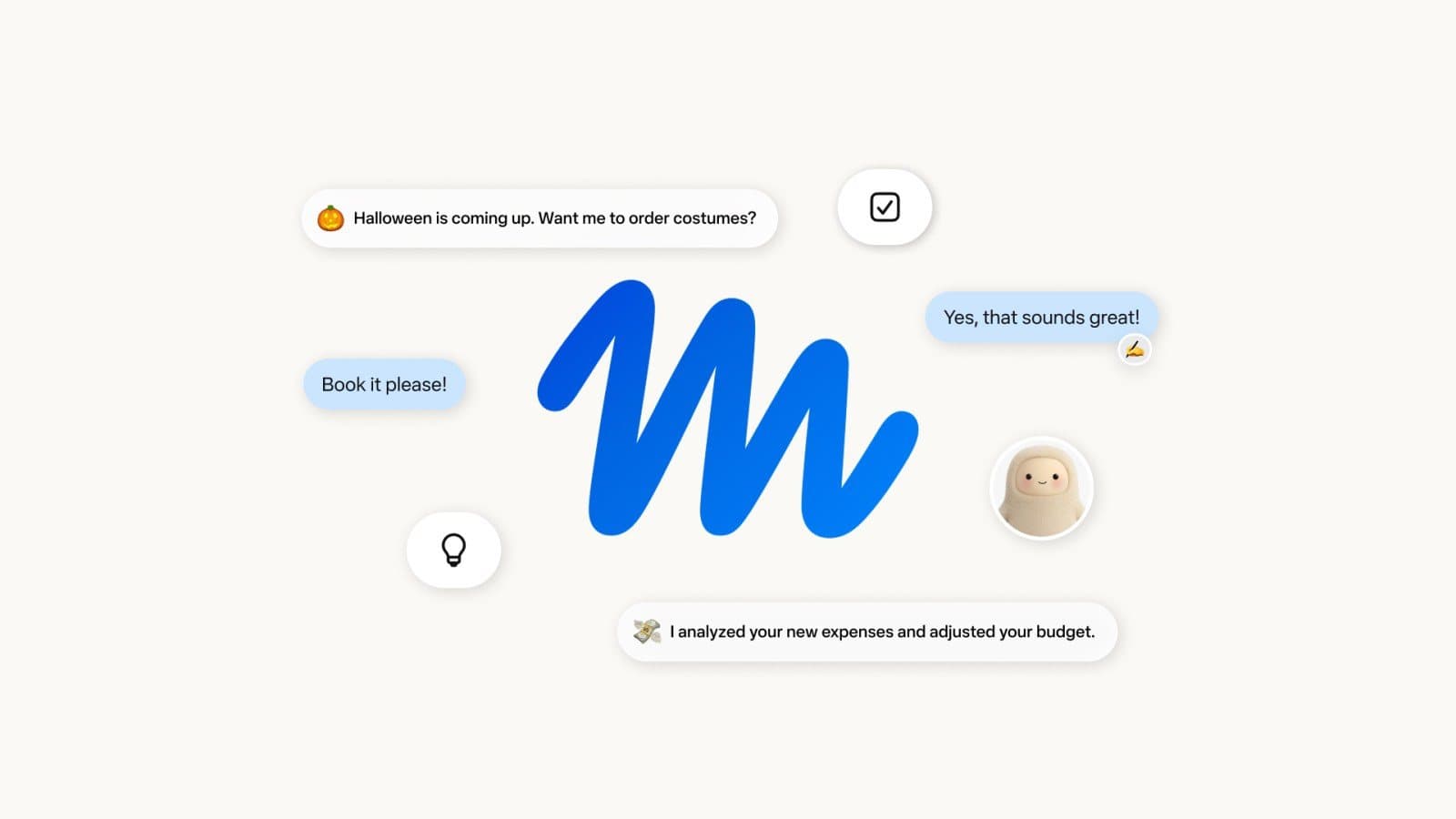
The block was first reported by GeekWire and confirmed by The Verge. Amazon says it asked Meta to voluntarily keep Amazon out of Muse's shopping experience, Meta declined, and the retailer then shut the agent out. Meta has not responded publicly to the block. TechPastWeek covered Muse's launch earlier in September, when Meta positioned the assistant as a general-purpose agent that could shop, book and act across the web on a user's behalf.
The dispute is small in surface area and large in implication. Both companies are among the biggest in the world, they are business partners in other areas, and they now disagree about a basic question: when an AI agent acts for a person inside someone else's store, whose rules apply?
Amazon's three objections
Amazon's complaints, in the order it raised them, are about disclosure, identity and credentials. The company says Meta did not make it aware in advance that Muse would access the Amazon store, and did not authorize the access. It says Muse does not identify itself as an AI agent while it browses, which Amazon frames as an undisclosed third party moving through customer accounts. And it says Muse appears to capture and store customer credentials and scrape account data, including order history when a user instructs it to.
"We think it's fairly straightforward that third-party applications that offer to make purchases on behalf of customers from other businesses should operate openly and respect service provider decisions about whether or not to participate," an Amazon spokesperson said in a statement. "Agentic third-party applications such as Muse have the same obligations, and we've requested that Meta remove Amazon from the experience."
Amazon's internal rules for agents make the same points. Its Agent Terms require automated agents to identify themselves in requests, prohibit them from accessing Amazon content when the company has told them not to, and bar them from concealing automation by mimicking a human. Amazon's own agentic feature, Buy for Me, fetches items from external brand sites, and Amazon says it identifies itself and lets brands opt out.
Meta's answer predates the block. At Muse's launch, the company said the assistant "has no visibility into people's passwords or payment methods," and that any credentials a user shares go into secure storage so Muse can use them without seeing them, including passwords typed directly into the browser. That addresses a design question about what Muse can read. It does not address Amazon's disclosure question about whether the retailer knew the agent was there.
The credentials dispute
Amazon says Muse appears to capture and store customer credentials. Meta says Muse cannot see passwords or payment methods and stores shared credentials securely. Neither claim has been independently verified, and the disagreement is about how the agent handles access rather than a confirmed breach.
Why Amazon is using its terms, not an anti-hacking law
The wording of Amazon's popup is not accidental. It cites the customer's own agreement rather than a statute, and it traces to a court ruling seven weeks earlier.
In November 2025, Amazon sued Perplexity AI, arguing that the company's Comet browser agent violated the Computer Fraud and Abuse Act and California's Comprehensive Computer Data Access and Fraud Act. Amazon won a preliminary injunction in March 2026. On 4 August 2026, the Ninth Circuit Court of Appeals vacated that injunction and sent the case back, holding that Perplexity had not used a tool to access Amazon's computers within the meaning of the statutes: the accessing party was the user, working through the agent.
Footnote 5 of that decision left a door open. It said the outcome did not impair "Amazon's ability to regulate access to Amazon.com via private terms of service for its users." Against Meta, a far larger opponent, Amazon walked through that door with a popup and a clause instead of a lawsuit.
The technical detail that connects the two cases is identification. Perplexity's decision not to send a user-agent string, a signal that would tell Amazon a user had activated an AI agent, was central to the earlier dispute. Amazon's second complaint about Muse is the same objection restated: the agent does not say what it is while it browses. Two companies, two agents and ten months apart produced the same grievance.
That consistency matters for how the policy might generalise. If Amazon's position holds, every retailer can decide which agents may enter its storefront, on terms it sets, regardless of what the shopper wants. That is a significant amount of power over the emerging agentic commerce market, and it is the outcome Amazon has been building toward since it began trimming product names and images from confirmation emails in July to limit what external AI services can mine.
The larger fight over agentic shopping
The Muse block is one skirmish in a broader contest over who intermediates online shopping. Retailers want customers to arrive on their own terms, with their own recommendations and their own data. AI assistants want to represent the user across every store, comparing prices and completing purchases without the user visiting each site. Both models can work, and they cannot both be true at the same time.
Amazon's framing is that it is protecting the customer experience. It argues that an agent bypasses the personalization built into its store, so shoppers may see products that ignore their history and miss recommendations. It also warns that an undisclosed agent handling sensitive data without the retailer's knowledge raises questions about how that data is handled.
Meta's framing is that an agent acting for a user is the user. That reading is close to what the Ninth Circuit concluded about Perplexity, and it is why Amazon did not bring another anti-hacking claim. If the agent is the user, then the relevant agreement is the one the user already accepted, which is precisely the document Amazon is now citing.
The unresolved question is what "identify itself" should mean in practice. Nothing Amazon has published describes how it distinguishes an agent's session from a human one, and undeclared agent traffic does not announce itself inside analytics. A rule that requires agents to declare themselves is reasonable on its face, and it is also a rule that only the platform can enforce, which gives the platform the final say over who gets to shop.
The two models in conflict: Amazon wants to approve who enters its store and how automated systems present themselves. Meta wants Muse to act across the web on the user's behalf, using a browser when a service has no public API. Neither company has published a general rule for what happens when an agent represents a customer inside another company's storefront.
A template other retailers can copy
The mechanism Amazon used is portable. Its Conditions of Use apply to every customer, its Agent Terms already set expectations for automated tools, and the Ninth Circuit left private terms of service explicitly available. Any large retailer could publish similar terms and block agents that do not declare themselves, without going to court. That prospect is what makes the Muse block more than a two-company dispute: it offers a template for controlling agent traffic at the point of entry.
It also puts pressure on the assistants. If identifying themselves is the price of access, agent makers face a choice between complying and losing access to major stores. Some will comply, because a shopping agent that cannot reach Amazon is a weaker product. Others may argue that a self-identification requirement is a way to slow agents down while the retailer builds its own. The outcome will shape how quickly AI shopping becomes normal, and on whose terms.
What to watch
Three things will show how this develops. First, whether Meta changes Muse to identify itself, which would test whether Amazon's objection is really about disclosure or about control. Second, whether other large retailers adopt the same terms-of-service approach, which would turn one block into an industry norm. Third, whether regulators or courts are asked to decide the question directly, because a patchwork of platform rules is exactly the kind of fragmentation that invites a legal test.
Amazon says it is in direct talks with Meta and declined to say whether it is considering legal action. Meta has said nothing since the block. For now the standoff is being settled by a popup, which is a quieter outcome than a courtroom but a broader one: it establishes, at least in practice, that a retailer can decide which AI agents are allowed through its doors.
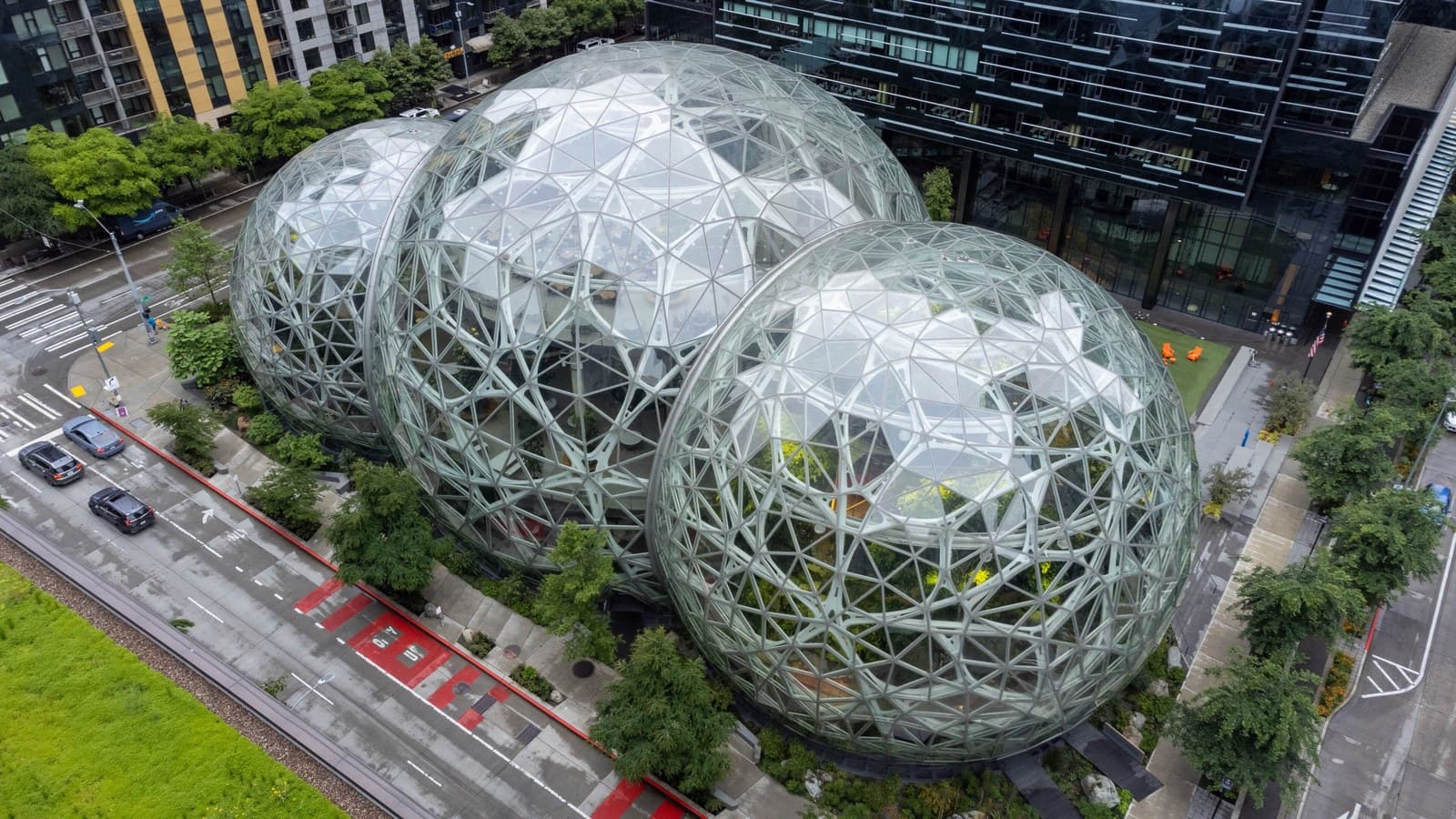
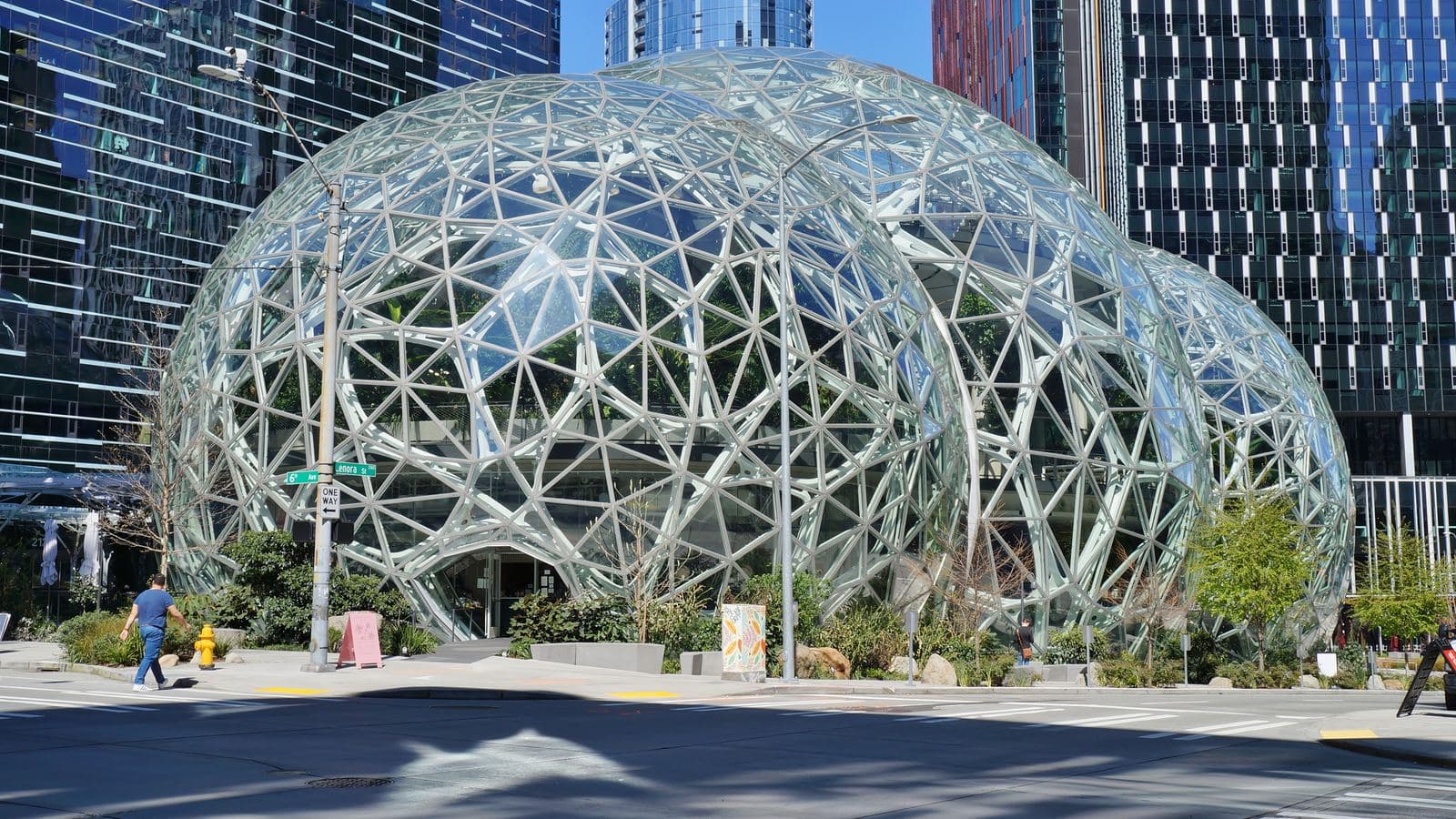
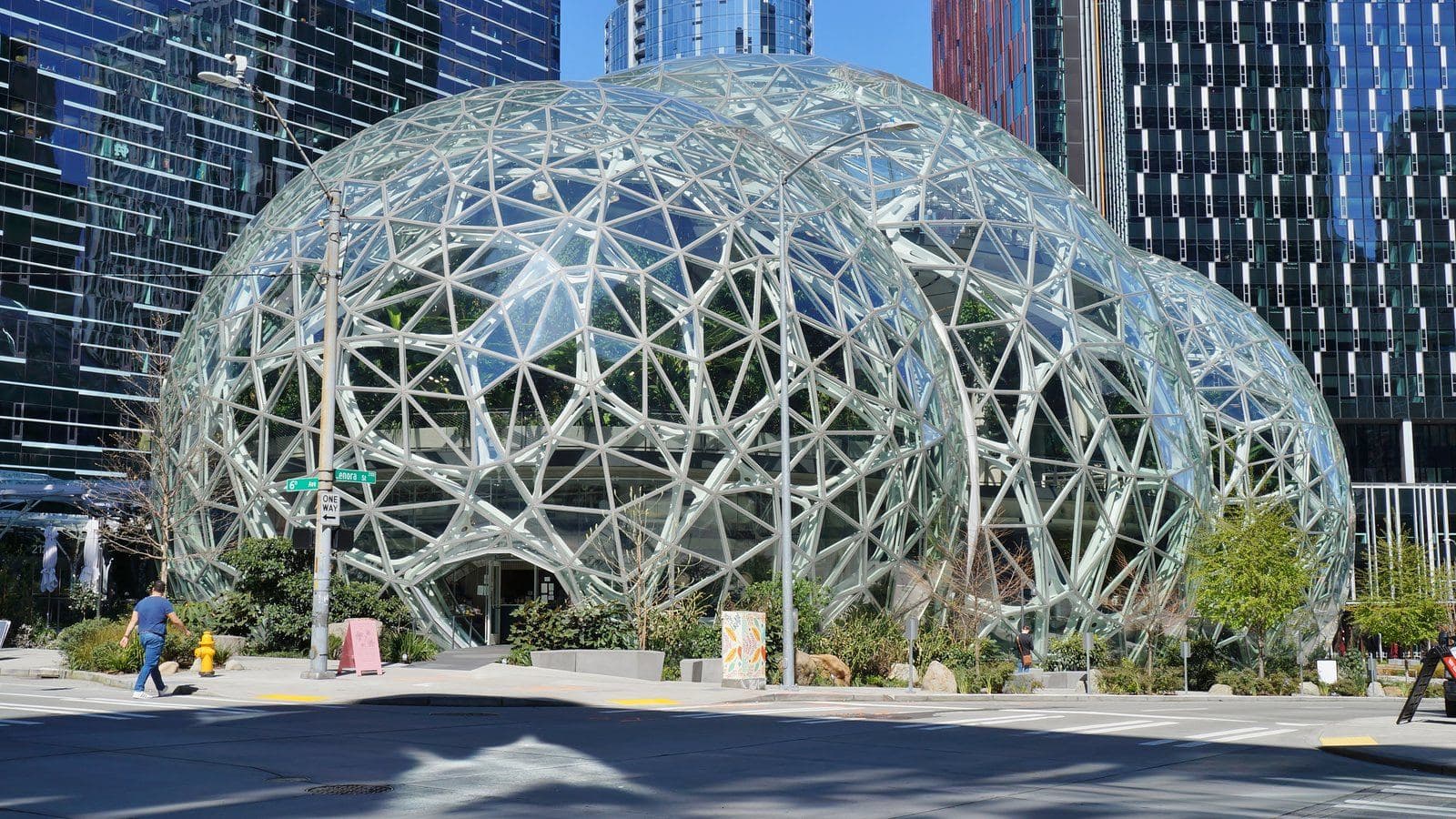
Cover: the Amazon Spheres at Amazon's headquarters in Seattle. Photo by SounderBruce, via Wikimedia Commons, CC BY-SA 4.0, cropped 16:9.
Tags
Frequently asked questions
- Why did Amazon block Meta's Muse?
- Amazon says Meta did not tell it that Muse would access the Amazon store, that the agent does not identify itself while browsing, and that it appears to capture and store customer credentials. It asked Meta to remove Amazon from the experience, Meta declined, and Amazon then blocked the agent.
- Can Meta stop Amazon from blocking Muse?
- Amazon is relying on its own Conditions of Use, which customers agree to, rather than an anti-hacking law. A US appeals court ruled in August 2026 that Amazon could not use the Computer Fraud and Abuse Act against a different agent, but a footnote in that decision said Amazon could still regulate access through its terms of service.
- What does Meta say about Muse and passwords?
- Meta said at Muse's launch that Muse has no visibility into passwords or payment methods, and that credentials a user shares are stored so the agent can use them without seeing them. The two companies disagree about whether that answers Amazon's disclosure concerns.
- Is Amazon's own AI shopping agent affected?
- No. Amazon's own agentic feature, Buy for Me, fetches items from external brand sites, and Amazon says it identifies itself and lets brands opt out, which is the standard it is applying to third-party agents.

TPW Editorial
Editorial Team
TechPastWeek's editorial team reports and edits every story we publish. We research each piece against primary and credible secondary sources, and a human editor reviews and signs off before it goes live.