Small Language Models Are Having a Moment
Bigger isn't always better. Small language models are getting shockingly capable, and they run on the hardware you already own.

On this page
For two years, the story of AI was a story of scale. Bigger models, more GPUs, larger training runs. But 2026 is quietly becoming the year of the small language model, and the shift is happening faster than most people realize.
Related reading: Mixture of Experts, Explained: Why the Biggest AI Models Activate Only Part of Themselves · OpenAI Revenue Below Expectations Sends AI-Linked Stocks Lower.
What changed
Three things aligned to make small models genuinely useful:
- Better architectures. The research community has gotten dramatically better at extracting capability from fewer parameters. Post-training efficiency (not raw size) is now the frontier.
- Smarter quantization. You can now run a surprisingly capable model in under 8 GB of memory with remarkably little quality loss.
- Specialization. A small model fine-tuned for one task routinely beats a generalist frontier model on that task.
The hardware story
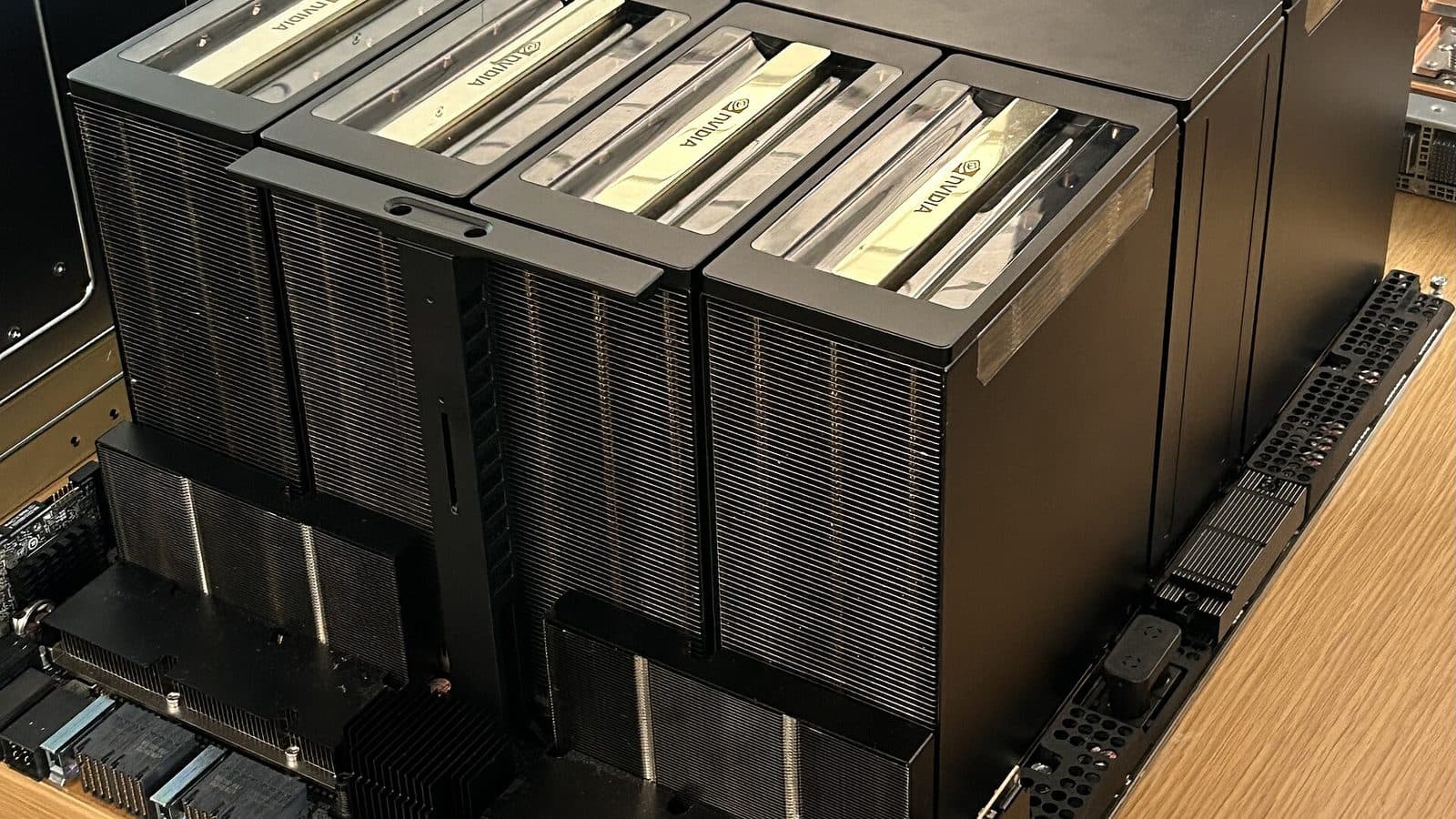
The numbers tell the story better than adjectives. A mid-range laptop from 2023 can now run a useful local model. Flagship phones, even more so.
Reality check
None of this means the frontier is dead. If you need the best possible reasoning on the hardest problems, you still want a big model, and you're still going to pay for it. Small models win on routine tasks at zero marginal cost.
What you can run today
For the curious, here's a rough taxonomy of where things stand:
| Class | Size | Runs on | Good for |
|---|---|---|---|
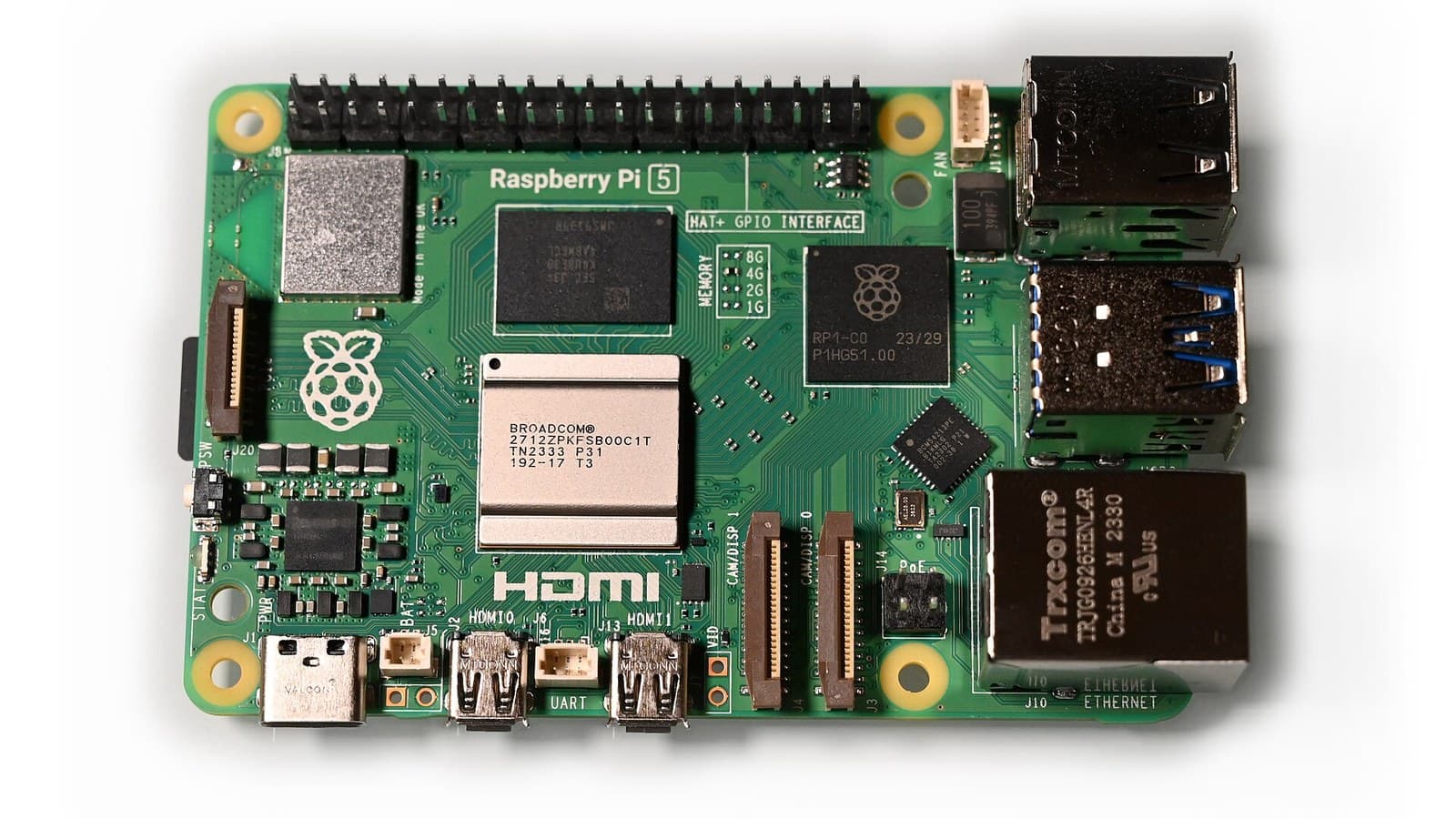
| Nano | 1–3B | Phones, Raspberry Pi | Classification, extraction, autocomplete |
| Mid | 7–14B | Laptops, small servers | Summarization, coding assist, chat |
| Large-open | 30–70B | Workstations, one GPU | Serious local work, fine-tunes |
The business angle
For startups, this is a real pricing event. If your product's core loop is classification or structured extraction, you may already be able to drop your inference bill to near zero by moving to a fine-tuned small model, and gain privacy and latency as a bonus.
The shift also changes the competitive math for the big platforms. When capable inference runs free on-device, the moat stops being "we own the model" and starts being "we own the distribution."
The takeaway
The most interesting AI developments of 2026 aren't the ones that need a data center. They're the ones that fit in your pocket.
Try it yourself
If you haven't touched a small model in the past six months, you're operating on stale information. The gap between what they do now and what they did then is enormous.
Tags

TPW Editorial
Editorial Team
TechPastWeek's editorial team reports and edits every story we publish. We research each piece against primary and credible secondary sources, and a human editor reviews and signs off before it goes live.