Google Is Sending Four TPUs to Orbit in Its First Suncatcher Test
Google's Project Suncatcher will launch the MVP satellite on October 1, carrying four TPUs to test whether AI compute can survive and work in Earth orbit.

On this page
Key takeaways
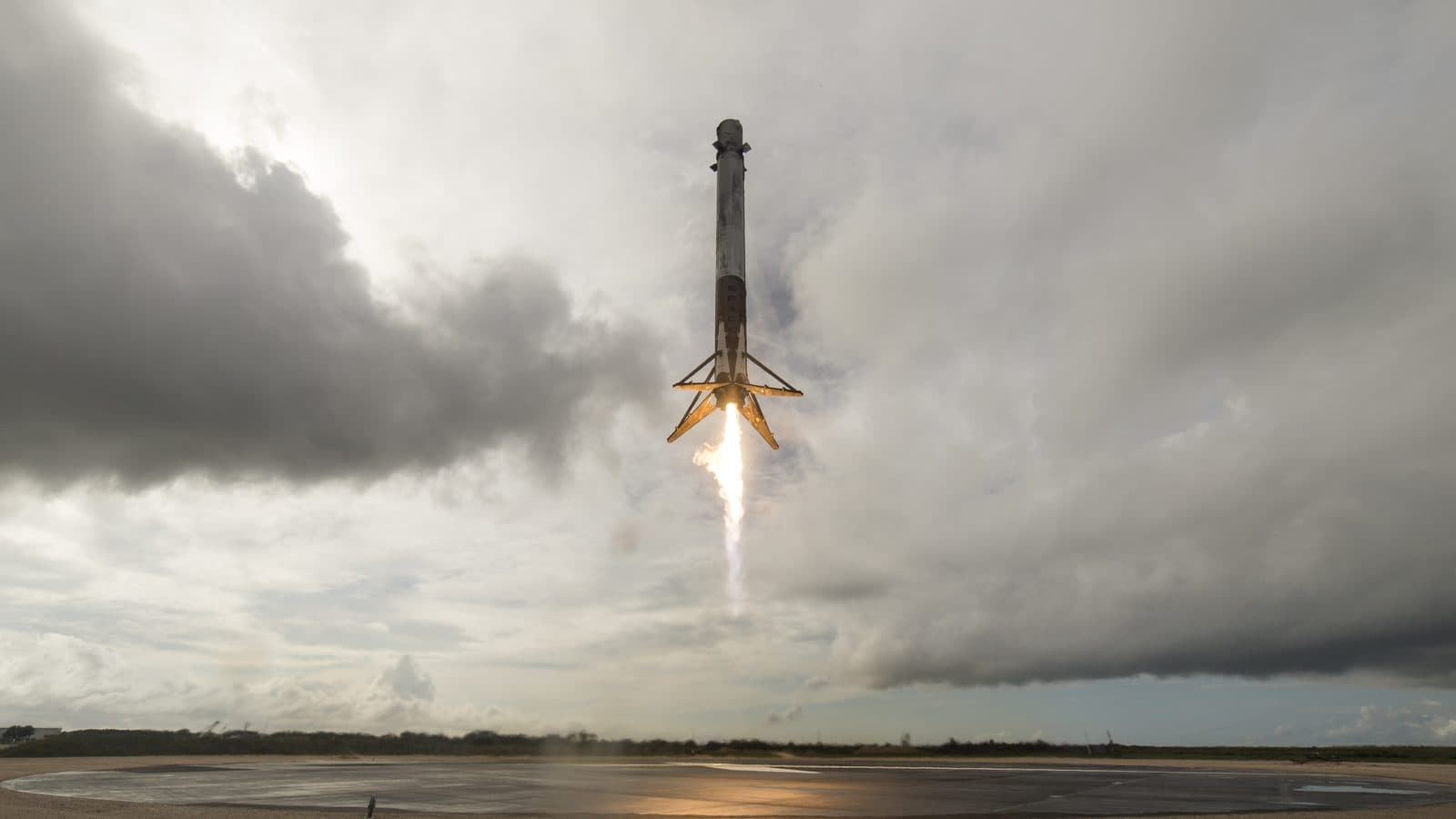
- Google will launch an experimental satellite called MVP on October 1, 2026, aboard a SpaceX Falcon 9 from Vandenberg Space Force Base in California, as the first flight test of its Project Suncatcher.
- The refrigerator-sized satellite carries four Tensor Processing Units, roughly the compute of a single data-center server, and will draw about one kilowatt of solar power while it answers simple AI queries for a year.
- Google says the goal is to learn how AI chips survive cosmic radiation and the vacuum of space, not to serve production traffic, and a Google vice president said nothing usefully operational is expected for several years.
- Google has sketched a path to roughly 80 formation-flying satellites and even considered a football-field-sized satellite, but a Google manager estimates about 10,000 satellites would be needed to match one gigawatt of ground-based data center.
- SpaceX and Blue Origin are pursuing orbital data centers too, and Jeff Bezos has said it could take up to 20 years for them to beat Earth-based facilities on cost.
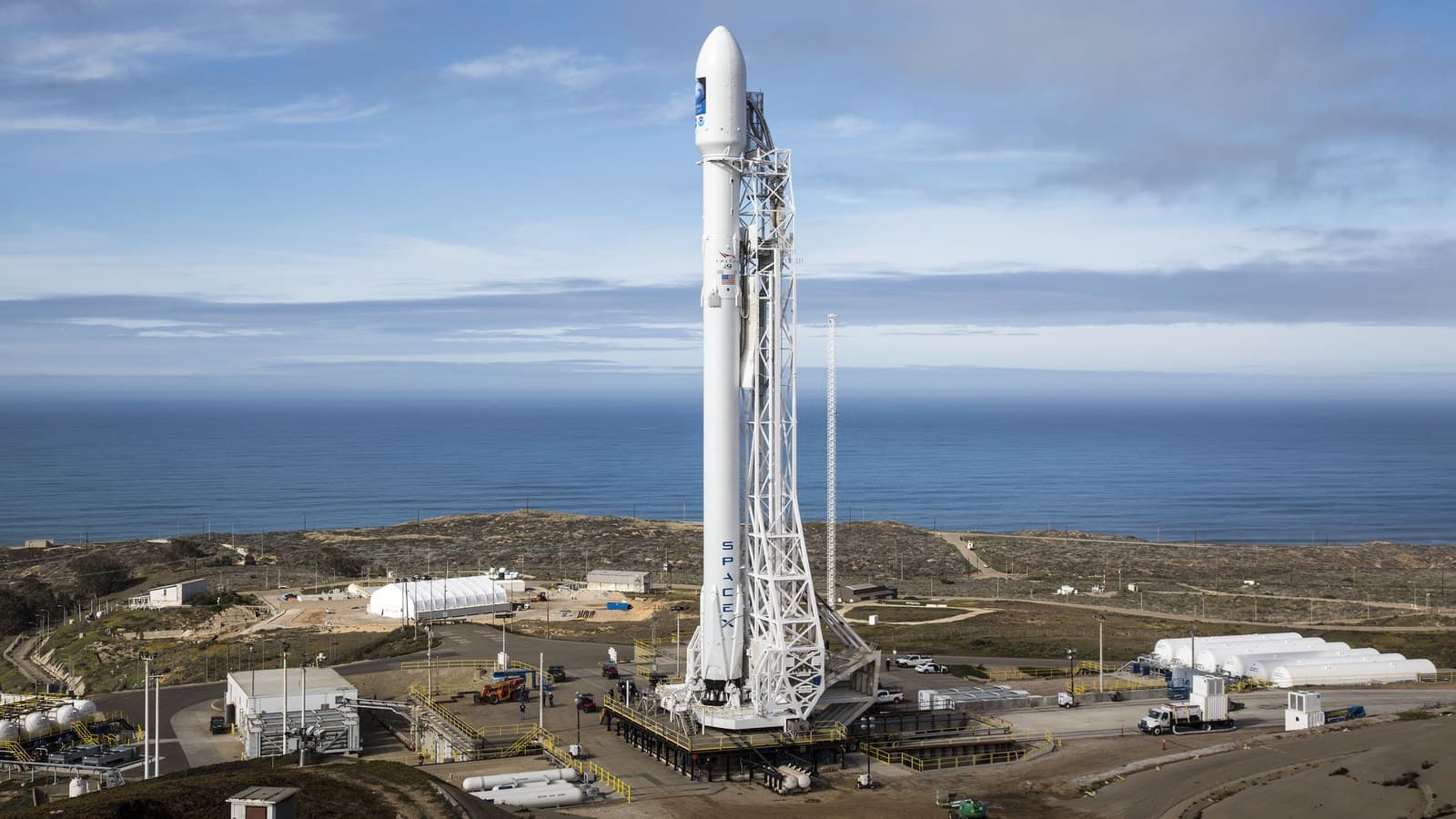
Google is about to find out what happens to AI chips in space. On October 1, 2026, the company plans to launch a small experimental satellite called MVP aboard a SpaceX Falcon 9 from Vandenberg Space Force Base in California, the first hardware test of a research effort it calls Project Suncatcher. The satellite carries four specialized Tensor Processing Units, Google's custom AI accelerators, and is meant to spend a year running simple AI queries in orbit.
Related reading: NASA Activates Roman's 300-Megapixel Wide Field Instrument and Checks Out the Coronagraph · The US Confirms It Has Weapons in Orbit, Ending Decades of Ambiguity.
The launch was reported by The New York Times on September 24 and confirmed in Google's own research materials. It is a modest experiment with an unusually large ambition: a future in which AI data centers live in space, powered by near-constant sunlight, free from the land, water and power constraints that increasingly slow projects on the ground.
Google is careful to lower expectations. James Manyika, a senior vice president for research, technology and society, told the Times that the company does not expect anything "usefully operational in the next few years."
A server's worth of compute, in a refrigerator-sized box
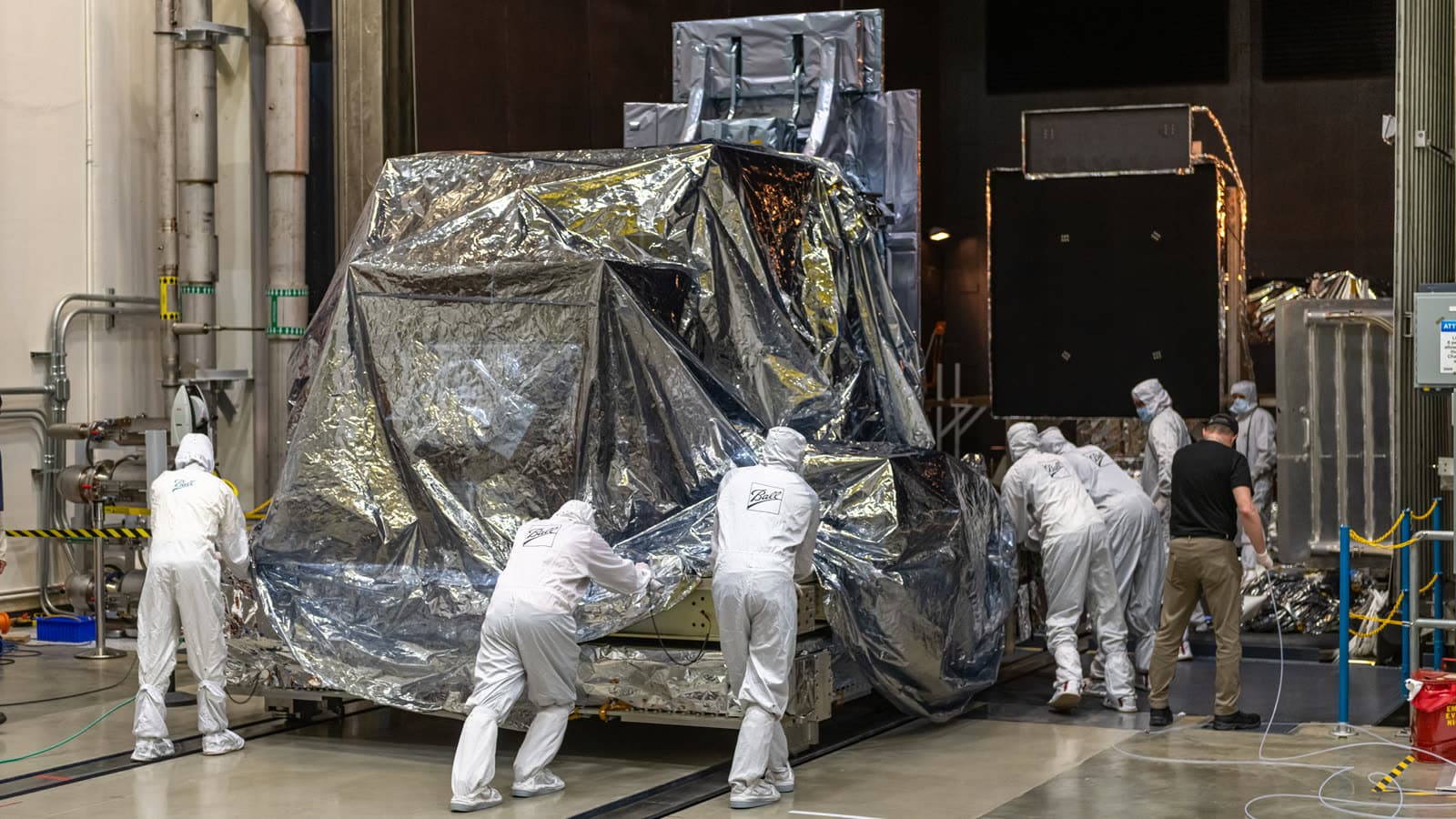
MVP is not a data center in any conventional sense. Its four TPUs together amount to roughly the computing power of a single server, and its solar panels supply about one kilowatt, comparable to a hair dryer. Google says that is enough to test the hardware against the harsh conditions of orbit. The satellite itself is small, described as refrigerator-sized, and was built and tested at Planet Labs in San Francisco.
The experiment is less about doing useful work than about surviving. In low Earth orbit, chips face cosmic radiation that can flip bits and degrade electronics, and there is no air to carry heat away from dense accelerators. Google wants to learn how its TPUs behave over time and whether its cooling and radiation-tolerance assumptions hold up. The satellite is expected to operate for about a year, then remain in orbit for roughly six years before burning up during reentry.
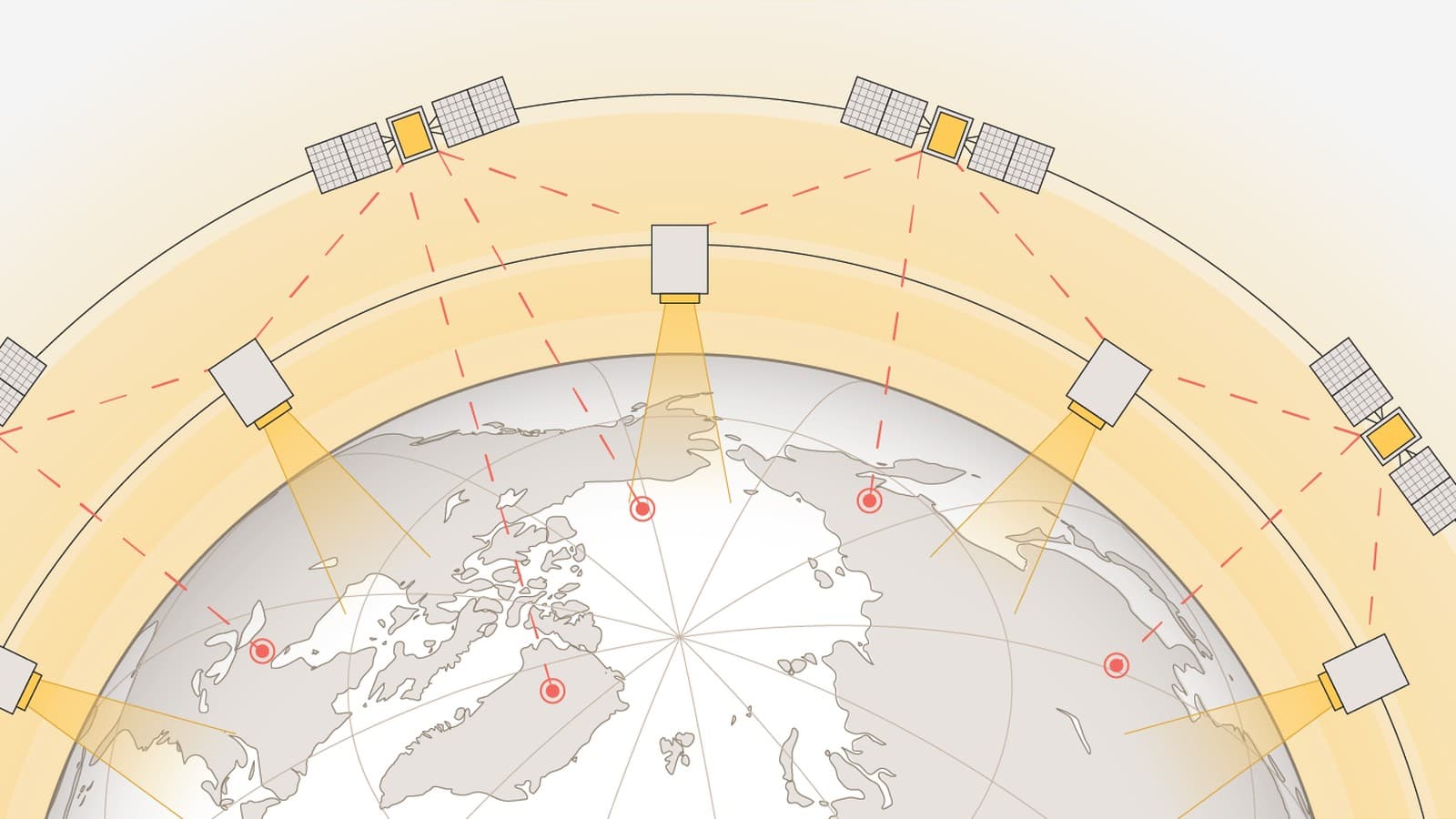
Project Suncatcher is a design study, not a product. Google Research has published its approach under the title "Exploring a space-based scalable AI infrastructure system design," describing how a constellation might collect solar energy and coordinate compute between satellites. The October launch is the first time the company moves from paper and laboratory benches to actual orbit.
The engineering gap between a demo and a data center
Google's own numbers show how far the concept has to travel. A Google manager, Travis Beals, has estimated that matching a single one-gigawatt data center on Earth would require roughly 10,000 satellites. The company has nevertheless sketched a roadmap: two more similar satellites next year, a longer-term plan for about 80 formation-flying spacecraft that could coordinate work, and even early thinking about a much larger satellite the size of a football field.
Cost is the binding constraint. Analysts and executives have repeatedly pointed out that launch prices would have to fall to around 200 dollars per kilogram, a fraction of today's rates, before orbital compute could compete on economics. Jeff Bezos, whose Blue Origin is also exploring the idea, has said it could take up to 20 years before space-based data centers beat ground-based ones on cost. SpaceX, the launch provider Google is using, has its own orbital data-center ambitions.
The scale of the gap is easy to underestimate. A single modern AI data center campus can draw hundreds of megawatts and occupy dozens of acres, with cooling systems that consume enormous volumes of water. Recreating even a fraction of that in orbit means solving power, heat, radiation and servicing at once, on hardware that cannot be repaired by hand.
Why space is attractive, and why it is hard
The pitch rests on a simple physical fact: sunlight is abundant and predictable outside the atmosphere, and it arrives without the clouds, seasons and land constraints that shape terrestrial solar farms. A satellite in the right orbit can collect far more energy per square meter than a ground installation, and it needs no grid connection, no water for cooling and no neighbors to object.
Space also breaks the assumptions that make data centers work. Air and water carry heat away on Earth; in a vacuum, hardware can only shed heat by radiating it, which is why spacecraft rely on large radiators and careful thermal design. Cosmic rays and solar particles can flip bits and degrade electronics, so chips need shielding or generous error correction. And although a satellite above the atmosphere sees the sun for much of each orbit, low Earth orbits still pass through Earth's shadow, adding a day-night cycle that any power and cooling design has to absorb.
None of those problems is unsolvable in isolation. Together they explain why the idea has stayed conceptual for years even as launch costs fell.
A crowded field with one unusual occupant
Google is not alone in looking upward. SpaceX, whose rockets would carry the hardware, has described its own interest in orbital compute, and Blue Origin has explored the concept as part of broader space infrastructure plans. Several startups have proposed small satellites that host GPUs or other accelerators, betting that falling launch prices will eventually make orbital processing economical for niche workloads.
What makes Google's entry notable is that it is a major buyer of AI accelerators testing its own silicon in orbit, rather than a launch company or a venture-backed newcomer selling the idea. If the experiment works, Google would own both ends of the equation: the chips and the evidence about how they behave in space. If it fails, the company will still have learned something about radiation tolerance that applies far beyond data centers.
Google's framing is deliberately cautious. It has described Suncatcher as a research program and stressed that no near-term product is planned. That may be the honest position, because the economics depend on launch prices an order of magnitude below current levels and on a satellite fleet large enough to raise questions of its own.
That does not make the experiment pointless. Satellite operators already fly radiation-hardened processors, and falling launch costs from reusable rockets have made space hardware more accessible than at any time in the past. What is new is the class of workload. Training and serving large AI models demands enormous, concentrated compute and huge amounts of power and cooling, the exact things that are hardest to fit into a power-constrained, airless box.
Why AI companies are looking up
The timing reflects pressure on the ground. Data center buildouts have run into local opposition, grid interconnection queues and rising electricity prices, and some forecasters have warned that power constraints, not chips, will limit AI growth. Space offers a way to sidestep those limits in principle: continuous sunlight with no weather, no land acquisition, and no need to negotiate with a utility.
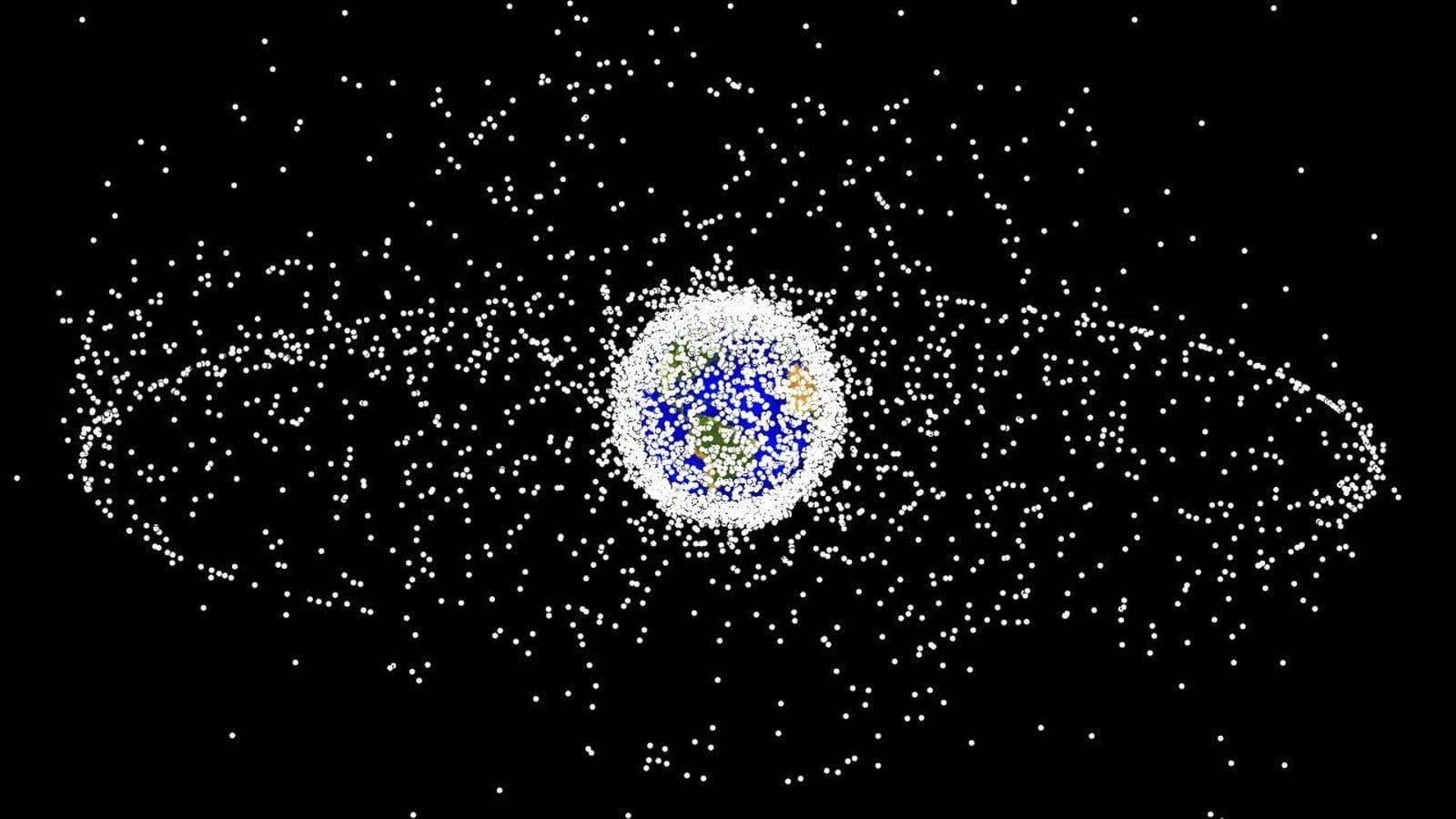
It also introduces a long list of new problems. Servicing thousands of satellites would be difficult and expensive. Radiation reduces the useful life of advanced chips. And any constellation large enough to matter would raise questions about orbital debris and the crowding of low Earth orbit, a concern that has grown as commercial fleets have expanded.
For Google, the October launch is best understood as a cheap option on a distant idea. Even if orbital data centers never make commercial sense, the company will learn how its accelerators tolerate space, knowledge that could feed into satellites, edge deployments and other hardware designs. If the economics do eventually improve, it will already have flight data.
What to watch
The first signals will be mundane and technical: whether the TPUs boot, how quickly errors accumulate, and how the thermal design performs across day-night cycles in orbit. A second signal will be the data Google chooses to publish. Spacecraft engineers care less about whether a chip boots than about how many errors accumulate per day and how the cooling system behaves across hundreds of orbits. If Google shares those numbers, it will give the rest of the industry a rare baseline for accelerator hardware outside the atmosphere.
Google says it plans two more satellites next year, so a decision to keep spending will be the clearest sign the experiment went well. The competition is watching too. With SpaceX, Blue Origin and now Google all testing the idea, orbital compute has moved from a thought experiment to a race whose prize, if it exists, is still years away.
Cover image: a SpaceX Falcon 9 on the pad at Vandenberg Air Force Base, by SpaceX via Wikimedia Commons (CC0).
Tags
Frequently asked questions
- What is Google's Project Suncatcher?
- Project Suncatcher is Google Research's effort to design AI data centers that run in low Earth orbit on solar power. Its first hardware test is a small satellite called MVP, launching October 1, 2026, that carries four TPUs.
- When and how does the MVP satellite launch?
- MVP is scheduled to launch on a SpaceX Falcon 9 from Vandenberg Space Force Base in California on October 1, 2026, as part of a rideshare mission. Google says the satellite was built and tested at Planet Labs in San Francisco.
- Why would anyone put data centers in space?
- The pitch is continuous solar power without land, water or grid constraints on Earth. The obstacles are equally large: there is no air to carry heat away, cosmic radiation can damage chips, and launch costs would have to fall far below current levels.
- Is this related to SpaceX or Blue Origin orbital data centers?
- It is a parallel effort. Both SpaceX and Blue Origin have described their own orbital data-center ambitions. Google's test is the first time one of the largest AI compute buyers has put its own accelerator hardware on a satellite.

TPW Editorial
Editorial Team
TechPastWeek's editorial team reports and edits every story we publish. We research each piece against primary and credible secondary sources, and a human editor reviews and signs off before it goes live.