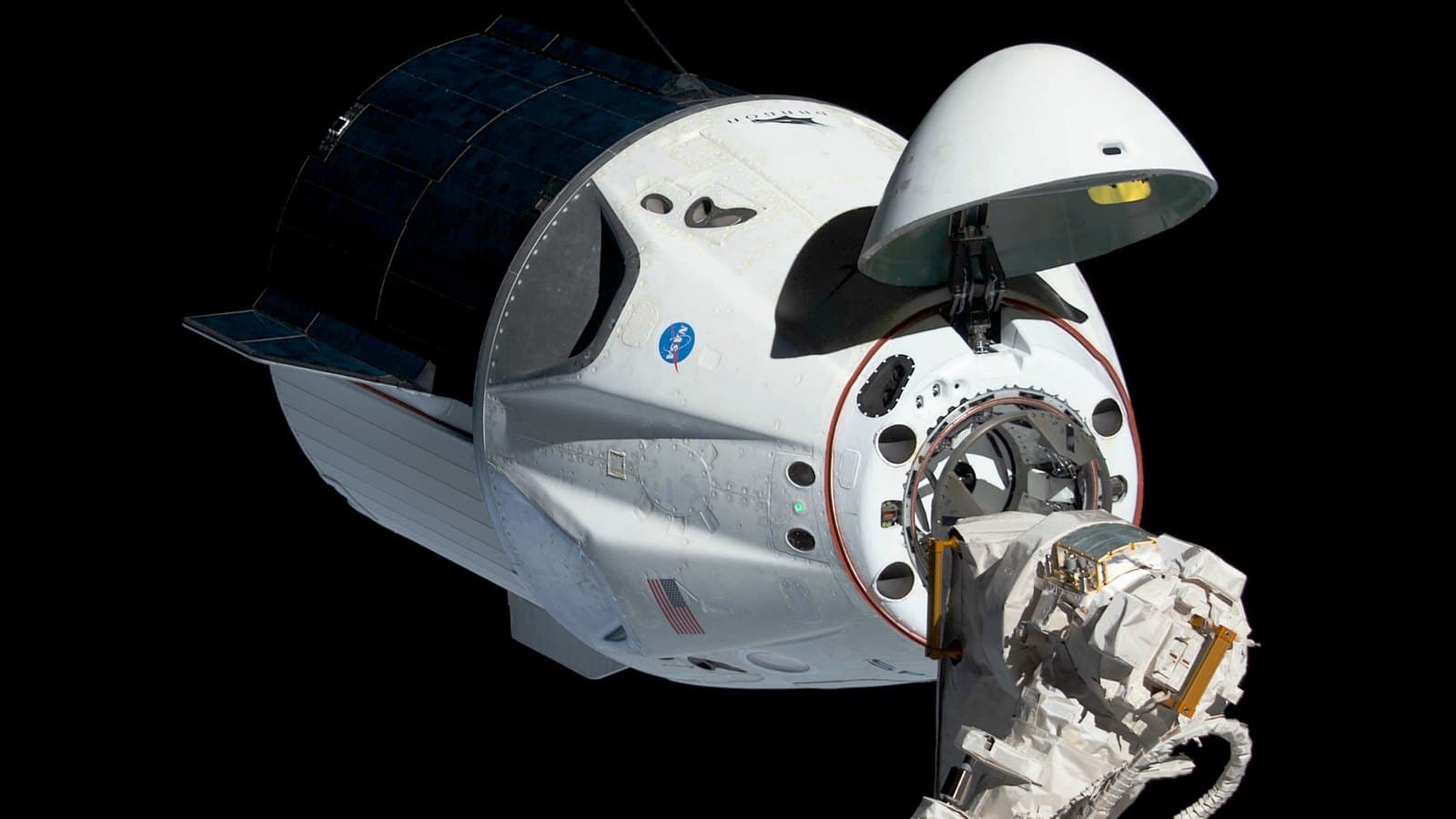
SpaceX Flies 700th Falcon Mission, Completing SES's O3b mPOWER Constellation
SpaceX launched the final three SES O3b mPOWER satellites on Sept. 13, the 700th flight of its Falcon rocket family and its 107th orbital mission of 2026.

On this page
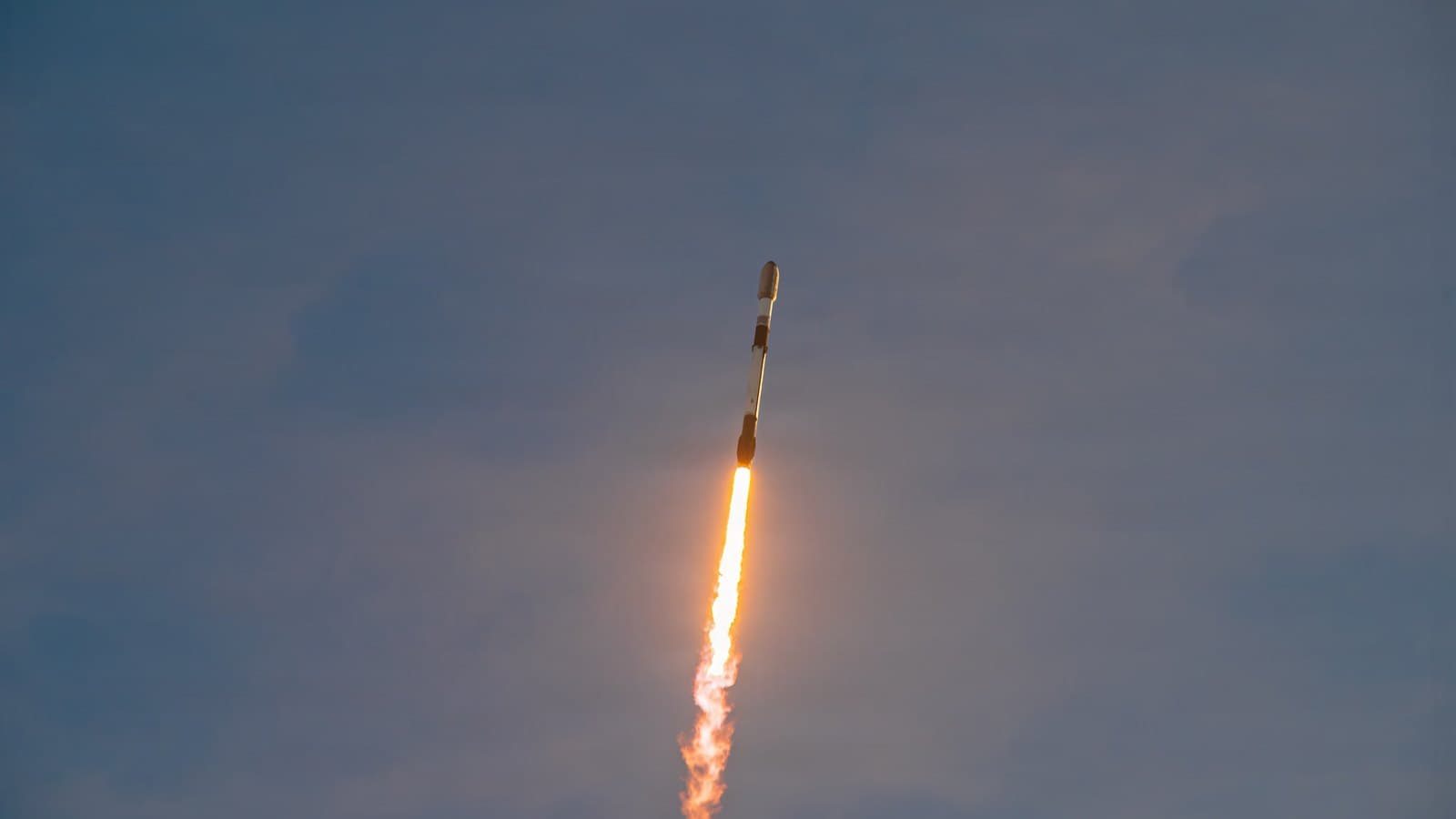
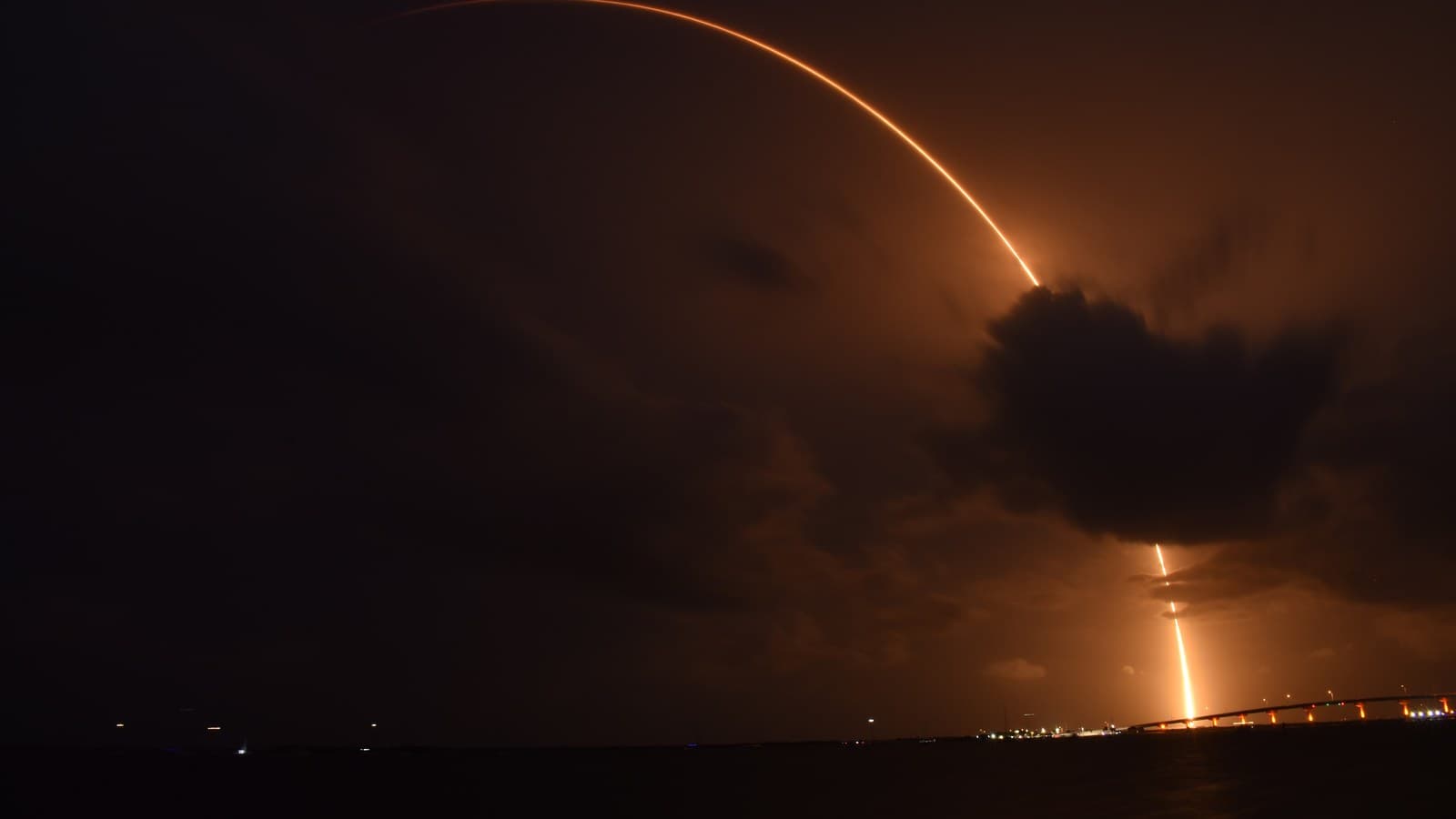
A SpaceX Falcon 9 lifted off from Space Launch Complex 40 at Cape Canaveral Space Force Station at 2:49 p.m. EDT on Sunday (1849 GMT), carrying the final three satellites of SES's O3b mPOWER constellation toward medium Earth orbit. The mission was the 700th flight in the history of SpaceX's Falcon rocket family and the 107th orbital launch the company has conducted so far in 2026.
Related reading: SpaceX Launches CRS-35 With the Final Pair of ISS Roll-Out Solar Arrays · How Reusable Rockets Fly Again: The Engineering of Booster Landings.
The SpaceX mission page listed an 87-minute window opening at 2:49 p.m. ET, with a backup opportunity on Monday, Sept. 14. Liftoff came at the start of that window.
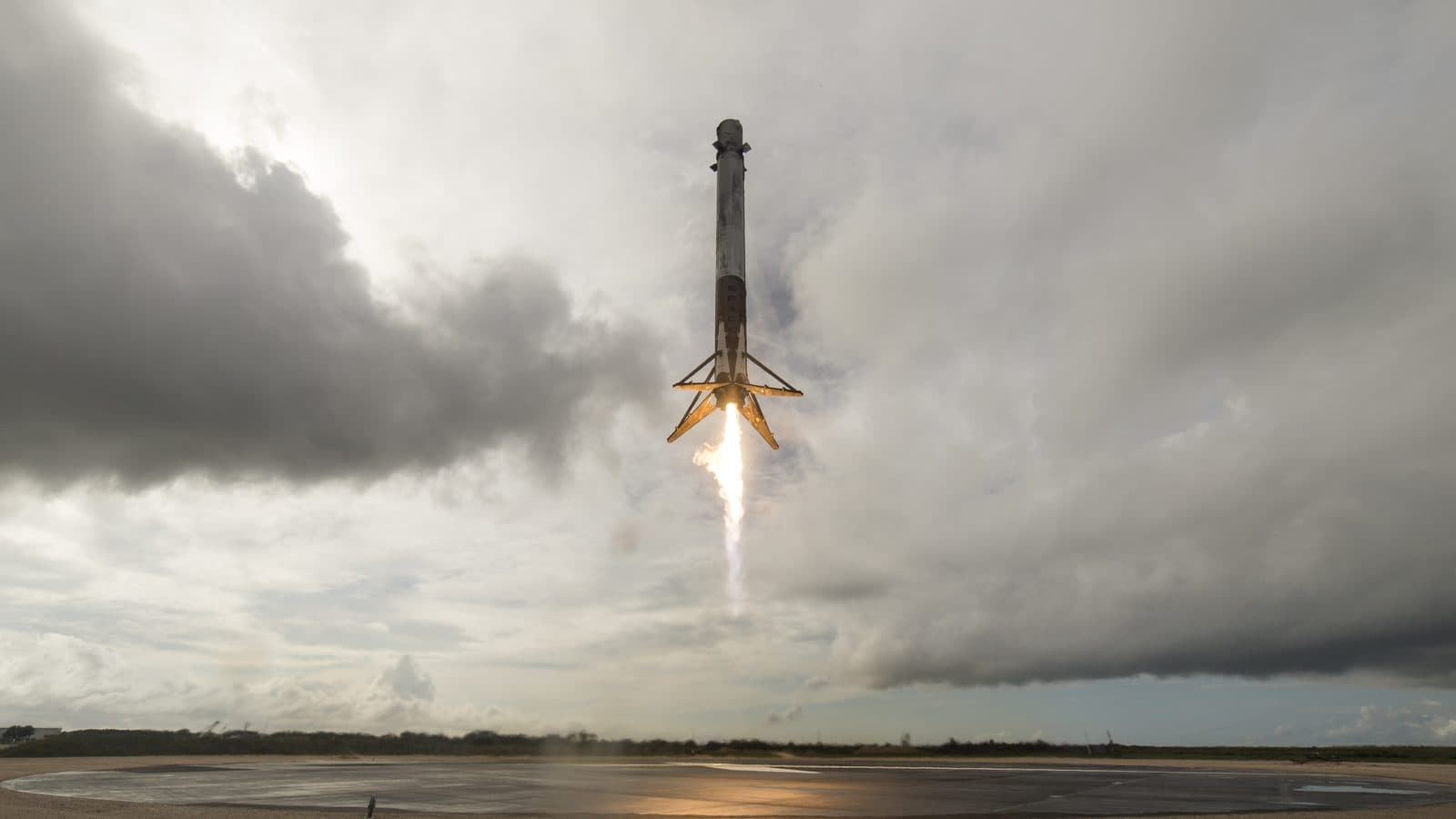
The three Boeing-built satellites separated about 33.5 minutes after launch at an altitude of roughly 8,000 kilometers (5,000 miles), released across a 14-minute sequence, as Space.com reported. The first stage, flying for the 29th time, landed on the droneship A Shortfall of Gravitas in the Atlantic a little under nine minutes after liftoff. It had previously supported the Ax-2, Euclid, Ax-3, CRS-30 and SES ASTRA 1P missions, NASA's NG-21 cargo run and 22 Starlink flights.
A family that began with two successes in five tries
Seven hundred is less a single feat than a measure of distance covered. The Falcon family started in March 2006 with the Falcon 1, a small privately developed rocket that flew five times and reached orbit twice. Its first three attempts failed. The fourth, in September 2008, succeeded and kept the company solvent. The Falcon 9 arrived in 2010 and has flown the vast majority of the family's missions since. Falcon Heavy, the only other member still active, has launched 13 times.
The cadence behind the milestone is the more striking figure. The O3b mPOWER launch was the 105th Falcon 9 flight of 2026 and SpaceX's 107th orbital mission of the year, with Falcon Heavy responsible for the other two. That is a mission roughly every two and a half days from a single provider, a rate that would have seemed implausible when the Falcon 1 was struggling to reach orbit at all. The family's first 100 flights were spread across more than a decade; the 600 that followed have arrived in a fraction of that time.
The booster at the centre of the arithmetic
Reuse is what makes the pace possible. The first stage that flew on Sunday had already flown 28 times, and SpaceX recovered it again. A booster that would once have been discarded after a single flight is now a reusable asset with a maintenance record, and each recovery lowers the marginal cost of the next launch. That economics, more than any single vehicle design, is what let SpaceX move from a few dozen launches a year to more than 100.
This particular booster is not an absolute record holder, since SpaceX has flown individual stages on more missions, but it sits near the top of the fleet and shows how ordinary very high flight counts have become. The company's public manifest treats a 29th flight as a line item rather than a headline.
What O3b mPOWER actually does
The satellites that capped the mission belong to a quieter corner of the space economy than the Starlink broadband network SpaceX operates for itself. SES, headquartered in Luxembourg, built O3b mPOWER as a second-generation medium Earth orbit system for enterprise, government, mobility and telecom customers. MEO, at roughly 8,000 kilometers, sits above the low Earth orbit used by most broadband megaconstellations and below the geostationary belt.
That altitude is a deliberate compromise. It is high enough that a modest fleet can cover most of the planet, and low enough that signals avoid the roughly quarter-second round trip to geostationary orbit. The company markets the result as predictable low latency combined with high throughput, with capacity ranging from tens of megabits per second to multiple gigabits per second delivered to a single site. Boeing built each spacecraft, at about 1,700 kilograms apiece.
Sunday's trio, the eleventh, twelfth and thirteenth satellites, joins 10 already in orbit. SpaceX has launched every spacecraft in the constellation, across six Falcon 9 flights beginning in December 2022. The three launched on Sunday are expected to enter service by mid-2027, after orbit-raising and checkouts.
The program has not run in a straight line. Before the launches of the fifth and sixth satellites, engineers found an electrical problem that affected both broadband capacity and the spacecraft's expected service life, according to industry reporting. Satellites 7 through 11 were modified to compensate, and the final trio continues that revised build. Completing the constellation is the end of a longer process than the word “complete” conveys.
Why 13 satellites can cover the planet
A medium Earth orbit constellation does not need hundreds of spacecraft. Because MEO satellites are far higher than Starlink's roughly 550-kilometer shells, each one sees a much larger share of the globe, so a relatively small fleet can provide near-global coverage. The trade-off is latency and link budget, since the signal travels further than in low Earth orbit. That is why MEO systems are sold on guaranteed throughput and resilience rather than the lowest possible lag.
A market with one very large incumbent
The milestone lands in a launch market that SpaceX itself has reshaped. In 2026 the company flies the majority of the world's orbital missions, most of them for its own Starlink constellation, and its reusable Falcon 9 sets the price and the schedule that competitors have to match. Rivals have pushed back with rockets of their own. Rocket Lab's Electron continues to serve dedicated smallsat customers, and Europe's Isar Aerospace reached orbit from Norwegian soil earlier in September, a first for a privately developed European launcher.
Even so, the gap is wide, and it is widening in volume rather than narrowing. A constellation operator choosing a launch provider in 2026 is choosing from a market where one company can offer a flight every few days and a record measured in hundreds of consecutive successes, while most alternatives are still proving basic reliability. That imbalance is the practical backdrop to the 700th flight. The number is a company milestone, but it also describes the shape of an industry.
Starlink is the reason the rate is what it is. The great majority of Falcon 9 launches in 2026 have carried the company's own broadband satellites rather than a paying external customer, and that internal demand gives SpaceX a cadence no outside operator can match. The 107-mission figure therefore measures a vertically integrated business as much as a competitive launch provider, with SpaceX acting as its own largest customer.
The intended counterweight is Starship. SpaceX's next-generation vehicle is meant to lift far heavier payloads and eventually to fly with full reuse, and the company is preparing Flight 14 from Starbase, Texas, planned for no earlier than Sept. 18. According to FAA airspace planning, a primary window runs from 12:15 to 14:14 UTC that day, with the same hours held as a backup on Sept. 19. SpaceX has not issued a formal confirmation of the date.
The mission is expected to be the first Starship flight to place satellites into a stable low Earth orbit, carrying a batch of Starlink spacecraft. If it succeeds, it would move the program from test flights toward operational service, which is what the company's longer-term plans depend on.
What the milestone does not settle
Two caveats are worth keeping in view.
The first is that a launch milestone is not a technology milestone by itself. Seven hundred Falcon flights demonstrate reliability and manufacturing throughput. They say much less about what the next 700 will look like. The Falcon 9 is a mature vehicle flying a well-understood mission profile, and the parts of SpaceX's future that remain genuinely uncertain, among them full reusability, in-orbit refueling and the economics of a very large vehicle, are not answered by another routine telecom launch.
The second is the Starship date. The Sept. 18 target appears in federal airspace planning, which is evidence that preparations are advanced enough for regulators to schedule around a launch. It is not a SpaceX launch commitment, and it can move for weather, hardware or range reasons. Treat the day as planned, not confirmed.
There is also the question of whether completing O3b mPOWER changes SES's fortunes as much as the word “complete” suggests. The three new satellites will not be operational until the middle of next year, after orbit-raising and testing. Finishing the fleet is a milestone, but revenue depends on customers signing up for the capacity.
What to watch
- Whether SpaceX confirms a Starship Flight 14 date, and whether the launch happens inside the FAA window. The first deployment of satellites into a stable orbit would be the clearest signal yet that Starship is moving toward paying missions.
- Whether the finished O3b mPOWER constellation turns into new government and mobility contracts for SES. MEO has found a niche where guaranteed performance matters more than the price per bit that low Earth orbit operators compete on.
- Whether rivals narrow the cadence gap. A European rocket reaching orbit and a steady smallsat manifest are steps forward, but the market's centre of gravity is still set by Falcon's flight rate.
For now, the 700th Falcon launch is the kind of record that is easy to overlook because it arrived on a Sunday afternoon with little drama. The rocket flew, the satellites deployed, the booster came home. That ordinariness is the achievement: a launch most people never noticed, at a pace that would have been a headline a decade ago.
Cover image: “Falcon 9 B1060 Final Flight” by Jerelrocketpics, Wikimedia Commons, public domain.
Tags

TPW Editorial
Editorial Team
TechPastWeek's editorial team reports and edits every story we publish. We research each piece against primary and credible secondary sources, and a human editor reviews and signs off before it goes live.