NASA Asks Industry Whether Commercial Spacecraft Could Boost or Retire Hubble
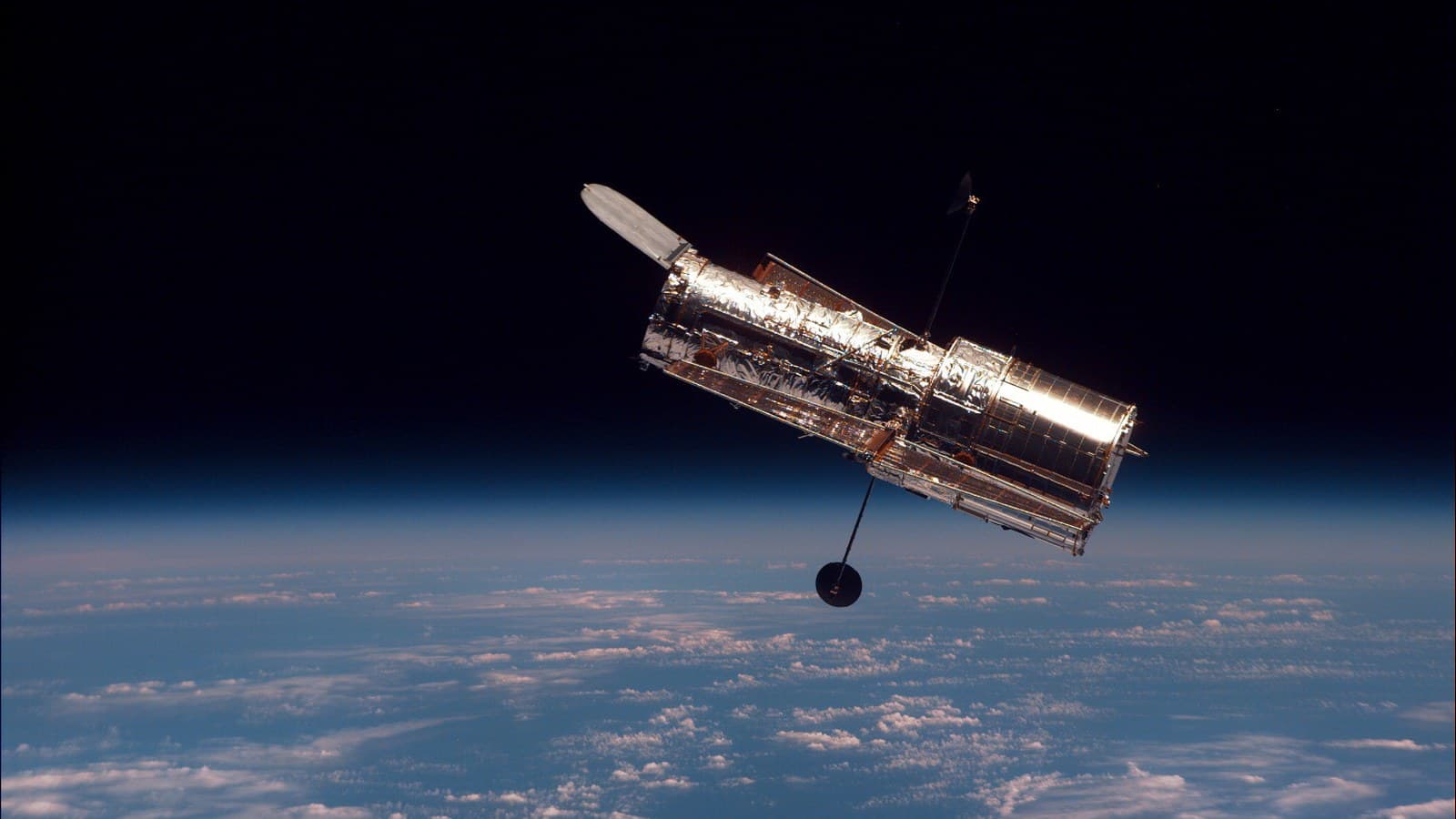
NASA's 29 October 2026 request for information asks industry about boosting Hubble, servicing it, or bringing it down safely. Nothing is funded or scheduled.
10 stories · “nasa”.

NASA's 29 October 2026 request for information asks industry about boosting Hubble, servicing it, or bringing it down safely. Nothing is funded or scheduled.

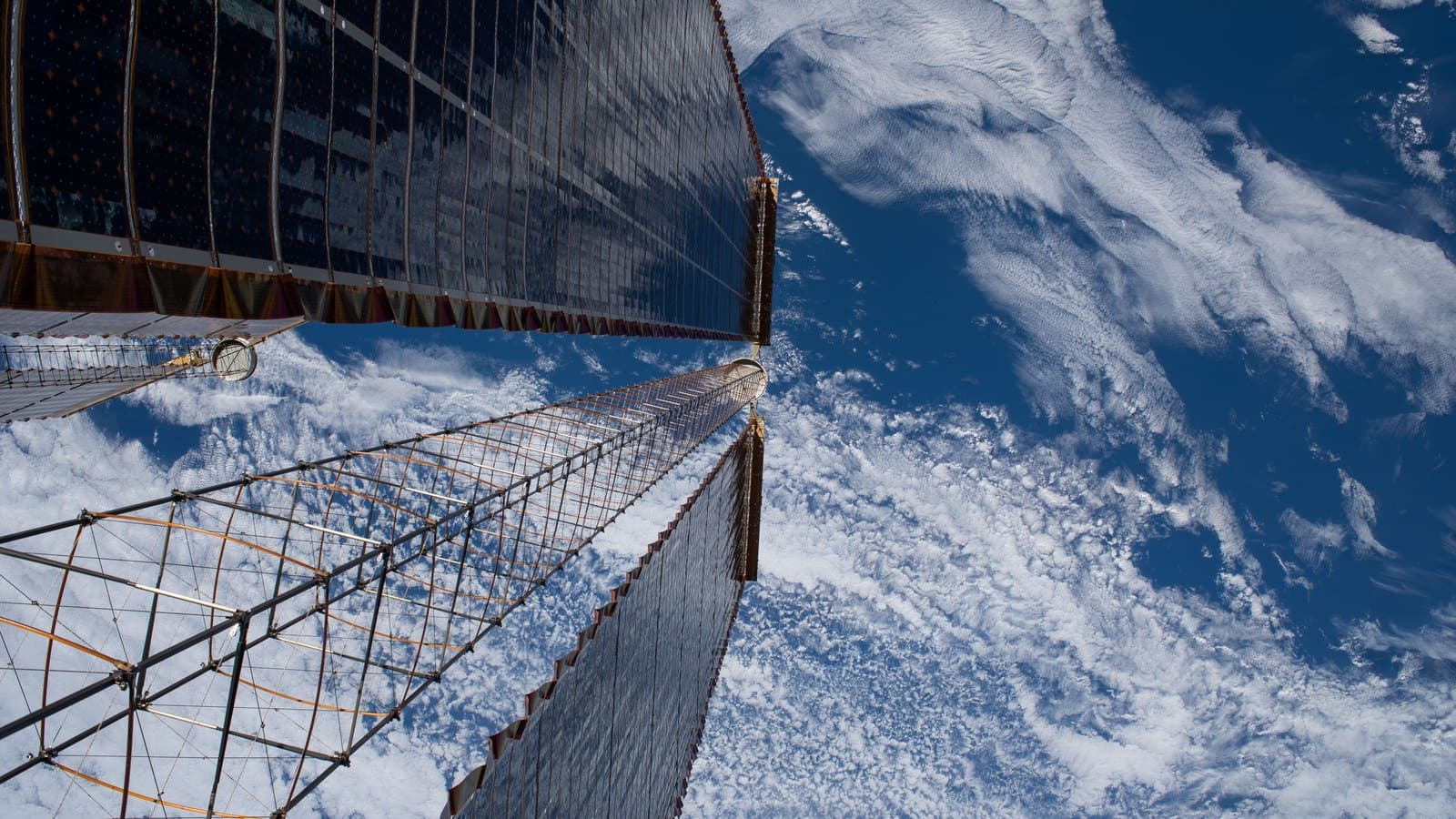
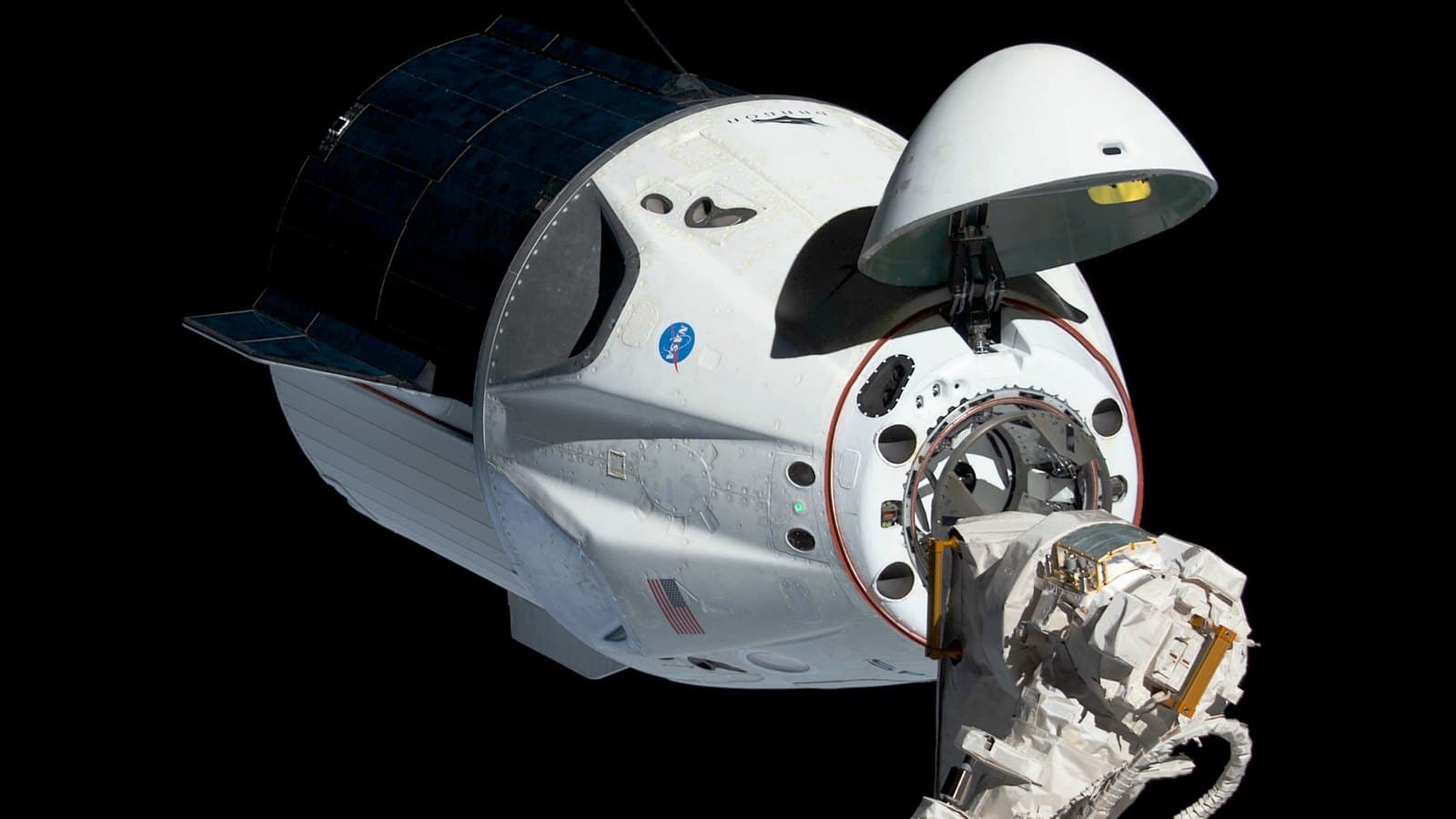
SpaceX launched NASA's CRS-35 cargo mission on October 13, 2026, carrying the fourth and final pair of ISS roll-out solar arrays and 6,300 pounds of supplies.

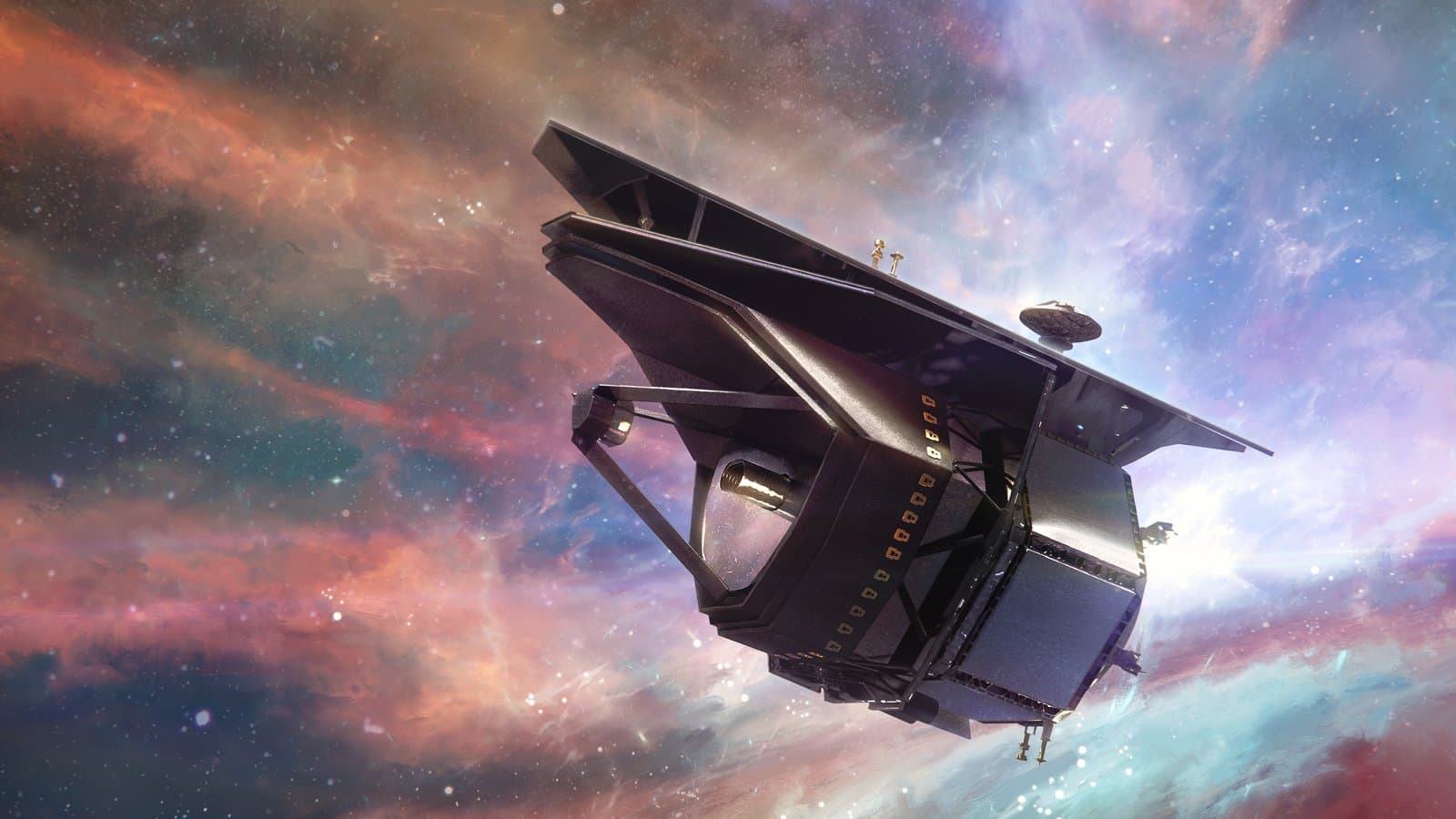
NASA selected PRIMA, a $1.2 billion far-infrared space telescope, as the first Probe Explorers mission in its Explorers Program, targeting a 2033 launch.

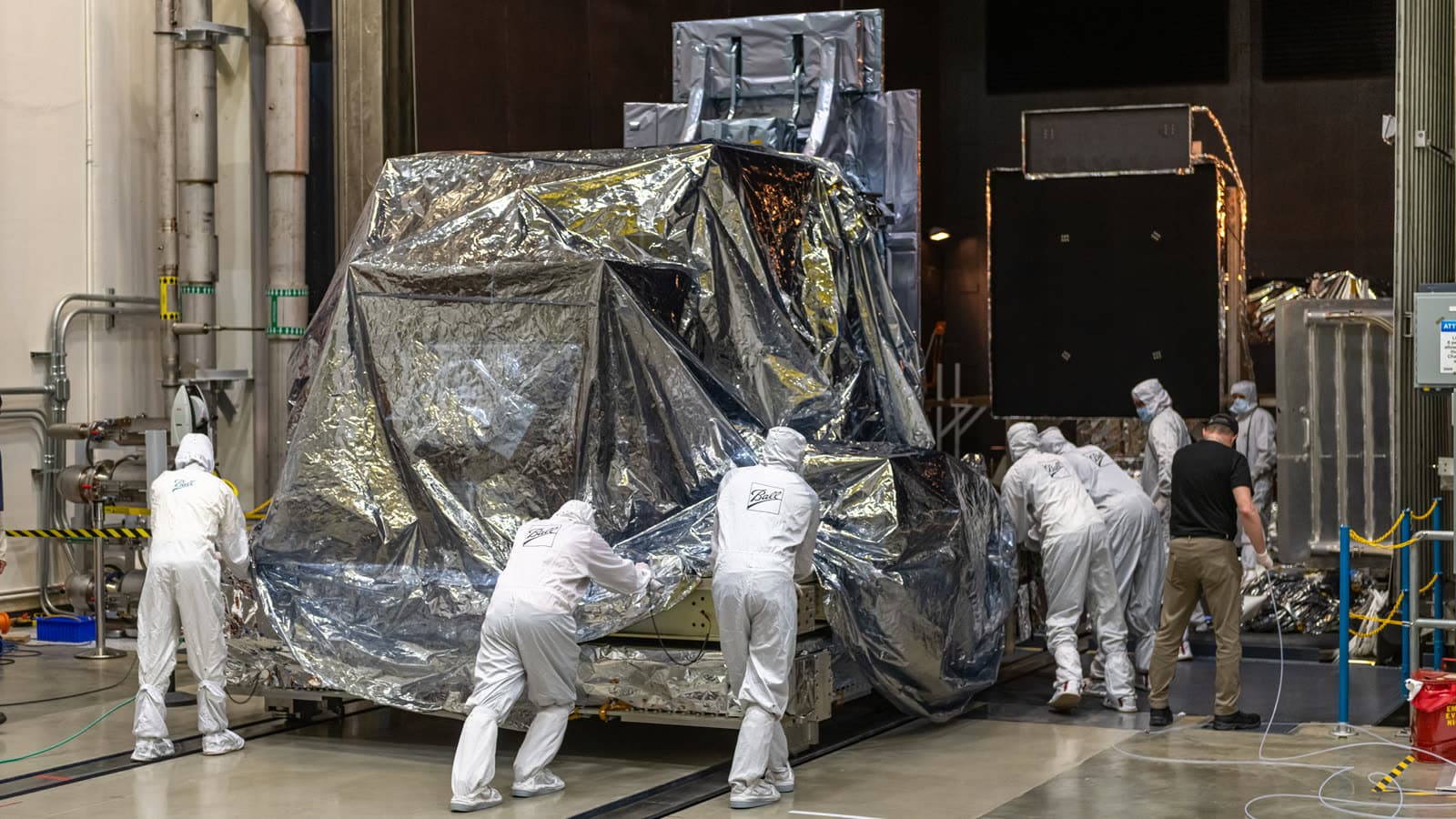
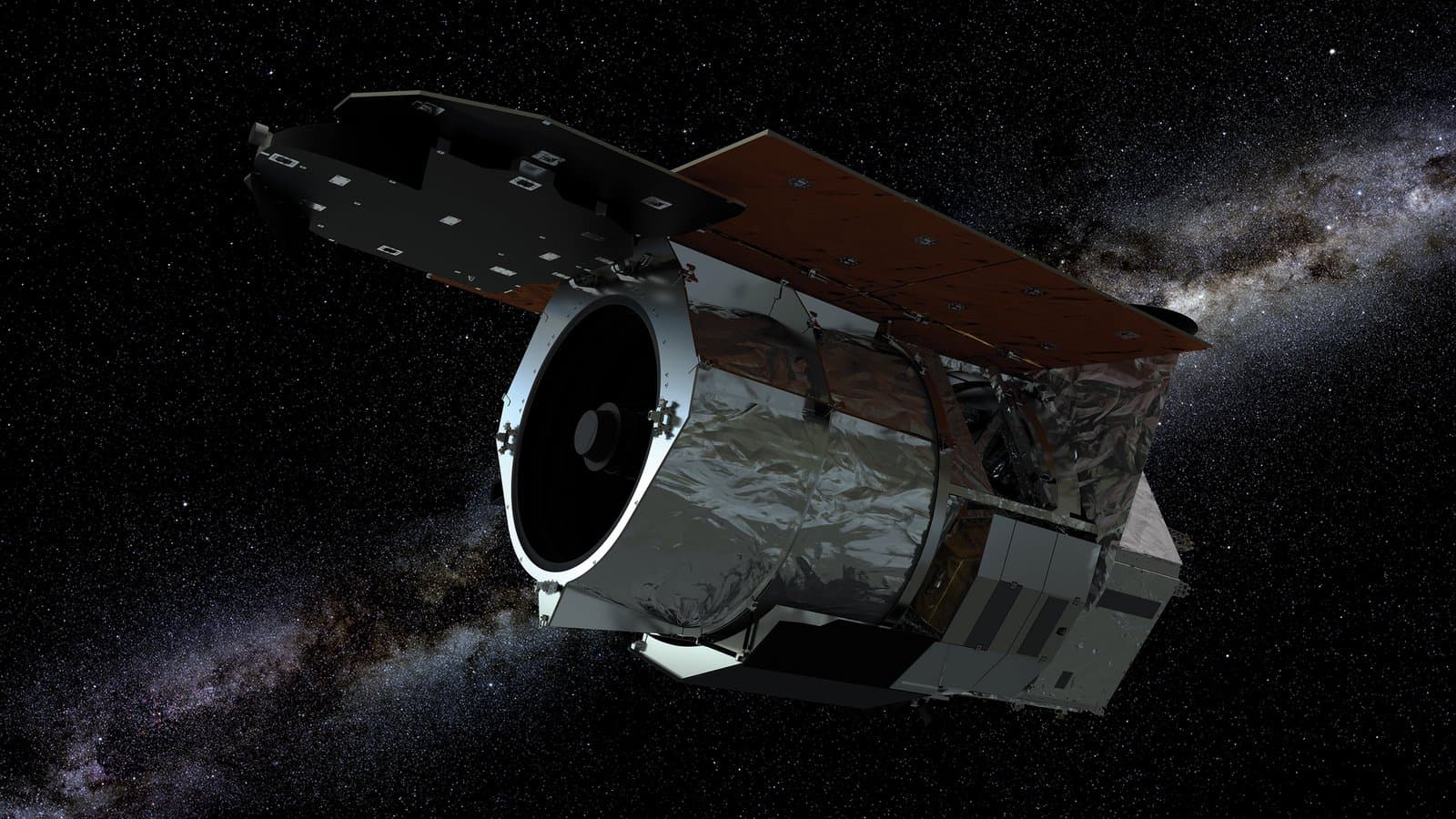
NASA powered up the Roman Space Telescope's 300-megapixel Wide Field Instrument in September 2026 and ran early checks on its planet-imaging coronagraph.

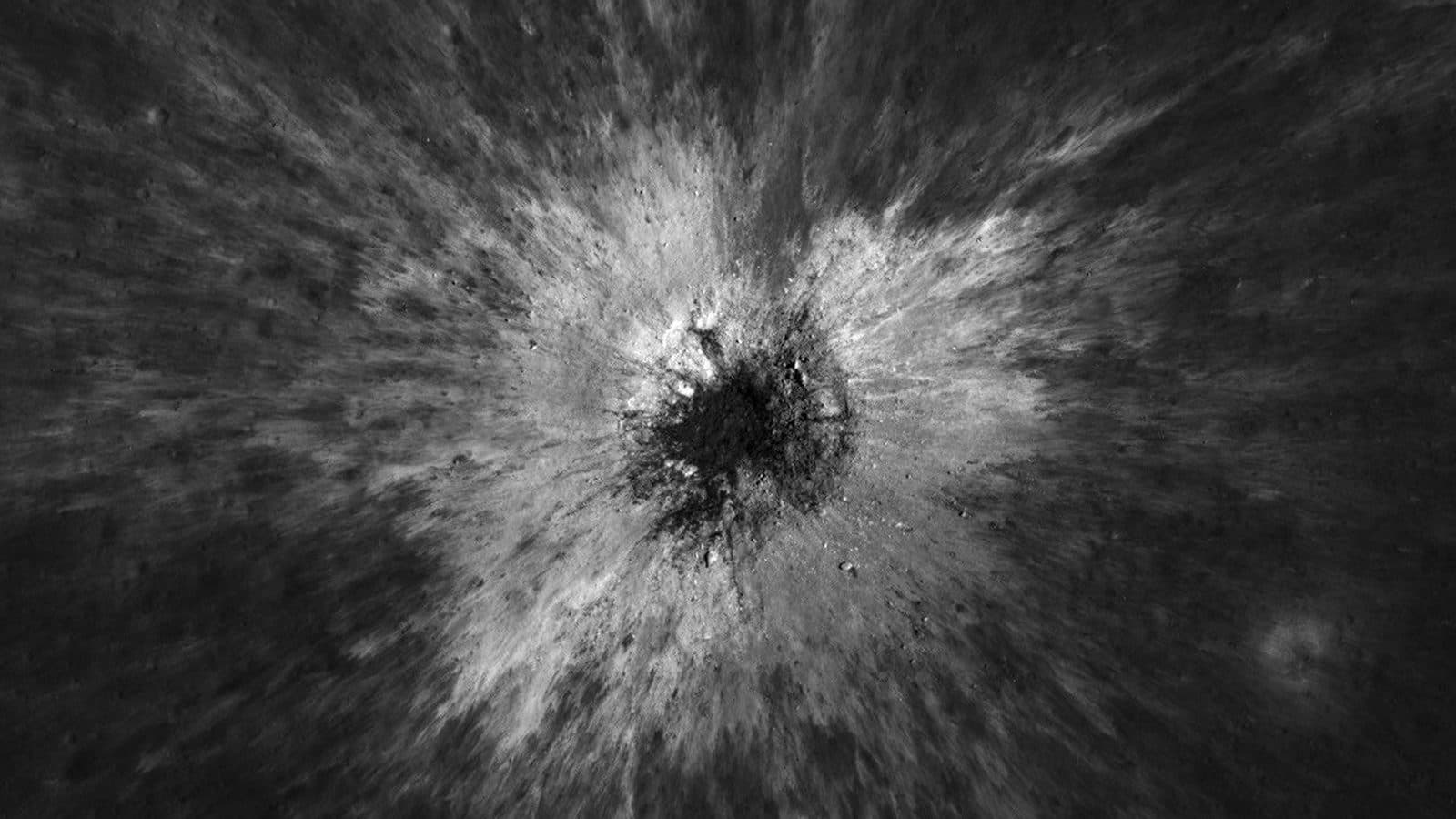
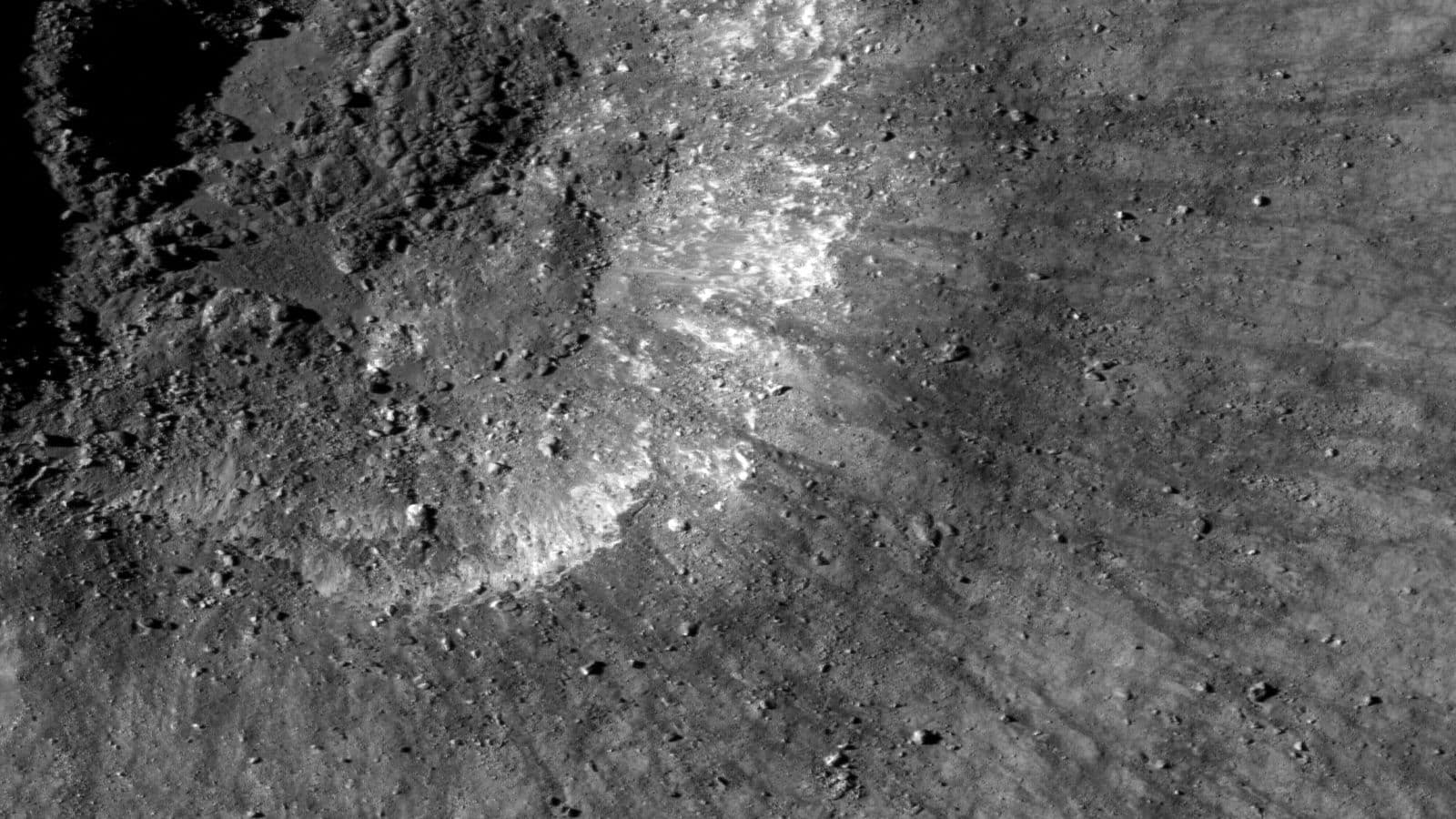
NASA's Lunar Reconnaissance Orbiter found a 222-metre crater on the Moon that formed in 2024, the largest newly formed crater identified in the solar system.

NASA awarded SpaceX $946 million on September 18, 2026 to add Crew-15, Crew-16 and Crew-17 to its CCtCap contract, lifting the total value to $5.92 billion.

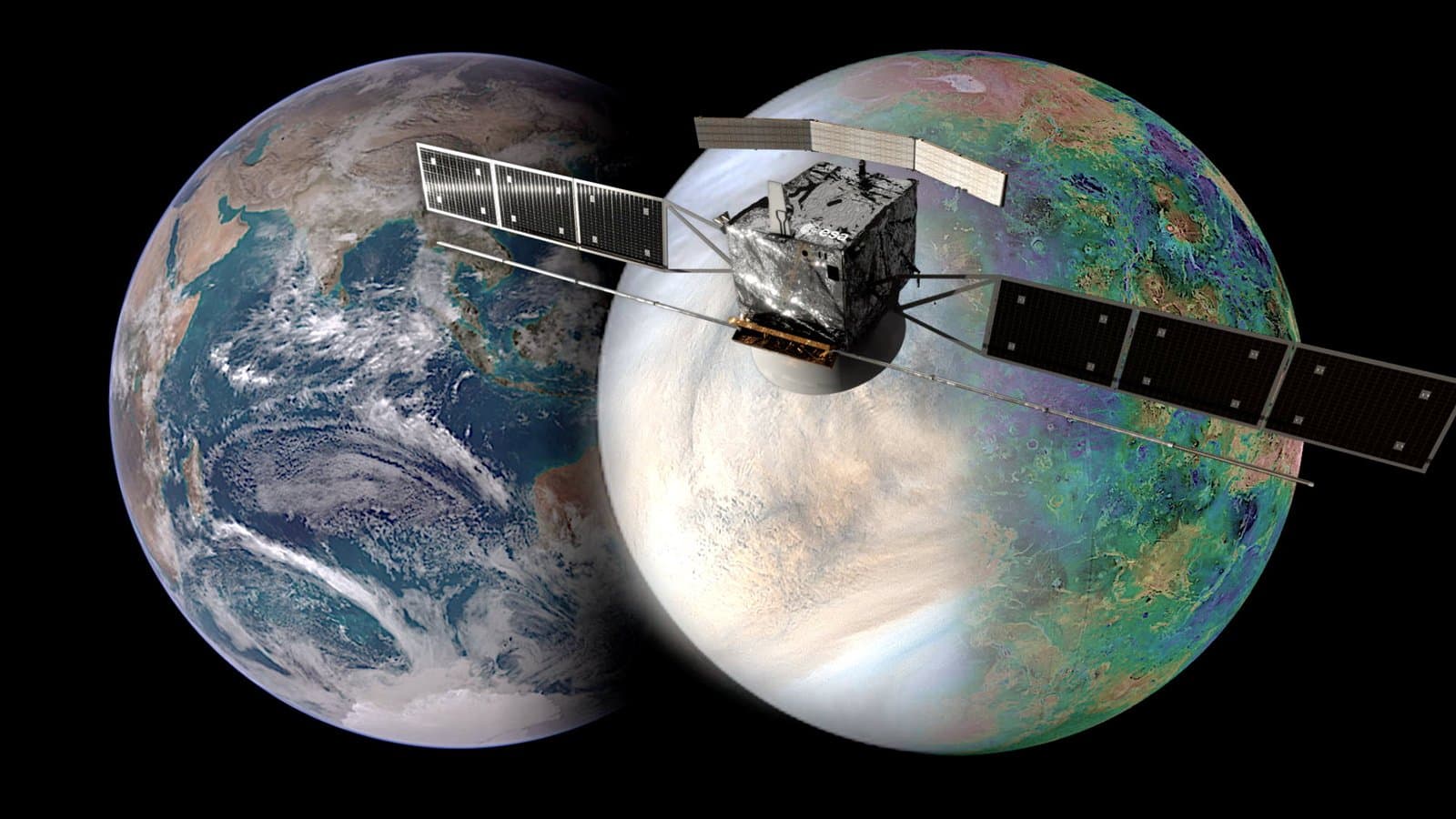
ESA is pressing ahead with a European radar for its EnVision Venus orbiter after NASA signalled it is unlikely to deliver the US-built VenSAR instrument.

The NASA-IBM Lunar Foundation Model turns decades of lunar observations into an open model and dataset, beating prior methods on key surface features by up to 23%.

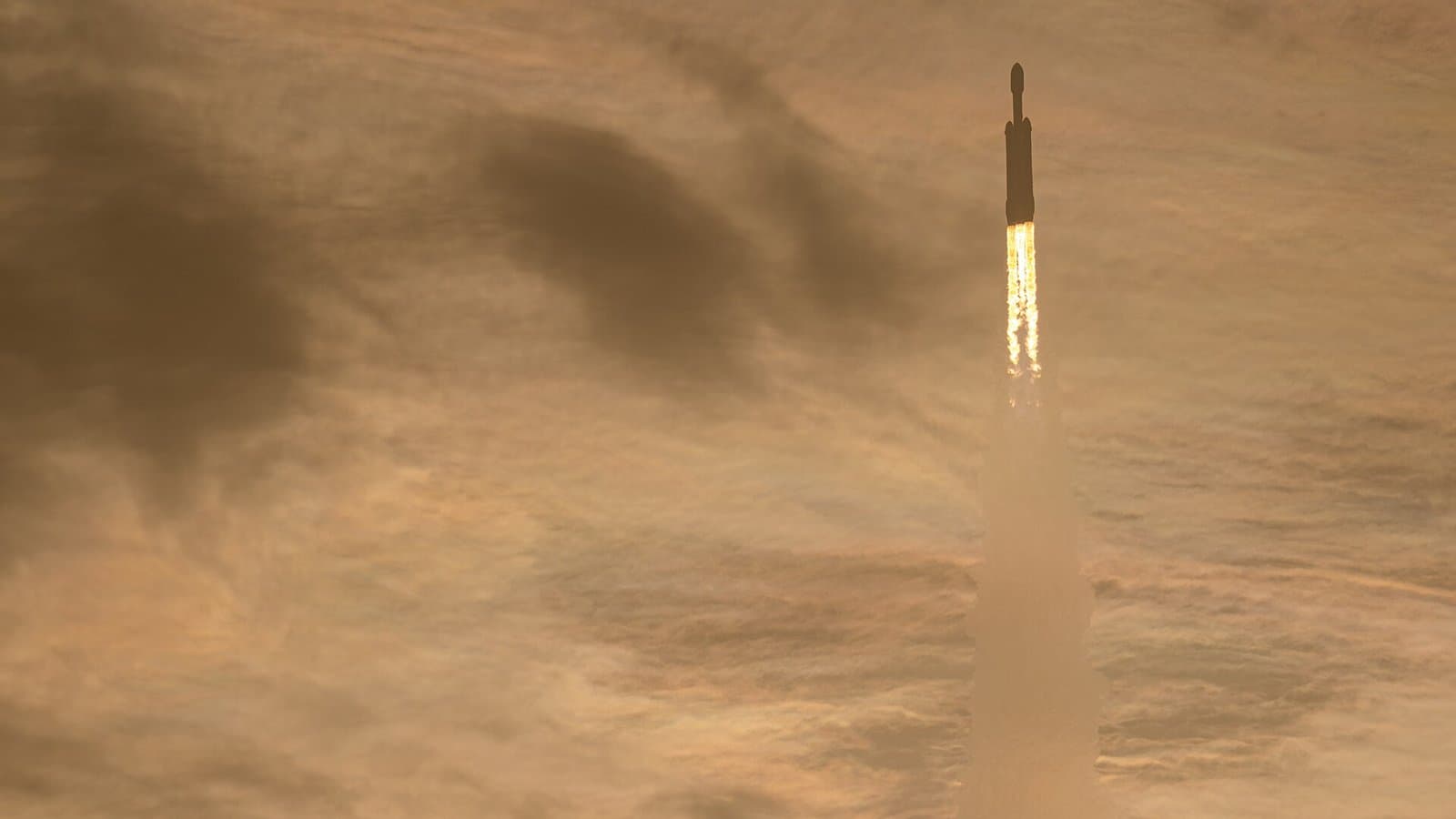
NASA's Nancy Grace Roman Space Telescope launched Aug. 30 on a Falcon Heavy, beginning a five-year survey with a field of view more than 100 times Hubble's.

Nvidia's $12.9B Hugging Face deal, a record quarter, NASA's Roman launch, Meta's $18B teen settlement, and more from the week ending Aug. 30, 2026.