Impulse Space Adds $308 Million to Series D, Taking the Round to $808 Million
Impulse Space raised a $308 million Series D extension on 16 September 2026, taking the round to $808 million at a reported valuation of $5.6 billion.

On this page
Key takeaways
- Impulse Space announced a $308 million extension to its Series D round on 16 September 2026, taking the combined round to $808 million.
- The first $500 million tranche of the Series D was announced in June 2026, so the extension brings Impulse's total capital raised past $1.3 billion.
- Reuters, citing a source close to the company, reported a roughly $5.6 billion valuation for the extension, while Payload Space reported a source figure of about $5.4 billion; Impulse did not confirm a valuation.
- The extension came from existing backers 137 Ventures, BANNER VC, DFJ Growth, Linse Capital, Lux Capital and Valor Equity Partners.
- Impulse builds in-space mobility vehicles such as its Mira spacecraft, which move satellites and other payloads between orbits after launch.
On 16 September 2026, Impulse Space announced a $308 million extension to its Series D round, lifting the combined round to $808 million. The Redondo Beach, California company builds spacecraft that move satellites and other payloads between orbits, and it says the new capital will help it keep pace with a growing commercial and government backlog.
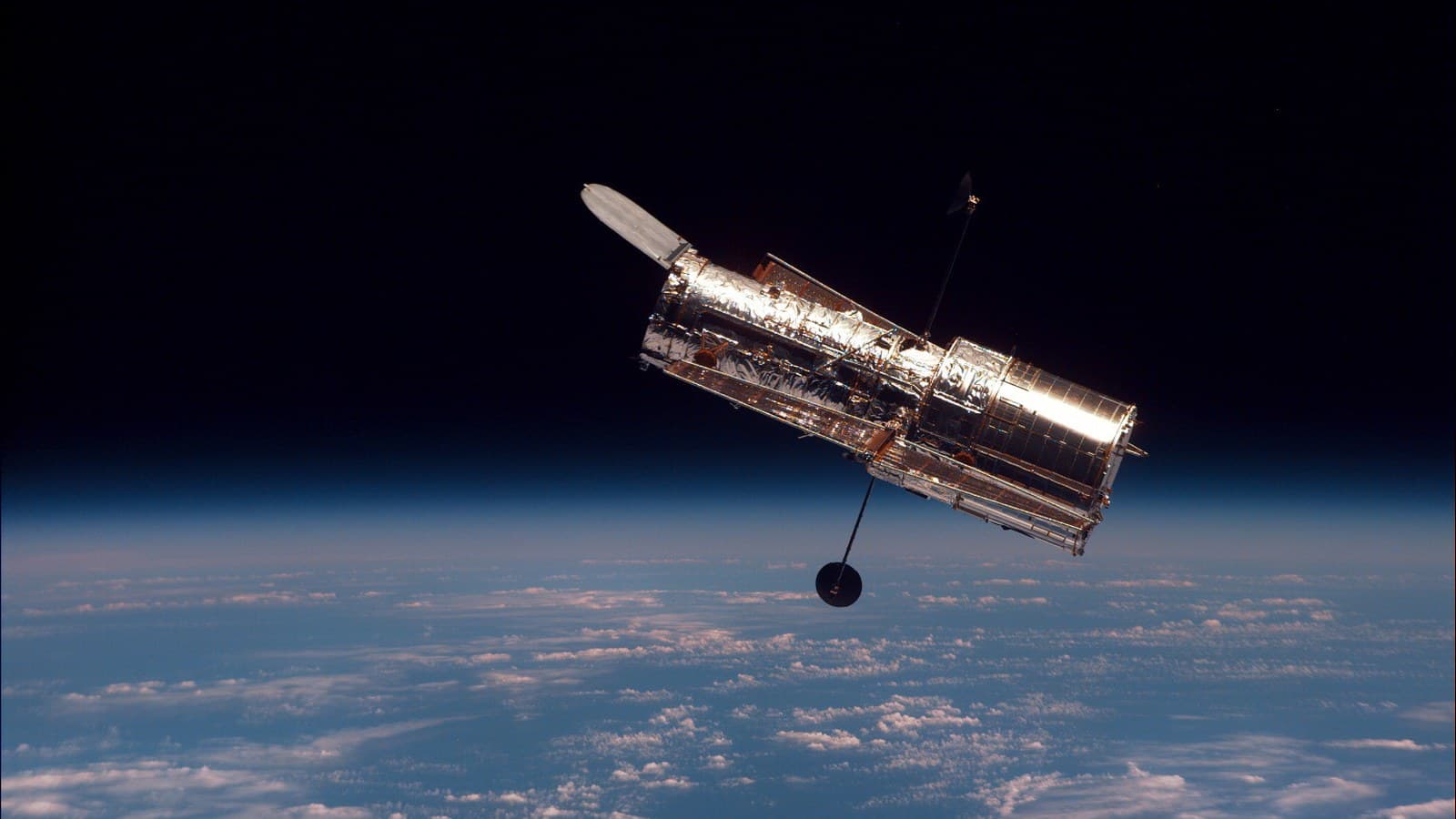
Related reading: Open Cosmos Raises €300 Million to Industrialize Europe's Satellite Supply · NASA Asks Industry Whether Commercial Spacecraft Could Boost or Retire Hubble.
The extension follows the round's first $500 million tranche, announced in June 2026. With the added money, Impulse's total capital raised has passed $1.3 billion, according to Reuters. The company did not disclose a valuation.
Reuters, citing a source close to the company, put the valuation for the extension at about $5.6 billion. Payload Space reported a source figure of about $5.4 billion. The June tranche was reported at a $4.26 billion valuation. Impulse has confirmed none of those numbers, which makes the financing a story about demand for a category as much as a story about one company's balance sheet.
The round and the numbers
The extension drew participation from existing investors 137 Ventures, BANNER VC, DFJ Growth, Linse Capital, Lux Capital and Valor Equity Partners, per GlobeNewswire and the company's own announcement. No new lead investor was named, so the money came from backers already on the cap table.
Impulse said the capital will support product development and team growth and expand its ability to serve commercial, civil and government customers. Reuters reported that the company now has more than 600 employees and over 180 open roles, and that it hired Vizio executive Adam Townsend as chief financial officer as it scales production. Bloomberg reported the funds will go toward expanding the team and continuing work on the company's spacecraft products.
Read together, those details describe a company moving from demonstration to production. Hiring a chief financial officer from a consumer-electronics business, adding headcount and expanding facilities are the moves of an organization that expects contracts to convert into hardware it has to build, test and ship. The size of the raise is the least interesting number in the announcement; the spending plan behind it is the more revealing one.
The headline numbers: a $308 million extension, an $808 million Series D, and more than $1.3 billion raised in total. The valuation is the one figure Impulse has not put its own name to.
What in-space mobility actually is
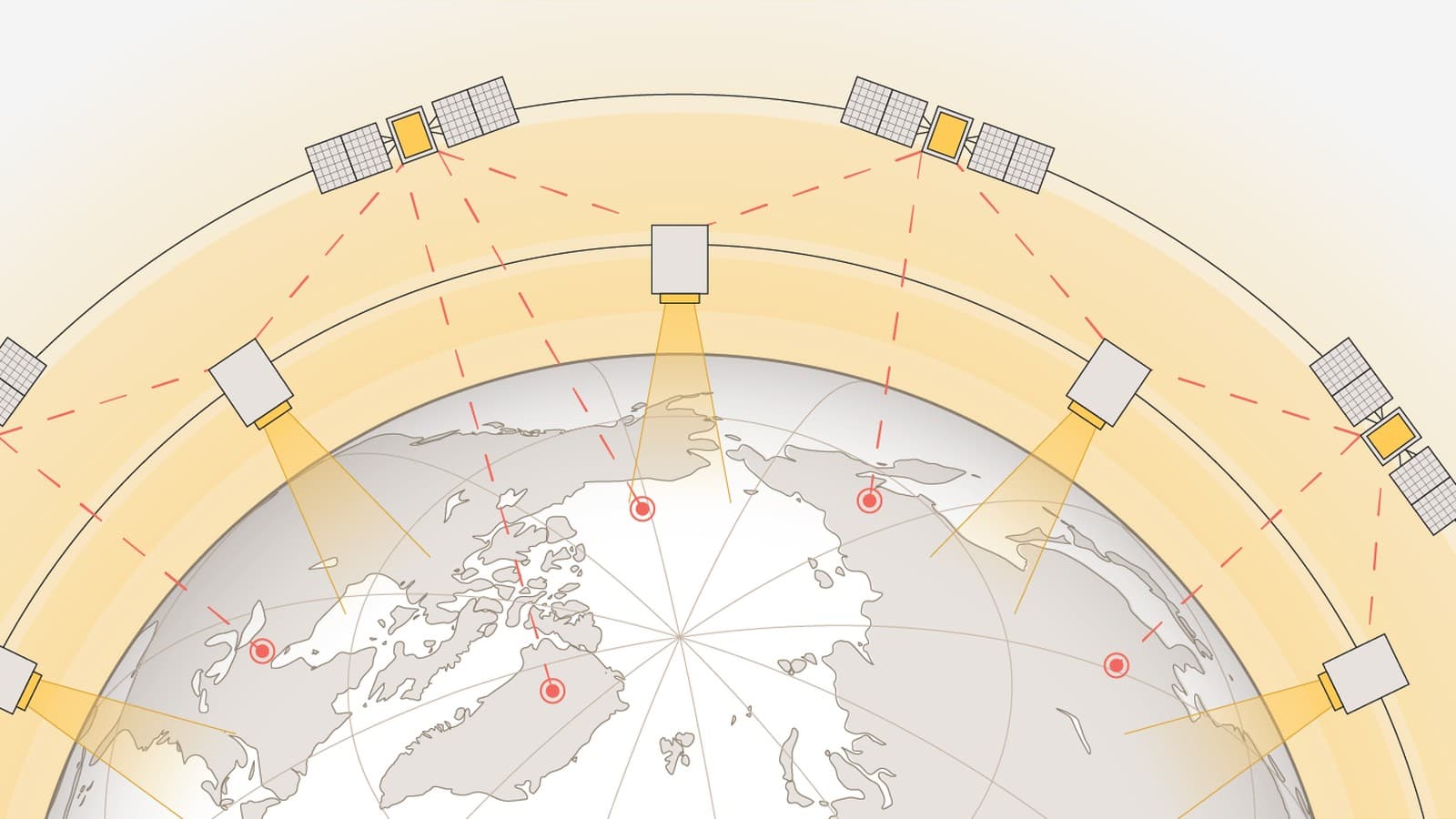
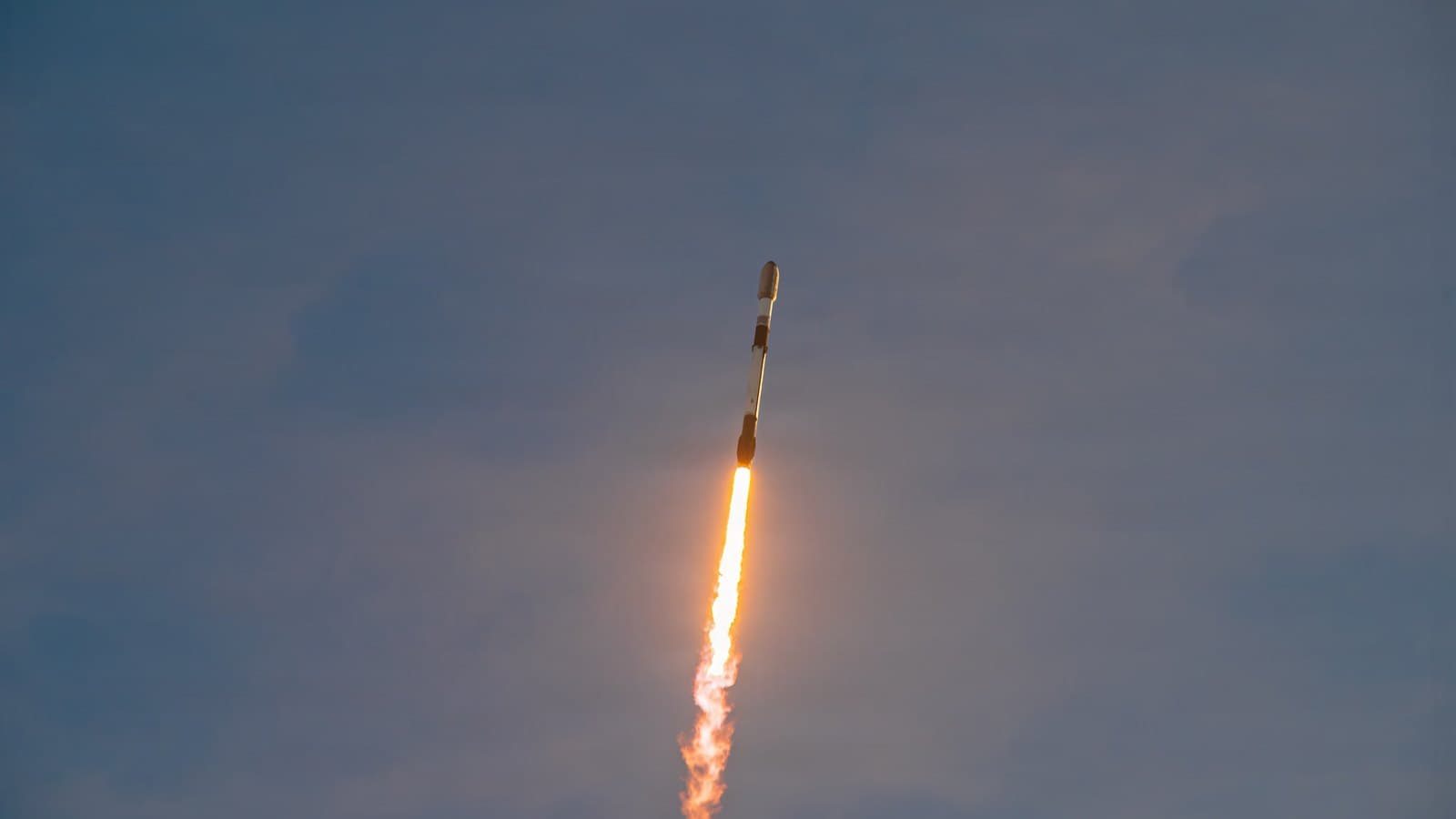
Most rockets deliver their payloads to low Earth orbit because that is the least expensive place to reach. Getting from there to geostationary orbit, to cislunar space or to a precise position inside a satellite constellation is a separate problem, and it usually costs propellant, time or both. Satellites carry fuel to make some of those moves, but fuel is mass, and mass is money on every launch.
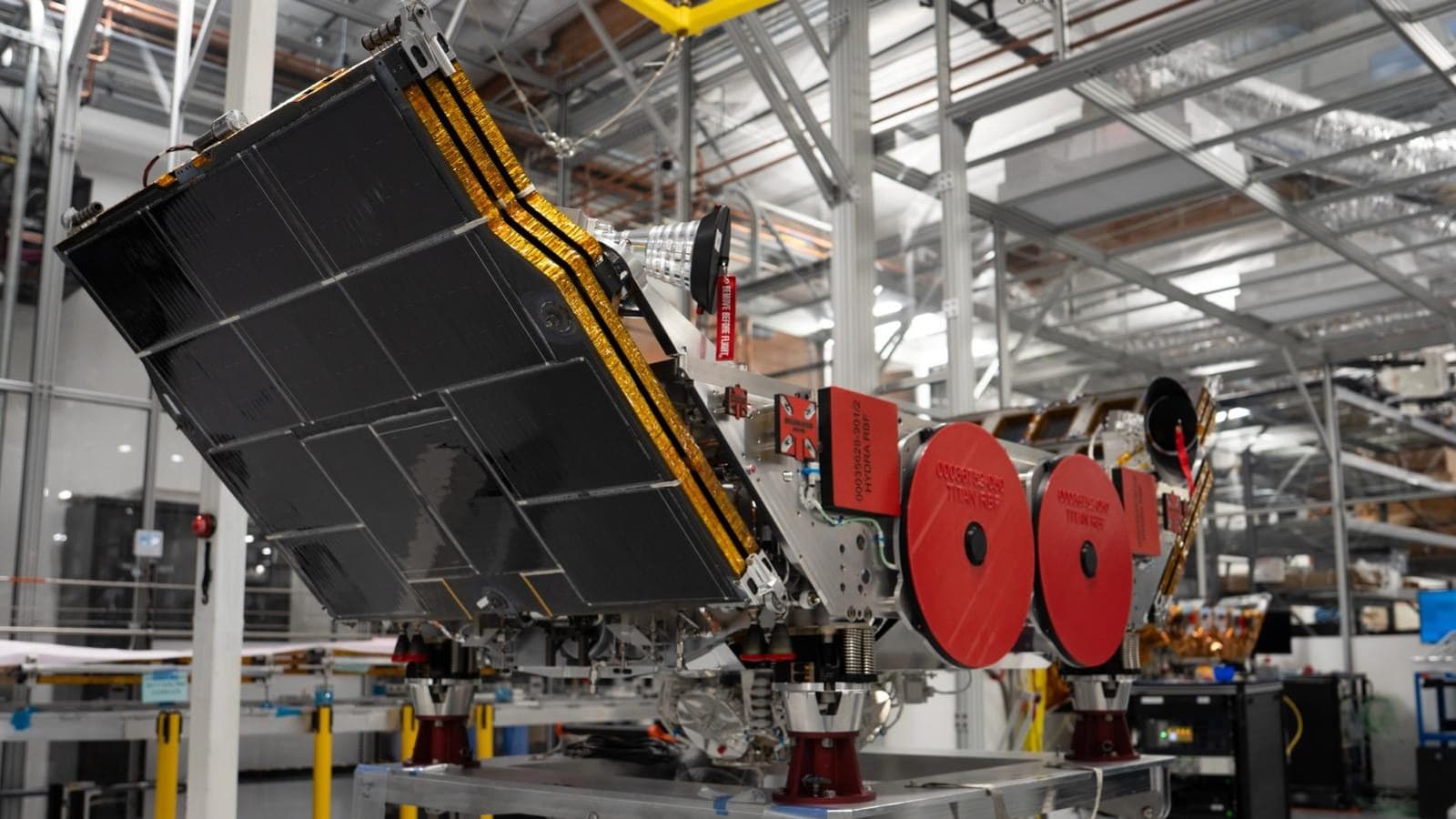
In-space mobility is the business of solving that problem with dedicated vehicles. Impulse builds spacecraft that move other spacecraft after they reach orbit. Its Mira spacecraft is an orbital transfer vehicle designed to carry satellites and other payloads between orbits, and its LEO Express missions are the company's early flights of that service.
The pitch is the "last mile" in space. Instead of launching directly to a final orbit, a customer can launch to a convenient one and buy the last leg separately. That matters more as launch capacity grows. If rockets become cheaper and more frequent, the harder problem shifts to what happens after separation: matching an orbit, phasing a satellite into a constellation, repositioning a spacecraft or removing a spent one.
The founder explains why investors listen. Impulse was founded by Tom Mueller, a founding propulsion engineer at SpaceX. His case is that the bottleneck in spaceflight has moved from the rocket to the logistics around it. A cheaper ride to orbit is worth less if the payload then needs months of its own propulsion to reach the place it earns money.
The market exists, but it is young. Satellite operators already buy rideshare launches, chemical upper stages and dedicated small launchers, and several companies compete for orbital transfer work. Impulse's wager is that demand for flexible movement in orbit grows faster than operators want to build that capability themselves. If a satellite operator has to choose between designing its own transfer stage and buying a ride on someone else's vehicle, a service provider wins on focus and volume.
The company's pitch is the last mile in space: moving payloads from low Earth orbit to geostationary or cislunar orbits rather than launching directly there.
Why the space-funding environment loosened
Impulse's raise lands in a warmer market for space startups than the one that held through 2024 and early 2025. Reuters tied the improved conditions to SpaceX's roughly $86 billion IPO in June 2026, which gave public investors a fresh benchmark for the sector and a reason to look again at private space companies.
A rising tide of exit values and public comparables makes later-stage private rounds easier to fill, particularly for companies with a hardware story and government contracts. When the category leader lists at a large valuation, funds that passed on space in the lean years have a reference point, and founders who would have struggled to raise can point to a public market that is willing to price the sector.
The structure of the deal carries a signal of its own. This is an extension, not a fresh priced round with a new lead. In venture terms, an extension usually means the company and its existing investors agreed to keep capital flowing without renegotiating the whole structure, often to reach a milestone before a larger round. For Impulse, that means the confidence on display comes from people who already know the business from the inside, which is a real endorsement but a narrower one than a new outside lead setting a fresh price.
There is a second way to read the timing. Impulse raised an extension months after closing what was already a large round, and it did so while reporting strong inbound demand. Companies raise when capital is available and terms are acceptable. The decision says more about the window than about any single contract.
Reading an extension: A round extension keeps momentum and can avoid a down round, but it is a narrower signal than a new outside lead setting a fresh price. Treat the insider conviction as real and the valuation as provisional.
Risks and caveats
The numbers deserve care. The $5.6 billion and $5.4 billion valuations come from unnamed sources and were not confirmed by Impulse. Reuters and Payload each attributed their figure to a person close to the company, and the two do not match. Until a filing or an audited figure appears, any valuation is a report rather than a fact, and the true number could sit anywhere near those figures or well away from them.
A large raise is not evidence of profitability. It shows that investors are willing to fund growth, which is a different claim. In-space mobility is capital-intensive and slow: spacecraft take years to design, build, test and fly, and each mission produces a small amount of revenue relative to its cost. Impulse is spending ahead of demand it expects to arrive, not collecting returns on demand already met.
The company also carries execution and timing risk. A backlog of contracts is a promise of future revenue, and turning it into cash depends on vehicles reaching orbit on schedule and performing as designed. SpaceNews framed the raise as a response to that backlog, which puts pressure on manufacturing and launch cadence as much as on sales. A single high-profile mission failure would not end the company, but it would reset the timeline investors are underwriting.
There is a competitive dimension as well. Impulse is not alone in orbital transfer, and larger launch providers can bundle similar services into their own offerings, using vehicles they already fly. A company that depends on other firms' rockets to place its own vehicles in orbit also inherits their schedules, their delays and their pricing. That dependency is a structural feature of the business, not a temporary condition.
None of this means the thesis is wrong. It means the round should be read as a bet on a market that is still forming rather than a validation of one that has formed. The clearest facts are the amounts raised and the identities of the investors. Everything else is a projection about demand that has not yet been paid for.
What to watch
Three things will show whether this round buys real progress. The first is flight. Impulse's LEO Express missions are the public test of whether its vehicles work as advertised, and each launch either sharpens or blurs the story. The second is conversion: whether the commercial and government backlog turns into revenue on a timeline that matches the spending. The third is the next financing step. An extension can carry a company to a milestone; a fresh round with a new lead would show that outside investors, and not insiders alone, accept the higher price.
For the wider space industry, Impulse is a test case for a specific thesis: that as launch gets cheap, the valuable work moves to what happens after orbit insertion. If that thesis holds, the next few years will produce more companies that sell movement rather than rockets, and the funding environment that just loosened will keep rewarding them. If it does not, the capital now flowing into orbital logistics will look early rather than wrong.
Either outcome is informative, and both will take time to show up in the numbers. The extension itself is a fact. What it is worth will be decided by missions that have not flown yet.
Cover: Impulse Space press image, "Impulse Space's Mira spacecraft at the company's factory in Redondo Beach, California" (company-distributed asset), cropped 16:9.
Tags
Frequently asked questions
- How much did Impulse Space raise in its Series D extension?
- Impulse Space announced a $308 million extension on 16 September 2026, taking the combined Series D to $808 million. The first $500 million tranche was announced in June 2026, and the company has now raised more than $1.3 billion in total.
- What is Impulse Space valued at?
- Impulse Space did not disclose a valuation for the extension. Reuters reported a source figure of about $5.6 billion and Payload Space reported about $5.4 billion, while the June 2026 tranche was reported at a $4.26 billion valuation.
- What does Impulse Space do?
- Impulse Space builds spacecraft for in-space mobility, meaning vehicles that move satellites and other payloads between orbits after launch. Its Mira spacecraft and LEO Express missions are designed to provide the last leg of a payload's journey, such as from low Earth orbit to geostationary or cislunar orbits.
- Who founded Impulse Space?
- Impulse Space was founded by Tom Mueller, a founding propulsion engineer at SpaceX. The company is headquartered in Redondo Beach, California.

TPW Editorial
Editorial Team
TechPastWeek's editorial team reports and edits every story we publish. We research each piece against primary and credible secondary sources, and a human editor reviews and signs off before it goes live.