Cliff Booth Opens in the High 80s as Critics Split on Fincher and Tarantino
The Further Mis-Adventures of Cliff Booth holds 87% on Rotten Tomatoes and 68 on Metacritic, with critics praising Pitt and Fincher and questioning the plot.

On this page
Key takeaways
- The Further Mis-Adventures of Cliff Booth held 87% on Rotten Tomatoes from 53 reviews and a Metacritic score of 68 from 30 reviews after the embargo lifted on 19 November 2026.
- David Fincher directed from a Quentin Tarantino screenplay; Brad Pitt returns as Cliff Booth, with Elizabeth Debicki, Scott Caan, Carla Gugino, Yahya Abdul-Mateen II and Peter Weller.
- The film opens in IMAX on 25 November for a two-week run and reaches Netflix on 23 December.
- Critics praised the Pitt performance, the Fincher-Tarantino pairing and the film's hangout mood; the dissent focused on a thin plot and an episodic structure.
- The 2019 predecessor, Once Upon a Time in Hollywood, finished at 86% on Rotten Tomatoes, grossed about $410 million and won two Oscars from 10 nominations.
The review embargo on The Further Mis-Adventures of Cliff Booth lifted on 19 November, and within a few hours the film had settled into a shape that will define its reception: strong, not unanimous, and more divisive about what kind of movie it is than about whether it works. Rotten Tomatoes showed 87% from 53 reviews in a ScreenRant report published at 18:49 UTC. Metacritic showed a score of 68 from 30 reviews, with 23 positive, five mixed and two negative notices.
Related reading: Nocturne Opens at 100% on Rotten Tomatoes, Then Slips to 83% · The Greatest Opens at 100% on Rotten Tomatoes, With Ali as a Young Man.
That is a good opening for a film carrying the weight of a 2019 Oscar favourite and the first collaboration between Quentin Tarantino and David Fincher. It is not the reception of a film that has closed the argument. The praise is warm and specific. The complaints are about structure, and they are the kind that tend to stick.
A 1977 crime story with a hangout heart
The film is set in 1977, eight years after the events of Once Upon a Time in Hollywood. Cliff Booth (Brad Pitt) is no longer a stuntman. He works as a projectionist at the New Beverly Cinema and tends bar at Lucy's El Adobe, and he takes odd jobs as a fixer for people in the industry. Rick Dalton has moved to Australia, and Leonardo DiCaprio does not appear.
The plot arrives through Karen Crosby (Elizabeth Debicki), a talent agent whose client, TV star Charlie Peters (Scott Caan), is known for doing his own stunts. Peters has a wife, Toni (Carla Gugino), a past connection to Cliff, and a problem that needs fixing. Around them are Roderick "Hot Rod" Harrison (Yahya Abdul-Mateen II), a football star turned actor, and the Verdusco brothers (Matt Groove and JB Tadena), gangsters moving through the same Los Angeles.
Netflix's synopsis sums it up as "murder, blackmail, theft, extortion, just another summer in Hollywood." The film runs 2 hours 20 minutes and is rated R for strong disturbing violence, nudity, drug use, bloody images, pervasive language and sexual content. It is 2.39:1, shot for a big screen, which is where Netflix will put it first.
From a scrapped tenth film to a Fincher picture
Tarantino wrote the script as his planned 10th and final directing project, then set it aside. Pitt did not want to leave the character, and he approached Fincher, his director on Seven, Fight Club and The Curious Case of Benjamin Button. Tarantino endorsed the idea, and Netflix acquired the script.
The origin explains some of the reviews. This is not a film either director needed to make to close out a filmography. Fincher has described the project as a chance to make an LA crime story with a character he liked, and he has cited Shampoo as a reference for the milieu of agents, ageing stuntmen and television actors with large egos.
It is also, according to Collider, the final film under Fincher's Netflix deal. That makes the release strategy part of the story: a two-week IMAX run from 25 November, then streaming on 23 December. Netflix has done limited theatrical runs before, but an IMAX launch for a film that will be on the service three weeks later is still unusual.
The numbers, and the predecessor
At 87% from 53 reviews, the film was one point above Once Upon a Time in Hollywood's 86% at the same snapshot, and above Seven's 84%. ScreenRant called it the highest-rated film of the Pitt-Fincher collaborations, which also include Fight Club at 81% and Benjamin Button at 71%.
The comparison to the predecessor is unavoidable and slightly unfair. Once Upon a Time in Hollywood grossed about $410 million, received 10 Oscar nominations and won two, including Best Supporting Actor for Pitt. It was a film with a historical hook, a fairy-tale ending and a pair of movie stars at its centre. The new film has Pitt, a deep bench of character actors and a narrower, darker Los Angeles.
The Metacritic split is more informative than the Rotten Tomatoes percentage. A 68 means most critics liked it, but the enthusiasm is uneven. Twenty-three positive notices against five mixed and two negative is a solid majority, not a consensus.
What the positive reviews see
The strongest notices treat the film as a mood piece and a vehicle for Pitt. Little White Lies gave it 100 and wrote that "all the performers here are supremely on message, and the chemistry is as precise as one of Cliff's experimental cocktails." It credited Fincher's "silky direction and sense of screwball pacing."
The Film Stage gave it 91 and called it "an assured, mature work that doesn't forget to have fun," adding that what might have been Tarantino's peculiar last movie is "Fincher's best in fifteen-something years."
ScreenRant gave it 90 and located the film's strength in melancholy: Fincher "visually taps into the sadness of the character and the time period," with an "underlying sense of melancholy" in Cliff's relationships with his father, with Karen and with the film industry.
The Daily Beast gave it 88 and called it "an Elmore Leonard/Donald E. Westlake-style dime-store crime yarn that's superior to its acclaimed predecessor." Deadline's Pete Hammond called it a "rollicking good wild ride" and praised the Fincher-Tarantino combination. Time's Stephanie Zacharek wrote that the film is "not specific enough to be a movie; it's more of a vibe," a line that captures the positive case as much as the negative one.
Even the positive reviews tend to describe the plot as secondary. The Guardian's Peter Bradshaw gave it 80 and focused on Pitt, whose performance is "endlessly watchable and entertaining, but also enigmatic." Empire's Dan Jolin gave it 80 and called it "an indulgently long, loose-fit good hang of a movie," adding: "while it may just be a burger, it is a tasty burger."
Where the dissent lands
The negative reviews are not hostile to Pitt or to the craft. They are arguments about whether a hangout needs a story. Collider's Robert Brian Taylor called it "a surprisingly shrug-worthy affair" and "a lark, a throwaway, a side quest," adding that anyone hoping for something on the level of Once Upon a Time in Hollywood should "realign expectations."
The Telegraph's Robbie Collin gave it 80 but framed the same problem in a memorable line, calling it "a triple-Michelin-starred Big Mac." The film is made with precision, in other words, and still amounts to fast food. ScreenRant's roundup of the reviews noted complaints that the film is episodic, repetitive and inconsistent in tone, and that it does not resolve much about Cliff's past.
That is the split in one sentence: a film that is delicious to spend time with, and thin when you ask what it was for. The critics who wanted a summation of Tarantino's career, or a tight crime story in the vein of Out of the Past, found neither. The critics who wanted two hours of Brad Pitt in a 1970s Los Angeles with Fincher behind the camera found plenty.
What the reception means
The commercial question is separate from the critical one. Netflix does not report theatrical grosses in the usual way, and the film will be judged by viewing hours after 23 December. The IMAX run gives it a cultural presence that a straight streaming launch would not, and the reviews give it enough of a stamp to justify the push.
The awards question is harder. A 68 on Metacritic is respectable. Whether it is enough for an awards campaign is a question for the guilds and the box office, not for the aggregators. Pitt's performance will get attention, and the craft categories are plausible. A film this loose rarely runs the table.
For Tarantino, the result is a useful escape hatch. He has spent years saying he will stop at 10 films. This one is his script, not his directing credit, so the count is intact. It also shows that his characters can survive without him in the director's chair, which is a different kind of legacy question than the one he has been asked since 2019.
For Fincher, it is a warmer film than his recent work, and a reminder that his precision plays well in a comic register. The reviews that call it his best in years are not a consensus, but they are not a minority of one.
Caveats
Rotten Tomatoes and Metacritic scores were moving throughout 19 November as reviews arrived. The 87% and 68 figures are a snapshot from the afternoon, and both will change. The 53 reviews on Rotten Tomatoes and 30 on Metacritic are a small sample compared with a wide release, and Rotten Tomatoes had no audience score at the time of writing.
The review excerpts above come from the outlets named and from Metacritic's collection of their notices. This article has not seen the film. Box office figures are not available, and Netflix does not break out theatrical revenue for a run like this one. The filmmakers describe the film as a continuation rather than a sequel, a distinction that matters to them more than it will to most viewers.
The film opens in IMAX on 25 November and reaches Netflix on 23 December. By then the Rotten Tomatoes page will have more reviews behind it, and the audience score will be the number that matters for a film built on a character people already liked.
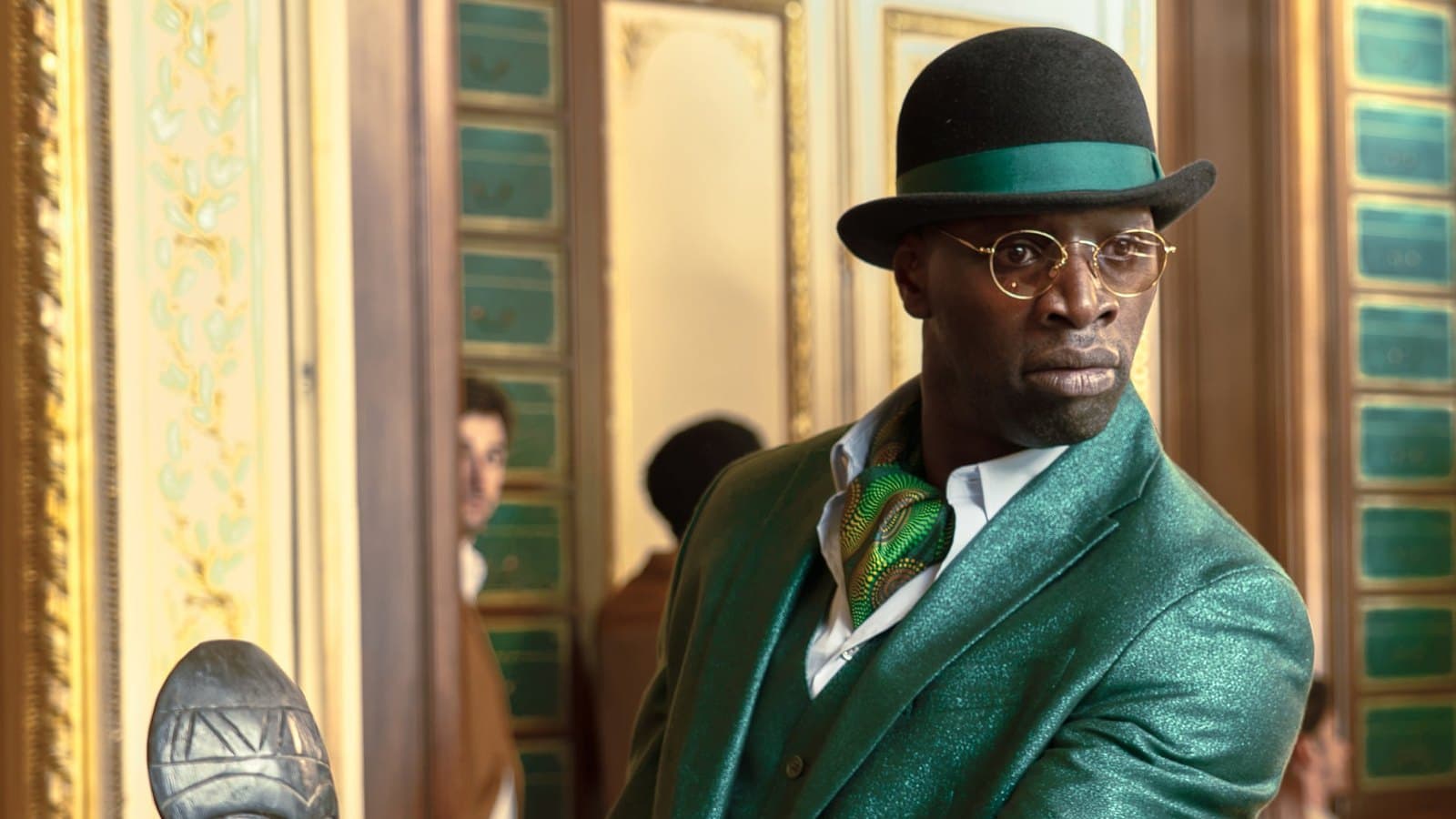
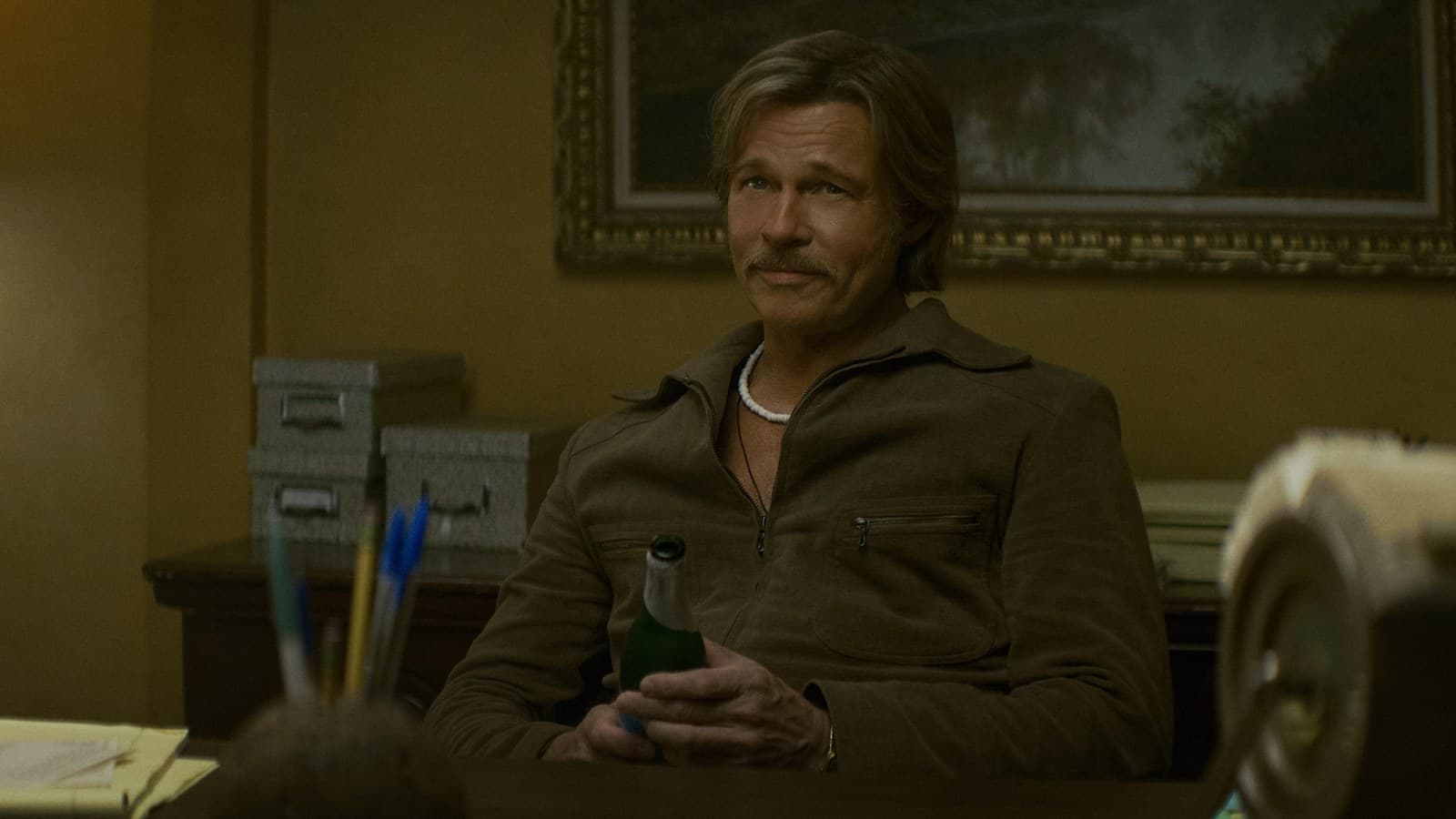
Cover: Brad Pitt as Cliff Booth in The Further Mis-Adventures of Cliff Booth. Official still courtesy of Netflix. Cropped to 16:9.
Tags
Frequently asked questions
- Is The Further Mis-Adventures of Cliff Booth a sequel?
- It is a continuation rather than a direct sequel. The filmmakers describe it as a new story about the same character, set in 1977, eight years after the events of Once Upon a Time in Hollywood. Leonardo DiCaprio does not appear.
- When can I watch Cliff Booth?
- The film opens in IMAX theaters on 25 November 2026 for a two-week exclusive run. It begins streaming on Netflix on 23 December 2026.
- What score did Cliff Booth get on Rotten Tomatoes?
- Rotten Tomatoes showed 87% from 53 reviews shortly after the embargo lifted on 19 November 2026. Metacritic showed 68 from 30 reviews, with 23 positive, five mixed and two negative notices.
- Who directed and wrote Cliff Booth?
- David Fincher directed. Quentin Tarantino wrote the screenplay, returning to the characters he created in Once Upon a Time in Hollywood. Brad Pitt produced with Ceán Chaffin.

TPW Editorial
Editorial Team
TechPastWeek's editorial team reports and edits every story we publish. We research each piece against primary and credible secondary sources, and a human editor reviews and signs off before it goes live.