Intuit Sells Mailchimp to Bending Spoons for $3.68 Billion
Intuit is selling Mailchimp to Bending Spoons for $3.68 billion, less than a third of the $12 billion it paid in 2021, after the unit's revenue slipped.

On this page
Key takeaways
- Intuit agreed on 19 November 2026 to sell Mailchimp to Bending Spoons for an enterprise value of $3.68 billion.
- Intuit will receive $3.31 billion in cash and $368 million in Bending Spoons stock, and the deal is expected to close in early 2027.
- Intuit paid $12 billion for Mailchimp in 2021, so the sale is less than a third of the original purchase price.
- Mailchimp revenue fell 1% to $313 million in Intuit's first fiscal quarter, and Intuit guided to $1.256 billion to $1.266 billion for the full year.
- Intuit shares fell 15% in extended trading after its fiscal 2027 guidance came in below analyst estimates.
Intuit agreed on 19 November to sell Mailchimp to Milan-based Bending Spoons for an enterprise value of $3.68 billion, unwinding a $12 billion acquisition that never delivered the growth Intuit expected.
Related reading: Anthropic Prices Its IPO at $83 and Raises $81.3 Billion · Anthropic's IPO Terms: 825 Million Shares at $70 to $78, Valued Up to $1.45 Trillion.
The price is less than a third of what Intuit paid in 2021, when Mailchimp was its largest deal ever. Intuit will receive $3.31 billion in cash and $368 million in Bending Spoons stock, according to its earnings release. Bending Spoons describes the transaction as all-cash and says Intuit will invest $368 million of the proceeds into newly issued Bending Spoons equity. The deal is expected to close in early 2027, subject to regulatory approval.
The sale came alongside Intuit's first-quarter results, which beat the company's own guidance but included a weaker outlook for the full year. Intuit shares fell 15% in extended trading, CNBC reported.
A $12 billion bet sold for less than a third
Intuit bought Mailchimp in 2021 to push beyond tax and accounting software into marketing automation for small businesses. The company paid about $12 billion, its largest acquisition at the time, and pitched the deal as a way to help small businesses find and keep customers.
Five years later, the unit is shrinking. Mailchimp revenue fell 1% to $313 million in the quarter ended 31 October. Intuit expects $1.256 billion to $1.266 billion from Mailchimp in fiscal 2027, which would be down 1% to flat compared with the prior year. At the midpoint, the $3.68 billion price is about 2.9 times forward revenue.
Intuit started reporting Mailchimp as a separate operating segment in August, a change the company said would give investors more transparency as it managed the unit for profitability. That disclosure made the drag easier to see. It also made a sale easier to explain.
Mailchimp was founded in 2001 and built a freemium business around email campaigns, automations and audience management for small companies. Its customer base was attractive to Intuit because those businesses already used QuickBooks or TurboTax, or might be persuaded to. The thesis was that marketing, accounting and payments could be sold as one stack. The execution ran into a harder market: email marketing became crowded, e-commerce platforms bundled their own tools, and AI made it easier for smaller rivals to build campaigns. Mailchimp's revenue flattened while Intuit's core products kept growing.
"Mailchimp has helped millions of businesses grow and acquire customers through email marketing automation, and we are grateful to the Mailchimp team for what they have built and the impact they have had on customers and Intuit," said Jack Tam, a senior vice president at Intuit. "We are confident Bending Spoons will lead Mailchimp to continued success in this next chapter."
What Bending Spoons gets
Bending Spoons is a serial acquirer of digital businesses. Its portfolio includes Airtable, AOL, Brightcove, Eventbrite, Evernote, Miro, Tractive, Vimeo and WeTransfer. The company says it has never sold a material business, and it describes its model as buying products, reorganizing teams, overhauling technology, redesigning interfaces and using AI to improve marketing and monetization.
"Mailchimp is a powerful brand, built over two decades of reshaping the email marketing category and redefining how companies grow their audiences," said Luca Ferrari, Bending Spoons' chief executive and co-founder. "We're honored to welcome it to Bending Spoons and excited about what we can accomplish together. After closing, we'll invest substantially in the business, building on the powerful, easy-to-use tools customers already value and rely on."
Berkshire Hathaway has backed Bending Spoons. The company invested $600 million when Bending Spoons went public in July and another $330 million in October, according to CNBC. That backing gives the acquirer capital and a long horizon, two things Mailchimp's previous owner was no longer willing to provide.
Bending Spoons has been assembling that portfolio quickly. It bought Airtable in its first post-IPO acquisition, a deal CNBC reported at $1.3 billion, and it has continued to pick up established products that were once valued far higher. The strategy depends on buying at a discount and improving operations, not on finding the next fast-growing startup. Mailchimp, with its recognized brand and large installed base, fits that description.
The quarter behind the decision
Intuit's first quarter was strong on most lines. Revenue rose 12% to $4.354 billion. Global Business Solutions revenue grew 15% to $3.1 billion, and Consumer revenue rose 7% to $958 million. GAAP operating income increased 63% to $868 million, and non-GAAP earnings per share rose 56% to $2.91.
Mailchimp was the exception. Its 1% decline stood out against the double-digit growth elsewhere in the business.
The full-year outlook was the bigger problem for investors. Intuit guided to $23.081 billion to $23.365 billion in revenue and $22.88 to $23.12 in non-GAAP earnings per share. Analysts polled by LSEG had expected $23.43 billion in revenue and $23.62 in adjusted earnings per share, according to CNBC. The company said the revenue guidance reflected a change at Credit Karma, not the Mailchimp sale, and that the sale's impact was excluded from the forecast.
Intuit also raised its quarterly dividend 15% to $1.38 per share and said it would use the cash proceeds from the Mailchimp sale to repurchase shares in fiscal 2027, after the deal closes. The company bought back $1.5 billion of stock in the first quarter and had $6.4 billion left in its authorization.
Sasan Goodarzi, Intuit's chairman and chief executive, framed the quarter around AI. "Our AI-driven expert platform increasingly does more of the work for consumers, businesses and accountants, turning financial data into intelligence and action," he said in the release. The Mailchimp sale is part of that narrowing: fewer side businesses, more focus on the core platform.
Why the deal matters
The sale is a clean admission that the 2021 strategy did not work. Intuit bought a marketing company to cross-sell to its small-business customers, but Mailchimp's growth stalled as the email marketing market matured and competitors such as Klaviyo built deeper integrations with e-commerce platforms. Intuit's core tax, accounting and credit businesses kept growing. Mailchimp did not.
For Bending Spoons, Mailchimp fits the template: a recognizable brand with a large small-business customer base, a product that can be run more efficiently, and a seller willing to take a discount to move on. Bending Spoons' own description of its playbook includes deep reorganization and technology overhauls. Customers and employees should expect changes, though the company has not said what those changes will be.
For Intuit, the deal removes a drag on growth and frees management to focus on AI features across TurboTax, QuickBooks and Credit Karma. It also removes a customer channel. Mailchimp's small-business base was supposed to feed Intuit's broader platform. Bending Spoons will now own that relationship.
The $3.68 billion headline is an enterprise value. Intuit's cash proceeds are $3.31 billion, with the remaining $368 million in Bending Spoons shares. The deal has not closed, and the final mix can change with Bending Spoons' share price.
The customer question
Bending Spoons has not said whether it will keep Mailchimp's Atlanta headquarters, how many staff it will retain, or whether it will change the free tier. Those details will matter more to customers than the enterprise value. Mailchimp's users are small businesses that depend on predictable pricing and deliverability. A disruption in either area would show up in churn before it showed up in Bending Spoons' revenue.
Caveats
The $3.68 billion is an enterprise value, not the cash Intuit will receive. The $368 million stock component will move with Bending Spoons' share price before closing. The deal still needs regulatory approval, and the early-2027 date could slip. Intuit's guidance excludes the sale, so the company's forecast does not show what the business will look like after the handover. The 2.9 times forward revenue calculation uses the midpoint of Intuit's Mailchimp guidance and the announced enterprise value, not audited results.
What to watch
The first hurdle is regulatory approval. The companies have not said which jurisdictions will review the deal, and the early-2027 closing date could slip. Intuit's guidance assumes the sale has not happened.
The second is Mailchimp's performance after the handover. Bending Spoons says it will invest substantially, but its model also depends on improving margins. Those two goals can pull in different directions. Customers will watch for price changes, support cuts or product stagnation. Employees will watch for restructuring.
The third is Intuit's buyback. The company has promised to return the cash to shareholders after closing, which gives investors a reason to care about the timetable. If the deal closes on schedule, the proceeds could support the stock after a difficult guidance day.
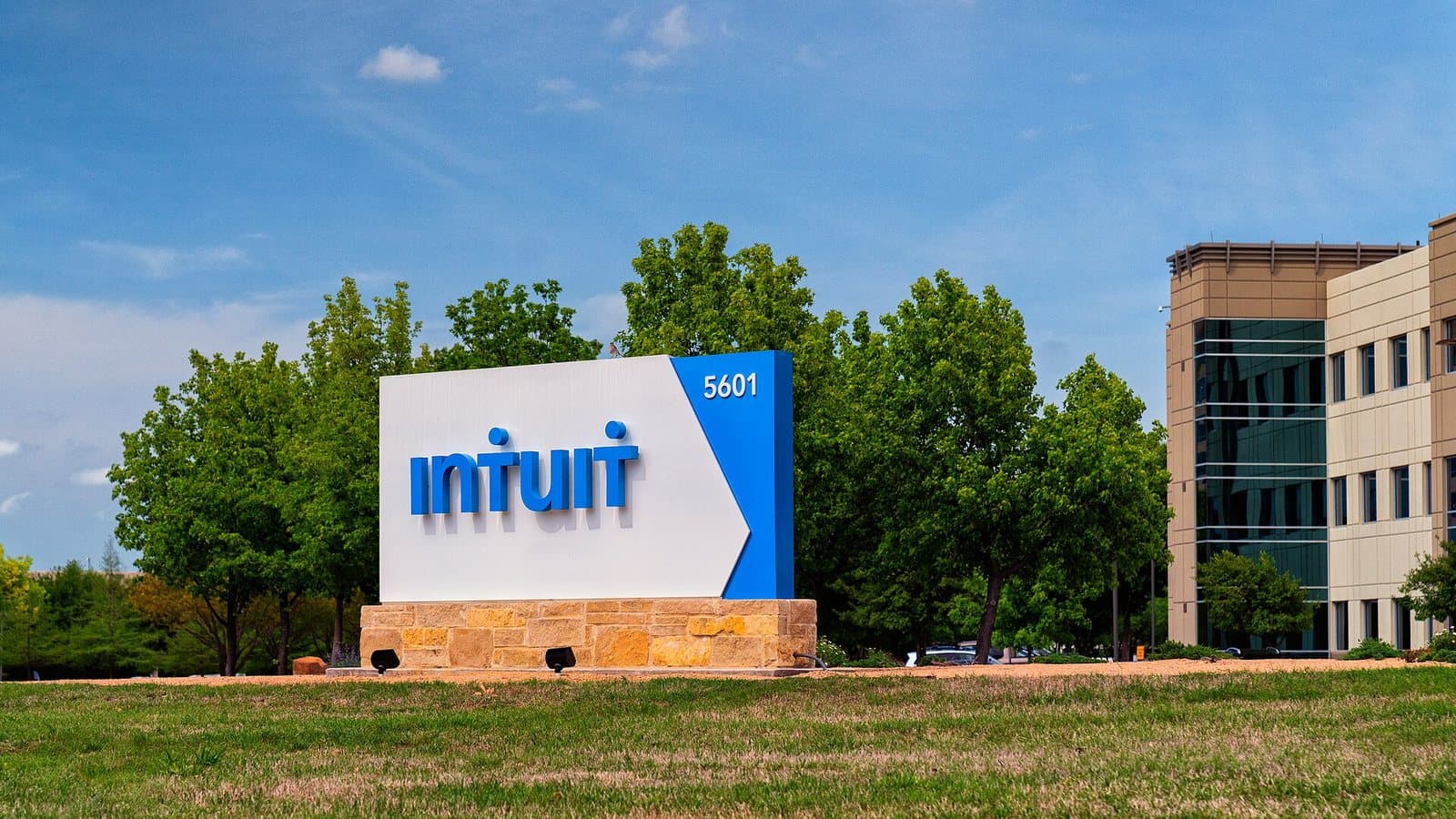
Cover image: Intuit's corporate headquarters in Plano, Texas. Photo by Tony Webster, CC BY 2.0, via Wikimedia Commons.
Tags
Frequently asked questions
- How much is Bending Spoons paying for Mailchimp?
- Bending Spoons agreed to an enterprise value of $3.68 billion. Intuit will receive $3.31 billion in cash and $368 million in newly issued Bending Spoons stock. The deal is expected to close in early 2027, subject to regulatory approval.
- Why is Intuit selling Mailchimp?
- Intuit says the sale sharpens its focus on its AI-driven platform for consumers, businesses and accountants. Mailchimp's revenue was flat to slightly down, and Intuit had already begun reporting it as a separate segment in August 2026.
- What happens to Mailchimp customers?
- Mailchimp will become part of Bending Spoons' portfolio of digital products. Bending Spoons says it plans to invest substantially in the business after closing, but it has not announced specific product or pricing changes.
- When will the Mailchimp sale close?
- The companies expect the transaction to close in early calendar year 2027, subject to regulatory approvals and other customary closing conditions. Intuit's guidance for fiscal 2027 does not include any impact from the sale.

TPW Editorial
Editorial Team
TechPastWeek's editorial team reports and edits every story we publish. We research each piece against primary and credible secondary sources, and a human editor reviews and signs off before it goes live.