YouTube Nears a $3 Billion Settlement With US School Districts
Bloomberg reports YouTube has an agreement in principle to pay about $3 billion to thousands of school districts and add new safeguards for teenagers.

On this page
Key takeaways
- Bloomberg reported on 20 November 2026 that YouTube reached an agreement in principle to pay about $3 billion to thousands of US school districts.
- The deal would be the largest corporate settlement with US school districts, and it is contingent on a majority of districts signing on.
- It would also require new product safeguards for teenagers, though the specific measures have not been disclosed.
- YouTube, Meta, Snap and TikTok settled an earlier Kentucky bellwether case for a combined $27 million in May 2026.
- The next federal school-district trial is scheduled for February 2027 in Oakland, with Meta, TikTok and Snap as defendants.
YouTube has reached an agreement in principle to pay about $3 billion to thousands of US school districts that accused the platform of harming students' mental health, Bloomberg reported on Friday. The deal would be the largest corporate settlement ever reached with US school districts, according to the report.
Related reading: The New York Times Is in Exclusive Talks to Buy Letterboxd for About $330 Million · Reddit Will Test a Logged-In Experience Outside the US as Search Referrals Fall.
The agreement is not final. It needs a majority of the districts to sign on, and US District Judge Yvonne Gonzalez Rogers in Oakland must approve it. Bloomberg says finalisation will likely take a few months. Google spokesperson José Castaneda declined to comment, according to Bloomberg Law.
If it holds, the settlement would end one front in a much larger legal fight over how social platforms are designed and what they owe schools that have had to manage the consequences.
What the deal covers
Bloomberg's sources put the total at around $3 billion. The money would go to thousands of districts, from New York City and Los Angeles to much smaller communities, Reuters reported. The deal also includes additional product safeguards for teenagers, though the report did not specify what they are.
The districts are seeking reimbursement for costs they say they incurred because of social media. Those costs include extra mental health and counseling staff and the administration of phone bans during the school day. They are also asking for changes to the platforms themselves. The lawsuits focus on design choices rather than individual posts: the districts argue that recommendation algorithms, autoplay and infinite scroll were built to hold attention, and that the companies knew the effects could include depression, anxiety and eating disorders among young users. YouTube has not admitted wrongdoing as part of the reported agreement, and a settlement of this kind usually resolves claims without a finding of liability.
Why the number is large, and why it is not the whole story
Three billion dollars is an eye-catching aggregate. Spread across thousands of districts, it is less dramatic per school. The reported total is also a cap rather than a cheque that has already cleared: districts have to opt in, and the final number depends on how many participate. Even so, the scale is unusual. Bloomberg describes it as the largest corporate settlement with US school districts. The earlier Kentucky bellwether, by comparison, ended with YouTube, Meta, Snap and TikTok paying a combined $27 million in May, according to The Verge, and YouTube's share was slightly more than $2 million, according to Engadget.
The comparison with Meta is more complicated. In August, Meta agreed to pay $17.1 billion over 10 years to settle lawsuits brought by 47 states, along with districts and territories, according to The Verge. That deal also included stricter safeguards for teenagers, and $5.3 billion of it is contingent on YouTube and TikTok adopting similar measures and paying comparable amounts. The two cases cover different plaintiffs and different claims, so the totals are not a like-for-like ranking of culpability.
The $3 billion figure comes from Bloomberg's anonymous sources. Neither YouTube nor the school districts have published a term sheet, and no court filing describing the deal was available on Friday. Treat the number, the timing and the safeguards as reported terms, not confirmed ones.
What the schools say they need
The districts describe the costs in practical terms. They say they have hired extra counselors, trained staff to spot signs of distress, enforced phone bans during class and responded to mental health crises that they link to social media use. Reimbursement for those services is the core of the claim, and the money would go some way toward covering spending that has already happened.
They also want the platforms to change. That second ask is harder to price. A district can bank a cheque; it cannot bank a promise about autoplay. The reported deal puts both on the table, with the money specified and the product changes left vague.
How the cases fit together
The school-district claims are part of a federal multidistrict litigation that has been moving through Oakland. A multidistrict proceeding gathers similar cases from around the country under one judge, then uses a small number of bellwether trials to test how juries respond to the evidence. The results are meant to guide settlements for the rest of the group. The first bellwether trial was scheduled to begin in Kentucky in June. All four companies settled before it went to court, for a combined $27 million.
That outcome did not end the broader case. A global settlement with YouTube would short-circuit the bellwether process for one defendant. The next federal school-district trial is set for February 2027, with Tucson, Arizona, among the plaintiffs, according to Reuters. Meta, TikTok and Snap are the defendants. YouTube's reported settlement would take it out of that lineup and out of the bellwether that follows.
There is separate legal history. In March, a Los Angeles jury found YouTube and Meta negligent in a personal-injury case over social media addiction, and YouTube settled a different personal-injury suit in June. Those verdicts do not decide the school-district claims, but they change the risk calculation for any company weighing a trial.
Settling now also has a timing logic. The February trial would put internal documents and executive testimony into the record again, with a new set of plaintiffs and a new jury. A global deal with the districts removes that exposure and caps the cost, at the price of a very public number.
What YouTube gets, and what it gives up
The obvious gain is certainty. A $3 billion aggregate is a known cost, payable over an unspecified period, against the open-ended risk of a trial and the cases queued behind it. The deal also keeps YouTube out of a courtroom alongside Meta and TikTok, where the evidence would be shared and the comparisons unavoidable. The less obvious gain is control over the remedy. A settlement lets the company negotiate the safeguards rather than have a court or a regulator impose them. Meta's August deal with the states included stricter safeguards for teenagers. YouTube's reported terms are vaguer: additional product safeguards for teens, with no published detail.
That vagueness is the weak point. Teen-safety advocates have argued for years that design changes matter more than payouts, because a settlement cheque does not alter the feed. If the safeguards are limited to parental controls or time reminders that users can dismiss, the deal will settle the past without changing the product. If they include default limits, the effect could be larger.
The districts, for their part, get money for services they have already provided. They also get a deal that avoids years of appeals. What they do not get is a judicial ruling that YouTube's design was unlawful.
The teen-safety backdrop
The reported settlement arrives as platform design faces scrutiny from several directions. States have pursued their own cases, and school districts have used the courts to recover costs. The reported YouTube deal would add another layer, negotiated privately rather than written into statute.
That private negotiation is part of the criticism. Settlements resolve individual claims, but they do not create a public standard that applies to every platform or every school. Districts that do not join may not be covered by its terms. A company that did not settle may still face the February trial.
For YouTube, the calculation is also reputational. A multibillion-dollar payout confirms that the company treated the school cases as a real liability, at a time when regulators and parents are asking whether the platform is safe by default. The deal buys peace with the districts, not with that question.
Caveats
Bloomberg's account relies on people familiar with the matter, and neither side has published a term sheet or a docket entry describing the deal. The $3 billion is an aggregate cap, not a per-district figure, and the majority-sign-on condition means the final total could be smaller. The reported teen safeguards have no published terms.
The Meta comparison is not like-for-like. Meta's $17.1 billion settled a case brought by states and territories, while the school-district claims cover different plaintiffs and different alleged harms. A settlement would not be an admission of liability.
What to watch
The first test is participation. A majority of the thousands of districts must accept the terms, and the reported few-month timeline suggests the sign-on process has not finished. If enough districts balk, the deal could shrink or collapse.
The second is judicial review. Judge Gonzalez Rogers has to approve the settlement, and she can ask for more detail on the safeguards, the payout schedule and the treatment of districts that opt out. Approval is likely but not automatic.
The third is the February 2027 trial. Meta, TikTok and Snap remain defendants, and the evidence there will shape the next round of settlements. If that trial produces a large verdict, the $3 billion YouTube number may look like an early discount. If it produces a defence win, it may look expensive.
For now, the reported deal is the clearest sign that the school-district litigation is moving from trials to cheques. The size of the settlement is becoming public. YouTube has not published the safeguards.
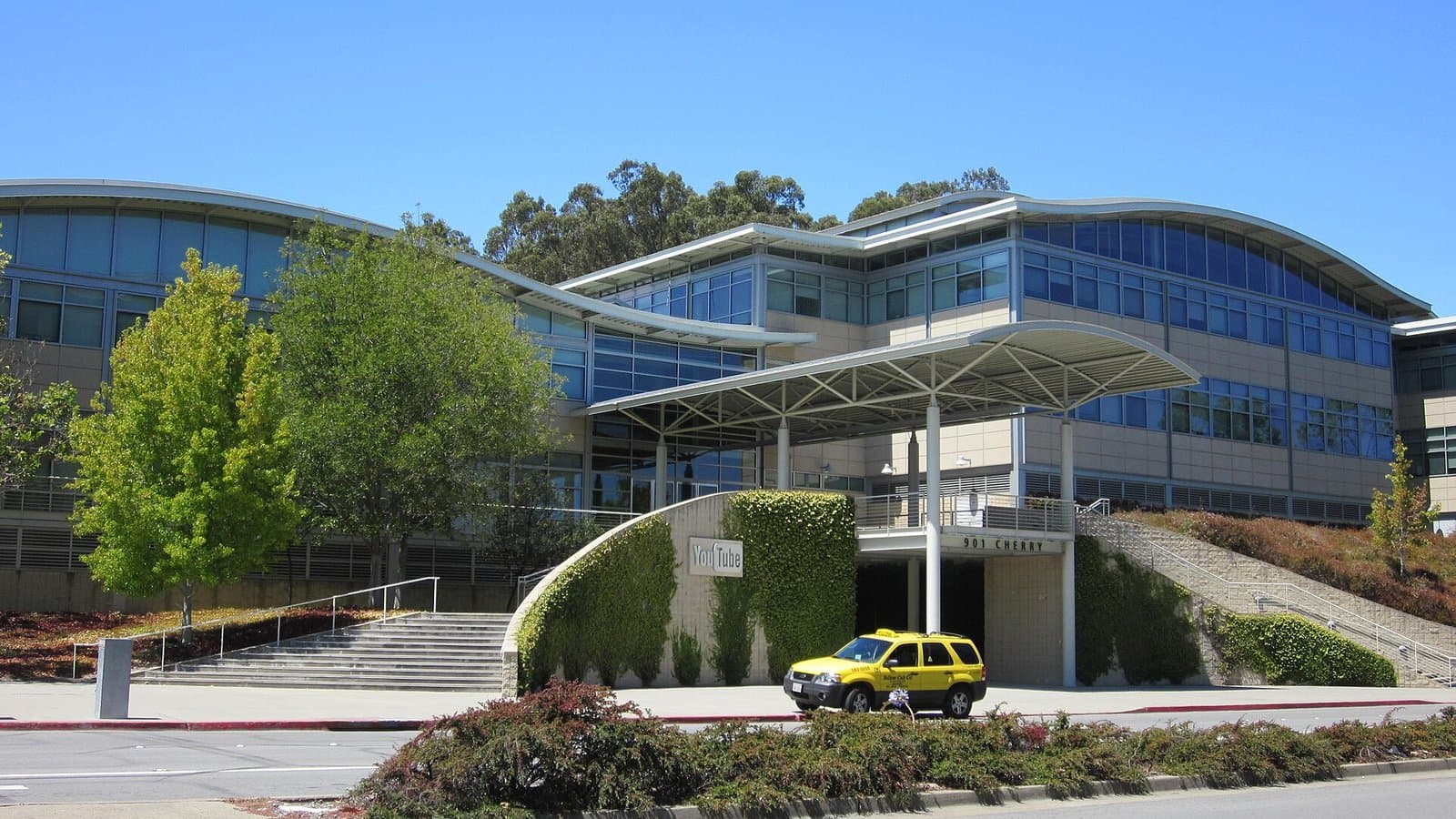
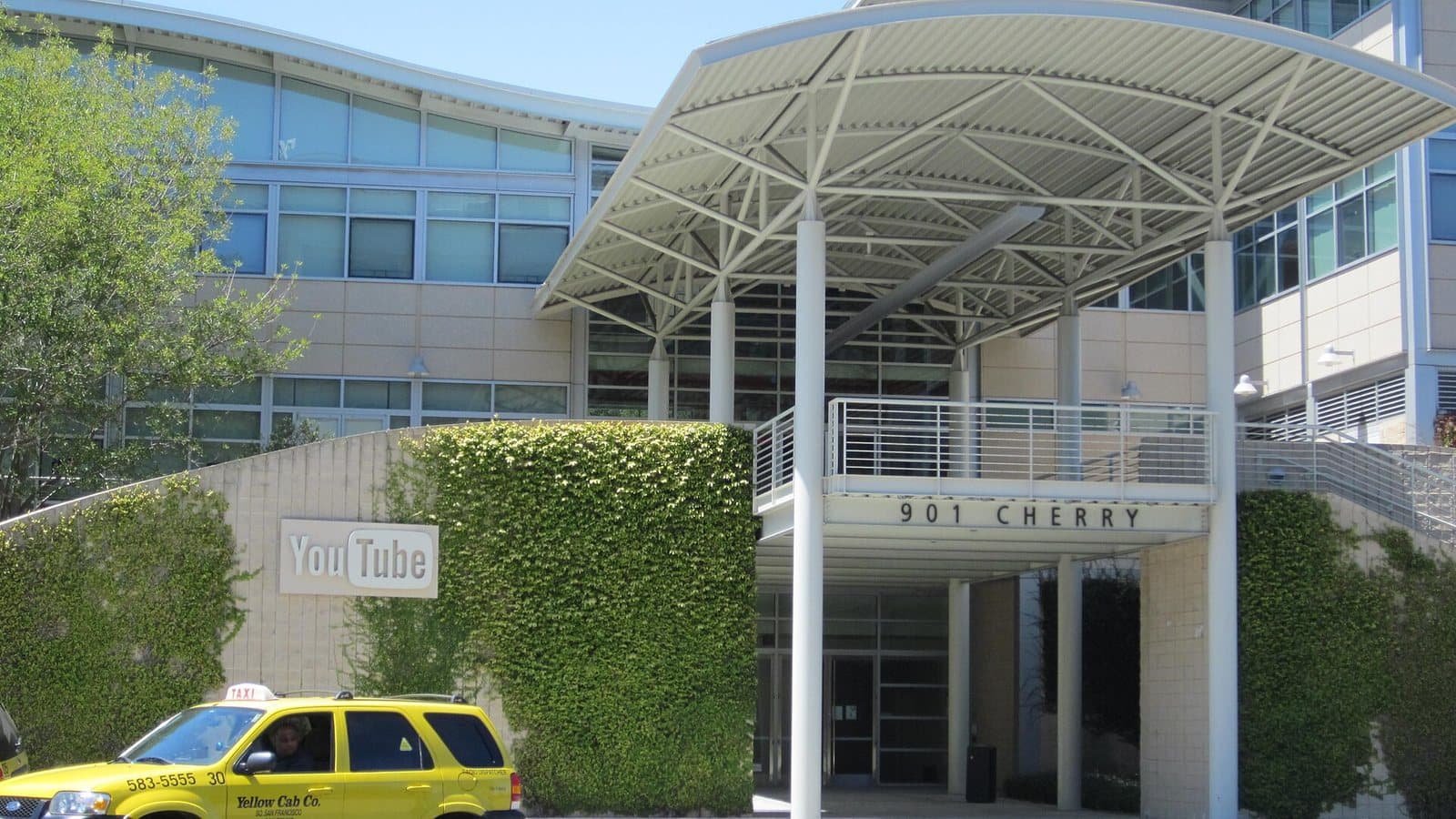
Cover image: YouTube's headquarters at 901 Cherry Avenue in San Bruno, California. Photo by BrokenSphere, CC BY 3.0, via Wikimedia Commons.
Tags
Frequently asked questions
- How much would YouTube pay to settle the school-district lawsuits?
- About $3 billion, according to Bloomberg. The figure is an aggregate for thousands of districts, so individual payouts will vary and have not been published.
- Is the YouTube settlement final?
- No. It is an agreement in principle that needs a majority of school districts to sign on and approval from US District Judge Yvonne Gonzalez Rogers. Finalisation is expected to take a few months.
- What are the school districts accusing YouTube of?
- The districts say YouTube's recommendation algorithms, autoplay and infinite scroll were designed to keep young users watching and contributed to depression, anxiety and eating disorders. They are seeking money for counseling and phone-ban costs, plus changes to the platform.
- What happens to the other social media companies?
- Meta, TikTok and Snap remain defendants in the next federal school-district trial, scheduled for February 2027. Meta separately agreed in August 2026 to a state settlement valued at $17.1 billion over 10 years.

TPW Editorial
Editorial Team
TechPastWeek's editorial team reports and edits every story we publish. We research each piece against primary and credible secondary sources, and a human editor reviews and signs off before it goes live.