Australia Passes a Digital Duty of Care With Fines of Up to 5% of Global Revenue
Australia's Parliament passed the Digital Duty of Care Act, with fines of up to 5% of global revenue for platforms that fail to prevent foreseeable harm.

On this page
Key takeaways
- Australia's Parliament passed the Online Safety Amendment (Digital Duty of Care) Bill 2026 on 25 November, after the Senate approved it 36 votes to 23 and the House agreed to the amendments 97 votes to 43.
- The maximum penalty is 5% of a company's global turnover or A$109.2 million, whichever is greater, and individuals gain a route to sue platforms for loss caused by a breach of the duty.
- Covered services include social media platforms, online games, apps and AI chatbots, and the duty is due to start 12 months after royal assent.
- The Greens extracted the higher penalty cap, a private right of action, an algorithm opt-out for users over 16 and a 24-hour response standard for cyberbullying and abuse complaints.
- Opposition leader Angus Taylor has promised to repeal the law if the Coalition wins the 2028 election, and the US ambassador to Australia has criticised its definition of harm.
Australia's Parliament passed the Online Safety Amendment (Digital Duty of Care) Bill 2026 on Wednesday, creating a legal duty on online services to reduce foreseeable harm before it occurs and exposing platforms to fines of up to 5% of global revenue. The House of Representatives agreed to the Senate's amendments by 97 votes to 43, after the Senate passed the bill 36 votes to 23.
Related reading: TSMC and Samsung Pause Some China Chip Orders as a 16nm Rule Bites · South Korea's Education Minister Resigns After an AI Cheating Scandal Upended the Suneung.
The law covers social media platforms, online games, apps and AI chatbots. It replaces the industry-code regime and the Basic Online Safety Expectations under the Online Safety Act 2021 with a broader obligation: take reasonable steps to provide a safe online environment, rather than wait for a regulator to define a specific category of prohibited content.
The vote ends a two-year drafting process and gives Communications Minister Anika Wells the centrepiece of her online safety agenda. It also sets up a fight with Washington, with the US ambassador to Australia and President Donald Trump both opposing the bill, and with the domestic opposition, which has promised to repeal it.
What the bill changes
The core of the law is a general duty of care. Providers must identify and assess the risk of serious harm arising from their service, then take reasonable steps to reduce it. The government's statement says the duty covers harmful material and conduct, with particular attention to children.
The bill also rewrites parts of the enforcement machinery. The eSafety Commissioner gains expanded powers to issue removal notices, including for nudify apps and websites that generate sexualised images of people without consent. Complaints about cyberbullying and abuse must be answered within 24 hours. An independent complaints pathway is meant to give users a route to resolve disputes without going straight to court.
Two provisions have drawn more attention than the rest. The first is an opt-out from algorithmic recommendations for users over 16, which the government says will let people choose a chronological feed or a non-personalised ranking. The second is a requirement that platforms reassess addictive design features such as infinite scroll, autoplay and gamification. The bill does not ban those features. It requires providers to treat them as risks to be assessed and mitigated.
Individuals also gain a private right of action. The government's supplementary explanatory memorandum says a person can seek remedies for loss or damage caused by a relevant provider's failure to comply with its duty. That is a significant shift in a regime that has mostly relied on regulator enforcement.
The numbers behind the fines
The maximum penalty is 5% of the offending company's global turnover or A$109.2 million, whichever is greater. Wells said the figure sits between Canada's 3% and the European Union's 6%, both of which she cited as comparisons.
The arithmetic is large enough to matter. Nine.com.au estimated that Meta, whose 2025 revenue was almost A$201 billion, would face a bill of about A$10 billion if it were found to have breached the duty at the maximum rate. That is an illustration of the ceiling, not a forecast. No regulator has brought a case, and the law is not yet in force.
A percentage of global revenue is also harder for a company to absorb than a fixed fine. It scales with the size of the business, which is the point: a penalty that is trivial for a global platform is not a deterrent. The trade-off is that the same percentage can produce a penalty that bears little relation to the harm caused in Australia, and the government will have to defend that mismatch in court and in trade negotiations.
Why the Greens' amendments matter
The bill only cleared the Senate because Labor struck a deal with the Greens on Tuesday. The Greens had withheld support over the penalty cap and the enforcement route, and their amendments changed both.
The cap rose from the A$109.2 million the government had proposed to 5% of global revenue. The private right of action was added. The 24-hour response standard, the algorithm opt-out and the external complaints pathway also came out of the negotiation.
Greens communications spokesperson Sarah Hanson-Young framed the result as a warning to the platforms. “My message to Big Tech companies is, it's time to make your platforms safe or we will see you in court,” she said after the Senate vote.
Wells called the package “the most seismic and significant online safety reform that our country has ever known”. That is a political description, not a legal one. The practical effect will depend on the rules the eSafety Commissioner writes, the guidance issued to smaller services, and whether the first cases survive a constitutional challenge.
A broader duty than the EU or the UK
Australia's law is the latest in a line of regimes that ask platforms to manage risk rather than merely remove illegal posts. The European Union's Digital Services Act requires very large platforms to assess systemic risks and mitigate them. The United Kingdom's Online Safety Act imposes duties on platforms over illegal content and the protection of children.
Australia's version is broader in one respect: it names games and AI chatbots alongside social media, and it applies a single duty across the lot. A chatbot that gives harmful advice to a teenager and a game with an unmoderated voice chat fall under the same framework, even though the risks and the available fixes are different.
That breadth is deliberate. The government argues that harm does not respect product categories, and that a duty of care is more durable than a list of banned behaviours that platforms can route around. The counter-argument is that a broad duty gives the regulator and the minister too much discretion over speech, and that the definition of harm will be fought over in every case.
The bill's supporters point to the under-16 social media minimum age, which took effect in December 2025, as evidence that Australia is willing to legislate ahead of other countries. eSafety reported in January that platforms had removed access to about 4.7 million under-16 accounts in the first half of December. The duty of care is meant to cover the gaps that the age restriction does not reach.
The free-speech fight has already started
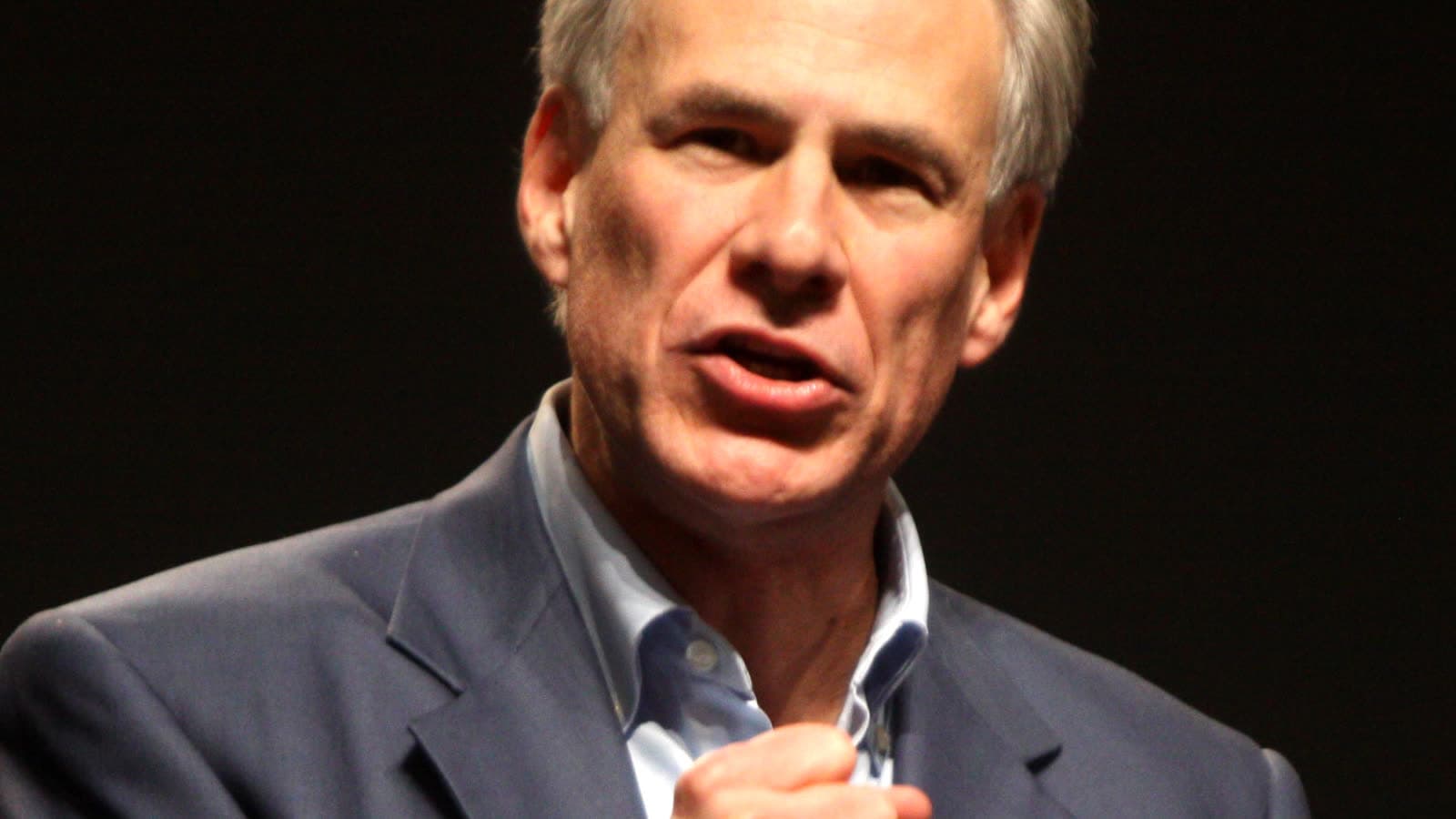
Opposition leader Angus Taylor said the Coalition would repeal the law if it wins the 2028 election. He called the bill “a blank check for political censorship” and “an attack on free speech that is absolutely central to our democracy”.
The US ambassador to Australia, David Brat, made a similar argument before the vote. He said the proposed law would “impose disproportionate compliance burdens on American companies relative to competitors” and warned that “vaguely defined harms, backed by penalties of up to 5% of global revenue, will push platforms to censor lawful speech”.
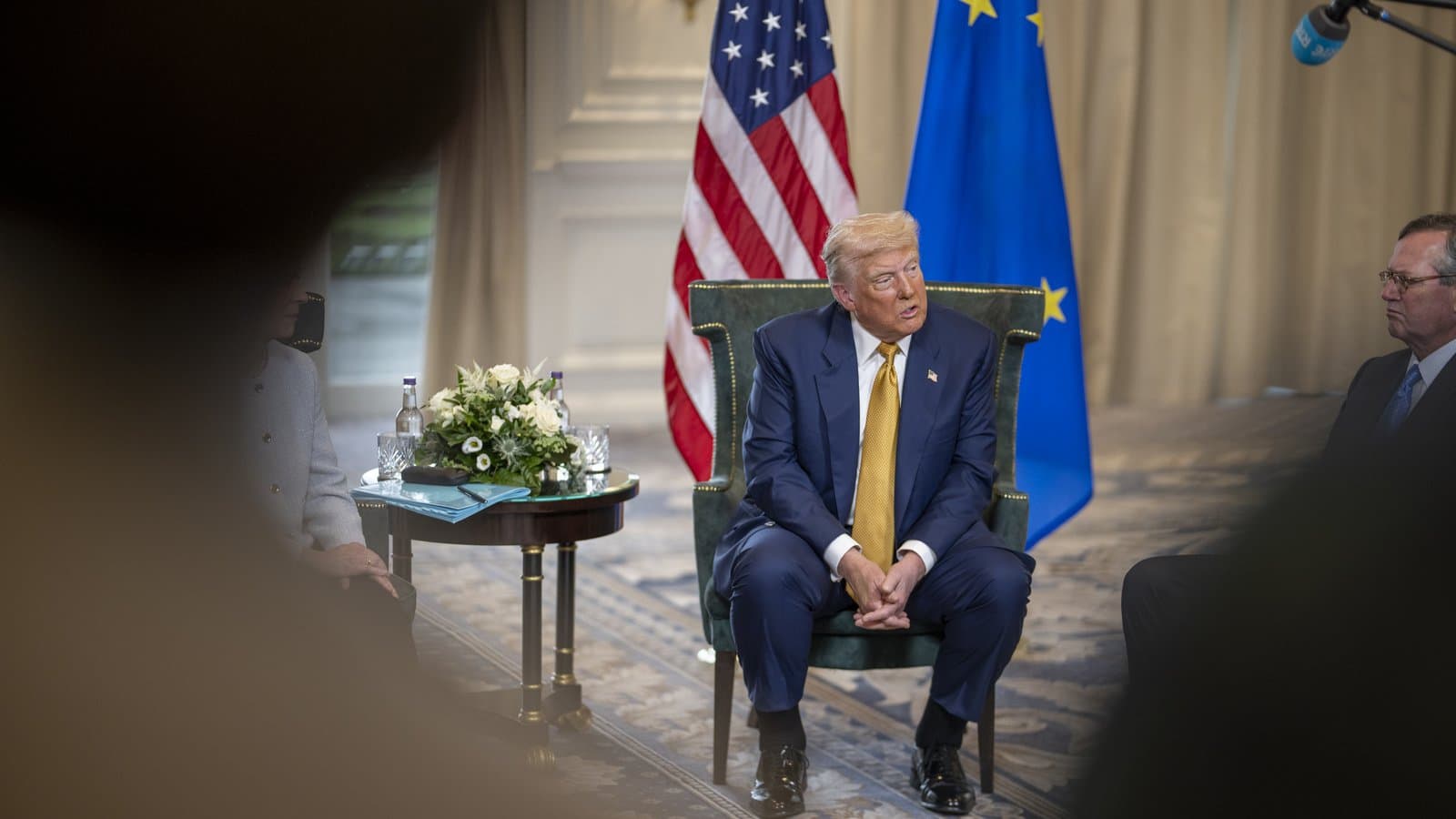
Trump has also opposed the bill, according to Nine, which reported that the algorithm opt-out had drawn his ire. Wells said she had informed Brat of the development and acknowledged “points of difference”, adding that the two sides were “ironing them out”.
The free-speech objection is not frivolous. A duty of care asks a private company to decide what counts as foreseeable harm, and a regulator to review that decision after the fact. The bill includes safeguards, including a complaints pathway, but the first enforcement action will define how broad the duty really is.
Enforcement is a year away
The duty is due to start 12 months after royal assent. Parliament's record did not show royal assent when the bill passed, and the government has not published a commencement date. Some provisions have a staged start, which means the regime will arrive in pieces rather than on a single day.
That delay matters for two reasons. It gives eSafety time to write guidance and risk-assessment templates, and it gives platforms time to change their products before the first deadline. It also pushes the first serious enforcement into the next election cycle, which makes the law a live political issue in 2028.
Smaller services face the hardest transition. A global platform can hire a compliance team and adapt a product it already runs in Europe. A small game studio or a two-person app developer may not have the staff to produce a formal risk assessment, and the government has not yet said how it will scale the obligation to those businesses.
There is also the question of reach. A platform based outside Australia can comply by changing its global product, by geoblocking Australian users, or by treating Australia as a separate market with different defaults. The law does not say which approach is acceptable. The first enforcement cases will.
Caveats
The bill has passed both houses but has not received royal assent, and the duty is not in force. The 5% figure is a maximum civil penalty, not a schedule of fines. The A$10 billion estimate for Meta is arithmetic based on its global revenue, not a regulator's assessment.
The harm definitions are broad, and the government has not published the regulations that will sit under the duty. The private right of action has no test cases. eSafety's 4.7 million account figure covers the under-16 regime, not this law. The US response is a diplomatic protest so far, not a trade measure.
What to watch
Royal assent and the commencement proclamation will set the clock. The eSafety Commissioner's first guidance documents will show how broadly the duty is read, especially for games and chatbots. The first enforcement action, or the first constitutional challenge, will matter more than the passage vote.
The 2028 election is the other deadline. Taylor has made repeal a commitment, and the law's opponents have a clear target. Between now and then, the question is whether the duty changes how platforms design products in Australia, or whether it becomes a compliance exercise. The first enforcement action will be the test.
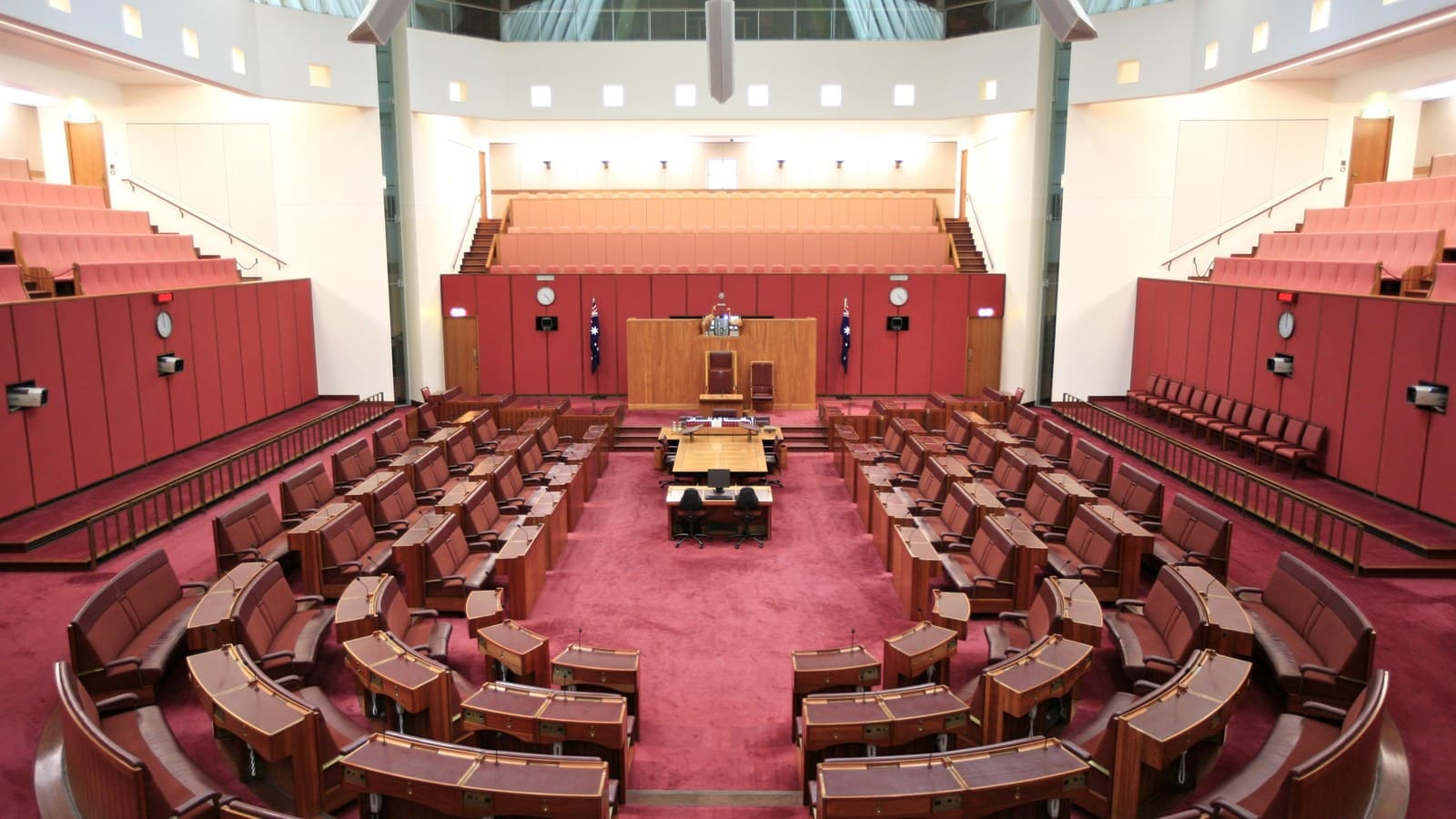
Cover credit: the Senate chamber at Parliament House, Canberra, photo by Alex Proimos, CC BY 2.0, via Wikimedia Commons. Cropped to 16:9.
Tags
Frequently asked questions
- When does Australia's Digital Duty of Care start?
- The duty is due to commence 12 months after royal assent, which Parliament had not recorded when the bill passed on 25 November. Some provisions have a staged commencement, and the government has not published a commencement date.
- How large can the fines be?
- The maximum civil penalty is 5% of the offending company's global turnover or A$109.2 million, whichever is greater. That is a ceiling, not an automatic penalty, and no enforcement action has been taken under the new duty.
- Which services does the law cover?
- Social media platforms, online games, apps and AI chatbots are covered, along with other online services used by Australians. The duty requires providers to assess and reduce the risk of foreseeable serious harm, including to children.
- Can Australians sue a platform under the new law?
- Yes. The Greens' amendments created a private right of action, allowing people to seek remedies for loss or damage caused by a provider's failure to comply with its duty. The first cases will depend on the detail in the regulations and on how courts read the harm provisions.

TPW Editorial
Editorial Team
TechPastWeek's editorial team reports and edits every story we publish. We research each piece against primary and credible secondary sources, and a human editor reviews and signs off before it goes live.