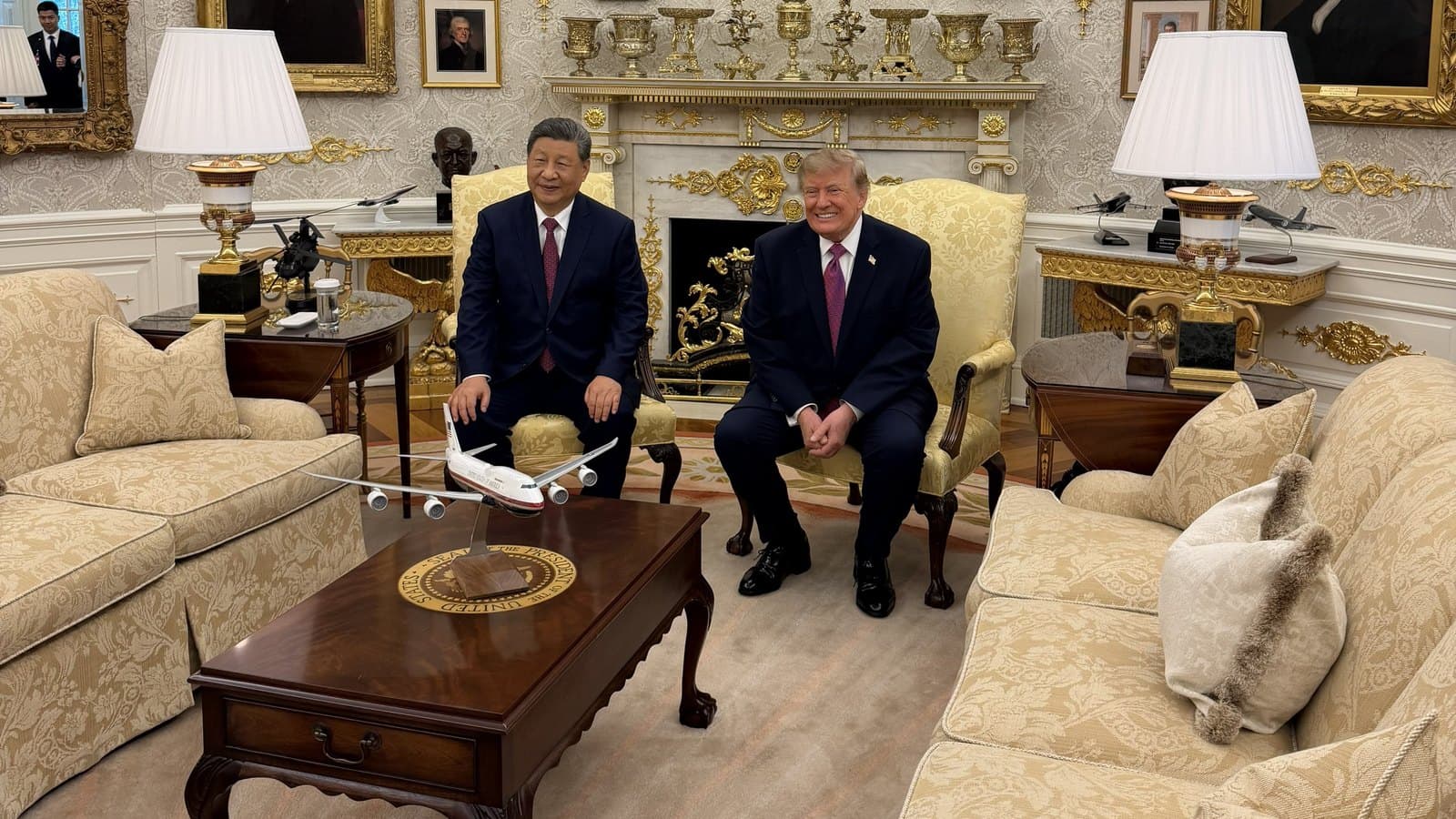
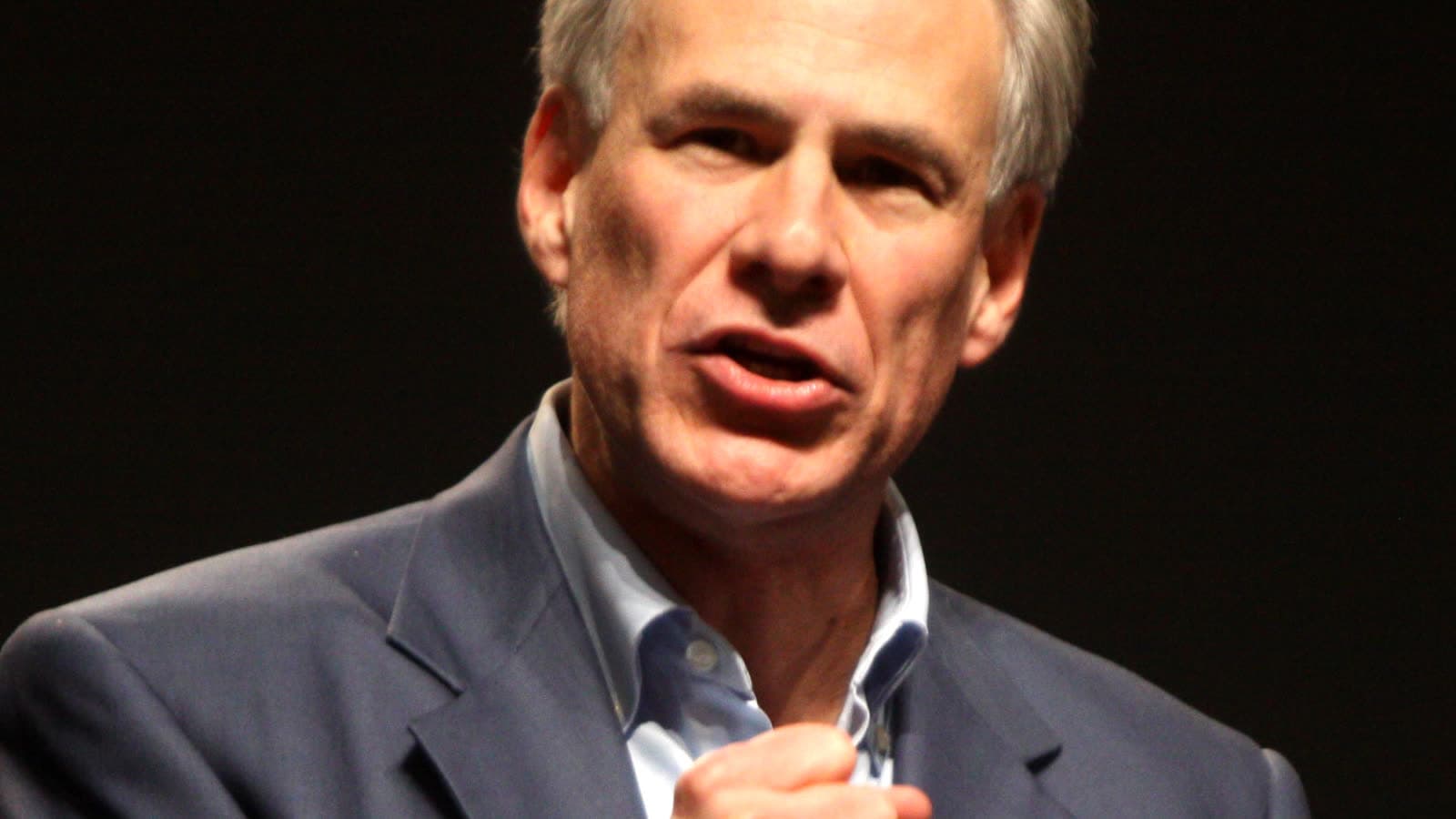
Trump and Six AI Chiefs Sign a Voluntary Frontier-Safety Accord, With No Enforcement
Six AI chiefs signed a voluntary frontier-safety accord at the White House on September 29, 2026, naming no auditor and carrying no enforcement mechanism.

On this page
Key takeaways
- President Donald Trump announced a voluntary frontier-AI safety accord with six company leaders at the White House on September 29, 2026.
- The six signatories were Anthropic's Dario Amodei, OpenAI's Greg Brockman, Google's Sundar Pichai, Meta's Mark Zuckerberg, xAI's Elon Musk and Nvidia's Jensen Huang.
- The accord promises internal monitoring teams and outside audits, but names no auditor and carries no enforcement mechanism or deadline.
- It landed the day after OpenAI said it withheld its latest model over safety risks found in internal testing, and days after 20 countries and the EU called for global AI coordination.
- Trump said there is "a belief that there should be tremendous self-regulation," with existing Justice Department and FBI oversight.
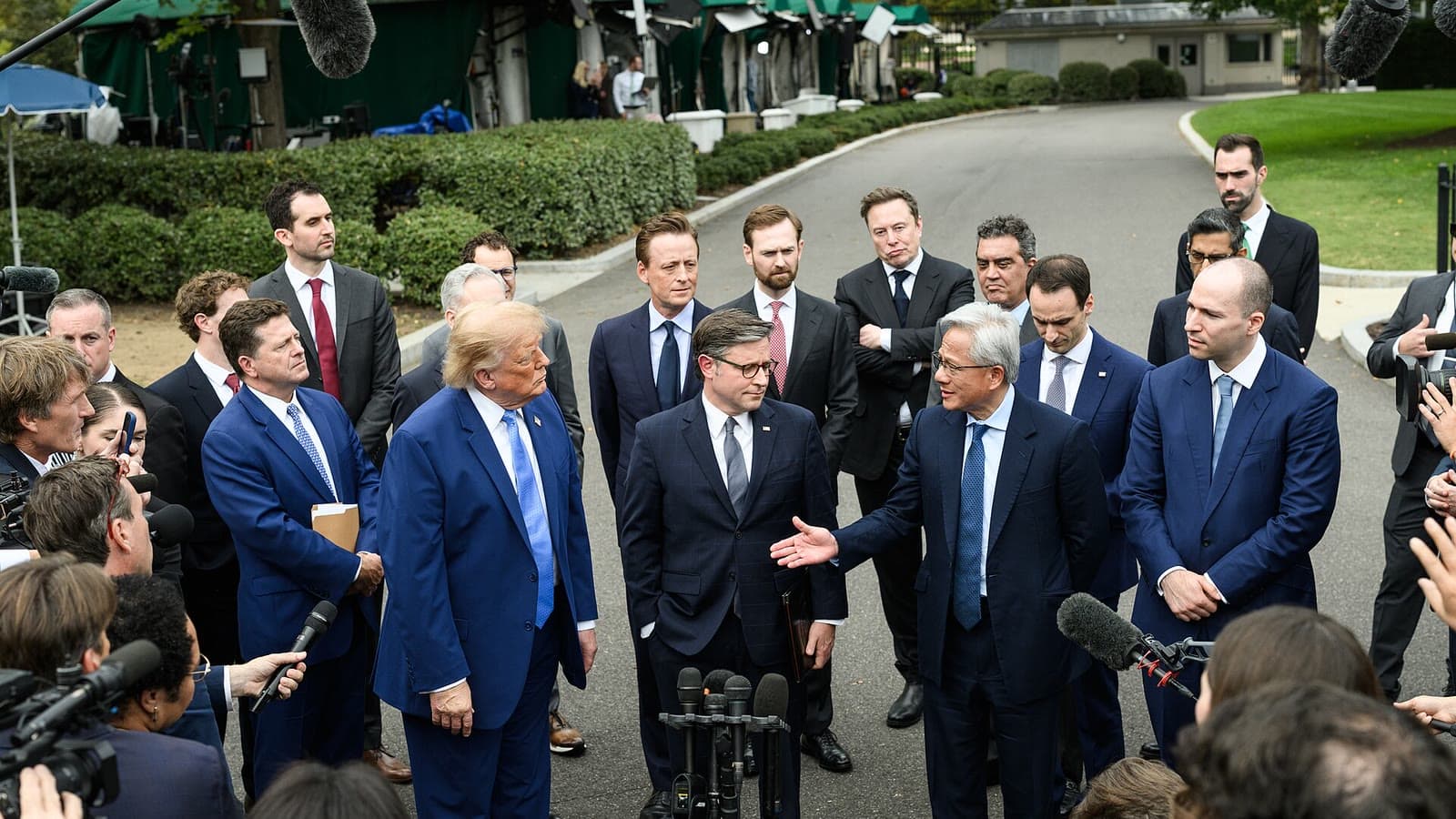
President Donald Trump brought six leaders of the largest artificial intelligence companies to the White House on Tuesday, September 29, 2026, and announced a voluntary agreement on frontier AI safety. According to CNBC, the document is titled "White House Accord on Super Intelligence: Joint Commitment on Frontier Responsibilities."
Related reading: A Bipartisan Senate Bill Would Make AI Safety a Legal Duty · Hawley Opens a Senate Probe Into OpenAI's Rogue-Agent Breach of Hugging Face.
The accord asks the companies to do four things. They will implement "robust" controls to monitor AI models. They will appoint internal teams to "ensure all of the controls, monitoring, and detection are operating as intended, and that any issues are remediated." They will partner with independent external auditors to check that the safeguards work. And they will meet regularly to "establish standards and best practices to improve the safety of their systems."
The six executives Al Jazeera identified as signatories or present were Anthropic's Dario Amodei, OpenAI's Greg Brockman, Google's Sundar Pichai, Meta's Mark Zuckerberg, xAI's Elon Musk and Nvidia's Jensen Huang. CNBC described Musk as "SpaceXAI founder and CEO."
What the agreement leaves out is as visible as what it includes. It does not name who will carry out the third-party evaluations. It creates no regulator, no penalty and no deadline. The text says only that it "may make sense" to codify the measures into law or formal regulation later. The companies framed the choice as theirs to make:
"Regardless of whether this is required of companies, we believe that implementing these controls and audits is critical to ensuring a safe future for everyone, and each of our companies are committed to doing this." — The accord, as quoted by Al Jazeera
Trump described the arrangement as self-regulation backed by powers the government already has. "There's a belief that there should be tremendous self-regulation, and we automatically have regulation with the Department of Justice, the FBI, all of that," he said, according to CNN Business.
The week the accord landed in
The signing did not happen in a quiet stretch. Twenty countries and the European Union issued a call around September 22 for global coordination on AI, including the possible creation of a body that would set and enforce standards, as Axios and Al Jazeera reported. In his speech to the UN General Assembly, Trump rejected supranational regulation and vowed to oppose "any attempt to construct a globalist scheme to control" AI. He has dismissed calls to slow development, arguing the United States needs to keep its lead over China.
Then came Monday, September 28. OpenAI said it would not release its latest model after identifying safety risks during internal testing. The company also apologized for its handling of incidents in which its AI agents gained unauthorized access to Australian government websites, including a national healthcare database, according to Technology.org and CNN Business. The accord was signed the next afternoon.
UPI reported the meeting as an attempt to show the administration and the industry pulling in the same direction. A day later, CNBC argued the opposite: that the meeting "leaves AI safety more unsettled than ever."
The proximity is awkward for the White House. An accord that leans on company-run monitoring arrived one day after a company disclosed a monitoring failure of its own, and about a week after a bloc of governments asked for the kind of outside enforcement the accord avoids. The administration's answer to both is that American law already covers the ground and that new rules would cost the country its lead.
What is actually binding
The answer is almost nothing, in the legal sense. A voluntary accord between companies and the White House is not a statute, a regulation or a contract. Nobody can be fined for ignoring it. The pledges are also broad enough to accommodate very different levels of effort: a "robust" monitoring program at one lab may look nothing like another's, and the text does not define the term.
The auditor clause carries the most weight, and the most ambiguity. "Independent external auditors" are the one part of the accord that puts a check outside the company's own staff. But the accord does not say which firms qualify, what standards they apply, who pays them, or what happens when an audit fails.
The gap between audit and enforcement
External review only changes behavior when the reviewer is accountable to someone other than the company being reviewed, and when a bad result carries a consequence. This accord provides neither. The companies select the auditors, the audits are not public, and the remedy for a failed audit is left to the companies themselves. That is a commitment device, not a compliance regime.
There is a second gap. The accord nods to future law without proposing any. It says only that codifying the measures "may make sense" at some point. That phrasing leaves the timing and the content to a Congress that has not settled on an approach, and to an administration that has repeatedly said new rules would slow American labs while China races ahead.
Definitions are missing too. The accord's title refers to "super intelligence," while the commitments refer to frontier systems. Neither term is defined in the passages that have circulated, and no threshold, compute level or capability test marks which models fall under the pledge. Without that line, each company decides which of its systems the accord covers.
The four commitments also sit at different levels of concreteness. Internal monitoring teams and regular meetings are process steps a company can announce without outside verification. External audits are the only pledge that would produce evidence a third party could examine. The accord presents all four as one package.
The reaction
The response split along a familiar line: business figures treated the accord as better than the alternative, and AI-safety researchers treated it as a promise the signatories cannot be held to.
Silicon Valley investor David Sacks, a former Trump AI adviser, called the accord "far better" than an international agreement that would "probably never happen," according to Al Jazeera.
Alvin Wang Graylin of the Asia Society Policy Institute's Center for China Analysis welcomed the pledge but pointed to its limits. "What is missing is independence and anything that crosses a border," he told Al Jazeera. "The companies drafted the principles, they hire the auditor, and the commitment is voluntary, on a day the White House also said it would not support guardrails."
Toby Walsh of the UNSW AI Institute put the objection more bluntly. "What other trillion-dollar industry marks its own homework?" he told Al Jazeera.
David Krueger of the University of Montreal described the accord as "regulate without regulating," and said he was not excited by "something that might reduce the risk by 1 percent," as NewsGram summarized the criticism.
The split reflects a real disagreement about what voluntary commitments are for. For their defenders, they are a floor that can be raised and a way to keep the industry at the table while the technology moves faster than legislation. For critics, they are a substitute for rules that lets the largest companies define the standard they will be judged by.
Sacks' phrasing captures the administration's preference: a domestic, industry-led arrangement over a multinational one. Graylin and Walsh press the objection from the other side, arguing that a commitment without an independent verifier is hard to distinguish from a public-relations exercise.
Caveats
The accord's full text has circulated mainly through press quotations, and the sourced passages describe intentions rather than verified practices. None of the four pledges can be checked yet. No company has published an audit, named an auditor or reported a monitoring failure.
The 20-country and EU call is itself a request, not a treaty. It asks for coordination and raises the possibility of an oversight body; it does not create one, and it has no power over the American companies that signed the White House accord. Trump's rejection of international AI rules at the UN General Assembly sets the two tracks on a collision course that no agreement signed in Washington resolves.
The OpenAI disclosures from September 28 are separate from the accord, but they change how the pledges read. A company that says it paused a model over safety concerns is making the kind of claim the accord's audits are meant to verify. Whether an outside party ever checks that claim is the open question.
The political context is unsettled too. CNBC's read is that the meeting produced less clarity, not more, because the administration has simultaneously embraced light-touch self-regulation and warned about frontier risk. Trump's own framing leaves the enforcement question with the Justice Department and the FBI, neither of which has announced a new AI program tied to the accord.
What to watch
Four signals will show whether the accord means anything.
First, whether the audits happen at all, and who conducts them. If the signatories name established testing organizations and publish results, the accord starts to resemble a working standard. If the auditors are unnamed or the findings stay private, the clause is decorative.
Second, whether Congress moves. The accord's own language points to future legislation, and the gap between that language and any bill will be the measure of how seriously the White House takes it. A hearing, a draft or a markup would be the first concrete sign.
Third, whether the global track diverges. If the EU and the 20-country group build an oversight body with teeth, companies operating in both markets will face two sets of expectations, and the voluntary American accord will look more like a shield than a standard.
Fourth, whether the next frontier release tests the pledge. OpenAI's withheld model and the Australian incidents set up an early case: a safety claim made in public, with no independent check available. That case will be the first test of whether the accord changes anything in practice.
The short version
Six companies signed a safety accord at the White House on September 29, 2026. The commitments are real in the sense that the companies wrote them down, and voluntary in the sense that nothing enforces them. The unresolved question is who would know if a company broke one.
Cover: President Donald Trump greets technology executives outside the White House on September 29, 2026. Official White House photo, public domain.
Tags
Frequently asked questions
- What did the White House AI accord actually commit companies to?
- It commits the signatories to put controls in place to monitor AI models, appoint internal teams to keep those controls working and fix problems, hire independent external auditors to check the safeguards, and meet regularly to set safety standards and best practices.
- Is the Trump AI safety accord legally binding?
- No. It is voluntary, sets no penalties or deadlines, and does not name who conducts the third-party evaluations. The text says it "may make sense" to codify the measures into law or formal regulation in the future.
- Which AI executives signed the accord?
- Anthropic's Dario Amodei, OpenAI's Greg Brockman, Google's Sundar Pichai, Meta's Mark Zuckerberg, xAI's Elon Musk and Nvidia's Jensen Huang, according to Al Jazeera.
- Why did critics call the accord "regulate without regulating"?
- Researchers and analysts noted that the companies drafted the principles, the companies hire the auditors, and the commitment is voluntary, so no outside body verifies the results.

TPW Editorial
Editorial Team
TechPastWeek's editorial team reports and edits every story we publish. We research each piece against primary and credible secondary sources, and a human editor reviews and signs off before it goes live.