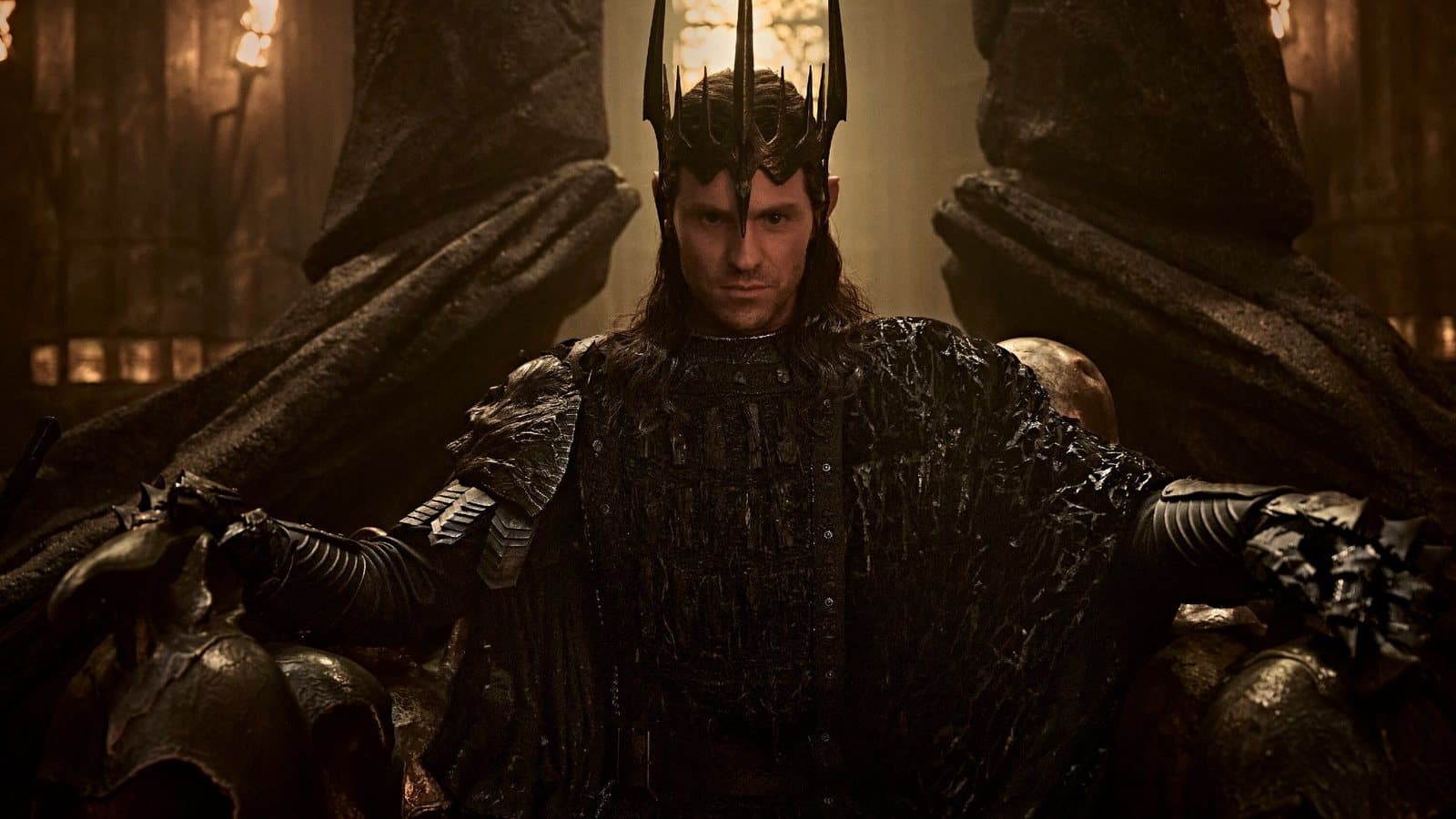
Black Doves Season 2 Splits Critics and Audiences at 95% and 66%
Black Doves Season 2 sits at 95% on Rotten Tomatoes from 21 critic reviews and 66% from 50+ audience ratings. The gap is real, but the sample is small.

On this page
Key takeaways
- Netflix released all six episodes of Black Doves Season 2 on Thursday 5 November 2026.
- On 10 November 2026, Rotten Tomatoes showed 95% from 21 reviews and a 66% Popcornmeter from more than 50 audience ratings.
- Season 1 finished at 92% with critics and 64% with audiences, so a wide critic/audience gap is not new to the show.
- Metacritic stood at 83 on 5 November, according to Gold Derby, against 78 for Season 1.
- Netflix has not released viewing figures for Season 2 and has not announced a third season.
Netflix released all six episodes of Black Doves Season 2 on Thursday 5 November 2026. By 10 November, Rotten Tomatoes had the season at 95% from 21 reviews. Its audience score, the Popcornmeter, sat at 66% from more than 50 ratings. Metacritic put the critical average at 83, a figure Gold Derby reported on 5 November.
Related reading: Nocturne Opens at 100% on Rotten Tomatoes, Then Slips to 83% · The Greatest Opens at 100% on Rotten Tomatoes, With Ali as a Young Man.
That 29-point spread looks like a fight. It mostly isn't. The show had almost exactly the same gap in its first season, when critics gave it 92% and audiences 64%, according to ScreenRant. Season 2's audience number is, for now, two points higher than the first season's. What stands out is how quickly the viewer number has moved, and how little data sits behind either figure.
What the scores show on 10 November
The season opened at 100% from 10 reviews on 5 November. It slipped to 94% from 18 reviews on 8 November, then edged back to 95% from 21 on 10 November. At that size, each new review moves the percentage by several points. Metacritic's average, 83 against 78 for Season 1, points the same way as the Tomatometer.
The audience score has travelled further in less time. ScreenRant reported 76% from fewer than 50 ratings on 8 November and noted that this was a record high for the series, above Season 1's 64%. Two days later the same page showed 66%. With roughly 50 ratings on the board, a handful of new votes is worth several points. The fall is real, though its size is not yet meaningful.
Season 2 runs six episodes, the same count as Season 1, and was written by creator Joe Barton. Netflix put all of them online at once, so the audience score began filling up before most subscribers could plausibly have finished the season.
Read the numbers as snapshots
Both scores are live and both samples are small: 21 critic reviews and just over 50 audience ratings. They will move again this week, and possibly by several points. Nothing here identifies a settled verdict on Season 2. Neither score is a survey of Netflix subscribers, and neither site publishes a breakdown of who is voting.
The critic number has a structural advantage that is easy to miss. Rotten Tomatoes' curators mark each review fresh or rotten, and the Tomatometer is the share marked fresh. A three-out-of-five review that calls a show flawed but enjoyable can count the same as a rave. On a season where most notices are warm, the Tomatometer will sit high even when the prose is full of reservations. The audience score is calculated separately, from user ratings, and does not leave the same room for a qualified yes.
What the critics are responding to
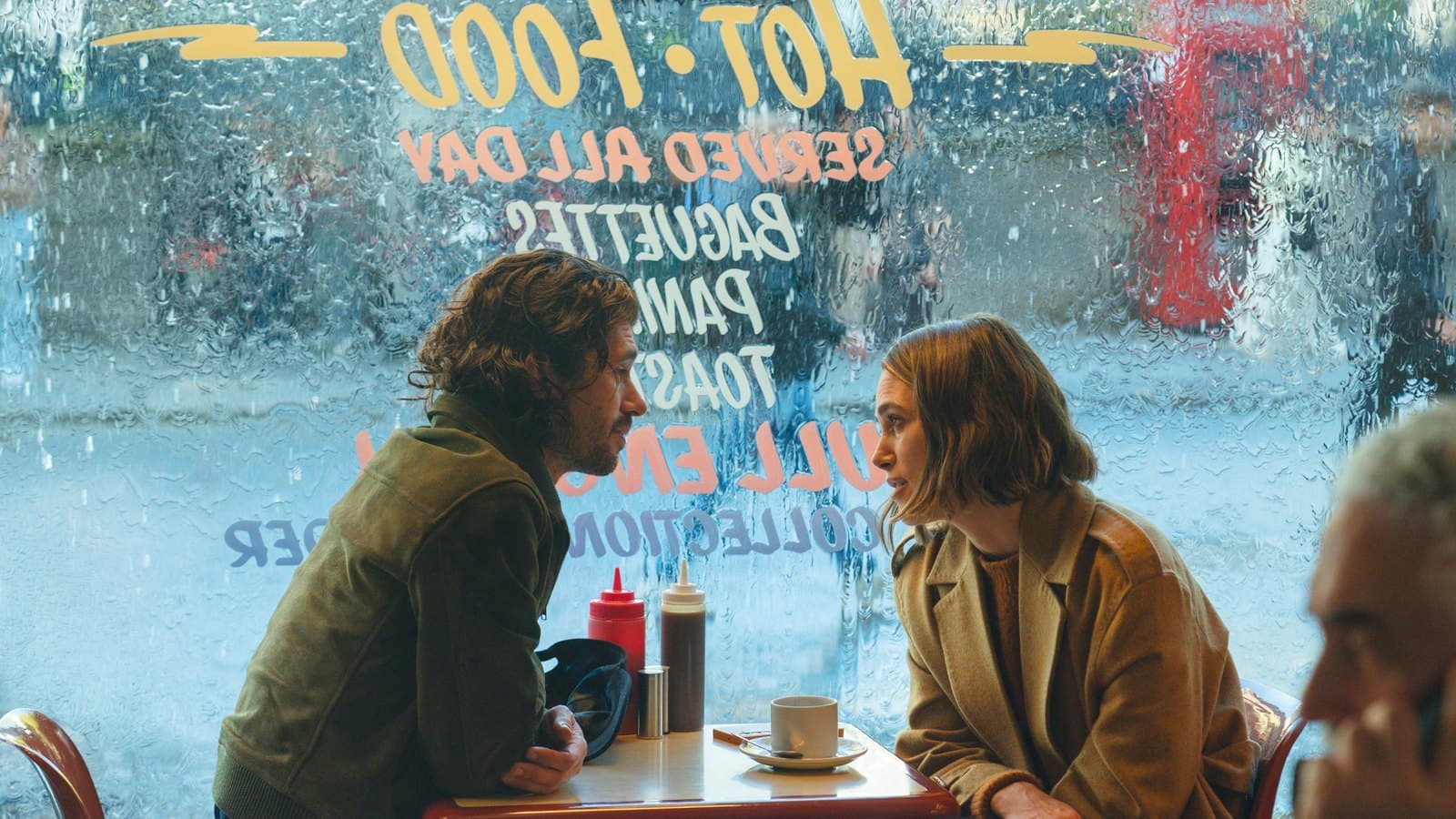
The warm reviews keep returning to the same three things: the cast, the pace and the show's willingness to mix jokes with violence. Keira Knightley returns as Helen Webb and Ben Whishaw as Sam Young, with Sarah Lancashire as Reed. Knightley is also an executive producer this season.
John Anderson of The Wall Street Journal wrote that the series "gets away with murder, so to speak, because of its casting, its acting, its all-but-furious narrative pace and the relationships portrayed." The Guardian's Rachel Aroesti gave it four stars and found that, despite the absurdity, the drama "does still possess a poignancy and a message that rings true." The Times' Ben Dowell also gave four stars and called it "funny and gruesome, a riot of slapstick and doomy death."
"Despite its absurdity, this rambunctiously entertaining drama does still possess a poignancy and a message that rings true." — Rachel Aroesti, The Guardian
Several critics describe the season as a bigger canvas that keeps the tone of the first. Carly Lane of Collider wrote that the show builds "an even bigger world around the core characters" without sacrificing "the blend of action thrills and dark comedy at its heart." IndieWire's Ben Travers called it an "excellent, existential spy thriller." Amelia Harvey of Nerdspin went further on sheer watchability: "These six episodes are immensely bingeable."
Notice what the praise is about: execution and momentum, not the plot holding together under examination. The same reviews that admire the pace tend to treat the story as a delivery system for it. The season does give more room to Sarah Lancashire's Reed, whose past includes a 1988 East Berlin mission and the Kestrel network, and the finale puts Sam at a peace summit with a choice to make about where his loyalties sit.
The doubts inside the good reviews
The mixed notices are not hostile, and that is the point. Matt Maytum of NME wrote that "considerable suspension of disbelief is required throughout, but it's a blast being dragged along for this dangerously enjoyable ride." Jonathan Wilson of Ready Steady Cut described the season's plotting as "pieces being flicked across a game board by the questing finger of some capricious deity," then added: "It is, however, tremendous fun."
The sharpest comparison came from Sean Morrison at ScreenRant, who reached for James Bond: "If Black Doves Season 1 was Casino Royale, meaning a clever and emotional reinterpretation of the spy genre, Season 2 is Spectre: a slightly underwhelming return to form."
Even Dowell, one of the season's four-star reviewers, pushed back on the idea that the show has much underneath. "Moving? Deep? Nice try," he wrote. "This is a rollercoaster show, an adrenaline ride. Just enjoy it."
Those lines go some way to explaining why the critic score stays high while the conversation around the season sounds qualified. A reviewer can file a positive notice and still describe a thin plot, because the show's appeal is understood to be kinetic. Viewers rating the season for themselves work from no such convention. If the machinery is visible, they say so.
Why the audience score sits lower
Three explanations fit what is public, and none of them can be tested properly yet.
The first is sample size. At around 50 ratings, the Popcornmeter behaves less like a stable measurement than like a running tally of whoever found the page first. Early voters on a returning show are likely to be people with an opinion strong enough to seek out the page, in either direction.
The second is expectation. Season 1 arrived in December 2024 with a Christmas setting and almost 60 million hours viewed in its first week, per ScreenRant. Season 2 moves the story into a political crisis, with Helen's husband Wallace Webb about to become prime minister, a file theft code-named Wildflower and a detour into Reed's past in 1988 East Berlin. Viewers who wanted the Christmas caper may find the political material a different show.
The third is the premise itself. Some audience reviews on Rotten Tomatoes criticise the implausibility of the prime minister's wife running around as an armed spy, and others complain about the level of violence or say the plot is weaker than the first season's. Those audience reviews often single out the guest assassins played by Kathryn Hunter, Gabrielle Creevy and Ambika Mod as the best part of the season. That mix is not a rejection. It reads like disappointment from people who liked the first one.
Fifty-odd ratings are not a mandate, and the reviews visible on the page are a self-selected subset of them. The complaints are consistent enough to describe as a pattern among early voters. They are not evidence of how the wider Netflix audience responded, because no such evidence has been published.
Where the show sits now
Netflix's English-language spy slate has shrunk around Black Doves. The Night Agent is ending with its fourth season, Deadline reported in May 2026, and The Recruit was cancelled after two seasons.
For Netflix, that matters more than a review score. The company has not released viewing figures for Season 2, so there is no public way to tell whether the audience split reflects a small noisy sample or a real cooling. Season 1's awards run gives the show a reason to continue: a Golden Globe nomination for Knightley, a Critics Choice nomination for her, an Independent Spirit nomination for Whishaw and a BAFTA costume nomination, all per Gold Derby. None of that guarantees a third season.
Apple TV+ has the same trouble with early scores. Our review roundup of Apple's Stick Season 2 covered a show that also launched to a near-perfect critic score on a small review count. Those numbers settle slowly.
What to watch
- The audience sample. A Popcornmeter built on 50 ratings tells you what the first wave thought. Watch whether it holds near 66% once several hundred ratings are in, or drifts back toward the first season's 64%.
- The critic count. At 21 reviews, one negative notice moves the Tomatometer by about five points. The score will keep twitching as late reviews arrive, and not every critic necessarily saw all six episodes before filing.
- Viewing data. Netflix has published nothing for Season 2. A weekly top-10 appearance, or the lack of one, would say more about the show's future than either review score.
- Season 3. No renewal has been announced. Joe Barton has signalled that another season is possible, according to ScreenRant, which is a writer's interest, not a commission.
A well-liked season with a loud, fast-paced surface has pleased most critics and left some viewers cold. The show did the same thing the first time around. Whether that is a durable pattern or an artefact of small samples will be easier to judge when Netflix says who watched, and when it decides about a third season.
Tags
Frequently asked questions
- Is Black Doves Season 2 better than Season 1?
- Critics have scored Season 2 slightly higher: 95% on Rotten Tomatoes on 10 November 2026, against 92% for Season 1. Its audience score, 66%, was two points above Season 1's 64% on the same date, down from 76% two days earlier. Both samples are small, so neither comparison is settled.
- Why is the Black Doves Season 2 audience score lower than its critic score?
- The two numbers measure different things. The Tomatometer counts the share of reviews that lean positive, so a mixed review that ends up favourable still counts as fresh. The audience score comes from user ratings, which is a different measure, and some RT audience reviews complain about implausibility, violence and a plot weaker than Season 1's. The audience sample is also tiny at around 50 ratings.
- Will there be a Black Doves Season 3?
- No third season has been announced. Creator Joe Barton has signalled that another season is possible, according to ScreenRant, but Netflix has not commissioned one and has not released viewing figures for Season 2.
- How many episodes are in Black Doves Season 2?
- Six, the same as Season 1. Netflix released all six on Thursday 5 November 2026.

TPW Editorial
Editorial Team
TechPastWeek's editorial team reports and edits every story we publish. We research each piece against primary and credible secondary sources, and a human editor reviews and signs off before it goes live.