The Cat in the Hat Opens to $20.5 Million and 45% on Rotten Tomatoes
The Cat in the Hat opened to $20.5 million and a 45% Rotten Tomatoes score, while CinemaScore audiences gave Warner Bros.' animated Dr. Seuss film an A.

On this page
Key takeaways
- Warner Bros. Pictures Animation's The Cat in the Hat opened in 4,003 US theaters on 6 November 2026 with $20.5 million, second behind Godzilla Minus Zero's $31.61 million.
- The film scored 45% on Rotten Tomatoes and 46 on Metacritic, while CinemaScore audiences gave it an A.
- The opening averaged $5,121 per theater against a reported $86 million budget and a ScreenRant break-even estimate of up to $215 million.
- The Rotten Tomatoes verified audience score stood at about 86% to 87% in early snapshots based on more than 250 ratings.
- The 2003 live-action Cat in the Hat scored 11% on Rotten Tomatoes and grossed $134 million worldwide against a $109 million budget.
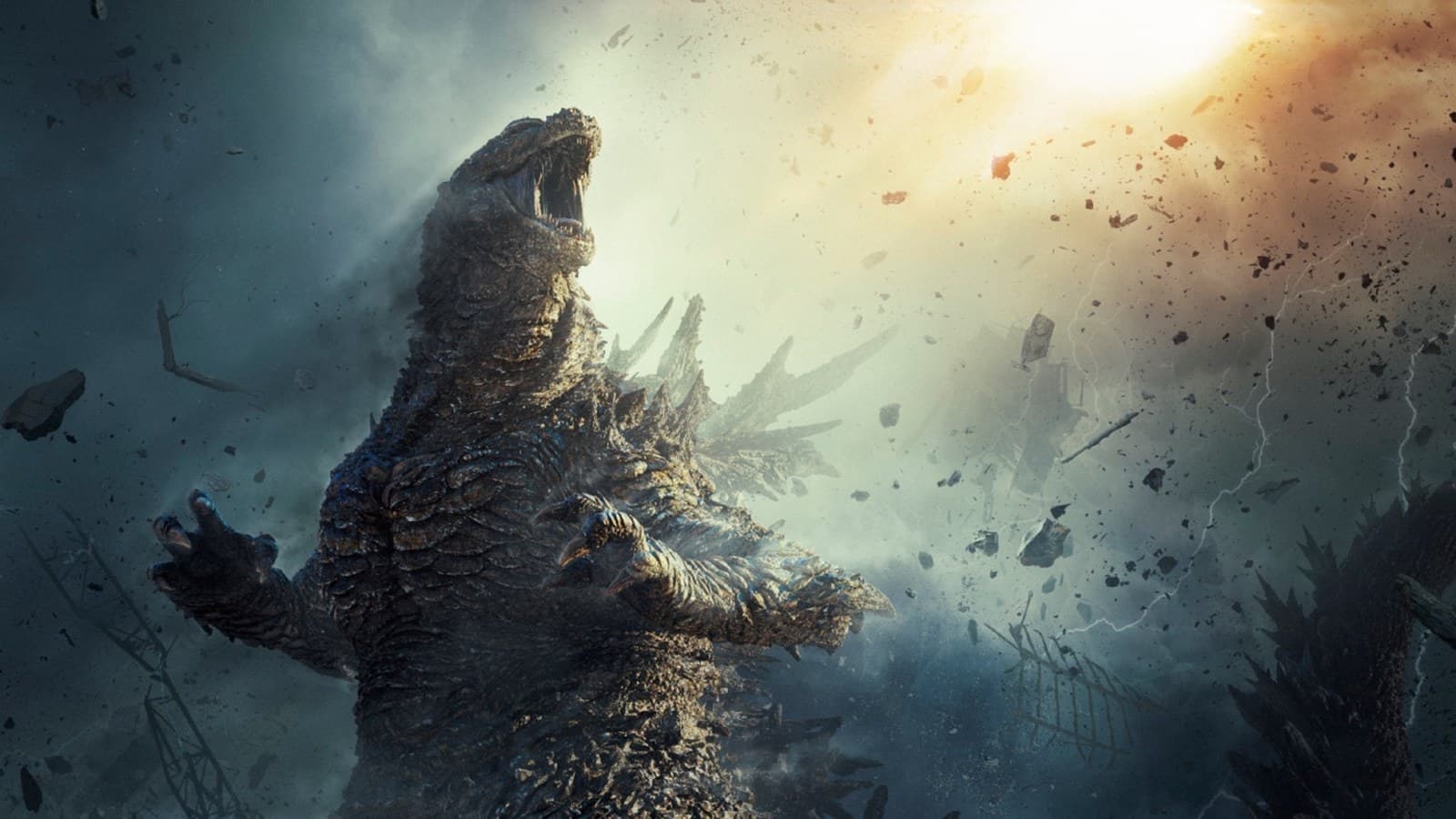
The Cat in the Hat opened in 4,003 US theaters on Friday, 6 November 2026, and The Numbers recorded a $20.5 million three-day gross, an average of $5,121 per site. It finished second. Toho and GKIDS's Godzilla Minus Zero took $31.61 million from 3,254 theaters in the same frame.
Related reading: Godzilla Minus Zero Opens to $32 Million and a Record for GKIDS · Martin McDonagh's Wild Horse Nine Opens at 94% on Rotten Tomatoes.
The reviews were rougher than the ticket sales. Rotten Tomatoes showed 45% in a 7 November snapshot reported by ScreenRant, down from around 50% when Forbes counted 32 reviews on 3 November. Metacritic had it at 46 from 16 reviews. CinemaScore, which polls opening-night audiences, gave it an A.
So the film arrived with a critic score below 50 and an audience grade near the top of the scale. Neither number is final. Both help explain why Warner Bros. Pictures Animation's adaptation of a picture book is harder to call than its opening figure suggests.
A $20.5 million opening against an $86 million budget
The $20.5 million is a three-day figure from The Numbers, not a worldwide total. ScreenRant reported the $86 million budget and estimated that the film could need as much as $215 million in global theatrical gross to break even. That estimate works out to about two and a half times the reported budget. Warner Bros. has not confirmed either number.
The weekend's other releases give the chart some shape. Drummer Boy took $9.31 million. Ramayana: Rise of a Legend made $8.65 million over three days and $12.16 million across four. Wild Horse Nine, Searchlight's Martin McDonagh film, opened at $6.0 million. Godzilla Minus Zero was the only release in the same commercial weight class as The Cat in the Hat, and it won the weekend by more than $11 million.
For a family film with a reported $86 million budget and a famous brand, $20.5 million is a soft start. It is not a collapse. A per-theater average of $5,121 across 4,003 sites means the film was widely available and drew moderate business everywhere rather than packing a few locations. Godzilla's average was about $9,714 per theater, nearly twice as much. Family releases can open below the tentpoles and then hold through school holidays. The question is whether this one has that kind of run in it.
The critics split, and the score moved as reviews arrived
The 45% is an average of incompatible reactions. At Metacritic, 25% of the 16 counted reviews were positive, 56% mixed and 19% negative. Rotten Tomatoes' fresh-or-rotten system flattens that spread into a single percentage, which is why the number moved from about 50% to 45% as more notices arrived. The two aggregators also count differently: Metacritic converts each review to a score out of 100, while Rotten Tomatoes counts a review as fresh or rotten. Both put the film just under the halfway mark. The spread matters because a single percentage hides how close many of those verdicts were.
The positive reviews liked the warmth and the performance at the center. The Film Verdict gave it 75 and wrote that it "captures the anarchic yet warm-hearted spirit of the original." IGN gave it 70 and called it "genuinely funny and likable." RogerEbert.com gave it 63, with a reservation that cuts to the film's main problem: it "tries so desperately to transcend its source material that it forgets what makes its story so enduring."
The negative notices were less forgiving. The A.V. Club gave it 50 and described "a marketable softening of edges." The Chicago Tribune, also at 50, found it "not fun enough." The Guardian gave it 40 and said it "trips all over itself." TheWrap gave it 39 and called it "mild mediocrity." The Associated Press, at 38, argued that "making a mess of The Cat in the Hat didn't have to happen."
Several critics said the story is overcrowded and too long for the picture book it adapts. The film runs 1h 47m. Others said there are too many gags and not enough of the original's anarchy. The praise clusters around Bill Hader as the Cat, the animation, and the fact that the result is much better than the 2003 live-action version. That comparison is fair, and it is also generous to the new film.
"Making a mess of The Cat in the Hat didn't have to happen." Associated Press, 38/100.
Families gave it an A. That is the number Warner Bros. needs.
CinemaScore's A is the strongest signal in the film's favor. CinemaScore surveys people who bought tickets on opening night, so it measures the audience that chose the film rather than the critics paid to sit through it. An A from that group suggests the people who came got what they expected: a bright, fast film for children with enough jokes for the adults beside them.
The early Rotten Tomatoes verified audience score supports that reading. It sat at about 86% to 87% in snapshots shared on r/boxoffice, based on more than 250 verified ratings. That is a small sample and an unofficial source, and both facts matter. It is also consistent with the CinemaScore.
None of this guarantees a long run. Opening-night audiences for a branded children's film are self-selecting, and the people most likely to dislike it may simply not have bought a ticket in the first three days. But a bad CinemaScore would have closed off the argument. An A keeps it open, especially with Thanksgiving and the Christmas holidays ahead, when families look for something to take children to. A child who likes the film can bring a parent back, and a parent who likes it can bring a second child. That is why family titles sometimes hold better than their reviews suggest.
The comparison with Godzilla Minus Zero is useful here. That film also earned an A and a 96% verified audience score, but it opened to a much larger gross from fewer theaters. The Cat in the Hat has to build its run from a wider, slower family audience. Its path depends on repeat attendance over six or seven weeks, which is a less certain kind of success.
What the opening numbers do not settle
The $20.5 million is a three-day figure from The Numbers and may be revised when final actuals arrive on Monday, 9 November. The $86 million budget is reported by ScreenRant and has not been confirmed by Warner Bros., and the $215 million break-even figure is ScreenRant's estimate, not a studio number. The 45% Rotten Tomatoes score and the 46 Metacritic score are live snapshots taken during the opening weekend and will move. The 86% to 87% audience score rests on about 250 verified ratings, far too few to treat as settled. CinemaScore's A is a CinemaScore figure, not a Rotten Tomatoes one.
The 2003 film is the comparison that matters
The first Cat in the Hat feature was a live-action film released in 2003. It scored 11% on Rotten Tomatoes, grossed $134 million worldwide against a $109 million budget, and effectively ended live-action Dr. Seuss adaptations for years. A 45% score is roughly four times that 11%. That is a low bar, and clearing it does not make the new film a good one, but it does mean the 2026 version avoided the specific failure that ended the earlier live-action run.
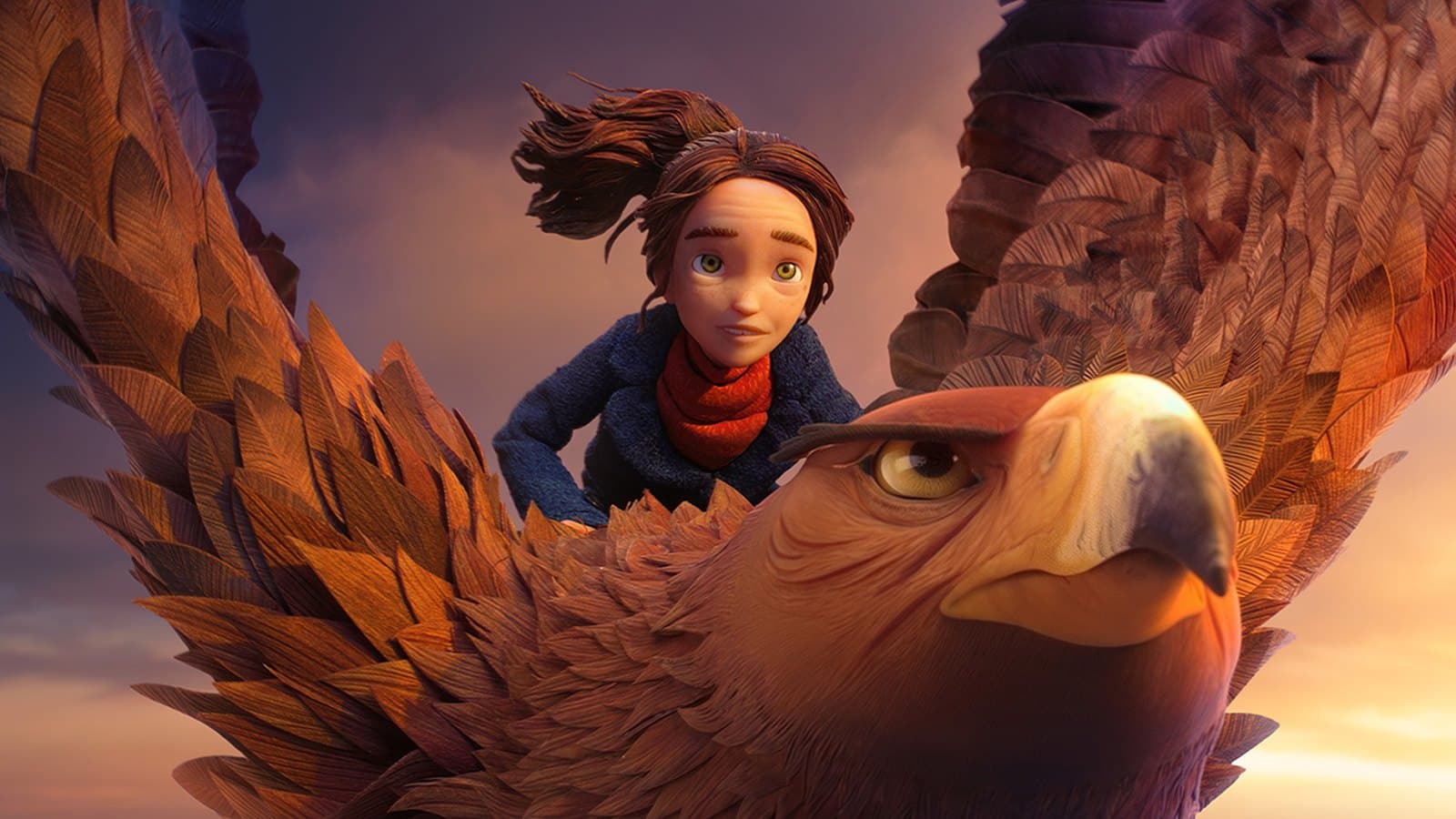
The 2026 film took a different route in other ways. It is animated, directed by Alessandro Carloni and Erica Rivinoja, and built around a voice cast that includes Hader, Xochitl Gomez as Gabby, Quinta Brunson, Matt Berry, Bowen Yang, Paula Pell, Giancarlo Esposito, Tituss Burgess and America Ferrera. It was originally set for 2024, then moved to 6 March 2026, then delayed again, reportedly to avoid Pixar's Hoppers. The finished film arrives two years after its first announced date.
Warner Bros. and Dr. Seuss Enterprises have a multi-film partnership. That makes the 2003 comparison less relevant than it looks. The useful question is whether this film can establish an audience that turns up for the next one. Erasing the memory of 2003 matters less.
What Warner Bros.' Dr. Seuss plan needs from this film
The next announced project is an animated Oh, the Places You'll Go, directed by Jon M. Chu and starring Ariana Grande and Josh Gad, scheduled for 17 March 2028. A Thing One and Thing Two film is also reported to be in development, though Warner Bros. has not announced it. A reported development project is not a release commitment, and the studio has not dated it. Sixteen months separate this release from the next scheduled one, which gives the studio time to adjust but little room for another miss.
Warner Bros. had a difficult 2026. The Bride!, Supergirl, The End of Oak Street and Digger all underperformed, while Clayface opened to $24 million and counted as a relative success. A family film with a known title and a modest opening is not the same problem as a big superhero film that misses. It is also not the reliable hit the studio could use.
The opening is enough to keep the partnership moving and not enough to prove the plan works. If the film legs out to something near $215 million worldwide, a sequel and the Chu film would arrive with a real audience behind them. If it stalls well short of that figure, the next film has to rebuild the case from scratch.
What to watch
Monday's final three-day actuals are the first checkpoint. A figure close to $20.5 million would confirm the weekend estimate. A number a few million lower would change the arithmetic.
The second weekend matters more. A small drop would suggest the CinemaScore and the audience score are turning into repeat business. A steep one would suggest the opening crowd was the whole audience. Thanksgiving week, which begins on 26 November, is the next real test, and Christmas follows.
The review score may settle in the low to mid 40s or climb back toward 50% as late reviews arrive. Neither outcome will change how the film performs. The audience numbers will.
Warner Bros. has not announced a sequel. The film teases one, and trade reports describe a sequel as possible, which is not the same thing. The 17 March 2028 date for Oh, the Places You'll Go is the clearest signal of what the studio intends to do next, and it does not depend on this film alone. What happens to The Cat in the Hat over the next six weeks will shape how much confidence the studio brings to it.
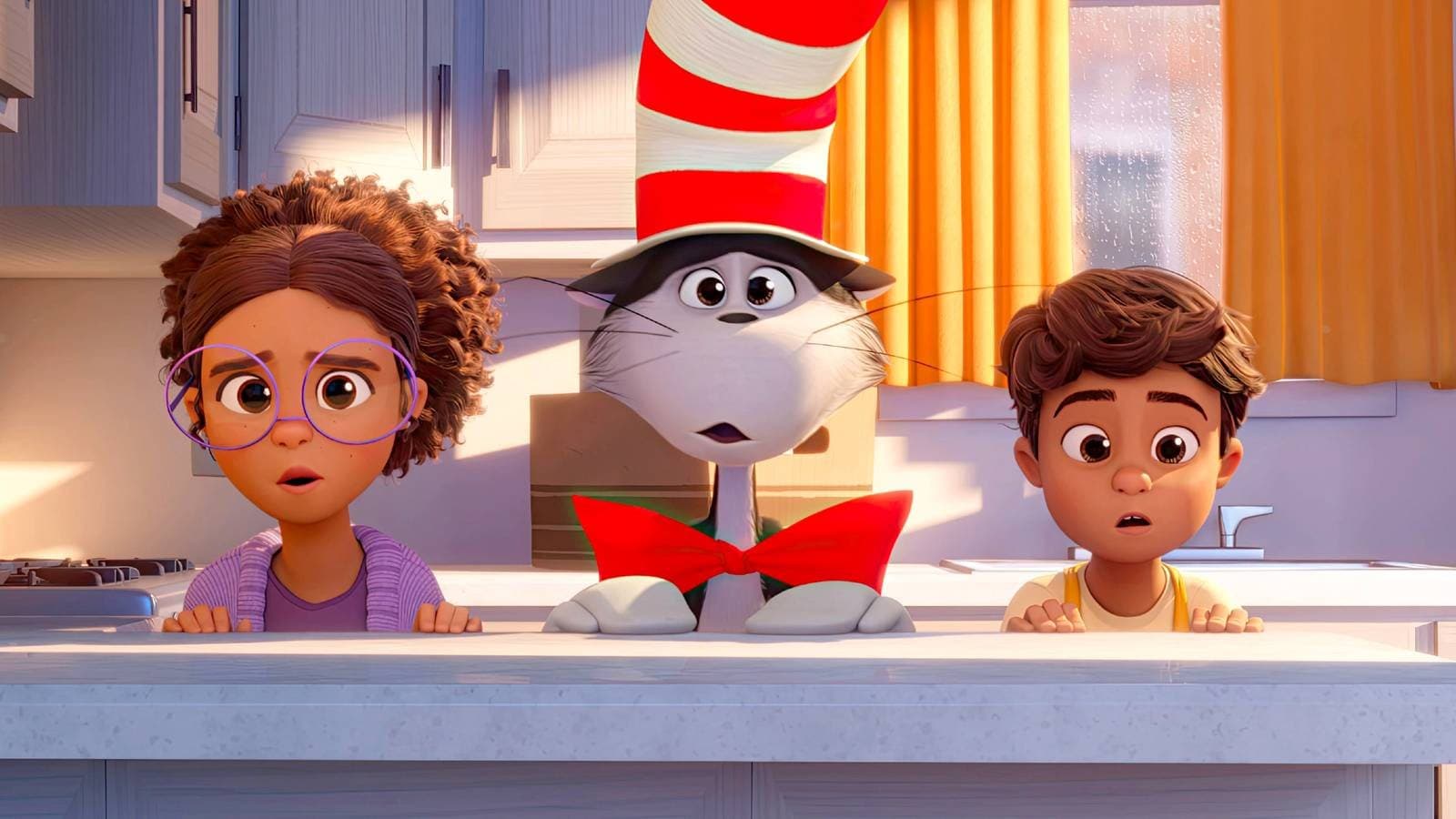
Cover image: The Cat, Gabby and Sebastian behind a kitchen counter in The Cat in the Hat, courtesy of Warner Bros. Pictures Animation.
Tags
Frequently asked questions
- How much did The Cat in the Hat make in its opening weekend?
- The Cat in the Hat grossed $20.5 million from 4,003 US theaters over its three-day opening weekend of 6 to 8 November 2026, an average of $5,121 per theater. The Numbers ranked it second behind Godzilla Minus Zero, which took $31.61 million.
- What is The Cat in the Hat's Rotten Tomatoes score?
- Rotten Tomatoes showed 45% in a 7 November 2026 snapshot, after starting near 50% earlier in the week. The score is a live snapshot that can move as more reviews arrive. Metacritic had the film at 46 from 16 critic reviews.
- Is The Cat in the Hat a flop?
- It is too early to say. A $20.5 million opening is soft for a film with a reported $86 million budget, but a CinemaScore A and an audience score near 86% give it room to hold through Thanksgiving and Christmas. ScreenRant estimated break-even at up to $215 million, which the film has not yet approached.
- Will there be a Cat in the Hat sequel?
- No sequel has been announced. The film teases one and trade reports describe a sequel as possible, but Warner Bros. has not confirmed it. The next scheduled film in the Warner Bros. and Dr. Seuss Enterprises partnership is an animated Oh, the Places You'll Go, set for 17 March 2028.

TPW Editorial
Editorial Team
TechPastWeek's editorial team reports and edits every story we publish. We research each piece against primary and credible secondary sources, and a human editor reviews and signs off before it goes live.