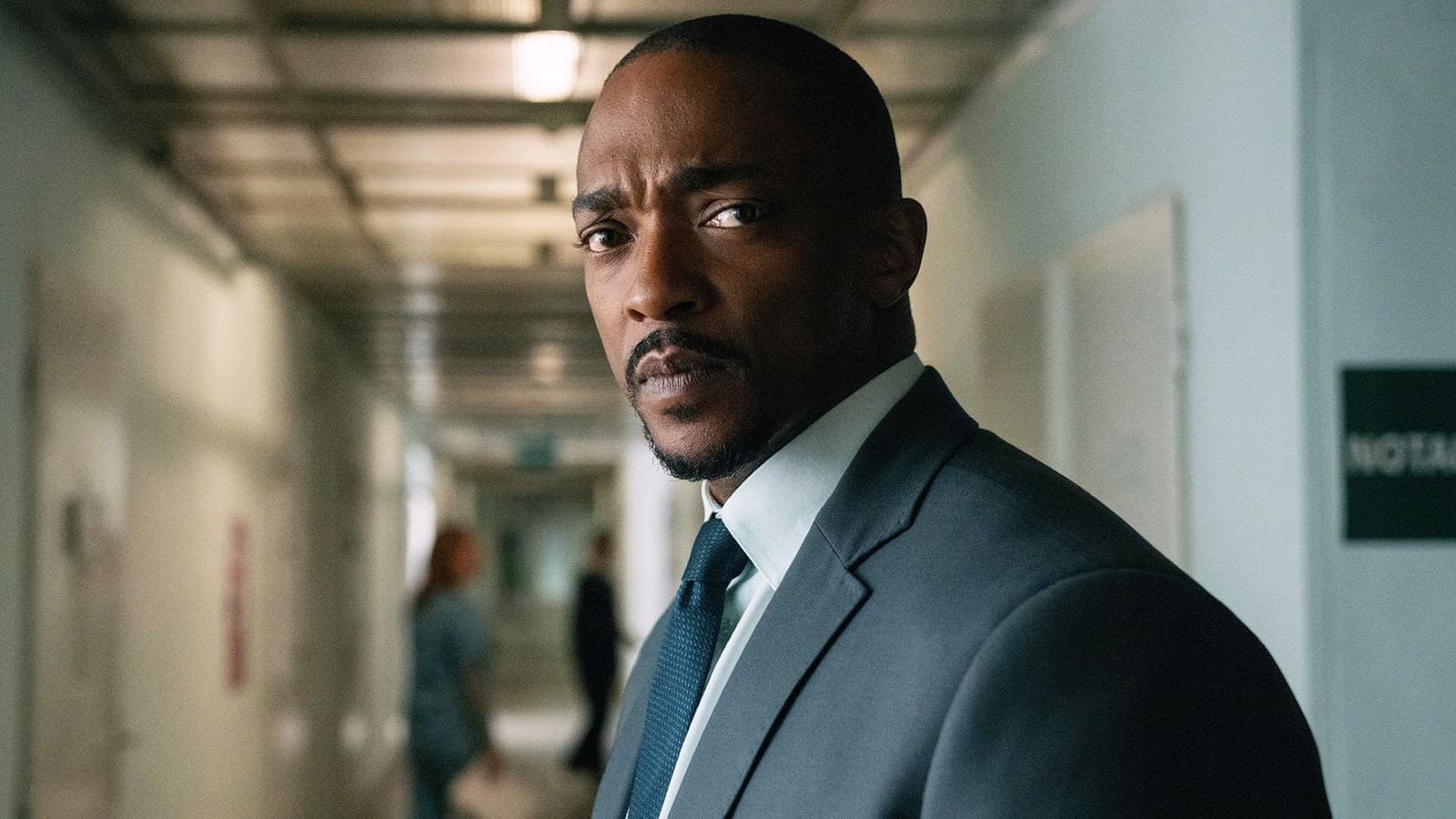
Peacock's The Good Daughter Opens to 71% as Critics Split on Its Trauma
Peacock's six-part Karin Slaughter adaptation premiered on 12 November to a 71% Rotten Tomatoes critics' score, a 64 Metascore and a much warmer audience.

On this page
Key takeaways
- The Good Daughter premiered all six episodes on Peacock on 12 November 2026.
- Rotten Tomatoes showed 71% from 14 reviews and a 90% audience score from more than 50 ratings on 15 November.
- Metacritic showed 64 from 15 critics, with 60% positive, 20% mixed and 20% negative notices.
- Critics praised Meghann Fahy and Rose Byrne as the Quinn sisters and criticised the show's reliance on trauma and coincidence.
- It is a limited series, and Peacock has not announced a second season.
Peacock released all six episodes of The Good Daughter on 12 November 2026, and by the weekend the adaptation of Karin Slaughter's novel had settled into a familiar shape: strong notices for its two leads, a divided response to its story, and an audience score well above the critics' score.
Related reading: Nocturne Opens at 100% on Rotten Tomatoes, Then Slips to 83% · The Greatest Opens at 100% on Rotten Tomatoes, With Ali as a Young Man.
Rotten Tomatoes showed 71% from 14 reviews on 15 November, with a 90% Popcornmeter from more than 50 ratings. Metacritic showed 64 from 15 critics, split into 60% positive, 20% mixed and 20% negative. The gap between the two audience measures is wide, though the audience sample is still small and streaming ratings tend to be kinder than critic scores.
The show is a limited series, not a returning drama. It stars Rose Byrne as Samantha Quinn and Meghann Fahy as Charlotte Quinn, two sisters and lawyers who come back together in Pikeville, Georgia, after a school shooting revives the memory of a home invasion that killed their mother. Brendan Gleeson plays their father, Rusty, a defence lawyer whose clients have made the family a target. Olivia Williams plays their mother in flashbacks.
What the show is trying to do
Slaughter adapted her own 2017 novel and is the showrunner, executive producer and writer. Steph Green directed the series. The structure moves between the present-day case and the sisters' past, with each episode named after a character's history: "What Happened to Charlie," "What Happened to Sam," "What Happened in New York," "What Happened to Rusty."
The present-day plot begins with Charlie witnessing a school shooting. Her father takes on the defence of the accused, and Charlie is drawn into the case. Sam, who left Georgia for a patent law practice in New York, comes home at her father's request. The sisters have to work together while the investigation uncovers secrets from their own family.
The show also gives Sam a disability. She walks with a cane, has a speech impediment that worsens under stress, and has reduced vision that leads a judge to challenge her tinted glasses in court. Byrne plays those details physically. The series uses them to show how the legal system treats a lawyer who does not fit its picture of authority.
The case for the show
The strongest reviews focus on the performances and the sisters. Collider gave it 9/10 and called it "a Peacock series to tell people about," saying Fahy is doing some of her best work and Byrne gives her "someone worth fighting with." Variety's Alison Herman wrote that the show "isn't always on the level of its two central performances, but their scenes together are so alive with anger, hurt and devotion it doesn't have to be."
TheWrap said the series is worth the time "thanks to its compelling cast and a handful of twists and turns." The Los Angeles Times' Robert Lloyd argued that Green understands "the plot is not as important as the people," and that keeping the camera on Byrne and Fahy is "very satisfying." The Hollywood Reporter's Daniel Fienberg found the show full of tropes he usually dislikes, yet "compulsively entertaining" because of Slaughter's characters and the leads' performances.
RogerEbert.com praised Fahy as the standout and said the series turns "sisterly love into grisly thrills." The review also raised a casting question: Sam is disabled, and the critic argued the show might have been better served by casting a disabled actress who could bring lived experience to the role.
The case against
The negative reviews are not mild. Time called it "an exhausting litany of traumas," arguing that the show collects horrors "as though cataloging everything awful that could happen to a woman." The Daily Beast gave it 35 and called it "the dreariest kind of beach read," while Screen Rant gave it 30 and described it as "an unpleasant, poorly constructed series." The Guardian gave it 60 and said neither sister is as interesting as Rusty.
The common criticism is that the show piles trauma on trauma until the plot becomes a machine for producing distress. The mystery depends on coincidence, and several reviewers found the revelations more convenient than earned. The Irish Independent compared it to "interchangeable Harlan Coben thrillers" and glossy miniseries from the last decade.
That is a fair description of the genre the show is working in. Slaughter's novels are bestsellers because they move fast and twist hard. A television adaptation has to decide whether to keep that velocity or slow down for character. The Good Daughter tries both, and the critics who disliked it think the balance tips toward shock.
Why the audience score is higher
A 90% audience score against a 71% critic score is the kind of split that usually says more about the audience than the show. Peacock viewers who chose a Karin Slaughter adaptation are already inclined toward the genre. They came for the twists, the Southern setting and the performances, and the show delivers those.
The sample is also small. Rotten Tomatoes showed "more than 50 ratings," which is enough to display a score but not enough to treat it as a stable measure. The score can move as more people watch. Metacritic's user score was 8.3 from six ratings, an even smaller sample.
The critical spread is more informative. The show is not a failure across the board. It has passionate defenders at Collider, Variety and RogerEbert.com, and a substantial bloc of negative notices at Time, The Daily Beast and Screen Rant. That pattern usually means the show has a strong point of view and executes it unevenly, which is what the reviews describe.
The Peacock calculation
Peacock has been building a slate of prestige limited series with familiar stars and book adaptations. The Good Daughter fits that strategy: a bestselling author, two award-winning leads, a director with television experience and a six-episode run that can be watched in a weekend. It is the kind of show that generates conversation without requiring a long commitment.
The show also arrives in a crowded season. 12 12 12 premiered on Apple TV the next day with a similar heist-thriller premise and a similar mixed critical reception. The Rings of Power returned for a third season on Prime Video. The streaming services are all chasing the same limited-series audience, and a 71% score is respectable without being a breakout.
The awards question is open. Fahy and Byrne are the kind of performances that awards voters notice, and the show's serious subject matter fits the prestige mould. A 64 Metascore is not a lock for a major nomination, but the reviews that praise the leads give a campaign something to work with. Peacock has not announced a second season, and the limited-series format means it does not need one.
Caveats
The scores are snapshots. Rotten Tomatoes showed 71% from 14 reviews and Metacritic 64 from 15 when checked on 15 November. Both can move as more reviews arrive. The audience score is based on a small sample and is not a measure of total viewership.
Peacock has not published viewing figures for the premiere. The show's commercial performance is unknown. The reviews quoted here are from critics who saw the series before release; their opinions are individual judgments, not a consensus.
The episode count is six, according to Peacock and Rotten Tomatoes. Some database listings show eight, which appears to be an error. The series released all six episodes at once.
The disability casting criticism comes from RogerEbert.com and is one critic's view. Byrne's performance has been praised by several outlets, including some that raised the casting question. The show has not responded to the criticism.
What to watch
The next data point is whether the audience score holds as more people finish the series. A limited series can have a strong opening weekend and fade, or it can build through word of mouth. Peacock will be watching the same numbers.
The awards season is the second. A Golden Globe or Screen Actors Guild nomination for Fahy or Byrne would give the show a second life. The series has the kind of roles that awards bodies tend to notice, and the critical split may not matter to voters who focus on performance.
For viewers, the decision is simpler. The Good Daughter is a six-hour commitment with two strong performances and a plot that some critics found exhausting. The 71% score says it is worth trying; the 90% audience score says the people who tried it mostly stayed.
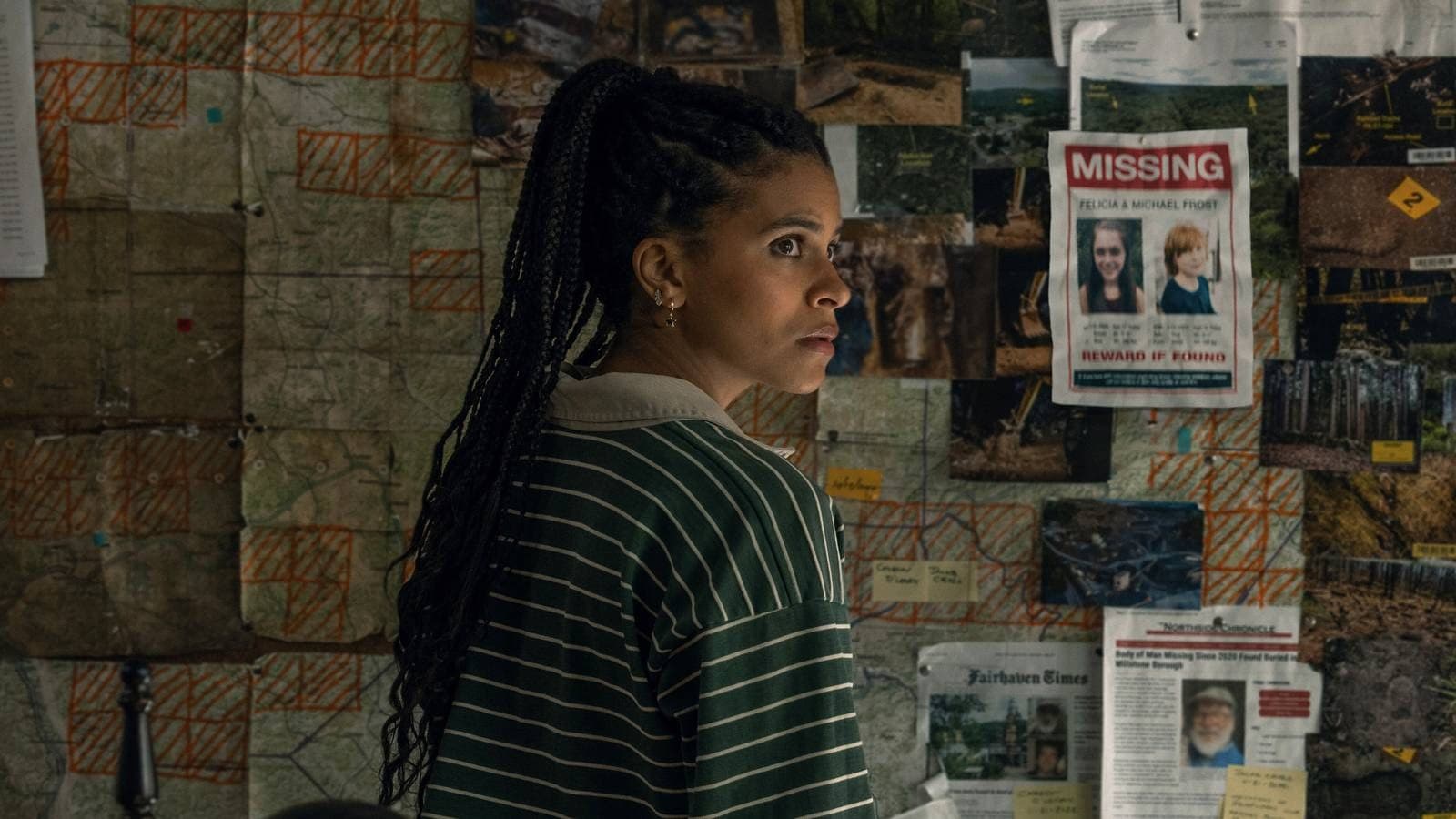
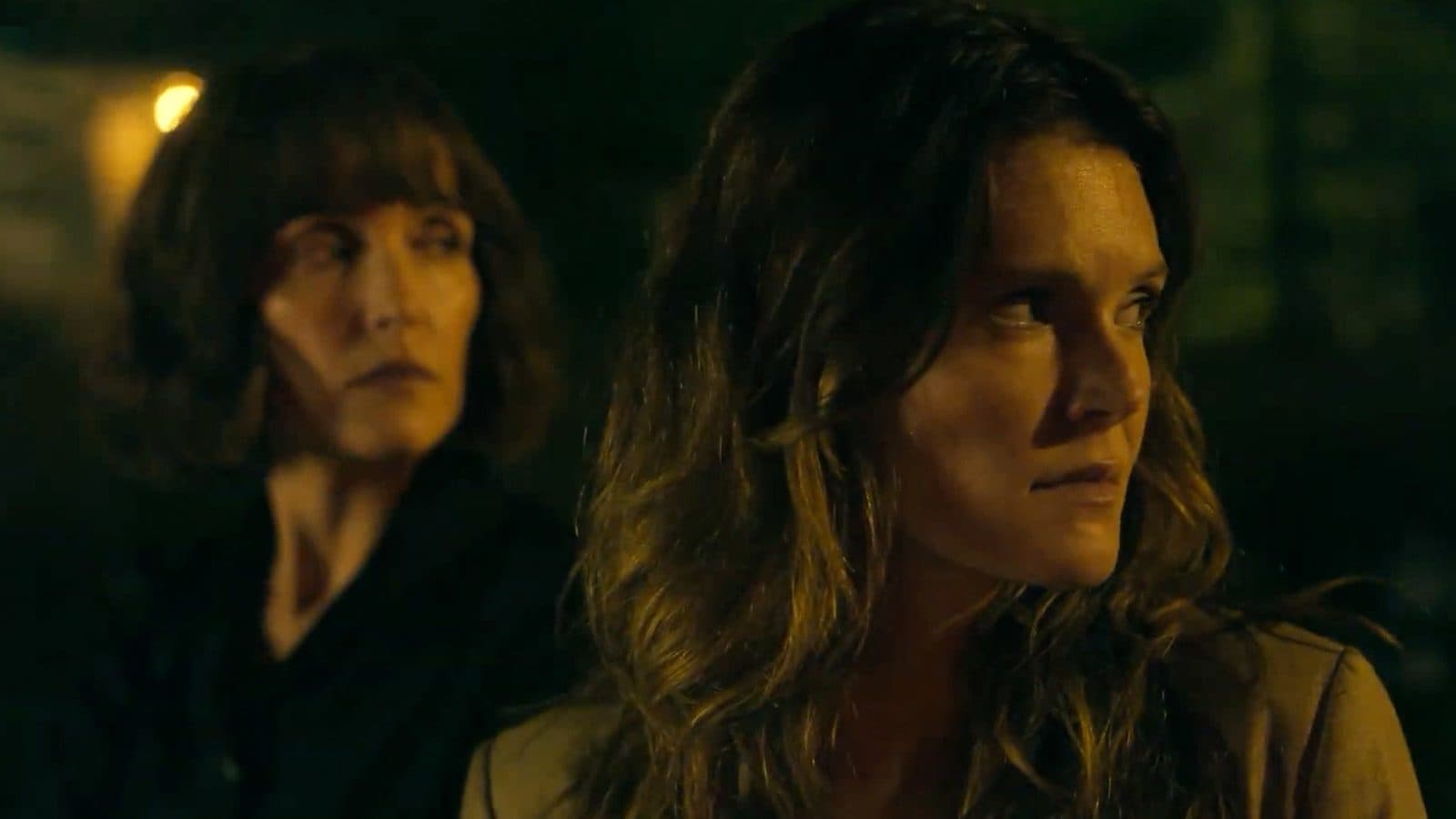
Cover image: Meghann Fahy as Charlie Quinn and Olivia Williams as Harriet Quinn in The Good Daughter. Courtesy of Peacock via Rotten Tomatoes.
Tags
Frequently asked questions
- What is The Good Daughter about?
- It follows two estranged sisters, both lawyers, who return to their Georgia hometown after a school shooting reopens the trauma of a home invasion that killed their mother. It is based on Karin Slaughter's 2017 novel.
- How many episodes are there?
- Six. Peacock released all six episodes on 12 November 2026.
- Is The Good Daughter renewed for season 2?
- No. It is a limited series, and Peacock has not announced a second season.
- What do critics think of The Good Daughter?
- Reviews are mixed to positive. Critics largely praise Meghann Fahy and Rose Byrne, and some find the plot overloaded with trauma and coincidence. Rotten Tomatoes showed 71% and Metacritic 64.

TPW Editorial
Editorial Team
TechPastWeek's editorial team reports and edits every story we publish. We research each piece against primary and credible secondary sources, and a human editor reviews and signs off before it goes live.