Valve Ends Steam Machine Waitlists as Memory Costs Bite
Valve has closed the 2TB Steam Machine waitlist and will stop taking reservations as RAM and storage costs rise, supply and prices unclear until January.

On this page
Key takeaways
- Valve closed the waiting list for the 2TB Steam Machine on 19 November 2026 and will not open another one.
- The 512GB Steam Machine is now available to buy directly while supplies last, and the 2TB model is out of stock.
- Valve says memory and storage costs are rising at unprecedented levels, and it does not know how many units it can make or what price it can charge.
- The Steam Machine launched in June 2026 at $1,049 for the 512GB model and $1,349 for the 2TB model.
- Valve expects to share more information in January 2027. Existing 2TB waitlist members keep their place but are not guaranteed a unit.
Valve closed the waiting list for the 2TB Steam Machine on 19 November and said it will not open another one, after memory and storage costs rose beyond what the company can plan around.
Related reading: PlayStation 5 Passes 100 Million Units, and It Is Still Behind the PS4 · Sony Brings Back See-Through Plastic With the Prism PS5 Collection.
The 512GB model is now available to buy directly, with delivery estimated at three to five business days while supplies last. The 2TB model is out of stock. Valve says there are more people on its waitlist than it has units to sell, and it has stopped accepting new sign-ups. Existing waitlist members keep their place in line, but Valve says that does not guarantee they will receive a machine.
The company put the problem plainly in a Steam post. "We are continuing to build more Steam Machine units, but memory and storage costs continue to increase at unprecedented levels; as a result we don't yet know the number we are able to make, and at what price we'll be able to offer them," Valve said. "The 2TB model in particular will be especially constrained."
Valve expects to share more information about additional 2TB supply in January. It did not say how many units it expects, when they will arrive, or how much they will cost.
What changed on 19 November
Valve had used a reservation system for the Steam Machine since launch. Buyers entered a randomized queue, and a reservation gave them a place to purchase a unit. The company said in July that it expected to clear the reservation queue by the end of 2026. It has now done that for the 512GB model.
For the 2TB model, the queue is not cleared. Valve finished sending purchase invitations to reservation holders, but the waiting list behind them is longer than the remaining production run. Rather than keep adding names, Valve closed the list. The 2TB model will show as out of stock in the store.
Buyers who want a machine now have one option: the 512GB model, while stock lasts. Anyone on the 2TB waitlist who chooses the smaller model will lose their place in the 2TB line, Valve said. Once the 512GB stock runs out, the product will show as out of stock rather than opening a new waitlist.
Valve's reservation system was designed to manage demand without a public scramble. Buyers entered a lottery, received a place in a queue, and waited for an invitation. The system worked for the 512GB model: Valve says it has fulfilled every current reservation and has stock left. For the 2TB model, the queue outlasted the supply. Closing the list is a way to stop promising units Valve cannot deliver.
The pricing math is awkward. A 2TB NVMe drive and 16GB of DDR5 are among the components most exposed to the shortage, and the 2TB model carries a $300 premium over the 512GB version. If memory costs keep rising, that premium may not cover the difference. Valve could raise the 2TB price, ship fewer units, or both. It has not chosen publicly.
Valve is not saying the Steam Machine is discontinued. It is saying it cannot plan production or pricing while component costs move. The 512GB model remains on sale, and Valve says it is still building more units.
The machine Valve is selling
The Steam Machine is a small, console-like PC that runs SteamOS. It launched on 22 June 2026, after Valve delayed it from early 2026 because of the memory and storage crisis. The 512GB model costs $1,049 without a controller, and the 2TB model costs $1,349. Bundles with the Steam Controller cost $1,128 and $1,428.
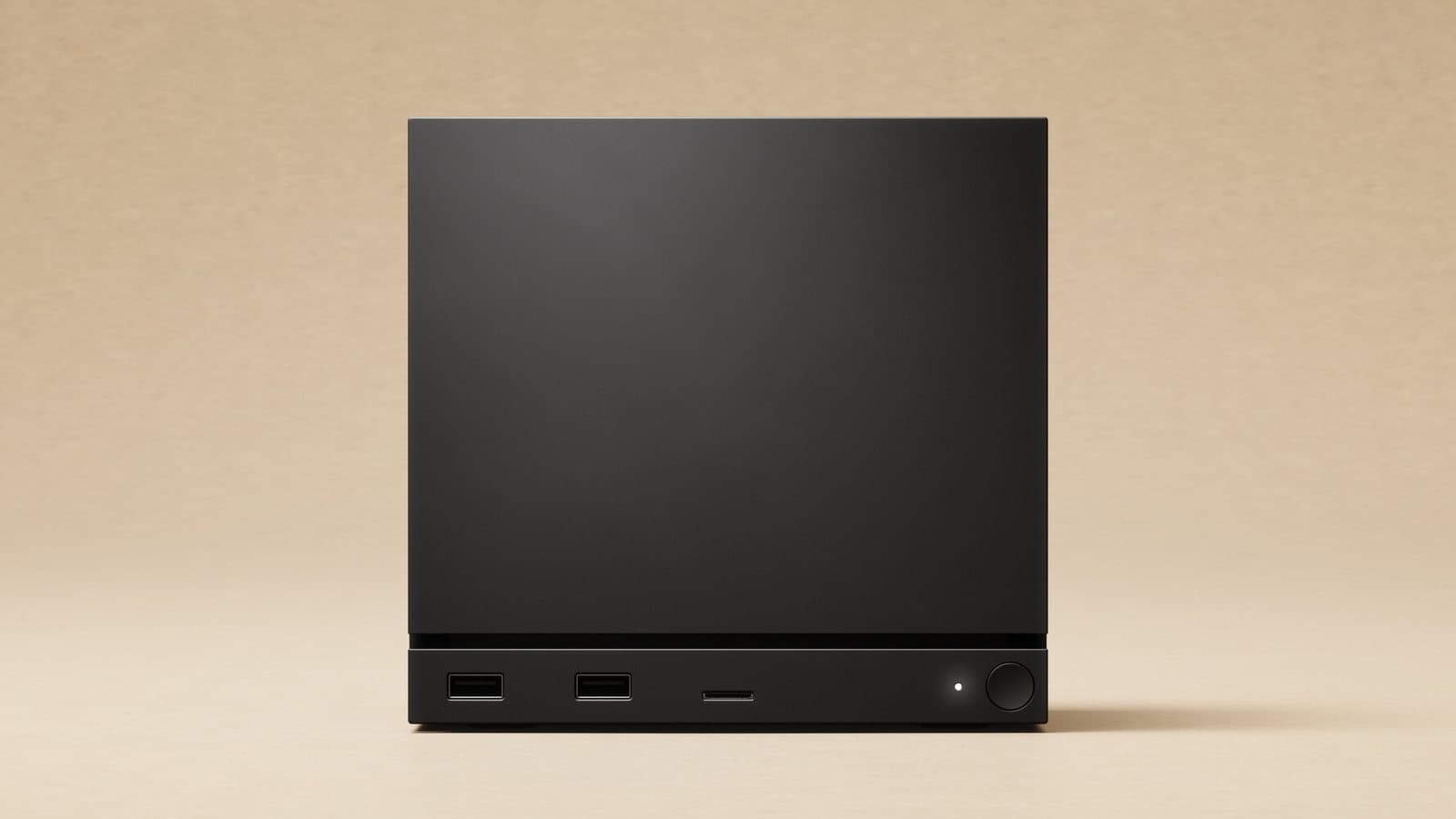
The hardware is semi-custom. Valve lists an AMD Zen 4 six-core, 12-thread CPU, an AMD RDNA3 GPU with 28 compute units, 16GB of DDR5 system memory and 8GB of GDDR6 video memory. The case is roughly a six-inch cube. The 512GB and 2TB models use NVMe storage, and both have a microSD card slot, Wi-Fi 6E, Bluetooth 5.3 and Gigabit Ethernet.
At $1,049, the Steam Machine was already a premium alternative to a game console. The 512GB model is the entry point, and 512GB fills quickly: many modern games exceed 100GB, and some preloads run far larger. Valve's decision to keep selling the smaller model is a decision to sell the only configuration it can still supply at a known price.
Why memory is the constraint
The Steam Machine is caught in a broader shortage of DRAM and NAND flash. AI data centres have absorbed a large share of memory production, and prices for both system memory and storage have climbed. The squeeze has hit graphics cards, handhelds, consoles and PCs at the same time.
PC Gamer reported that 80% of Samsung's data-centre memory is already sold for 2027, with another double-digit price increase expected for RAM. That is a forecast, not a contract, but it points to the same direction Valve described: costs are still rising, and the end is not in sight.
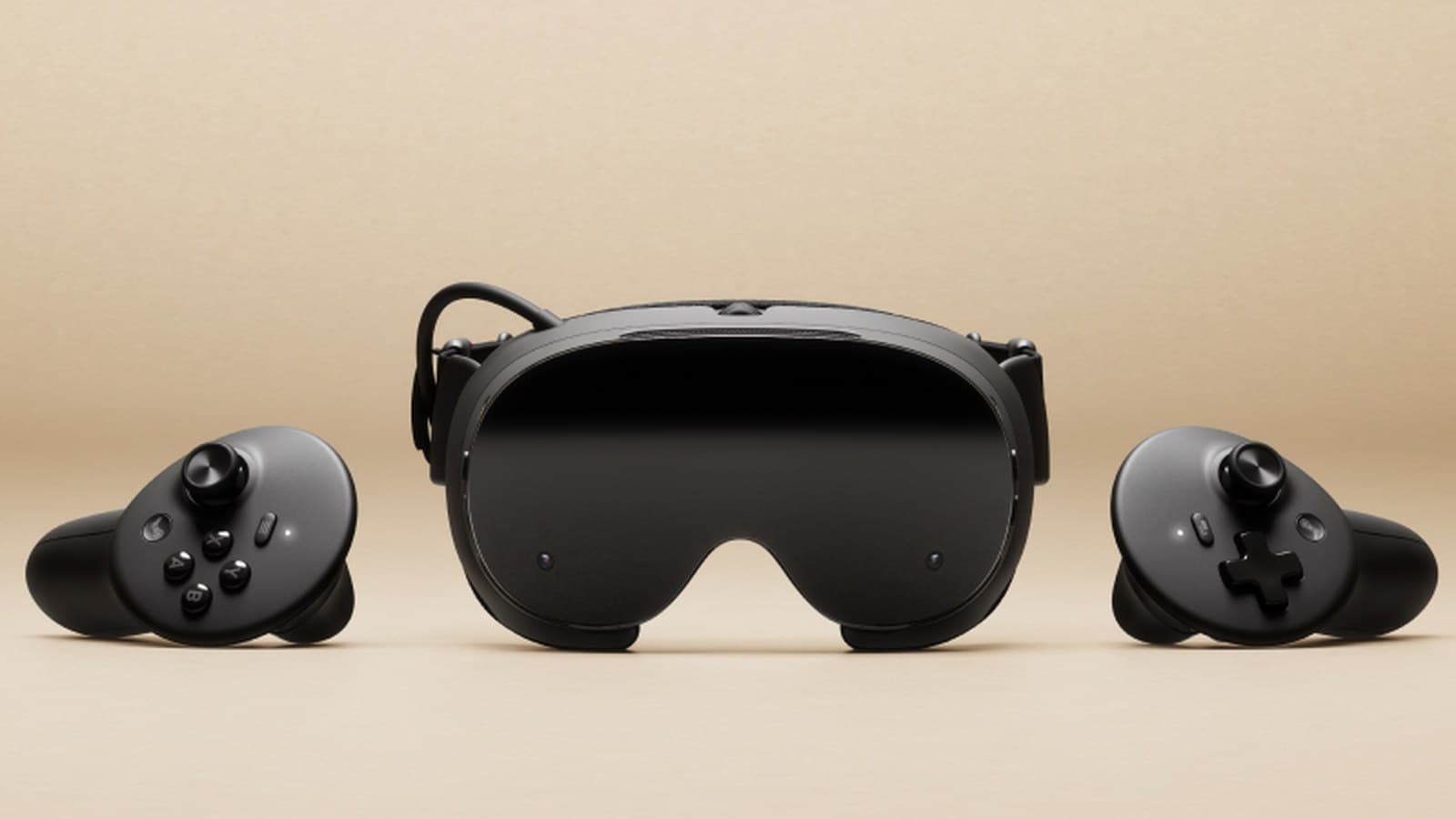
Valve has already felt the shortage across its hardware line. The Steam Frame headset launched at $1,059, and Valve has said the memory crisis pushed it above the price it wanted. The Steam Deck 2 has been less affected, according to Valve, but the company has not given it a release date.
For the Steam Machine, the shortage lands at the worst point in the product cycle. The machine is new, the reservation queue was supposed to clear this year, and the higher-margin 2TB model is the one customers want. Valve cannot simply absorb the cost without raising prices, and it cannot raise prices without weakening the value argument against a console.
What this means for buyers
For buyers who want a Steam Machine now, the 512GB model is the practical choice. Valve says delivery is three to five business days while stock lasts. If the listing flips to out of stock, there is no new waitlist to join.
For anyone on the 2TB waitlist, the place in line is not a promise. Valve says it will keep building 2TB units in smaller quantities than planned and will share more information in January. The wait could extend well beyond that update; January is a date for information, not a restock date.
For buyers waiting for prices to fall, Valve has given no reason to expect that. The company's language points the other way. The only question it has left open is how much prices rise, not whether they will.
The wider hardware picture
The Steam Machine's problem is not unique. Console makers and PC component suppliers are navigating the same memory market, and several have raised prices or warned about supply. The difference is that Valve built its pitch around a fixed, console-like price and a simple two-model lineup. That pitch is harder to sustain when the cost of the two most expensive components is moving every quarter.
The shortage also affects the timing of Valve's broader hardware plans. The Steam Frame is already on sale at a price shaped by memory costs. The Steam Deck 2 is further out. A prolonged memory crunch would make every new device more expensive to launch, and would make Valve more cautious about committing to volume.
Caveats
Valve has not said how many Steam Machines it has sold, how many 2TB units it still plans to build, or how much prices might rise. It has not said whether the 2TB model will return to regular stock in 2027, or whether the 512GB model will stay at $1,049 if memory costs keep climbing. The January timing is for more information, not a promise of supply. The memory-price forecasts cited by PC Gamer are projections, not settled contracts.
Those omissions are the story. A waitlist closure is a supply decision, not a product announcement. Valve is telling customers that it can still make the cheaper model, that it cannot make enough of the expensive one, and that it does not know what either will cost in a few months.
What to watch
The January update is the next checkpoint. Watch for a 2TB restock date, a price change, or a change to the reservation system. Watch the 512GB listing for a switch from add-to-cart to out of stock. And watch the memory market: if DRAM and NAND prices keep rising, the Steam Machine's price problem will become a broader problem for every console and handheld launched in 2027.
Cover image: Valve's Steam Machine. Image courtesy of Valve Corporation.
Tags
Frequently asked questions
- Can I still buy a Steam Machine?
- Yes, the 512GB model is available to buy directly from Valve while supplies last, with delivery estimated at three to five business days. The 2TB model is out of stock, and Valve has closed its waiting list.
- Why did Valve close the 2TB Steam Machine waitlist?
- Valve says there are more people on the waitlist than it has units to sell, and it has stopped accepting new sign-ups. Existing waitlist members keep their position, but Valve says that does not guarantee they will get a machine.
- Will the Steam Machine get more expensive?
- Valve has not announced a price increase, but it says memory and storage costs are rising at unprecedented levels and it does not yet know what price it will be able to offer future units. It expects more information in January 2027.
- Is the Steam Machine discontinued?
- No. Valve says it is continuing to build more Steam Machines. It has closed the 2TB waitlist because supply is short, not because the product is ending.

TPW Editorial
Editorial Team
TechPastWeek's editorial team reports and edits every story we publish. We research each piece against primary and credible secondary sources, and a human editor reviews and signs off before it goes live.