Xbox CEO Says Gen-10 Hardware Will Be a Family of Devices
Xbox CEO Asha Sharma told an internal town hall the company is moving to a family of devices for Gen-10, with Project Helix spanning console and handheld.

On this page
Key takeaways
- Xbox CEO Asha Sharma told an internal town hall that Xbox is 'moving to a family of devices for Gen-10,' according to a transcript shared with Windows Central.
- At the meeting, covered October 6 to 8, 2026, Sharma said 'there is not one device that fits all' and that Xbox would have 'a great console first' alongside hardware for players on the go.
- Project Helix, Xbox's next-generation hardware revealed in March 2026, runs on an AMD hybrid PC-Xbox system-on-chip codenamed 'Magnus'; no release date, price or retail name has been announced.
- Windows Central has reported that alpha Helix hardware is expected to reach developers starting in 2027, and that Sharma is concerned rising memory costs could affect the Gen-10 rollout's pricing and availability.
- Xbox shipped its first branded handhelds, the ROG Xbox Ally and ROG Xbox Ally X, in October 2025; Helix would be the first new Xbox generation since the Series X|S in 2020.
Xbox is planning its next hardware generation as a range of devices rather than a single console, according to an internal town hall led by CEO Asha Sharma. A transcript shared with Windows Central and verified by the outlet's sources put Sharma's words plainly: the company is "moving to a family of devices for Gen-10." The same message traveled through coverage from Eurogamer and TweakTown in the first week of October 2026.
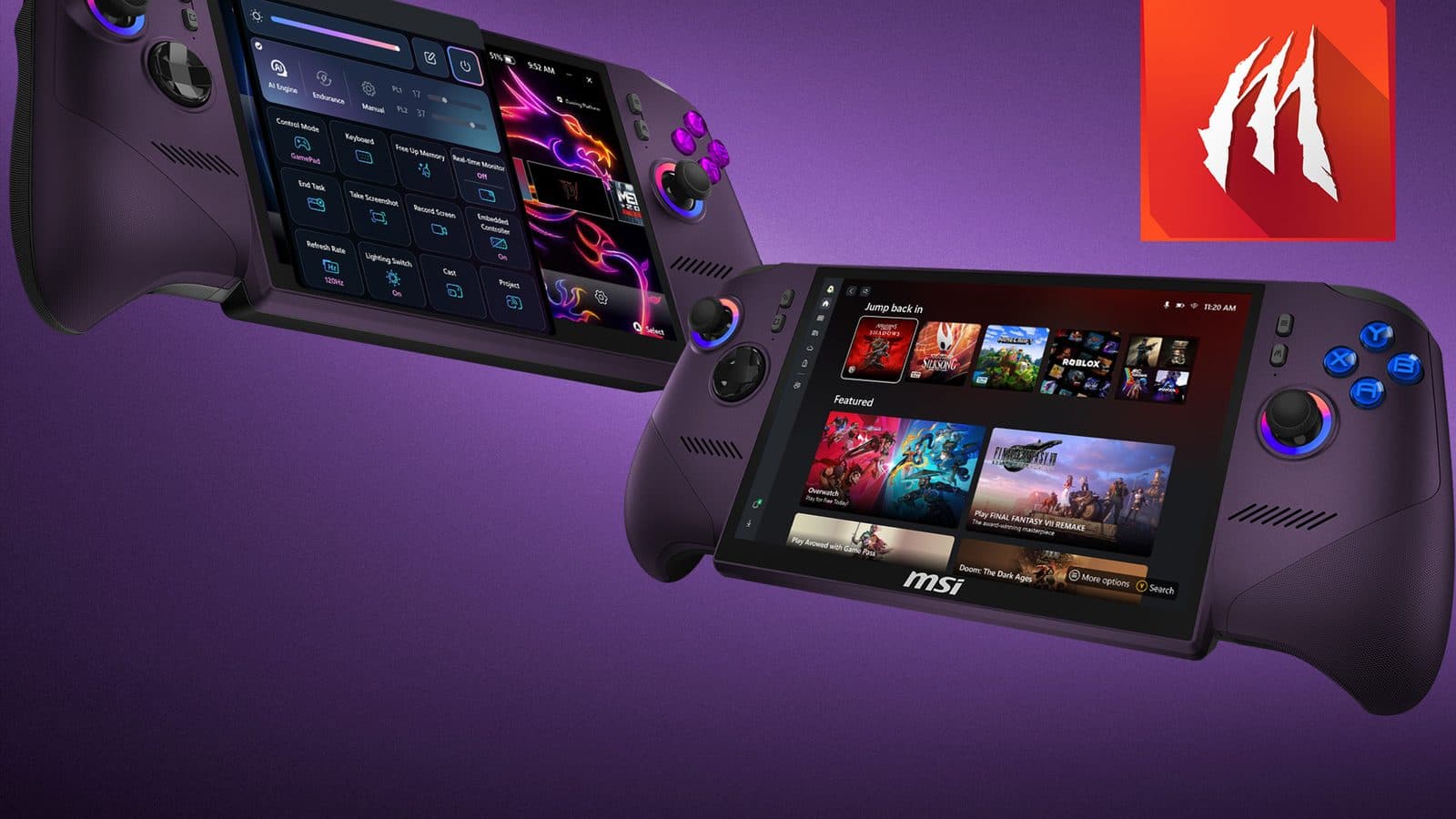
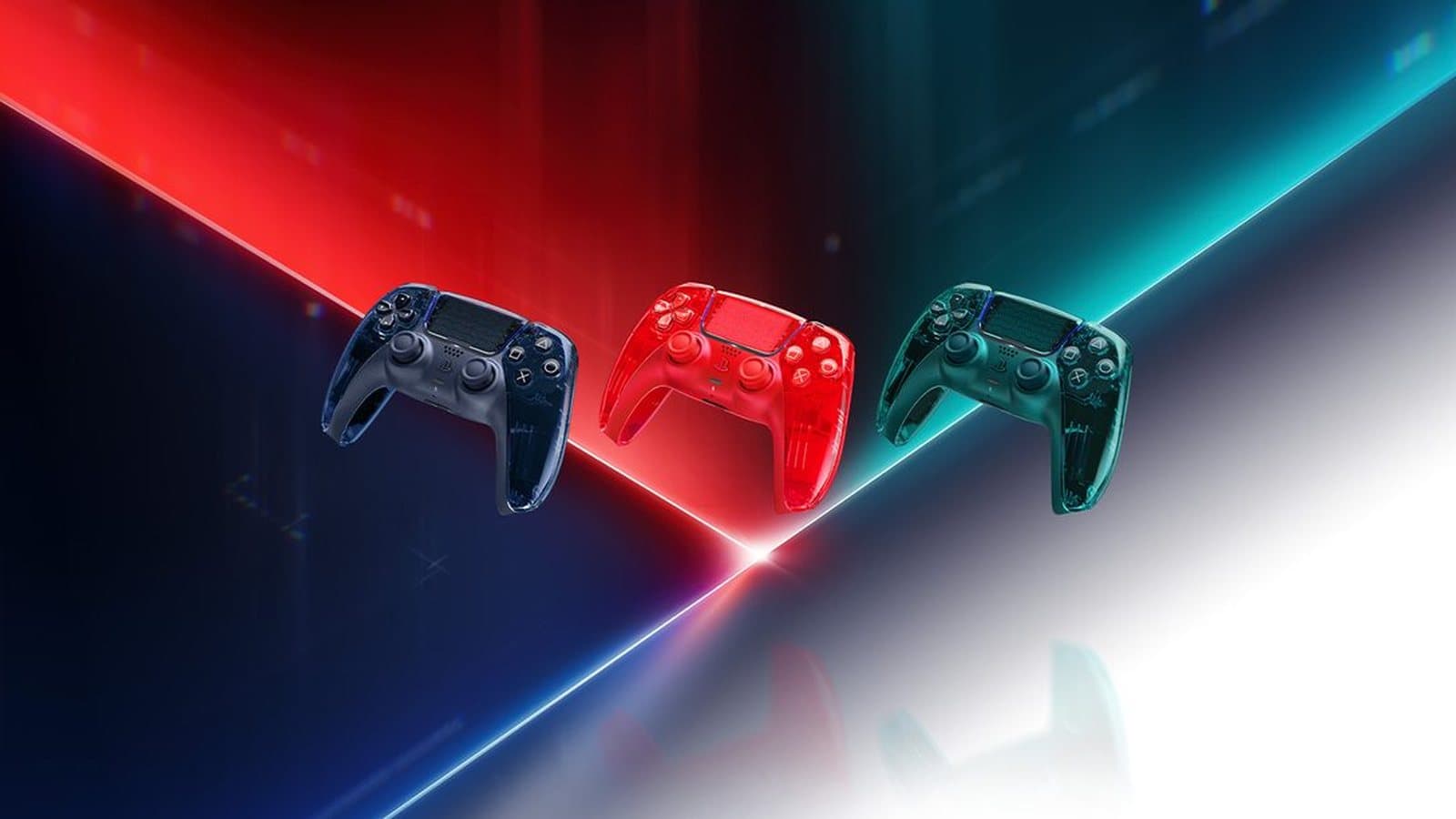
Related reading: MSI Brings RTX 5090 LIGHTNING Z and Claw 8 EX AI+ Flagships to Tokyo Game Show 2026 · Sony Brings Back See-Through Plastic With the Prism PS5 Collection.
"There is not one device that fits all," Sharma said, according to the transcript. "We will certainly have a great console first, but we also know that many players will be on the go." She added that some things Xbox is "the best in the world to manufacture" and that it will "partner on" others. That second half leaves room for hardware built with outside companies, the model Xbox already used for its first handhelds.
A family of devices, not one box
For most of Xbox's life, a generation meant a single box at launch and a slimmer revision a few years later. The "family of devices" idea drops that template. Gen-10, on this telling, is a set of form factors that share a platform. Sharma had used the phrase before. At gamescom in August 2026 she called the next-generation effort a "great family of devices" and said it would play both console games and PC games, Engadget reported.
The family has a codename. Project Helix is the label Xbox has attached to the next-generation hardware, revealed by Windows Central in March 2026. It runs on an AMD hybrid PC-Xbox system-on-chip codenamed "Magnus." The design points at two things at once: a machine that behaves like a console, and a PC that runs the same library. No release date, price or retail name has been announced.
The reasoning behind a shared platform is not complicated. A console and a handheld on one platform would let a studio ship one game to both rather than maintaining separate versions, which is the appeal of a hybrid chip: one target, several form factors. The cost is that a family can also split an audience. Buyers who pick the cheaper or more portable option expect the same games as buyers who pay for the full console, and the hardware has to deliver that. Microsoft has not explained how it would keep the range consistent.
What is confirmed, and what is not
The town-hall transcript was shared with Windows Central and verified by its sources, but Microsoft has not published it. Treat every quote and detail from the meeting as reported. The Project Helix codename, the AMD "Magnus" chip and the reported 2027 developer timeline have also reached the public through press reporting rather than a Microsoft announcement.
The only date attached to Helix so far is a developer one. Windows Central has reported that alpha versions of the hardware are expected to reach developers starting in 2027. That is a reported plan, not a Microsoft commitment, and the company has not said what "alpha" hardware includes or which studios will get it first.
What the town hall said about the business
The transcript covered more than hardware. Sharma described Xbox as having been in "free fall" before a 2026 restructuring and said the division has returned to growth, with positive brand sentiment up about 30 percent over the past year. Those figures come from her remarks as reported by Windows Central; Microsoft has not published the underlying data.
She called strengthening the current Xbox Series X|S consoles "key," which reads as a signal that the existing generation stays in the lineup while Helix is in development. She named Gears of War: E-Day, Minecraft Dungeons 2 and World of Warcraft: Forever as games that had gotten off to "strong starts." A shooter, a dungeon crawler and an MMO: that is the portfolio Xbox wants to point to when it argues it has turned a corner.
That framing deserves some distance. "Returned to growth" is a company's own account of its health, delivered to its own staff, and the sentiment figure comes from the same room. It may be accurate. No one outside Xbox has checked it.
The "free fall" phrase is the more revealing one. A chief executive telling staff the division was in free fall is describing a recent past, and it lines up with the 2026 reset that brought layoffs and studio changes across Xbox. Sharma's claim is that the worst is behind the division. The restructuring is what she points to as the turn, which also makes it hard to check: the same plan produced both the cuts and the recovery she is describing.
Project Helix and the handheld question
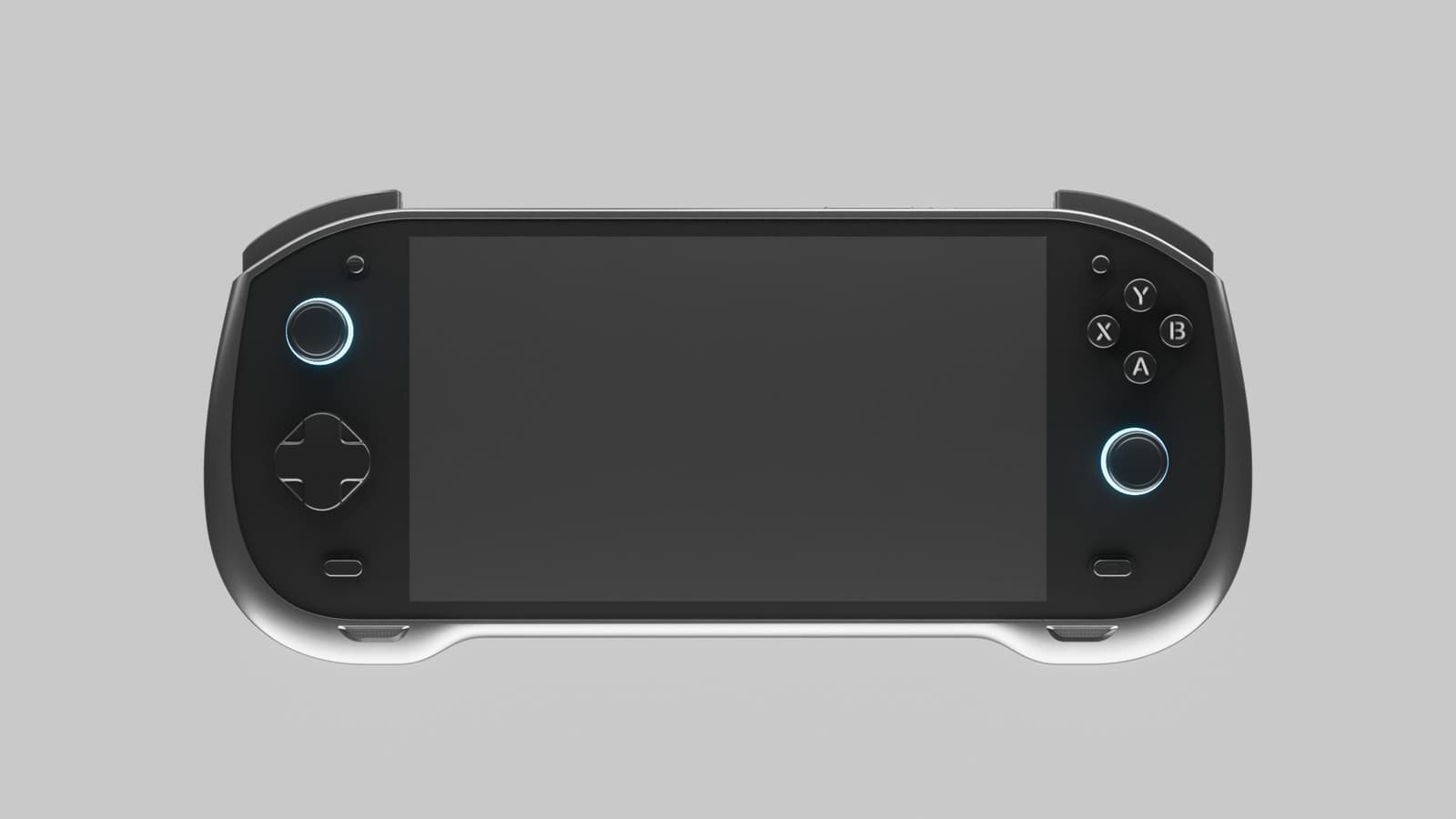
The question a "family" raises first is whether Xbox will build a handheld itself. Xbox shipped its first branded handhelds in October 2025: the ROG Xbox Ally and ROG Xbox Ally X, built with Asus on AMD Ryzen Z2 chips. That was a partner device with Xbox branding, not a first-party handheld. Whether the on-the-go device in the Gen-10 family follows the same route is not something the town hall settled.
There are two ways to read Sharma's "partner on" line. One is that the handheld stays a partner product, with Xbox supplying the software layer and the store. The other is that Xbox builds the console in-house and partners on the more experimental hardware around it. The transcript does not choose between them.
A first-party handheld would be a larger commitment than the ROG Ally. It would mean Xbox owns the design, the margin and the risk, and it would give the company a device it could price and position without a partner's constraints. A second partner device is cheaper to make and easier to walk away from, but it leaves the handheld's identity partly in someone else's hands. Sharma's wording does not rule out either.
Two other decisions stay open. Price is the obvious one, and the disc drive is the quieter one. A range of devices invites a range of prices, and Xbox has not said where the floor or ceiling sits.
The disc drive is a smaller question with a loyal constituency. A console that drops physical media saves cost and space, and it also closes a door for the players who still buy discs. Xbox has not signaled which way it will go, and the town hall transcript does not resolve it.
"There is not one device that fits all." — Asha Sharma, Xbox CEO, internal town hall, October 2026
Battle.net and the storefront
On platforms, Sharma said Battle.net is now "almost on par with Steam" for user retention and that Xbox intends to grow it. The comparison followed a partnership that brought CD Projekt Red titles such as The Witcher 3 to Battle.net. She suggested Battle.net would stay more curated than Steam or the Xbox PC store. That is a tradeoff, and Sharma framed it as one: a controlled storefront with fewer titles than the marketplaces it competes with.
The Witcher 3 partnership is the template. Bringing a major third-party title to Battle.net gives the storefront a reason to exist beyond Blizzard's own games, which is what a store needs to grow retention. Staying curated limits how many of those deals are possible, so the two goals pull against each other.
Why put storefront retention in the same conversation as console hardware? Because the two are the same business now. A device sells to someone who will buy games for years, and the store determines how much of that spending Xbox keeps and can steer. A family of devices makes that store the part that has to work the same way everywhere.
Memory prices and the rollout risk
Cost is the wildcard. Windows Central has reported that Sharma is concerned rising memory costs will affect the pricing and availability of the next-generation Helix rollout. A sustained rise in memory prices can push up what a console costs to build, which lands on the price Xbox can set. The concern is reported, not announced, and no number has been attached to it publicly.
How much this matters depends on timing. If memory costs stay elevated through the Helix launch window, a family of devices gets harder to price: more form factors mean more hardware designs to source and build, each with its own memory budget. If the costs ease, the concern is a footnote. Either way, the report is the clearest public signal that the next generation's economics are not settled.
What to watch
What happens next depends on decisions Xbox has not made public. Price and the disc drive come first, because they determine who can buy the hardware at all. Then comes the handheld: first-party or partner, and whether it shares a library with the console or splits it. The developer timeline is the other marker, since alpha hardware reaching studios in 2027 would put a finished Helix generation a few years beyond that.
There is a version of this where "family of devices" is mostly a name for what Xbox was already doing. The Series X|S is already two consoles, and the ROG Ally already put Xbox software on a handheld built by someone else. The stronger version is that Gen-10 treats the console as one screen among several and builds the platform around that. The town hall points toward the second reading without proving it.
The other unknown is what "Gen-10" leaves behind. A company that ships a console, a handheld and partner hardware has to decide which of them carries the flagship games and which gets a version built for less power. Xbox has not described that split, and it is the difference between a family that shares a library and several devices that merely share a logo.
For now, the company has confirmed only the shape of the strategy: more than one device, an in-house console at the center, and partners around the edges. What it costs, and who it leaves out, is still open.
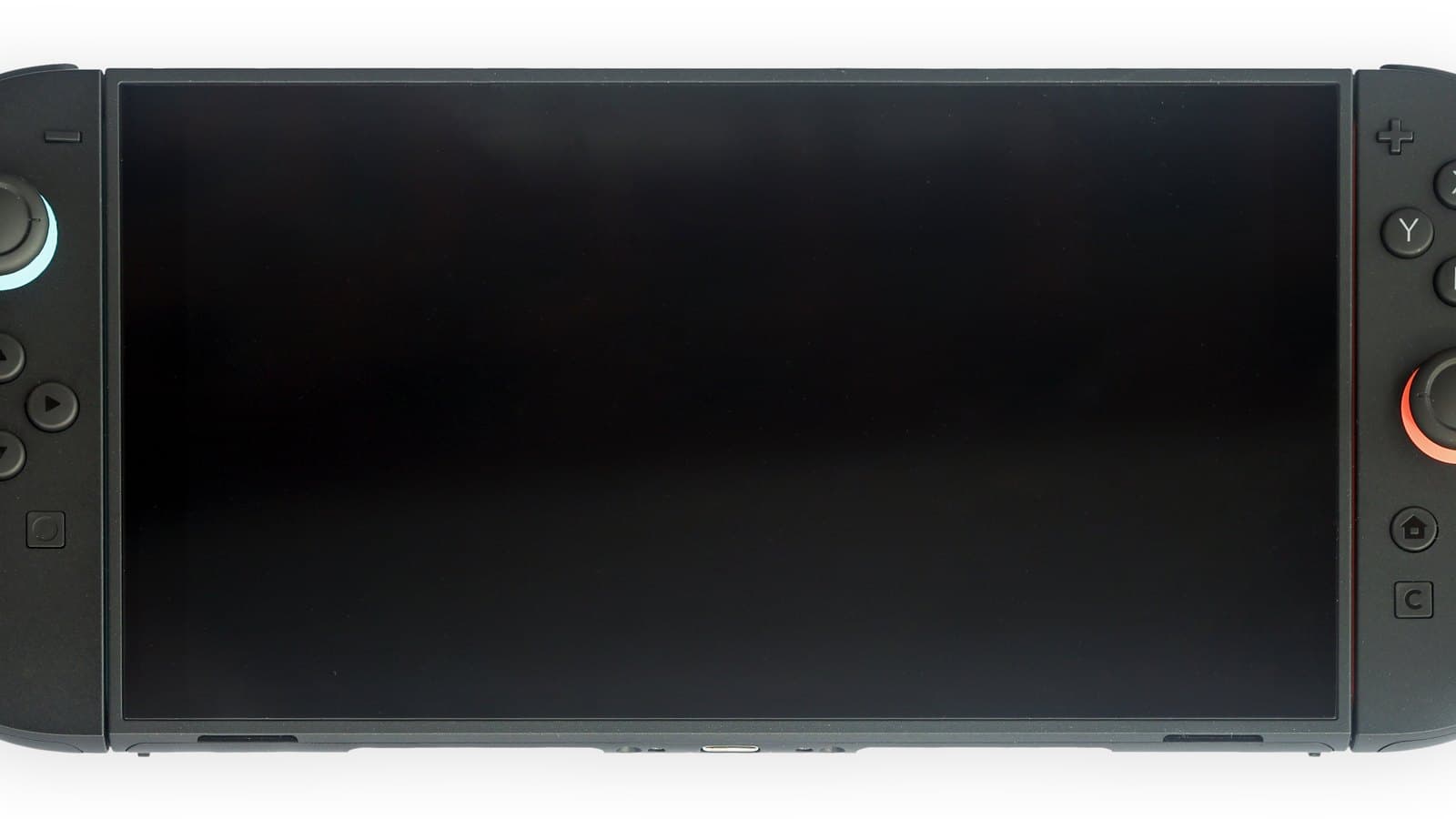
Cover image: Kyu3a, Wikimedia Commons, CC BY-SA 4.0.
Tags
Frequently asked questions
- What is Project Helix?
- Project Helix is the codename for Xbox's next-generation hardware, revealed in March 2026. It is built on an AMD hybrid PC-Xbox system-on-chip codenamed 'Magnus' and is meant to play both console and PC games, but Xbox has not announced a release date, price or retail name.
- What did Xbox CEO Asha Sharma say about the next Xbox?
- At an internal town hall reported in early October 2026, Sharma said Xbox is 'moving to a family of devices for Gen-10' and that there is 'not one device that fits all.' She said the company would have 'a great console first' while also making hardware for players on the go.
- Will the next Xbox include a handheld?
- Xbox has not said. Sharma's comments leave room for either a first-party handheld or a partner-built device, the model Xbox used for the Asus-made ROG Xbox Ally and ROG Xbox Ally X in October 2025.
- When will Project Helix launch?
- Xbox has not announced a release date. Windows Central has reported that alpha versions of the Helix hardware are expected to reach developers starting in 2027, which is a reported plan rather than a Microsoft commitment.

TPW Editorial
Editorial Team
TechPastWeek's editorial team reports and edits every story we publish. We research each piece against primary and credible secondary sources, and a human editor reviews and signs off before it goes live.