MSI Brings RTX 5090 LIGHTNING Z and Claw 8 EX AI+ Flagships to Tokyo Game Show 2026
MSI detailed its Tokyo Game Show 2026 gaming flagship lineup on September 14: the RTX 5090 LIGHTNING Z, Claw 8 EX AI+ handheld and new QD-OLED monitors.

On this page
Key takeaways
- MSI announced its Tokyo Game Show 2026 flagship lineup on September 14 and is showing it at booth 08-N18 in Hall 08 of Makuhari Messe from September 17 to 21.
- The Claw 8 EX AI+ pairs Intel's Arc G3 Extreme processor with an 8-inch 1920x1200 48-120Hz VRR display, up to 32GB of LPDDR5x memory and an 80Wh battery, and retails for $1,799 after $1,699 early-bird pricing.
- The GeForce RTX 5090 32G LIGHTNING Z is MSI's halo graphics card with an 8-inch onboard display, a full-copper cold plate and what MSI describes as 1000W power delivery headroom for extreme overclocking.
- The MPG 341CQR QD-OLED X36 puts a 5th-generation QD-OLED panel with 3440x1440 resolution and a 360Hz refresh rate on sale at $1,099, sitting below the new MEG X flagship monitor.
- The show itself is the draw: Tokyo Game Show is holding its 30th edition and first five-day run, while MSI is marking its 40th year after its founding on August 4, 1986.
On September 14, 2026, MSI detailed the flagship hardware it would carry to Tokyo Game Show 2026: a GeForce RTX 5090 LIGHTNING Z graphics card, the Claw 8 EX AI+ handheld, new QD-OLED monitors and a full spread of cases, cooling and peripherals. The show opened on September 17 at Makuhari Messe with MSI at booth 08-N18 in Hall 08. Tokyo Game Show is holding its 30th edition and its first five-day run, while MSI is celebrating its 40th year in business.
Related reading: Xbox CEO Says Gen-10 Hardware Will Be a Family of Devices · Sony Brings Back See-Through Plastic With the Prism PS5 Collection.
The lineup matters because it touches three live contests at once. The Claw 8 EX AI+ carries Intel's return to handheld gaming silicon. The LIGHTNING Z revives MSI's halo graphics card line. The monitor launches continue the fast migration to 5th-generation QD-OLED. TGS pricing and availability are still pending for most items, but the booth sketches where MSI wants to compete through the end of the year.
The handheld leads the booth
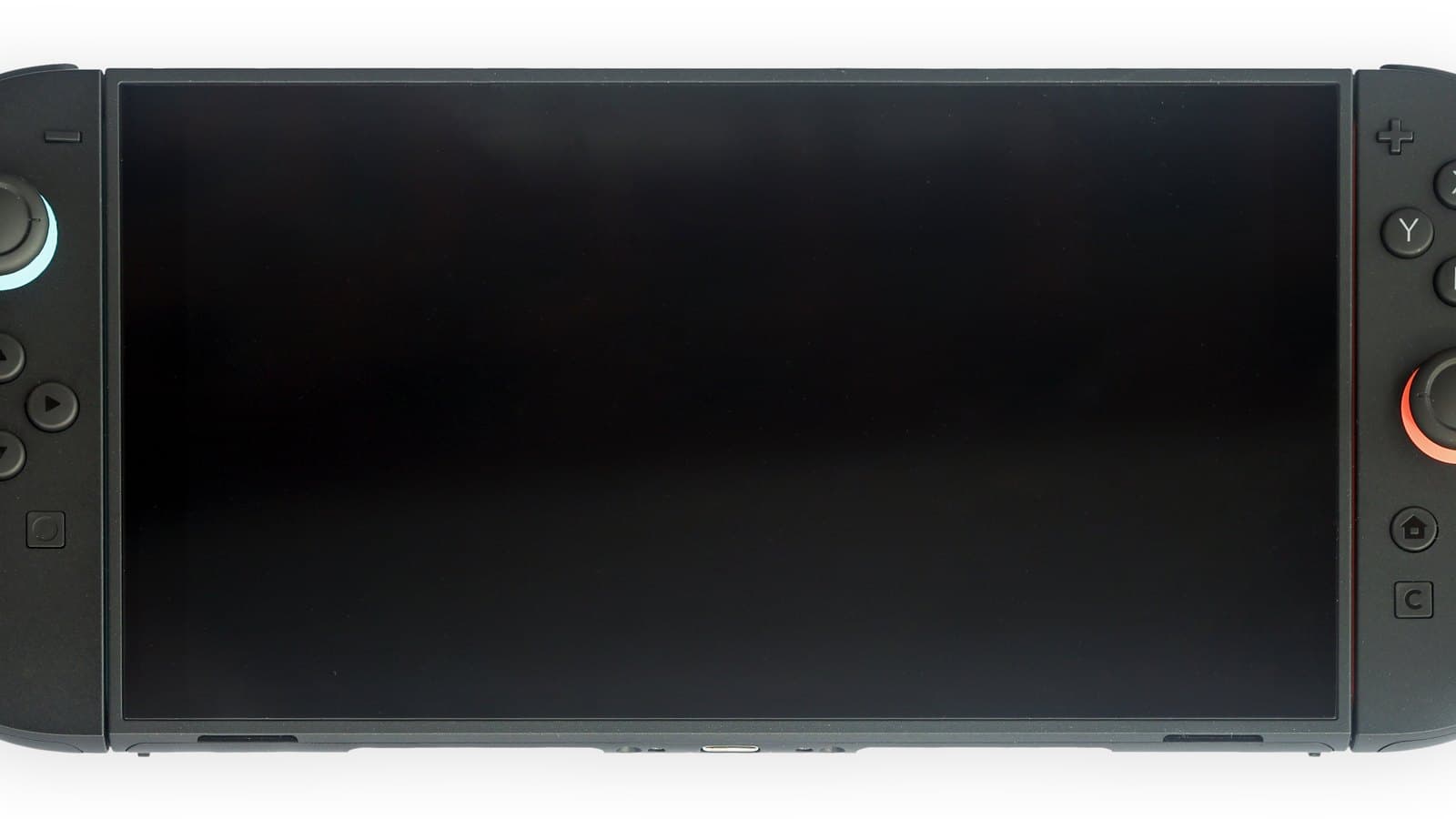
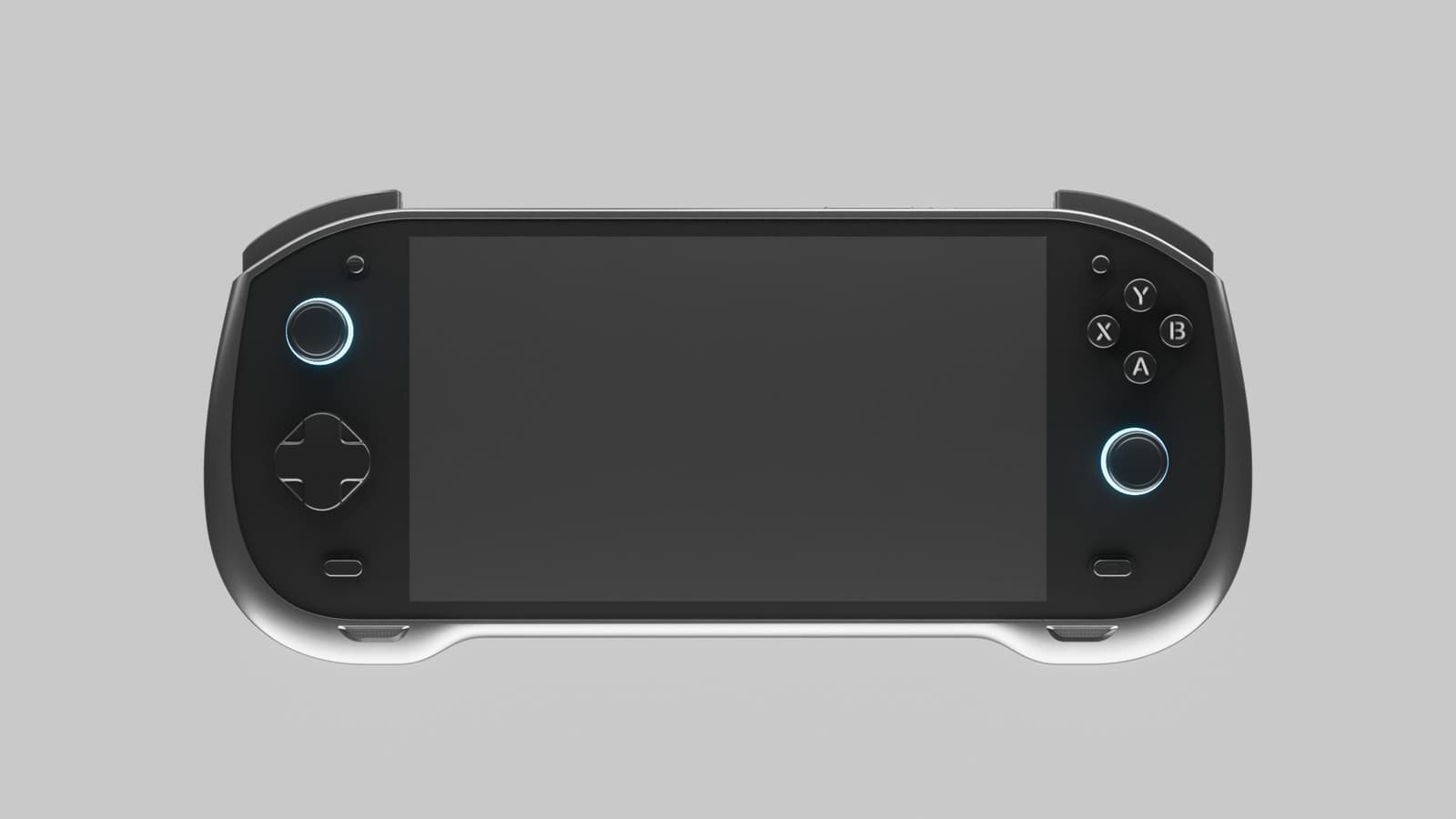
The center of MSI's booth is the Claw 8 EX AI+, the handheld the company first unveiled at Computex on June 1 and launched on June 23. MSI calls it the world's first handheld built around Intel's Arc G3 Extreme processor, a handheld-first chip pairing a trimmed CPU with a full 12-core Arc B390 GPU on the Xe3 architecture. The device supports XeSS 3 with multi-frame generation, backed by an 80Wh battery, dual Thunderbolt 4 ports, Wi-Fi 7 and Bluetooth 6.
Claw 8 EX AI+ key specifications
Intel Arc G3 Extreme processor with Arc B390 graphics and a 46 TOPS NPU. 8-inch 1920x1200 IPS touchscreen with 48-120Hz VRR, 500-nit brightness and 100% sRGB coverage. Up to 32GB of LPDDR5x memory, 1TB PCIe Gen 4 SSD, 80Wh battery, Hall-effect sticks and triggers, fingerprint sensor and Windows 11 Home in a 785-gram Void Purple chassis.
The 8-inch 1920x1200 panel runs from 48Hz to 120Hz with variable refresh, and the redesigned grips carry drift-resistant Hall-effect sticks and triggers. MSI added macro keys, a high-end linear motor for haptics and an Xbox full-screen mode that boots past the standard Windows desktop. Reviewers who tested the shipping unit in June found the claims held up. Tom's Hardware recorded a 20 to 30-plus frame-per-second lead over the Asus ROG Xbox Ally X, including 72 frames per second at full 1200p in Shadow of the Tomb Raider while plugged in. Windows Central measured a 3DMark score of 6,726 against 4,029 for the Ally X, plus 46.6 frames per second average in Cyberpunk 2077 at 1920x1200 with low ray tracing and XeSS on.
Price is the other half of the story. The Verge reported that Best Buy listed the handheld at $1,699 as early-bird pricing, with MSI confirming the standard retail price of $1,799. That price held at launch. Windows Central noted the device sold out at Best Buy, Newegg, Micro Center and B&H within days. For Tokyo, the handheld is less a new reveal than a homecoming: Computex introduced it, June proved it could sell at a premium, and TGS puts it in front of the Japanese handheld audience.
LIGHTNING returns at the top of the stack
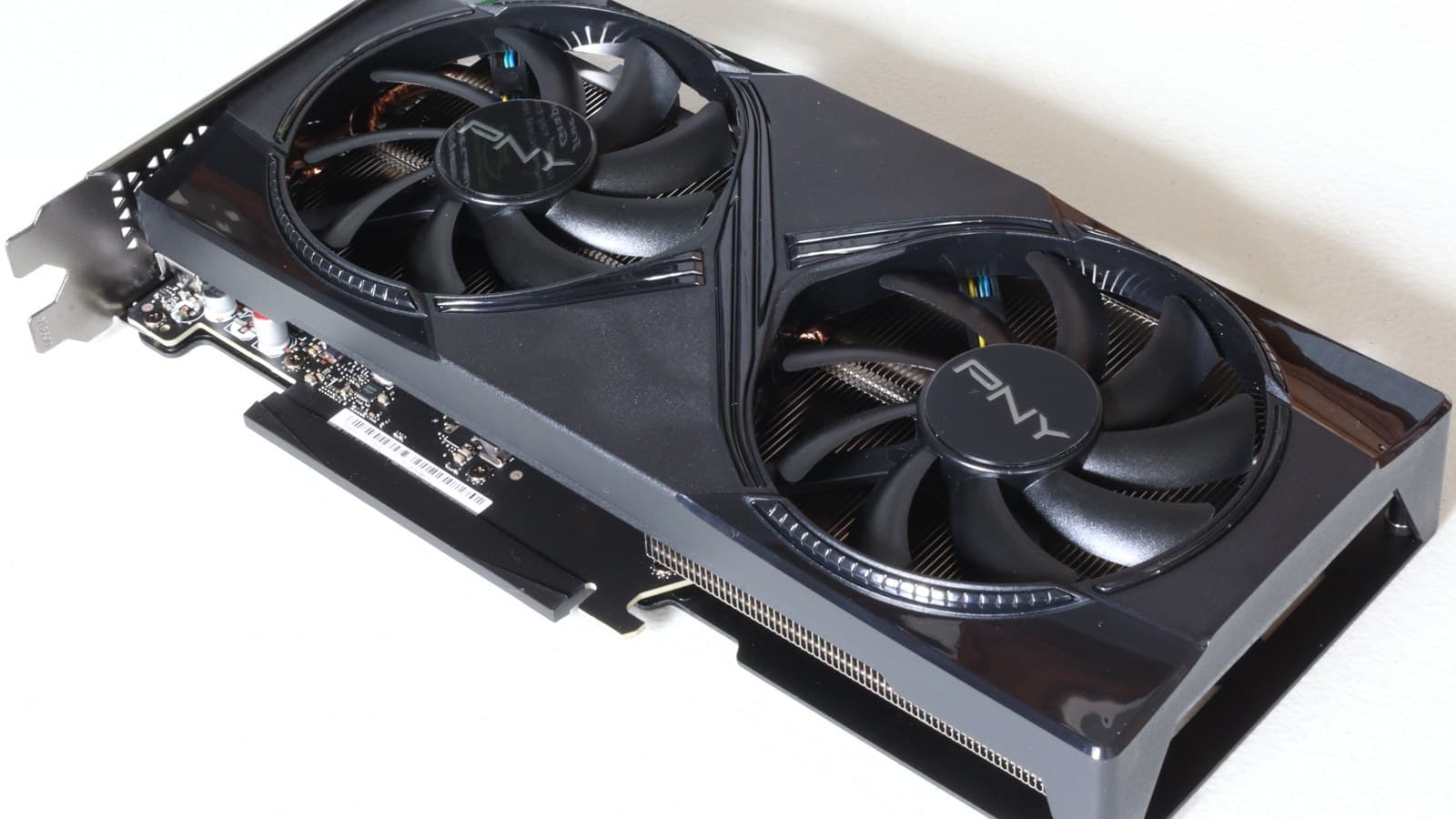
The most theatrical piece is the GeForce RTX 5090 32G LIGHTNING Z. LIGHTNING is the name MSI reserves for its overclocking flagships, and the Z revival leans into excess. The card uses an enhanced liquid-cooling loop with a full-copper cold plate, carbon-fiber detailing and a cut-design shroud. An 8-inch display on the card handles personalized visuals, which MSI describes as a first for a graphics card. Underneath sit a custom PCB with dual 16-pin power connectors, a dual-BIOS switch and what the company rates as up to 1000W of power delivery headroom.
That specification sheet is aimed at two buyers. Competitive overclockers get the power stages, the BIOS switch and the cold plate. Collectors get the screen, the carbon fiber and the LIGHTNING badge. MSI has not named a price or a ship date, which fits the pattern for halo cards: they set the ceiling of a product stack and pull attention toward the mainstream cards below.
QD-OLED takes over the monitor wall
MSI's display story at TGS is a panel-generation push. The new MEG X is a flagship smart QD-OLED monitor built on a 5th-generation QD-OLED panel with an RGB-stripe subpixel layout and a DarkArmor film treatment, plus AI-assisted gaming features such as presence detection and automatic picture adjustments.
The concrete buy today is the MPG 341CQR QD-OLED X36. The 34-inch ultrawide pairs 3440x1440 resolution with a 360Hz refresh rate and 0.03ms response, and MSI's product page lists 1300-nit peak brightness, DisplayHDR True Black 500 certification and OLED Care 3.0 with an AI presence sensor for burn-in protection. A TechPowerUp review priced it at $1,099 in the US and judged that figure reasonable. The 5th-generation panel changes are practical: the RGB-stripe layout sharpens text and reduces color fringing, while the hardened film keeps blacks deeper in lit rooms. Together the two monitors show MSI moving QD-OLED from early-adopter hardware to a tiered lineup with a flagship and a competitive midrange entry.
Cases, cooling and the rest of the desk
The component side of the booth belongs to the MEG series, fresh off 2026 Red Dot Design Awards. The MEG CORELIQUID E15 360 liquid cooler carries a curved 6.67-inch 2K AMOLED display over the CPU block that doubles as a secondary screen, and Tom's Hardware praised its thermal performance in a September review while flagging the $399 price. The MEG MAESTRO 900R full-tower pairs with it through matching aluminum styling and a four-way rotatable motherboard tray, with Computex reporting pointing to a $699 price and a third-quarter window. The MPG VIXTA 300R AIRFLOW PZ covers the mainstream with back-connect motherboard support.
MSI rounds out the lineup with the Crosshair A16 HX MLG Edition laptop, the MAESTRO 500 WIRELESS headset and the VERSA 300 WIRELESS 8K mouse. Details on those three are thin, and MSI is treating them as booth hardware rather than launched products. Expect specifications and regional pricing to follow through MSI's own channels.
Why this lineup matters now
Three dynamics make the TGS showing more than a booth refresh. The first is the handheld processor race. For two years the portable PC market belonged to AMD silicon. Intel answered with a chip designed for handhelds first instead of a laptop part fitted into a smaller shell, keeping the full GPU while trimming CPU cores to hold the power budget. Review data since June shows that bet paying off in raw frames and in efficiency at lower wattages, with the Claw holding playable rates at 17W where AMD rivals fade. If Intel sustains that lead into the holidays, handheld makers face a genuine two-vendor market for the first time.
The second dynamic is the halo-card playbook. Flagship GPUs now sell partly on spectacle, and an 8-inch screen on a graphics card is spectacle with a purpose: it turns the most expensive component in a build into a display piece for the glass-panel cases MSI also sells. LIGHTNING Z does not need volume to succeed. It needs to photograph well, to validate the MEG cooling story and to remind buyers that MSI still engineers at the extreme end. The risk is that halo pricing in a memory-squeezed year reads as excess, with the Claw already testing what enthusiasts will pay.
The third is the steady QD-OLED cadence. Panel generations in OLED monitors now turn yearly, and each turn fixes a specific complaint: brightness, then text clarity, then reflections. The 5th-generation panels address the last two directly, which removes the main objections that kept competitive players on IPS. MSI showing both a flagship MEG X and a priced MPG model signals that QD-OLED is moving from showcase technology to the default pick for high-end gaming desks.
Caveats to keep in mind
Announced is not shipping. Of the TGS headliners, only the Claw 8 EX AI+ and the MPG monitor have confirmed retail prices, and only those two plus the MEG cooler and case have firm figures from reviews or launch coverage. The LIGHTNING Z, the MEG X, the MLG Edition laptop and the new peripherals are booth exhibits until MSI publishes prices and dates. Readers should treat every unpriced item as a statement of intent.
Cost pressure is the background condition for all of it. The Claw's climb to $1,799 tracks the memory market directly: server DRAM contract prices have multiplied this year, and every device with 32GB of LPDDR5x carries that inflation. Windows Central's reporting tied roughly $500 of the handheld's price to component costs. The same pressure applies to large-VRAM GPUs and anything else MSI prices this autumn.
Independent verification has limits. The June review wave tested retail Claw units, so its numbers are solid ground. The LIGHTNING Z figures come from MSI's own materials as relayed by show coverage, and the card has no third-party testing yet. The MEG X feature set likewise comes from MSI's announcement with no review data. Keep those categories separate when comparing claims across the lineup.
What to watch next
The first checkpoint is Japan pricing for the Claw 8 EX AI+. The US path from $1,699 early-bird to $1,799 retail, plus rapid sellouts, sets expectations, but Japanese pricing and restock timing will decide whether TGS attention converts into sales. Stage events run through the September 19 to 21 public days.
The second is whether the LIGHTNING Z gets a retail listing before the holidays. A listing with a price would confirm MSI intends it as a real product rather than a booth centerpiece. Watch MSI's newsroom for that signal rather than retailer rumors.
The third is the monitor rollout. The MPG 341CQR X36 is already reviewed and priced, so its TGS presence is about availability across regions. The MEG X needs independent testing of its panel and AI claims, plus a price against competing flagships.
Tokyo Game Show runs through September 21 at Makuhari Messe. MSI's booth argues gaming hardware goes three ways: portable power through Intel silicon, desktop spectacle through halo cooling and QD-OLED on the desk. The handheld benchmarks are already on the record. Everything else on the stand now has to earn its price.
Tags
Frequently asked questions
- Where is MSI's booth at Tokyo Game Show 2026?
- MSI is exhibiting in Hall 08 at booth 08-N18 at Makuhari Messe. Tokyo Game Show 2026 runs September 17 to 21, with business days on September 17 and 18 and public days from September 19 to 21.
- How much does the MSI Claw 8 EX AI+ cost?
- The Claw 8 EX AI+ launched on June 23, 2026 at $1,799 for the 32GB RAM and 1TB SSD configuration, after early-bird pricing of $1,699 at some retailers. It sold out at several US retailers within days of launch.
- Can you buy the RTX 5090 LIGHTNING Z shown at TGS?
- MSI has not confirmed pricing or retail availability for the RTX 5090 32G LIGHTNING Z. It is presented as a flagship halo product for overclockers and collectors, so treat it as announced rather than shipping until MSI names a date and a price.

TPW Editorial
Editorial Team
TechPastWeek's editorial team reports and edits every story we publish. We research each piece against primary and credible secondary sources, and a human editor reviews and signs off before it goes live.