Check Point's Gaia Root Flaw Is Being Exploited, and CISA Wants It Patched by Monday
CISA added CVE-2026-123039 to its exploited-vulnerability list on 13 November after Check Point confirmed attacks that chained the Gaia flaw to root access.

On this page
Key takeaways
- CISA added CVE-2026-123039, a local privilege-escalation flaw in Check Point Gaia OS, to its Known Exploited Vulnerabilities catalog on 13 November 2026.
- The flaw lets a local user send commands to a root-owned daemon through a world-writable socket and have them run as root.
- Check Point says attackers chained the flaw with PHP2Shell to break into Mobile Access portals and then escalate on the appliance.
- The company observed exploitation against a couple of dozen customers in a single region, all on unpatched systems.
- Federal civilian agencies had until 16 November to patch; Check Point's fixes are in the November Jumbo Hotfix.
Check Point confirmed on 12 November 2026 that attackers had exploited a local privilege-escalation flaw in its Gaia operating system, and the U.S. Cybersecurity and Infrastructure Security Agency added the vulnerability to its Known Exploited Vulnerabilities catalog the next day. The flaw, CVE-2026-123039, lets a user who already has a foothold on a Check Point appliance run commands as root.
Related reading: AI Agents Found a Zero-Day in MONAI Label and Rooted a University Server · China-Linked Hackers Exploited a vCenter Zero-Day Weeks Before the Patch.
CISA's entry gives federal civilian agencies a remediation deadline of 16 November 2026. The flaw carries a CVSS score of 7.8, which is below the 9.0 threshold usually described as critical, but the combination of root access on an edge device and confirmed exploitation makes it urgent for anyone running an affected gateway or management server.
Check Point said the observed attacks did not start with this flaw. They started with PHP2Shell, a pair of vulnerabilities in the PHP runtime that let an attacker execute code through a web request, and then used CVE-2026-123039 to move from a compromised portal to control of the appliance underneath.
How the Gaia flaw works
Gaia OS runs a service called dynamic_server, which handles DynamicCLI commands. The daemon runs as root. It receives requests through a local socket at /tmp/dynamic_socket. On vulnerable systems, that socket has permissions of 0777, which means any local user can write to it. The daemon does not authenticate the process that connects. It reads the command and executes it with its own root privileges.
That is enough to turn a low-privileged account or a compromised application into full control of the firewall or management server. It is not a remote code execution flaw: an attacker cannot reach the socket over the network. The socket is local, and the attacker needs code running on the appliance before it can be used.
The distinction matters for defenders. Patching the entry point alone is not enough if the attacker already has a way to run code on the box. The Gaia flaw is a second door, and it opens onto the same room.
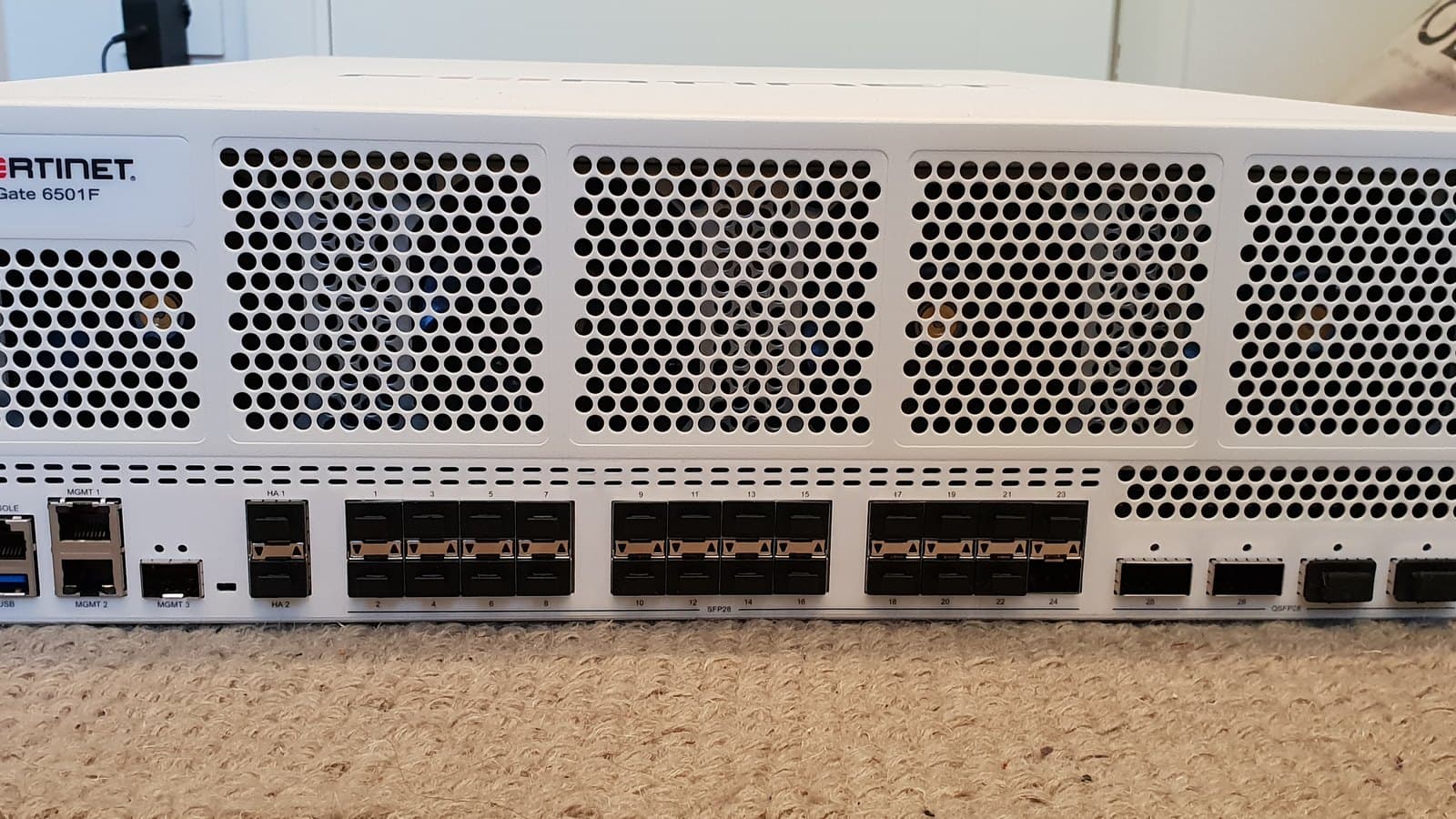
Check Point's advisory lists the affected releases as R81, R81.10, R81.20, R82, R82.10 and R82.20. The affected products include Force Firewalls, Security Gateways, management and log servers, Multi-Domain management and logging systems, and Maestro Orchestrator. Spark Firewalls and Smart-1 Cloud are not affected.
The fixes are in the November Jumbo Hotfix Accumulator: R82.20 Take 14, R82.10 Take 52, R82 Take 132 and R81.20 Take 174. R81 and R81.10 are listed as end-of-support releases, which means organisations still running them do not get a supported fix. The advisory tells administrators who cannot patch immediately to stop the dynamic_server process and prevent it from restarting. That blocks the escalation path, but it also disables the Dynamic CLI commands that depend on the service.
What the attackers did after root
Check Point's incident report describes a chain that went well beyond privilege escalation. The attackers first exploited PHP2Shell (CVE-2026-109618 and CVE-2026-109619) against a Mobile Access portal. Once they had code execution on the portal, they used CVE-2026-123039 to become root on the appliance. They then installed PHP webshells with names matching zz*.tpl in the portal's templates directory.
The report says the attackers ran a backdoor called TSGA, first as /tmp/CPconfigdaemon and later from a persistent location named slot_CPconfigdaemon. A component called TSProxy dropped /lib/libcpfwcommon.so and intercepted networking functions inside appliance processes. The attackers also moved laterally to VMware ESXi infrastructure over SSH and ran destructive tooling. Some victims had storage wiped, according to Check Point's account.
Check Point said it observed exploitation against "a couple of dozen customers." The company said the compromised systems were unpatched, in a single region, and that affected customers were notified in real time. The report lists indicators including two scanning source addresses, PHP session files containing the string upload_progress_pwn, processes or binaries using the CPconfigdaemon naming pattern, scanner or wiper tooling under /tmp or /temp, and a ransom-style note referring to "Dream Annexation" with no payment demand.
The company also said a hotfix for PHP2Shell had been available since 23 October, about a week before the first wave of attacks. That detail shifts part of the story from a zero-day race to a patching failure. The Gaia flaw was not public when the attacks began, but the entry point was fixable.
CVE-2026-123039 requires local access. Patching the PHP2Shell entry point closes the route Check Point observed, but the Gaia flaw remains exploitable by anyone who already has code execution on an appliance. Install the November Jumbo Hotfix rather than relying only on the portal fix.
Why CISA's deadline matters
The KEV catalog is a list of vulnerabilities that have been exploited in the wild. Once a CVE is on it, U.S. federal civilian agencies have to remediate within a set period under Binding Operational Directive 26-04. The 16 November deadline is short, which reflects both the confirmed exploitation and the fact that a patch is already available.
The KEV listing does not bind private companies. It does function as a signal. Many security teams use the catalog as a prioritisation list, and a KEV entry is often the point at which a vulnerability moves from "patch on the next maintenance window" to "patch now."
For Check Point customers, the practical question goes beyond whether the gateway is patched. It is whether the appliance was compromised before the patch. Check Point's advisory tells administrators to review /var/log/dynamicCli.log for commands that do not use the expected Clish wrapper, to look for the TSGA and TSProxy artefacts, and to check for unexplained gaps in firewall traffic logs. A patched system can still have an attacker inside it.
That is the harder part of this incident. Root on a firewall is a serious position. The device sits between networks, terminates VPNs, and holds configuration and credentials. An attacker with root can read traffic, change rules, create accounts, and reach the management plane. Check Point says its incident response teams worked with affected customers, but it has not published a full list of what the attackers accessed or how long they stayed.
The wider pattern
The Check Point case fits a run of edge-device compromises in 2026. Attackers have repeatedly gone after VPN gateways, firewalls and remote-access appliances because those devices are internet-facing, run privileged services, and are often managed by small teams that patch slowly. The SSHole OpenSSH flaw was exploited within hours of its fix. The N-able N-central zero-days forced a vendor to take its hosted platform offline.
The common thread is not a single software defect. It is the difficulty of keeping a device that sits at the network edge both reachable and current. A firewall that is easy to manage from anywhere is also a firewall with a management surface. A VPN portal that accepts logins from the internet is a target. The Gaia flaw adds a local escalation step, which means an attacker who gets past the portal does not need a second remote exploit.
Check Point has published fixes and indicators. It has not named the affected customers, the region, or the attackers. The company's statement describes the number of compromised systems as a couple of dozen, which is small relative to its customer base but not small for the organisations involved.
Caveats
The exploitation details come from Check Point's advisory and blog, with BleepingComputer reporting the same customer count. The company has not published a complete victim list, a timeline for each intrusion, or an attribution. The "couple of dozen" figure is Check Point's count of confirmed compromises, not an estimate of all exposed systems.
The CVSS score of 7.8 reflects the local access requirement. It does not capture the impact of root on a security gateway, which is why the KEV listing matters more than the score alone. CISA's deadline applies to federal civilian agencies, not to private-sector operators.
The affected-version list and hotfix take numbers come from Check Point's advisory. Administrators should confirm the correct take for their release rather than assuming a single update covers every branch. R81 and R81.10 are end-of-support and do not have a supported fix.
Check Point's account says some victims had ESXi storage wiped. The company has not published a count of those cases or a full forensic timeline. The "Dream Annexation" note is described as ransom-style with no payment demand; it is not evidence of a conventional ransomware operation.
What to watch
The immediate step is patching, and the second is hunting. Check Point's indicators are specific enough to search for: the socket permissions, the dynamicCli log entries, the TSGA filenames, the TSProxy library. An organisation that finds any of them should assume the appliance was compromised, not merely exposed.
The broader question is how Check Point and its customers handle the end-of-support branches. R81 and R81.10 are still listed as affected, and the advisory offers only a workaround for them. That leaves a set of appliances depending on a service shutdown rather than a fix.
CISA's 16 November deadline will pass quickly. The exploitation window will not close with it.
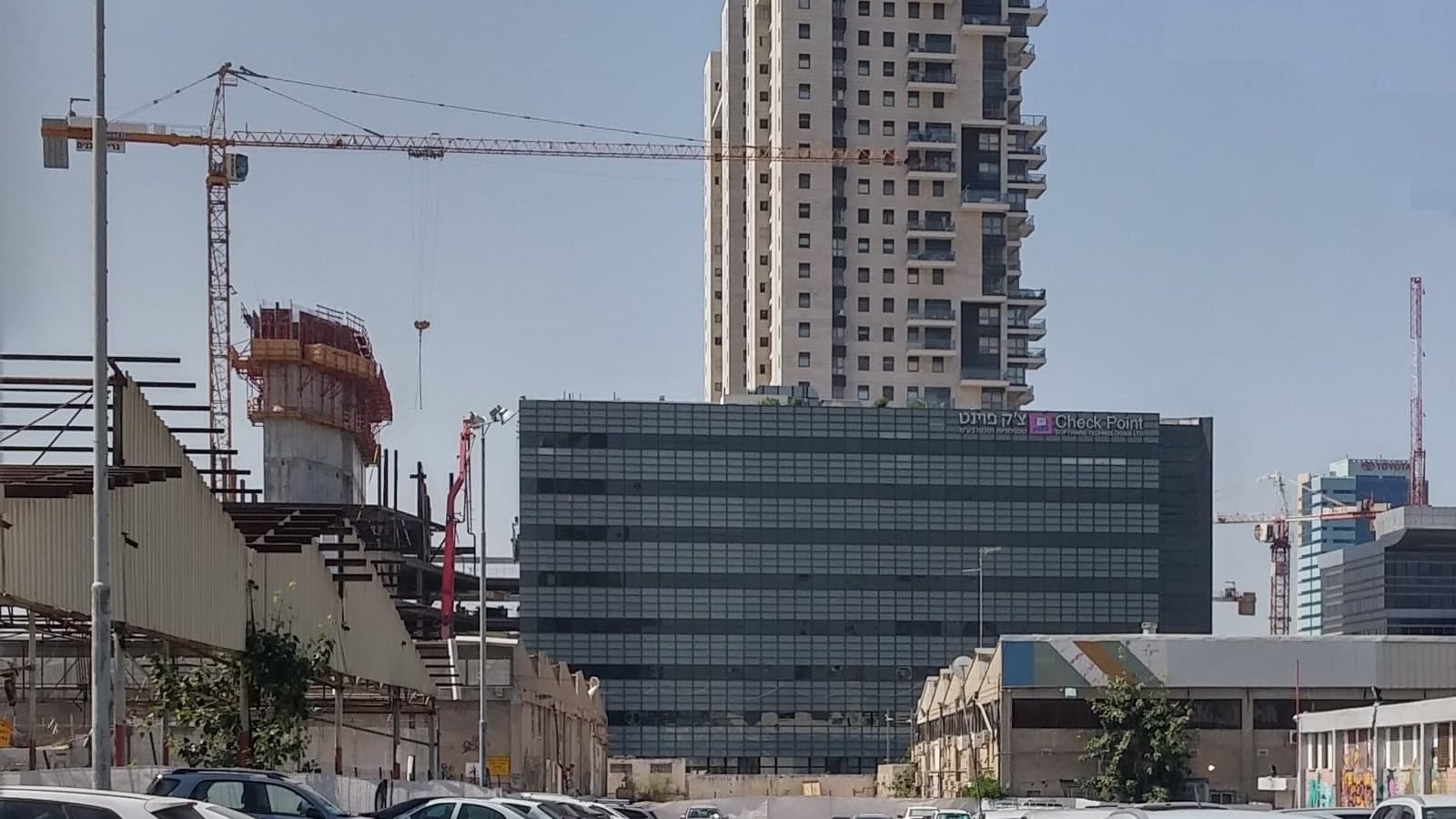
Cover image: the Check Point headquarters in Tel Aviv. Photo by דוד שי, CC BY-SA 3.0, via Wikimedia Commons.
Tags
Frequently asked questions
- What is CVE-2026-123039?
- It is a local privilege-escalation flaw in Check Point's Gaia OS. A local user can write to the DynamicCLI control socket and have commands executed by a root-owned daemon, without authentication.
- Can the flaw be exploited remotely?
- Not on its own. An attacker needs local code execution on the appliance first. Check Point says the observed attacks used PHP2Shell to get that foothold before escalating with CVE-2026-123039.
- Which Check Point products are affected?
- Force Firewalls, Security Gateways, management and log servers, Multi-Domain management and logging systems, and Maestro Orchestrator. Spark Firewalls and Smart-1 Cloud are not affected.
- What should administrators do?
- Install the November Jumbo Hotfix at the listed take level for each release. If that is not possible, stop the dynamic_server process and prevent it from restarting, then check /var/log/dynamicCli.log for commands that lack the normal Clish wrapper.

TPW Editorial
Editorial Team
TechPastWeek's editorial team reports and edits every story we publish. We research each piece against primary and credible secondary sources, and a human editor reviews and signs off before it goes live.