Police Seized 235 Servers and 6.4 Million Stolen Logins in a Malware Sweep
Europol's Operation Endgame took down Gootloader, CastleRAT and StealC infrastructure across nine countries and recovered 6.4 million victim credentials.

On this page
Key takeaways
- Police in nine countries seized 235 servers and 257 domains linked to Gootloader, CastleRAT and StealC, Europol announced on 12 November 2026.
- Investigators identified about 6.4 million stolen credentials belonging to more than 40,000 victims in the criminal infrastructure.
- Gootloader lost 14 servers and 218 domains, and 681 compromised websites were cleaned up.
- CastleRAT lost 120 servers and 39 domains, while StealC lost 102 servers in an action that continues work begun in June 2026.
- Europol said victim data tied to CastleRAT will be shared with Have I Been Pwned so affected users can be alerted.
Police in nine countries seized 235 servers and 257 domains used by three malware operations, Europol announced on 12 November 2026, in the latest phase of its Operation Endgame campaign. Investigators also identified about 6.4 million stolen credentials inside the criminal infrastructure, belonging to more than 40,000 victims.
Related reading: AI Agents Found a Zero-Day in MONAI Label and Rooted a University Server · China-Linked Hackers Exploited a vCenter Zero-Day Weeks Before the Patch.
The targets were Gootloader, a loader that plants fake legal documents on compromised websites; CastleRAT, a remote access trojan that gives attackers control of infected machines; and StealC, an infostealer that harvests passwords, saved logins and digital identities for resale. All three sit in the supply chain that ends in ransomware, fraud and extortion.
The action follows a run of credential-theft and extortion disclosures, including the N-able N-central zero-days and the GitHub wfx-loot campaign. Each case is different, but they share a pattern: attackers want valid credentials because valid credentials are harder to detect than malware.
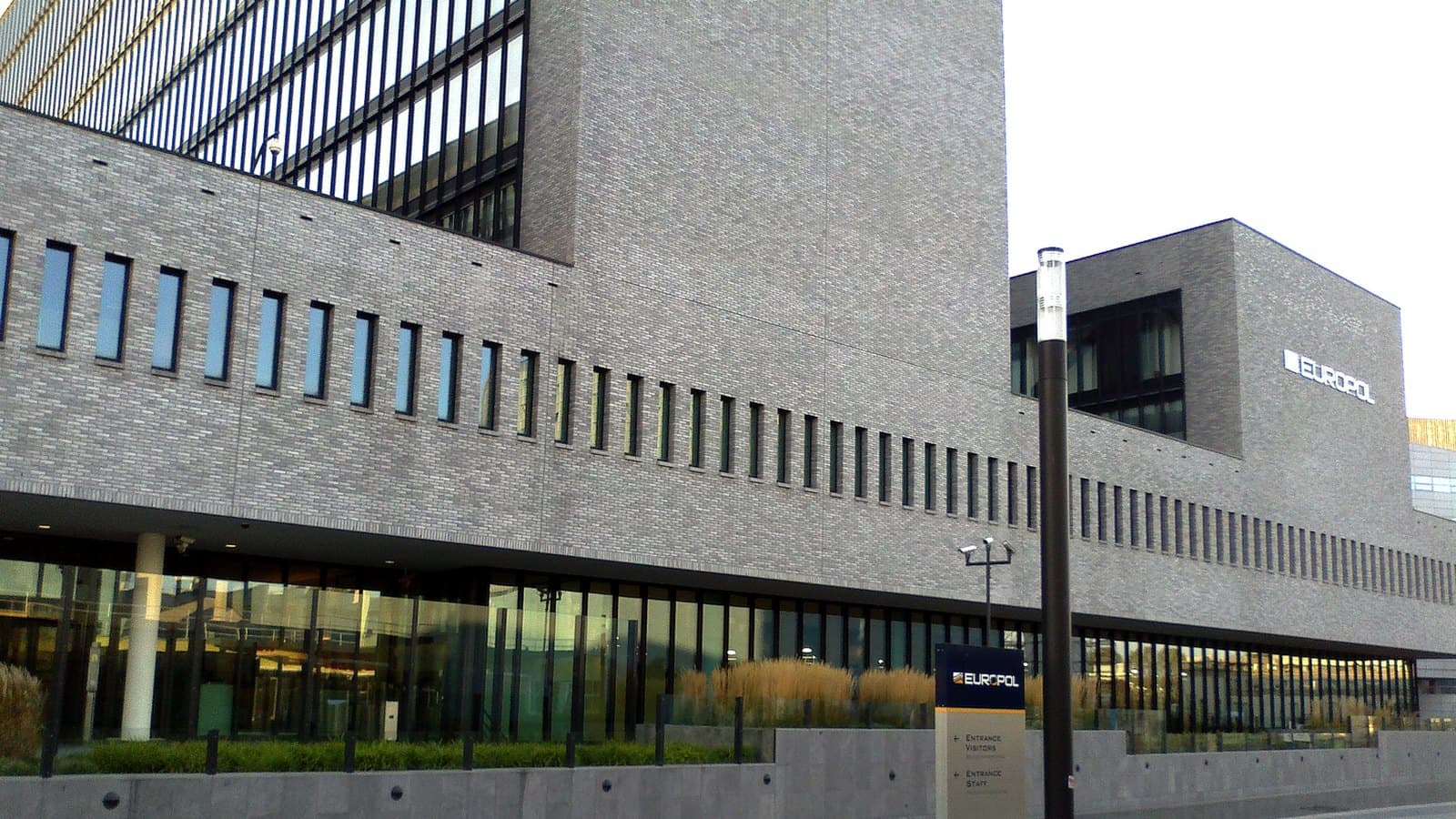
The countries involved were Bulgaria, Canada, Denmark, Germany, Moldova, the Netherlands, Poland, the United Kingdom and the United States. Europol and Eurojust coordinated the action, with private-sector partners supporting the technical work. The U.S. Justice Department announced its own seizures against Gootloader, including more than 100 servers and domains used to deliver and control the malware, according to CyberScoop.
What each takedown removed
Gootloader was the distribution layer. Its operators compromised websites, often WordPress installations, and planted pages that looked like legal documents or business filings. A visitor who downloaded the file installed the loader, which then pulled down whatever the operators wanted to deliver, including ransomware. Police seized 14 servers and 218 domains tied to Gootloader and cleaned malware from 681 compromised websites.
CastleRAT was the remote-control layer. It has been known since 2025, and Europol describes it as built to be hard to detect. Attackers used it to hold access to infected machines, encrypt data and cripple IT systems. The operation took 120 servers and 39 domains out of service. CastleRAT is also the source of the victim notifications: Europol said data tied to the trojan will go to notification services including Have I Been Pwned, so people whose credentials were stolen may receive an alert.
StealC was the credential layer. It pulled passwords and saved logins from infected machines so they could be sold to other criminals, who used them for account takeover, fraud and further intrusions. Police seized 102 servers. The action continues work against StealC that began in June 2026, which suggests the infrastructure is rebuilt and replaced rather than permanently destroyed.
The division of labour matters. A single intrusion often uses all three: Gootloader gets in, StealC takes the credentials, CastleRAT holds the machine. Taking down one layer can disrupt the chain, but the operators can replace a loader faster than they can replace a remote access tool that has already been planted inside a victim's network.
Why credentials are the real target
The 6.4 million figure is the most important number in the announcement. Stolen credentials are the currency of the ransomware economy. They let an attacker log in as a legitimate user, bypass perimeter defences and move toward backups and domain controllers. A credential that works on a corporate VPN is worth more than a piece of malware that has to be delivered again.
The 40,000 victim count is smaller than the credential count because one infected machine can hold logins for many services. The distinction matters for anyone assessing their own exposure. A single compromised laptop can contain credentials for email, cloud storage, banking, social media and internal applications. The takedown recovered credentials, not necessarily the means to use all of them.
Have I Been Pwned notifications are the practical consequence. If a credential appears in the CastleRAT dataset, the user will be told which address was exposed and can change the password. The service does not tell users which malware infected them or how the credential was captured. It is a starting point for remediation, not a full incident report.
Changing a password is not enough if the same password is used elsewhere, or if the infected device still has malware on it. Europol's advice is to change credentials, enable multi-factor authentication and patch vulnerabilities, in that order.
The WordPress problem
Gootloader's business model depended on compromised websites, and WordPress is the largest target because it runs a large share of the web. The operators did not need a new vulnerability in every case; the campaign relied on sites that were already compromised. Once inside, they planted pages that looked like legal documents and waited for visitors to download them.
The 681 cleaned websites are a fraction of the sites Gootloader has used over its lifetime. German police said the loader has infected millions of computers worldwide since it first appeared in 2020. That history explains why the takedown is significant but not final. The operators have rebuilt before, and the affiliate network that buys access from them has an incentive to keep the pipeline open.
For website owners, the lesson is unglamorous. Patch plugins and themes, remove unused accounts, enable two-factor authentication on admin logins and monitor for unexpected files. Gootloader's fake legal-document pages are designed to look boring, which is why they work. A visitor who is researching a contract or a court filing is already in the right frame of mind to download a file.
The limits of a takedown
Police actions against malware infrastructure follow a familiar pattern. The servers go down, the operators lose access, and the affiliates who bought the malware scramble for alternatives. Within weeks, some of the same services reappear on new infrastructure. The disruption is real, but it is temporary unless the people behind the operation are arrested or the business model becomes unprofitable.
The operation's value is in the disruption and the warning. It forced the operators to rebuild, it gave victims a notification they would not otherwise have received, and it produced a public list of indicators that defenders can use. Those are real gains even if the malware returns.
The other limit is scope. Operation Endgame targets the services that support ransomware, not the ransomware gangs themselves. It can remove a loader or a credential market, but it cannot remove the demand for access. As long as ransomware payments are profitable, someone will rebuild the supply chain.
The 6.4 million credentials are also a reminder that the damage outlasts the servers. A credential stolen last year can still be valid today if the password was never changed. The takedown gives victims a chance to act. It does not act for them.
Caveats
The counts in the announcement are Europol's. The 6.4 million credentials are those found in the seized infrastructure, not every credential the three operations ever stole. The 40,000 victims are the ones investigators could connect to the data, not the full number of infected machines. Europol has not published a complete list of arrests or charges.
The action removed servers and domains, not the malware families. Gootloader, CastleRAT and StealC have rebuilt before, and the affiliates who buy access have an incentive to keep using them. The takedown raises the cost of operating. It does not guarantee that the operations end.
Have I Been Pwned can match only the credentials it can parse and verify. A notification is a useful warning, not proof that an account is safe or that every exposed password has been found.
What to watch
The first thing to watch is Have I Been Pwned's notification wave. The size and timing of the alerts will show how many of the 6.4 million credentials can be matched to live accounts. A large wave would be a useful public warning. A small one would suggest much of the data is old or incomplete.
The second is whether CastleRAT and StealC rebuild. Both have appeared in previous operations, and both have affiliate networks that depend on them. New infrastructure would show that the takedown raised costs without changing the underlying economics.
The third is the U.S. case against Gootloader. The Justice Department's seizures are separate from Europol's action, and they may come with indictments or sanctions. Those would tell us whether the investigation reached the people who ran the operation, rather than only the servers they used.
The fourth is the advice itself. Europol's recommendation to WordPress users is a signal that the infection vector remains active. Anyone running a site should treat the announcement as a prompt to check their plugins, their admin accounts and their logs. Europol's next update will show whether the operators rebuilt. The credentials already stolen will remain valid until they are changed.
Tags
Frequently asked questions
- What was Operation Endgame?
- Operation Endgame is an international police campaign against the malware services that give ransomware gangs access to victim networks. The November 2026 phase targeted Gootloader, CastleRAT and StealC.
- How many countries took part in the November 2026 action?
- Nine countries took part: Bulgaria, Canada, Denmark, Germany, Moldova, the Netherlands, Poland, the United Kingdom and the United States. Europol and Eurojust coordinated the action.
- What should victims do after the takedown?
- Europol urged WordPress users to change credentials, enable multi-factor authentication and patch vulnerabilities. People whose data appears in CastleRAT notifications should change reused passwords and check their accounts.
- Does the takedown mean the malware is gone?
- No. Police removed a large share of the servers and domains the operators used, but the malware families can rebuild infrastructure and the stolen credentials remain valuable. The action raises the cost of operating, not the certainty of an end.

TPW Editorial
Editorial Team
TechPastWeek's editorial team reports and edits every story we publish. We research each piece against primary and credible secondary sources, and a human editor reviews and signs off before it goes live.