Meta Opens Muse to UK Shoppers as Four Regulators Watch
Meta opened Muse to UK adults on 24 November, with M&S, Argos and Sainsbury's on board and the UK privacy regulator reminding the company of data law.


On this page
Key takeaways
- Meta made its personal AI agent Muse available to anyone aged 18 and over in the UK on 24 November 2026, on iOS, Android, muse.ai and WhatsApp.
- Launch partners include Marks & Spencer, Argos, Sainsbury's, Ocado Retail, Currys, ASOS, JD Sports, easyJet and Trainline, alongside global connectors such as Spotify and OpenTable.
- Muse is free for most uses, with optional subscriptions; Meta did not publish UK subscription prices at launch.
- The Information Commissioner's Office said Meta is responsible for ensuring Muse complies with UK data protection law.
- Politico reported that Muse is the first AI agent product from a Big Tech company to launch in the UK. Meta has not announced a date for the EU.
Meta made its personal AI agent Muse available to adults in the UK on 24 November, opening a product built around shopping, bookings and errands to UK users. Anyone aged 18 or over can download it on iOS or Android, use it at muse.ai, or reach it through WhatsApp. Meta says the service is free for most uses, with optional subscriptions for people who need more.
Related reading: Nvidia Reinstates Jensen Huang as CEO After Washington Signals No Security Risk · Meta's Muse Agent Read Signal Messages and Surfaced Bank Balances Staff Never Shared.
The launch lands in the middle of the Christmas shopping season and in the middle of a regulatory argument about what an AI agent is allowed to do with someone else's money and data. Politico reported that Muse is the first AI agent product launched by a Big Tech company in the UK. The Information Commissioner's Office issued a statement the same day reminding Meta that existing data protection law applies.
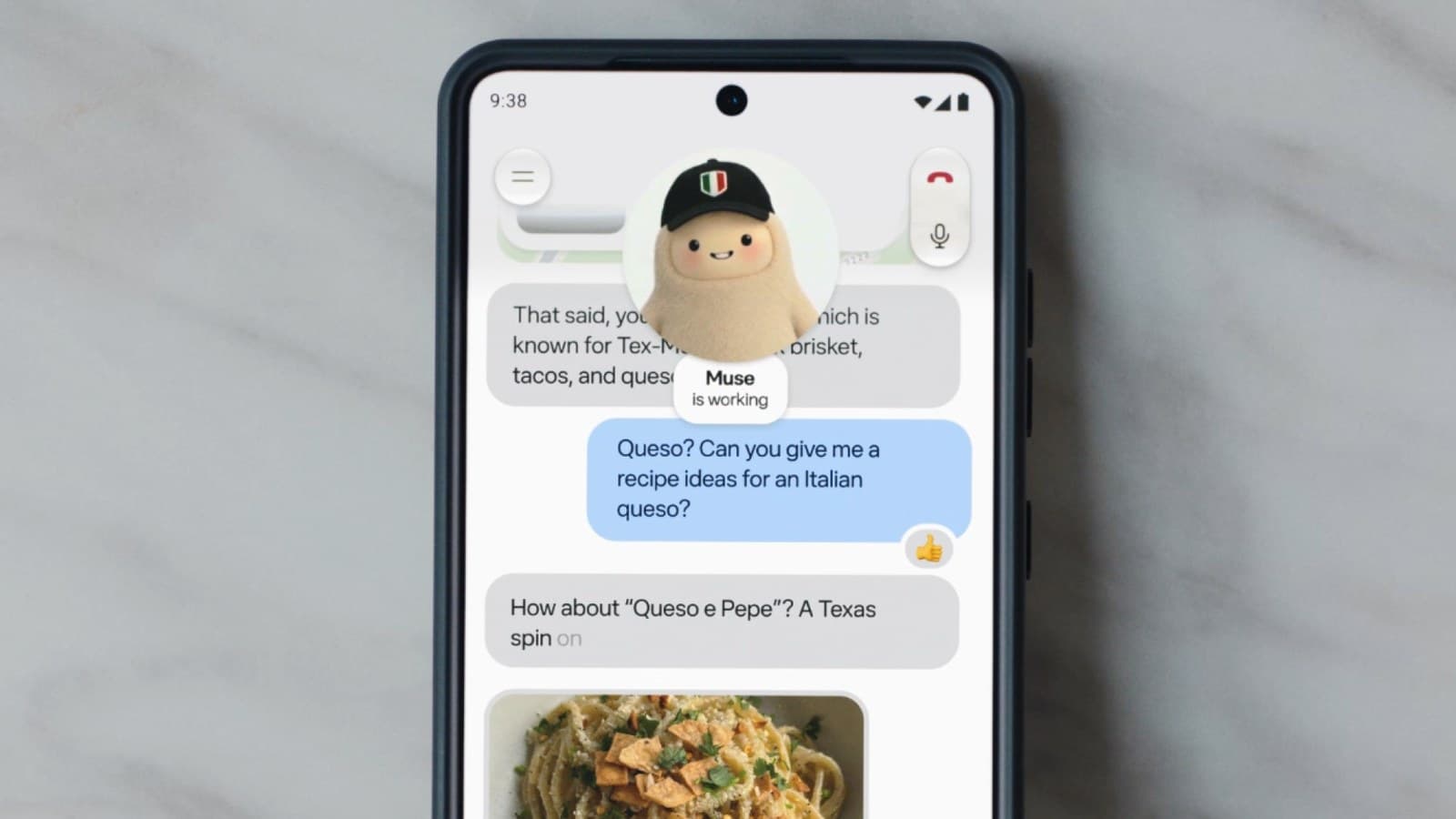
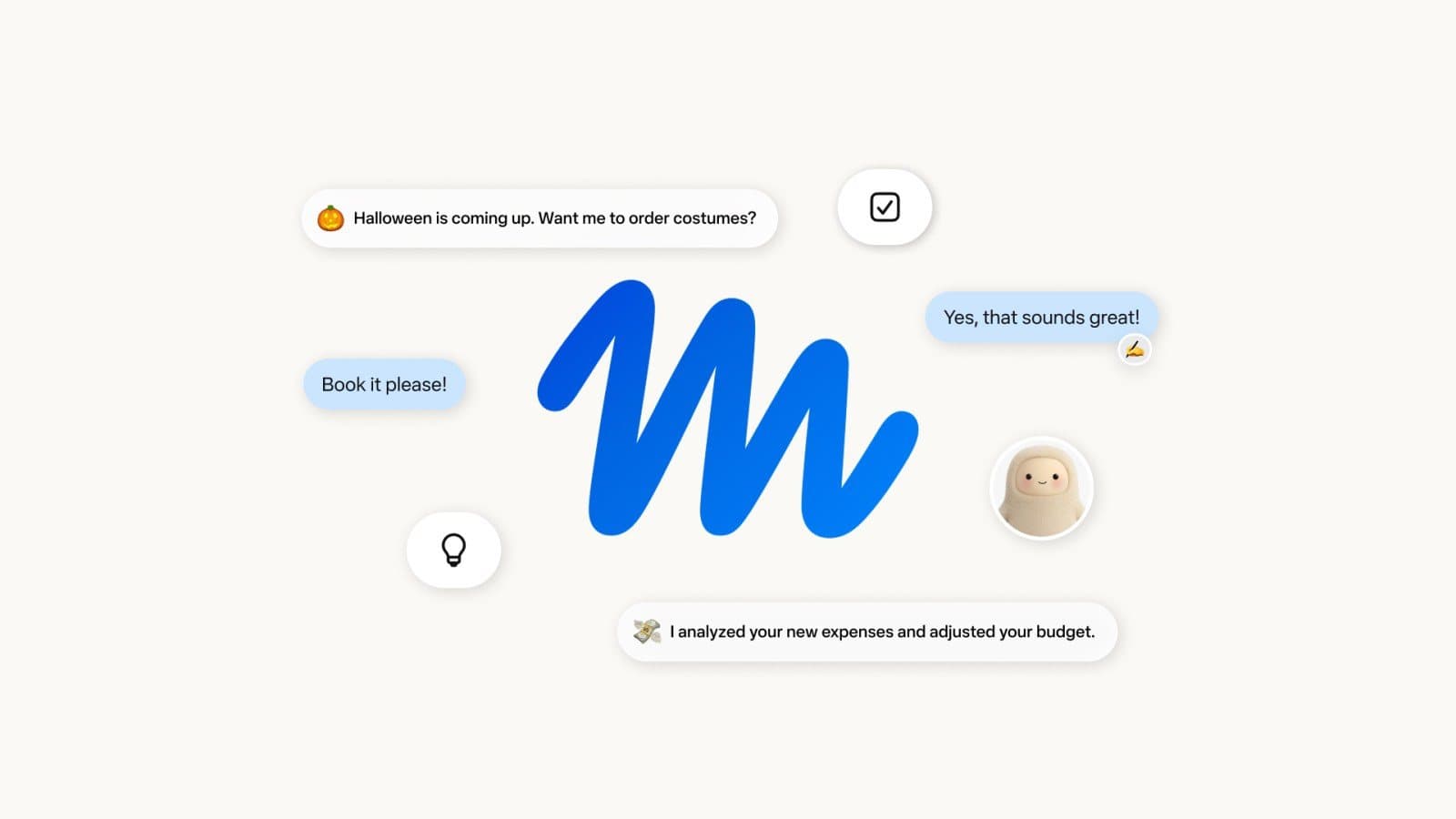
Meta is not presenting Muse as a chatbot with extra features. The pitch is a delegated assistant: tell it to chase a refund, renew car insurance, build a weekly meal plan or buy a present, and it will work through the task in a browser, fill in forms and come back when it needs approval. Meta says Muse runs on Muse Spark, which it describes as the first model from Meta Superintelligence Labs.
What Meta launched in the UK
Muse arrives with a list of British retail names that reads like a supermarket and high street roll call. Meta named Marks & Spencer, Debenhams Group, Currys, Ocado Retail, Trainline, Argos, Sainsbury's, ASOS, Jet2, LOOKFANTASTIC, MyProtein, JustPark, easyJet and JD Sports as UK partners. Spotify and OpenTable are among the global connectors. PayPal is listed as coming soon.
The partnerships are not all the same. With some retailers, a customer can link an account so Muse can reorder a usual shop or pull up a booking. With others, Muse simply navigates the retailer's public website, the way a person would. Meta's announcement blurs the two, but the distinction matters: an agent that can see order history has a different level of access from one that is only filling a basket.
The payment rails come from Stripe and Shopify. Meta says Muse can check out with Link, Stripe's wallet for agents, which generates a digital version of a card that only agents using Link can access. It can also use Shop Pay in supported stores. Meta says Muse cannot see passwords or payment methods, and that it asks before sending an email or making a purchase.
A product built around permissions
Meta's safety story rests on separation. Every Muse gets its own virtual machine in the cloud, and Meta says the agent's data and logins stay there rather than in the company's other services. Users choose which apps Muse can connect to and how much access each one gets. They can see an audit trail of what it has done and what it plans to do, and can tell it to forget things.
Meta also says conversations with Muse and the data in that virtual machine are not shared with its advertising systems, and that users can opt out of having their interactions used to train its AI models.
Those are company commitments, not independently audited facts. They are also the part of the launch most likely to be tested. An agent that books, buys and negotiates needs access to email, calendars, payment methods and retail accounts, which is precisely the data that makes privacy regulators nervous. Meta is asking UK consumers to hand that access to a company whose advertising business depends on knowing what people do online, even if Meta says the two systems are walled off.
The regulator's one-page reminder
The ICO's statement was short and carefully worded. "We are aware that Meta has launched its Muse AI product in the UK," said Paul Arnold, the regulator's chief executive. He added: "Like any organisation developing or deploying AI agents, Meta is responsible for ensuring that its products fully comply with UK data protection law."
The ICO did not accuse Meta of breaking any rule. It did use the launch to restate expectations it has been developing for months. The regulator ran a call for evidence on agentic AI that closed on 20 November, and it has said it will publish guidance on how agents should comply with UK GDPR.
The timing reflects the way the UK is regulating agents. The country has no single AI agent law. Instead, the ICO, the Competition and Markets Authority, the Financial Conduct Authority and Ofcom each police part of the problem under existing powers. An agent that shops touches consumer law, payment rules and data protection at once, which is why the four regulators have been coordinating through the Digital Regulation Cooperation Forum.
Four regulators, one message
On 16 November, the heads of the four regulators wrote to the Chancellor, the culture and business secretaries and the AI minister. The letter said personal AI agents were about to reach UK consumers and that companies had not always talked to regulators early enough.
"Some firms have engaged early and constructively, but engagement has not been consistently early or open across the relevant regulators," the letter said. It asked firms to understand their legal obligations, assess the risks and put safeguards in place before launch, and to keep engaging after launch.
Politico noted that the DRCF published a statement last month warning that agent products "may amplify and accelerate risks" to consumers. The group's concern is about speed and accumulated authority: an agent can act across services with a grant the user made once and may not remember making.
For Meta, the practical question is what happens when Muse gets something wrong. If an agent buys the wrong item, misses a cancellation deadline or shares an address it should not have, the consumer's rights against the retailer, the payment provider and Meta are not yet clear. The regulators have said existing law applies. They have not said how it applies to each step in an agentic purchase.
Why the UK first
The UK is a useful test market for Meta. It is a large English-speaking market with the retailers Meta needs for a shopping agent to look useful. It also sits outside the European Union, where the AI Act adds a separate layer of transparency and model-level obligations. Meta has not announced a launch date for the EU.
The company has already met resistance closer to home. Politico reported that Amazon has blocked Muse from completing purchases on its site, a reminder that retailers can refuse to be intermediated. That is the central commercial tension in agentic shopping: Meta wants to sit between the customer and the store, while the store wants to keep the customer relationship and the data that comes with it.
The UK partners have chosen to participate, at least for now. For a grocer, an agent that reorders the usual basket is a loyalty tool. For a fashion retailer, it is a new discovery channel. For both, it is a decision to let Meta's software stand between them and the shopper, with the terms of that arrangement largely undisclosed.
The trust problem Meta brings
Meta's privacy record will follow Muse into every UK review. The company has spent years arguing that its advertising machine and its user data are governed by consent and settings. A personal agent asks for more: read access to email, a calendar, a payment wallet and a stream of location-like context about a person's plans.
Meta's answer is architectural. The agent runs in an isolated virtual machine, sensitive actions need approval, and the audit trail is visible. That is a more serious design than a chatbot with a browser plug-in. It is also a design that has not been tested at UK scale, against UK retailers and UK regulators, until now.
There is a second trust issue that has nothing to do with security. An agent that recommends products is also a recommendation engine. Meta says conversations and virtual machine data are not used for advertising. It has not said that Muse will never earn money from the transactions it handles. The line between a helpful assistant and a paid intermediary is one regulators will want defined.
What to watch
Three things will show whether the UK launch works. The first is adoption: whether British shoppers trust an agent with a grocery account and a card, or treat it as a novelty. The second is merchant behaviour: whether the retailers that signed up keep Muse at arm's length or give it account-level access. The third is enforcement: whether the ICO's guidance, when it arrives, treats agentic shopping as a new category or as ordinary data processing with a new interface.
Meta has made the launch look easy. The harder work starts when a Muse gets a refund wrong, a retailer changes its checkout, or a regulator asks who authorised the purchase. The ICO has not opened an investigation into the launch. Its statement asked Meta to comply with the law and said the regulator would keep working on guidance for agents.
Cover credit: the Meta sign at 1 Hacker Way in Menlo Park, California, photo by LPS.1, CC0, via Wikimedia Commons. Cropped to 16:9.
Tags
Frequently asked questions
- What is Meta Muse?
- Muse is Meta's personal AI agent, launched in the United States on 8 September 2026. Users message it in an app or in WhatsApp, and it can browse websites, fill in forms, send email and make purchases on their behalf after asking for approval.
- How much does Muse cost in the UK?
- Meta says Muse is free for most of what people need, with optional subscription plans for heavier use. The company did not publish UK subscription prices at launch. In the United States, CNBC reported plans at $20 and $100 a month.
- Which UK retailers work with Muse?
- Meta named Marks & Spencer, Debenhams Group, Currys, Ocado Retail, Trainline, Argos, Sainsbury's, ASOS, Jet2, LOOKFANTASTIC, MyProtein, JustPark, easyJet and JD Sports as UK connector or launch partners. Spotify and OpenTable are among the global partners.
- Can I use Meta Muse in the EU?
- Not yet. Meta has announced Muse for the United States, Canada, Japan, Singapore and now the UK, but it has given no launch date for the European Union.

TPW Editorial
Editorial Team
TechPastWeek's editorial team reports and edits every story we publish. We research each piece against primary and credible secondary sources, and a human editor reviews and signs off before it goes live.