
Nvidia Reinstates Jensen Huang as CEO After Washington Signals No Security Risk
Nvidia's board voted unanimously to reinstate Jensen Huang as CEO less than two weeks after he resigned, citing US government input, as shares jumped 30%.

On this page
Key takeaways
- Nvidia's board voted unanimously on 23 November 2026 to reinstate Jensen Huang as president, CEO and a director, effective immediately.
- The board said it received input from senior levels of the US government and is confident the reinstatement poses no national security risk.
- Huang resigned on 13 November after reports of multiple affairs, including one with Alice Huang, a former Megaspeed executive linked by US intelligence sources to Chinese intelligence.
- Nvidia shares rose about 30% in Monday trading, leading a rally that lifted the Nasdaq Composite by roughly 6.8% at midday.
- The board's independent investigation continues, and Huang is due to testify before House committees on 1 December and the Senate Banking Committee on 3 December.
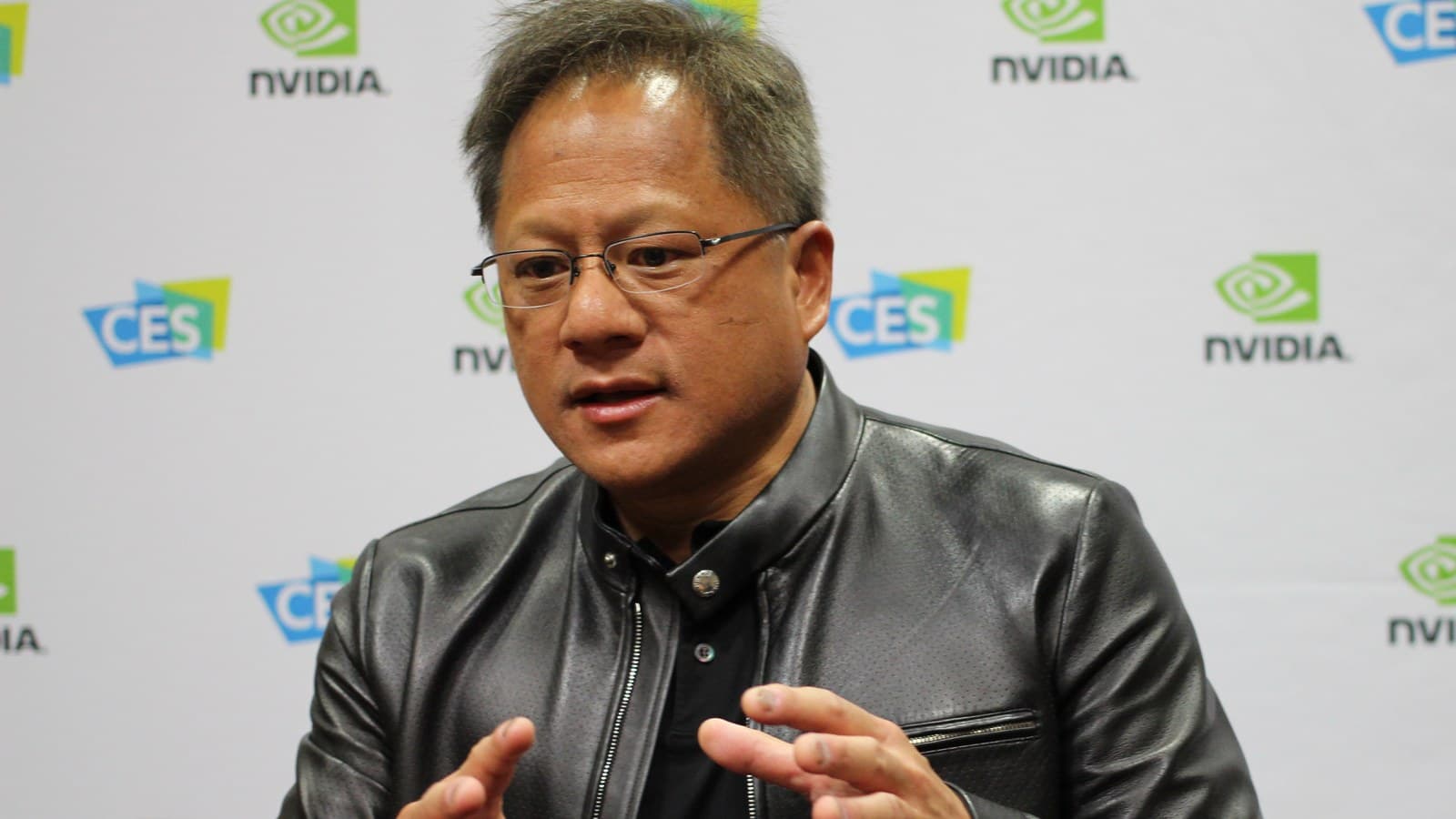
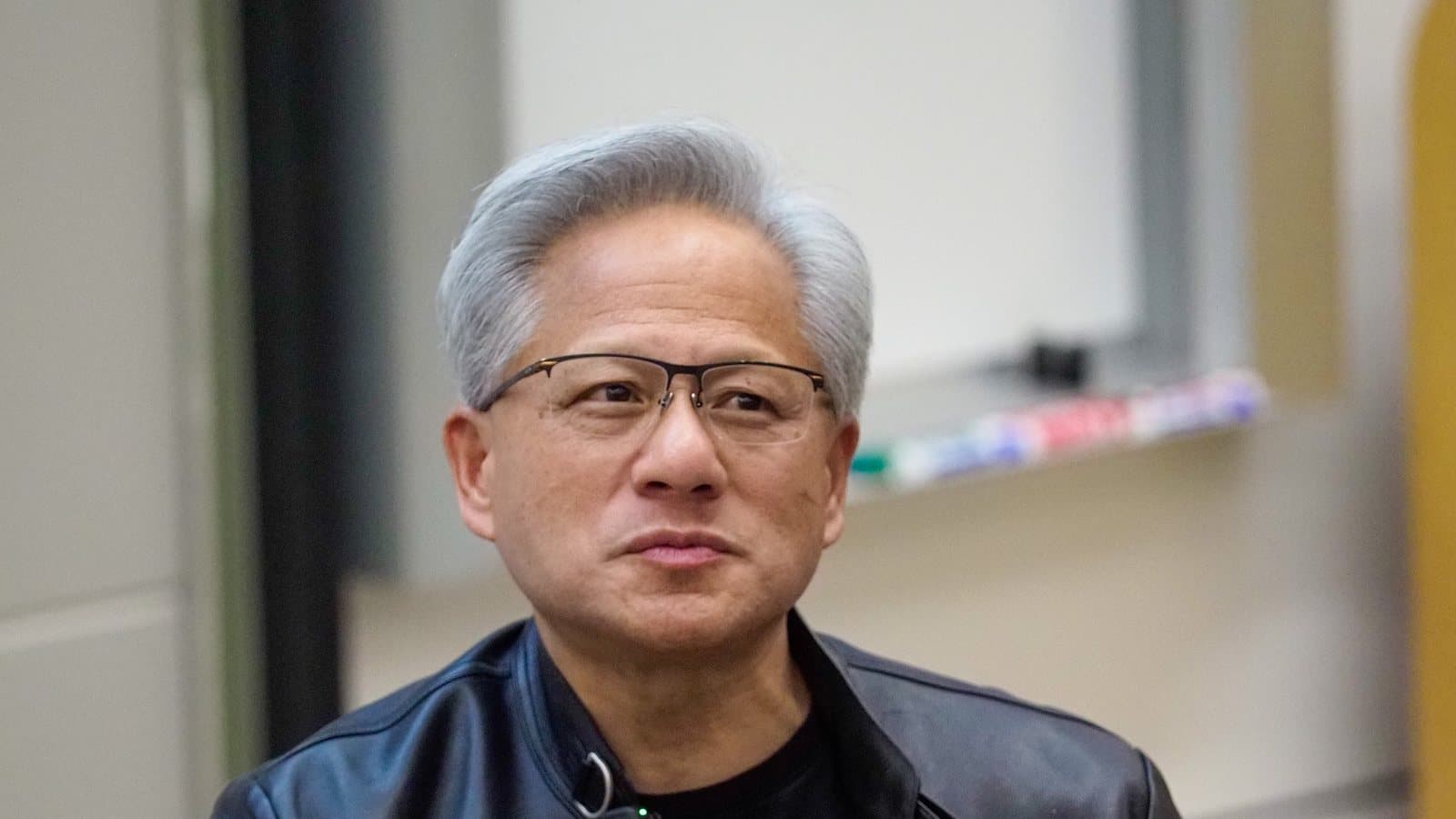
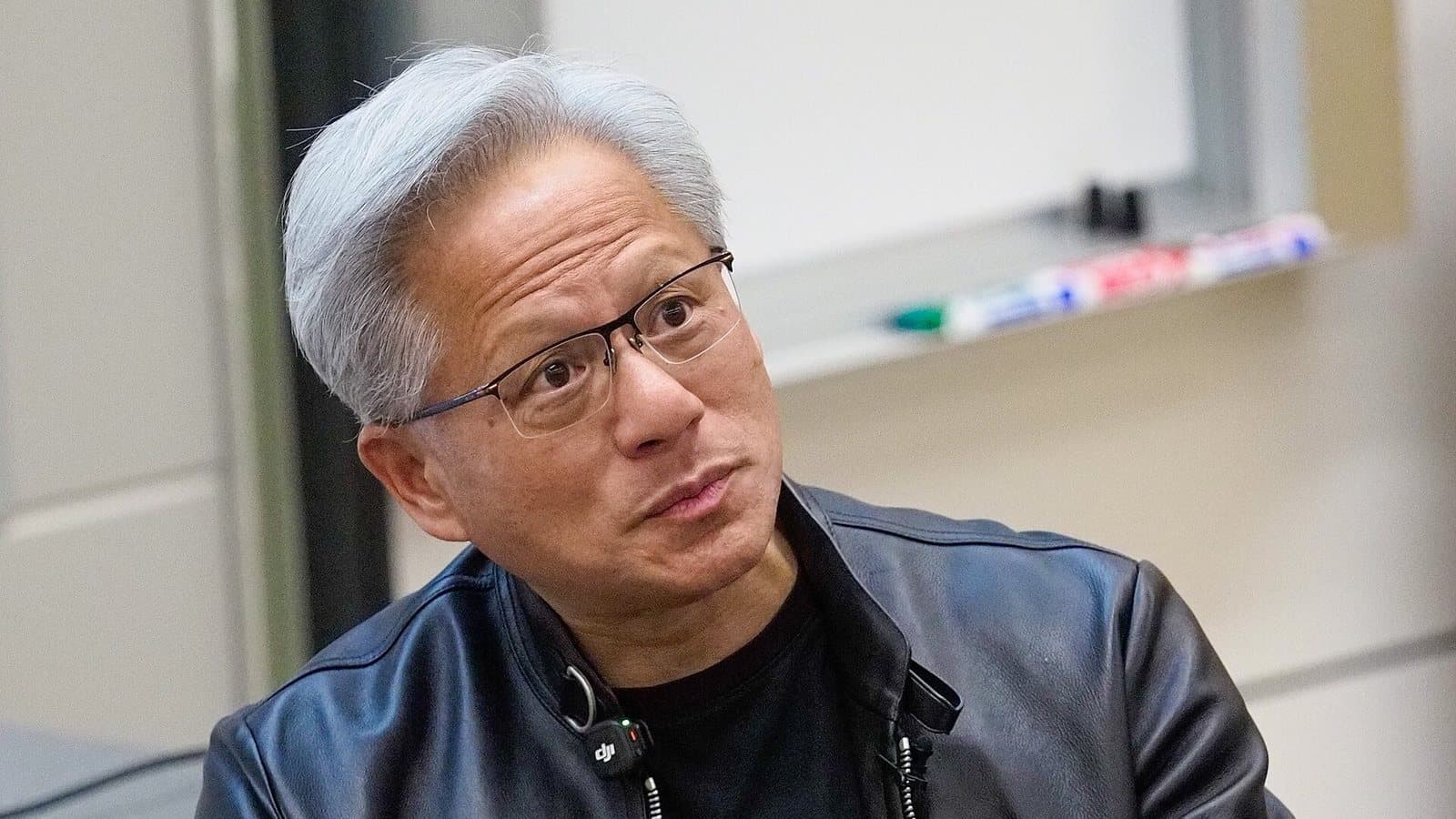
Nvidia's board voted unanimously on Monday to reinstate Jensen Huang as president, chief executive and a director, effective immediately, reversing a resignation that had lasted less than two weeks and had knocked a large hole in the value of the world's most valuable chip company.
Related reading: Meta Opens Muse to UK Shoppers as Four Regulators Watch · Meta's Muse Agent Read Signal Messages and Surfaced Bank Balances Staff Never Shared.
The board said it reached the decision after "a series of discussions and meetings" with Huang, and that it had received "input from senior levels of the United States government." Based on that input, directors said they are confident his reinstatement "poses no national security risk."
Huang resigned on 13 November after reports of multiple extramarital affairs, including one with Alice Huang, a former Megaspeed executive whom US intelligence sources have linked to Chinese intelligence. He had disclosed one affair in a note to employees on 8 November. TechPastWeek covered the resignation and the appointment of chief financial officer Colette Kress as interim CEO. This article is a follow-up to that report.
Nvidia shares rose about 30% in afternoon trading and led a broad rebound in AI stocks. The company's independent investigation into the affair and any national security exposure will continue, the board said, so Huang returns to the job before the inquiry that examined his conduct has finished.
What the board announced
The company statement was short and carefully worded. It said the board was satisfied with Huang's "candor and ability to lead NVIDIA." It did not say the investigation had cleared him. It said the committee's work "will proceed to conclusion," and that Huang "fully supports the investigation and is committed to cooperating with it."
Harvey C. Jones, the board chair, said the board believes Huang is "the right person to lead NVIDIA" and that his return is "in the best interests of our stockholders, employees, partners and customers." Jones remains chair; Huang returns as CEO and a board member, not as chair. The release thanked Kress for her service as interim CEO and said she continues as CFO. A securities filing dated 22 November confirmed the arrangement.
The board also pointed to changes it made while Huang was out. On 17 November it formed a National Security and Export Control Committee made up entirely of independent directors, and it is now searching for a chief compliance officer who will report to the nominating and corporate governance committee. Those structures are meant to answer the criticism that Nvidia's compliance function was too close to its founder. They will now operate with that founder back in charge.
The sequence that reversed a resignation
The sequence matters because it explains why a board that had ruled out a return changed course.
Huang admitted an affair in an employee note on 8 November. Reports of further relationships followed, including the connection to Alice Huang, and he resigned on 13 November. Kress took over on an interim basis, and the board said publicly that it was not considering reinstating him. Kress repeated that position in an interview with CNBC on 18 November.
Then two things changed. The first was the reporting. On Sunday, The New York Times said Alice Huang had been in contact with an officer of China's Ministry of State Security from spring 2025 until this autumn, a period that overlapped her relationship with Jensen Huang. The Times also reported that a man described as her business partner and husband had worked with the agency. She has not been charged, and the intelligence findings have not been made public in an official document. Beijing has rejected the allegations, and Megaspeed says its business is lawful.
The second was the politics. President Donald Trump had publicly urged the board to bring Huang back, and on Monday he told CNBC that he had spoken to directors "directly and indirectly." He said Huang "did nothing wrong" and argued that losing his expertise would be a "much bigger threat" than anything related to the China allegations. In a post on Truth Social, Trump called the reinstatement "the correct and proper decision" and described Huang as "a Great Patriot and National Treasure."
People familiar with the discussions told CNBC that senior government officials briefed the board late last week and said no national security laws had been violated. That briefing prompted the board to contact Huang, the people said. The first conversations since his departure took place on Saturday, and the decision was reached at a second meeting on Sunday. Nvidia's falling share price accelerated the talks, according to those accounts.
Tech industry leaders had also campaigned for his return. OpenAI's Sam Altman, Elon Musk, OpenAI president Greg Brockman and Anduril's Palmer Luckey were among those who publicly backed him, Ars Technica reported. Musk wrote on X that the board's "mistake has been corrected."
The rally went beyond Nvidia
The rally was larger than Nvidia alone, which is the clearest sign of how much of the AI trade had been priced around Huang's presence.
On Friday the S&P 500 closed at 6,910.39, down 3.7% on the day and 8.6% on the week, in correction territory. The Nasdaq Composite closed at 22,617.73 after a 5.3% fall, down about 10% for the week. The Dow finished at 48,147.33.
By midday on Monday the Nasdaq had risen about 6.8% to 24,152 and the S&P 500 was up about 5% at 7,257, according to The Motley Fool. Nvidia traded at $164.38 at 1:42 p.m. ET, up 30.95% from Friday's close of $125.53, according to FinanceFeeds. The stock was still below its 12 November close of $166.19 and far below its 6 October high of $239.24.
The move recovered much of the ground lost since the affair became public, but it did not restore the company to where it stood before the scandal.
Neoclouds and other Nvidia-dependent companies rose with it. TechCrunch noted that CoreWeave and Nebius rallied as investors priced in continuity at the chip supplier. For customers building data centres around Nvidia's roadmap, the return of the executive who sets that roadmap removes a short-term uncertainty. It does not remove the political risk that now travels with him.
The government's role is the unusual part
It is not unheard of for a board to reverse a CEO's departure. Sam Altman returned to OpenAI in 2023 after employees revolted. What is unusual here is the direct involvement of a sitting president and the board's own statement that it relied on input from "senior levels" of the government.
Trump described the decision as his doing. "I made the deal," he told CNBC, according to the network. The White House has not published the review that informed the board, and it is not clear which agencies contributed or whether the Justice Department made any assessment. The board's language, "no national security risk," is a conclusion, not a document.
That has already produced a political fight. Senator Elizabeth Warren, a Massachusetts Democrat, said the reinstatement "does not change the fact that Mr. Huang, NVIDIA executives, and the company's board still owe Congress answers about the company's compliance with U.S. export controls." Senator John Cornyn, a Texas Republican, wrote on X: "No national security risk? Based on what?" Senate Banking Committee chair Tim Scott said Huang will testify publicly on 3 December.
The affair is admitted. The espionage allegation is not proven, and no charge has been filed. The distinction matters, but it has not settled the argument about whether a private company should be able to resolve a national security question with a board vote and a presidential phone call.
What is still open
Huang returns to a company with several live inquiries:
- The board's independent committee, advised by Wachtell, Lipton, Rosen & Katz, is still investigating his conduct and whether company secrets or national security were compromised.
- California's attorney general served Nvidia with an investigative subpoena on 19 November over whether advanced chips or confidential information reached China and whether the company misled investors, a step TechPastWeek covered at the time.
- The SEC is examining whether Nvidia's disclosures adequately described the risks, the New York Post reported.
- The Justice Department is investigating whether entities linked to Alice Huang helped smuggle Super Micro products into China, Bloomberg reported. Trump has said the FBI is also looking at the relationship.
- Huang is due for a closed-door transcribed interview with the House Foreign Affairs Committee and two other panels on 1 December. Nvidia general counsel Tim Teter is scheduled for 2 December. The Senate Banking hearing is on 3 December.
The company also has to run its business. Nvidia reported $115.8 billion in revenue for its fiscal third quarter on 17 November, a result delivered while Kress was interim CEO. Its guidance for the January quarter and its ability to keep supplying customers in China will be read against the export-control debate that Huang has lobbied on for years.
Why the reversal matters
Three things follow from Monday's decision.
The first is about governance. A board that had concluded it could not keep Huang has now concluded it cannot run the company without him. The independent investigation continues, but the chief executive it is investigating is back in the chair. Directors have effectively separated the question of his conduct from the question of his utility, and they have done so under market and political pressure.
The second is about concentration. Nvidia's customers, suppliers and investors have spent two years building around one executive's product cadence and one company's roadmap. The rally shows how much of the AI trade assumes that continuity. A single person's legal and political exposure is now a systemic variable for the sector, rather than a human-resources matter for one firm.
The third is about policy. Huang has been one of the loudest voices against strict limits on selling advanced chips to China. He now returns with a mandate that depends in part on a government assurance, and with Congress preparing to question him about exactly those sales. The White House has tied its credibility to his conduct. That makes the export-control fight harder to separate from the scandal.
Caveats
The reinstatement is a company statement, not a regulatory finding. The board says it received input from senior government officials; the review behind that input has not been published, and the officials who briefed the board spoke to CNBC on condition of anonymity. The claim that no national security laws were violated is the government's assurance as relayed by the company and by people familiar with the discussions, not a court or agency determination.
The espionage allegations against Alice Huang are unproven and no charge has been filed. The affair is admitted. The board's independent investigation has not concluded, and the California, SEC and Justice Department inquiries are at different stages, none of which has produced a public finding against Huang.
The stock figures are intraday, taken at 1:42 p.m. ET, and changed before the close. The percentage move is measured from Friday's close of $125.53, not from the 6 November close, so it understates the fall from before the scandal. The revenue figure is the company's reported result for the quarter ended in October, and the January-quarter guidance is a forecast.
What to watch
The next milestones are the congressional appearances on 1 and 3 December, the board committee's conclusions, and any movement in the California, SEC and Justice Department inquiries. Investors will also watch Nvidia's January-quarter guidance and whether the rally holds once the relief fades.
The immediate crisis is over. The board's investigation, the hearings and the regulatory inquiries will decide whether the confidence it declared on Monday survives the evidence.
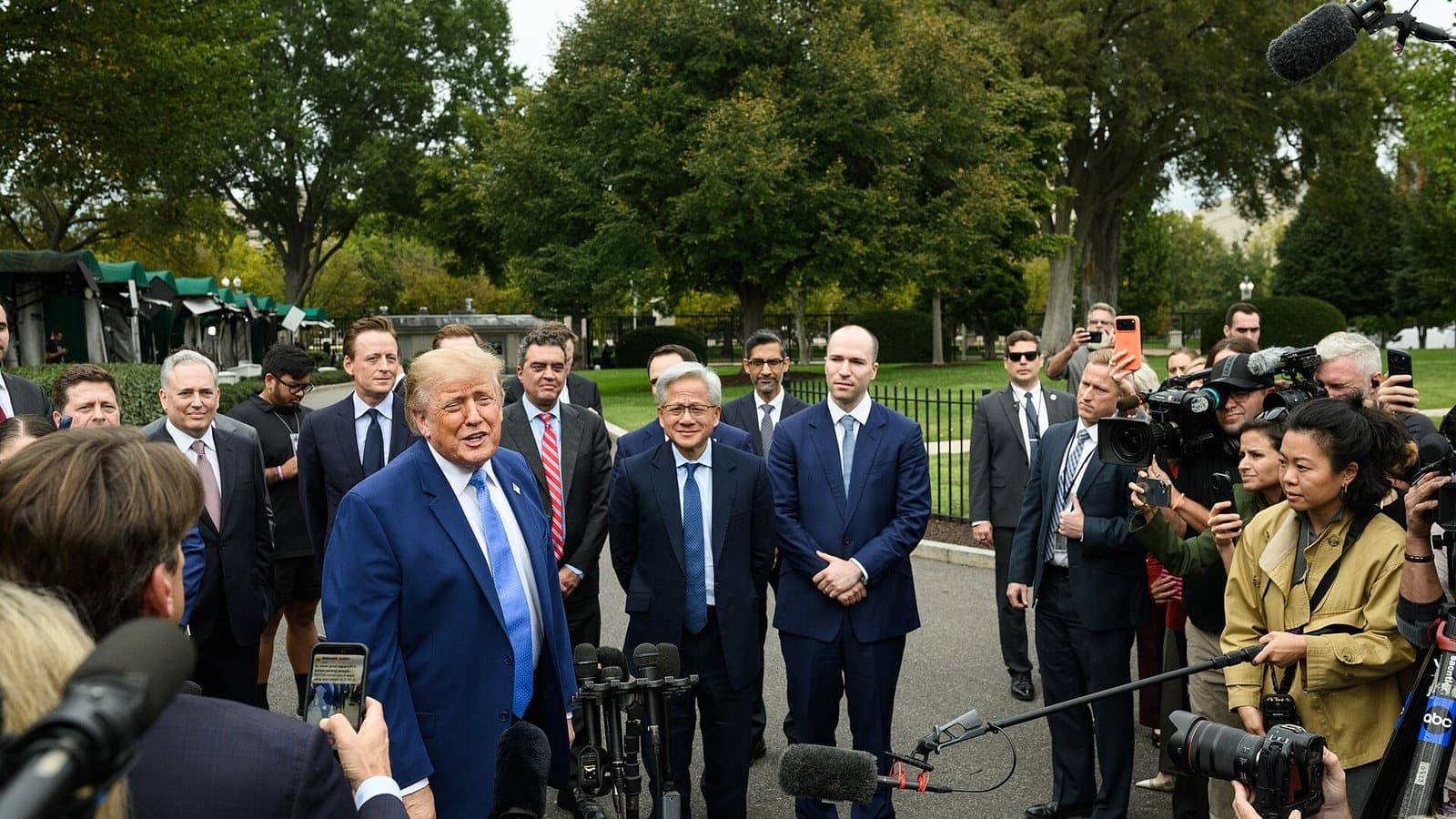
Cover: President Donald Trump speaks to reporters outside the West Wing on 29 September 2026, with Nvidia CEO Jensen Huang standing behind him. Official White House photo by Joyce Boghosian, public domain, via Wikimedia Commons. Cropped to 16:9.
Tags
Frequently asked questions
- Why did Nvidia reinstate Jensen Huang?
- The board said it voted unanimously after a series of discussions with Huang and after receiving input from senior levels of the US government. It said it is confident his return poses no national security risk and is in the interests of stockholders, employees, partners and customers.
- Is Jensen Huang still under investigation?
- Yes. The board's independent committee and its outside counsel are continuing their investigation, and Nvidia faces inquiries from California's attorney general, the SEC and Congress. Federal prosecutors are separately examining whether entities linked to Alice Huang helped smuggle Super Micro products into China. No charges have been filed against Huang.
- What happens to Colette Kress?
- Kress, Nvidia's chief financial officer, served as interim CEO during Huang's absence. She returns to the CFO role and remains on the executive team, according to the company and a securities filing.
- When will Jensen Huang testify to Congress?
- Huang is scheduled for a closed-door transcribed interview with the House Foreign Affairs Committee and two other panels on 1 December. He is due to appear as the sole witness at a public Senate Banking Committee hearing on 3 December.

TPW Editorial
Editorial Team
TechPastWeek's editorial team reports and edits every story we publish. We research each piece against primary and credible secondary sources, and a human editor reviews and signs off before it goes live.