
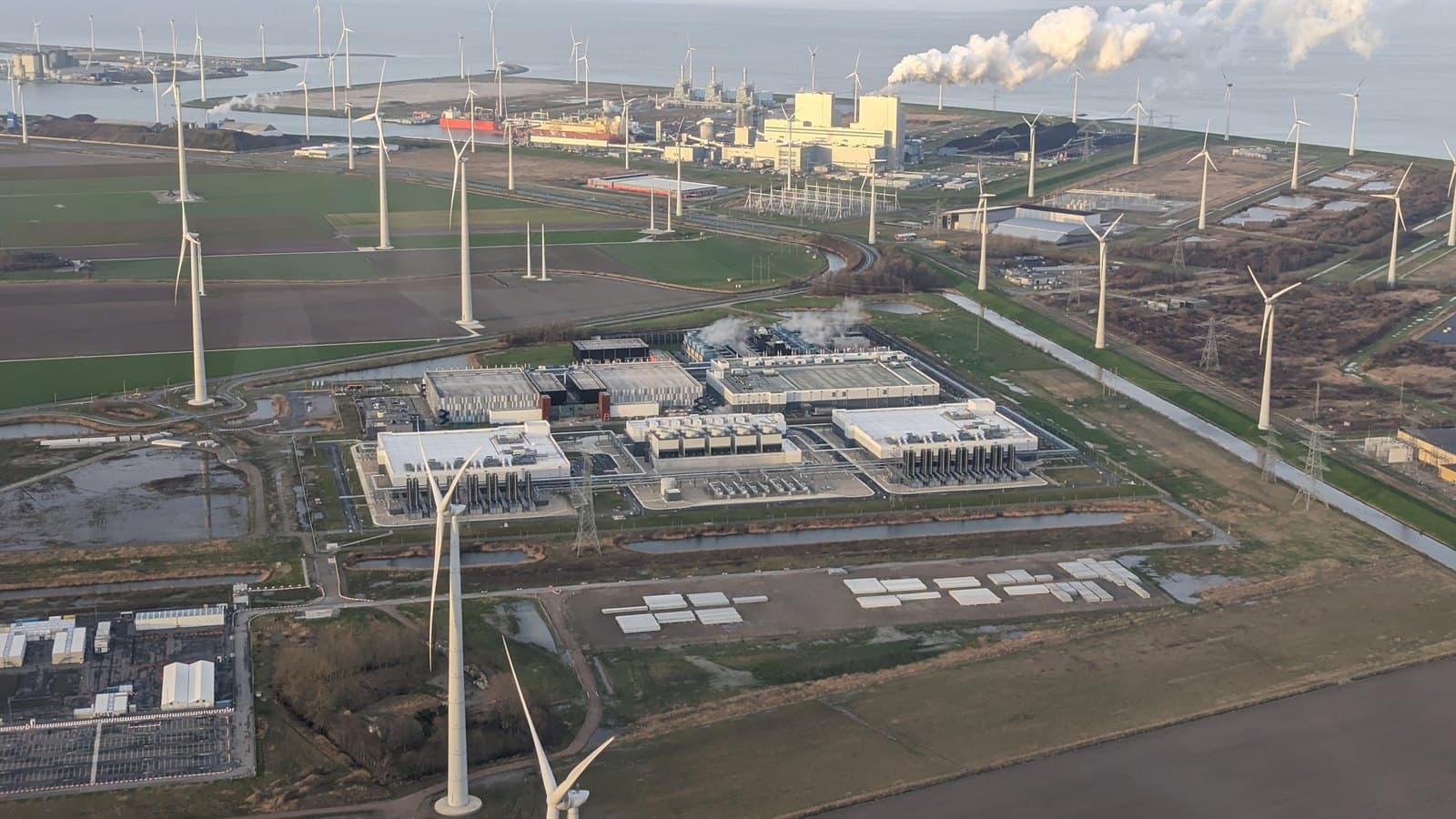
The Week in Tech: The Buildout Meets Its Balance Sheet
Four hyperscalers reported negative or falling free cash flow, Samsung and SK hynix booked records, Anthropic filed to go public and Binance lost billions
By TPW Editorial22 min read

10 stories · “chips”.
Four hyperscalers reported negative or falling free cash flow, Samsung and SK hynix booked records, Anthropic filed to go public and Binance lost billions
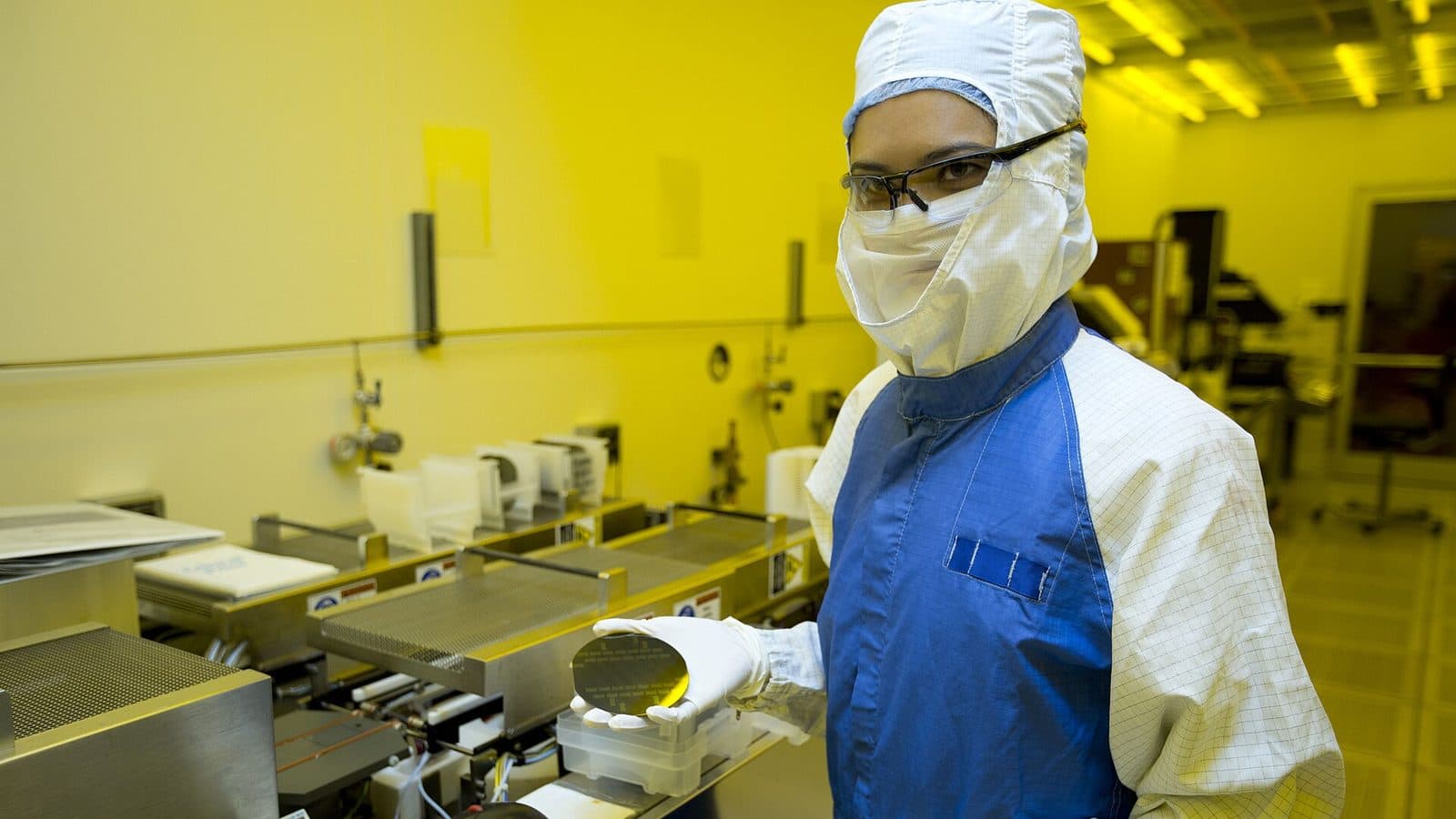
Microsoft's Maia 300 put in-house silicon at the centre of the week, as Anthropic hit $16.8bn, Character.ai filed for bankruptcy and Taiwan tightened exports
Nvidia's share of China's AI-accelerator market fell to 34 percent in the first half of 2026 as Huawei climbed to 28 percent, per IDC data reported by Reuters.

Akamai announced a seven-year, $11.6 billion cloud commitment from Anthropic on September 24, 2026, the largest deal in its history, with a warrant that could hand the AI lab up to 5 percent of the company.
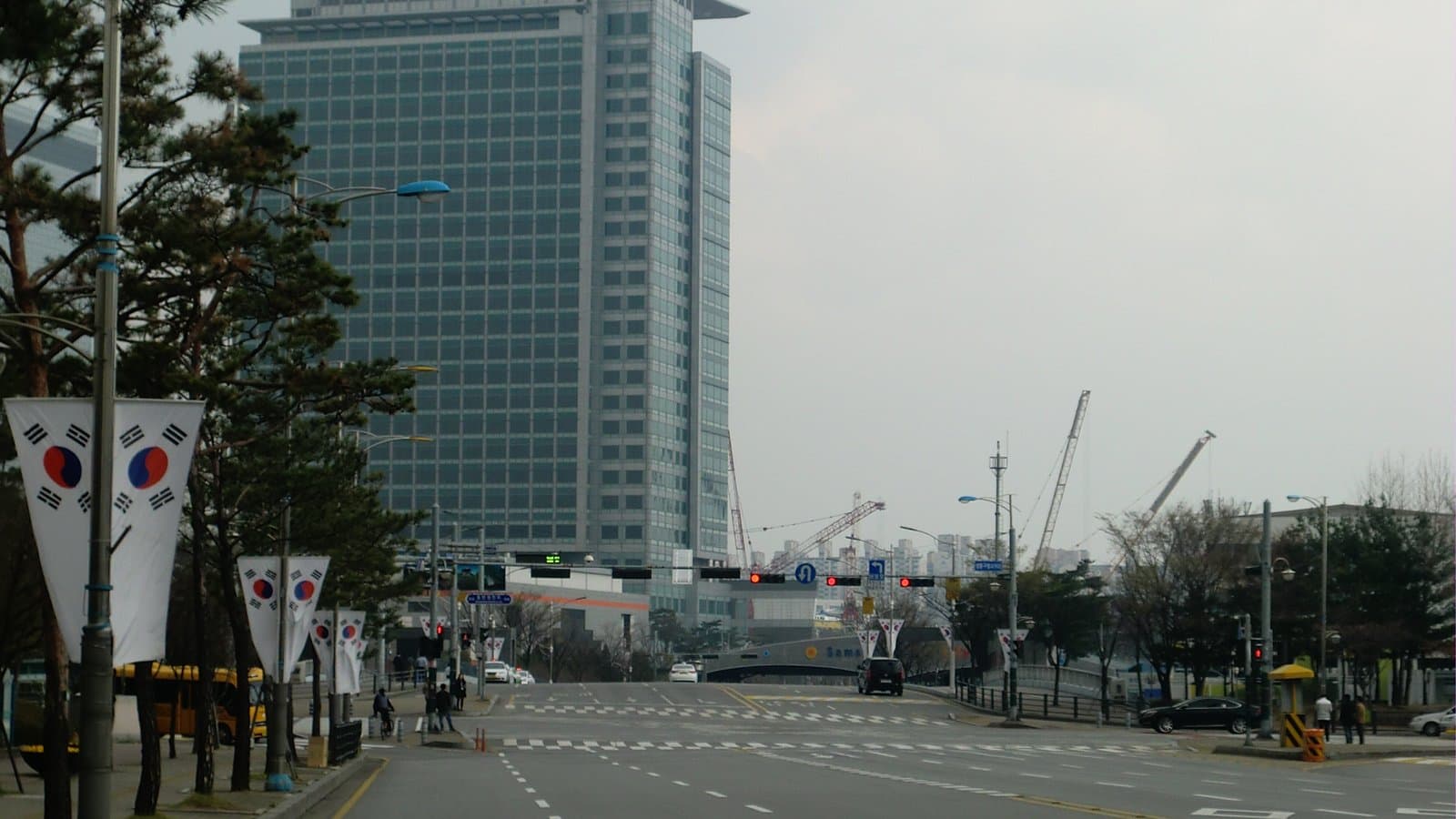
Samsung has begun 2nm trial runs for Tesla's next-generation AI5 processor at its Taylor, Texas fab, pulling production forward as TSMC capacity stays tight.
Winbond will pay $1.12 billion in cash for Infineon's NOR Flash and F-RAM business, reviving the Spansion name as a standalone US-headquartered memory maker.
D-Robotics closed a $400 million Series C on September 17, 2026 to expand its Sunrise robot chips and software as embodied AI enters mass production.
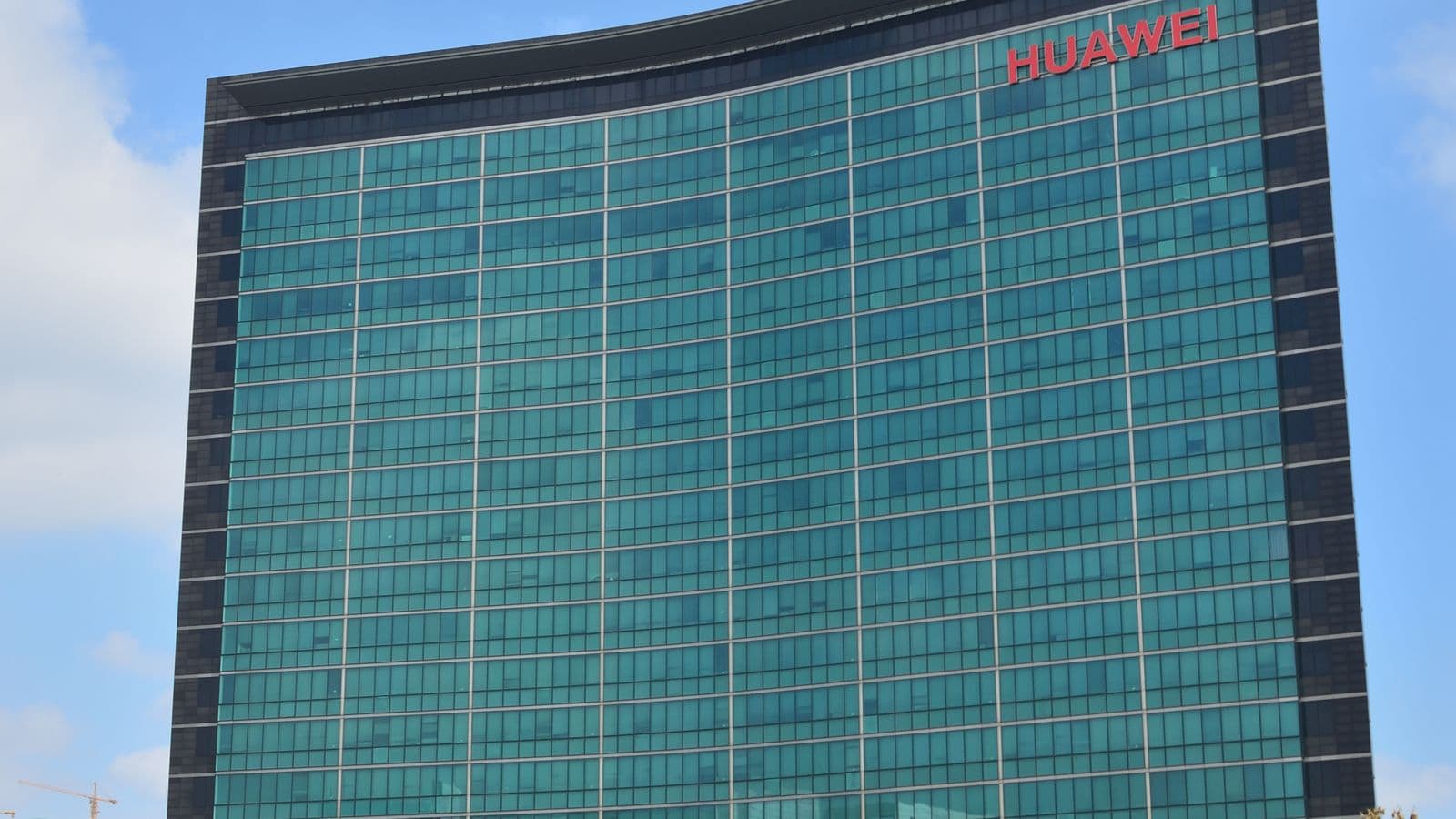
Huawei has lifted its Ascend 950DT above 250,000 yuan and Cambricon is repricing its next chip, as a high-bandwidth memory crunch reshapes China's AI buildout.

YouTube redefined the view, a $700 million settlement closed the Google Play case, TSMC readied its first angstrom node, and Stripe bought the AI meter.
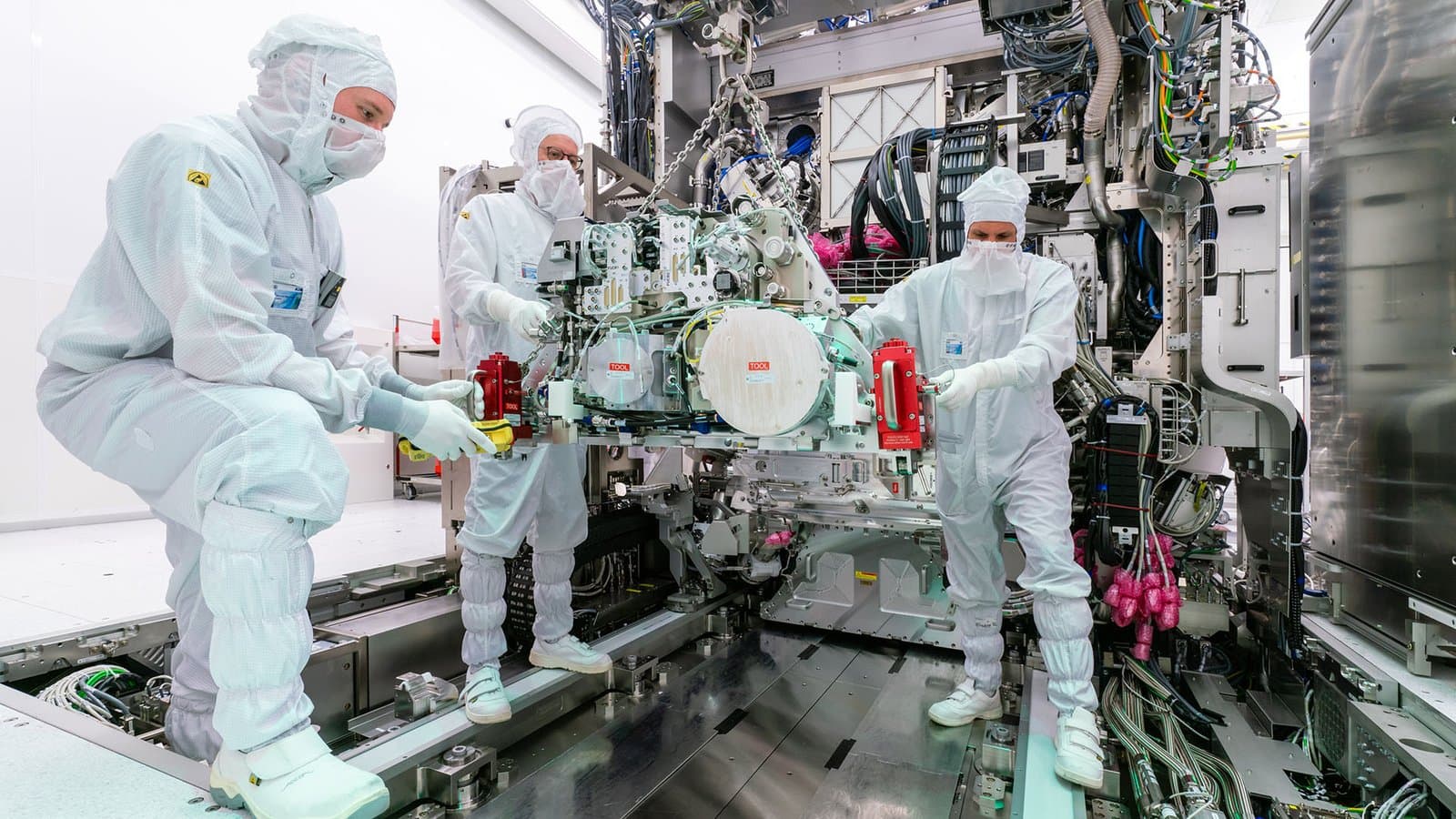
Extreme ultraviolet lithography uses 13.5 nm light from tin plasma to print the smallest chip layers. How EUV works, what it costs, and why ASML controls it.