China's AI Chipmakers Are Raising Prices as the HBM Shortage Bites
Huawei has lifted its Ascend 950DT above 250,000 yuan and Cambricon is repricing its next chip, as a high-bandwidth memory crunch reshapes China's AI buildout.

On this page
China's push to replace Nvidia with homegrown AI accelerators just got more expensive. Huawei and Cambricon have sharply raised prices for current and next-generation AI processors, according to a Reuters exclusive published September 10, as soaring high-bandwidth memory (HBM) costs squeeze the economics of the domestic stack.
Related reading: Nvidia's China AI-Chip Share Falls to 34 Percent as Huawei Closes the Gap · Micron's Revenue Nearly Quintuples to a Record $54.23 Billion on AI Memory Demand.
The numbers are striking. Huawei has lifted the indicated price of its Ascend 950DT accelerator card (which pairs an AI processor with HBM and other components) to above 250,000 yuan (about $37,300). That is a jump of 20% to 50% over quotes the company gave customers just two months ago, depending on contract terms, two of the three people familiar with the matter told Reuters. Bloomberg reported a similar figure from a slightly different angle, saying the suggested price rose roughly 60% over three months and was set in line with Nvidia's B200.
Huawei has publicly said the 950DT, its most advanced AI chip, will be available in the fourth quarter of 2026.
Cambricon has also repriced its next-generation chip, tentatively called the 690, at 20% to 30% above levels it indicated two months ago, sources said, without giving an exact figure. Smaller rivals MetaX and Iluvatar CoreX have made similar increases. Cambricon has not formally launched the 690; its current flagship is the 590.
The increases are not confined to next-gen parts. The Ascend 950PR, which sold for roughly 60,000 yuan per card at the start of the year, now sells for more than 80,000 yuan, up about 30%.
Why memory is the bottleneck
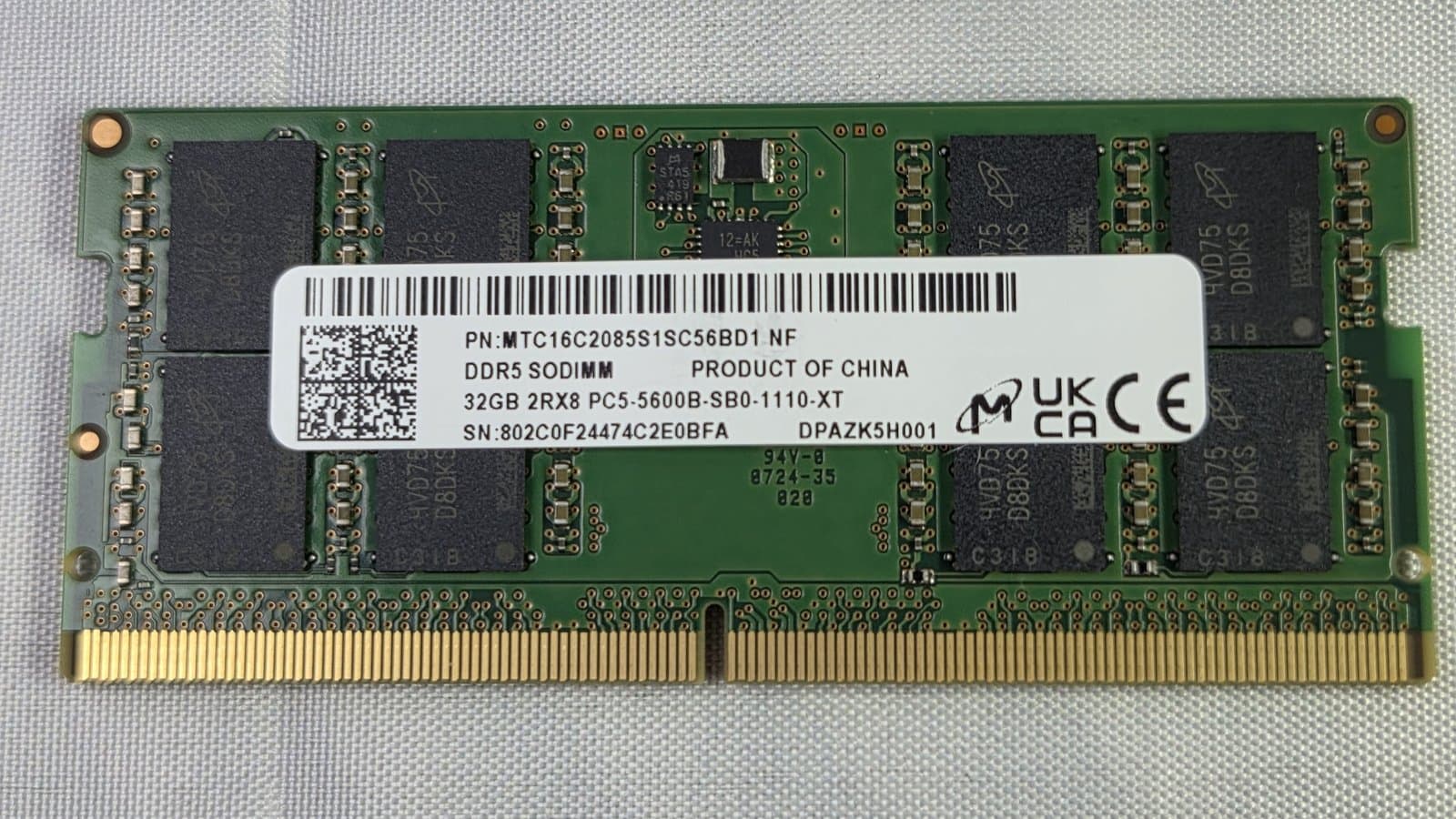
The common thread is memory. HBM is the vertically stacked, high-speed memory that feeds AI accelerators, and it is in global short supply as data centers absorb an ever-larger share of the world's production. Because memory makes up a large share of an accelerator's bill of materials, HBM prices flow almost directly into finished cards.
That crunch is sharper in China. Since Washington tightened controls on exports of certain advanced HBM products to China in December 2024, Chinese chipmakers have relied increasingly on grey-market channels, where HBM typically costs several times what buyers outside China pay. Huawei has said the Ascend 950 series uses two proprietary HBM technologies (HiBL 1.0 for the 950PR and HiZQ 2.0 for the 950DT) but has not detailed where or how that memory is manufactured.
The substitution paradox
Beijing's push to replace Nvidia is working, Chinese accelerators are filling the gap left by export controls on the most advanced Nvidia parts. But the substitution is running into the same global memory wall that constrains everyone else, and the workaround (grey-market HBM) is the most expensive way to buy it.
The pressure is reshaping the market. Huawei is ByteDance's largest domestic AI chip supplier, followed by Cambricon and Iluvatar CoreX, according to the sources. With prices climbing, the cost of building out domestic AI compute capacity rises in step, at exactly the moment China's $50 billion AI chip market is being asked to absorb demand the export controls pushed away from Nvidia.
What it means
Two things can be true at once. China's domestic AI silicon is improving and shipping in real volumes, and it is getting more costly per unit to deploy. Huawei and the others are being squeezed by a component they do not fully control, supplied through channels that carry a premium precisely because they are informal.
None of the companies commented on the price changes, and final pricing varies with order size and how much networking and auxiliary equipment a customer buys.
The near-term question is whether these increases stick. HBM supply is not expected to loosen meaningfully until new fabs ramp toward the end of the decade, so Chinese buyers may have little choice but to pay, or to slow the pace at which they convert announced clusters into working ones.
What to watch
Watch the gap between announced and installed capacity. If HBM costs keep rising, the constraint on China's AI buildout shifts from who can design an accelerator to who can afford to feed it.
Tags

TPW Editorial
Editorial Team
TechPastWeek's editorial team reports and edits every story we publish. We research each piece against primary and credible secondary sources, and a human editor reviews and signs off before it goes live.