SK Hynix Weighs Making Memory in the US by Leasing Intel's Ohio Site
SK Hynix is in exploratory talks with Intel about producing memory chips on US soil for the first time, with Intel's delayed Ohio complex as one option.

On this page
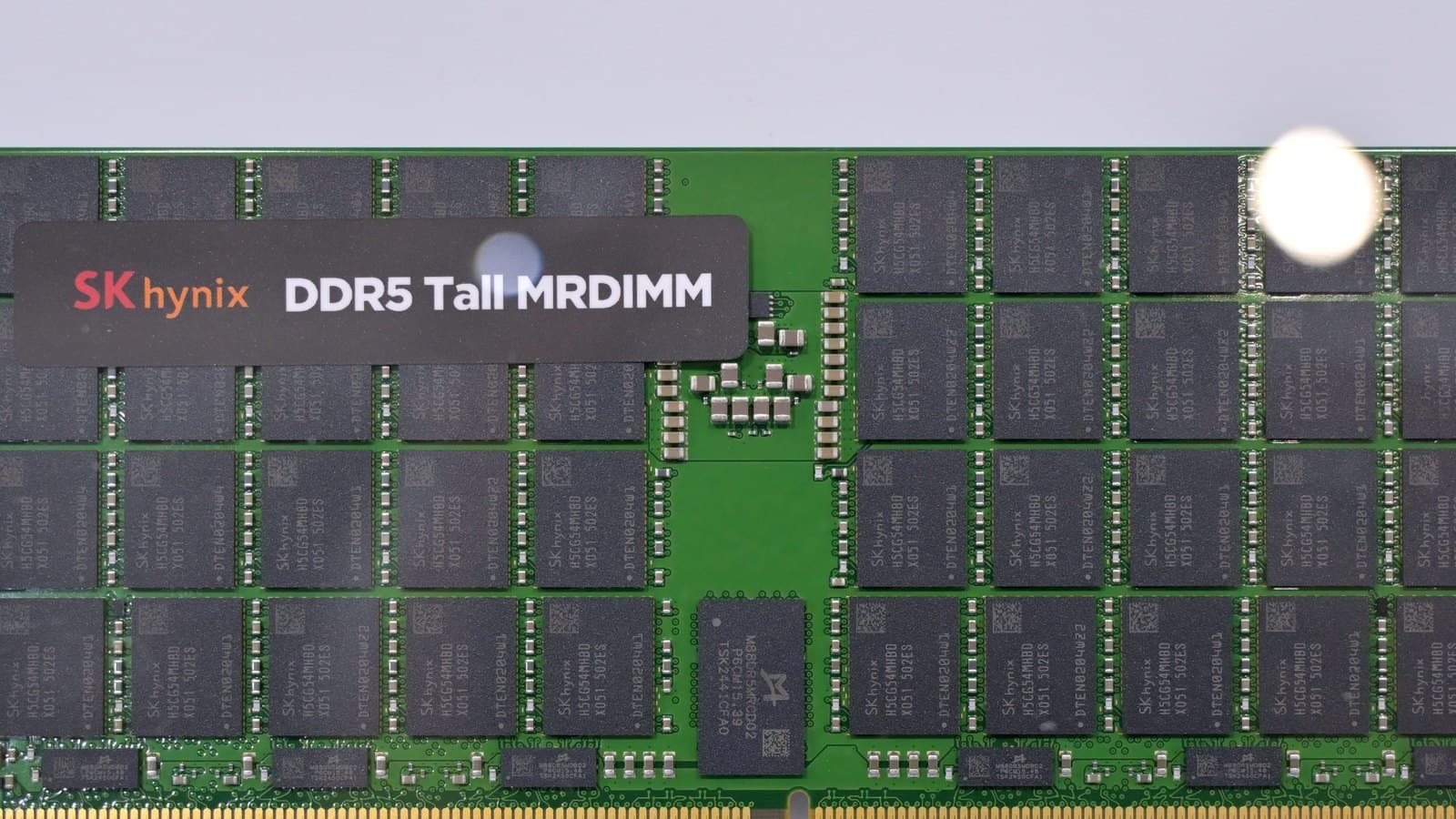
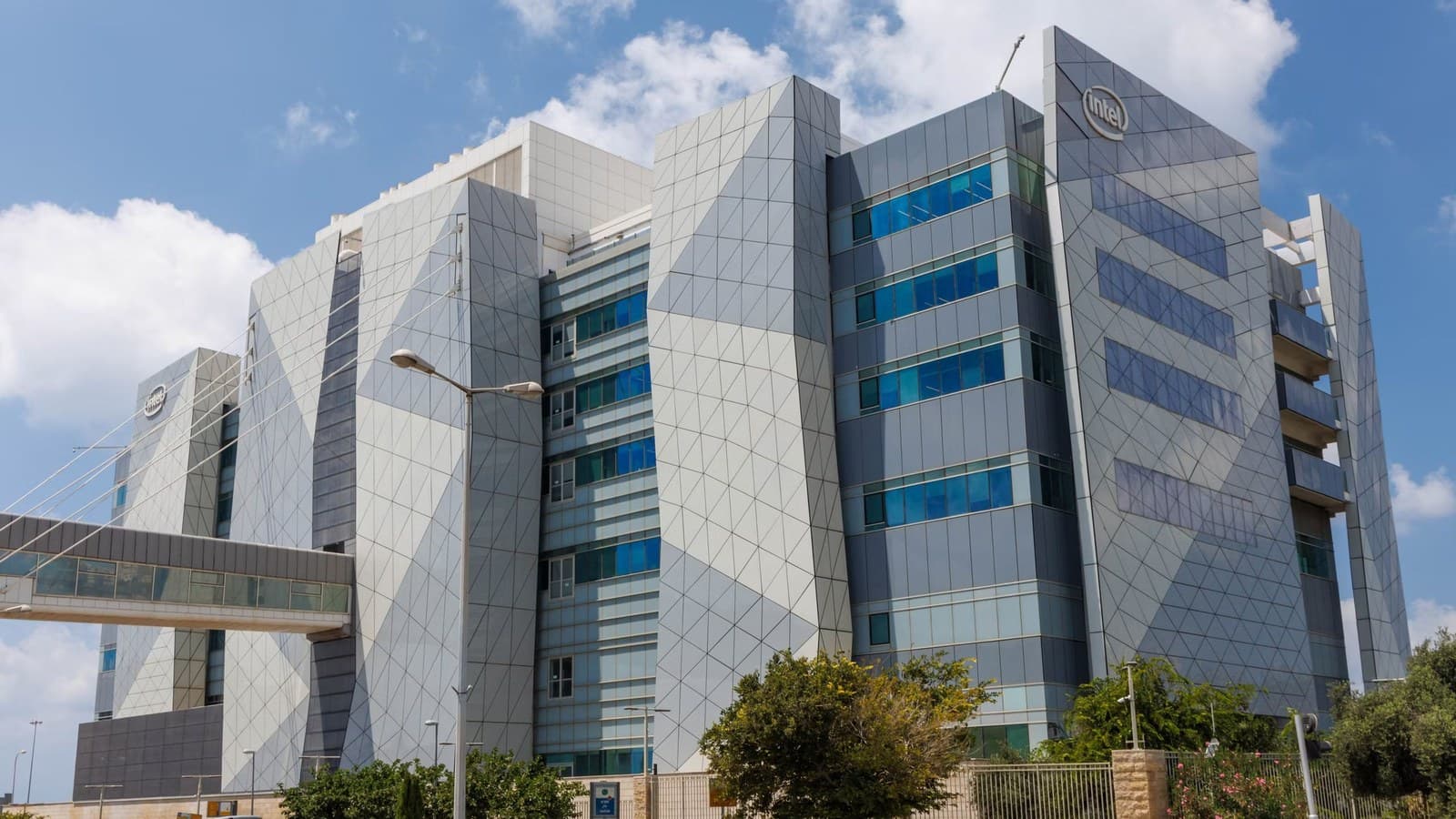
SK Hynix is in talks with Intel about manufacturing memory chips in the United States for the first time, according to people familiar with the discussions, a move that would give the Korean memory giant American production capacity and hand Intel a tenant for a factory complex it has struggled to fill.
Related reading: SK Hynix Posts a Record 104.6 Trillion Won Quarter as HBM4 Ramps · Intel's Data Center Revenue Rose 78% and the Stock Fell 28.58%.
Reuters first reported the talks on September 16. Under one scenario, SK Hynix would lease part of Intel's long-planned chipmaking site in Ohio. Under another, it would form a joint venture with Intel and major cloud providers that want to lock in memory supply. One source described the discussions as exploratory and said no decisions have been made. SK Hynix told Reuters it is "reviewing various measures, including establishing additional production bases, to strengthen the competitiveness of its memory business" but that "no matters have been determined at this stage." Intel declined to comment on what it called speculation, adding that it is continuing to invest in Ohio to ready the site. Intel shares rose about 5.5 percent on the report, while SK Hynix closed up 4.1 percent in Seoul.
Why this is happening now
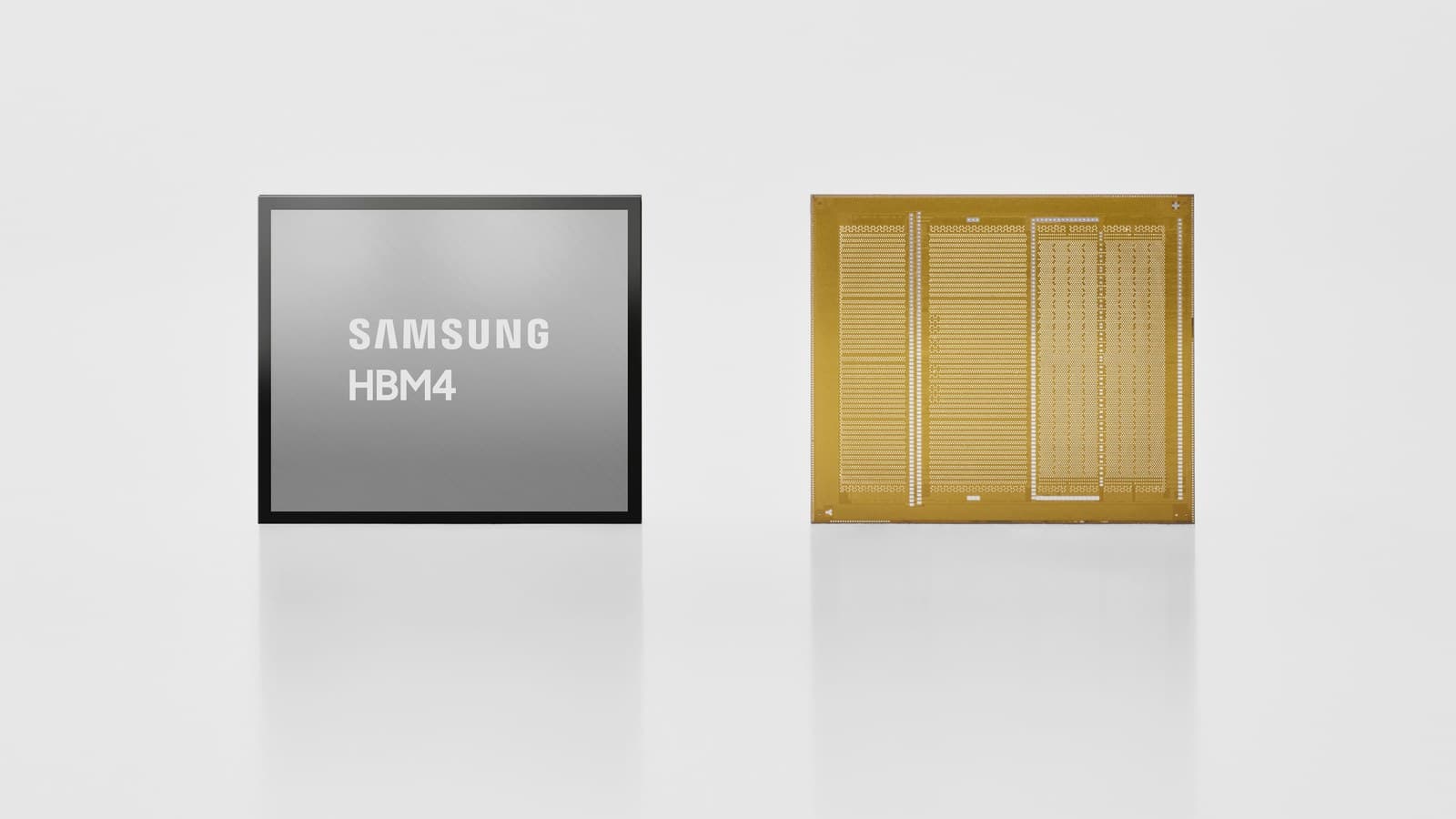
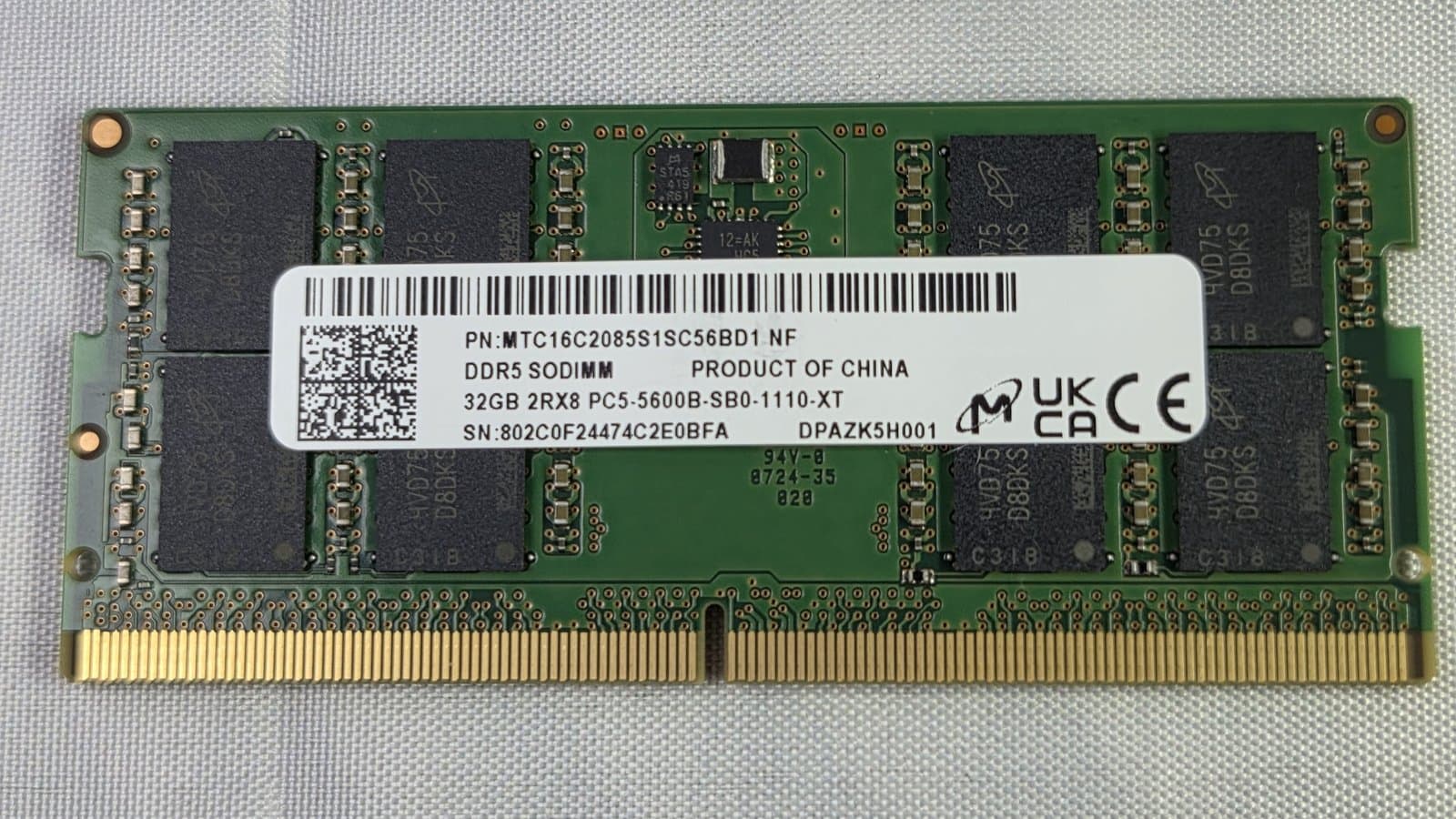
The talks are a direct response to a memory shortage that has become the defining constraint on the hardware industry. High-bandwidth memory for AI accelerators commands the same fabrication capacity as ordinary DRAM, and the three companies that make almost all advanced memory, Samsung, SK Hynix and Micron, have shifted output toward HBM. The result is that phones, laptops and servers are competing for a shrinking pool of standard memory.
Intel chief executive Lip-Bu Tan told an audience at the AI Infrastructure Summit in Santa Clara on September 15 that memory prices have already risen "five, six, and seven times" over prior levels, and that low-cost smartphones and laptops now face a situation where 70 to 80 percent of a device's cost goes to memory. Tan said Intel can currently meet only about 50 percent of customer CPU demand because of component bottlenecks, and he has repeated that there is "no relief until 2028," an estimate he attributes to conversations with the memory makers themselves.
The squeeze is visible in product design. Fairphone chief executive Raymond van Eck told Reuters, via Tom's Hardware, that memory can account for nearly 60 percent of the bill of materials in a phone costing around $400. Counterpoint Research expects global smartphone shipments to fall 13.9 percent this year to 1.08 billion units, which would be the largest annual decline on record. Smaller manufacturers are redesigning boards to accept whatever memory they can source, placing non-cancellable orders without a fixed price, and testing incoming chips to make sure they are not refurbished parts.
What each side gets
For SK Hynix, US production would answer political pressure that has been building for a year. The company already has a $3.8 billion advanced packaging and research facility under construction in West Lafayette, Indiana, but that plant packages DRAM wafers made in Korea into HBM; it does not fabricate the wafers. A site in Ohio would be the company's first American wafer fabrication, something US Commerce Secretary Howard Lutnick has effectively demanded by threatening tariffs of up to 100 percent on Korean and Taiwanese chipmakers that do not build in the United States.
For Intel, a tenant or partner would help justify a project in trouble. Intel announced in 2022 that it would spend up to $100 billion on a complex in Ohio, with production once scheduled for 2025. Completion of the first two plants has since slipped to 2030 and 2031. Intel is part-owned by the US government after last year's rescue, and its foundry business is still trying to prove it can win outside customers. Filling idle capacity with a memory partner would generate revenue without requiring Intel to compete in a market dominated by three larger players.
The cloud-provider option in the second scenario reflects where demand is coming from. Hyperscalers building AI data centres are the buyers most exposed to memory shortages, and a joint venture that includes them would combine Intel's site and packaging with SK Hynix's process technology and guaranteed offtake from the customers who need it most.
Exploratory, not agreed
Reuters' sources stressed that the talks are exploratory and no decisions have been made, and that SK Hynix may pursue other structures. The company later said nothing had been finalised regarding cooperation with any specific company named in the report or regarding US memory production. Treat this as a live negotiation, not a completed deal.
The politics cut both ways
Producing advanced memory outside Korea is sensitive. Reuters' sources said any plan to make HBM, or even DRAM, in the United States could run into opposition from the South Korean government, which classifies such technology as sensitive. South Korea's trade ministry said any decision would be up to SK Hynix, but that technology covered by the country's Industrial Technology Protection Act would be subject to a government review before it could move overseas.
Seoul is also using corporate investment as leverage in a broader negotiation with Washington. South Korea committed $350 billion of investment to the United States last year in exchange for lower tariffs, with $150 billion earmarked for shipbuilding and $200 billion still undecided. Two sources told Reuters that SK Hynix is caught between a Korean government that wants to use any US investment as bargaining leverage and a US administration pressing the company to commit quickly. In parallel, Seoul has urged both SK Hynix and Samsung to accelerate a new domestic chip cluster in the country's southwest, which sets up a direct conflict over where the next tranche of capacity goes.
There is also the question of cost. Building and running a fab in the United States is significantly more expensive than in Korea, according to Reuters' sources, because of higher labour and construction costs and because much of the semiconductor supply chain sits in Asia. That gap is the reason memory fabrication has stayed concentrated in Korea and Taiwan even as logic production has spread.
The wider supply picture
The SK Hynix talks are one thread in a broader scramble. Memory prices have firmed across the market, and Intel is reportedly preparing to raise PC processor prices by around 10 percent on October 5, which would be its third increase since late 2025. Tan said Intel's 18A process is in mass production with yields improving about 7 percent annually, and that the next-generation 14A node is now slated to enter production in the first quarter of 2027. Those roadmap dates matter because any credible US memory plan would also depend on packaging and test capacity that is not yet built.
Consumers are already paying for the shortage indirectly. Budget devices absorb memory cost increases in the worst way, because memory is a larger share of their bill of materials, and the result is fewer models, higher prices and longer replacement cycles. Framework has placed non-cancellable orders months ahead at unknown prices, and Jolla has designed two motherboard variants so it can switch between combined and discrete memory packages depending on availability.
A supply chain that runs through Asia
Advanced memory production is one of the most concentrated parts of the semiconductor industry. Samsung, SK Hynix and Micron make nearly all of the world's DRAM and the high-bandwidth memory that AI accelerators require, and SK Hynix has led the HBM market through the current AI build-out. Micron is the only one of the three with substantial US manufacturing, and it has been expanding domestic capacity, which is part of why a Korean company fabricating wafers in Ohio would mark a genuine change rather than a rounding error.
A US fab would not, on its own, fix the shortage. Memory fabs take years to build and qualify, and the equipment and materials supply chain is concentrated in Asia, so even an approved project would not add meaningful output until the end of the decade. That timeline is consistent with Tan's expectation of no relief before 2028, and it is why the deal is better understood as positioning for the next cycle than as a response to this one.
The joint-venture scenario adds another layer. Including cloud providers as partners would tie memory production directly to the customers whose AI data-centre build-outs are driving demand, giving the plant committed offtake before it is built. That model has become common in the power sector, where data-centre operators now sign long-term agreements to secure electricity. Memory is moving in the same direction: from a spot market into a set of long-term reservations.
What to watch
The first signal will be whether the talks produce a concrete structure, a lease, a joint venture, or nothing, and how SK Hynix describes the technology involved. Any mention of HBM or advanced DRAM raises the odds of a Korean government review and a longer timeline. The second is Intel's Ohio schedule, which is the asset at the centre of the reported deal and the clearest measure of whether Intel can turn a costly, delayed project into something that earns revenue before the next decade. The third is Washington's tariff posture. If the threat of 100 percent tariffs holds, SK Hynix and Samsung face a straightforward choice between building American capacity and paying to ship into the US market. Either way, relief for device buyers is not expected before 2028, and the industry is now planning around that date rather than hoping it slips.
Tags

TPW Editorial
Editorial Team
TechPastWeek's editorial team reports and edits every story we publish. We research each piece against primary and credible secondary sources, and a human editor reviews and signs off before it goes live.