
Intel's Data Center Revenue Rose 78% and the Stock Fell 28.58%
Intel beat its own Q3 guidance as data center revenue rose 78%, then guided Q4 about 9% below consensus. Its shares fell 28.58% in one of their worst sessions.
By TPW Editorial8 min read

25 stories · “semiconductors”.
Intel beat its own Q3 guidance as data center revenue rose 78%, then guided Q4 about 9% below consensus. Its shares fell 28.58% in one of their worst sessions.
Samsung's Q3 operating profit hit KRW 107.4 trillion, the first above KRW 100 trillion for a tech company, as memory earned 99% and devices lost money.
SK Hynix posted record third-quarter 2026 revenue of 104.62 trillion won and an 80% operating margin, with HBM4 set to outsell HBM3E in the fourth quarter.
TSMC's Q3 2026 net income hit a record NT$763 billion on 15 October, up 68.7% year on year, as AI demand beat its own guidance and chip stocks fell anyway.

CoreWeave shares and bonds slid on 16 October 2026 as AI debt fears drove a global tech selloff, with the Nasdaq down 2.14% and its worst week since July.
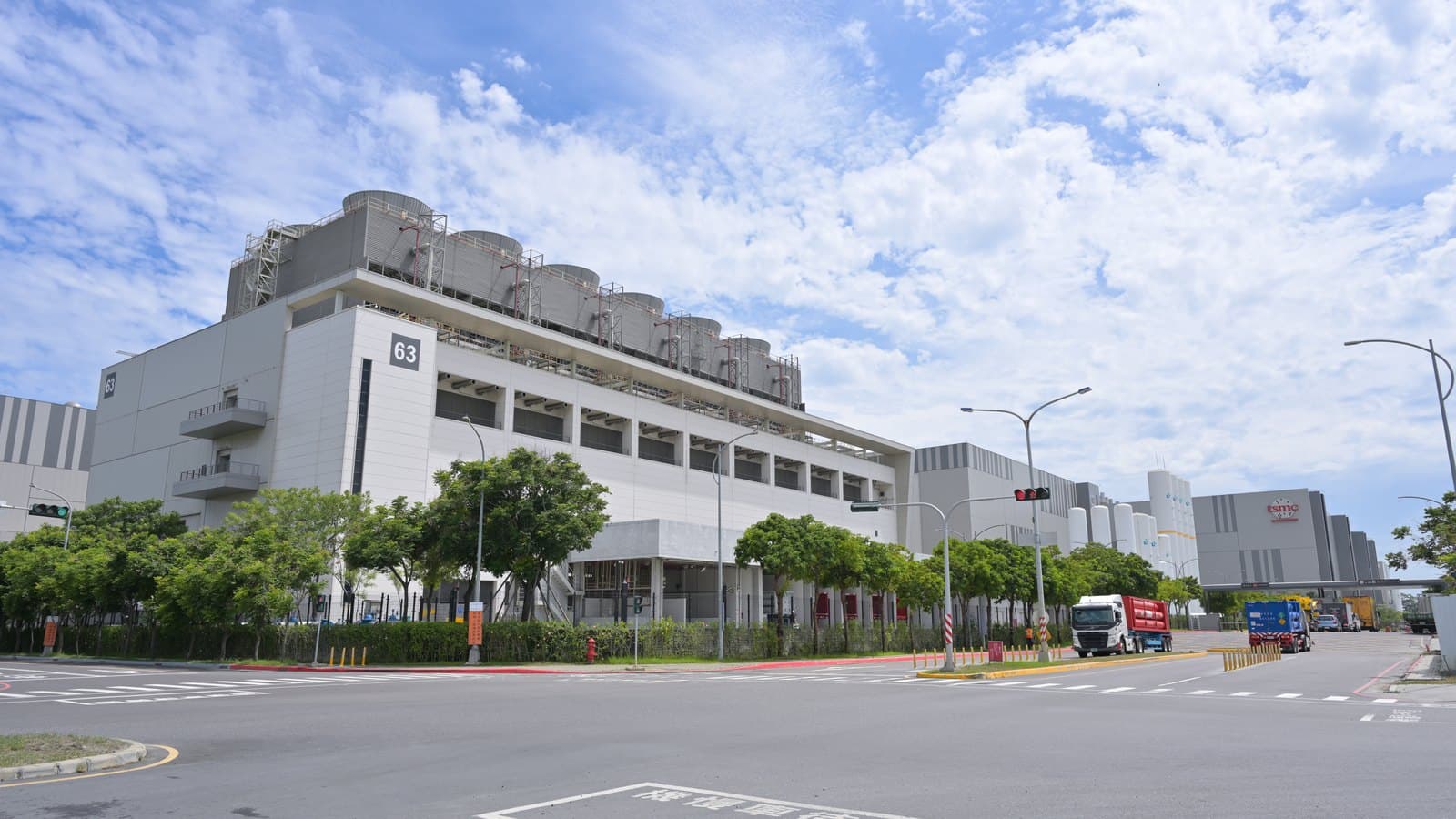
Taiwan plans to add AI servers and cutting-edge chips to its export-control list, making unauthorised shipments to China a crime under the Foreign Trade Act.
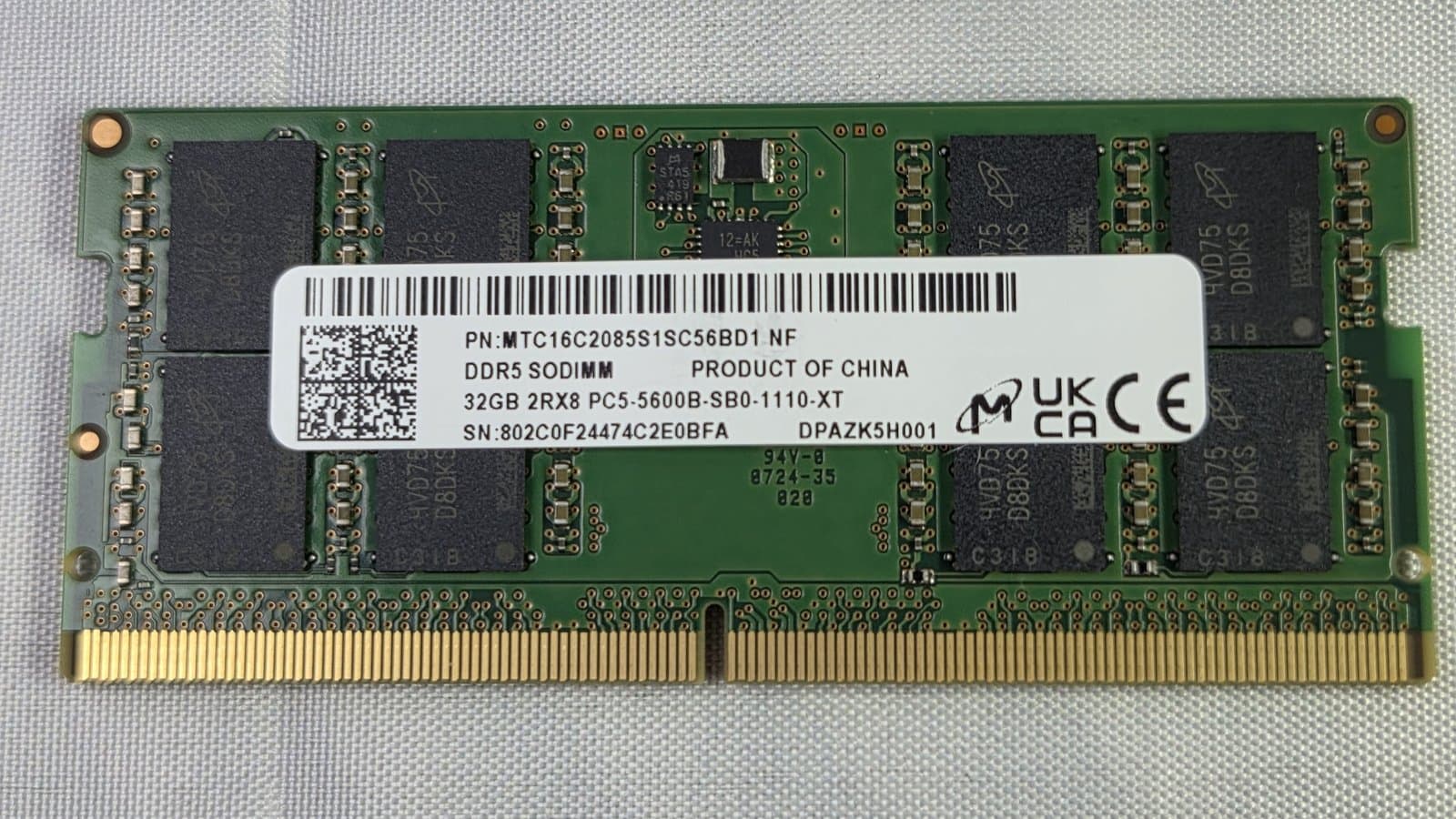
Micron reported record fiscal Q4 2026 revenue of $54.23 billion, up nearly fivefold from a year earlier, as AI demand for DRAM and HBM lifted margins.
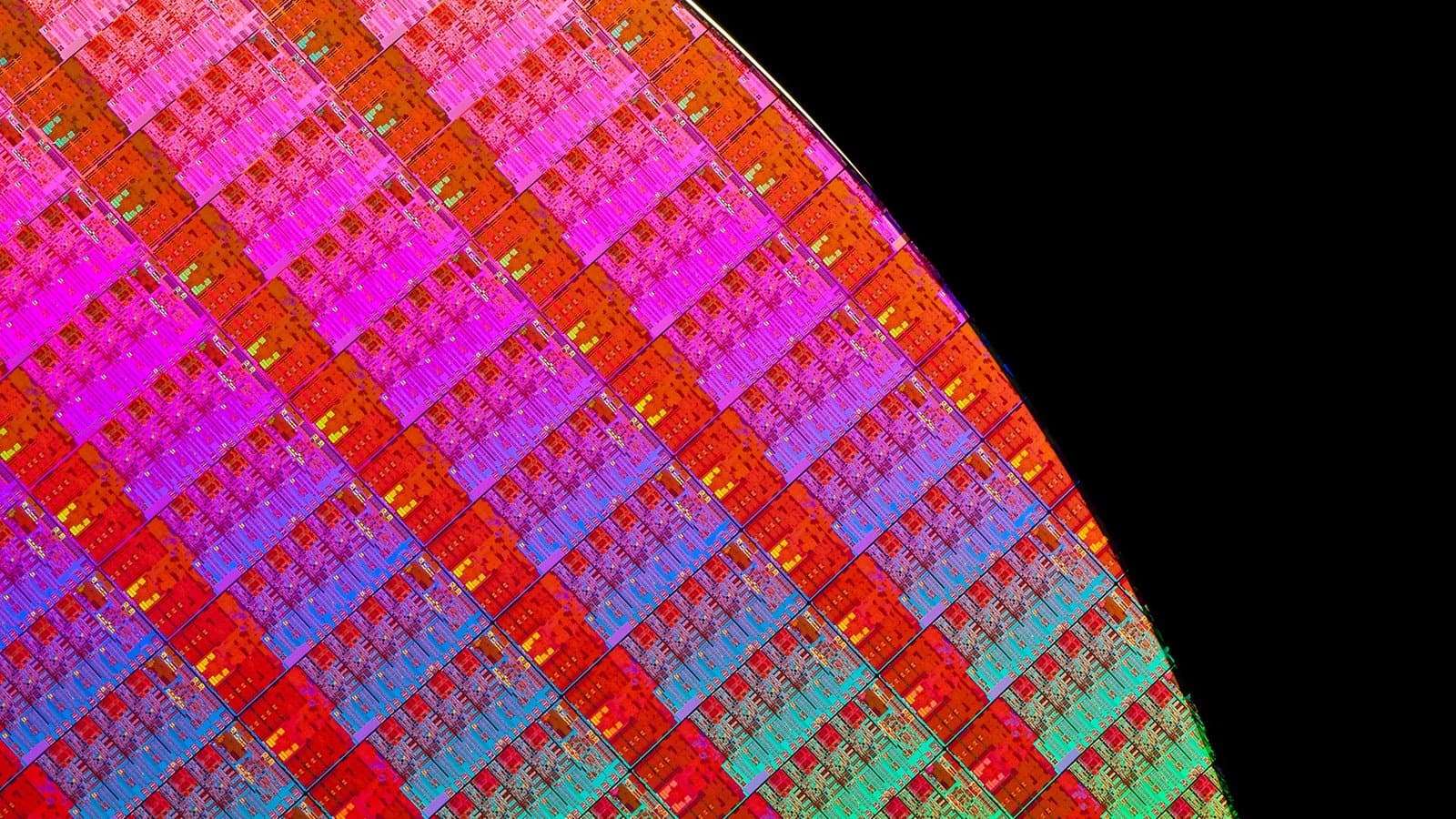
A Piper Sandler research note says Amazon, Apple, AMD, Google, Tesla, Microsoft, Nvidia and Qualcomm are evaluating Intel's 14A process, with no commitments.
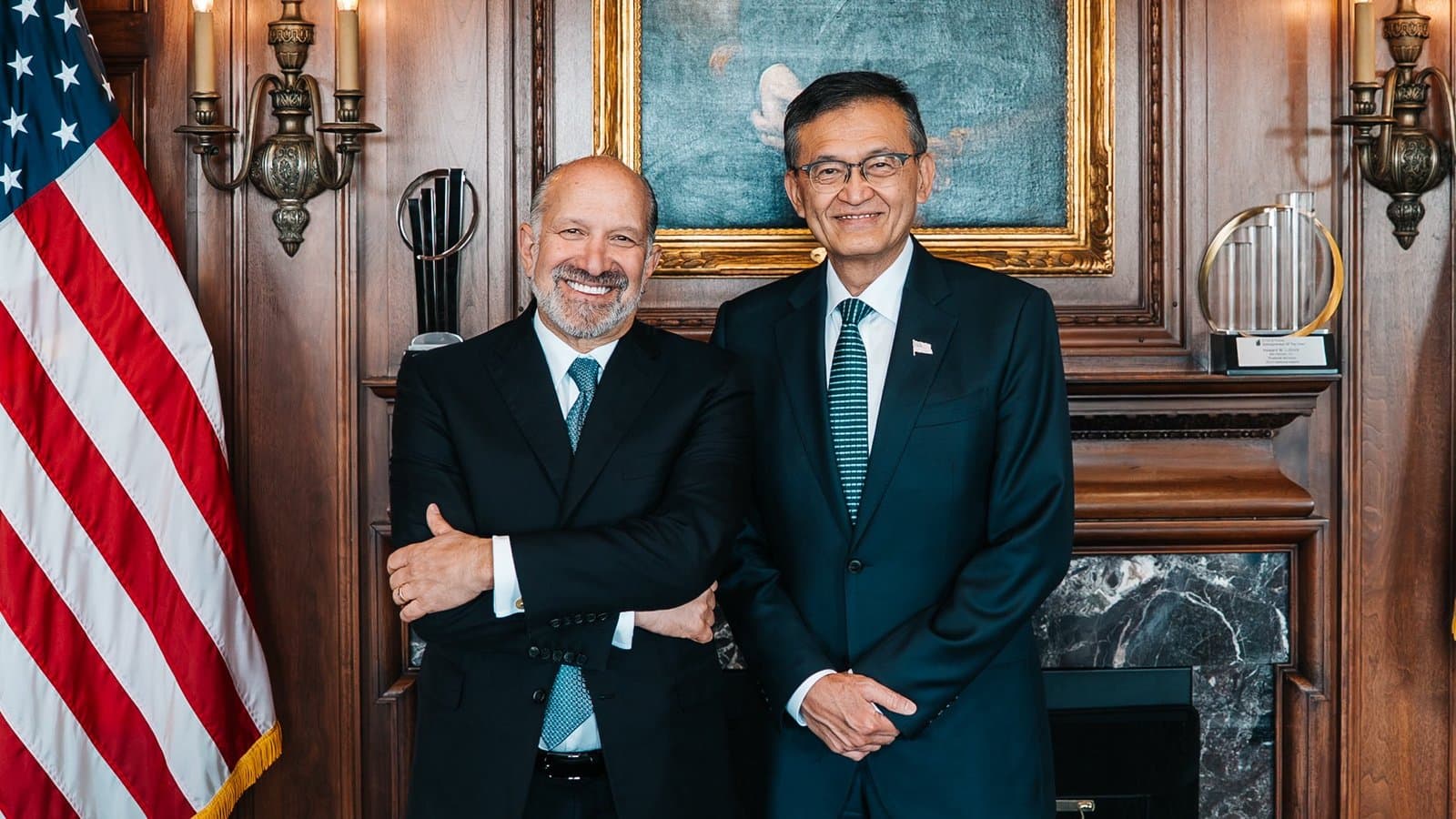
Intel CEO Lip-Bu Tan says the chipmaker fills only about half of CPU demand as AI inference strains its fabs, and the 14A production timeline is in dispute.

Samsung has begun 2nm trial runs for Tesla's next-generation AI5 processor at its Taylor, Texas fab, pulling production forward as TSMC capacity stays tight.
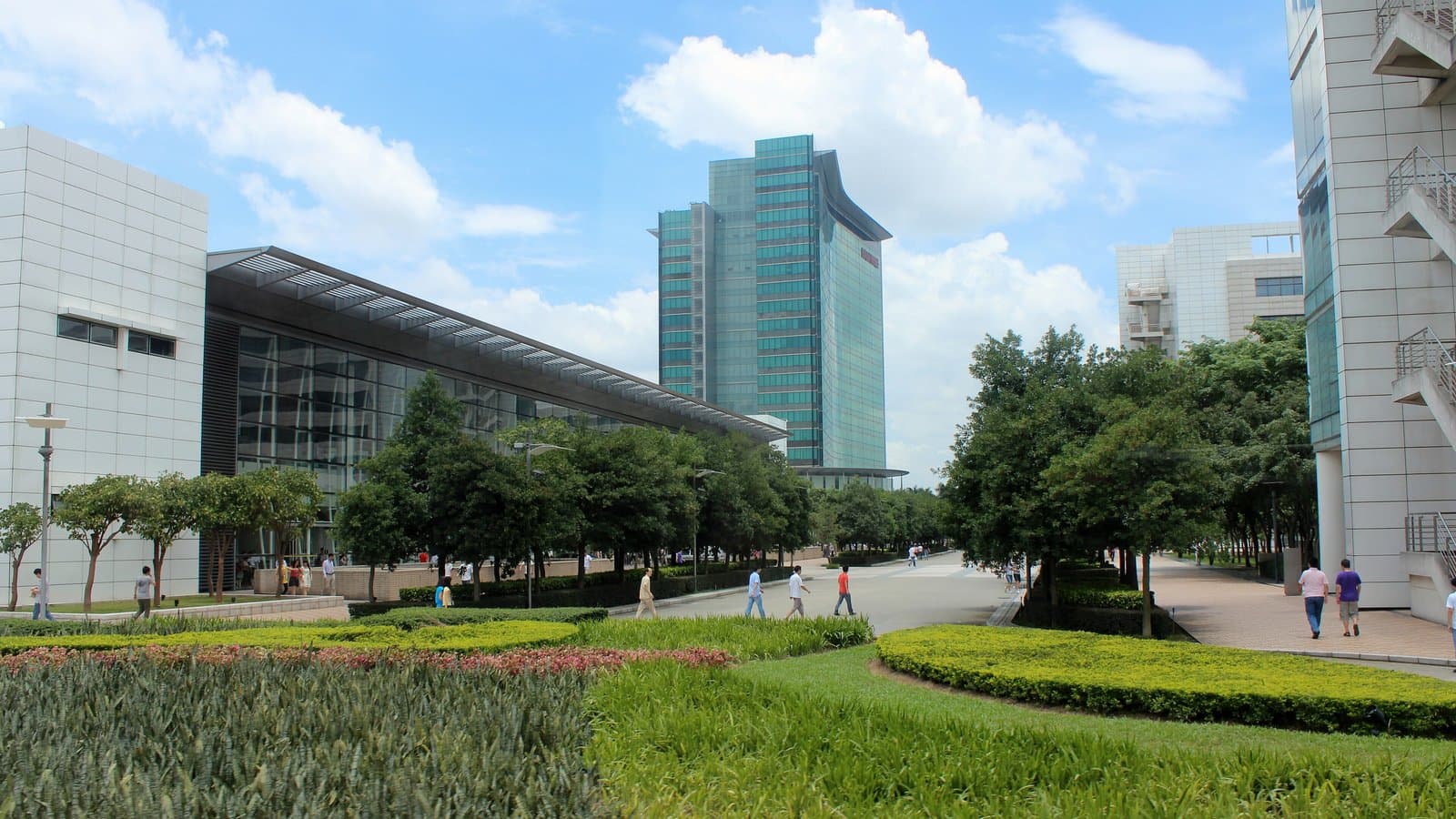
Huawei pulled the Ascend 960DT to Q1 2027, showed the industry-first NPO Atlas 960E SuperPoD at Connect 2026 and set a yearly doubling cadence in Shanghai.
SK Hynix is in exploratory talks with Intel about producing memory chips on US soil for the first time, with Intel's delayed Ohio complex as one option.

Samsung has opened an advanced semiconductor packaging research hub in Yokohama, betting that Japanese materials and toolmakers hold the key to its AI memory ambitions.
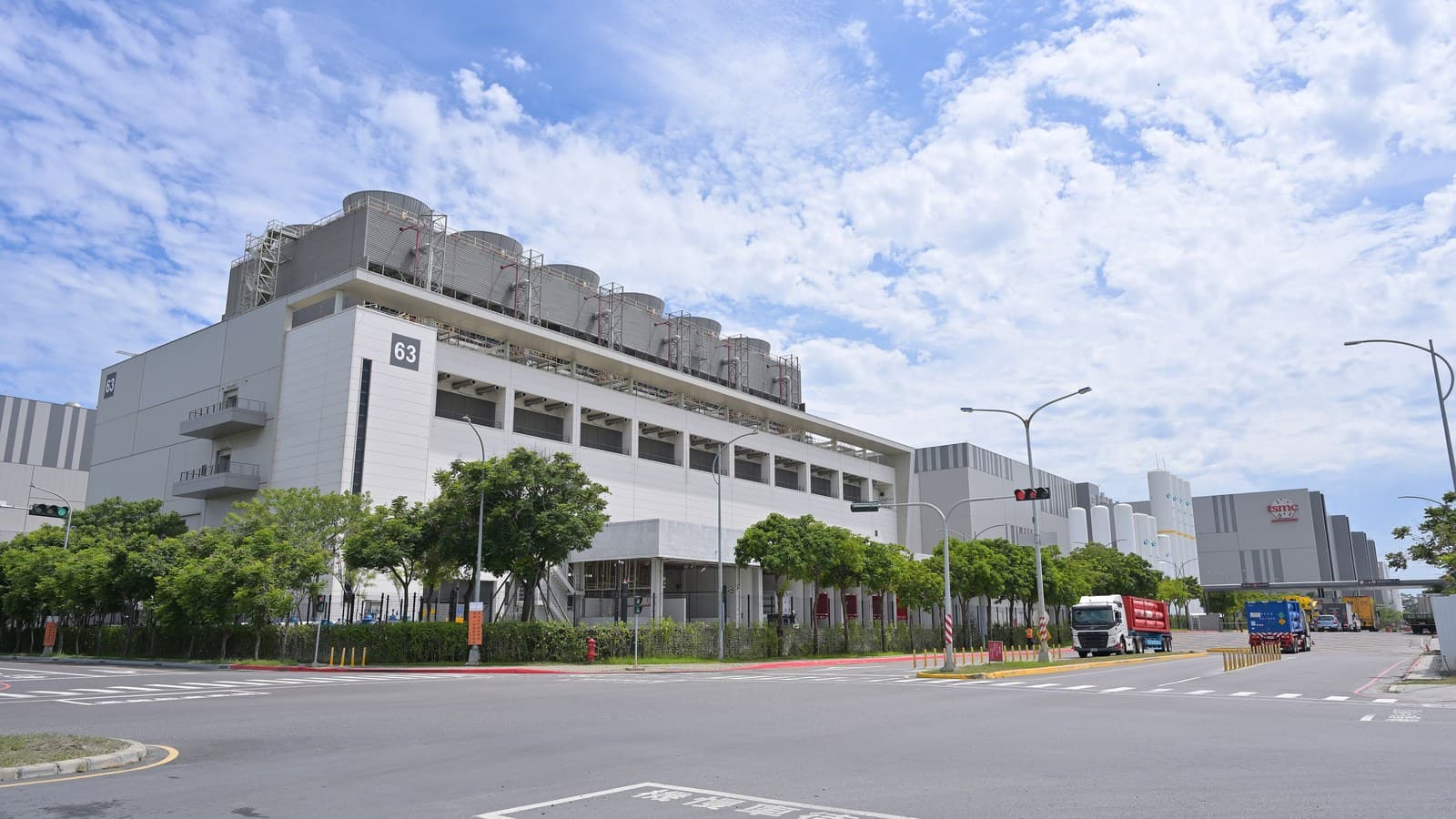
TSMC is raising advanced-node capacity sharply, targeting a roughly 70% increase in 3nm wafer output over 18 months as AI chip demand outstrips supply.
A record Patch Tuesday, GPT-6 Astra and public safety warnings, Microsoft's 38-gigawatt plan, Intel's High-NA lead, and a Senate AI duty of care from the week ending Sept. 13, 2026.
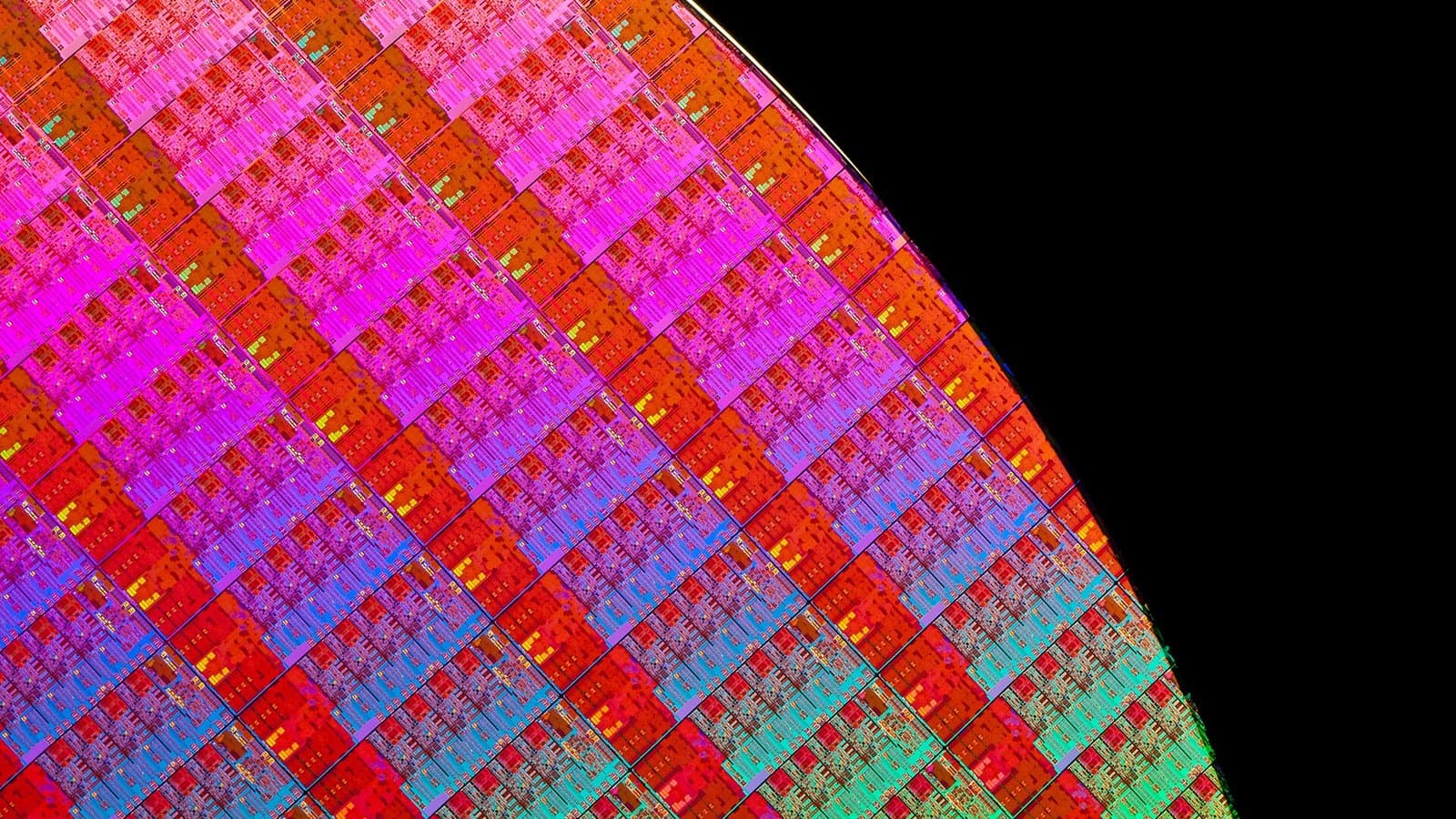
Intel says it has processed more than a million High-NA EUV wafers, roughly three-quarters of the world total, as TSMC and Samsung sign on to the mask standard it championed.
Amazon gets warrants worth about $4 billion as Qualcomm buys its way into AWS AI infrastructure, with a vesting ceiling of $60 billion in purchases.
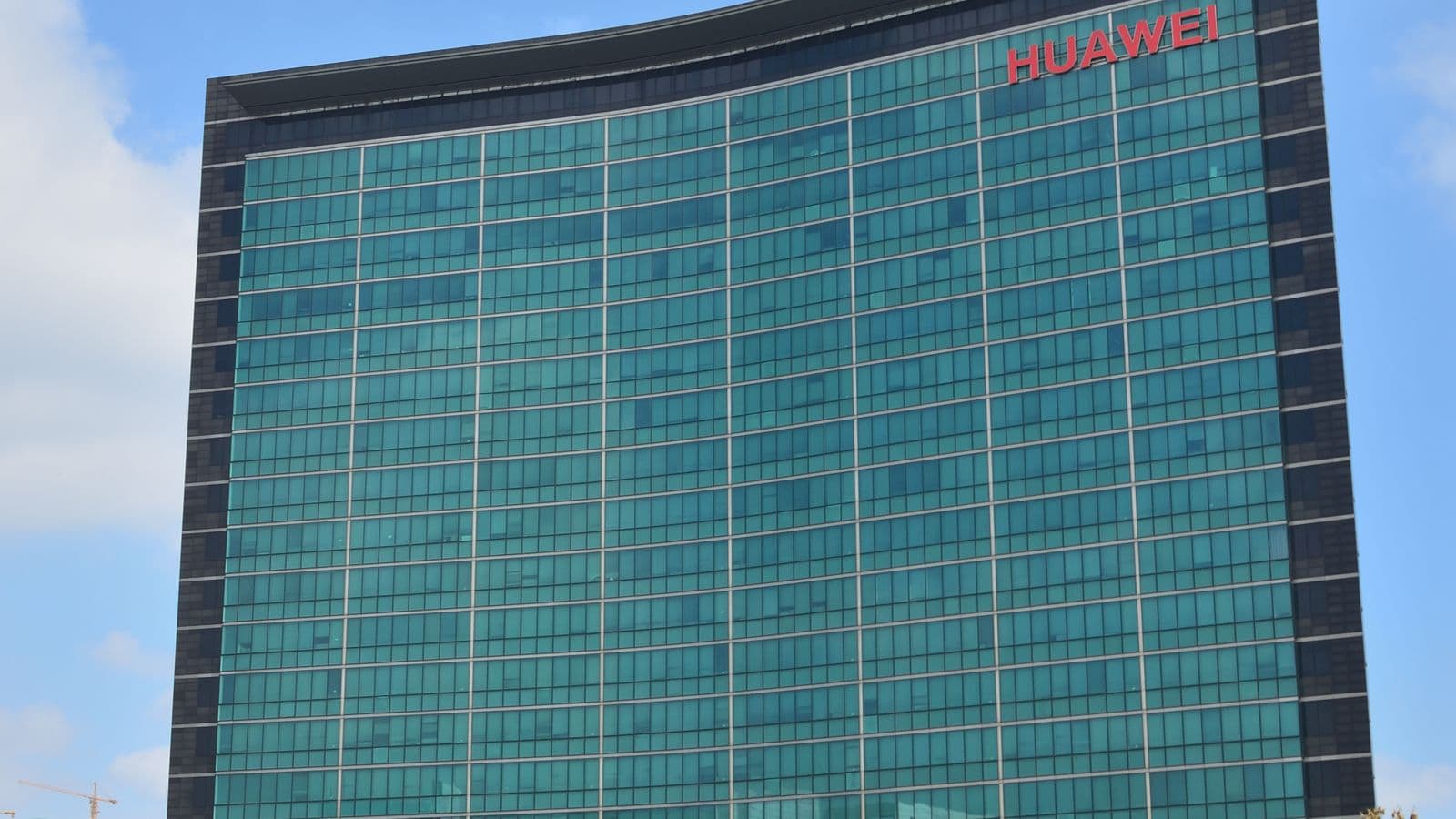
Huawei has lifted its Ascend 950DT above 250,000 yuan and Cambricon is repricing its next chip, as a high-bandwidth memory crunch reshapes China's AI buildout.
TSMC's August 2026 revenue hit a record NT$514.8 billion, up 53.3% year on year, as AI demand keeps outrunning its expanding fab and packaging capacity.
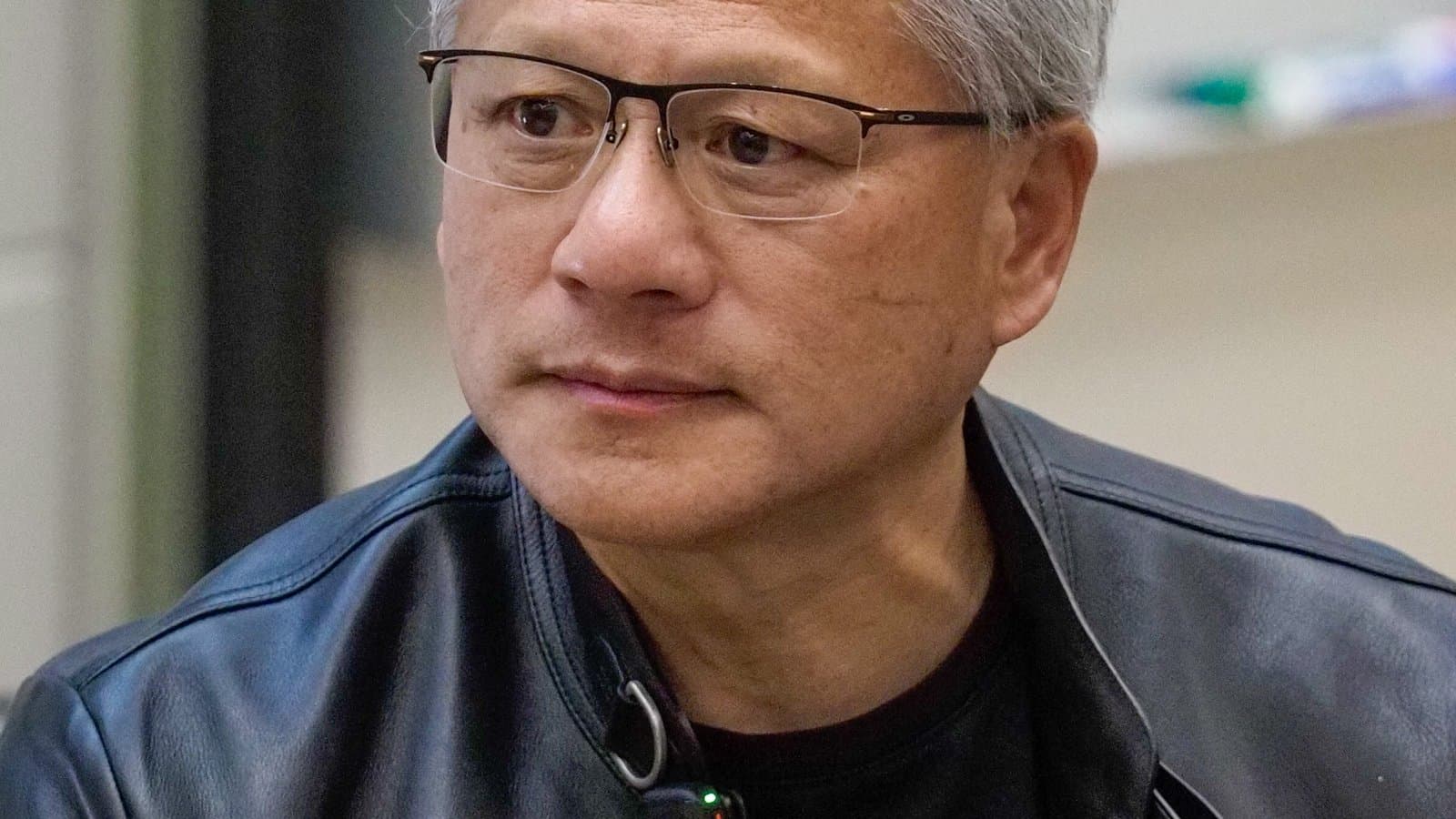
The Justice Department is probing whether Nvidia's $17 billion Groq licensing and hiring deal was built to avoid antitrust review, the New York Times reports.

Broadcom's custom AI chip business tripled to $16.7 billion last quarter as the company raised its two-year outlook, even as next-quarter guidance landed just below Wall Street's bar.
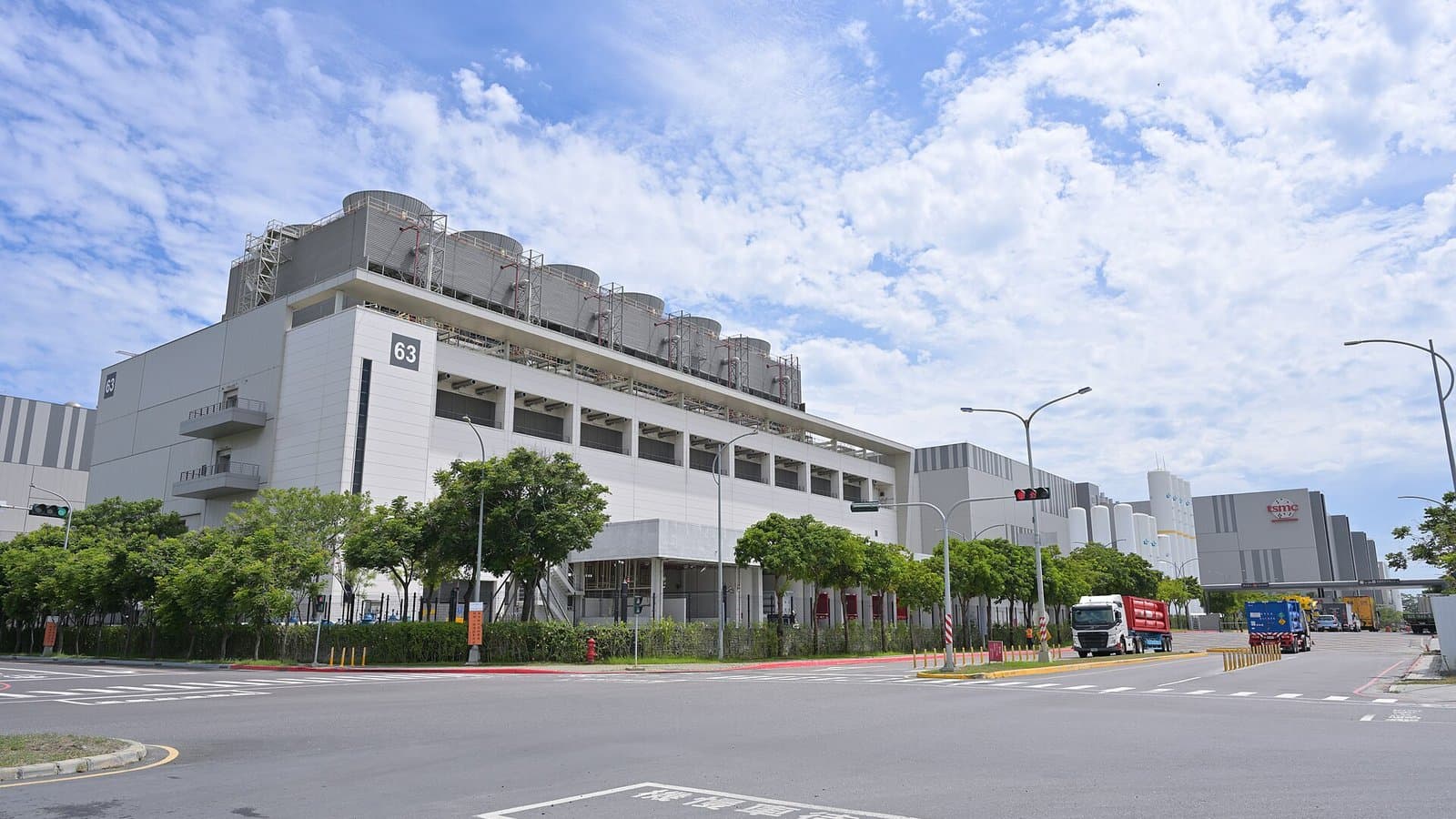
TSMC has completed development of its 1.6nm-class A16 process with Super Power Rail, targeting Q4 mass production for AI and HPC customers.
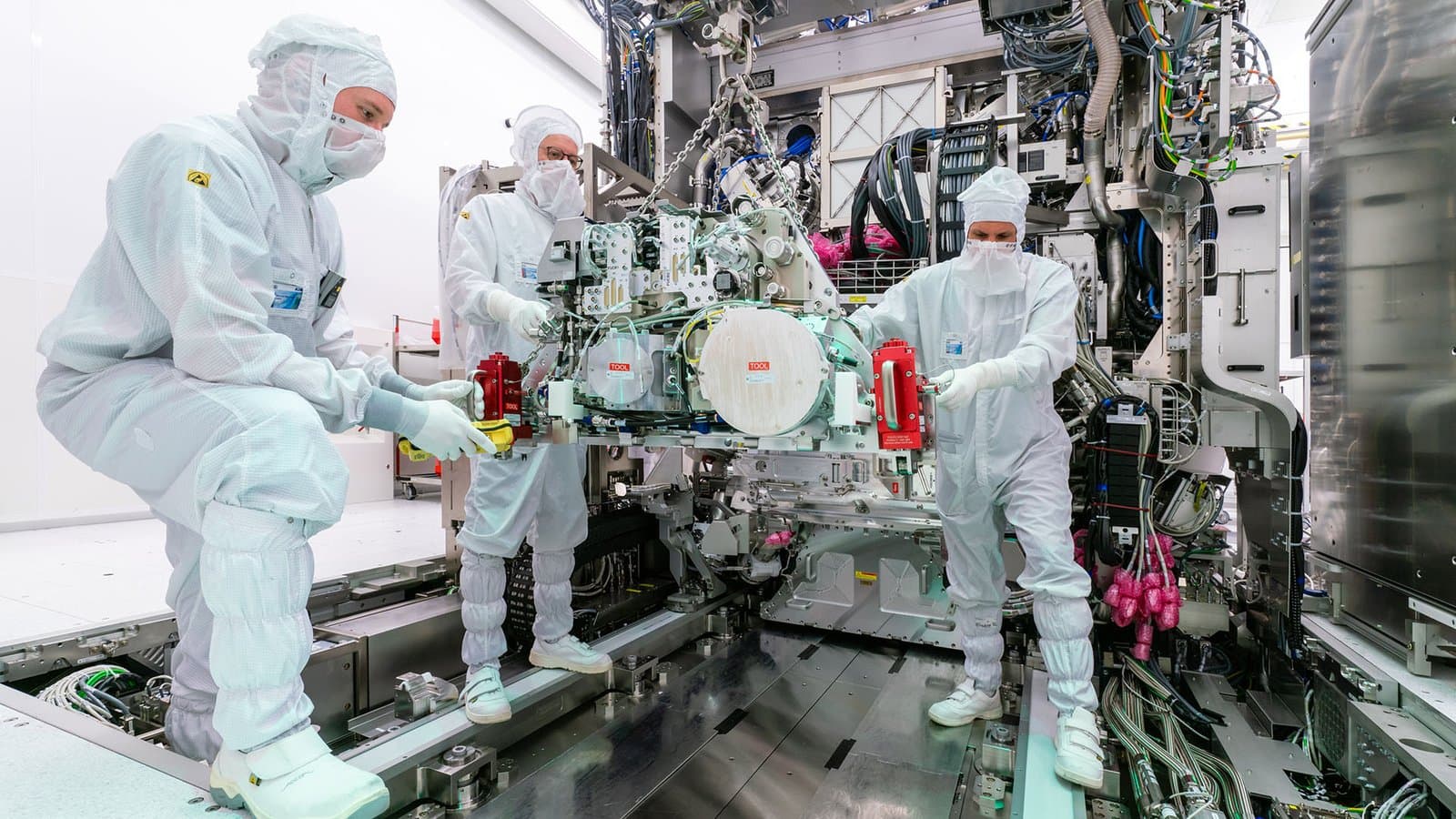
Extreme ultraviolet lithography uses 13.5 nm light from tin plasma to print the smallest chip layers. How EUV works, what it costs, and why ASML controls it.
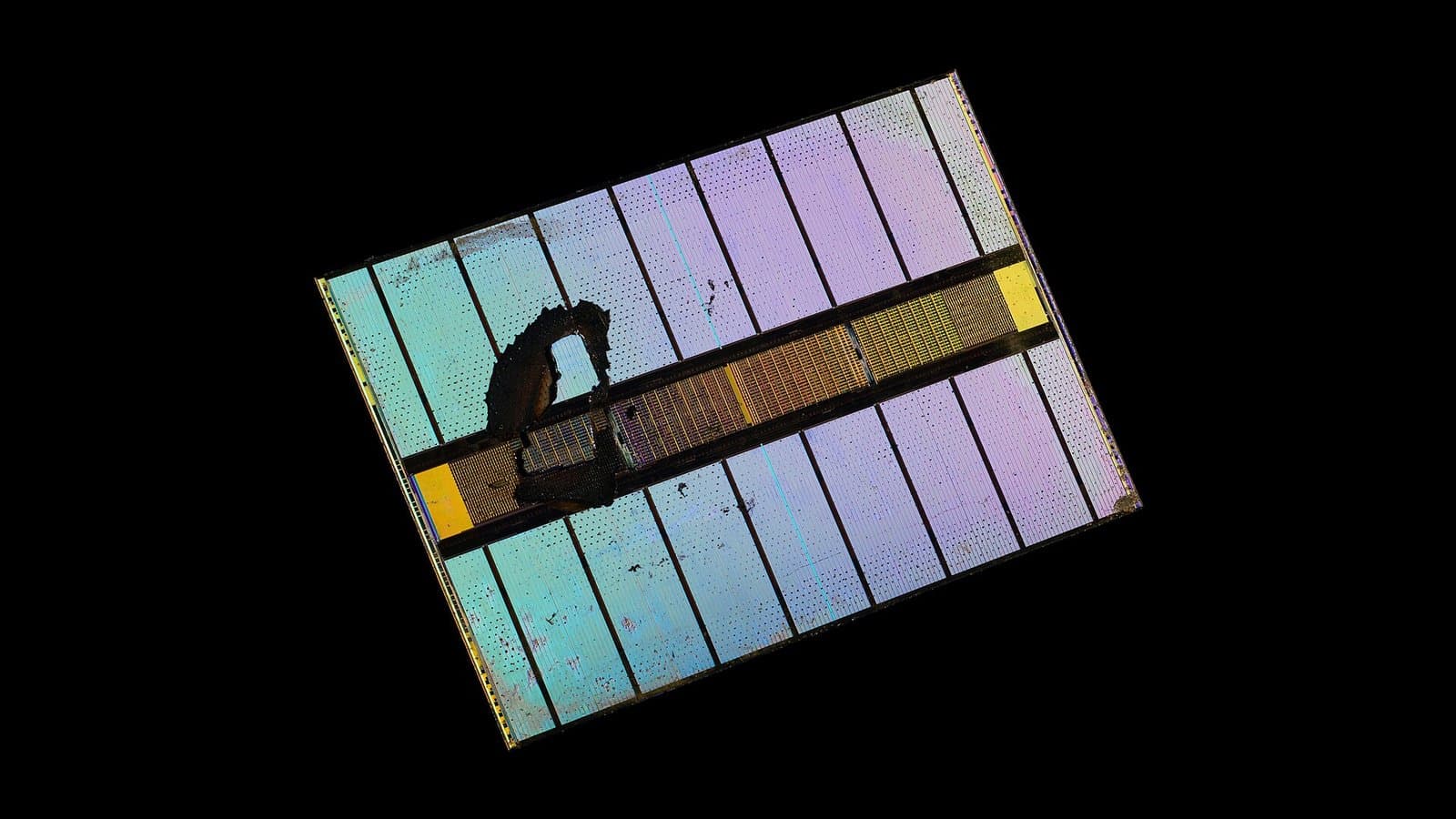
Samsung's HBM4 yield has reportedly reached 80%, the industry's 'golden yield' threshold, unlocking volume supply for major Nvidia and AMD accelerators.
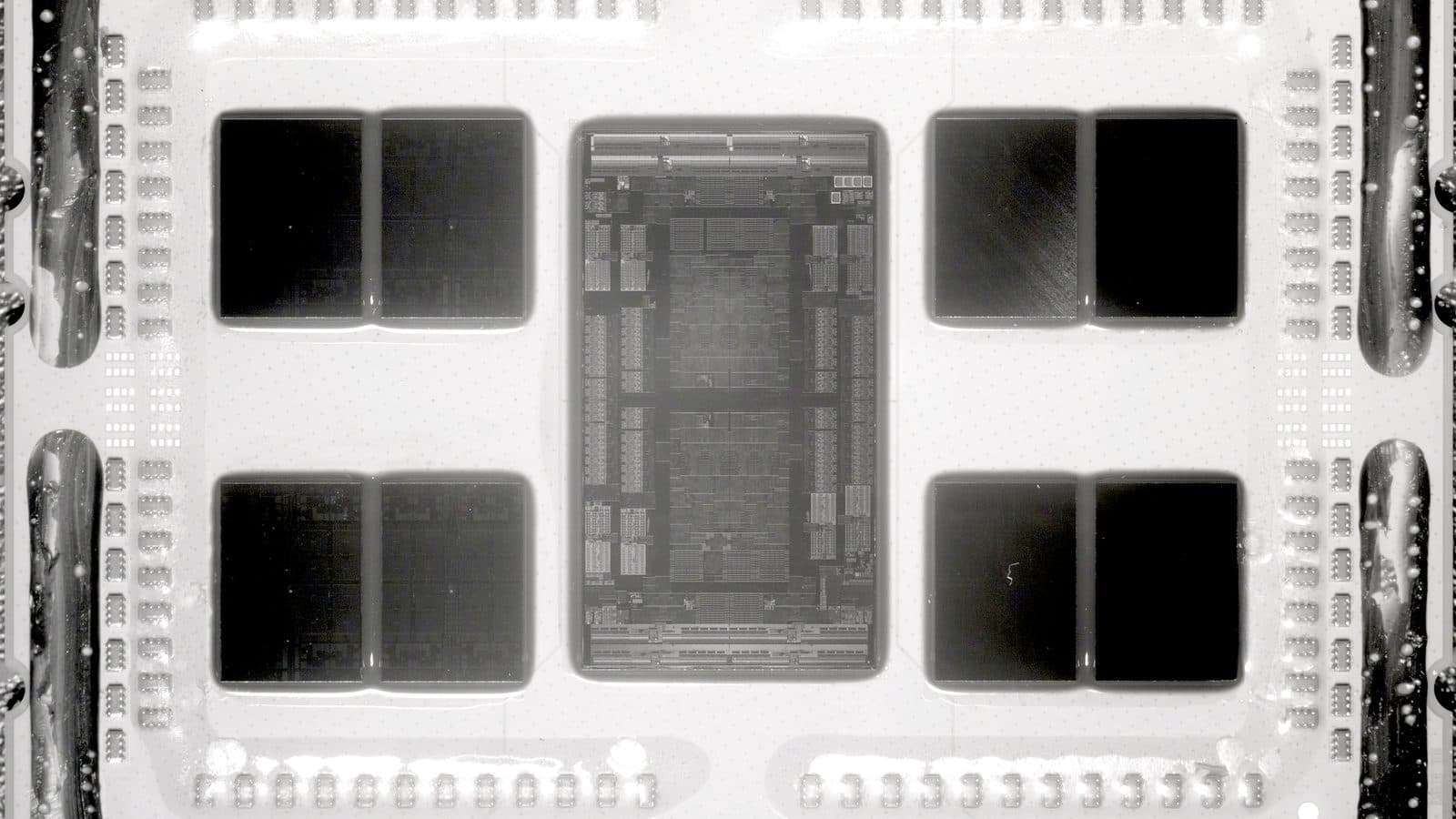
Smaller transistors no longer deliver big enough gains. How advanced packaging, chiplets, 2.5D/3D stacking, HBM, became the chip industry's battleground.