DOJ Probes Whether Nvidia's Groq Deal Was Built to Avoid Antitrust Review
The Justice Department is probing whether Nvidia's $17 billion Groq licensing and hiring deal was built to avoid antitrust review, the New York Times reports.

On this page
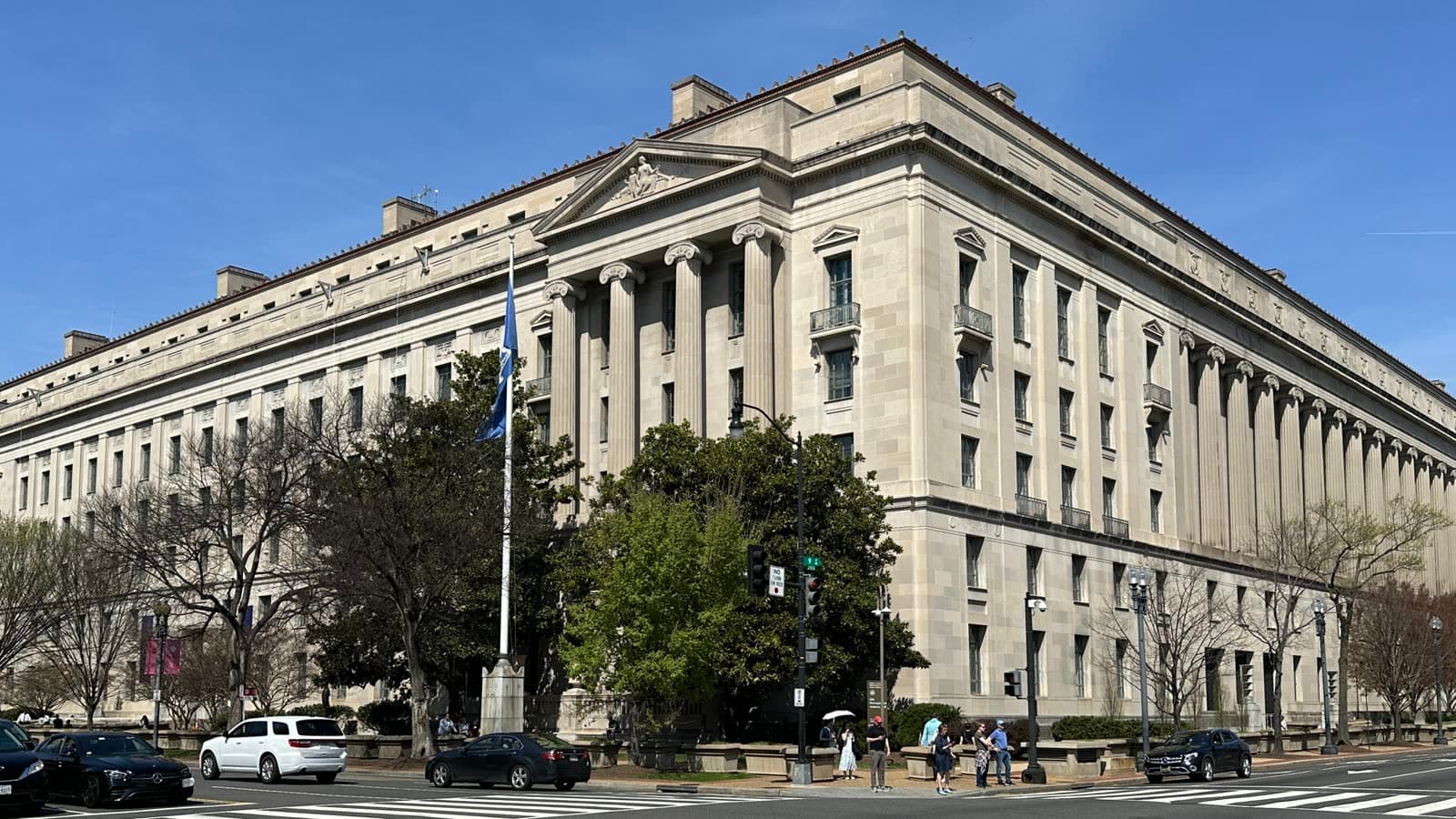
The U.S. Department of Justice is investigating whether Nvidia deliberately structured its December 2025 deal with AI chip startup Groq to stay below the threshold of federal antitrust review, according to a New York Times report published on September 9. Investigators have sent Nvidia a formal request for information, the paper said, citing two people familiar with the matter. Neither the Justice Department nor Groq would comment, and the department declined to confirm that an inquiry exists.
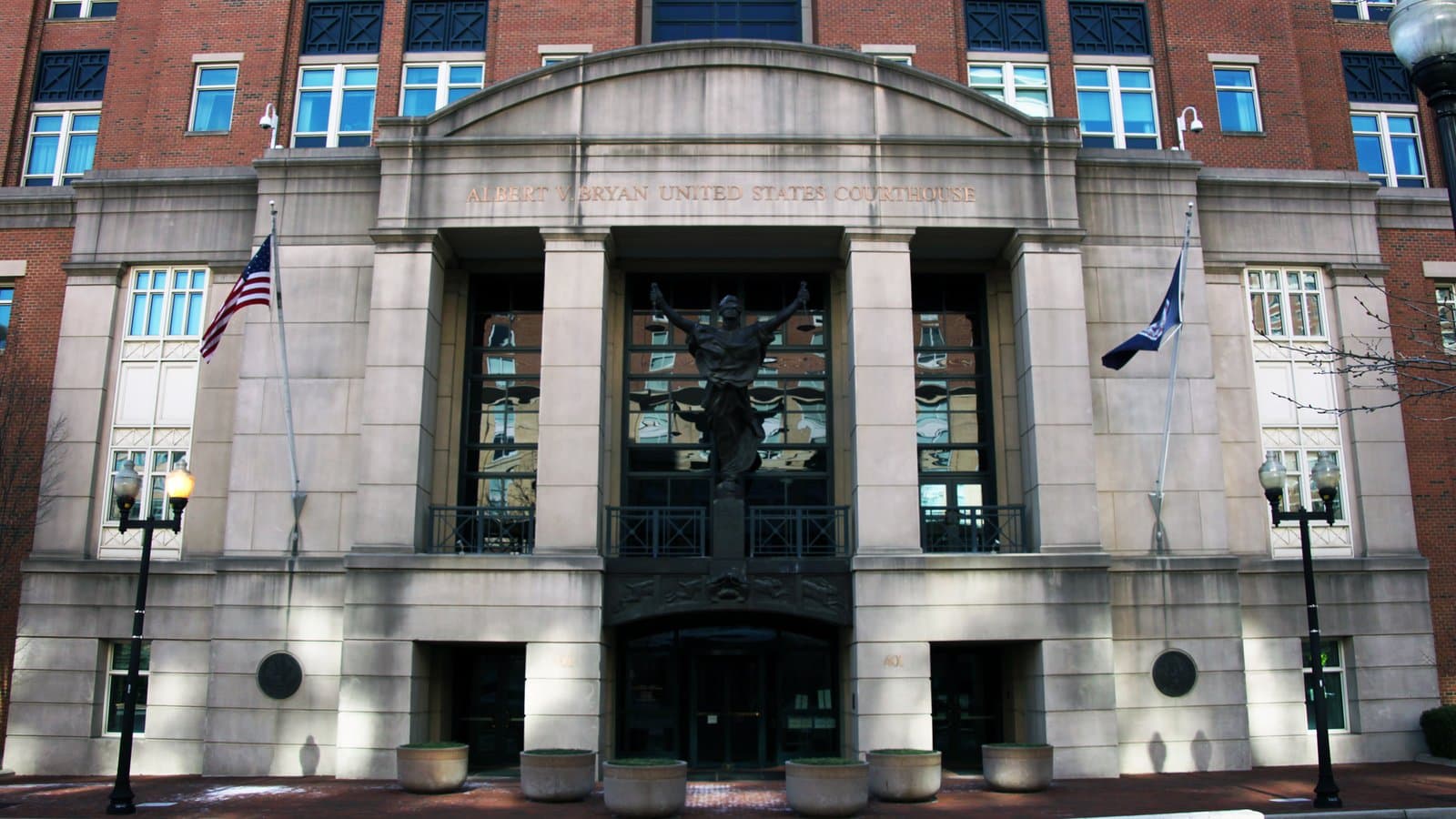
Related reading: U.S. Charges California Tech CEO in Alleged $300 Million Nvidia Server Smuggling Case · Judge Brinkema Spares Google an Ad-Tech Breakup, Orders Prebid Interoperability.
The timing is notable. The deal was announced more than nine months ago and was publicly framed as a licensing arrangement rather than an acquisition. The inquiry appears to be asking a narrower question than whether the deal harmed competition: whether Nvidia chose the structure precisely because it avoided the paperwork and delay that a conventional merger would have triggered.
Nvidia pushed back firmly. "The Groq story is a prime example of the American system working as designed to promote innovation, reward entrepreneurs, and benefit consumers," a company spokesperson said in a statement to Reuters. Reuters reported that the agency could fine Nvidia if it finds the deal was mishandled, but that it is unlikely to seek to unwind the transaction.
What Nvidia actually bought
The arrangement was announced on December 24, 2025. In its own announcement, Groq said it had entered into a non-exclusive licensing agreement with Nvidia covering its inference technology. As part of the deal, Groq founder Jonathan Ross and president Sunny Madra, along with other employees, moved to Nvidia "to help advance and scale the licensed technology." Groq said it would "continue to operate as an independent company," with finance chief Simon Edwards becoming chief executive, and that its GroqCloud service would keep running without interruption.
That framing (a license, a handful of hires and a startup left standing) is what makes the transaction unusual. Nvidia did not purchase Groq's customer contracts, existing products or equity interests, it told TechTarget. What it paid for was the technology and the team behind it.
The price is reported differently depending on what is counted. The Times and Reuters describe a $17 billion deal. The Wall Street Journal, CNBC and a March 2026 letter from two U.S. senators put it closer to $20 billion, and Nvidia's securities disclosures suggest that higher figure reflects the full package: according to TechTarget, $13 billion in cash at closing, another $4 billion payable within a year and a $2.5 billion developed-technology intangible asset, plus stock awards for the employees who joined. The $17 billion figure corresponds most closely to the cash portion.
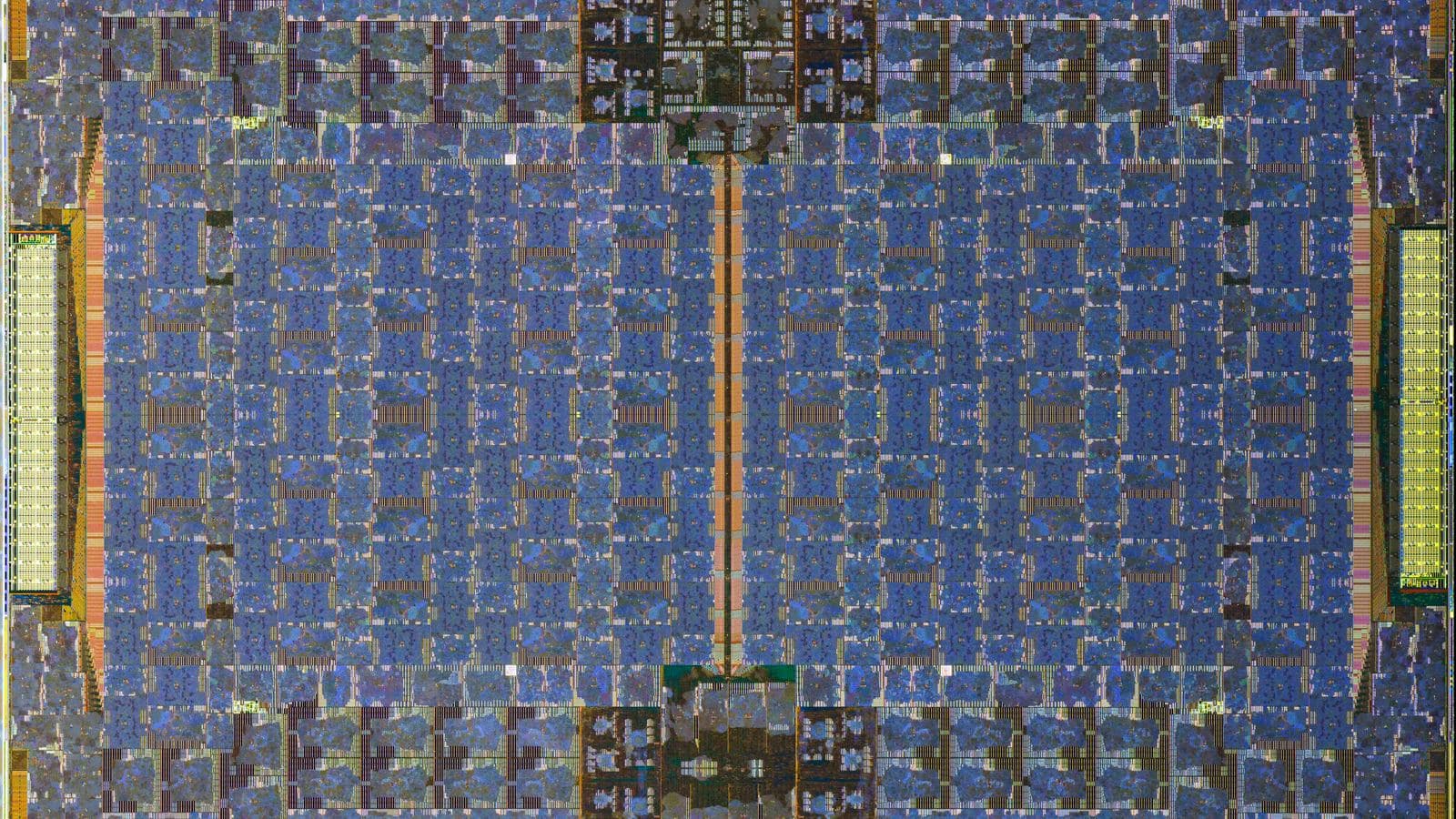
The strategic logic was clear. Groq built the Language Processing Unit, or LPU, a chip designed to run AI models (the process known as inference) at low latency, and it had been positioning itself as an alternative to Nvidia's GPUs. Nvidia folded the licensed technology into its own roadmap. At its GTC conference in March 2026 it introduced the Groq 3 LPX, an inference accelerator for its Vera Rubin platform, and a rack-scale version has since entered full production. A competitor's point of differentiation became an Nvidia product line.
Why the structure is the issue
Under the Hart-Scott-Rodino Antitrust Improvements Act, companies planning a large acquisition must notify the government and wait out a review period. Licensing agreements and hiring decisions generally do not trigger that obligation. That gap is where the Nvidia-Groq deal sits, and it is why the structure, rather than the price, is the focus of the reported inquiry.
"The issue it raises is whether this is in some sense an acquisition in sheep's clothing," David Pearl, a partner at the law firm Herbert Smith Freehills Kramer, told TechTarget. Pearl said the question for regulators is whether the deal was structured as a license and hiring arrangement because the Hart-Scott-Rodino law does not cover such transactions, or whether it had legitimate business reasons.
What Hart-Scott-Rodino covers
The 1976 Hart-Scott-Rodino Act requires parties to large mergers and acquisitions to file premerger notification forms with the FTC and the DOJ's Antitrust Division and to observe a waiting period before closing. Pure licensing deals and ordinary hiring are not reportable transactions, which is what makes the licensing-plus-hiring structure attractive to companies that want another firm's technology and talent without a formal merger review.
The concern is not hypothetical. In March 2026, the Justice Department's acting antitrust chief told Reuters that such "acquihires" are a warning sign. "When I see conduct that appears aimed to circumvent that process, as a litigator, as an enforcer, that's more of a red flag to me than if you had just participated and complied," said Acting Assistant Attorney General Omeed Assefi. He declined to discuss specific companies, but Reuters' account of his remarks cited the Nvidia-Groq deal directly.
"Even if Groq remains technically independent, if the reality is that it exists now only to serve Nvidia, I suspect DOJ would view that as evidence that the transaction was a de facto acquisition." — David Pearl, Herbert Smith Freehills Kramer
Lawmakers had already raised the same question. In a March letter, Senators Elizabeth Warren and Richard Blumenthal asked Nvidia why it had licensed Groq's technology and hired its key employees rather than acquiring the company, and said the arrangement appeared "structured to evade scrutiny by antitrust regulators." They and Senator Ron Wyden separately urged the DOJ and the Federal Trade Commission to examine similar arrangements across big technology.
Nvidia has used the play before. In September 2025 it spent more than $900 million to hire the chief executive of AI hardware startup Enfabrica and license its technology, CNBC reported at the time. The pattern is common across the industry: Google's deal for Character.AI, Microsoft's for Inflection and Amazon's for Adept all combined a license with the transfer of a founding team while leaving a smaller company behind. Antitrust scholars call these "quasi-mergers," and they have become one of the more contentious questions in competition policy because they can absorb a potential rival without ever producing a merger filing.
Why it matters beyond one deal
Nvidia is one of the world's most valuable public companies and supplies the chips that much of the AI industry depends on. Its market position, and the expectation that inference (running models rather than training them) will become the larger part of AI computing, make any move to fold in an inference rival worth watching. If the Groq deal stands without consequences, it becomes a template. If it draws a penalty or a consent agreement, it becomes a cautionary tale.
The inquiry also lands in a broader enforcement moment. The FTC has been examining big technology's talent acquisitions, and the DOJ has taken an interest in quasi-mergers before, including Google's arrangement with Character.AI. Nvidia is separately seeking to buy the open-model repository Hugging Face for $12.9 billion, a proposed transaction that would face ordinary merger review and that the company has described as part of a wider effort to deepen its AI ecosystem. Regulators now have two Nvidia deals to consider, one conventional and one not.
The stakes extend well past Groq. Nvidia has spent the past two years assembling an unusually broad position across the AI stack: a reported $100 billion investment in OpenAI, a stake in Intel, and a string of hardware and software deals that have made its chips the default platform for training and serving models. The companies that buy inference capacity (cloud providers, model developers and enterprises) have a direct interest in whether alternatives such as Groq's LPU remain viable. A licensing deal that removes an independent supplier from the market, even without a formal acquisition, is precisely the kind of outcome competition regulators say they want to examine.
There is a practical question behind the legal one. If large technology companies can acquire a startup's best people and core technology through a license, the antitrust review system loses much of its ability to examine the resulting concentration of power. That is the theory the DOJ is reportedly testing. The agency's reported reluctance to seek to unwind the deal suggests the more likely outcome is a fine or an agreement governing future conduct, for example, a commitment to notify enforcers about similar transactions for several years. Pearl told TechTarget that a settlement of that kind might be more likely than a court challenge, because the law around transactions structured to avoid a Hart-Scott-Rodino filing remains unsettled.
Groq's second act
How Groq fares on its own could shape the investigation. If the company is genuinely independent, with its own customers and products, the case for treating the deal as a de facto acquisition weakens. If it withers into a shell serving Nvidia, the opposite is true.
So far Groq has pressed forward. In June 2026 it raised $650 million in growth capital, led by Disruptive and Infinitum, to expand an AI inference cloud business. The company said it operates 13 data centers across North America, Europe, the Middle East and Asia-Pacific, serves more than five million developers and aims to scale toward 200 megawatts of capacity by the end of 2027. It has since raised a further $350 million in a Series A led by Disruptive, with planned participation from Nvidia itself, a detail that cuts both ways, since Nvidia's involvement supports Groq while also strengthening the argument that the two companies are entangled.
The caveats
The central claims rest on unnamed sources. The Times cited two people familiar with the matter; the DOJ has not confirmed the investigation and declined to comment. Nvidia denies wrongdoing and describes the arrangement as a legitimate, non-exclusive license. The $17 billion and $20 billion figures measure different things, and no official transaction value has been announced.
It is also worth remembering how these inquiries can end. An investigation is not a finding. The DOJ could conclude the structure had legitimate business reasons and close the matter without action. Any fine would be a civil penalty tied to the filing process rather than a finding that the deal harmed competition. And the legal theory under examination (that a license plus a hiring spree can amount to a reportable acquisition) has not been squarely settled by the courts.
What to watch
Four signals will indicate where this goes. First, whether the DOJ confirms the investigation or takes enforcement action, and whether it seeks a fine, a conduct agreement or nothing at all. Second, whether the Hugging Face acquisition proceeds through a normal review or becomes entangled with the Groq inquiry. Third, whether Groq's cloud business grows independently or quietly becomes an extension of Nvidia's stack. Fourth, whether other companies pause their own quasi-mergers while the question is open. The last may matter most: a probe that changes how the industry structures deals can have more effect than any penalty it produces.
Tags

TPW Editorial
Editorial Team
TechPastWeek's editorial team reports and edits every story we publish. We research each piece against primary and credible secondary sources, and a human editor reviews and signs off before it goes live.