Google Rewrites European Search to Satisfy the DMA, and Warns Users Will Notice
Google has begun reshaping European search results for hotels, flights and shopping to comply with the EU's Digital Markets Act, saying the changes downgrade its own product.

On this page
Google began rolling out changes to its search results across the European Union on September 8, rearranging how it presents hotels, flights, restaurants and shopping, and telling Reuters the redesign amounts to the largest single reduction in search quality in the company's 29-year history. The company says the new layout, which it built to end a conflict with European regulators, is worse for the people who use it.
Related reading: Judge Brinkema Spares Google an Ad-Tech Breakup, Orders Prebid Interoperability · A Judge Approves the $700 Million Google Play Settlement, and Five Years of Remedies.
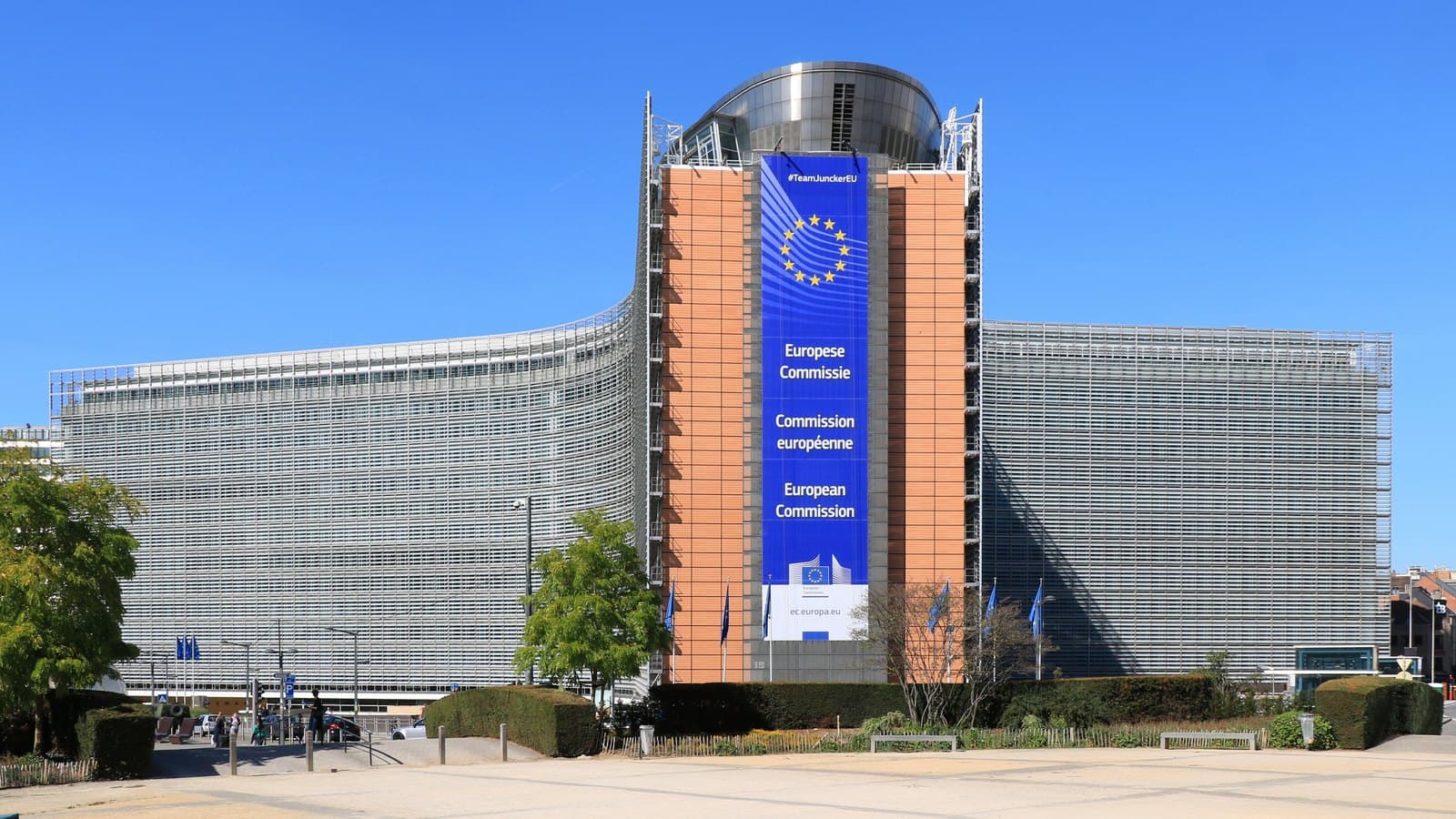
The work follows two decisions the European Commission took on July 23 under the Digital Markets Act, the 2022 law that imposes conduct rules on the largest digital platforms before harm is proven rather than after. The Commission fined Google €460 million for favouring its own services in Search and a further €430 million over restrictions on how Google Play developers can steer users to cheaper offers, a combined €890 million. Google was required to comply within 60 days or face periodic penalty payments of up to 5 percent of its total worldwide turnover.
The changes now shipping are Google's attempt to meet that order without the divestitures the Commission could have demanded. They are also, in the company's telling, a demonstration of how much a regulator can change a consumer product from the outside.
What actually changed on the page
The revamped results give specialised search engines, the industry's term for price comparison and booking sites, more prominence than before. One such service appears at the top of the relevant results, followed by two others with fewer details attached. A carousel of hotels, airlines and restaurants sits below them, with features that Google previously rendered inline, including real-time prices, stripped out according to Reuters. The ordering of those placements is decided by Google's own algorithm, not by an external body.
Google's objection is that the order effectively promotes intermediaries over the businesses they intermediate. A hotel that once appeared with a live nightly rate now competes for space with a comparison site that links out. The company said the earlier round of DMA-driven changes already cut free, direct booking traffic to European businesses by about 30 percent, and that it expects the September changes to compound that.
Tested against millions of European users, Google said the results produced a high level of dissatisfaction, with people retyping queries to reach what they were looking for. Those measurements are the company's own, and the European Commission has not endorsed the quality framing.
The headline number has a longer history
The €890 million announced in July is the first money Google has paid under the DMA, but it is not its first European antitrust penalty. The Commission says the company has now accrued €10.38 billion in antitrust fines over nearly two decades, making the DMA decisions the fifth and sixth overall in that sequence, even though they are the first issued under the newer law.
Google's case, in its own words
The sharpest statement of Google's position came from Nick Fox, its senior vice-president for knowledge and information. “To comply with DMA requirements, we're making significant changes to Search in Europe,” Fox said in a statement to Reuters. The company paired that with a blunter argument that the changes “degrade the user experience for Europeans,” favouring online intermediaries at the cost of local businesses and removing features that people rely on daily, while stressing that users outside the EU are unaffected.
Two months earlier, Google's president of global affairs, Kent Walker, had framed the same compliance work as product degradation rather than competition. “To comply, we are having to strip away real-time Search features Europeans love - like instant pricing and direct availability for hotels, flights, and restaurants - and dismantle safety protections on Google Play,” Walker said in July, calling the outcome “product degradation driven by a small group of self-serving complainants.”
The EU's reading of the same facts is nearly the inverse. Under the DMA, a gatekeeper must not treat its own services more favourably in ranking than comparable third-party services, and must apply transparent, fair and non-discriminatory conditions. The Commission found that Google displayed its own shopping, hotel, transport and sports results more prominently, sometimes at the top of the page with enhanced visuals and filters, while similar third-party services did not get the same treatment.
The regulator's side of the argument
Europe has been building toward this moment for years. The Commission designated Google as a gatekeeper for its search engine in September 2023, opened non-compliance investigations into self-preferencing and steering on March 25, 2024, and told Google in March 2025 that it had reached a preliminary view that the company was in breach. The July decisions converted that view into orders.
“The DMA is to make sure we have a fair and level playing field. With these decisions we want to make sure there is competition,” EU tech chief Henna Virkkunen told reporters when the fines landed, with antitrust chief Teresa Ribera adding that the bloc's “duty and obligation” is to see that its laws are respected.
The Commission also described its talks with Google as constructive and credited substantial progress, a signal that it does not intend to stack daily penalties on top of the one-off fines. That softer tone matters: the DMA's real leverage is not the €890 million, which is a rounding error against Alphabet's revenue, but the threat of recurring payments worth up to 5 percent of worldwide turnover if compliance stalls.
What the DMA adds beyond older law
The Digital Markets Act is ex ante, meaning it sets rules for how designated gatekeepers must behave rather than punishing conduct after a case is litigated. Under it, the Commission can order changes to a product's design and follow up with periodic penalties. That gives regulators faster leverage than the years-long antitrust trials the United States has run against the same companies.
Why the fight is bigger than a hotel listing
The September changes touch a market that Google has long straddled. It operates the search engine that people use to find services, the ad auction that monetises the results, and, in the case of travel and shopping, its own vertical products that compete with the businesses paying for visibility. European regulators have argued that holding all three roles lets Google settle the contest in its own favour. Google has argued that its verticals exist because users find them useful, and that breaking them apart would make the underlying product worse.
That tension does not end with hotels and flights. The Commission has said the principles behind the July decisions may extend to AI Overviews and AI Mode, Google's AI-generated summaries and conversational search surface. Those features are where a growing share of search answers now live, and how ranking fairness applies to a synthesised answer, rather than a list of links, is an open question. Talks on that front are continuing, which means the compliance work is likely to keep expanding rather than close.
The US dimension adds noise. American officials, including President Donald Trump, have attacked the EU penalties as targeting American companies, and the US Trade Representative has linked the fines to wider trade tension. Google can appeal the July decisions, and its handling of the search changes will shape whether Brussels treats the company as a co-operative counterpart or as a repeat offender.
Caveats to keep in view
The strongest claim in this story, that search quality has fallen further than at any point in Google's history, is Google's characterisation and has not been independently verified. It is also self-interested: a company facing conduct rules benefits from arguing that those rules degrade its product. The Commission's counter, that the changes restore a level playing field for competitors, rests on a different definition of quality, one that weighs the visibility available to rival services alongside the convenience of the person searching.
The mechanics are also in flux. Google said the changes are being tested, the precise ranking behaviour is set by an algorithm the company controls, and the Commission will assess the results over the coming months. The 60-day compliance clock is running, and the threat of recurring penalties remains if Brussels judges the work insufficient.
What to watch
Three things will decide how this lands. The first is whether the Commission accepts Google's changes as sufficient when it reviews them, or opens a new front over AI Overviews and AI Mode. The second is whether independent measurement shows that price comparison sites gained lasting traffic, or whether users route around the reordered page. The third is litigation: an appeal by Google would put the DMA's first search remedies in front of European courts, and the outcome would set the pace for the rest of the enforcement agenda.
For European readers, the practical effect is already visible in their search results. A query that once returned a list of hotels with prices now leads with booking intermediaries, and the features Google says it had to remove are gone. Whether that counts as a fairer market or a worse product depends on which side of the transaction you sit, and both claims can be true at once.
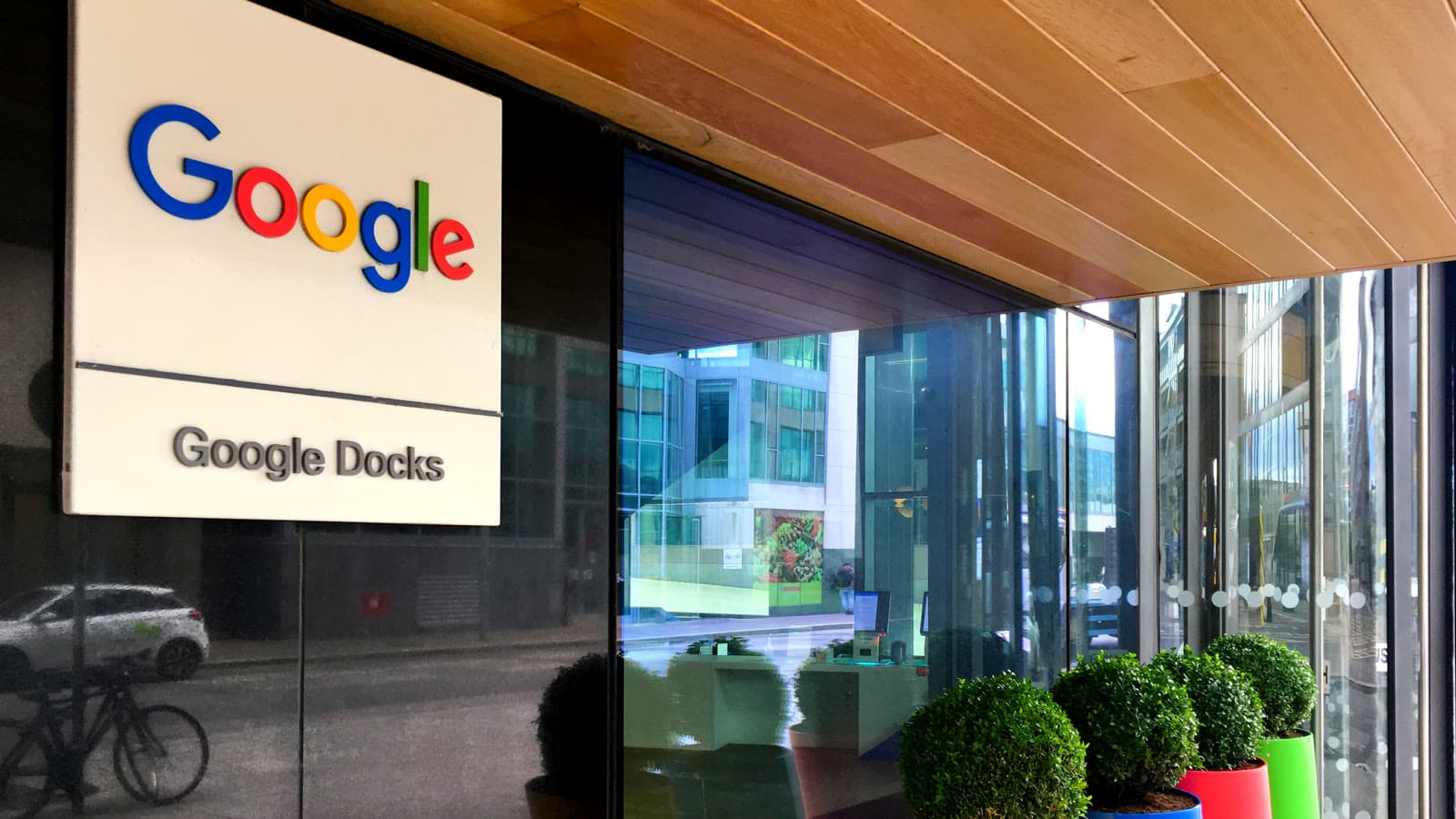
Cover image: “Google Headquarters in Ireland Building Front Entrance” by OutreachPete via Wikimedia Commons, CC BY 2.0.
Tags

TPW Editorial
Editorial Team
TechPastWeek's editorial team reports and edits every story we publish. We research each piece against primary and credible secondary sources, and a human editor reviews and signs off before it goes live.