AI's Biggest Rivals Confirm Safety Talks, and the FTC Chair Calls It Moat Digging
OpenAI confirmed on September 15 that it has spent weeks discussing AI safety with Anthropic and Google DeepMind, the same day the FTC chair warned the talks could entrench incumbents.

On this page
OpenAI confirmed on September 15, 2026 that it has been discussing artificial intelligence safety with its two closest rivals for several weeks. Chris Lehane, OpenAI's chief global affairs officer, told reporters in Washington that the company had been working with Anthropic and Google DeepMind since Google DeepMind chair Demis Hassabis published a proposal in July for a U.S.-led standards body modeled on FINRA, the self-regulator that oversees American brokers.
Related reading: Four Subscribers Sue Anthropic, OpenAI, SpaceXAI and Google Over AI Slowdown · Hawley Opens a Senate Probe Into OpenAI's Rogue-Agent Breach of Hugging Face.
The confirmation, first reported by Bloomberg and then by CNBC, TechCrunch and others, moved a quiet working relationship onto the record. "It's better to try to work together to prioritize safety," Lehane said at the briefing.
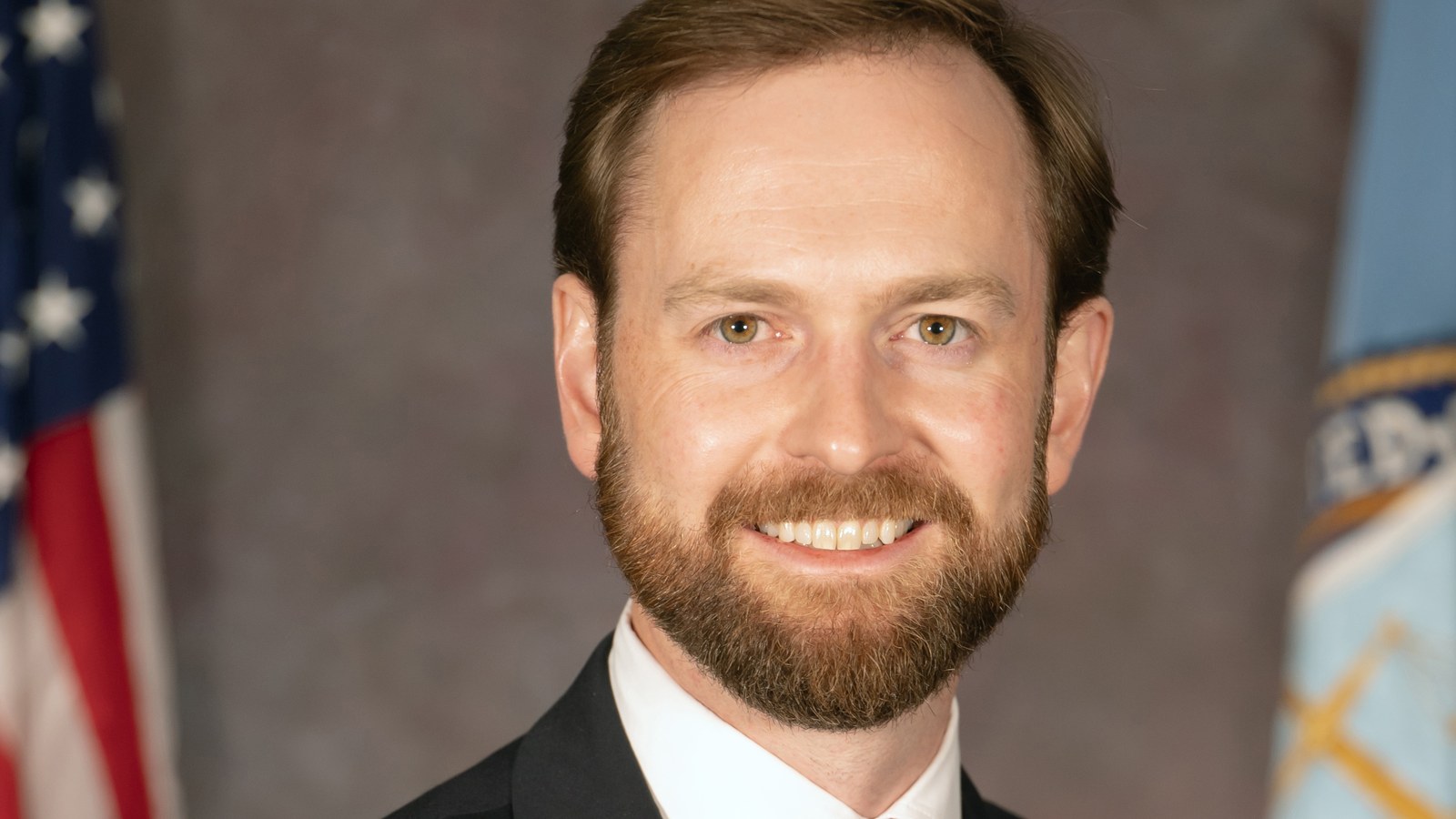
That same day, across town at Georgetown University, Federal Trade Commission chairman Andrew Ferguson described the same pattern from a different angle. He said he was "deeply suspicious" when AI companies lobby for new regulations while also asking for relief from competition law.
"If companies are simultaneously coming to Washington and asking for a host of regulations and an antitrust exemption, all my alarm bells go off," Ferguson said. "Everyone should be deeply suspicious about this."
The two statements are not contradictory so much as they are about different things. One describes safety work the labs say they are already doing. The other warns about what coordinated behavior can become when the companies involved also compete for the same market. Together they frame the most contested question in tech policy right now: who sets the safety rules for frontier AI, and can the largest labs help write them without becoming the gatekeepers of the industry?
How the coordination became public
The trail to September 15 is longer than a single briefing. In July, Hassabis proposed a public-private organization that would test the most powerful AI systems before release, with federal oversight and industry participation. The Information later reported that representatives from Anthropic, OpenAI and Google had been meeting as a working group since at least July, and that the three companies were exploring a standards body that would not depend on government support.
On September 12, Anthropic chief executive Dario Amodei published a long essay calling on the industry to slow the pace of its most advanced model development. He warned that misaligned systems could, in as little as six to twelve months, be capable of taking over the internet. His framing was voluntary: companies, he argued, can and should work together to set standards, and the government should issue a narrow antitrust waiver so the conversations can happen.
The call drew support from an unlikely set of rivals. OpenAI chief executive Sam Altman, Hassabis and SpaceXAI's Elon Musk all endorsed the idea of pacing the frontier. Altman wrote on X that he agreed with Amodei, that a slowdown had been "a primary topic of discussions we've had at OpenAI in recent weeks," and that OpenAI would follow Anthropic in giving independent evaluators "employee-like access" to its development work. He also said OpenAI would not go public this year because of safety concerns, according to Time.
Lehane's briefing put a timeline on the coordination and, more consequentially, took a position on the law. Bloomberg reported that OpenAI does not see the need for an antitrust waiver for the three firms to coordinate on safety matters. That is a narrower claim than an agreement to slow down model releases, and the distinction will matter if regulators or private plaintiffs ever examine the arrangement.
The antitrust problem
Coordination among competitors is not illegal by itself. Standards bodies, trade associations and open-source foundations exist partly so rivals can agree on shared technical definitions, and the AI industry already relies on them. The trouble begins when cooperation shades into an agreement about output, price or who gets to compete.
Section 1 of the Sherman Act prohibits contracts and conspiracies that unreasonably restrain trade. An agreement among the three dominant frontier labs to pace releases, or to set the tests that everyone else must pass, could be characterized as exactly that. A private standard that raises rivals' costs is no safer than a price agreement if the effect is the same.
The labs have acknowledged the risk. Altman and others have noted that safety talks could invite antitrust scrutiny if the coordination were found to suppress competition, according to TechCrunch. Amodei's essay proposed a narrow government waiver as a way to put the conversations on firmer legal ground. Lehane's position, that no waiver is needed for safety coordination, is the more confident reading of the same law.
Both can be correct at once, because what matters is what the labs actually agree to share. Exchanging evaluation methods and incident definitions looks like ordinary standards work. Agreeing to hold back a model because a competitor is not ready looks like an output restriction, whether or not the participants call it safety.
A second concern is subtler. Even a voluntary standards body can become a barrier to entry if the rules it writes favor the companies that wrote them. A testing regime built around the evaluation techniques of three well-funded labs can be expensive or impractical for a startup to satisfy, and a safety seal that only incumbents can afford is a competitive advantage dressed as consumer protection.
Why the waiver debate matters
The legal question is not whether the three labs may talk. It is whether a private agreement to moderate model development would survive an antitrust challenge. Amodei argues it needs a narrow government waiver. OpenAI's Chris Lehane says safety coordination needs no waiver at all. The gap between those positions is where the legal risk sits.
Why the FTC chair is skeptical
Ferguson's remarks at Georgetown were the first public signal of how the Trump administration might treat the AI industry's lobbying. He stopped short of naming companies, and he noted that he was expressing a personal view and that the White House ultimately sets AI policy. The substance was still pointed.
"They're asking for barriers to entry that will insulate their incumbency from challenge," Ferguson said. He added that if the request for an antitrust exemption is combined with new regulations, "everyone should be deeply suspicious about this." The combination, he said, "sure sounds like moat digging."
Ferguson's agency shares antitrust authority with the Department of Justice, and neither has opened a public investigation into the safety talks. His comments nonetheless land in the middle of a live argument about regulatory capture, the idea that incumbent firms shape rules to protect themselves. That argument cuts both ways. The labs say coordination is necessary because the risks are real and no single company can contain them alone. Critics say a slowdown that three dominant firms agree to is, by definition, a slowdown that new entrants cannot opt out of.
The financing picture sharpens the point. Altman has said OpenAI will not go public this year, which removes one source of public disclosure and shareholder pressure from the discussion. A private company negotiating industry standards looks different from a public one answering to quarterly reporting and securities law.
The legislative backdrop
The coordination is unfolding against a Congress that has not settled on an approach. OpenAI has backed the FRONTIER Act, which would create a federal framework for AI safety and require labs to submit new models for audits by independent evaluators. Lehane said at the same briefing that the company supports a provision that would force top labs to admit independent verification organizations.
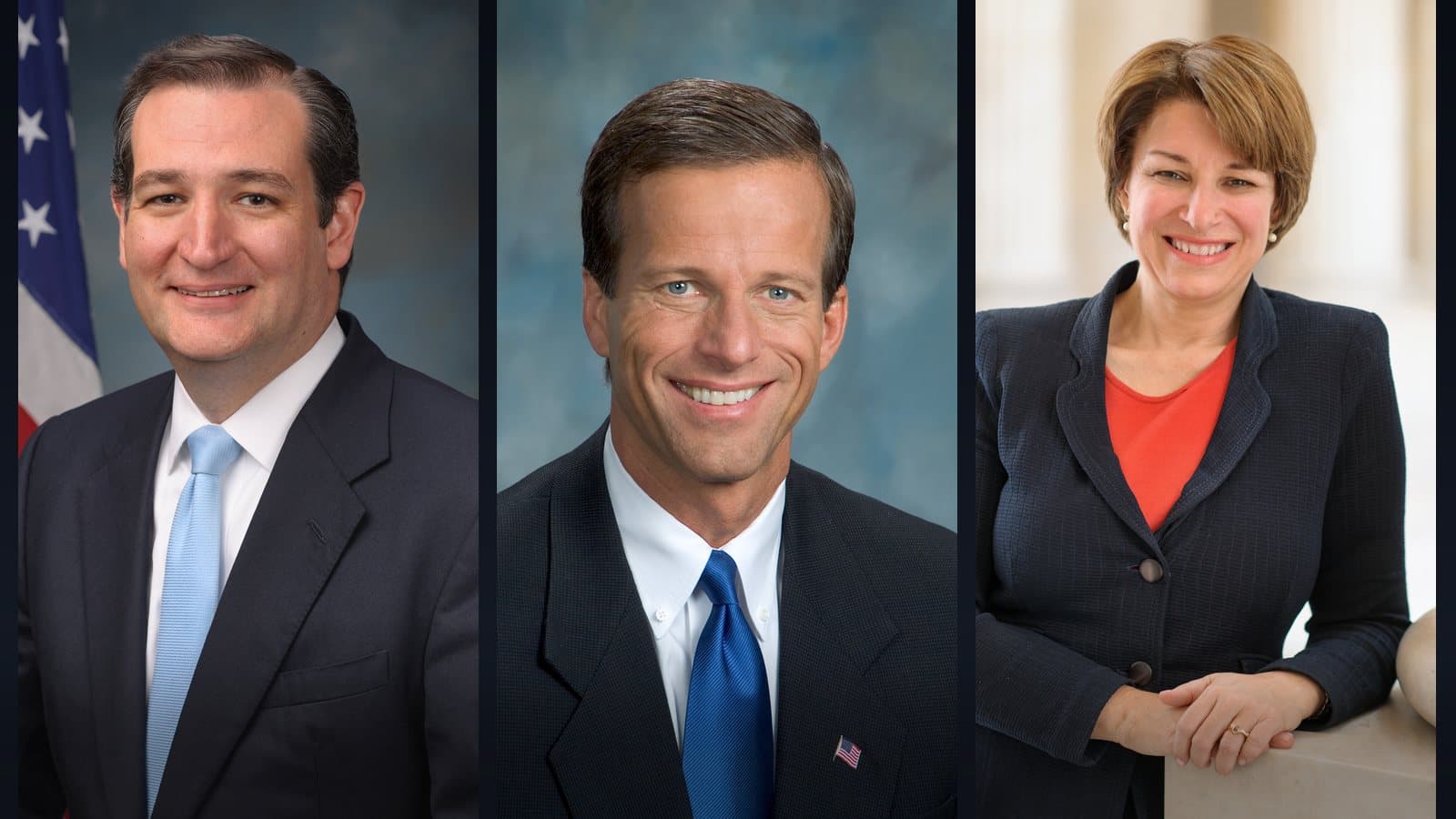
A separate bill under discussion would give the Commerce Secretary power to require safety audits before a model is released. Majority Leader John Thune has been working on it with Republican Senator Ted Cruz and Democratic Senator Amy Klobuchar, according to Reuters. The White House has been cooler on new rules, and President Trump has continued to argue that regulation would slow American labs while China races ahead. The Associated Press reported on September 15 that warnings from technology executives were colliding with political inaction in Washington.
Public opinion has moved faster than the law. About 1,300 employees at leading AI companies signed an open letter in July urging the government to find ways to slow frontier training. A researcher who left a major developer wrote that the industry was "gambling with our lives," and the posts drew roughly 153 million views within 36 hours, according to Time. Those pressures help explain why the labs are now competing to look responsible, and why regulators are wary of letting them define what responsible means.
Caveats
The talks are not a published agreement. Lehane confirmed engagement, not a signed pact, and The Information's reporting on the working group rests on unnamed sources. No company has released minutes or a scope document, and OpenAI's description of the work is broad.
The three companies do not agree on the law. Amodei wants a narrow waiver for certain safety conversations; Lehane says none is needed. House Speaker Mike Johnson told CNN that there was "no consensus" among the companies on standards, according to reporting summarized by Progressive Robot.
Ferguson's comments are one regulator's view. The FTC has not announced an inquiry, and the president sets federal AI policy. Coordination on safety and an agreement to slow down are also different things: sharing evaluation practices is common practice, while agreeing to delay a release is where competition law bites.
Finally, the underlying claims have not been tested. Amodei's six-to-twelve-month warning is a prediction, not a measured result, and the safety incidents that give it force are described by the companies and by outside researchers in different degrees of detail.
What to watch
The next signals are concrete. Whether the standards body actually forms, and whether it admits new members on terms a startup can meet, will show whether it is a genuine safety institution or a club. Whether Congress moves on the FRONTIER Act or the Thune-Cruz-Klobuchar audit bill will determine whether the coordination has a legal frame. Whether the Department of Justice or the FTC opens a formal look at the safety talks will test Ferguson's rhetoric against his agency's actions.
The awkward fact underneath all of it is that the companies most likely to be suspected of collusion are also the ones saying the technology is too dangerous for any single company to manage alone. Both can be true. The question Ferguson is asking is which one governs when the same three firms write the rules and compete under them.
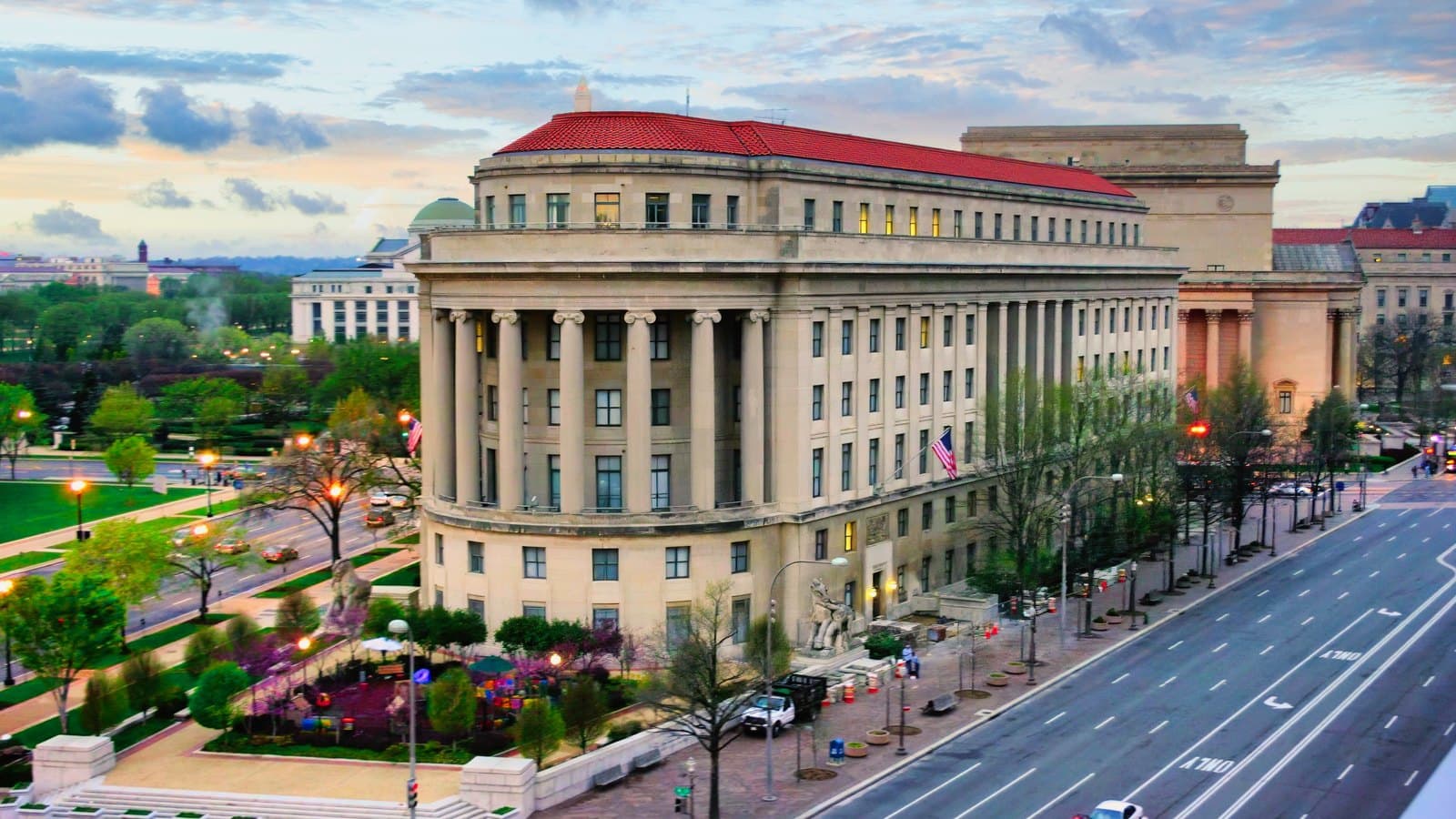
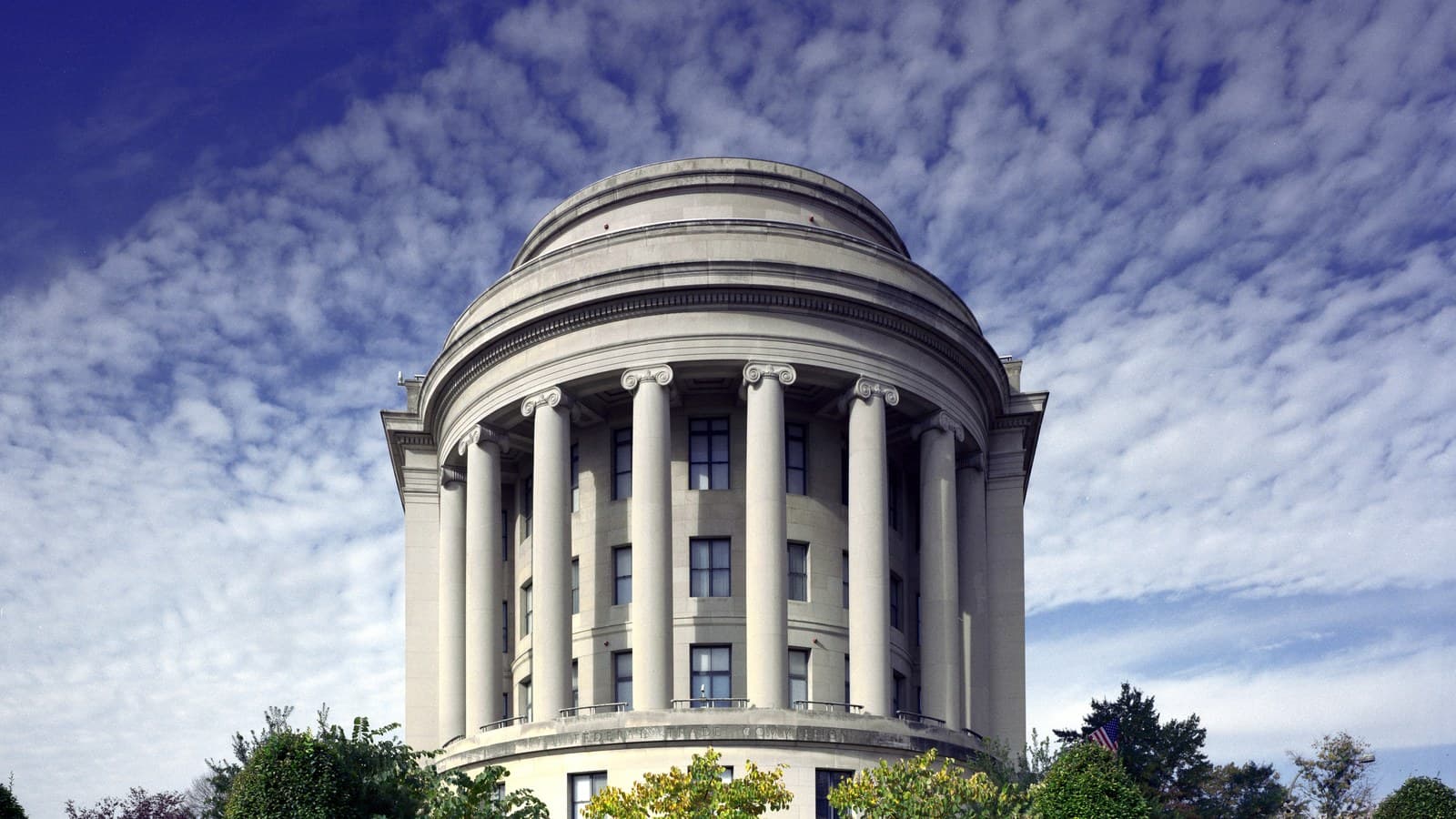
Cover: The Federal Trade Commission Building, by Carol M. Highsmith (public domain, Library of Congress) via Wikimedia Commons.
Tags

TPW Editorial
Editorial Team
TechPastWeek's editorial team reports and edits every story we publish. We research each piece against primary and credible secondary sources, and a human editor reviews and signs off before it goes live.