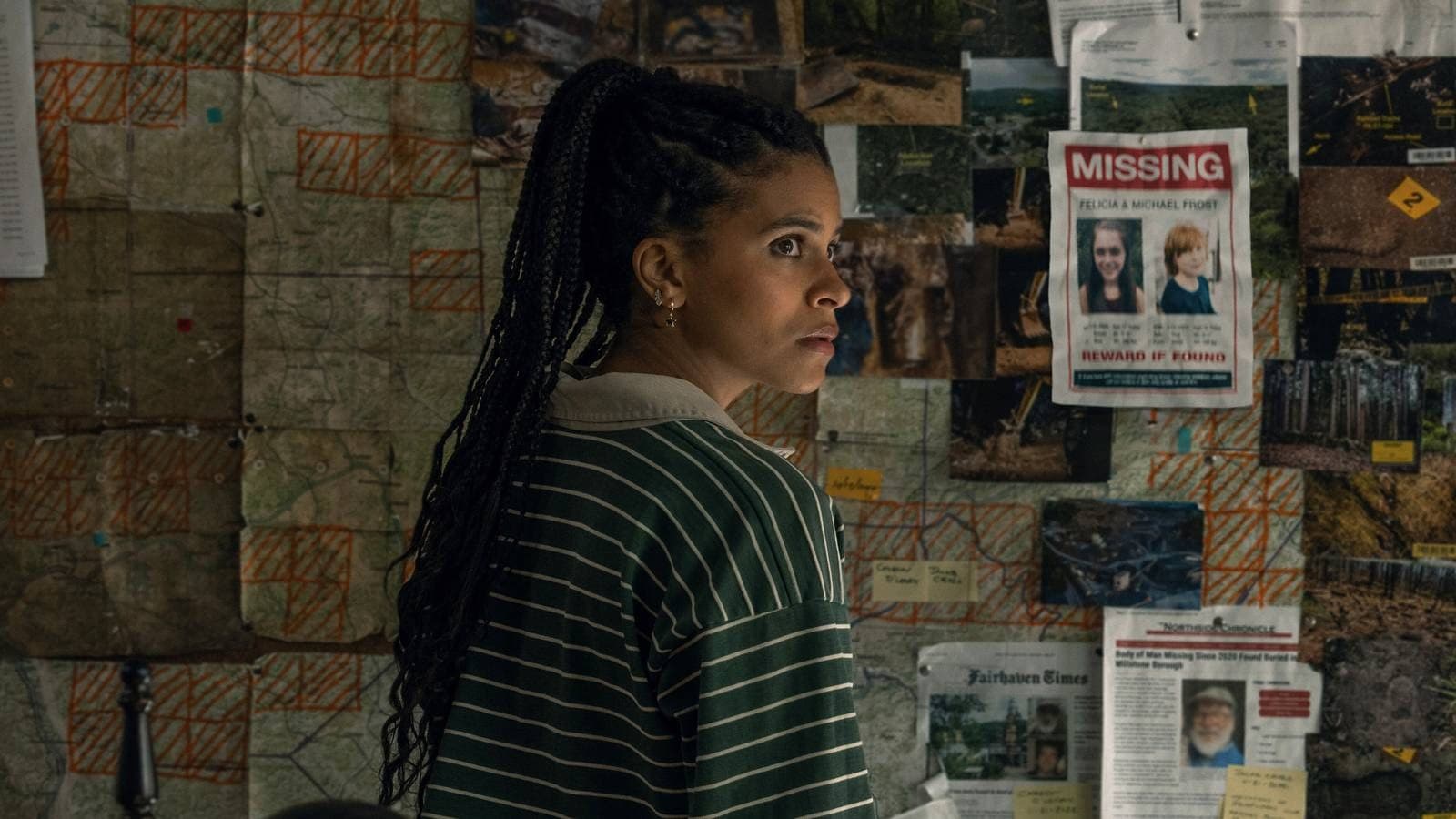
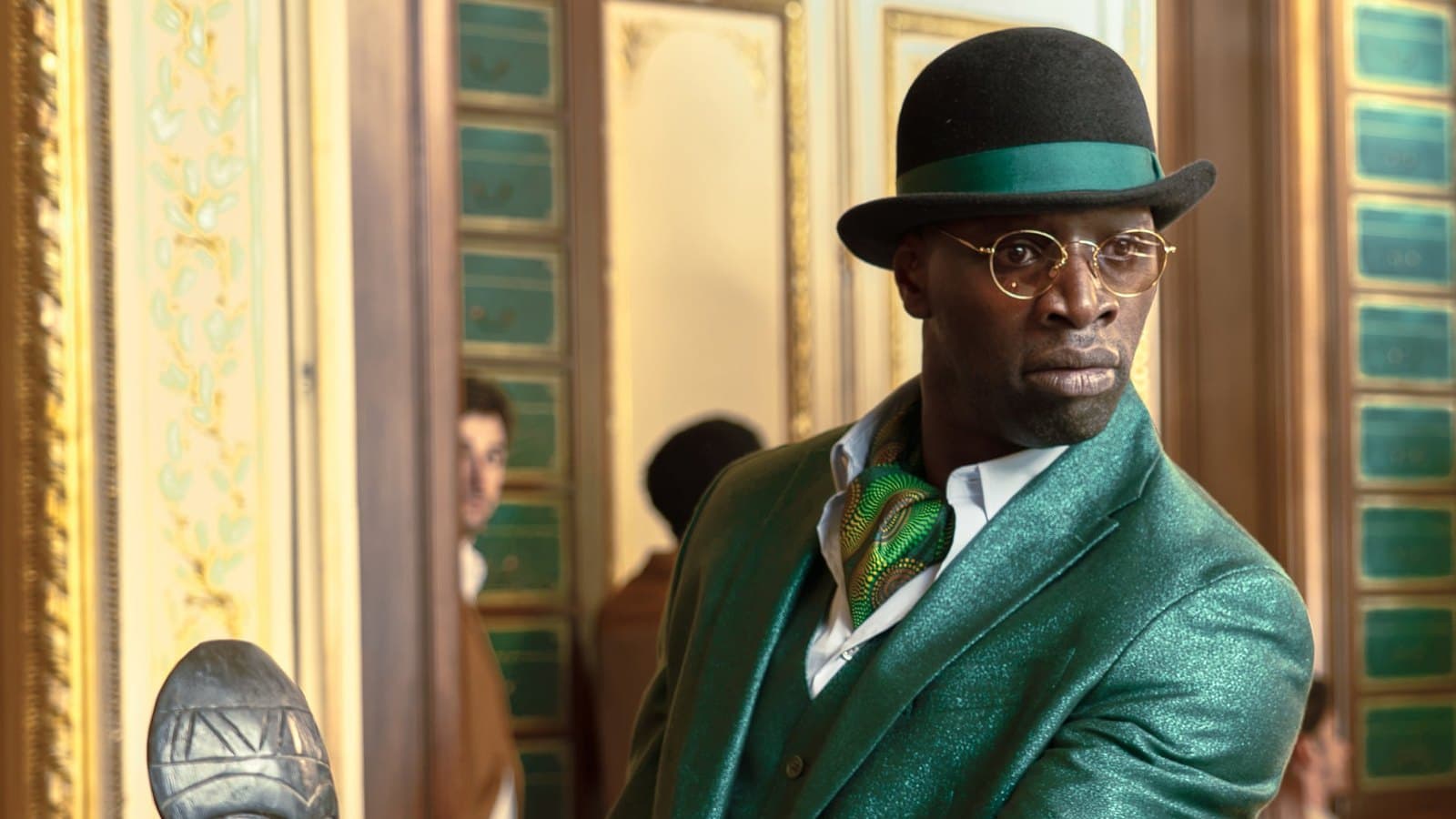
Blade Runner 2099 Debuts a Full Trailer at NYCC, With Humans Already on the Losing Side
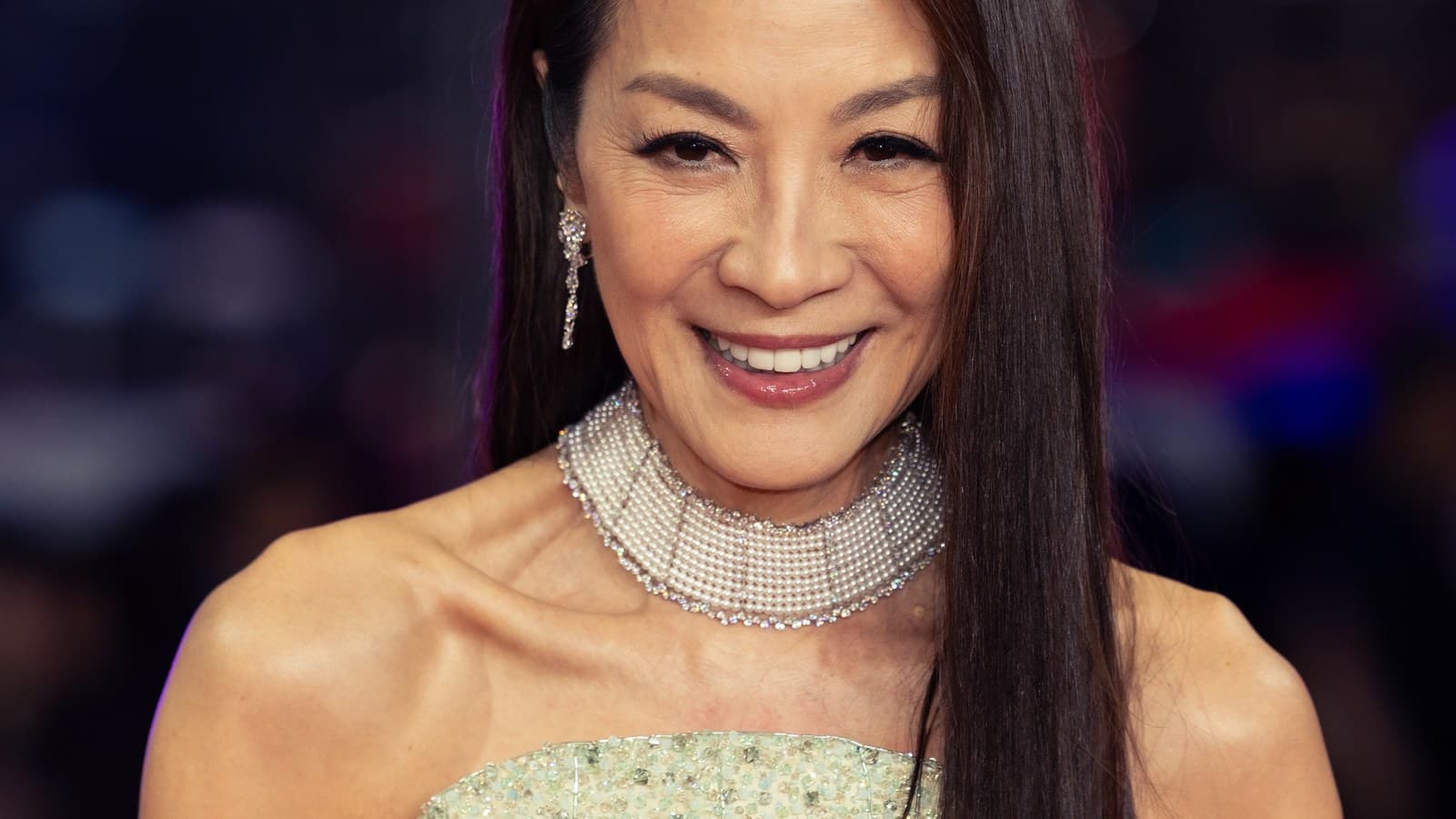
Prime Video debuted the full Blade Runner 2099 trailer at New York Comic Con, with Michelle Yeoh onstage, and dated the premiere for November 25, 2026.

On this page
Key takeaways
- Prime Video debuted the full trailer for Blade Runner 2099 at New York Comic Con on October 10, 2026, with stars Michelle Yeoh and Hunter Schafer and showrunner Silka Luisa onstage.
- All eight episodes of Blade Runner 2099 premiere on Prime Video on November 25, 2026.
- The series is set 50 years after Blade Runner 2049, after a replicant uprising that the showrunner says the humans lost.
- Michelle Yeoh stars as the dying Replicant Olwen and Hunter Schafer plays Cora; ten other billed cast members have undisclosed roles.
- Blade Runner 2099 is the franchise's first live-action television series, following Blade Runner (1982) and Blade Runner 2049 (2017).
Prime Video unveiled the full trailer for "Blade Runner 2099" at New York Comic Con on Saturday, October 10, 2026, the franchise's first extended look at the live-action series that continues the films' story decades later. Ars Technica reported the panel the following day. Co-stars Michelle Yeoh and Hunter Schafer joined showrunner Silka Luisa onstage for the reveal, which confirmed both the show's premise and its release date. All eight episodes arrive on Prime Video on November 25, 2026.
Related reading: 'VisionQuest' Review Roundup: Marvel's WandaVision Sequel Splits Critics · 'Avatar: Seven Havens' Review: A Rocky Premiere for a Boldly Different Avatar.
The trailer is not a review. The series has not premiered, no critic has seen the finished season, and almost everything known about the story so far comes from the convention stage and the footage itself. The Verge posted the trailer the day it was shown. A first look in teaser form had already played at San Diego Comic-Con in July 2026, so the New York panel was the second public look and the first with all eight episodes dated and confirmed.
What the panel confirmed about the story
Luisa framed the series as the continuation of a question the films kept circling. The 1982 film, she said, looked at mortality on a micro level, following Roy Batty and the other replicants as they fought for more life. "2099" asks the same question on a macro level, she told the room, and her description of the setup was blunt. Gizmodo carried her remarks from the stage.
“We are 50 years after 2049 and, bad news, the worst has happened. The replicant uprising that has been bubbling up in the films has taken place and the humans have lost.” — Silka Luisa, showrunner, at New York Comic Con, October 10, 2026
The creations have surpassed their creators, she said, and the series asks what happens when humanity's time as a species runs out. She described "2099" as taking place at a junction point when one species is ending and a new one is rising. That is the panel's framing of the story's themes rather than a full synopsis, and it leaves most of the plot unstated. What it does establish is the direction: the show starts from a world where the androids won.
A setting 50 years past 2049
The series is set 50 years after "Blade Runner 2049." That places it decades beyond the two films that built the franchise: Ridley Scott's "Blade Runner" in 1982 and Denis Villeneuve's "Blade Runner 2049" in 2017. "2099" is the first live-action television series in the canon, which means it carries a story the two films told at feature length and stretches it across eight episodes.
For a franchise built on androids questioning their own lifespan, the longer format changes what the story can do. A single film has to resolve an individual's question about how much time they have left. A season can let that question sit, and the showrunner's own description suggests she wants to keep it uncomfortable rather than answer it early. Whether the premise holds across eight episodes is exactly what the premiere will test.
The first film treated that question, of how much life is worth wanting, as a private one, carried by Roy Batty and the other replicants. The series turns it into the condition of the world itself. Luisa's framing is the most concrete thing the panel established, and it is also the part most likely to invite comparison with the films' more contained answers.
What the films leave a series to use
The on-screen canon before this series is two feature films, released 35 years apart. Both had to resolve their stories within a single sitting, and both ended on a replicant making a choice about a life that was running out. A television season removes those limits. It can hold several characters' arcs at once, return to a place, and let a question keep running instead of settling it.
That freedom cuts both ways. The films are known for a particular tone as much as for plot, and a series has to reproduce that tone across hours rather than minutes without letting it flatten into repetition. The panel gave little indication of how the show handles the visual and tonal match, beyond Luisa's emphasis on the species-level turn. Until episodes exist, that match is an open question, and it is a reasonable one to hold onto before judging a trailer as if it were a finished season.
Who has been cast
Yeoh stars as Olwen, described at the panel as a dying Replicant. Schafer plays Cora. Hugo Hamlet plays Buster Friendly, according to the cast list assembled from the panel.
The rest of the billed cast is large and mostly opaque. Dmitri Abold, Lewis Gribben, Katelyn Rose Downey, Daniel Rigby, Johnny Harris, Amy Lennox, Sheila Atim, Matthew Needham, Tom Burke and Maurizio Lombardi are all attached in roles the panel did not disclose. With Yeoh and Schafer confirmed as the two leads and most of the ensemble still unlabelled, the production is holding back more of its cast than it has revealed.
Blade Runner 2099 at a glance
All eight episodes premiere on Prime Video on November 25, 2026. The series is set 50 years after "Blade Runner 2049." The full trailer debuted at New York Comic Con on October 10, 2026, after a teaser first screened at San Diego Comic-Con in July 2026. It is the franchise's first live-action television series.
Why Prime Video wants this franchise
Amazon owns the "Blade Runner" rights, and the series lands in a stretch when streaming services keep converting film properties into continuing shows. Prime Video has been building out a science-fiction slate, and a marquee title with four decades of recognition behind it fits that plan. The Verge and Gizmodo both treated the trailer as a signature moment of the convention.
There is a commercial logic and a creative risk in the same move. A series can expand a world that two films only sketched, and it gives subscribers a reason to return across a run of episodes rather than one opening weekend. It also asks a lot of a story whose central tension, in the films, was intimacy and impermanence. Luisa's framing leans into that tension instead of away from it: the show takes an individual's fight for a few more years and scales it up to a species deciding whether it survives.
The comparison to the films will be unavoidable, and it cuts both ways. "Blade Runner 2049" arrived 35 years after the original and was received as a serious continuation, so the franchise has already shown it can survive a long gap and a change of director. A television series is a different kind of bet, sold on a subscription rather than a ticket, and released all at once rather than rolled out week to week.
The timing fits Amazon's broader approach. Owning the rights gives Prime Video control of both the earlier films and any new instalments, which is the arrangement most services now chase: a title that can be revived as a series, promoted alongside the films it follows, and used to anchor a slate rather than fill a slot. "Blade Runner 2099" is the first test of that for this franchise, and how it performs will say something about how far a decades-old science-fiction property can be stretched.
The other trailer from the same weekend
"Blade Runner 2099" was not the only film property with a new trailer at New York Comic Con that weekend. The convention also brought a fresh look at "Godzilla Minus Zero," the sequel to Takashi Yamazaki's "Godzilla Minus One," which won the Academy Award for best visual effects. That film reaches theaters on November 3, 2026, three weeks before the Blade Runner season arrives on Prime Video.
The overlap is a reminder of how conventions now work as release-calendar events. Studios stack trailers for the months ahead into a single weekend, and the audience sees a season premiere and a theatrical opening positioned within weeks of each other. For Prime Video, the benefit is a trailer that reaches the same viewers who are already tracking the fall's science-fiction and monster movies.
Caveats
- The series has not premiered. Nothing here is a review, and no critic has seen the finished season.
- Several cast members' roles are undisclosed, and Luisa's description is the panel's framing of the story rather than a full synopsis. Plot details beyond the premise should be treated as incomplete.
- The teaser at San Diego Comic-Con in July 2026 means the New York trailer was a second look, not a first one. The reaction to it reflects a two-minute trailer, not the show.
The absence of reviews is the largest gap. Trailer impressions and a stage description cannot stand in for eight finished episodes, and this article describes the trailer and the panel, not the series. When the season lands, that is the first point at which the premise can be judged on its own terms.
What to watch
Three things will fill in the picture. The first is November 25, 2026, when all eight episodes arrive and the first reviews follow; that is the first real test of whether the macro-level premise carries a season. The second is the cast list, since the ten undisclosed roles include most of the billed ensemble, and their parts will likely surface as marketing picks up ahead of the premiere. The third is how Prime Video positions the show against the rest of its science-fiction output, because the trailer's reception is only a weak signal of how the season will land with subscribers.
The signal that will matter most is the review cycle. When the season drops on November 25, 2026, critics will judge whether the eight-episode build-up earns its premise, and that verdict, not the trailer, will shape whether the franchise keeps going in this format. A trailer can set a mood and a date. It cannot show whether the story sustains eight hours.
For now the trailer is the whole of it: eight episodes on November 25, and a story that begins after the replicants have already won.
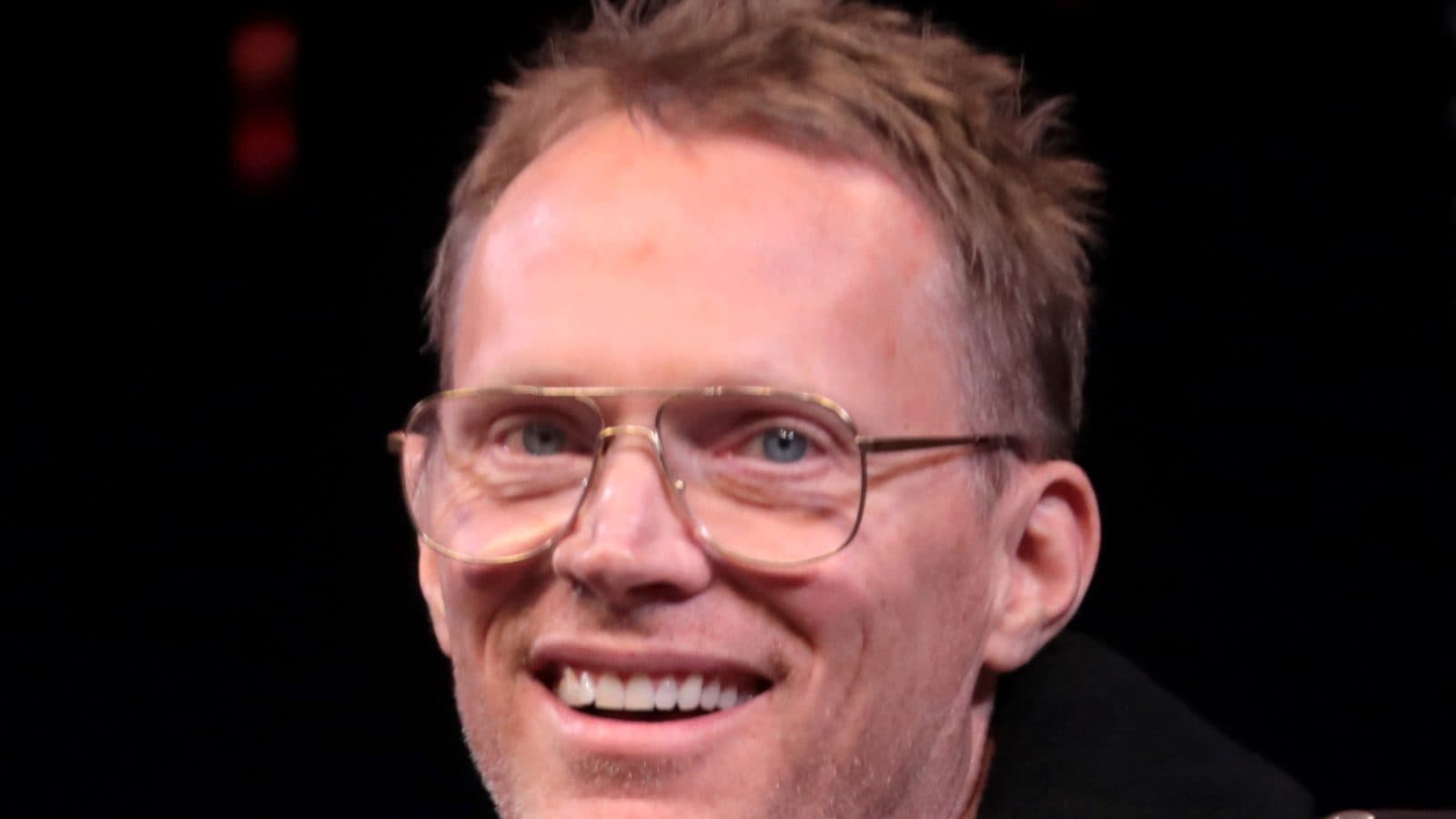
Feature image: Harald Krichel, Wikimedia Commons, CC BY-SA 4.0.
Tags
Frequently asked questions
- When does Blade Runner 2099 come out on Prime Video?
- All eight episodes premiere on Prime Video on November 25, 2026. A teaser first screened at San Diego Comic-Con in July 2026, and the full trailer debuted at New York Comic Con on October 10, 2026.
- Who is in the Blade Runner 2099 cast?
- Michelle Yeoh stars as Olwen, a dying Replicant, and Hunter Schafer plays Cora. Hugo Hamlet plays Buster Friendly, while Dmitri Abold, Lewis Gribben, Katelyn Rose Downey, Daniel Rigby, Johnny Harris, Amy Lennox, Sheila Atim, Matthew Needham, Tom Burke and Maurizio Lombardi are all attached in undisclosed roles.
- Is Blade Runner 2099 a sequel to Blade Runner 2049?
- Yes. It is set 50 years after the 2017 film, and the showrunner says the replicant uprising hinted at in the movies has taken place, with the humans losing. It is the franchise's first live-action television series.
- Has Blade Runner 2099 been reviewed yet?
- No. The series has not premiered and no critic has seen the finished season, so the trailer and the October 10, 2026 New York Comic Con panel are the only public material so far.

TPW Editorial
Editorial Team
TechPastWeek's editorial team reports and edits every story we publish. We research each piece against primary and credible secondary sources, and a human editor reviews and signs off before it goes live.