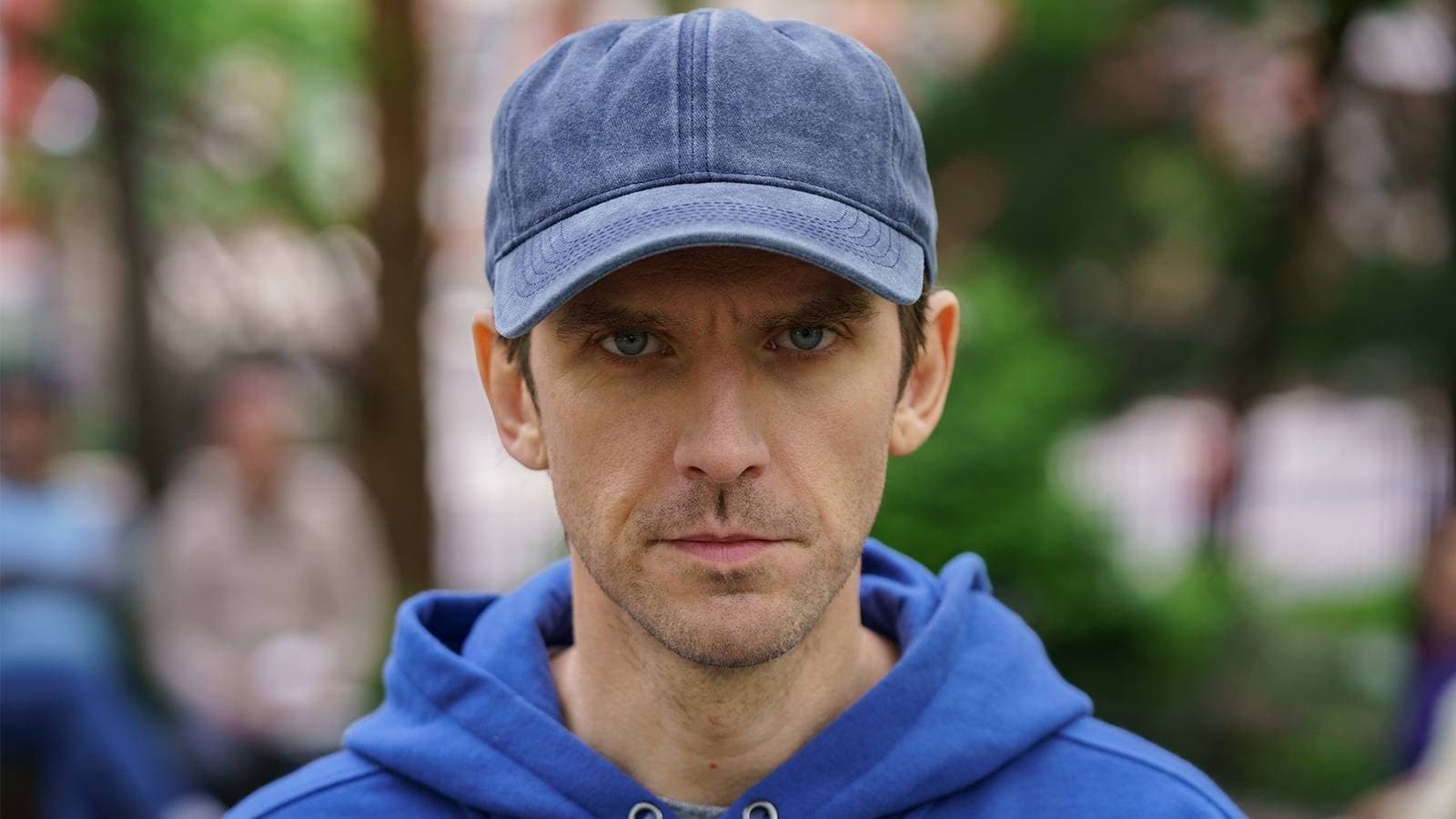
'Artificial' Premieres at NYFF: Guadagnino's Sam Altman Film Draws 'Terrifying' Praise
Luca Guadagnino's 'Artificial,' a drama about Sam Altman and OpenAI, premiered at the New York Film Festival to strong reactions ahead of a December release.

On this page
Key takeaways
- Luca Guadagnino's 'Artificial' premiered at the New York Film Festival on Monday, October 5, 2026, and early reactions praised it as 'provocative' and a 'visceral corporate drama.'
- Andrew Garfield plays OpenAI chief executive Sam Altman; Yura Borisov plays former chief scientist Ilya Sutskever, Monica Barbaro plays former CTO Mira Murati, Ike Barinholtz plays Elon Musk and Mark Rylance plays Geoffrey Hinton.
- Amazon MGM Studios dropped the $40 million film after Amazon's partnership with OpenAI, which included a $50 billion investment; Neon closed a deal to complete it in June 2026.
- Neon opens 'Artificial' in U.S. theaters on December 25, 2026, and will campaign with Garfield and Rylance in supporting actor, Borisov in lead actor and Barbaro in supporting actress.
- The film dramatizes the period when Sam Altman was fired and then reinstated at OpenAI in 2023; it is a narrative adaptation, not a documentary, and no aggregate review scores existed at the time of its premiere.
"Artificial," Luca Guadagnino's drama about the period when Sam Altman was fired as OpenAI's chief executive and then reinstated, premiered at the New York Film Festival on Monday night, October 5, 2026, and the first reactions ran strongly in its favor. Variety gathered the early notices, which described the film as "provocative" and a "visceral corporate drama," with one critic calling it Guadagnino's "best film in a decade."
Related reading: Godzilla Minus Zero Draws Rave First Reactions at NYFF and the Franchise's First R Rating · Wicker Wins Over Critics and Audiences. Its $5.75 Million Opening Is the Interesting Part..
The film is a narrative adaptation, not a documentary, and it has not reached general audiences. That distinction matters for everything below. These are festival impressions from a room that wanted the movie to work, not a finished review cycle, and "Artificial" does not open in U.S. theaters until December 25.
What the first reactions actually said
The praise concentrated on two things: Andrew Garfield's performance as Altman and the screenplay's treatment of power inside a company that had become one of the most consequential in the world.
- Matt Neglia, editor-in-chief of Next Best Picture, called it "as entertaining as it is terrifying" and a "brilliantly written human story about power, control, ambition, and greed that might be the most urgently relevant film of our time." Garfield, he wrote, delivers "one of his most unsettling and transformative performances as Sam Altman, equally capturing his disarming charm and unnerving malice."
- Eric Kohn called it a "pitch-perfect dark comedy," adding that "Andrew Garfield walks a fine line between movie monster, buffoonish mogul, and evil genius. A fun/scary ride that embodies the paradox at its center."
- Jairo Jiménez described it as "a feverish, visceral corporate drama that proves what is truly artificial was never in the machines, but in the boardroom."
- Variety's own Clayton Davis ranked it at the top of the director's recent output: "Guadagnino's best film in a decade," with "Andrew Garfield and Yura Borisov soar to new heights."
Two of those four reviews reach for the same idea from different directions. Neglia's "power, control, ambition, and greed" and Jiménez's boardroom line both treat the technology as scenery and the people as the subject. That is a coherent reading of what Guadagnino made, and it is also the easiest reading for a festival audience primed to see a parable about tech power. Whether the film sustains that framing past the festival circuit is the open question. A single screening rewards a sharp thesis; a wide release tests whether the thesis holds for two hours.
The festival itself is a deliberate choice of venue. The New York Film Festival has become a reliable launchpad for fall movies that want to be taken seriously, and a premiere there puts "Artificial" in front of the critics and programmers who shape the early awards conversation. That does not guarantee a warm reception, but it does mean the film's first audience was always going to be a professional one, and professional audiences tend to reward ambition even when a movie does not fully deliver on it.
Who made it, and who plays whom
Simon Rich wrote the screenplay, and Damon Albarn, of Blur and Gorillaz, composed the score. The cast is unusually deep for a corporate drama.
Garfield plays Altman. Yura Borisov, the Russian actor nominated for an Oscar for 2024's "Anora," plays former OpenAI chief scientist Ilya Sutskever. Monica Barbaro plays former chief technology officer Mira Murati. Ike Barinholtz plays co-founder Elon Musk. Mark Rylance, an Oscar winner for "Bridge of Spies," plays Nobel laureate Geoffrey Hinton. The supporting ensemble also includes Jason Schwartzman, Zosia Mamet, Cooper Hoffman, Chris O'Dowd, Cooper Koch and Billie Lourd.
Artificial at a glance
Director: Luca Guadagnino. Screenplay: Simon Rich. Score: Damon Albarn. It premiered at the New York Film Festival on October 5, 2026, and opens in U.S. theaters on December 25, 2026, from Neon. Garfield plays Sam Altman; Borisov plays Ilya Sutskever; Barbaro plays Mira Murati; Barinholtz plays Elon Musk; Rylance plays Geoffrey Hinton.
The casting does some of the film's arguing before a line is spoken. Putting Rylance, a stage actor with a taste for eccentrics, opposite Barinholtz, a comedian, tells you the movie treats the AI debate as a clash of personalities rather than a technical dispute. Borisov's rise from "Anora" to a lead-actor campaign here is a similar signal: the film is built around performance, and its distributors expect the performances to carry it.
The studio that dropped it had just partnered with OpenAI
The production history has its own plot. Amazon MGM Studios dropped the film months before its completion, after Amazon struck a major partnership with OpenAI that included a $50 billion investment. In June 2026, Neon closed a deal to finish the $40 million project, which put the film in the hands of the distributor that turned "Parasite" and "Anora" into awards contenders.
At one point the production filmed near Altman's home. Altman told Vanity Fair he saw a man "dressed exactly like me with my same backpack" while the crew worked on his street, a detail that says something about how closely the movie tracked its subject before anyone had seen it.
Guadagnino has been direct about why he was willing to make it. He told Vulture he was not "afraid" of Altman's response. "I think that people that have a lot of power should be very much aware that you must be responsible for the community," he said.
"A feverish, visceral corporate drama that proves what is truly artificial was never in the machines, but in the boardroom." — Jairo Jiménez, film critic, via Variety, October 5, 2026
Why a movie about OpenAI is landing now
The timing is not incidental. The film arrives while AI labs face scrutiny on several fronts, including a New York City Council hearing and a Federal Trade Commission inquiry, both reported in recent months. A studio drama about the people who run one of those labs lands differently in that climate than it would have in 2023, when the events it dramatizes were still fresh and largely unexplained to the public.
There is a version of this movie that would have felt like a stunt: a quick, cheap dramatization rushed out while the OpenAI story was still in the headlines. "Artificial" is not that. It has a $40 million budget, a screenwriter with a long comedy pedigree in Simon Rich, and a director who has spent two decades building a reputation on formal control. The distance between the event and the film, three years by the time it reaches theaters, is what gives it room to be about something larger than a single boardroom fight.
That the original studio walked away after partnering with OpenAI is the kind of irony a screenwriter would cut as too neat. It also points at the film's central tension. The same company whose internal crisis makes for a compelling third act is now a partner, an investor and a customer across the entertainment industry. Amazon's $50 billion commitment to OpenAI is a business decision; financing a movie that portrays OpenAI's leadership as a cautionary tale is a different one, and Amazon chose the first.
For Guadagnino, the project is a departure from the sunlit European romances and horror films that built his reputation. He has moved between genres before, but a boardroom drama built on a 2023 news cycle is a bet on relevance that few directors of his standing would take. The early notices suggest the bet is working, at least in a festival hall.
There is also the matter of what the film is not. It is a dramatization, with actors playing living people whose motives and private conversations were reconstructed by a screenwriter. The real events have been documented in reporting, testimony and Altman's own public statements, and a narrative film compresses all of that into scenes built for a runtime. Viewers who know the OpenAI story will recognize the broad strokes; they should not mistake the dialogue for a transcript.
Caveats
Everything here comes from a festival premiere, not a release. Festival audiences are self-selected, the room skews toward critics and industry, and the reaction that travels fastest on social media is usually the most enthusiastic. No aggregate review scores existed for "Artificial" at the time of its premiere, and this article does not carry one, because the film had not been reviewed at scale.
The praise is also concentrated. The quotes above come from a handful of critics, several of them posting quickly after a single screening. That is enough to establish a mood, not a consensus. A film can open to raves at Lincoln Center and meet a colder reception from paying audiences in December, and the reverse happens too.
One more caveat concerns the subject. Altman, OpenAI and the people around them are still working in public. The film freezes a moment from 2023 and gives it a shape and an ending. Whatever the movie argues about who was right, the real dispute is not over, and the company at its center is not a historical artifact.
What to watch
The first test is December 25, when Neon releases "Artificial" in U.S. theaters and the audience broadens past the festival circuit. The second is awards season. Neon's campaign will place Garfield and Rylance in the supporting-actor category, Borisov in lead actor and Barbaro in supporting actress, a split that spreads the film's strongest performances across the ballot rather than crowding one category.
Release date aside, the clearest signal will come from the first wave of full reviews in December, which will test the festival praise against critics who did not see the film in a room full of peers. If the notices hold, the supporting-actor split gives Neon two shots at a nomination from the same film.
Whether "Artificial" becomes a serious contender depends on how it plays outside a room that already knew the story. Neon releases it in U.S. theaters on December 25.
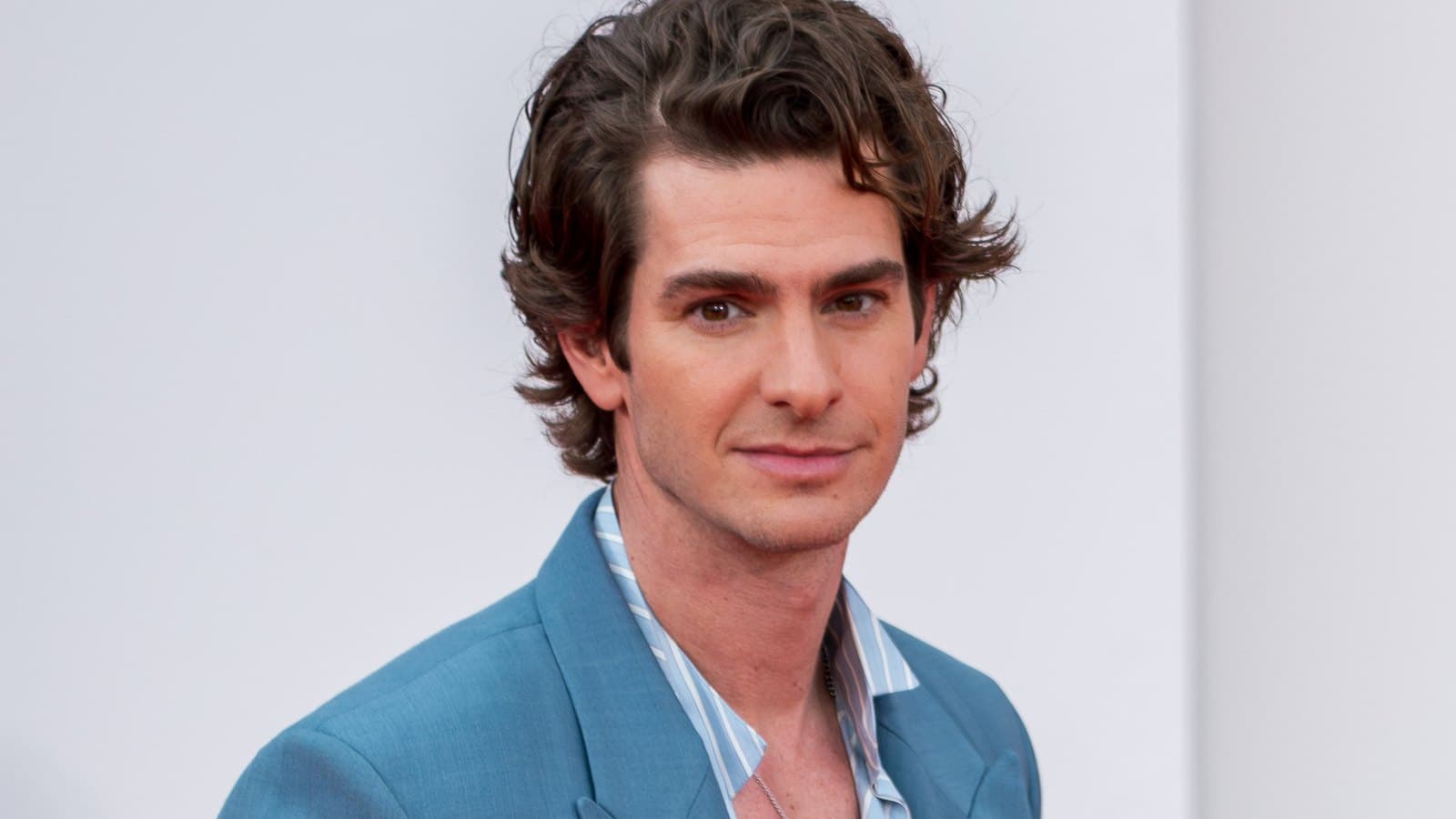
Cover image: Colleen Sturtevant, Wikimedia Commons, CC BY-SA 4.0.
Tags
Frequently asked questions
- When does 'Artificial' come out?
- Neon opens 'Artificial' in U.S. theaters on December 25, 2026. It premiered at the New York Film Festival on Monday, October 5, 2026.
- Who plays Sam Altman in 'Artificial'?
- Andrew Garfield plays Sam Altman. The cast also includes Yura Borisov as Ilya Sutskever, Monica Barbaro as Mira Murati, Ike Barinholtz as Elon Musk and Mark Rylance as Geoffrey Hinton.
- Is 'Artificial' based on a true story?
- It is a narrative adaptation of real events, dramatizing the period when Sam Altman was fired and then reinstated at OpenAI in 2023. Simon Rich wrote the screenplay, and the dialogue is written for the film rather than drawn from transcripts.
- Did 'Artificial' get good reviews at the New York Film Festival?
- First reactions were strongly positive, with critics calling it a 'visceral corporate drama' and Guadagnino's 'best film in a decade.' These are festival impressions from a single screening; no aggregate review scores existed when they were published.

TPW Editorial
Editorial Team
TechPastWeek's editorial team reports and edits every story we publish. We research each piece against primary and credible secondary sources, and a human editor reviews and signs off before it goes live.