TSMC Will Buy Up to $1 Billion of OpenAI and Anthropic Stock
TSMC's board approved up to $500 million each in OpenAI and Anthropic shares, plus $40.9 billion of capital spending and a record quarterly NT$9 dividend.

On this page
Key takeaways
- TSMC's board approved up to $500 million for Anthropic common shares at the company's IPO price and up to $500 million for OpenAI preferred stock on 10 November 2026.
- The same meeting approved about $40.93 billion in capital appropriations for advanced capacity, packaging, fab construction and 2027 research and sustaining spending.
- TSMC reported third-quarter revenue of NT$1.494 trillion and net income of NT$763.06 billion, and raised its quarterly cash dividend to NT$9 a share.
- Anthropic is selling 825 million shares at $70 to $78 in an IPO expected on 19 or 20 November, with TSMC among the buyers in a separate $26 billion private placement.
- The investments are caps approved by the board, not completed purchases, and TSMC has not disclosed board seats or other terms.
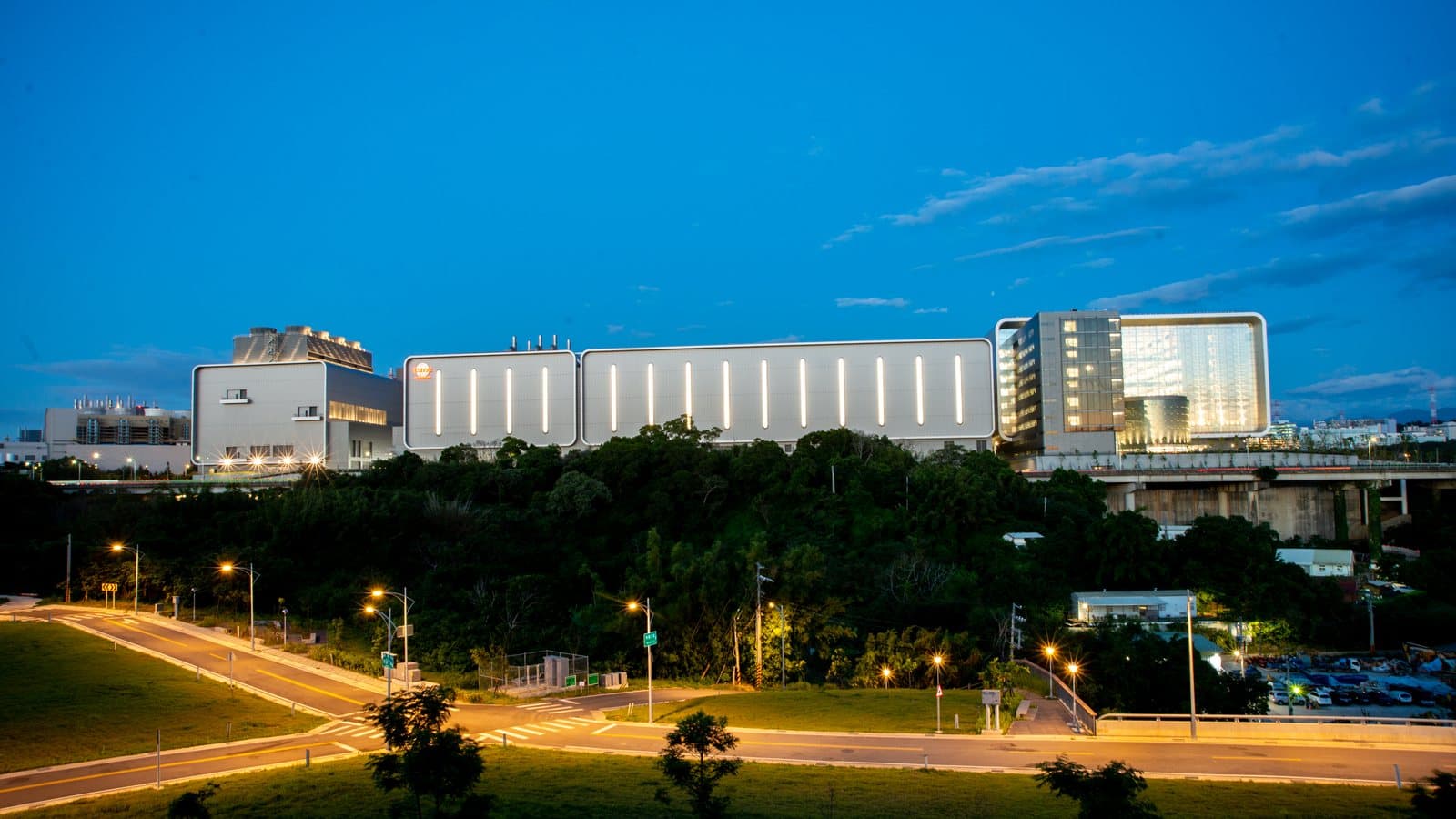
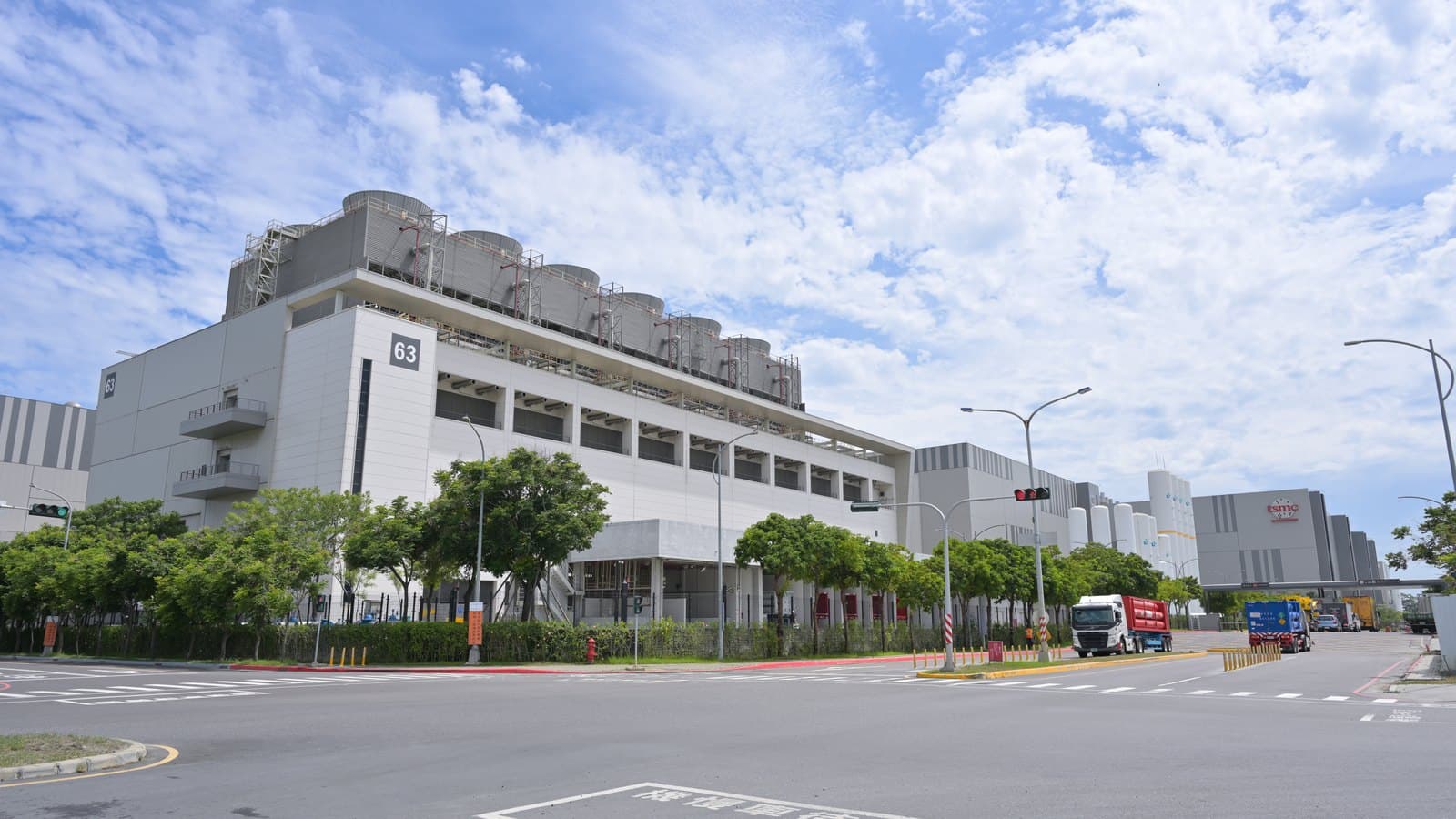
TSMC's board approved investments of up to $500 million each in Anthropic and OpenAI on 10 November 2026, giving the world's largest contract chipmaker direct stakes in two of the companies buying its advanced silicon. The same meeting signed off on about $40.93 billion in capital appropriations and a quarterly dividend of NT$9 a share.
Related reading: Advanced Packaging: The New Battleground of the Semiconductor Industry · Nvidia's DSX POD Turns an AI Factory Into a Shipping Container.
The two equity stakes are capped at $1 billion in total. TSMC will buy Anthropic common shares at the price set by Anthropic's initial public offering, and OpenAI preferred stock in a private placement. TSMC did not disclose board seats, voting arrangements or other terms.
The decision lands in a difficult week for the AI trade. Nvidia shares have fallen on concerns about chief executive Jensen Huang and a board investigation, CoreWeave has spent a month under pressure over its debt, and Anthropic is asking public investors to value it at roughly $1.3 trillion to $1.45 trillion. TSMC's balance sheet gives it room to buy during that uncertainty. Its Q3 results, also approved on 10 November, showed revenue of NT$1.494 trillion and net income of NT$763.06 billion, or NT$29.43 per diluted share.
What the board approved
The resolutions cover four separate items. TSMC approved capital appropriations of approximately $40.9267 billion for advanced technology capacity, advanced packaging, mature and specialty capacity, fab construction, and 2027 research, sustaining capital and leased assets. It approved up to $500 million to set up an investment company for strategic deals across the semiconductor ecosystem. It approved up to $500 million for Anthropic common shares at the IPO price. And it approved up to $500 million for OpenAI preferred stock.
The company also declared a NT$9.0 per share cash dividend for the third quarter, with a record date of 17 March 2027 and payment on 8 April 2027.
Those are authorisations, not completed trades. The Anthropic purchase depends on the IPO pricing and allotment. The OpenAI investment is a private placement of preferred stock, a different instrument from the common shares public investors will buy. TSMC has not said when either purchase will close.
A foundry buying its customers
TSMC sits at the base of the AI supply chain. It fabricates most of Nvidia's data-centre GPUs, most of Apple's custom chips and a growing share of the custom accelerators that cloud companies design for inference. OpenAI and Anthropic are among the largest buyers of that capacity, either directly or through cloud partners.
The equity stakes reverse the usual direction of that relationship. Normally TSMC takes orders and gets paid. Now it will also hold a financial interest in two customers whose spending plans help determine how much capacity it needs to build.
There is a strategic logic. Anthropic and OpenAI are both working on custom silicon for inference, and TSMC wants to be the manufacturing partner for those programmes. A direct stake can strengthen the relationship, and it gives TSMC a seat at the table when capacity is allocated. Taiwanese outlets framed the move as a step beyond pure foundry work, though TSMC has not described it that way.
The sums are small next to TSMC's own budget. A $1 billion investment is less than 3% of the $40.93 billion in capital appropriations approved at the same meeting, and it is smaller than the stakes Nvidia has taken in the same two companies. Nvidia has invested $30 billion in OpenAI and $10 billion in Anthropic, according to Reuters reporting cited by Ars Technica.
The circular-financing question
The arrangement fits a pattern that has worried analysts all year. Chip suppliers, cloud providers and investors are putting money into AI companies that then spend it on chips and computing capacity. Nvidia invests in OpenAI, OpenAI buys Nvidia chips, and Nvidia's revenue rises. TSMC is now part of a smaller version of the same loop.
The Wall Street Journal reported that the TSMC investment could give markets "a shot of confidence as the artificial-intelligence trade shows signs of strain," while also noting analyst warnings that circular financing makes real demand harder to evaluate.
"A shot of confidence as the artificial-intelligence trade shows signs of strain." — The Wall Street Journal
That is the central tension. Money moving from a supplier to a customer can be a vote of confidence, a customer-retention tool or both. It can also inflate the apparent size of the market if the same dollars are counted as revenue at one company and investment at another. TSMC's disclosure does not resolve which interpretation is right.
Why Anthropic's listing price matters
TSMC's Anthropic shares will be priced at the IPO offer price. Anthropic's amended S-1, filed on 10 November, sets a range of $70 to $78 for 825 million shares, which could raise up to $64.35 billion before fees. The filing implies a fully diluted valuation of about $1.3 trillion to $1.45 trillion and points to a Nasdaq listing under the ticker ANT, with reporting pointing to 19 or 20 November.
A separate $26 billion private placement will sell nonvoting Class N shares to Nvidia, Microsoft, Google, TSMC, Broadcom, AMD and Micron. Those buyers are not subject to the standard six-month lockup, according to the filing, which means TSMC and the other strategic investors could sell sooner than a typical pre-IPO holder. The company has given no indication that it intends to trade the shares, but the absence of a lockup makes the position more liquid than the headline suggests.
For TSMC, buying at the IPO price is a bet that the listing clears at or above that level. If the shares fall after the debut, the investment shows a paper loss in the next quarterly report. If they rise, TSMC books a gain on a customer it already supplies. The accounting treatment will depend on how the stake is classified, and TSMC has not said whether it will hold the shares as a strategic investment or mark them to market.
A cap is not a cheque
The $500 million figures are maximums approved by the board. They do not mean TSMC has wired $1 billion, and they do not guarantee that either deal closes on those terms. The Anthropic purchase depends on the IPO price and allocation, while the OpenAI investment is a private preferred-stock deal whose size and timing have not been published.
What the money does not buy
TSMC has not announced a board seat, a technology-sharing agreement or a guaranteed capacity allocation. The resolutions describe financial investments, not commercial contracts. Any deeper partnership would sit outside the disclosed terms.
That matters for how the deal should be read. A $500 million stake does not give TSMC control over Anthropic's roadmap or OpenAI's chip choices. It gives it exposure to their equity and a closer relationship with their procurement teams. The strategic value will depend on conversations that are not in the filing.
Capacity is the lever TSMC actually holds. The company allocates wafer starts months in advance, and customers compete for the most advanced nodes. A financial stake does not formally change that queue, but it can change the tone of the negotiation. Taiwanese analysts have suggested the holdings could give TSMC more flexibility on future capacity and pricing. That is a reasonable inference from the deal, not a disclosed term.
The investment also cuts both ways in a downturn. A supplier holding customer equity takes a second hit when that customer struggles: orders fall and the stake loses value at the same time. TSMC's size makes that tolerable, but it does not make the risk disappear.
What to watch
The first test is Anthropic's IPO. A strong debut would validate TSMC's entry price and give the broader AI trade a lift. A weak one would turn the stake into an early mark-to-market problem and complicate the case for other corporate investors.
The second is Nvidia's quarterly results on 17 November. Nvidia is TSMC's largest AI customer and the company most exposed to the same questions about demand, circular financing and political scrutiny. Its guidance will shape how investors read TSMC's capacity budget.
The third is TSMC's own capital spending. The $40.93 billion appropriation is not a forecast of 2027 capex, but it is a statement about how quickly the company expects to add capacity. Watch whether the next quarterly call raises or trims that number, and whether the AI customers behind it keep their commitments.
Tags
Frequently asked questions
- How much is TSMC investing in OpenAI and Anthropic?
- TSMC's board approved up to $500 million for Anthropic common shares at Anthropic's initial public offering price and up to $500 million for OpenAI preferred stock. The total is capped at $1 billion, and the company has not said how much it has actually bought.
- When is Anthropic's IPO?
- Anthropic plans to sell 825 million shares at $70 to $78 each, and its amended filing points to a Nasdaq debut under the ticker ANT on 19 or 20 November 2026. The timing comes from reporting on the filing and is not a confirmed first trading day.
- Why is TSMC buying shares in its customers?
- TSMC makes most of the advanced chips used in AI data centres, and both OpenAI and Anthropic buy large amounts of that hardware. The equity stakes tie the foundry more closely to two of the companies driving demand, though TSMC has not explained how the holdings will be used.
- Is this circular financing?
- It has the same shape. A supplier is investing in customers that buy its products, and those customers are simultaneously raising money from other suppliers and investors. Analysts have warned that such deals make it harder to judge underlying demand.

TPW Editorial
Editorial Team
TechPastWeek's editorial team reports and edits every story we publish. We research each piece against primary and credible secondary sources, and a human editor reviews and signs off before it goes live.