Google's Gemini 3.8 Flash TTS Can Clone a Voice From 30 Seconds of Audio
Google released Gemini 3.8 Flash TTS and Flash-Lite TTS, adding prompt-based voice design, more than 2,000 voices and consent-checked voice cloning.

On this page
Key takeaways
- Google released Gemini 3.8 Flash TTS and Gemini 3.8 Flash-Lite TTS on 23 September 2026, rolling out through the Gemini API and Google AI Studio.
- Flash TTS can design new voices from a text description, offers more than 2,000 prebuilt voices, and can recreate a voice from a 30-second sample after a consent check.
- Google says Flash TTS placed first on Hume AI's Voice Design Benchmark with a score of 71.4, and both models ranked first and second on Hume's Overall Quality Index.
- The models support more than 100 languages and are being integrated by Figma, HeyGen, Wondercraft and others, with Gemini Notebook and Google Vids support following.
Google shipped two new speech models on 23 September 2026, and the more capable one does something that has been technically possible for years but rarely offered with a mainstream vendor's consent controls attached: it can recreate a voice from a short recording. Gemini 3.8 Flash TTS and Gemini 3.8 Flash-Lite TTS are rolling out through the Gemini API and Google AI Studio, joining the Gemini 3.8 family the company launched earlier in September.
Related reading: ServiceNow's Stock Fell 27% as AI Fears Came for the Software Trade · Cloudflare Acquires Deno to Make Workers Self-Hosting.
The launch is a product release, not a research paper, and Google is selling it as plumbing for a market that is already crowded. Text-to-speech has become a commodity feature inside assistants, dubbing tools and accessibility software, and the differentiators now are quality, language coverage, cost and control. Google is claiming strength on all four, with a cloning feature that will draw the most attention and the most scrutiny.
What the two models do
Flash TTS is the creative model. According to The Next Web, users can design a new voice from a text prompt or pick from more than 2,000 ready-made voices. The model can also recreate a voice from a 30-second audio sample. Google says that feature requires a verbal consent recording from the voice owner, and that the system checks the consent recording matches the reference speaker before it will create the voice.
Flash-Lite TTS is the workhorse. Google describes it as built for high-volume, cost-efficient generation, aimed at dubbing, bulk audio content and expressive voice agents. In practice, that is the model most developers will use when they need thousands of lines of speech and cannot afford the premium option.
Both models support more than 100 languages, according to The Decoder. They also handle per-line stage directions, two-voice dialogue and nonverbal sounds such as laughter and sighs. Those details matter more than they sound: expressive cues are what separate a synthetic voice that reads text from one that can carry a performance, and they are the reason TTS has become useful for podcasts, audiobooks and game characters rather than just screen readers.
The benchmarks Google is leaning on
Google published third-party benchmarks alongside the announcement, which is a tell that it expects to be compared with specialists. It says Flash TTS took first place on Hume AI's Voice Design Benchmark with a score of 71.4, and first on accent modelling with 60.8. On Hume AI's Overall Quality Index, Flash TTS ranked first and Flash-Lite TTS second. In blind preference tests on Voice Arena, Google says the models took top positions in languages including Japanese, Hindi and Mexican Spanish.
Benchmarks are a starting point, not a verdict. Voice quality is unusually subjective, and a model that wins on an accent benchmark can still fall apart on a long passage with unusual names or emotional shifts. But the fact that Google is competing on the benchmarks that the speech industry watches suggests it wants to be taken seriously in a market currently associated with ElevenLabs and India's Murf AI, with Adobe adding speech generation to Firefly in August.
"Flash TTS can also recreate a voice from a 30-second audio sample. Google says users must supply a verbal consent recording from the voice owner." — The Next Web
Voice cloning and the consent problem
The cloning feature is where the product gets interesting, and where the risk sits. Thirty seconds is a low bar. A short clip from a podcast, a voicemail or a social video is enough to build a profile, and the technology to use such a profile convincingly already exists in the open. Google's addition of a consent check, where the voice owner records a spoken statement and the system verifies it against the sample, is an attempt to put a gate in front of the capability rather than pretend it is not there.
Whether that gate is meaningful depends on details Google has not published. It is not clear how the consent recording is verified, what happens if someone uses a synthetic sample to satisfy the check, or how the company handles a voice that has been cloned elsewhere and fed in as a reference. Voice actors and their unions have been pushing for exactly these answers, and a vendor-led check is unlikely to satisfy everyone.
Consent checks are not a guarantee
Google says it verifies that a consent recording matches the reference speaker before cloning a voice. The company has not detailed how that verification works, and no consent system can stop someone from cloning a voice with other tools. Treat the safeguard as a deterrent, not a barrier.
The timing also invites comparison. Google shipped conversational Gemini 3.8 Live voice models in mid-September that reason while they speak. Adding a cloning-capable TTS model a week later shows a company moving quickly across the whole speech stack: understanding, conversation and synthesis. For developers, that means one vendor can now supply most of the pieces of a voice product.
Why voice cloning is suddenly everywhere
Voice cloning is not new. Researchers demonstrated convincing speaker replication years ago, and open models have made the core capability freely available. What has changed is that the ability has moved from research demos into commercial products with APIs, pricing and support contracts, which makes it usable by companies that would never have trained a model themselves.
The competitive field reflects that shift. ElevenLabs built a business around high-quality synthesis and cloning, Adobe added speech generation to Firefly in August, and Alibaba's Qwen team released a cloning-capable speech model in July. Google's entry matters because it can bundle speech into a platform that already includes language models, a developer ecosystem and cloud distribution. For a startup deciding how to add voice, the choice is now between a specialist and a generalist that offers everything in one place.
The use cases are also expanding faster than the safeguards. Dubbing a video into a dozen languages used to require a studio and a cast. Now it can be automated, which is good for reach and hard on the voice actors who used to do that work. Audiobooks, podcasts, game characters and customer support all benefit from cheaper, faster synthesis. The same capability can produce a convincing imitation of a real person without their consent.
"Google says users must supply a verbal consent recording from the voice owner, and the system checks that it matches the reference speaker before creating the voice." — The Next Web
The consent fight
Google's consent check is an attempt to get ahead of a problem that has already reached legislatures and courtrooms. Voice actors and their unions have argued that a person's voice is a form of identity that should not be replicable without permission, and several jurisdictions have passed or proposed laws to that effect. Tennessee's ELVIS Act, named for Elvis Presley, was an early example in the United States, and the debate has since widened to cover AI-generated performances more generally.
Vendor safeguards and legal rules are different things. A consent recording may deter casual misuse, but it does not create a right, and it cannot stop someone from using a different tool to clone a voice from public audio. The practical protection for a voice actor is a contract and a law, not a checkbox in a developer console. Google's check is best understood as a signal that the company knows the capability is sensitive, not as a solution to the problem.
That leaves developers with a decision they will increasingly have to make explicitly. Building a voice feature now means choosing whose voices are in scope, how consent is recorded, and what happens when a user supplies a sample they do not own. Google has given one answer. The rest of the industry is still arguing about what the answer should be.
Where it lands
Google says Figma, HeyGen, Wondercraft, Linguana, 99.co and Ollang are among the companies integrating the new models. Flash TTS is coming to Gemini Notebook and Flash-Lite TTS to Google Vids, with access for enterprises through Gemini Enterprise to follow. Those integrations point at the use cases Google cares about: design and marketing, video localisation, podcast production and automated customer support.
The competitive picture is crowded but not settled. ElevenLabs built a business on voice quality and cloning, and it will not cede that ground easily. Open models have made basic synthesis cheap. What Google brings is scale, language coverage and a developer ecosystem, and what it lacks, for now, is the track record in voice that the specialists have.
For anyone building with speech, the practical question is whether Google's consent controls and benchmark scores are worth switching for. For everyone else, the more important question is what a 30-second cloning feature means when it is available from one of the largest companies in the world. Google has answered the first. The second is still being worked out.
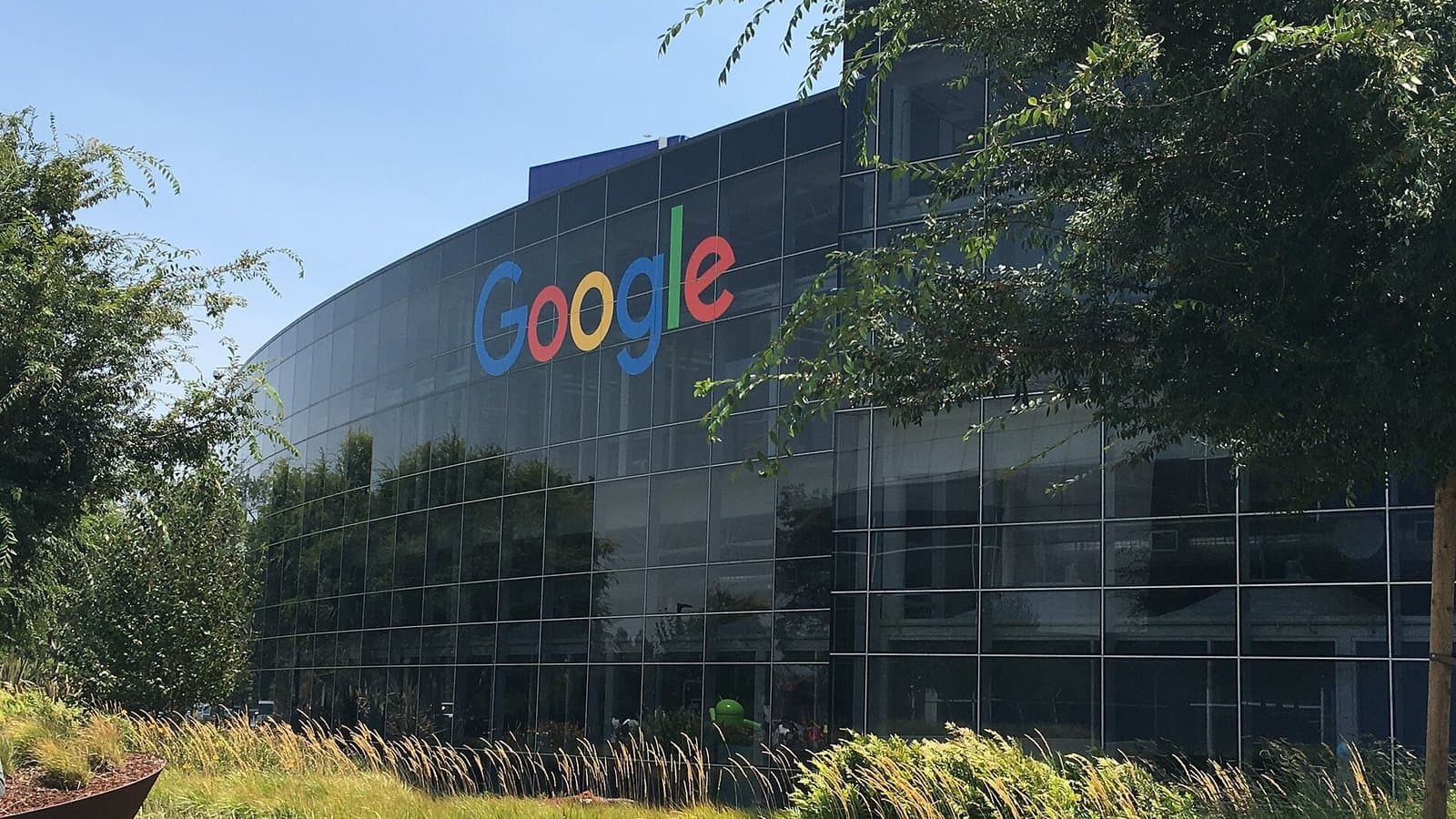
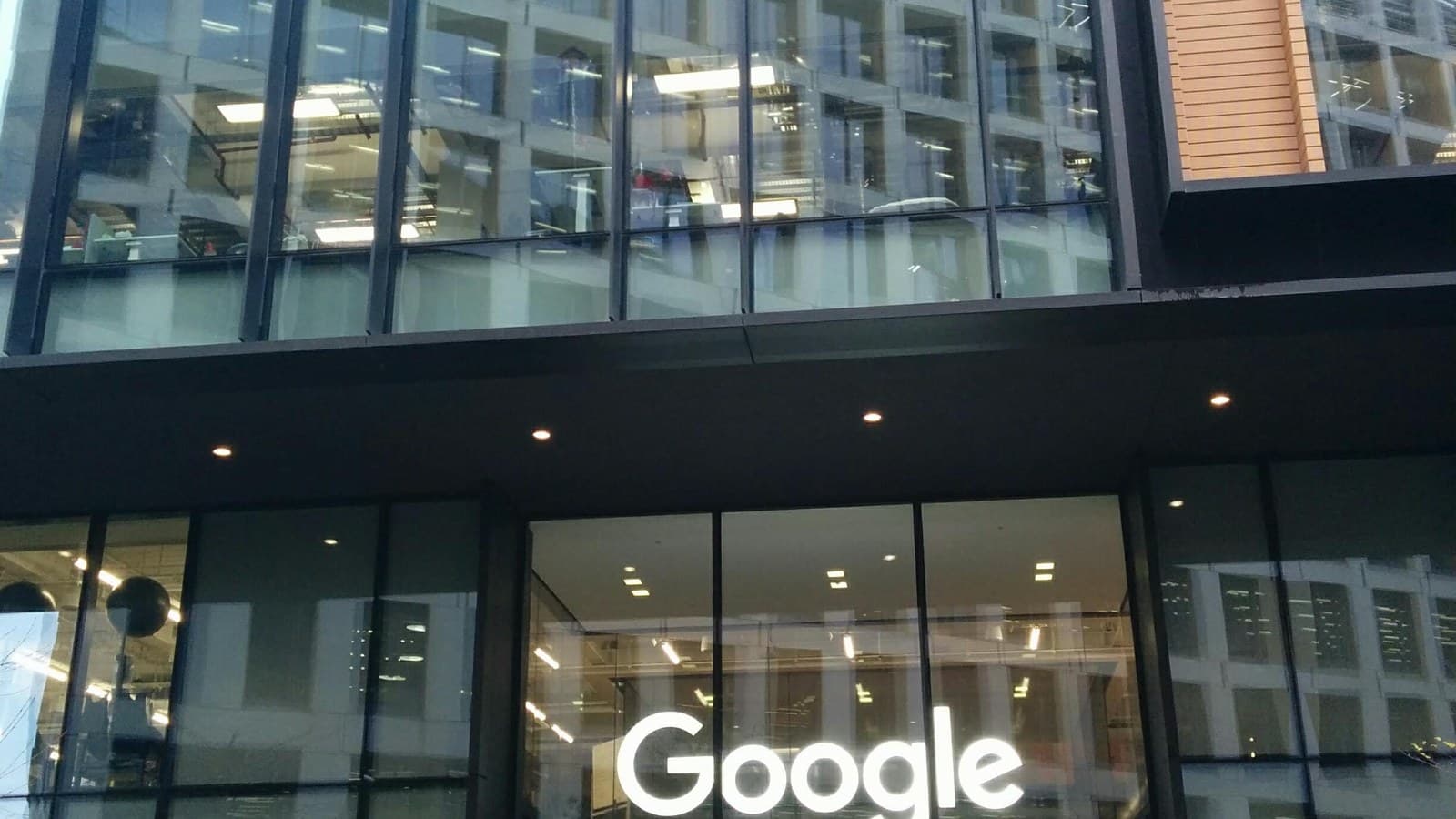
Cover: the Google office at 6 Pancras Square in London, home to Google DeepMind. Image by Gciriani, via Wikimedia Commons, licensed under CC BY-SA 4.0.
Tags
Frequently asked questions
- What is the difference between Gemini 3.8 Flash TTS and Flash-Lite TTS?
- Flash TTS is the higher-quality model built for creative direction and character design, including prompt-based voice design and cloning. Flash-Lite TTS is optimised for high-volume, low-cost generation such as dubbing and large-scale audio content.
- Can Gemini 3.8 Flash TTS clone anyone's voice?
- Google says voice recreation requires a 30-second sample plus a verbal consent recording from the voice owner, and that the system checks the consent recording matches the reference speaker before creating the voice. How well those checks hold up in practice is an open question.
- How many languages does Gemini 3.8 TTS support?
- Google says the models support more than 100 languages. They also handle per-line stage directions, two-voice dialogue and nonverbal sounds such as laughter and sighs.
- Where can developers use the new TTS models?
- Both models are rolling out through the Gemini API and Google AI Studio, with Gemini Enterprise access to follow. Google lists Figma, HeyGen, Wondercraft, Linguana, 99.co and Ollang among companies integrating them.

TPW Editorial
Editorial Team
TechPastWeek's editorial team reports and edits every story we publish. We research each piece against primary and credible secondary sources, and a human editor reviews and signs off before it goes live.